Subscribe now

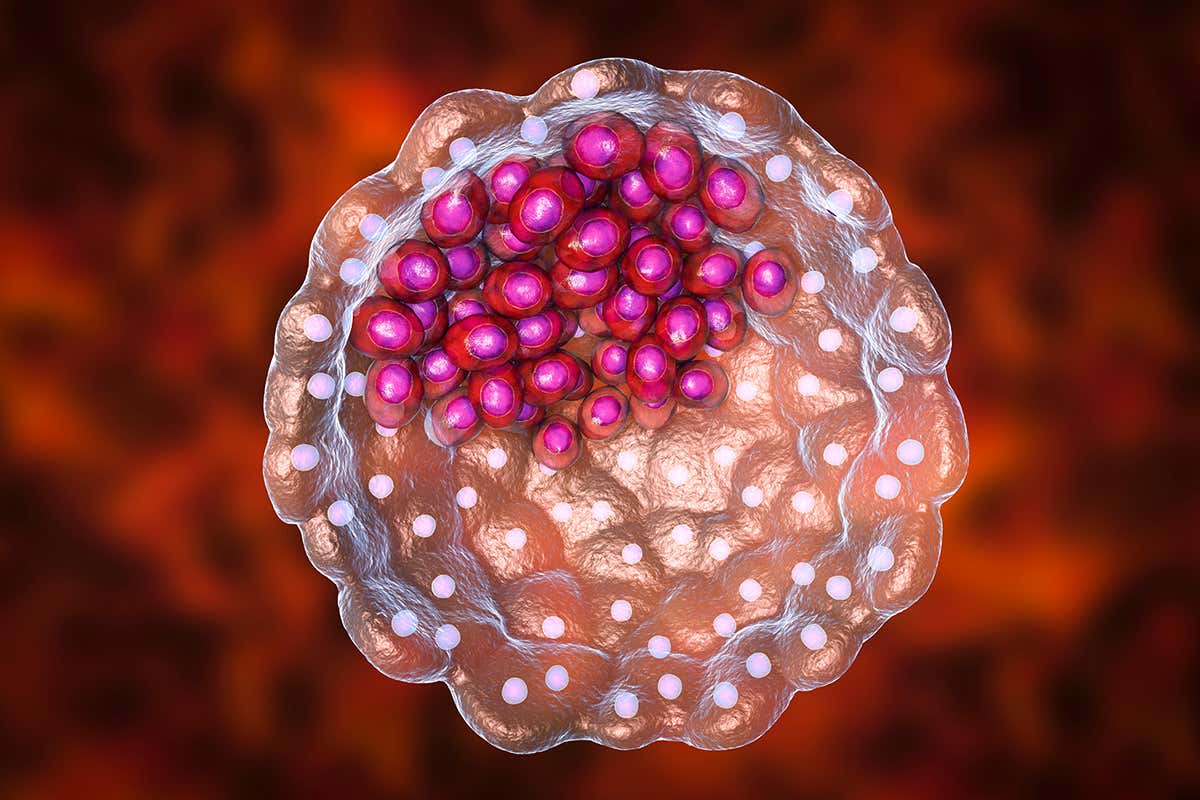
What are 'synthetic embryos' and why are scientists making them?

15 June 2023

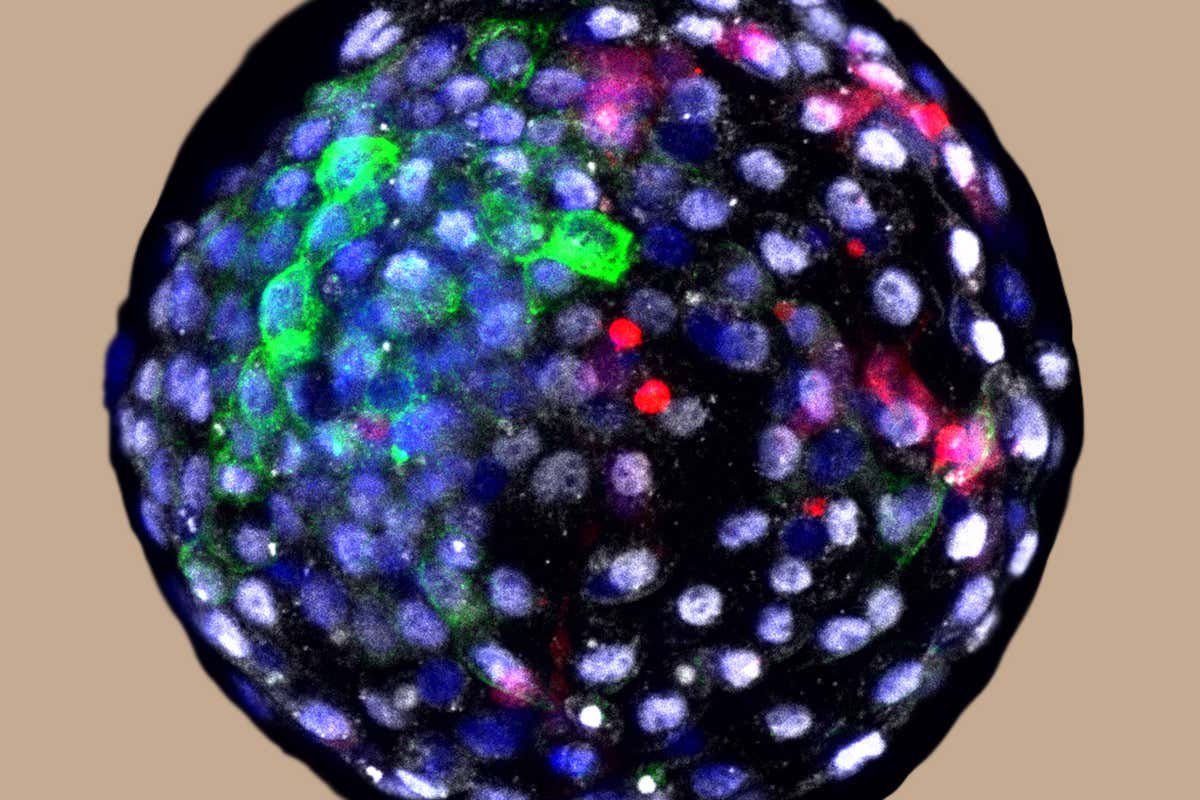
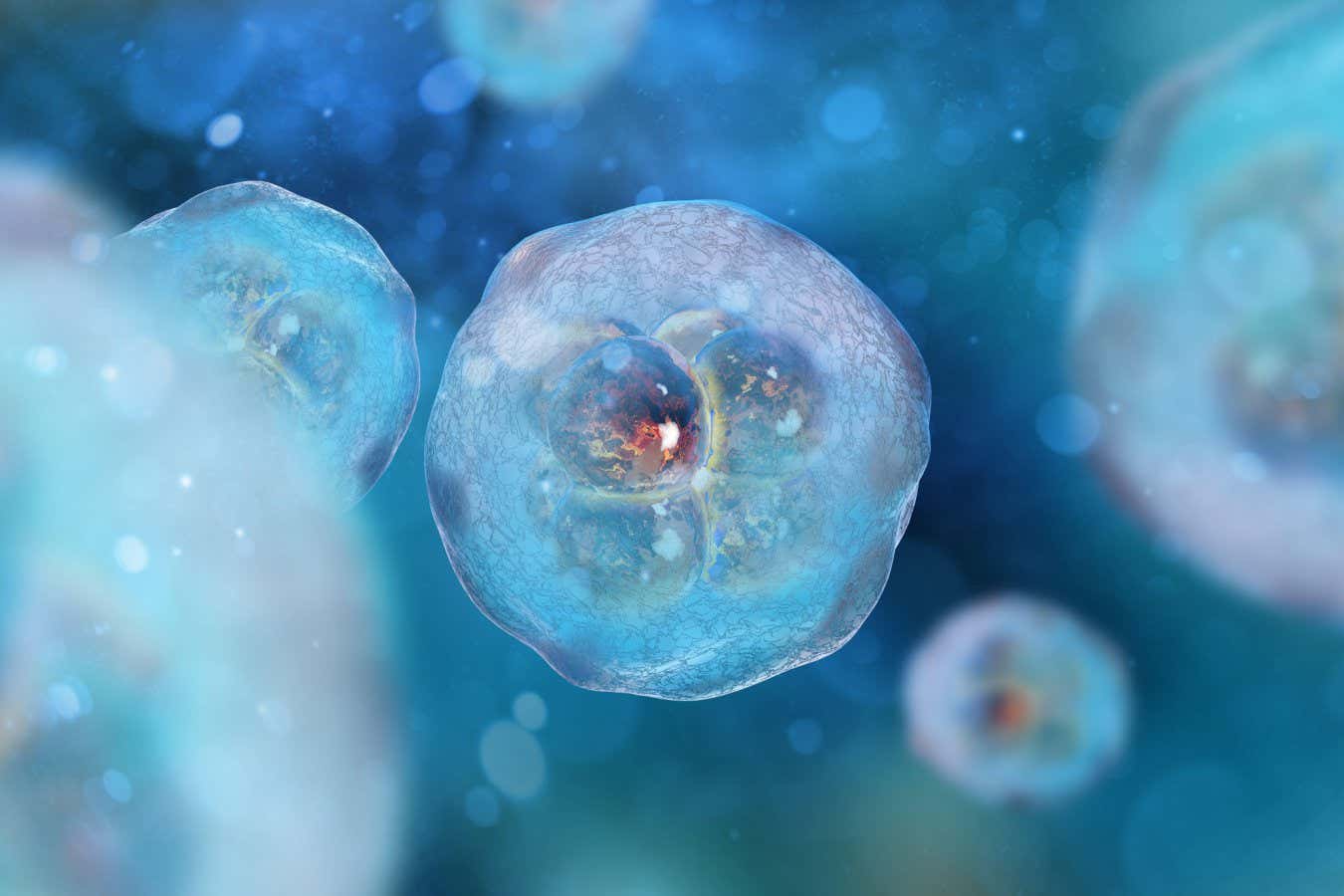
The first human embryo-like structures have been created from stem cells and reached a landmark stage of development, in a move that could help scientists study the causes of early miscarriages
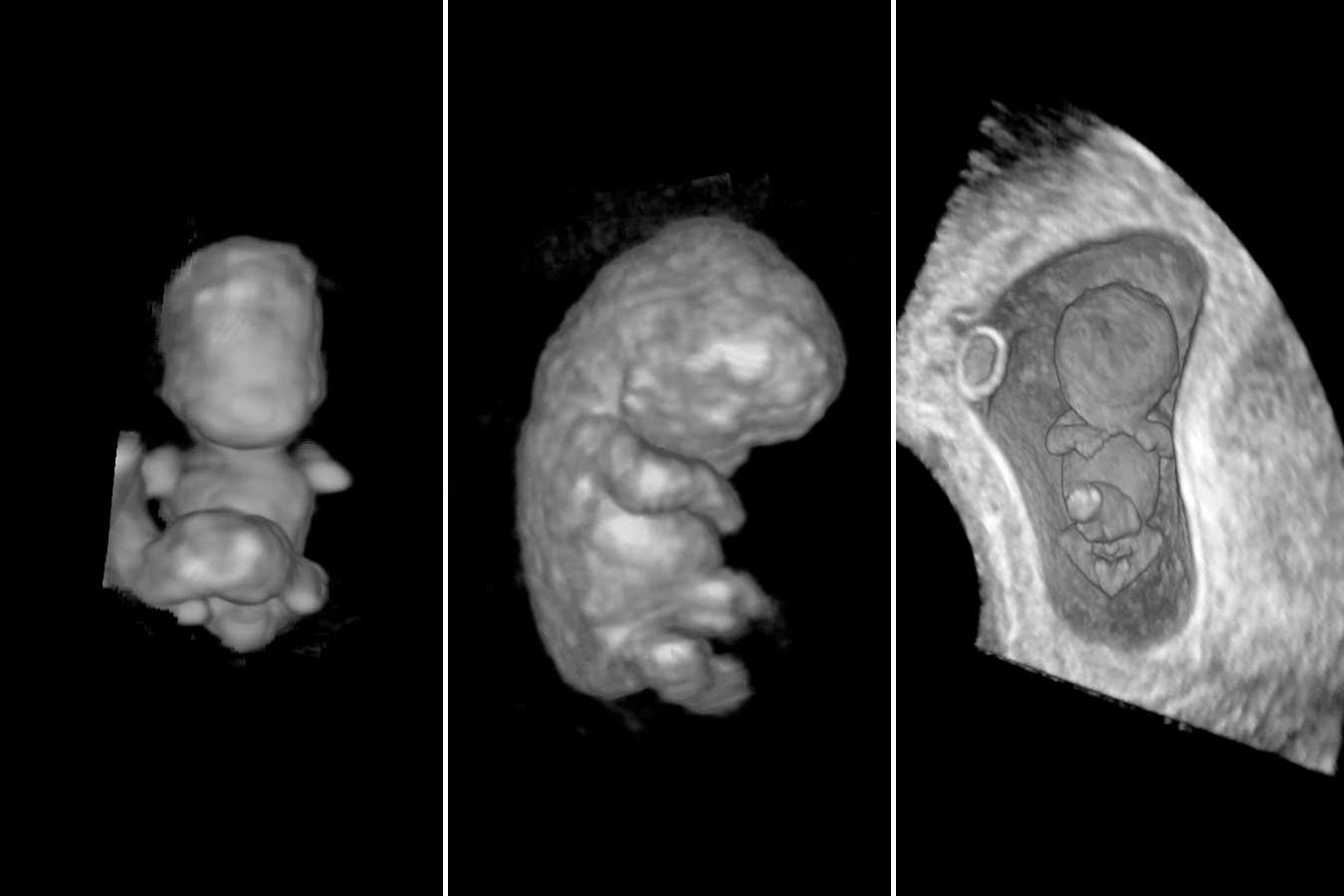
An embryo developing in the uterus at 8 weeks, 9 weeks and 10 weeks

Miscarriages may be more likely to occur with slow developing embryos

26 March 2023

Using vaginal ultrasound scans to build detailed 3D images that show an embryo's growth could predict which pregnancies are most likely to end in miscarriage


The amazing ways electricity in your body shapes you and your health

The amazing ways electricity in your body shapes you and your health

22 February 2023

Your cells crackle with electric signals that guide embryonic development and heal wounds. If we can learn to tweak this “bioelectric code”, we might be able to prevent cancer and even grow new limbs


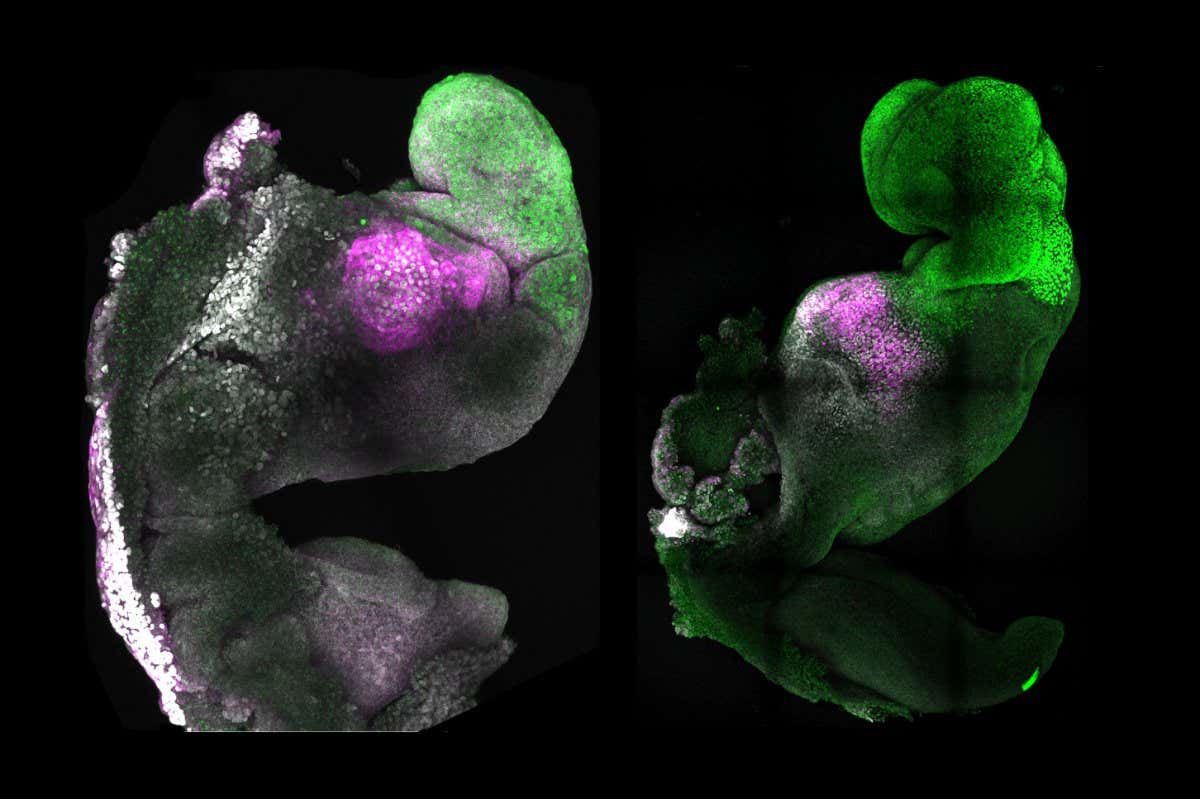
A synthetic mouse embryo (left) and a natural mouse embryo (right) show comparable brain and heart formation

Synthetic reproductive cells will help us understand fertility in 2023

1 January 2023

Laboratory-grown sperm, placentas and embryos in animals will help us gauge why some pregnancies don't reach full term, but whether these procedures could one day be safe or even ethical in humans is unclear


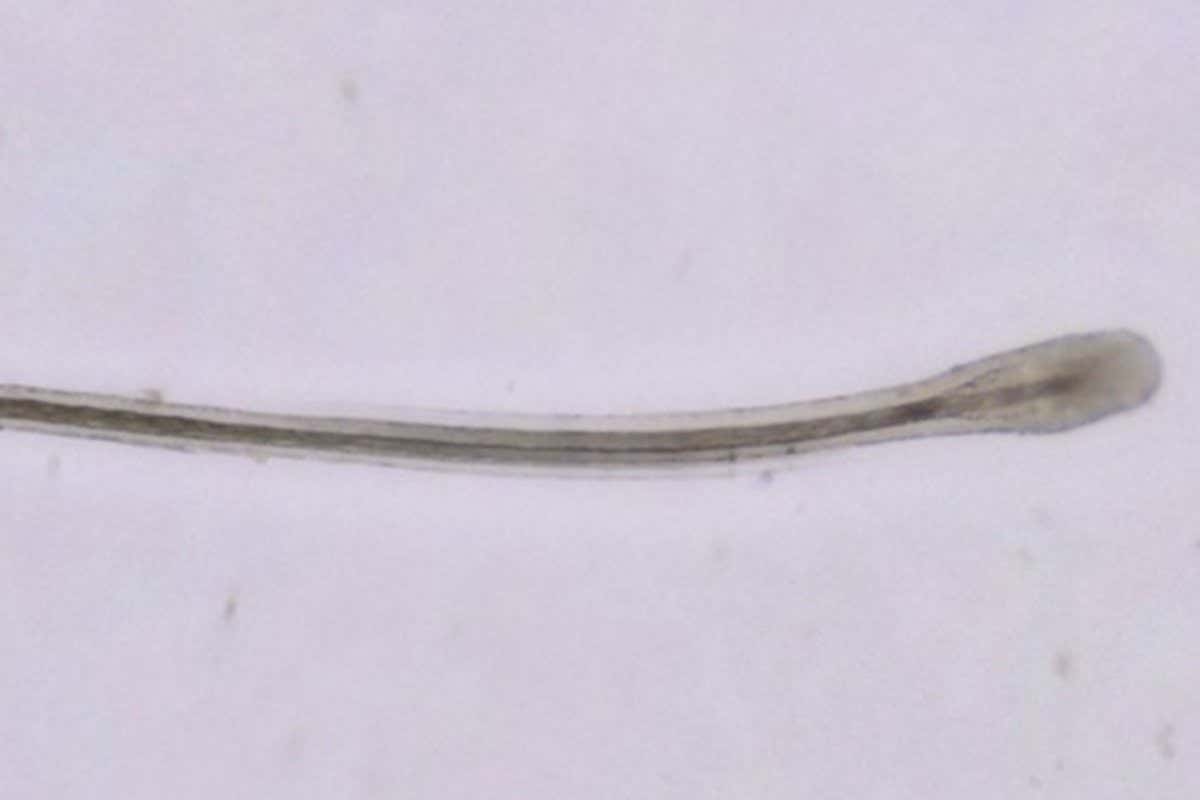
A hair follicle generated from hair organoids - tiny, simple versions of an organ

Hair follicles grown in the lab in a step towards hair loss treatment

21 October 2022

By modifying the embryonic skin cells of mice, researchers created hair follicles that grew up to 3 millimetres long over one month


Synthetic (left) and natural (right) embryos to show comparable brain and heart formation.

Synthetic mouse embryos with rudimentary brain grown in the lab

25 August 2022

Embryo-like structures grown in an incubator instead of a uterus could lead to better treatments for infertility and a range of other medical conditions


Insight into early embryos could explain why some pregnancies fail

Insight into early embryos could explain why some pregnancies fail

17 June 2021

Scientists have discovered key molecular events that shape embryonic development in the second week of gestation, a critical stage when many pregnancies are lost


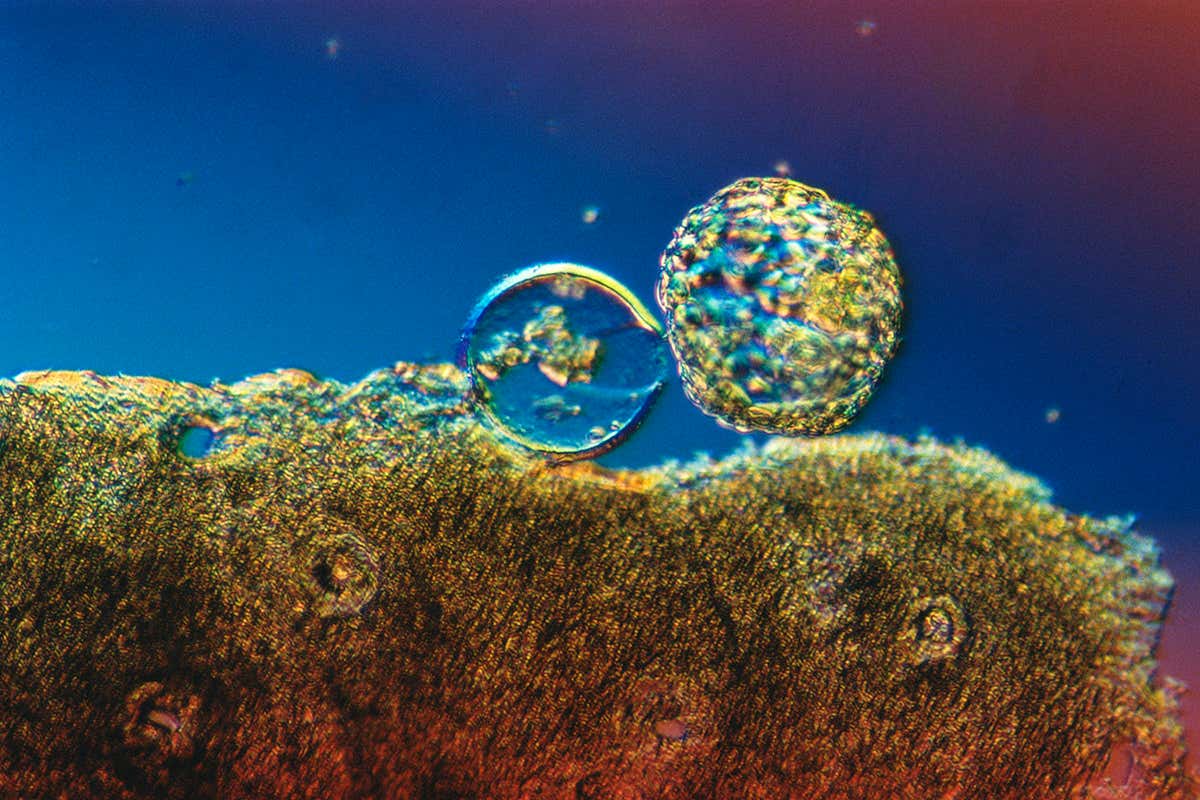
Monkey-human blastocyst

Human cells grown in monkey embryos raise ethical concerns

15 April 2021

Human-monkey chimeras produced by implanting human stem cells in macaque embryos could be used to study how cells develop, but some ethicists have raised concerns


Embryos reverse ageing to become younger than when they first formed

Embryos reverse ageing to become younger than when they first formed

22 March 2021

An embryo can reverse signs of ageing and appear younger than the fertilised egg from which it arose. This almost paradoxical finding suggests that embryos are able to rejuvenate, which could lead to ways of reversing age-related


CRISPR is a powerful technique for editing DNA

‘Scientists are now very sure that the babies really were gene-edited’

29 November 2018

He Jiankui has now presented his controversial work at a gene editing summit in Hong Kong. CRISPR expert Helen O’Neill of University College London was there


Sign up to our weekly newsletter

Receive a weekly dose of discovery in your inbox. We'll also keep you up to date with New Scientist events and special offers.

Sign up
Piano Exit Overlay Banner Mobile Piano Exit Overlay Banner Desktop