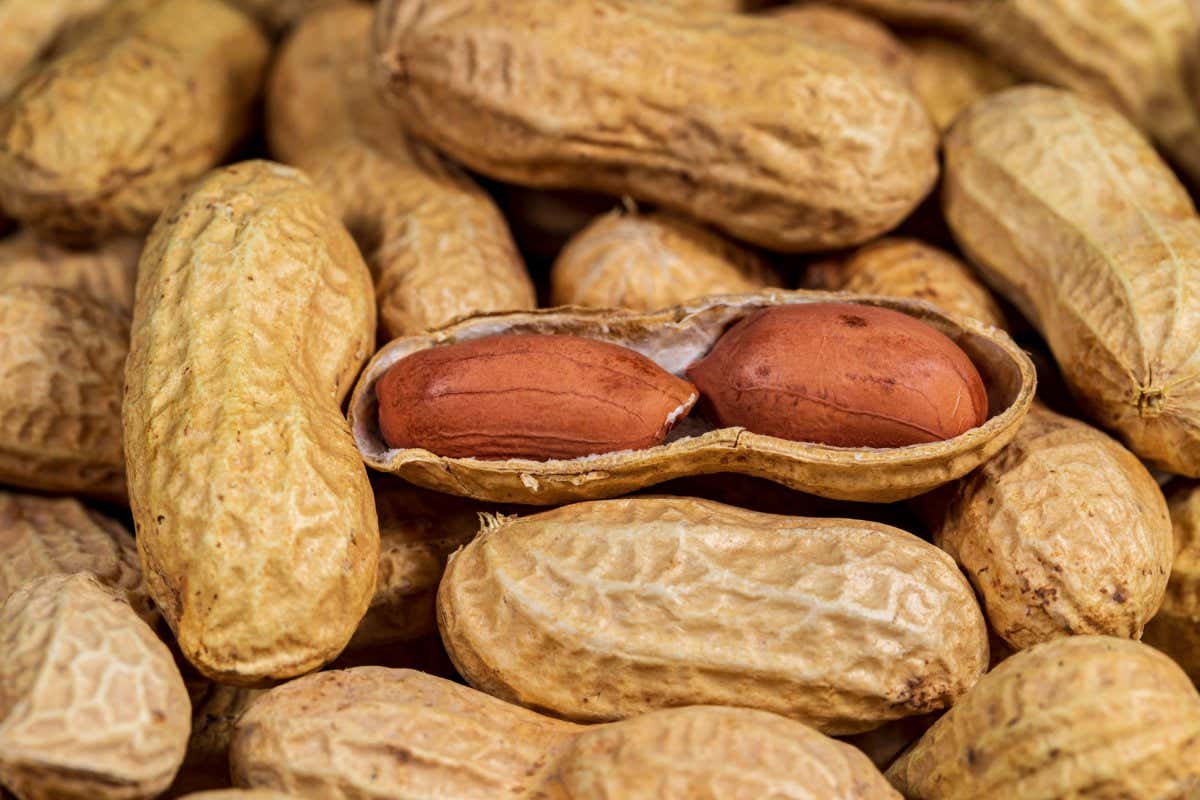
Fat molecule treatment may stop severe peanut allergy reaction in mice
21 August 2022
Consuming a fat molecule produced by gut bacteria appears to offer protection against anaphylaxis caused by peanut allergy
21 August 2022
Consuming a fat molecule produced by gut bacteria appears to offer protection against anaphylaxis caused by peanut allergy
28 March 2022
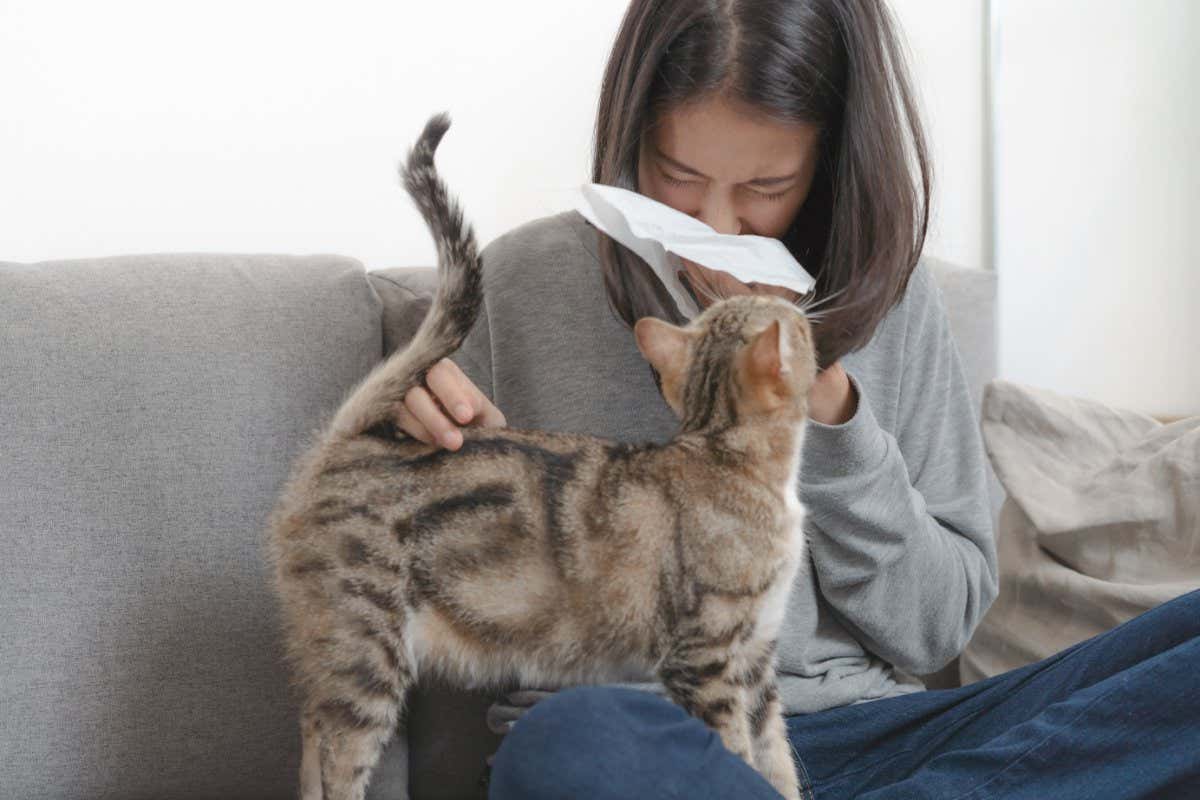
A US company has deleted the genes for the allergy-causing protein in cat cells as a first step towards creating cats that don't trigger allergies
5 November 2021
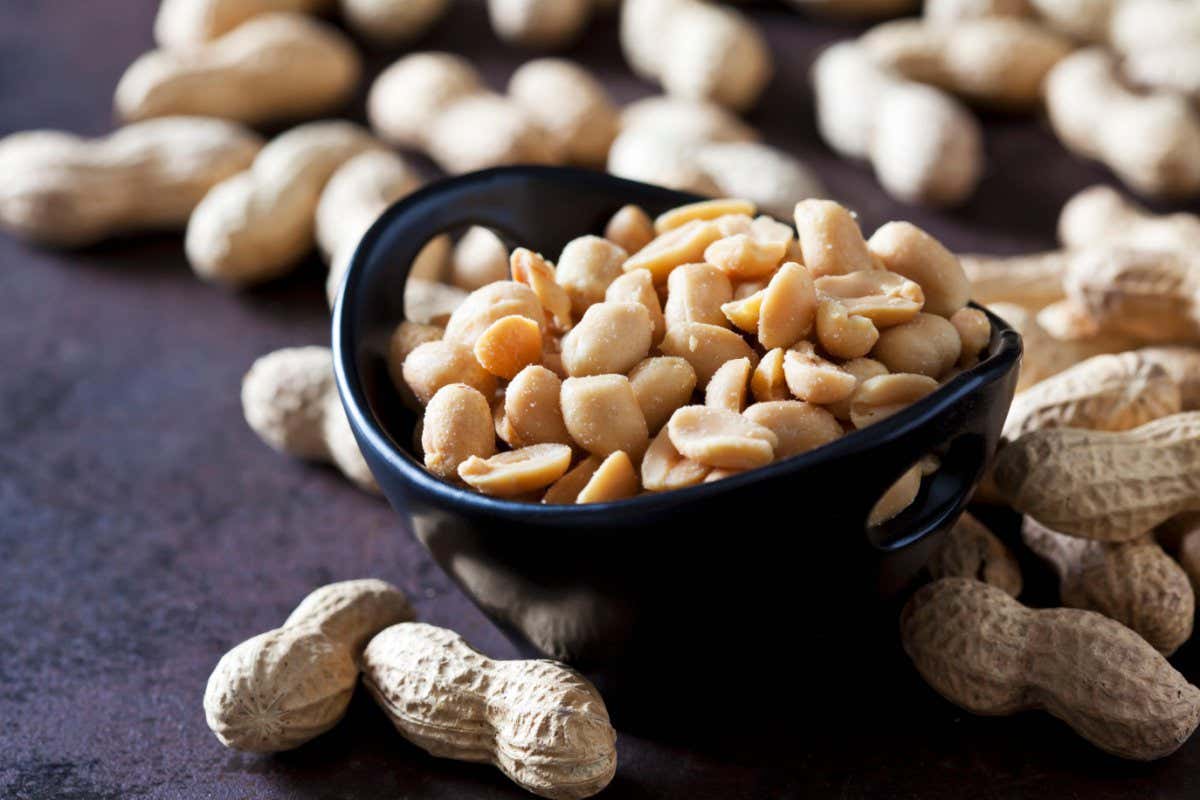
Parents have long avoided giving children peanuts early in their life for fear of making them allergic, but updated US advice published in 2017 recommends early introduction
29 April 2021
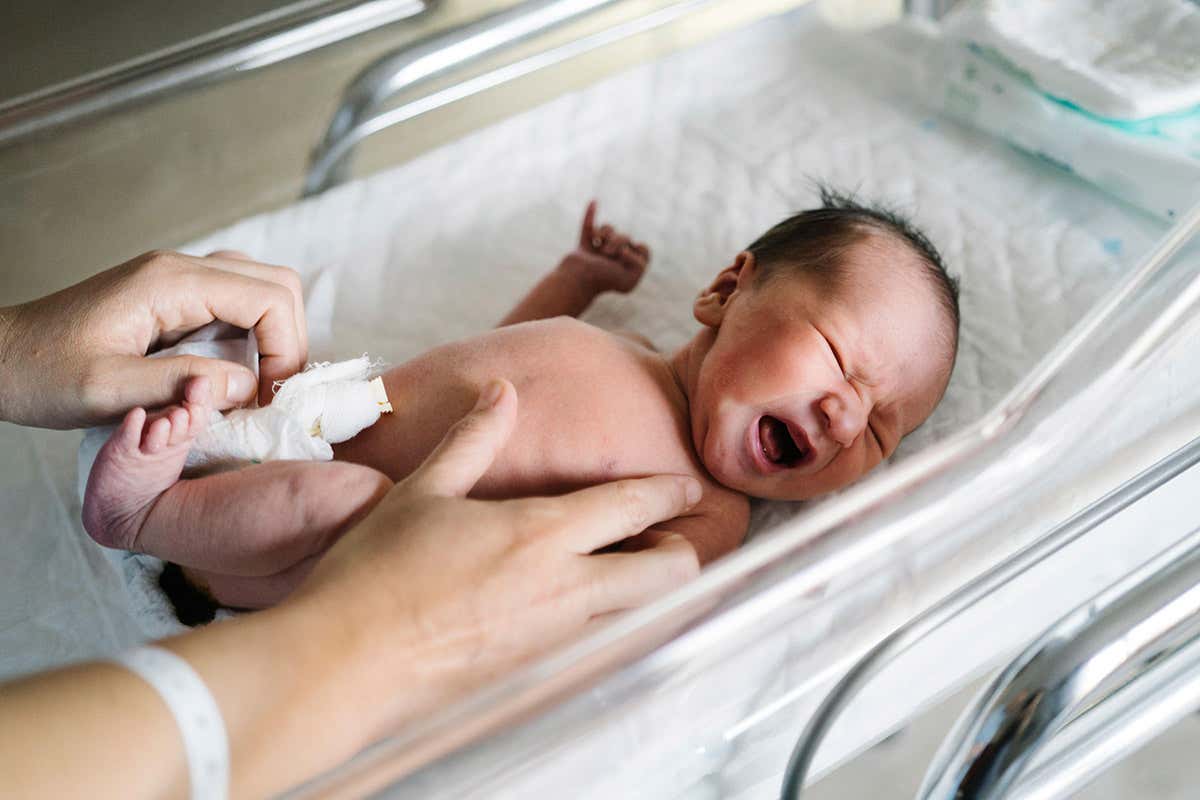
If the first stool passed by a baby is rich in a diverse set of chemicals, this may encourage the growth of beneficial gut bacteria that support a healthy immune system
28 April 2021
If you experience seasonal allergies, you can track your symptoms to help researchers investigate their environmental triggers, finds Layal Liverpool
10 March 2021
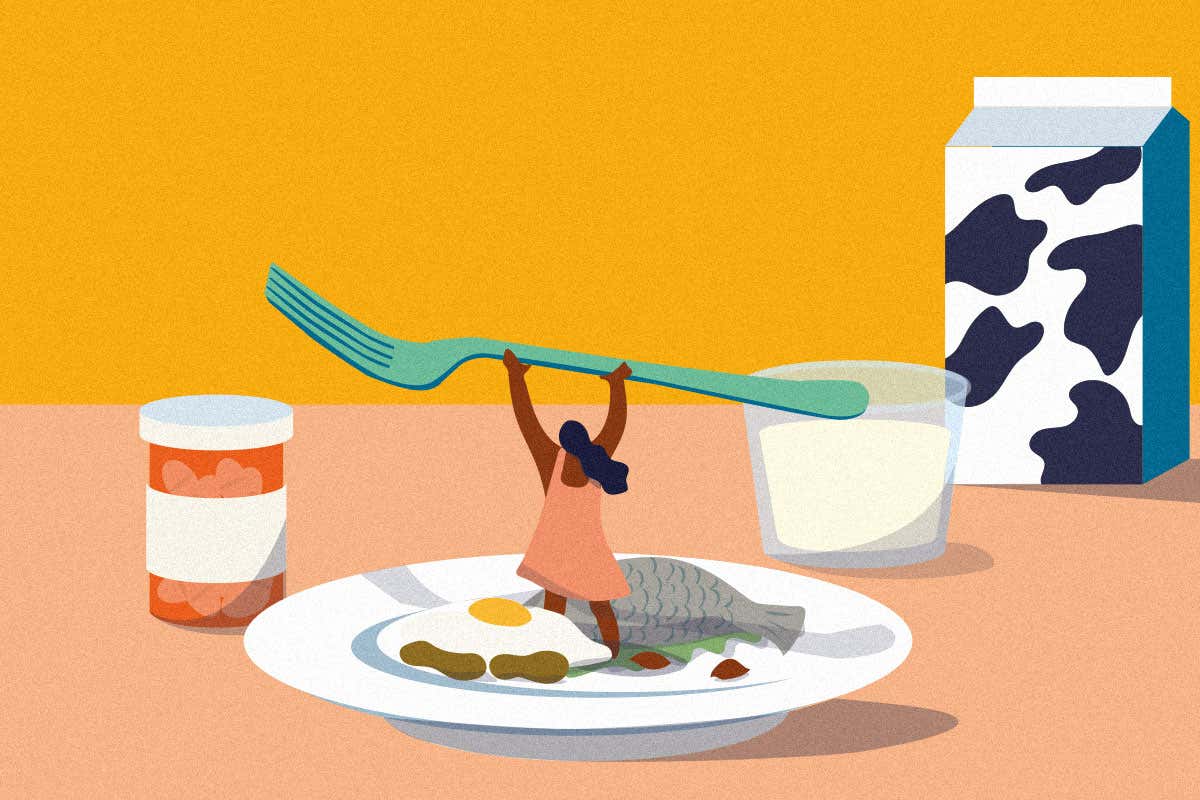
Allergic reactions to foods are a growing, potentially life-threatening problem. The good news is we can turn this around, says Kari Nadeau

21 September 2020
Severe peanut allergies in children jump 85 per cent on Halloween and 60 per cent on Easter, and other nut allergies follow the same trend, possibly due to social gatherings where sweets are shared

22 January 2020
Giving babies potentially allergenic foods early on may reduce the risk of allergies – but many parents don't as that conflicts with advice to breastfeed until six months
17 January 2020
Mice have thousands of allergen-sensing nose cells, a discovery which may offer clues as to why some people with allergies lose their sense of smell
3 January 2020
People’s skin can become inflamed when they wear cosmetics because a molecule in the skin triggers an immune response – but the reaction may be reversible
