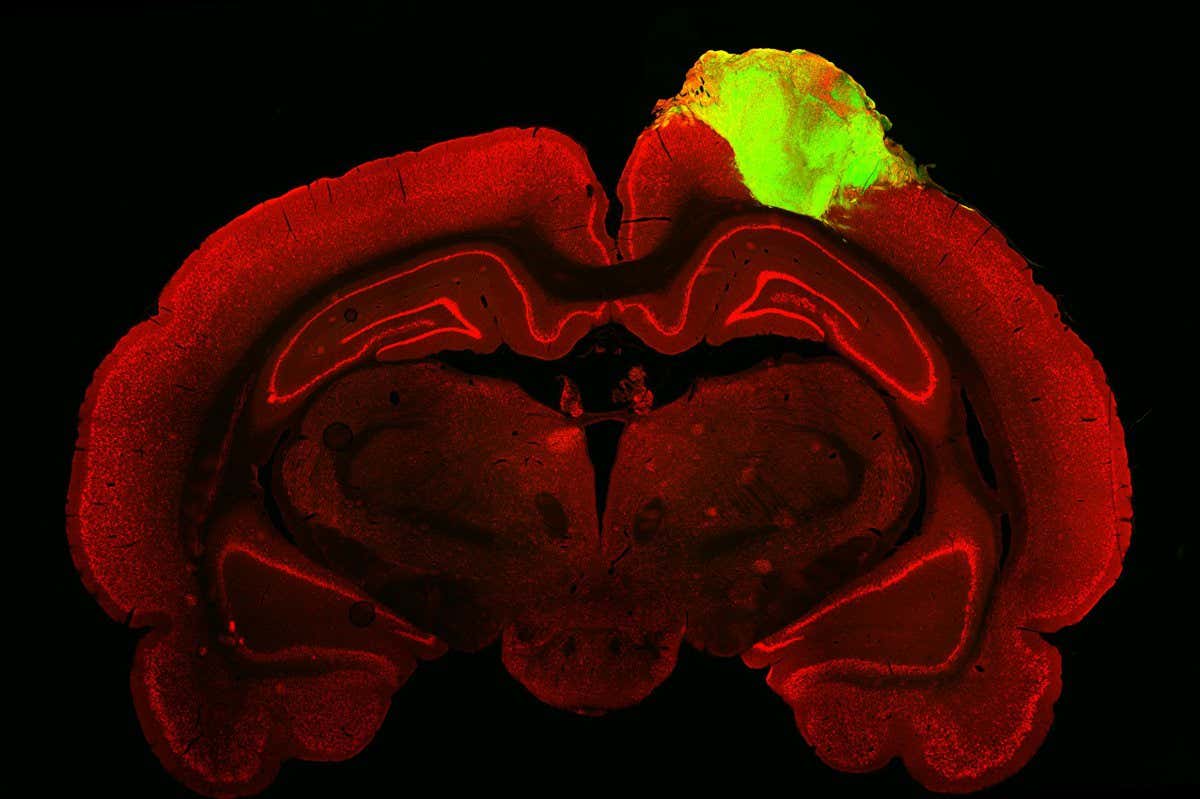
Human neurons implanted into a rat's brain respond to flashing lights
2 February 2023
Lab-grown neurons were transplanted into the brains of rats with damaged visual cortexes. After two months, the neurons responded when the rats saw flashing lights
2 February 2023
Lab-grown neurons were transplanted into the brains of rats with damaged visual cortexes. After two months, the neurons responded when the rats saw flashing lights
25 January 2023
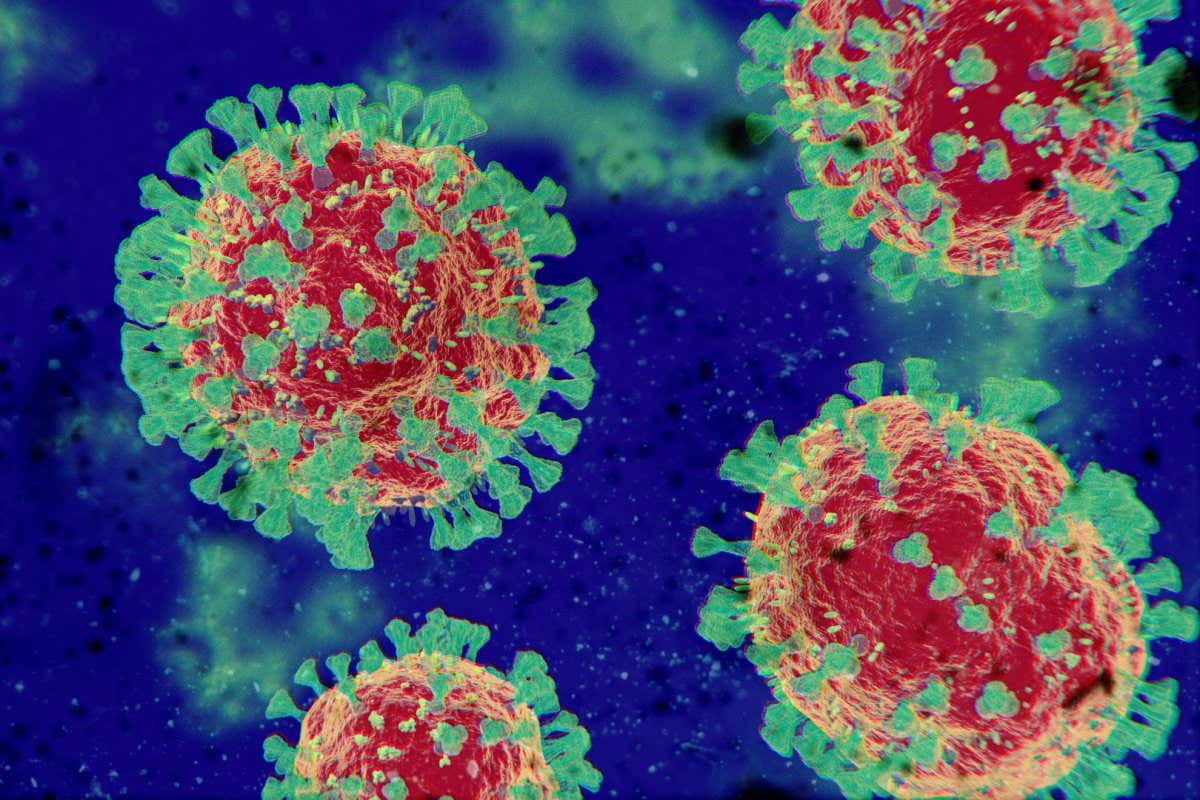
We now know that covid-19 can cause neurological symptoms, ranging from brain fog and headaches to strokes. Research is beginning to reveal how this happens and hint at better treatments
23 December 2022
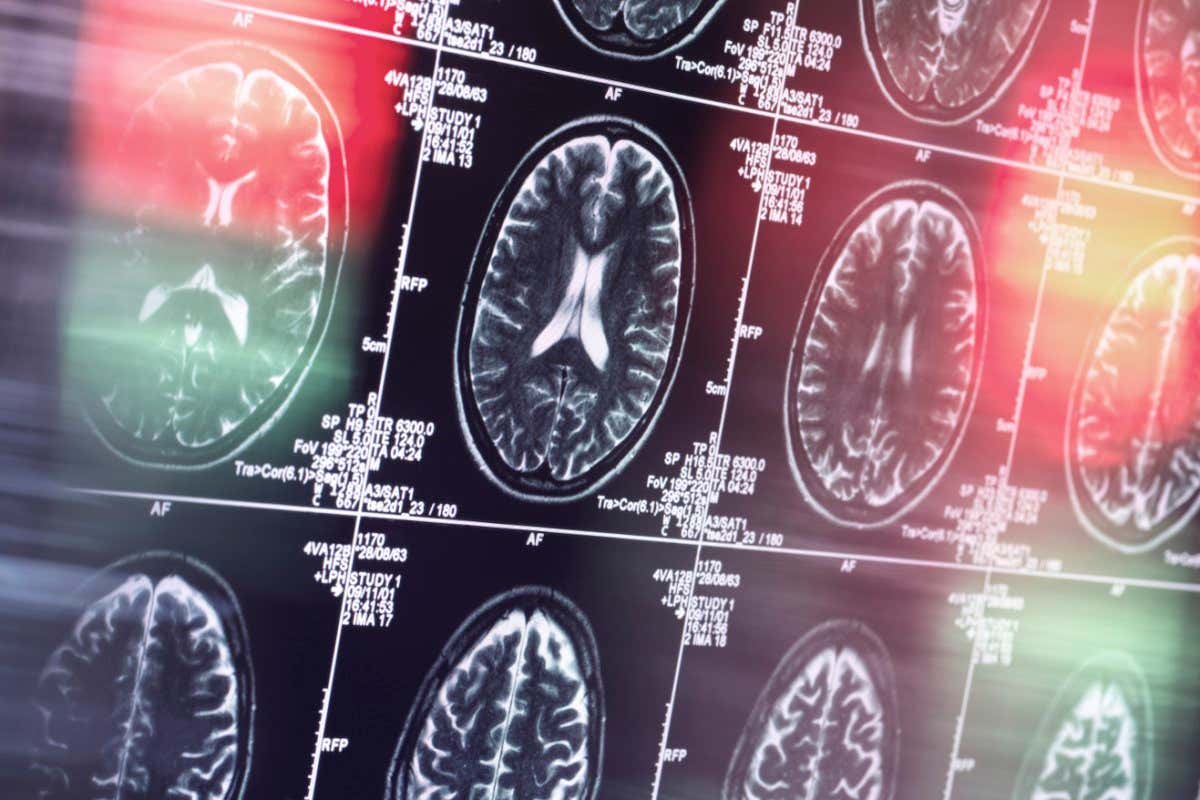
A method of drug delivery that uses one of the body’s own systems to sneak mRNA molecules past the blood-brain barrier could help treat conditions such as Parkinson's, Alzheimer's and cancer

23 November 2022
Physical differences in the brains of people with attention deficit hyperactivity disorder and those who don't have the condition could help diagnosis

25 July 2022
We know that air pollution is bad for our lungs and heart, but now advisers to the UK government say it can also be linked to dementia and cognitive decline in older people
11 February 2022
Our award-winning festival, New Scientist Live is back to stimulate, challenge and inspire with some of today’s biggest scientific discoveries and ideas.

24 January 2022
Poverty has been linked with changes in child brain development, and a scheme to give $333 a month to low-income families improved brain activity in a child’s first year
13 November 2020
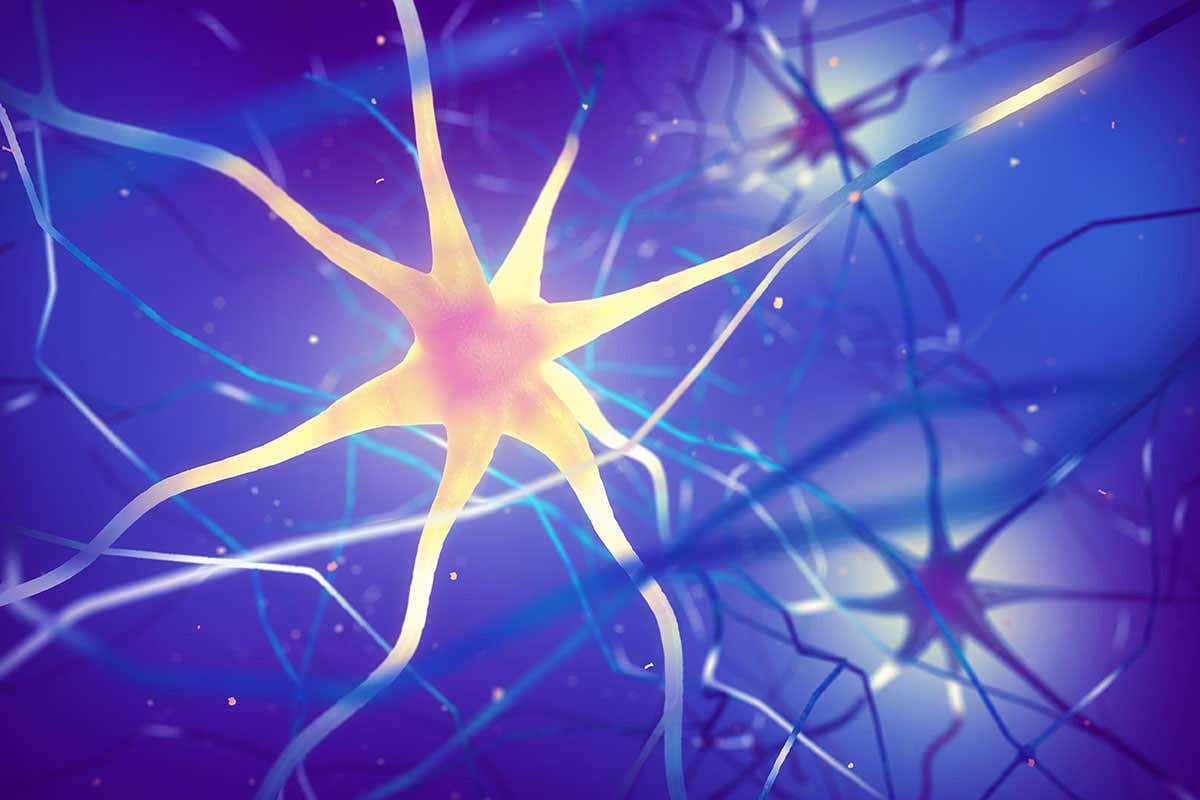
Neurons genetically modified to respond to light have been successfully implanted into rats, and could provide a better and longer-lasting way to link brains with computers

29 August 2020
A pig named Gertrude demonstrated a working Neuralink brain implant for the first time, and Elon Musk says the next step is to move into human trials soon
27 July 2020
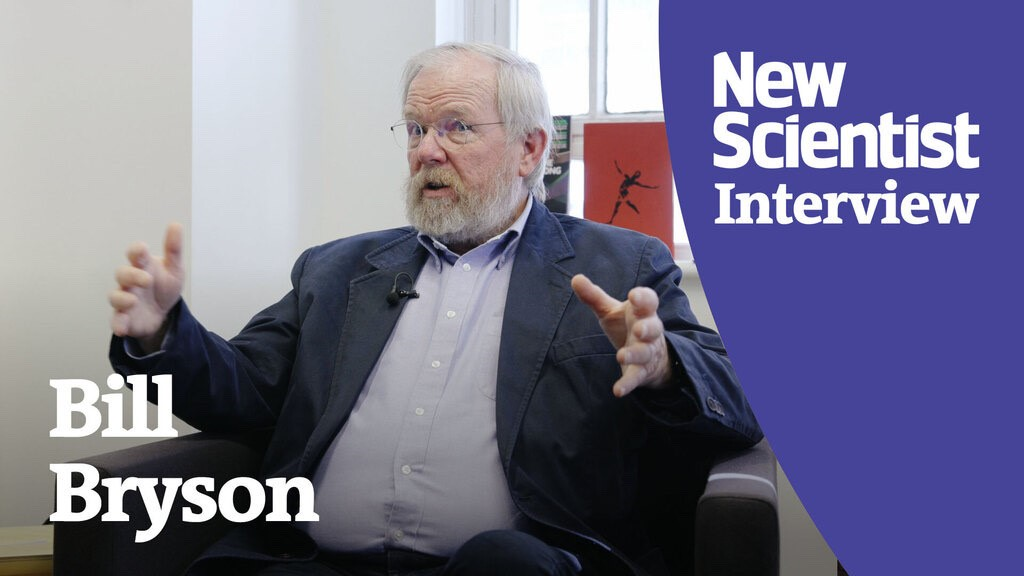
Forget disease and frailty. Bill Bryson’s new book, The Body: A guide for occupants, is a hymn to the way the things inside us just work without us telling them to.
