
Australia to ban nicotine-free vapes in push to end recreational use
2 May 2023
Under new rules in Australia, e-cigarettes will be more tightly regulated as prescription-only pharmaceutical products and nicotine-free vapes will be banned completely
2 May 2023
Under new rules in Australia, e-cigarettes will be more tightly regulated as prescription-only pharmaceutical products and nicotine-free vapes will be banned completely

7 December 2022
In a study of nearly 3.4 million people, almost 4000 genetic variants were linked to how much alcohol a person drinks a week, the age some start smoking and whether they quit the habit

19 October 2022
Smokers with a certain bacterium in their gut that breaks down nicotine have less severe liver disease, and tests in mice suggest this microbe can prevent liver damage

7 October 2022
Smoking and our body mass index - whether underweight, overweight or obese - may be involved in the onset of everything from heart failure and hernias to sleep apnoea and nail disorders

16 June 2022
The US may restrict the sale of flavoured e-cigarettes because of potential harm to teenagers. But evidence suggests vaping is much less dangerous than smoking and can help people quit – including adults who like an array of flavours

13 June 2022
Some smokers lose their cravings after experiencing damage to specific parts of the brain, suggesting these areas form a network that somehow fuels the habit
16 May 2022
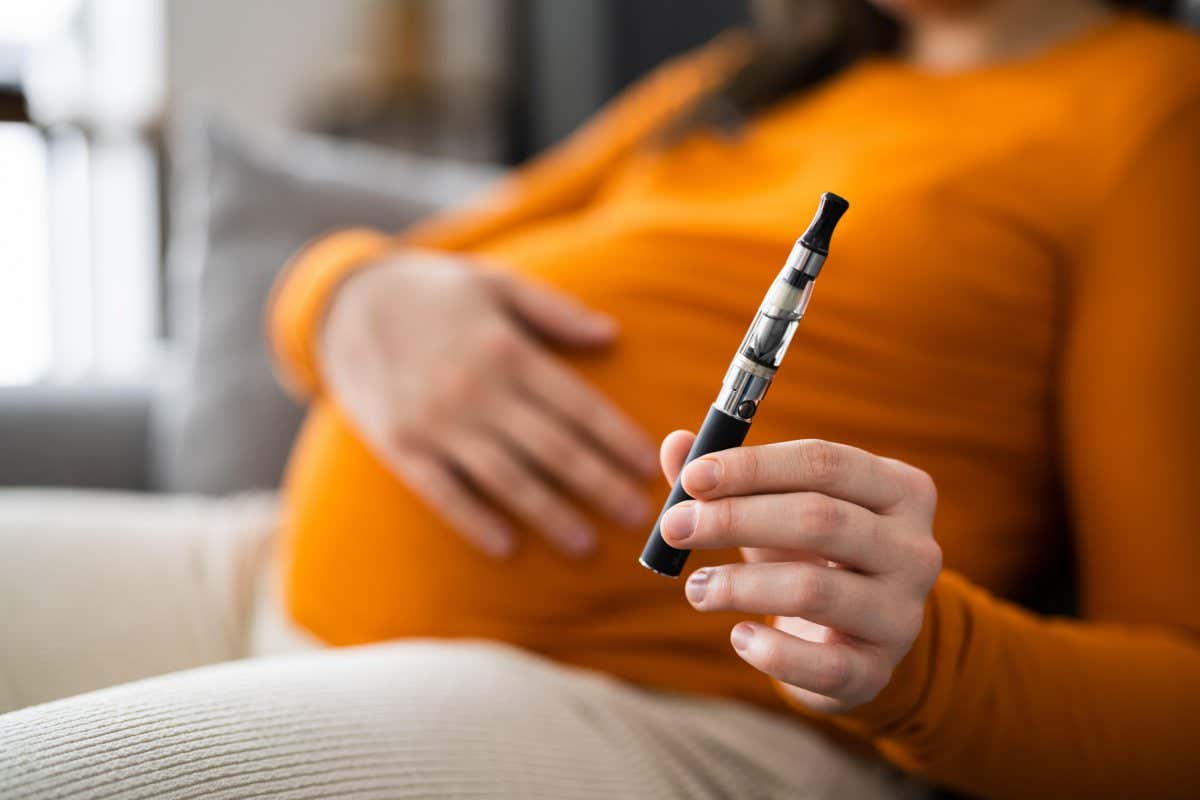
E-cigarettes may be more effective than nicotine patches as a tool for quitting smoking during pregnancy, suggests a UK study

10 March 2022
Trends in cigarette and e-cigarette use among 16 to 24-year-olds in England suggest that vaping doesn’t encourage more young people to start smoking

10 December 2021
Outlawing the sale of cigarettes to anyone born after 2013 and mandating low-nicotine cigarettes for others will help New Zealand reach its smoke-free vision, but vaping will still be an issue
2 September 2020
People who use e-cigarettes to help them stop smoking are no more likely to be abstinent a year later, and are more likely to remain dependent on nicotine, according to data from a large US study
