
Losing parts of our voice box may have helped humans evolve to speak
11 August 2022
Unlike people, 43 species of monkeys and apes are known to have so-called vocal membranes, which may prevent them from having precise voice control
11 August 2022
Unlike people, 43 species of monkeys and apes are known to have so-called vocal membranes, which may prevent them from having precise voice control
16 March 2022
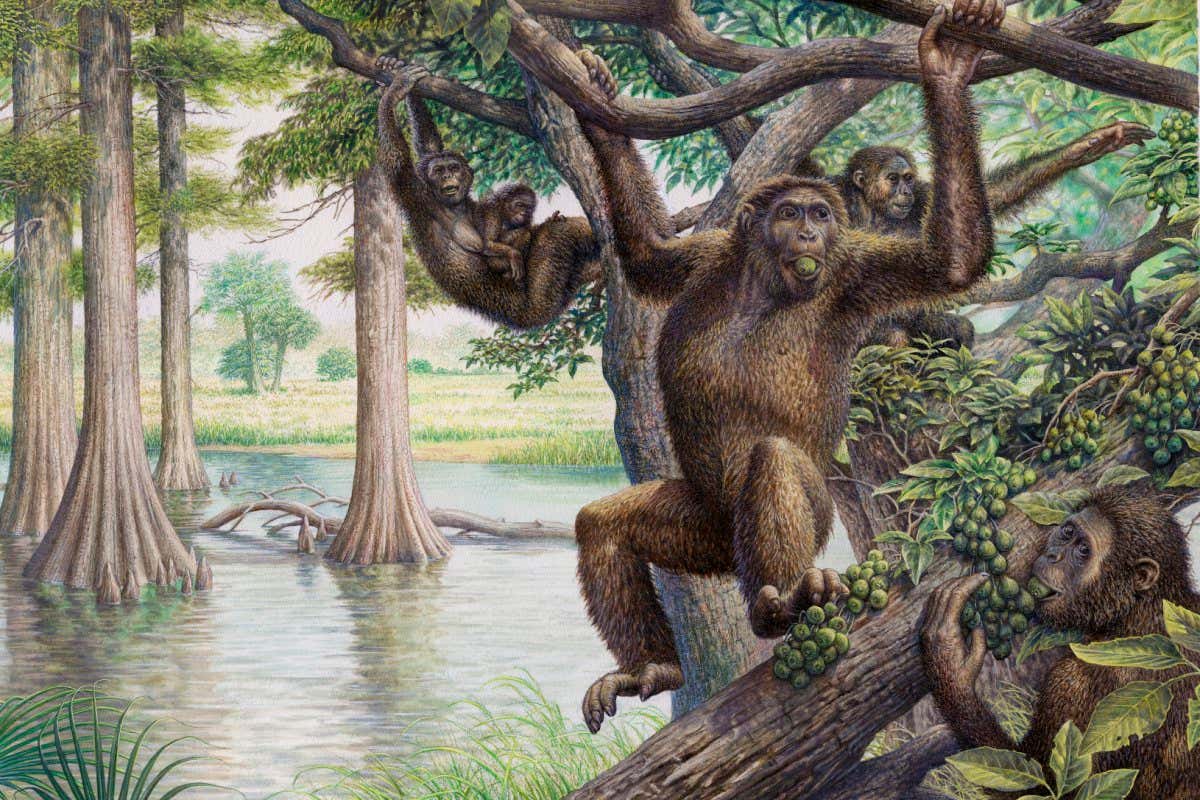
A new family tree of apes that lived in the Miocene between 23 and 5.3 million years ago reveals which are our close relatives and which are only distant cousins

6 November 2019
An extinct ape that lived in Germany 11.6 million years ago may have been bipedal – even though walking upright is the hallmark of more human-like species
20 September 2019
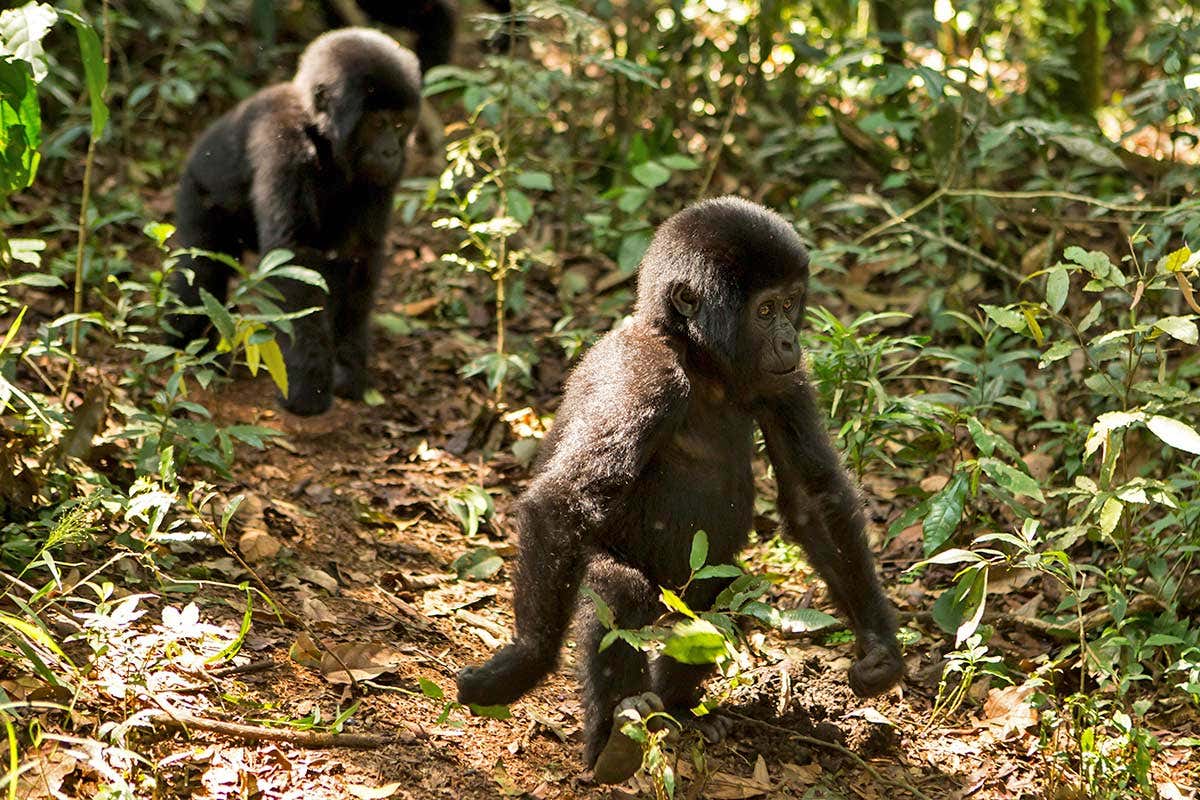
We thought that walking on all fours like a gorilla is more primitive than walking on two legs as humans do. But new fossils suggest even very ancient apes walked upright
13 September 2019
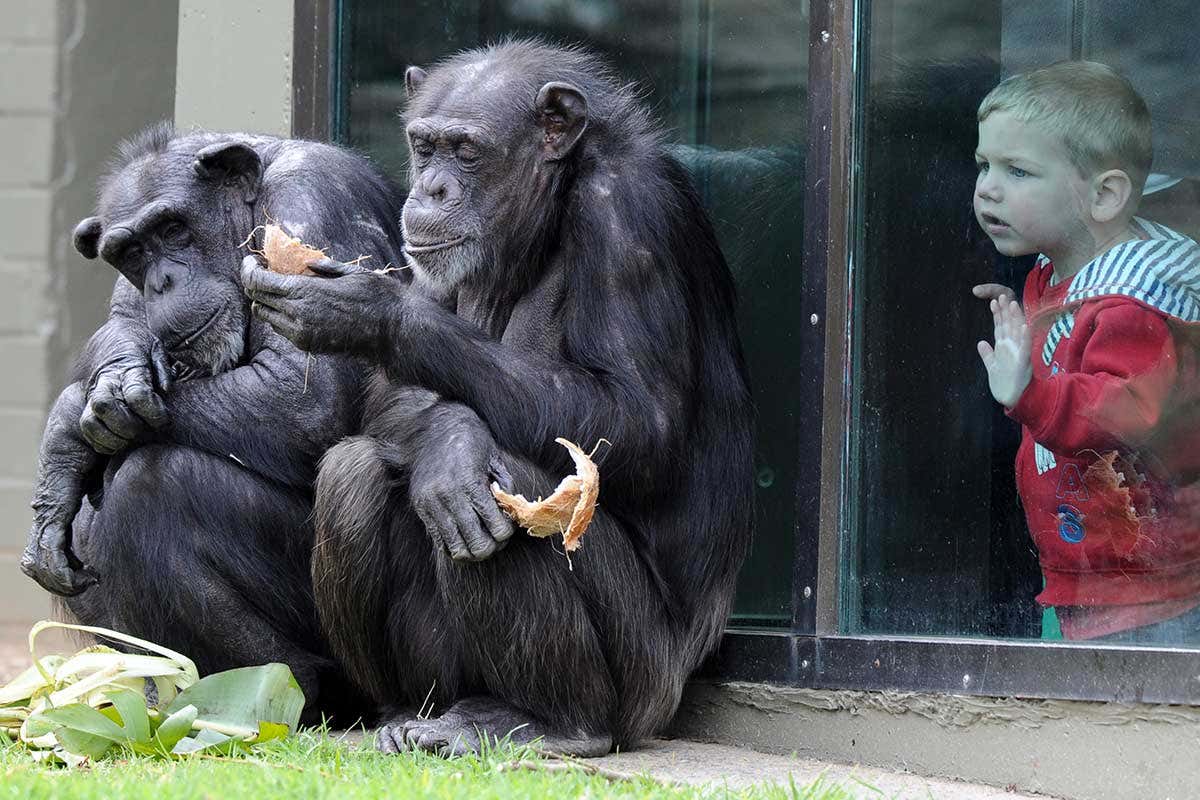
People seem to be able to understand gestures made by chimpanzees, suggesting the signals may be remnants of a basic sign language used by our last common ancestors
24 May 2018
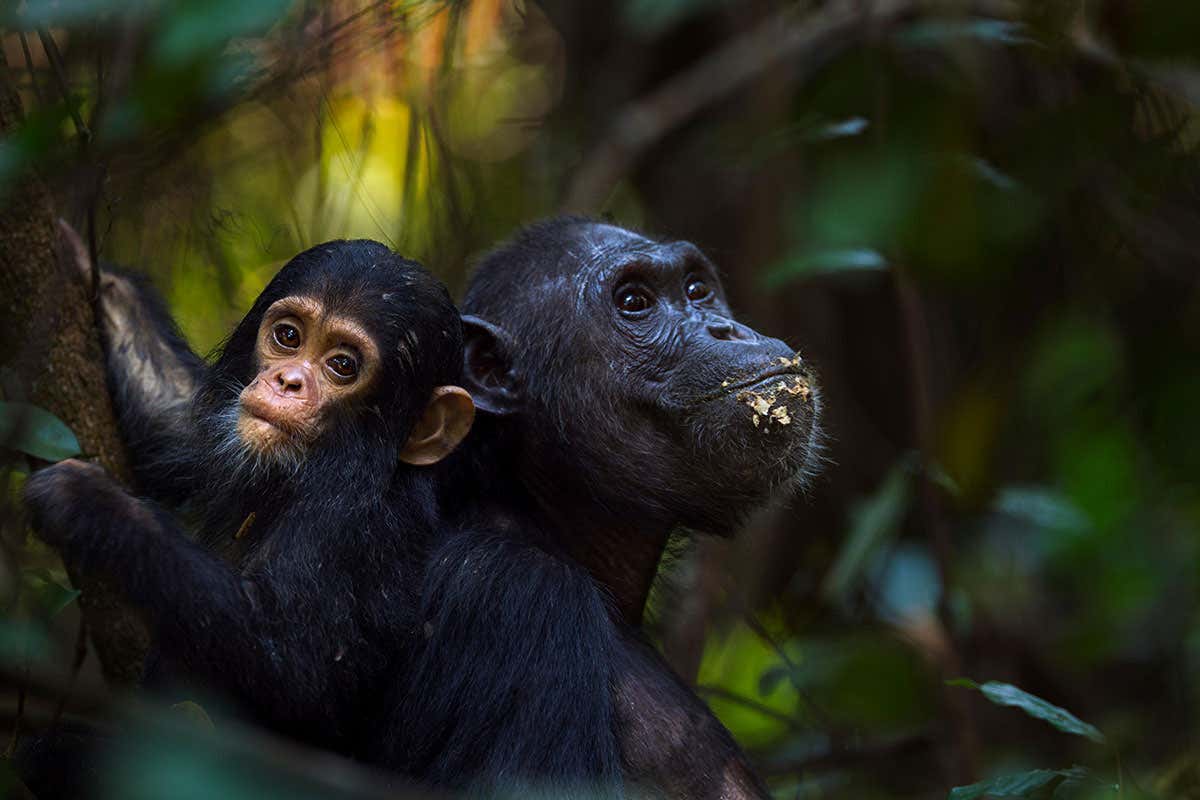
Some chimpanzee populations gained useful DNA from interbreeding with bonobos, and one may even have become more gentle and “bonobo-like” in its brain structure and behaviour
18 May 2018
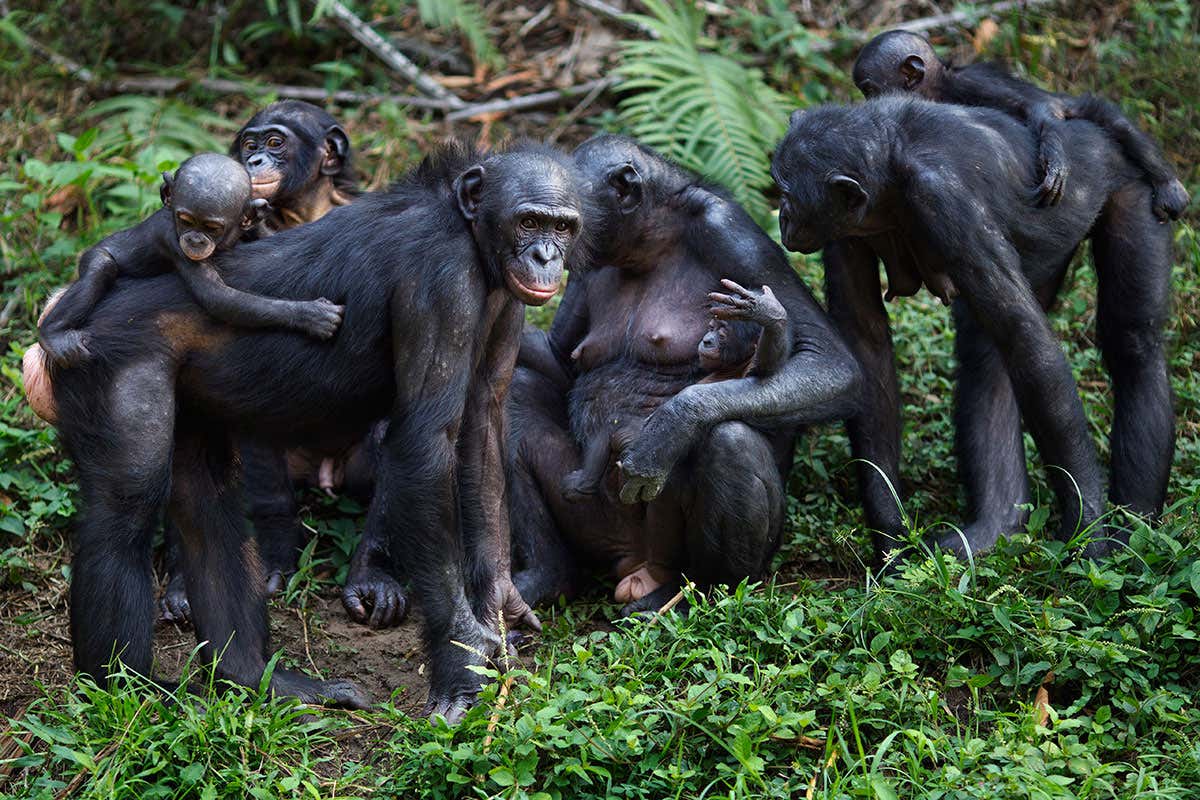
When female bonobos went into labour, other females gathered around to keep them safe, swatting away flies and even seemingly trying to catch the baby as it emerged
4 May 2018
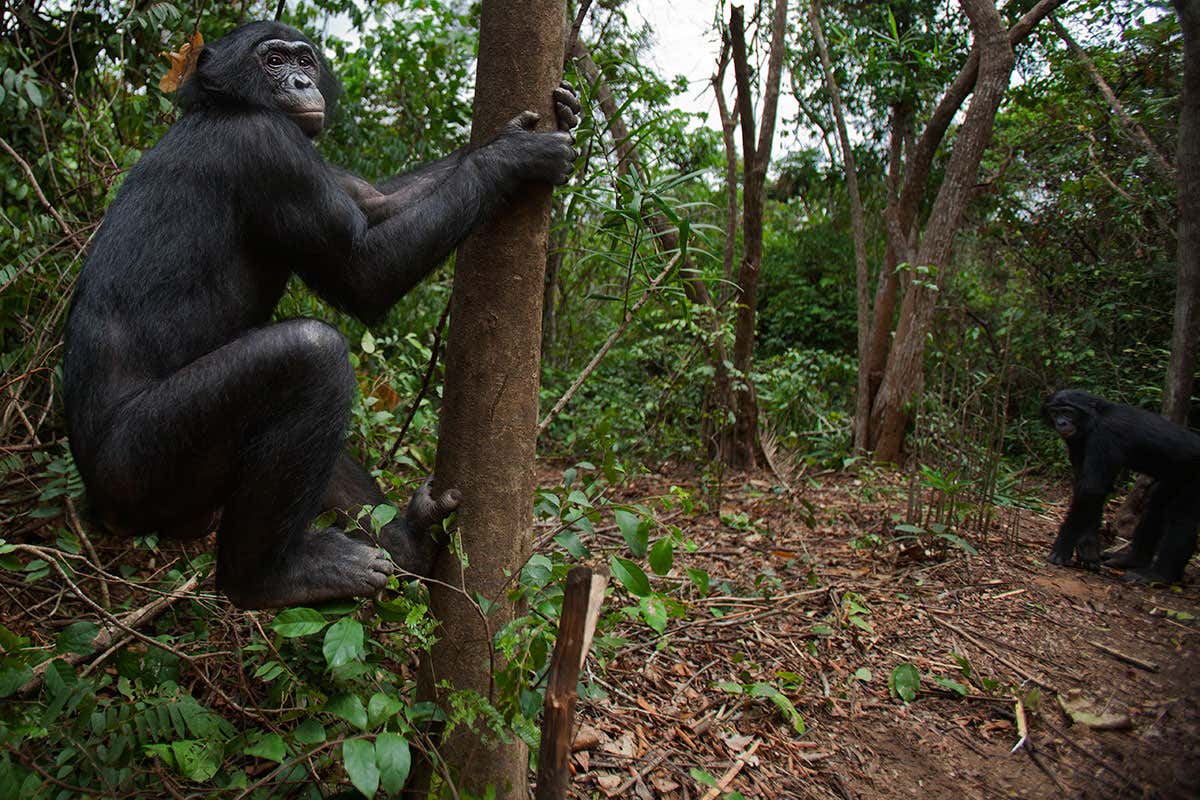
Apes and humans are famed for their opposable thumbs, but our close cousins the bonobos regularly swing through trees without using their thumbs
27 February 2018
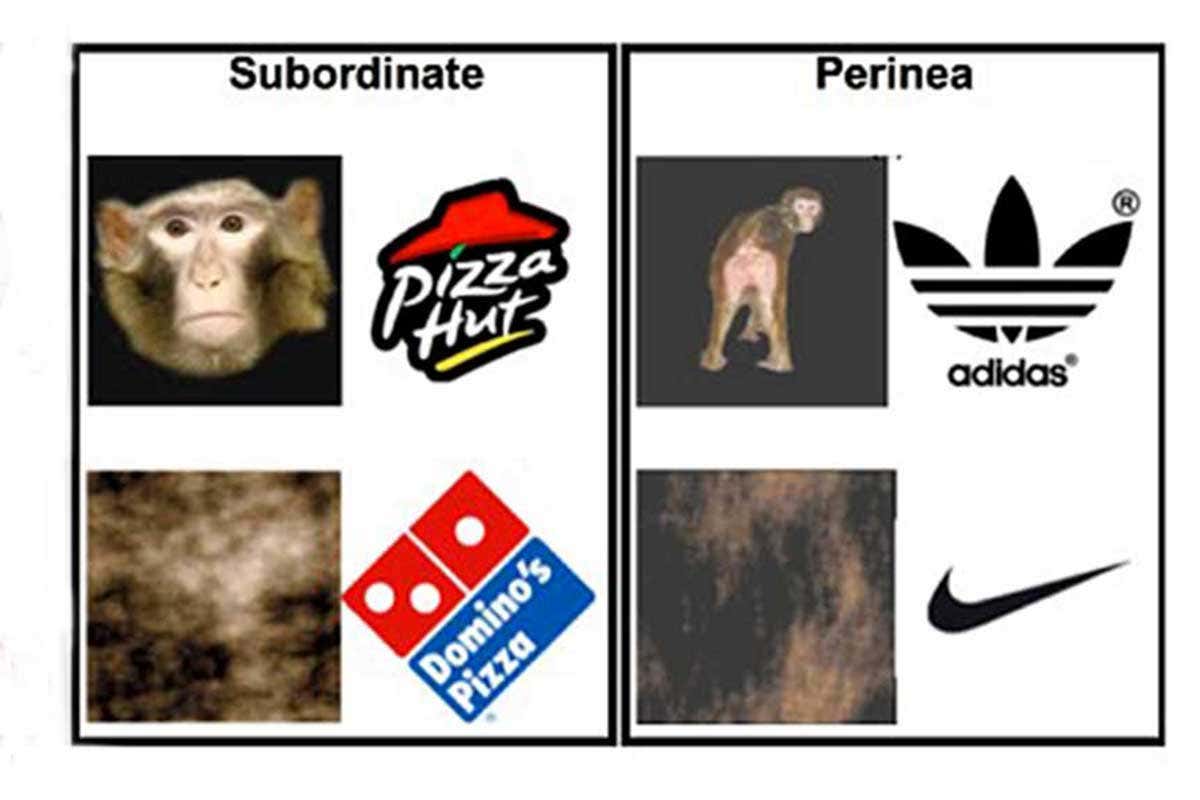
Everyone knows that in advertising sex sells, and it turns out that sex-themed adverts even work on rhesus macaques
16 February 2018
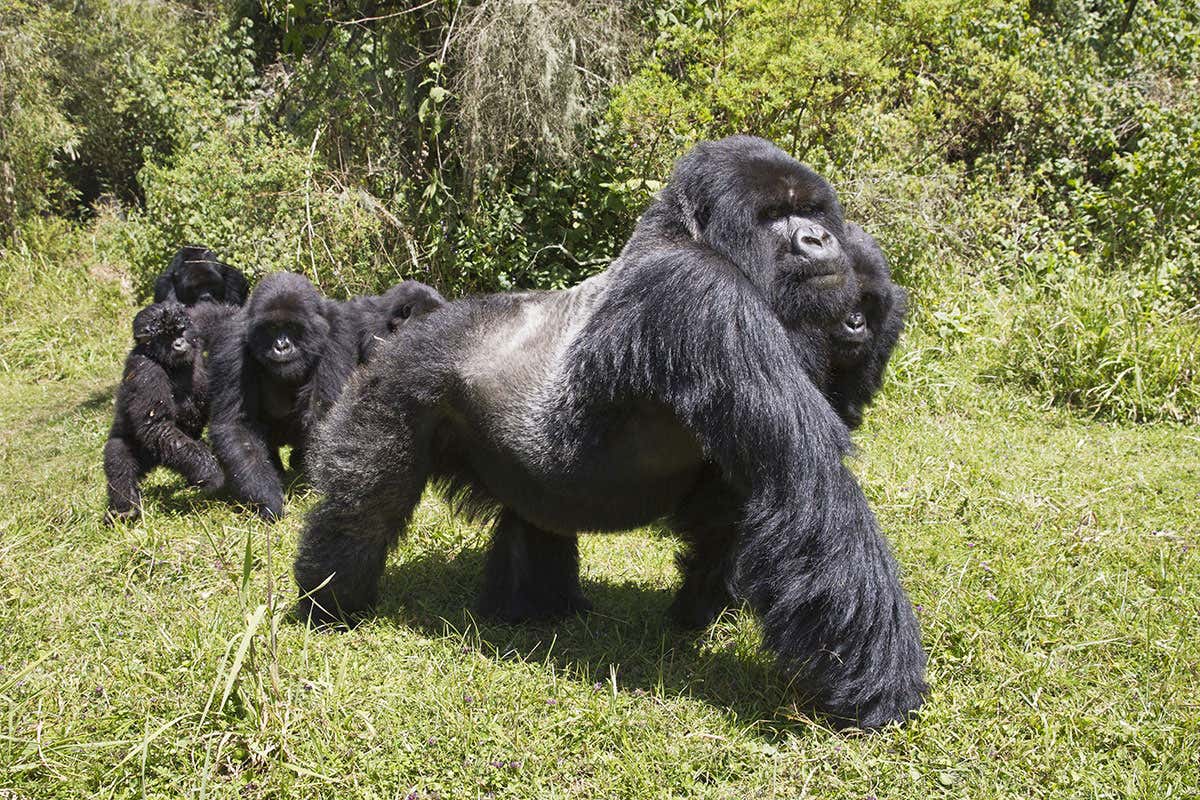
Modern gorillas can walk in a variety of styles, not just the famous “knuckle-walking”, suggesting our common ancestor was similarly resourceful
