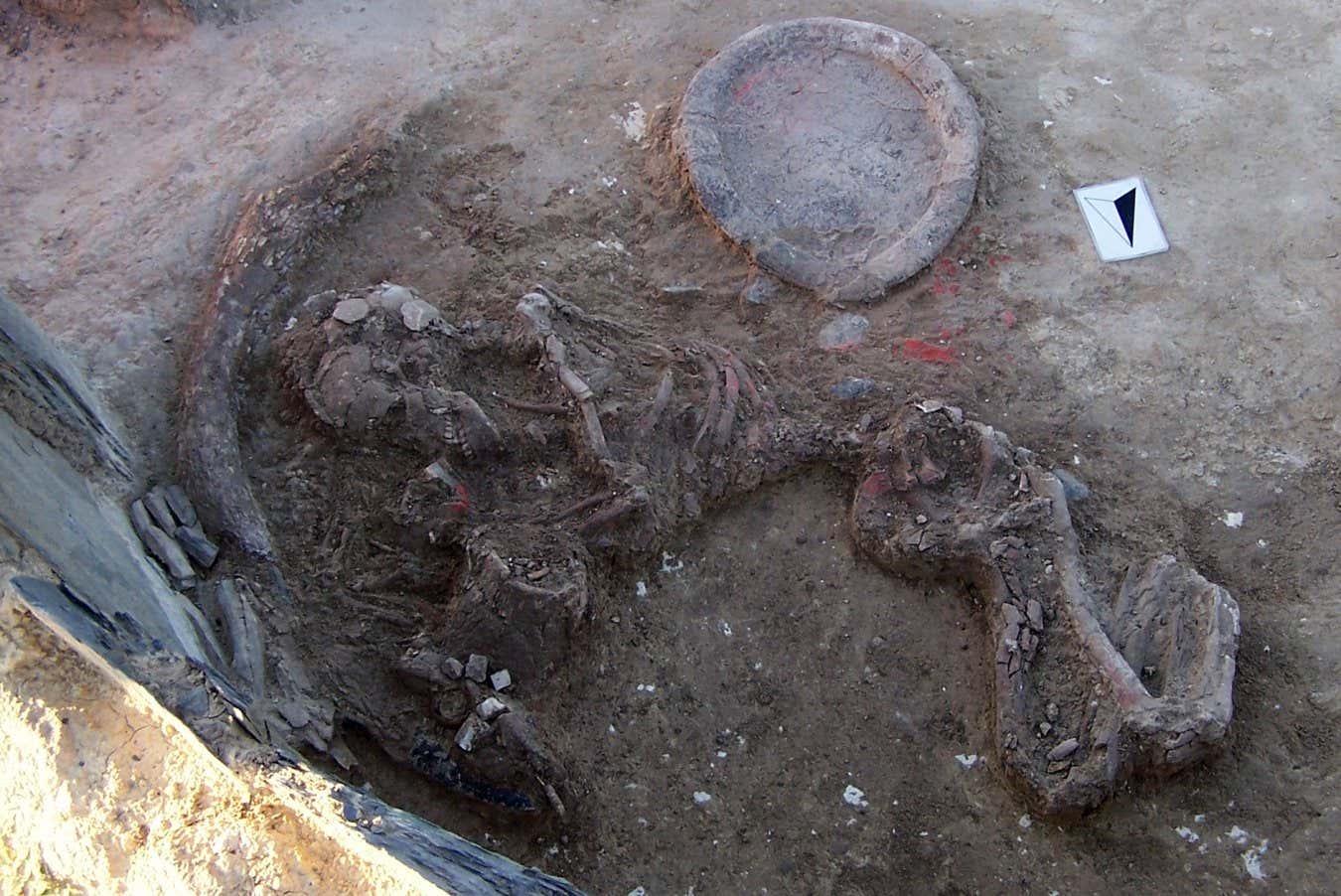
Tooth analysis reveals ancient Iberian leader was female
6 July 2023
Molecular evidence has revealed that a person buried with lavish goods over 4000 years ago was female, not male as previously thought
6 July 2023
Molecular evidence has revealed that a person buried with lavish goods over 4000 years ago was female, not male as previously thought

13 June 2023
Human skull and shinbone fragments found in a cave in northern Laos suggest modern humans may have been in South-East Asia between 68,000 and 86,000 years ago, considerably further back than the previous estimates of around 50,000 years
9 November 2022
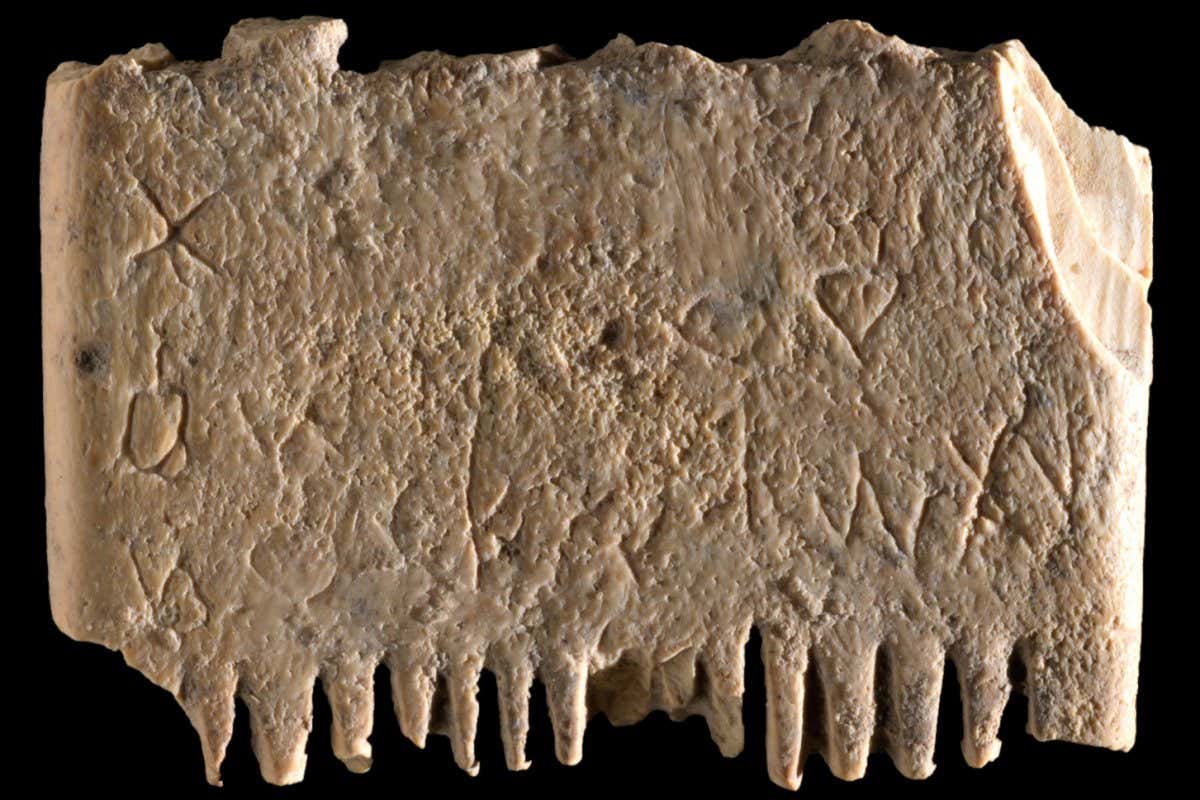
The early adopters of the alphabet cared about their personal hygiene, judging by the inscription on the side of an ancient ivory comb

12 October 2022
Over 12,000 genetic variants play a role in height differences among people with European ancestry, though these variants have a much smaller influence in people with other ancestries
3 October 2022
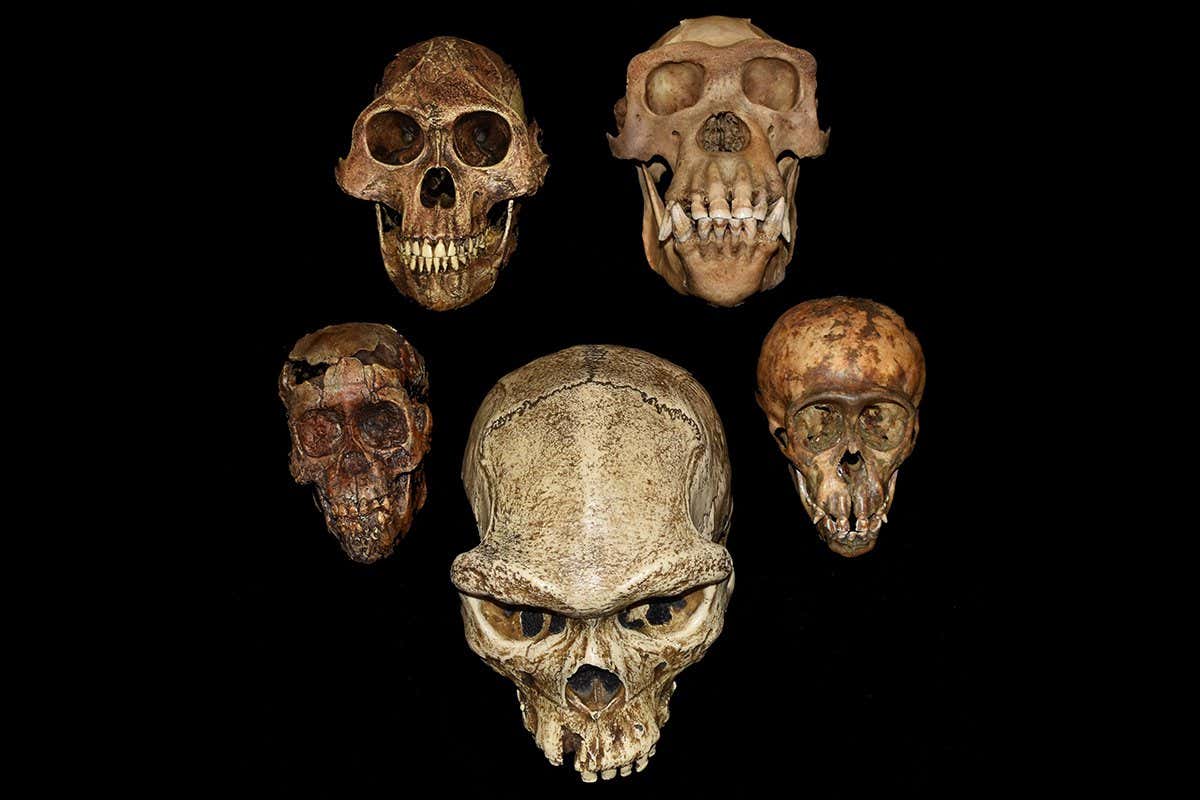
Early humans evolved a faster fetal growth rate than other apes about a million years ago, suggesting it could have played a role in the evolution of our species
21 September 2022
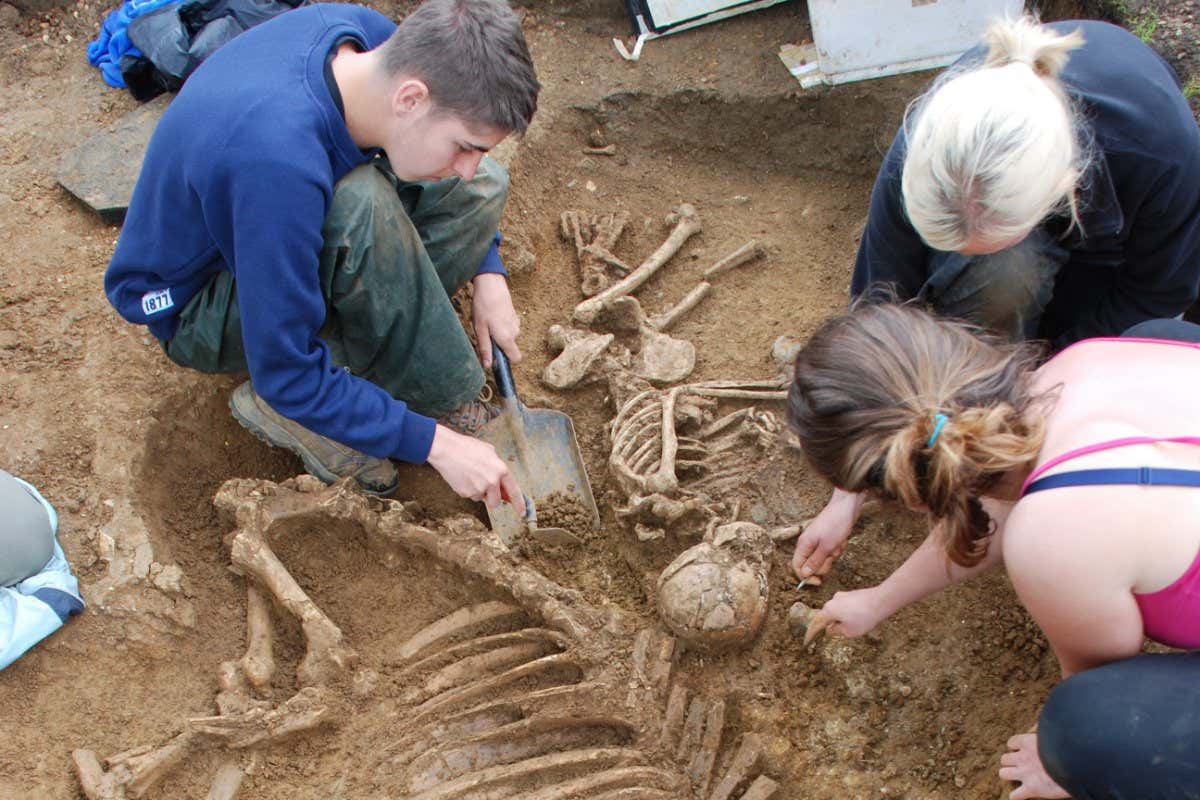
In some parts of England in Anglo-Saxon times, more than three-quarters of the population's ancestry could be traced to recent migration from Germany, Denmark and the Netherlands

14 September 2022
Ancient dung hints that 12,000 years ago, a population of hunter-gatherers in what is now Syria kept animals like sheep or gazelles around – probably for food

17 August 2022
Researchers used a plastic dome placed over people's heads to measure how much energy they expended chewing gum versus sitting idly. They found chewing gum uses a significant amount of energy
21 June 2022
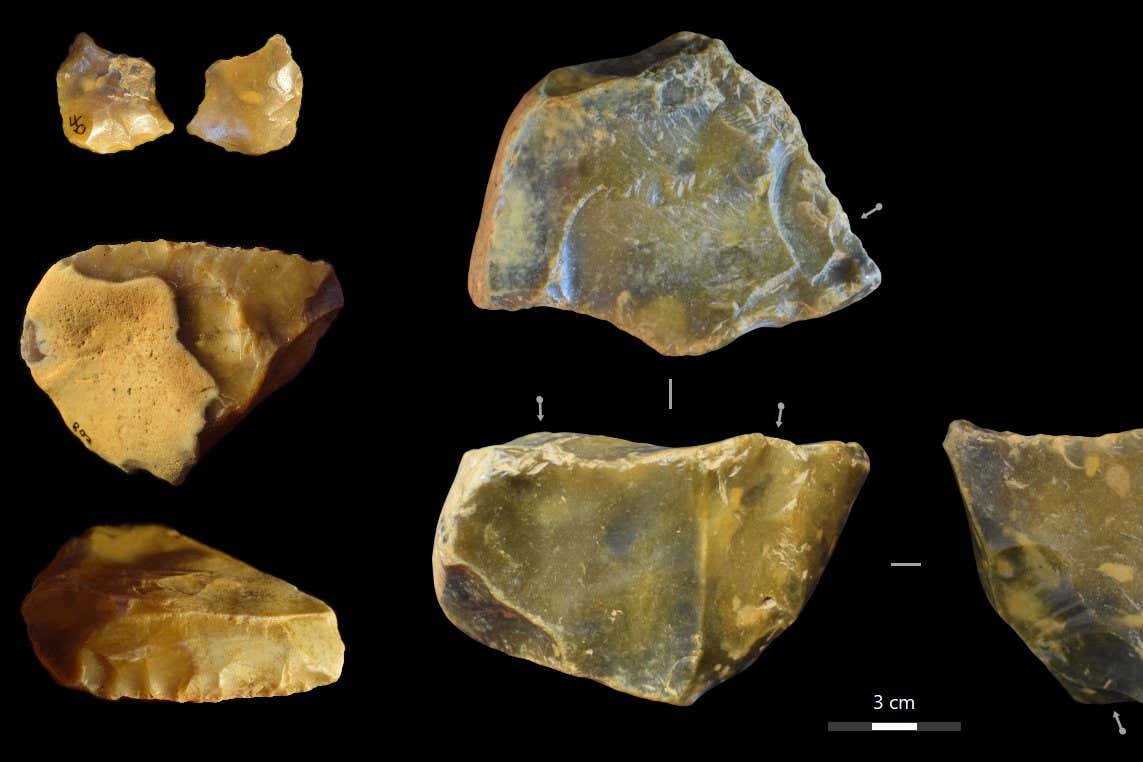
Stone tools found in Fordwich in Canterbury may have been made by an early human called Homo heidelbergensis

15 June 2022
The largest numbers are so huge you need special notation to write them down. David Darling and Agnijo Banerjee's new book on big numbers will take you to the edge of mathematics
