Subscribe now
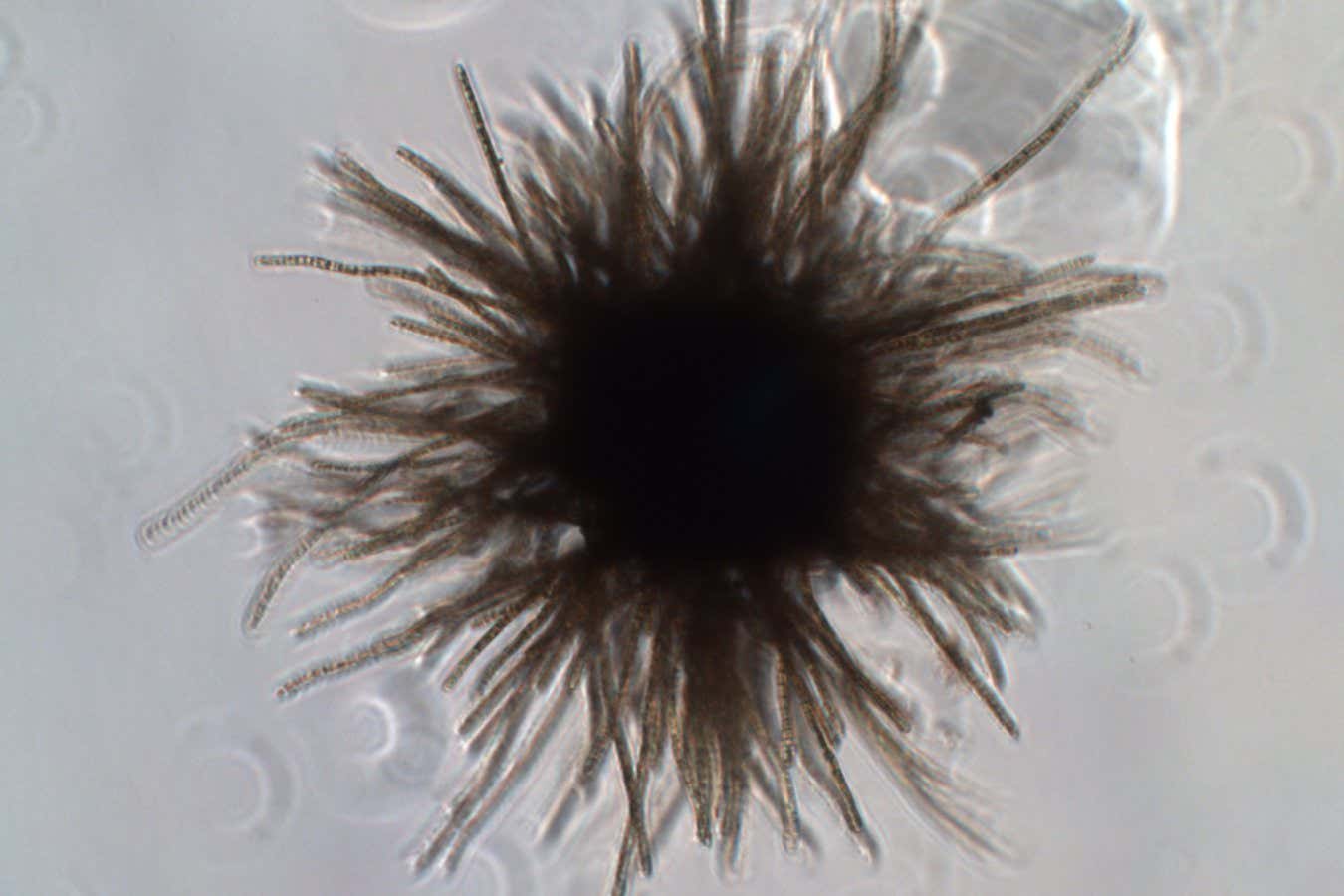
Trichodesmium thiebautii (light micrograph) Trichodesmium thiebautii is a cyanobacterium, or blue-green alga, that forms colonies of cells. In high concentrations, they create golden-brown surface mats, often referred to ?sea sawdust,? in the Gulf of Mexico. These large concentrations, called blooms, are sometimes associated with fish kills and can cause dermatitis or ?swimmer?s itch? when handled or contacted. When blooms die and decay, they can discolor the water pink to red. Toxin production by this species is being investigated. https://www.flickr.com/photos/myfwc/8678780050

Ocean-fertilising bacteria work together to adapt to light levels

25 May 2023

Trichodesmium, a kind of cyanobacterium that is vital to ocean ecosystems, forms colonies that work together and change shape to get the light and nutrients the microbe needs to grow

The research vessel Falkor (too)

High-tech research ship ready to seek new life at hydrothermal vents

1 March 2023

The Falkor (too), a 100-metre, state-of-the-art research vessel, is scheduled to set sail on 3 March to look for hydrothermal vents and undiscovered organisms, potentially shedding light on how life may have arisen on other planets


2ATWGRR Juvenile Pollock (Pollachius virens) school within the protective fronds of kelp near Port Joli, Nova Scotia, Canada. August

Heat-loving, oil-eating bacteria are seeping out of the seafloor

26 August 2022

A genetic analysis suggests that petroleum-eating bacteria that live thousands of metres beneath the seafloor seep out into the ocean where they may then float along currents


Genetically engineered Escherichia coli is involved in the growth of many chemicals and drugs, such as insulin, but unmodified versions of the bacteria can be infected by viruses

E. coli that is recoded to be virus resistant may aid drug production

4 August 2022

Changing Escherichia coli's genetic code may enable the recoded bacterium to be grown in large vats for drug production, without the risk of a viral infection upending the process


Southern Ocean and Antarctic islands near the Antarctic Peninsula in winter; Shutterstock ID 204022084; purchase_order: -; job: -; client: -; other: -

Antarctic bacteria reveal an evolutionary limit to dealing with heat

15 July 2022

Some bacteria living in the Southern Ocean can't adapt to temperatures 2°C higher than what they can usually survive, and other organisms could face similar limits adapting to higher temperatures


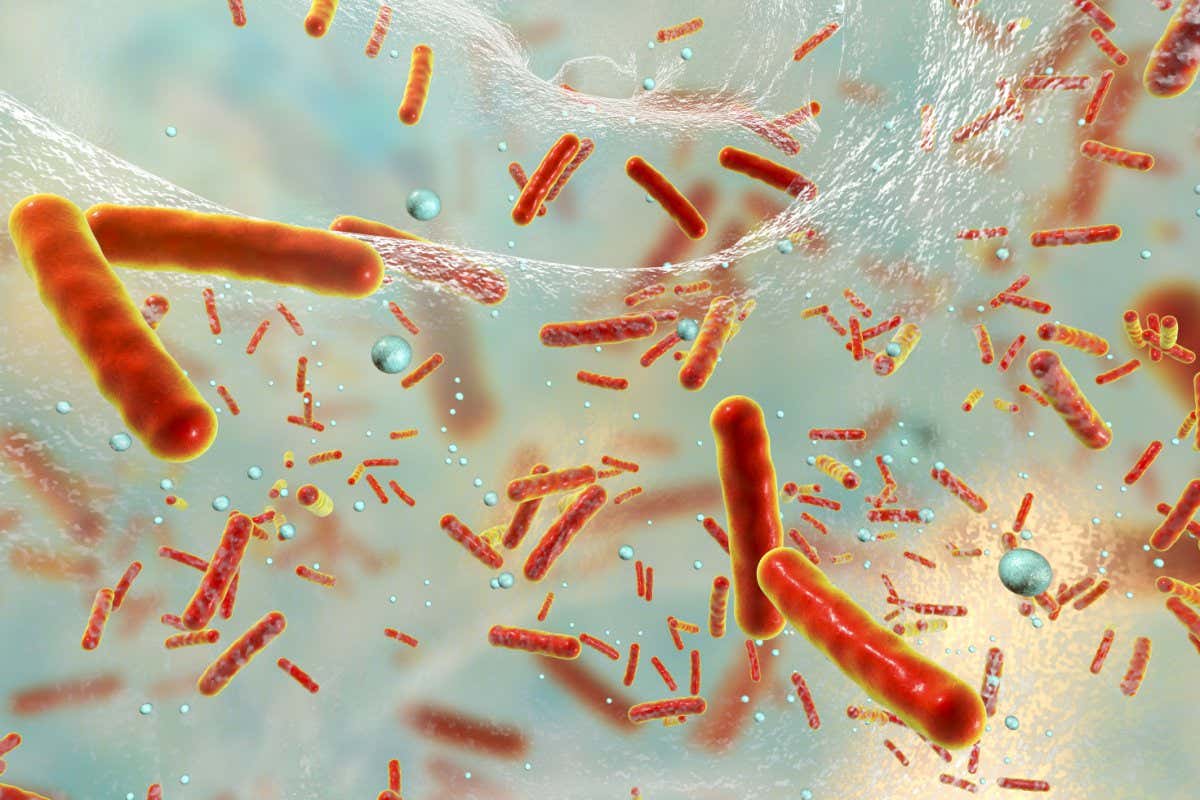
illustration of antibiotic-resistant bacteria

Antibiotic-resistant bacteria can be killed by pom-pom molecules

27 June 2022

Pom-pom-shaped molecules rip apart MRSA and other drug-resistant bacteria in minutes, are cheap and easy to make, and don’t seem to lead to bacterial resistance


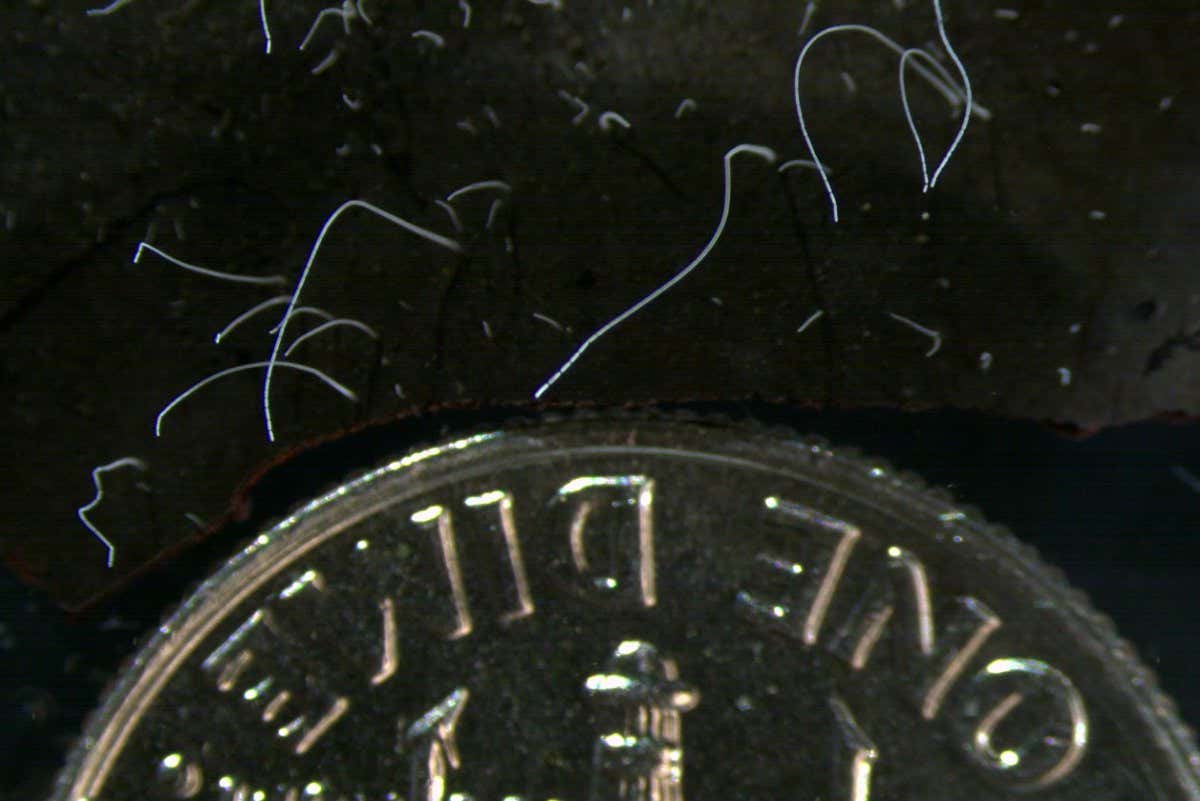
Thiomargarita magnifica

Largest known bacteria in the world are visible to the naked eye

23 June 2022

Most bacteria are just 2 micrometres long, but Thiomargarita magnifica is thousands of times bigger, and is unusually complex


Genetically engineered bacteria have learned to play tic-tac-toe

Genetically engineered bacteria have learned to play tic-tac-toe

13 May 2022

E. coli bacteria modified to act like electronic components called memristors can be set up to act as a simple neural network and trained to play noughts and crosses


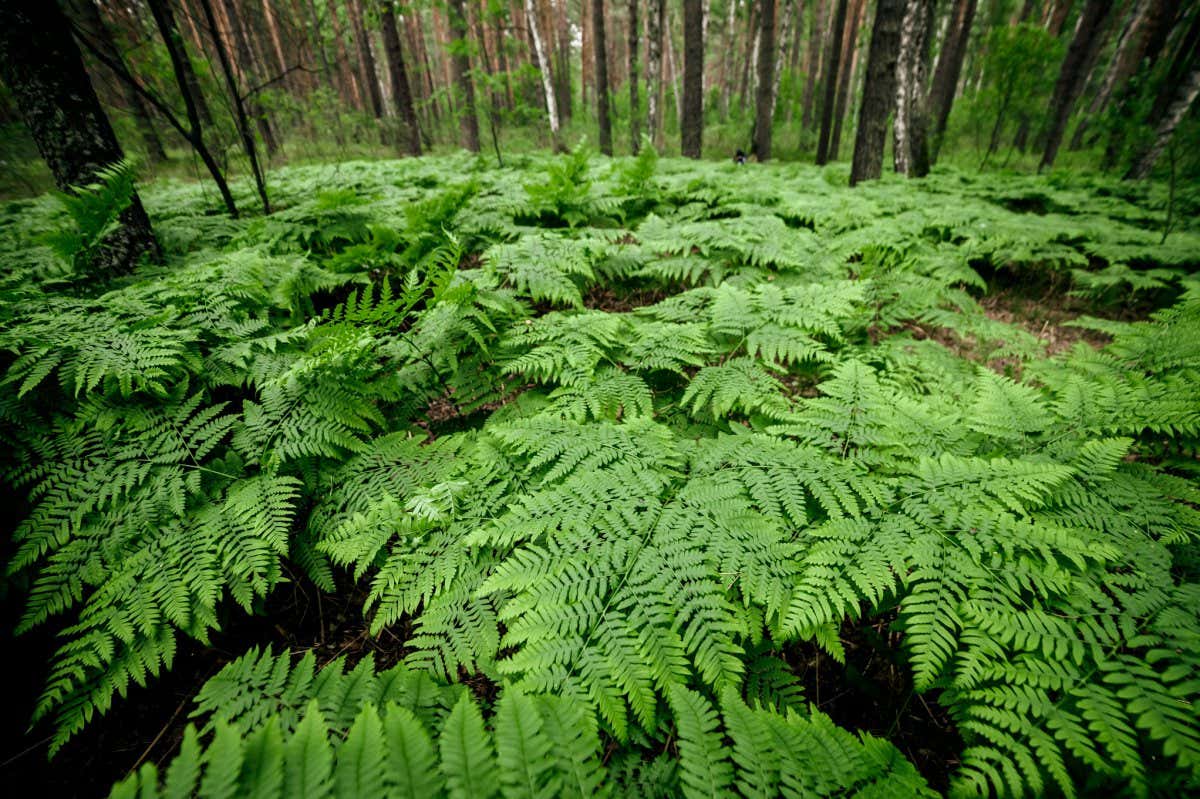
Dense fern thickets close-up. Beautiful nature background with many ferns in scenic forest. Rich greenery among trees. Chaotic wild ferns in forest thicket. Vivid green texture of lush fern leaves.; Shutterstock ID 1694661649; purchase_order: -; job: -; client: -; other: -

Genes from bacteria may have helped plants colonise the land

1 March 2022

When aquatic plants first transitioned onto land, their success may have been due to genes they got from bacteria and fungi that let them take up nutrients from soil


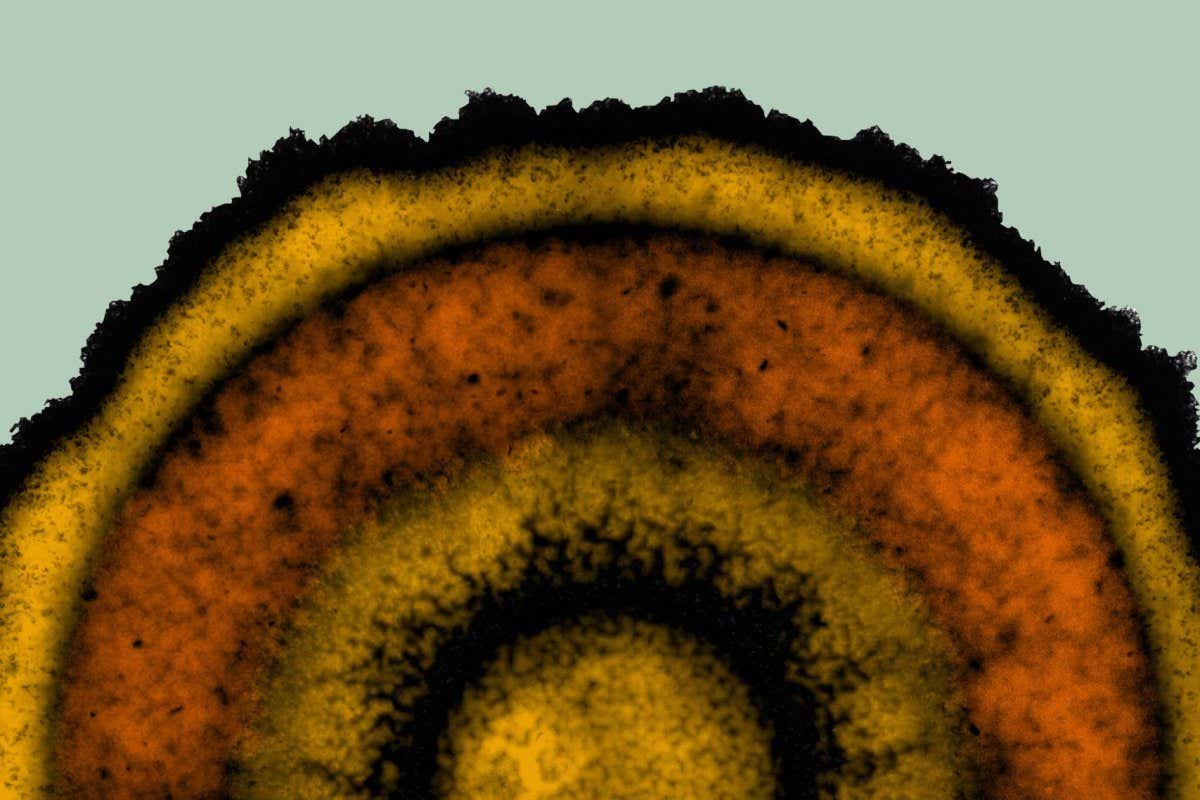
Bacillus subtilise biofilm

Bacteria form complex structures like those seen in animals

6 January 2022

Bacterial biofilms, slimy collections of microbes, can develop concentric rings containing cells with different biological features


Sign up to our weekly newsletter

Receive a weekly dose of discovery in your inbox. We'll also keep you up to date with New Scientist events and special offers.

Sign up
Piano Exit Overlay Banner Mobile Piano Exit Overlay Banner Desktop