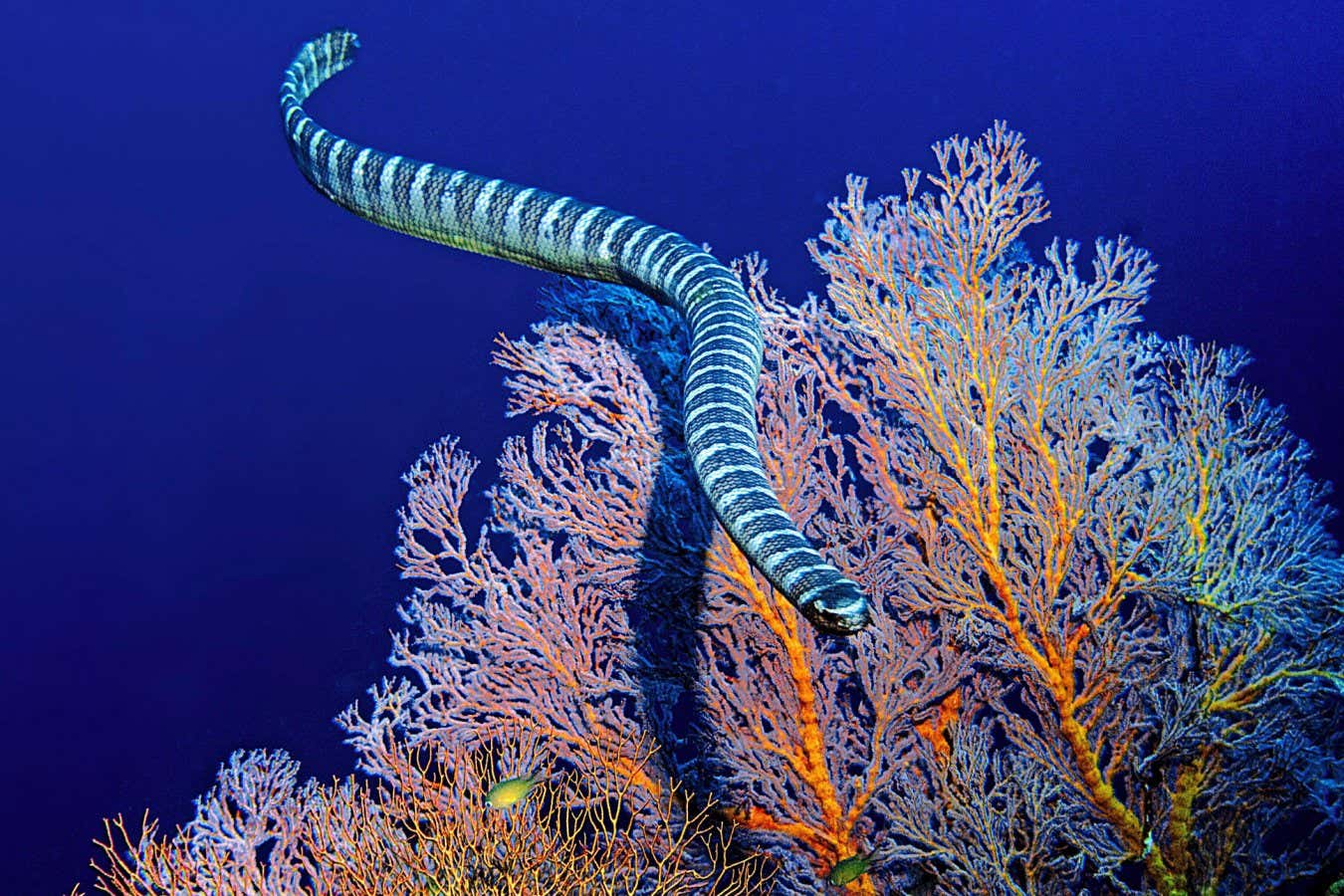
Some sea snakes have re-evolved the ability to see more colours
12 July 2023
Most snakes can see a limited range of colours, but the blue-banded sea snake has regained genes lost millions of years ago that may let them see ultraviolet and blue light
12 July 2023
Most snakes can see a limited range of colours, but the blue-banded sea snake has regained genes lost millions of years ago that may let them see ultraviolet and blue light
8 June 2023
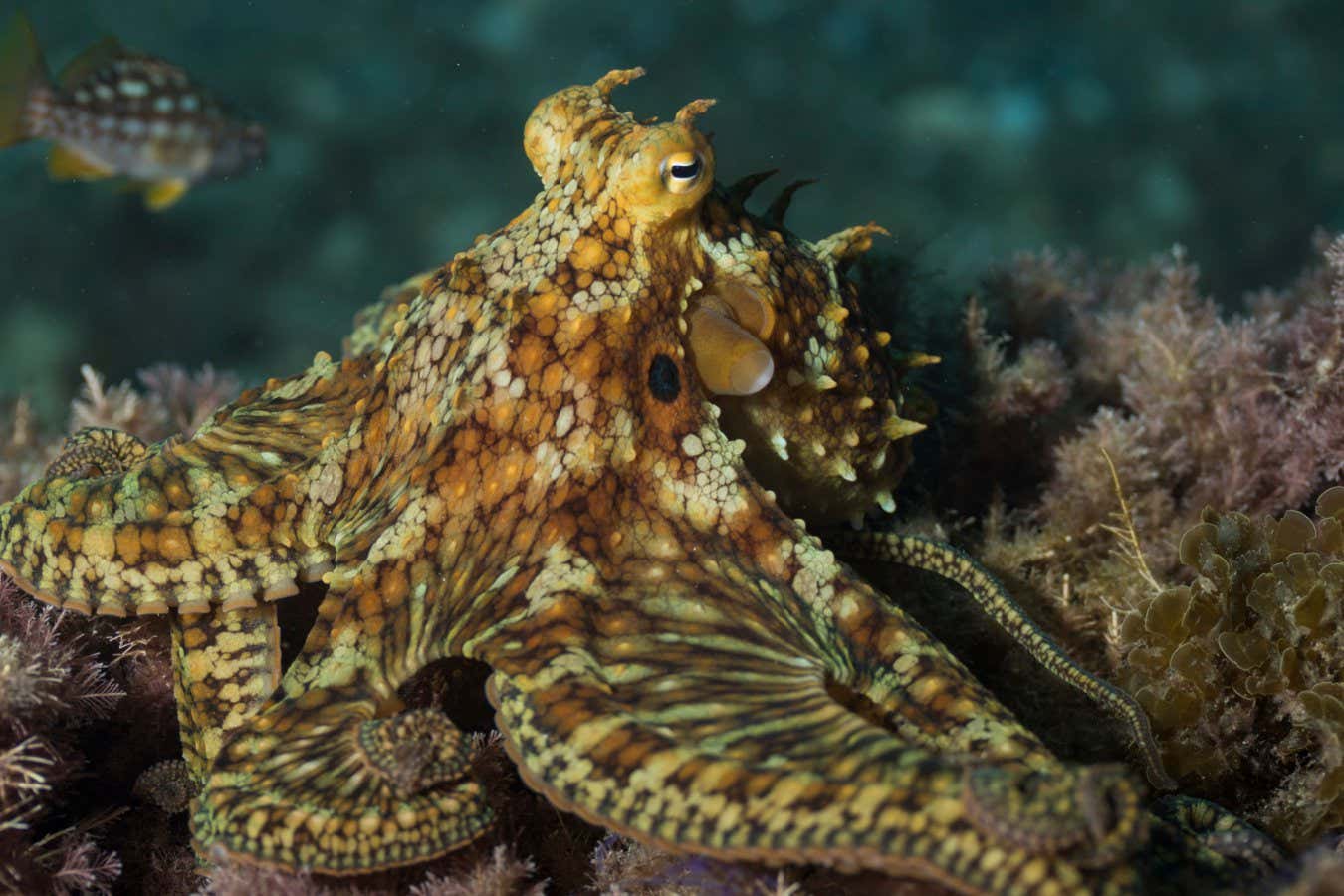
When the temperature drops, octopuses recode their RNA in thousands of places to alter the proteins made in their nerve cells
15 May 2023
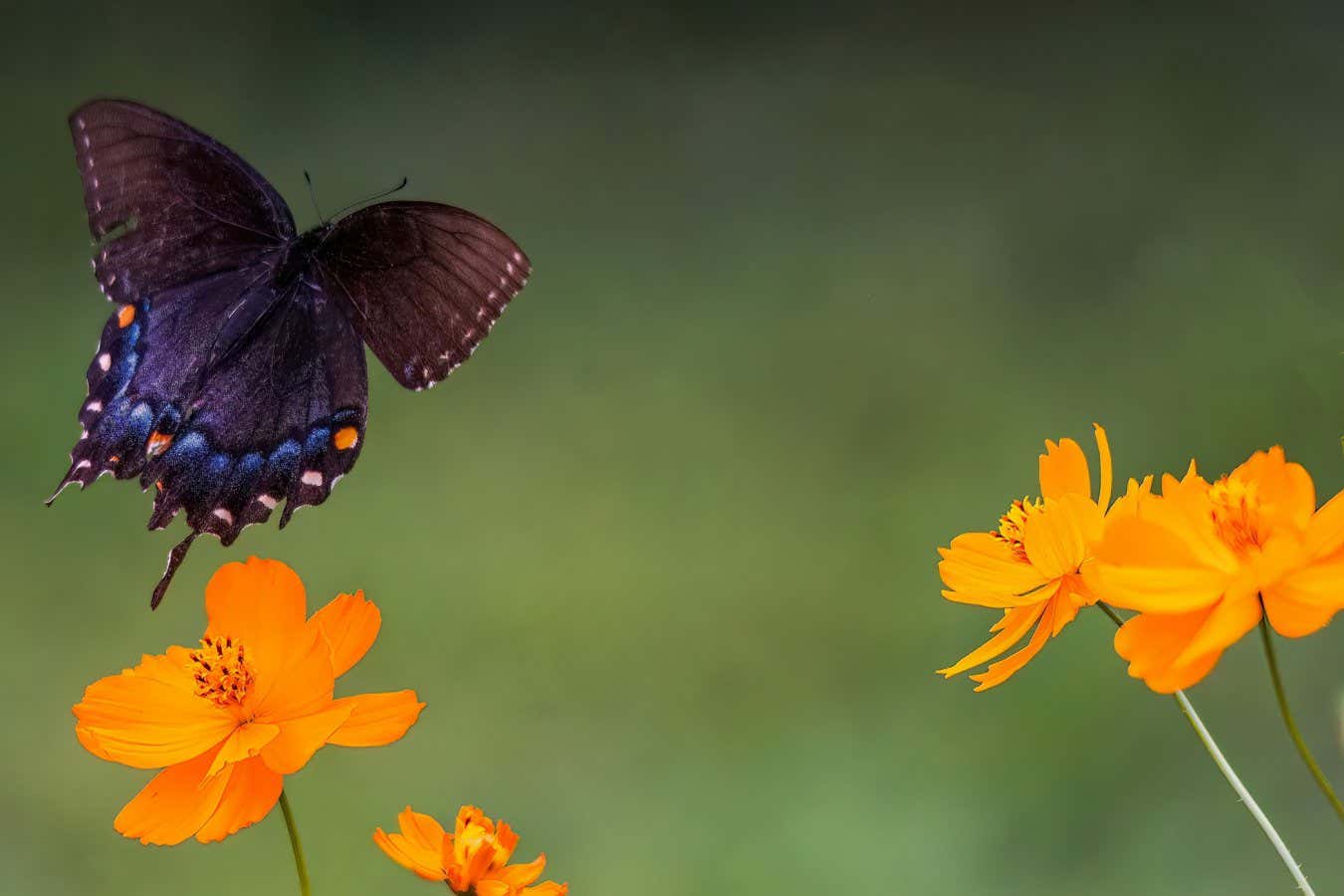
Many researchers thought butterflies first evolved in Asia, but a global genetic analysis suggests they arose in North America, well before the non-avian dinosaurs went extinct
4 May 2023
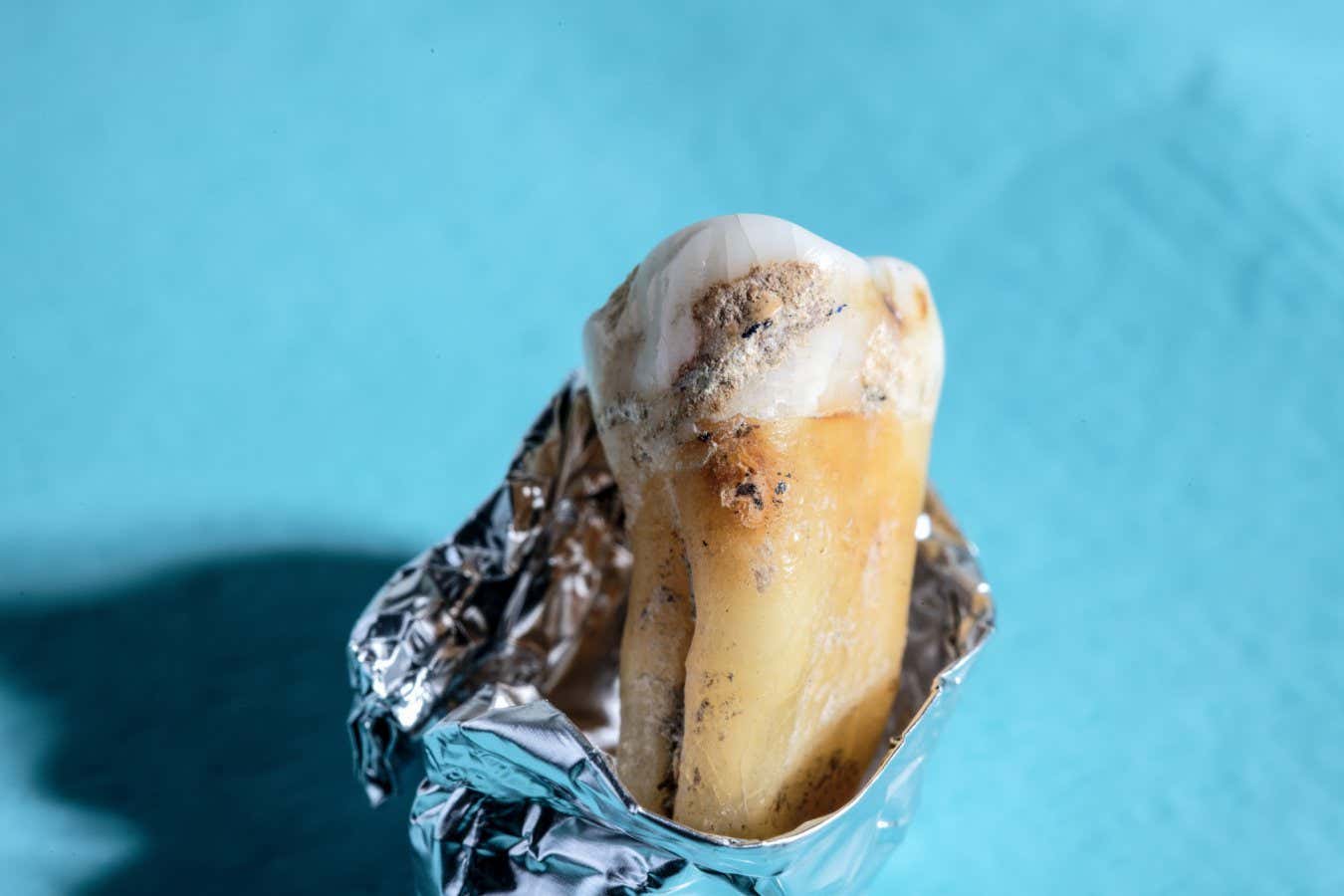
Researchers pieced together the genomes of two unknown species of green sulphur bacteria from DNA fragments found in ancient calcified tooth plaque

27 April 2023
Balto had a varied ancestry, sharing genes with Siberian huskies, Greenland sledge dogs, Vietnamese village dogs and Tibetan mastiffs
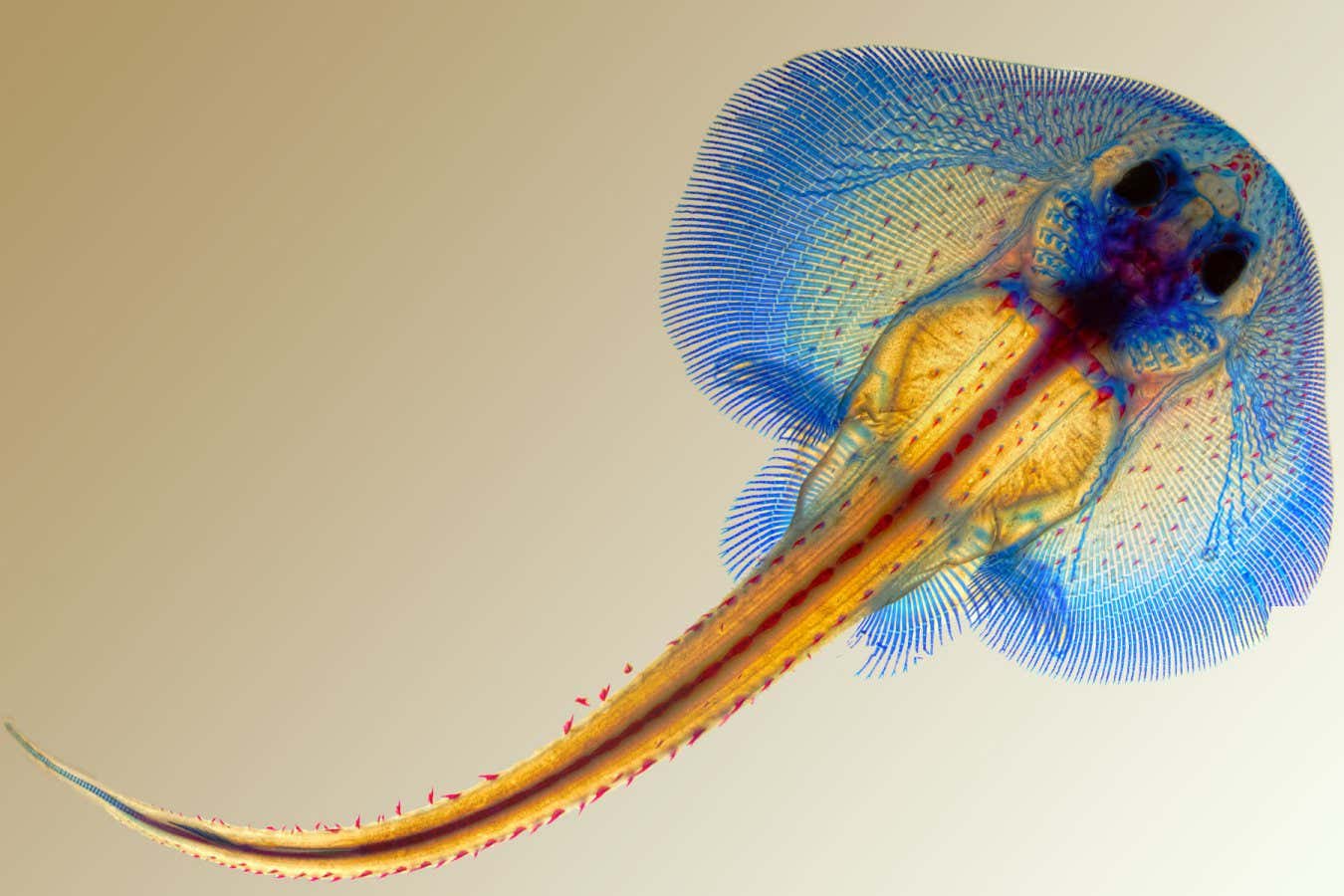
12 April 2023
The front fins of skates emerge from their heads as huge wings and now we know how they can develop in this way
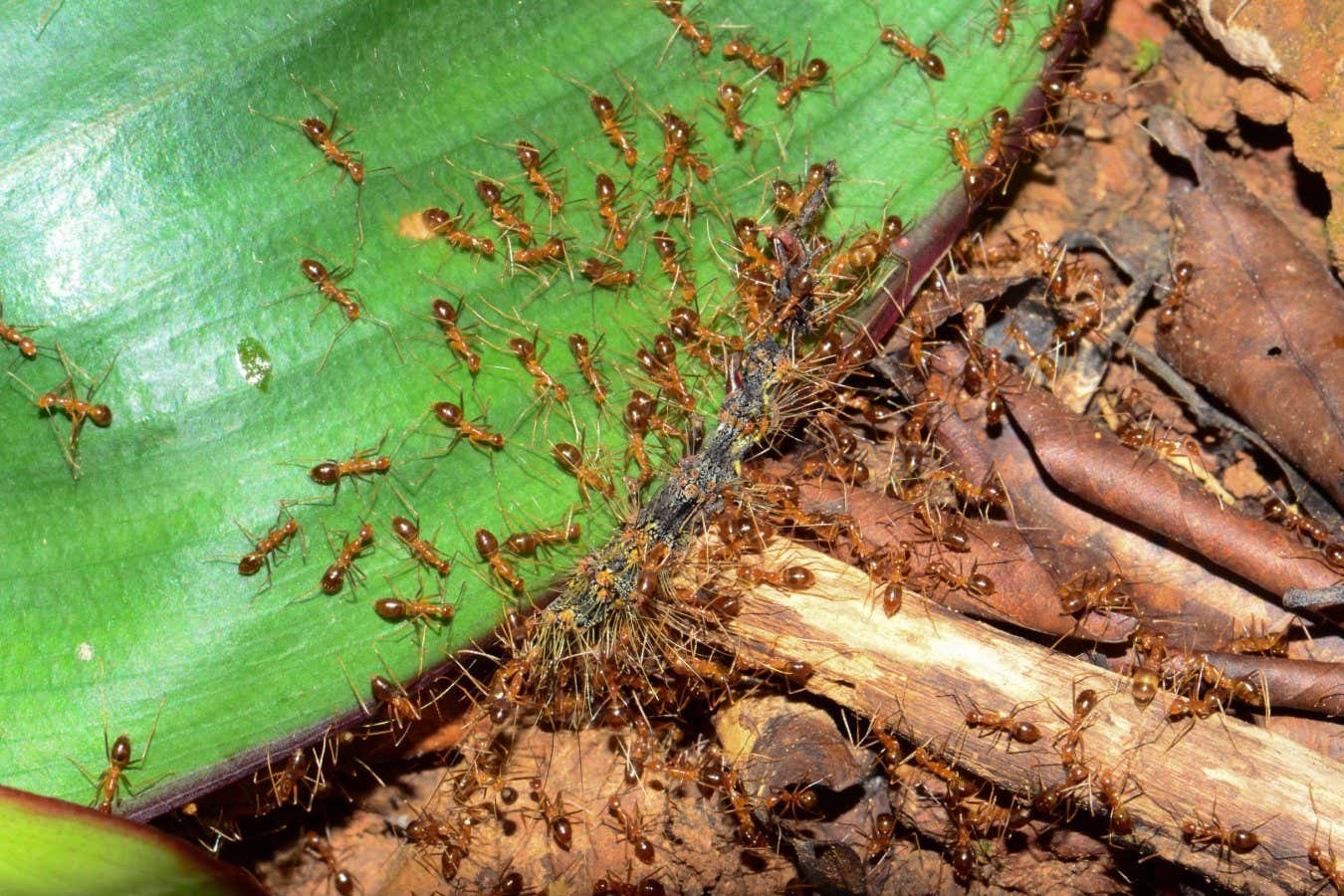
6 April 2023
A bizarre mode of reproduction discovered in yellow crazy ants results in males that have two separate sets of DNA in different parts of their body
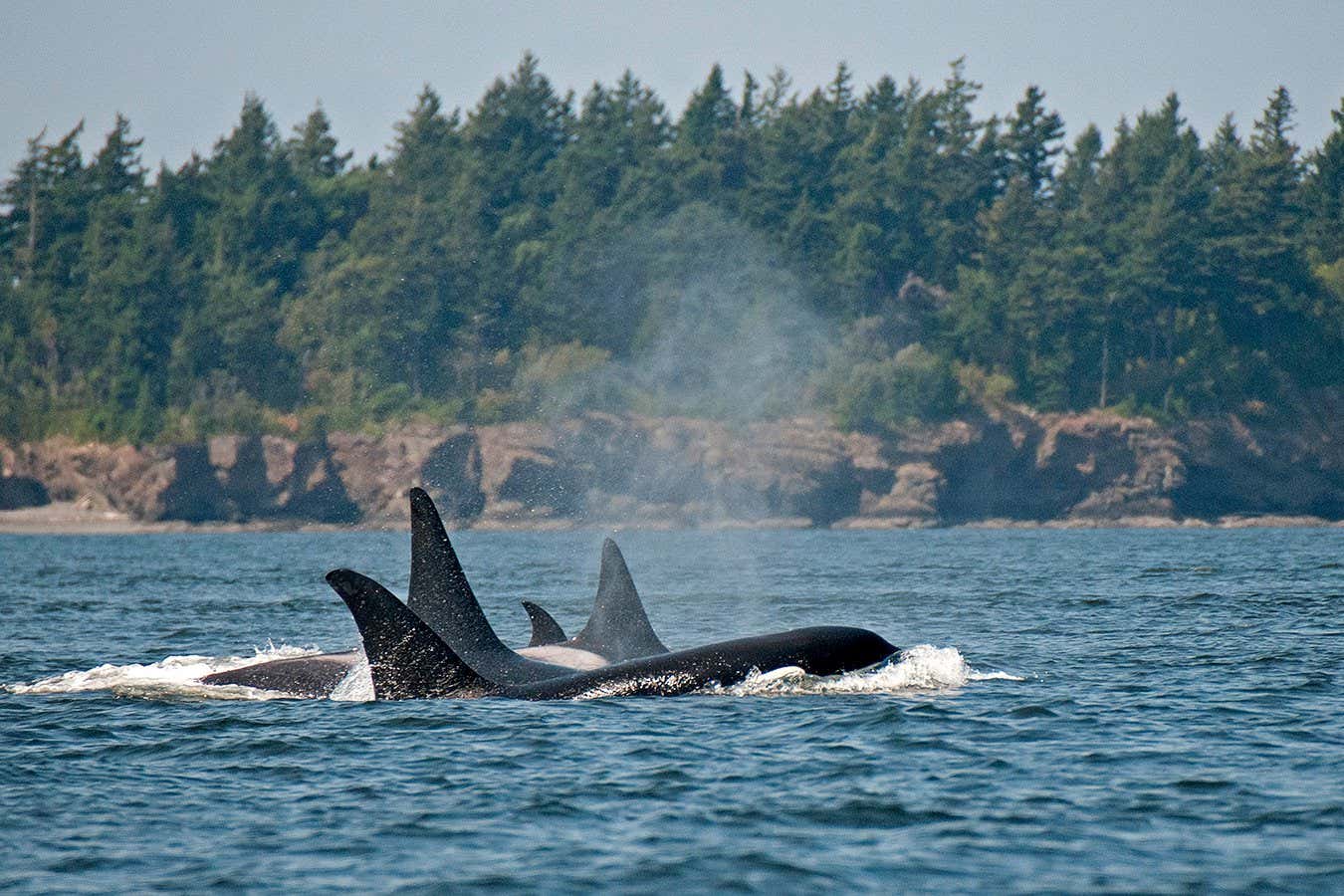
20 March 2023
Habitat and hunting protections have helped orca numbers rebound globally, but a group in the North Pacific Ocean is still shrinking – probably because it is isolated from other populations
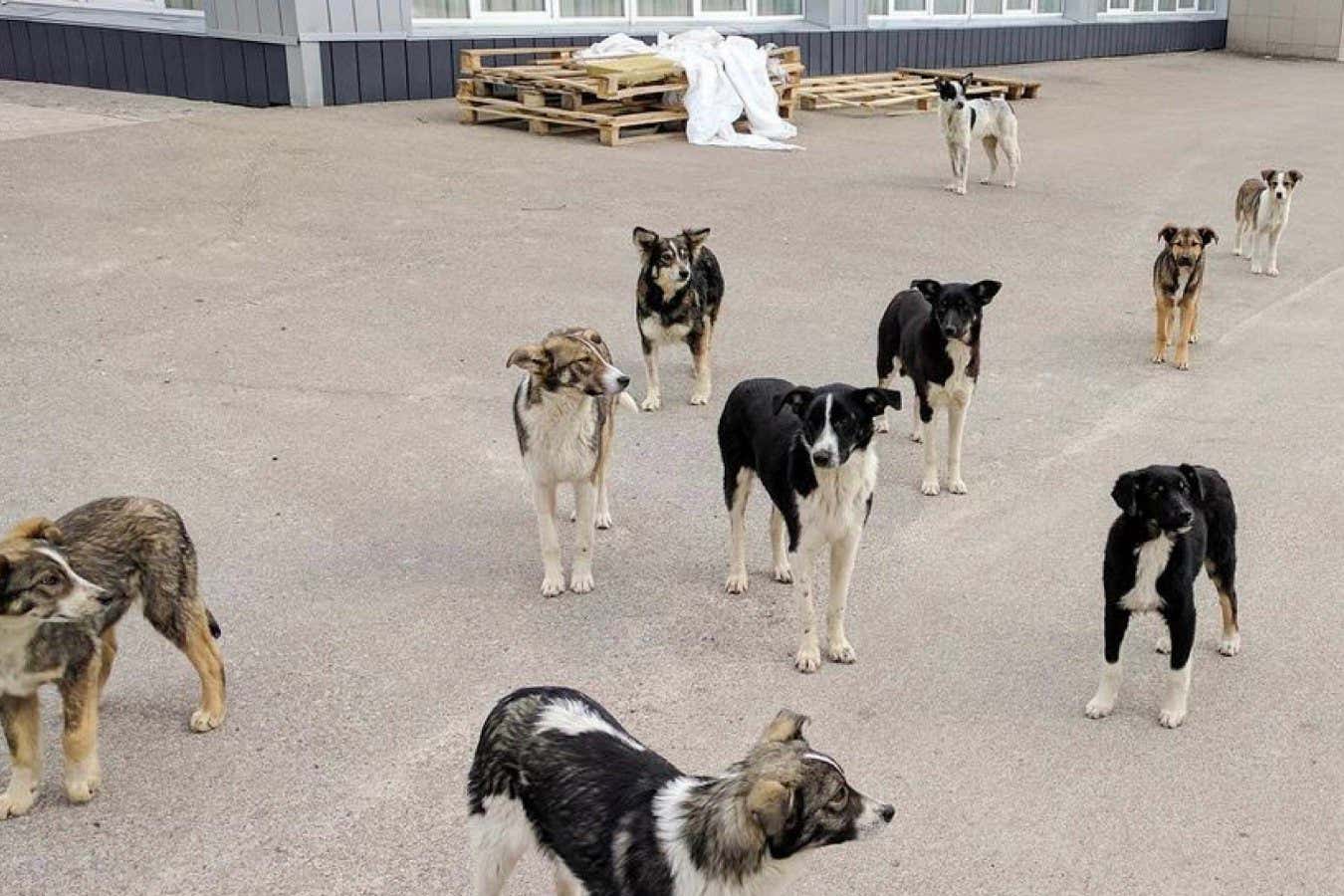
3 March 2023
The genomes of dogs living near the Chernobyl nuclear plant in Ukraine have been sequenced to investigate how they may have been affected by high levels of radiation
7 December 2022
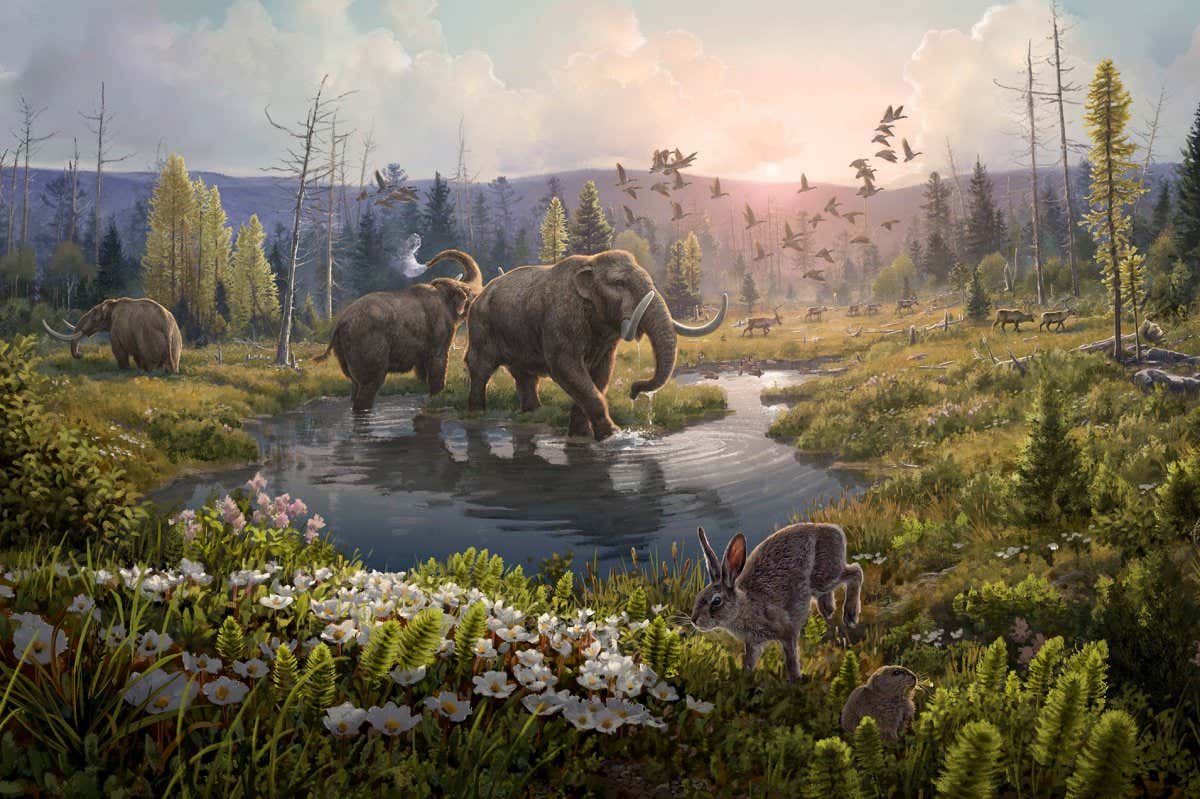
DNA bound to mineral particles in ancient sediment reveals that north Greenland once had spruce forests populated by hares, reindeer and even mastodons
