Subscribe now
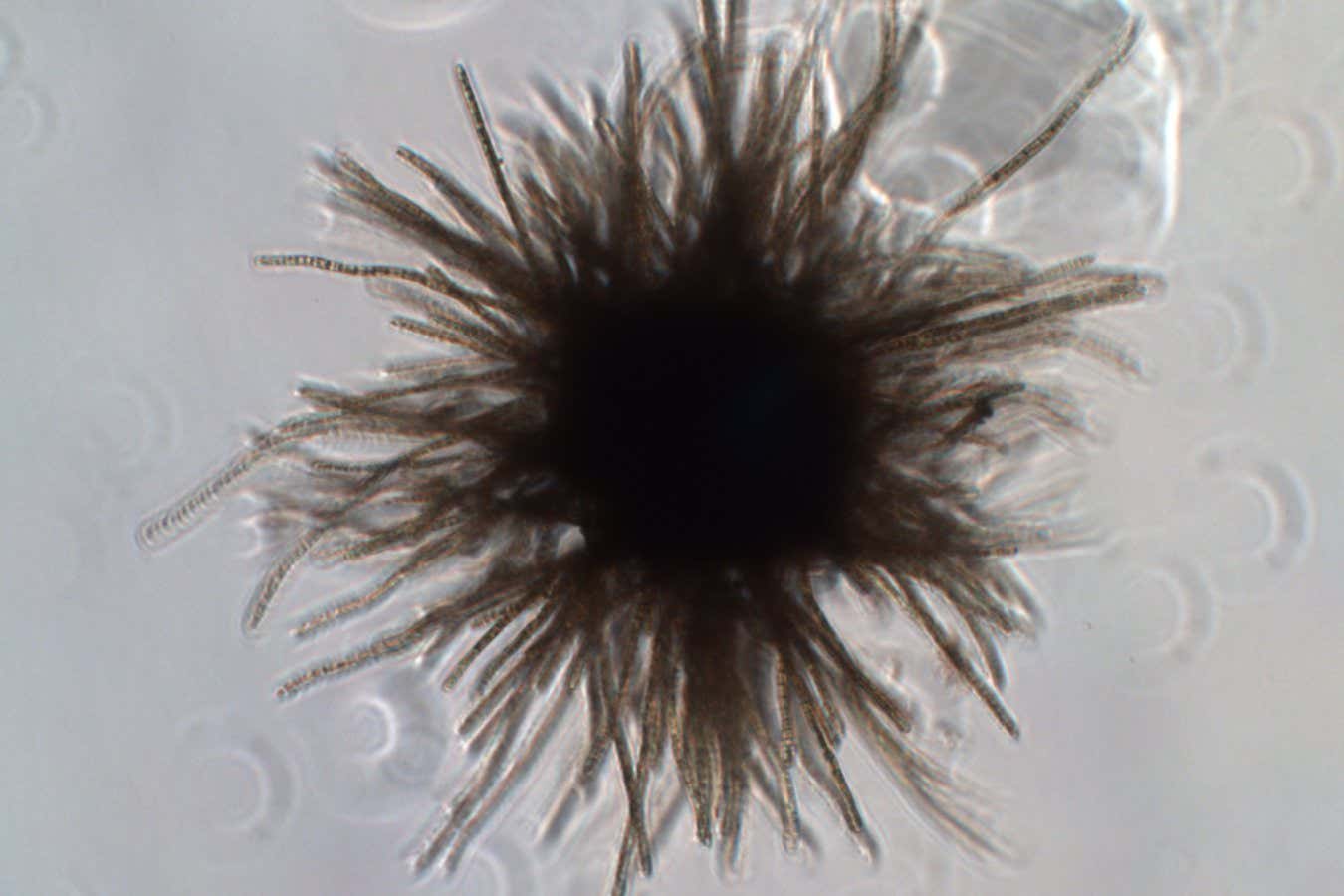
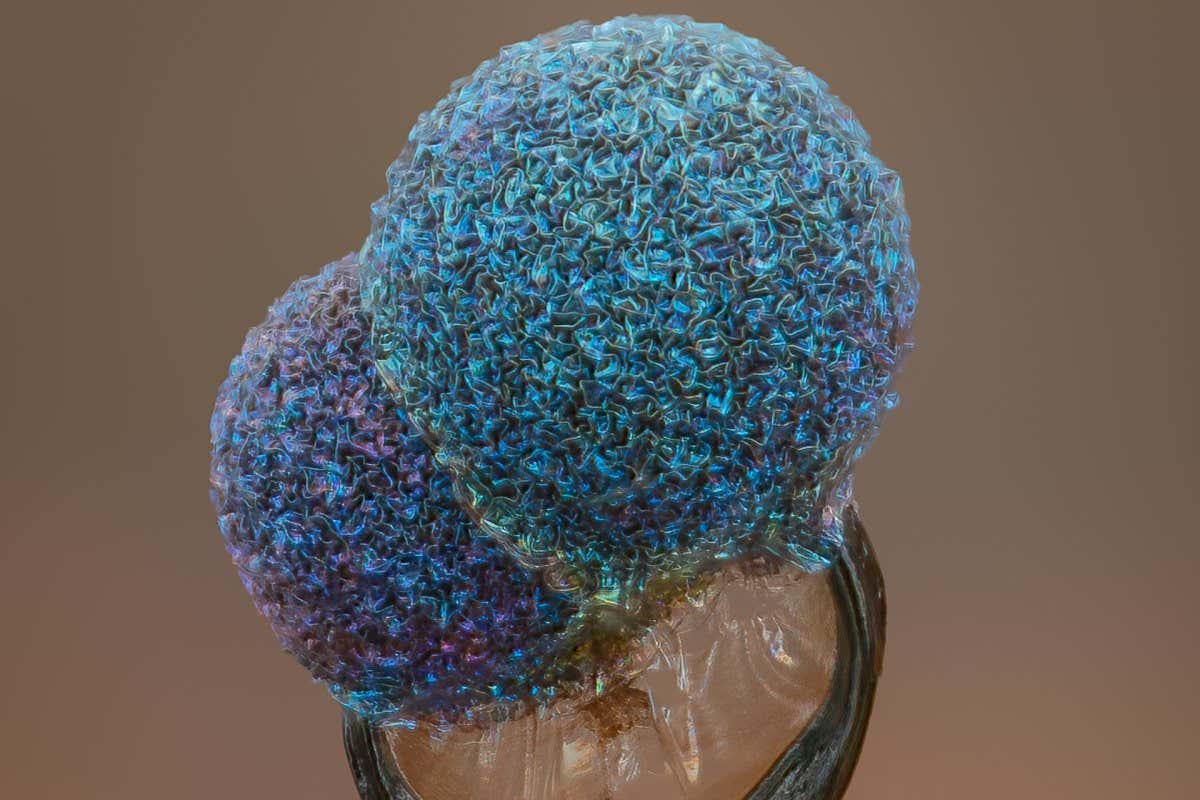
Trichodesmium thiebautii (light micrograph) Trichodesmium thiebautii is a cyanobacterium, or blue-green alga, that forms colonies of cells. In high concentrations, they create golden-brown surface mats, often referred to ?sea sawdust,? in the Gulf of Mexico. These large concentrations, called blooms, are sometimes associated with fish kills and can cause dermatitis or ?swimmer?s itch? when handled or contacted. When blooms die and decay, they can discolor the water pink to red. Toxin production by this species is being investigated. https://www.flickr.com/photos/myfwc/8678780050

Ocean-fertilising bacteria work together to adapt to light levels

25 May 2023

Trichodesmium, a kind of cyanobacterium that is vital to ocean ecosystems, forms colonies that work together and change shape to get the light and nutrients the microbe needs to grow
Ancient bacteria genome reconstructed from Neanderthal tooth gunk

4 May 2023

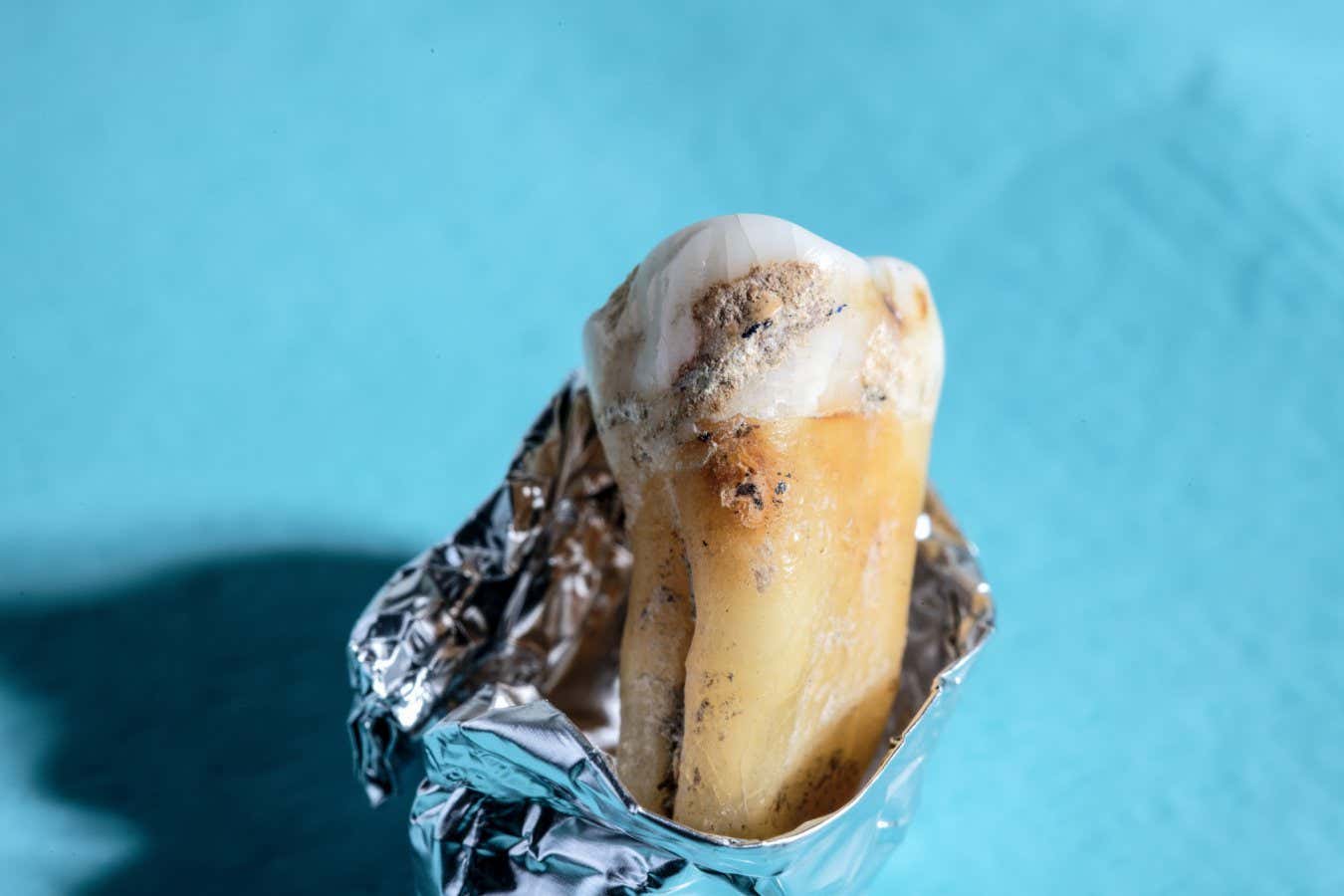
Researchers pieced together the genomes of two unknown species of green sulphur bacteria from DNA fragments found in ancient calcified tooth plaque


Slime mold (Lamproderma)

Dazzling photographs reveal the world on a microscopic scale

19 October 2022

From a close-up of a 1-millimetre-wide coral polyp to a shot of a tiger beetle clasping a fly, these photos are some of the top entries in the Nikon Small World 2022 Photomicrography competition


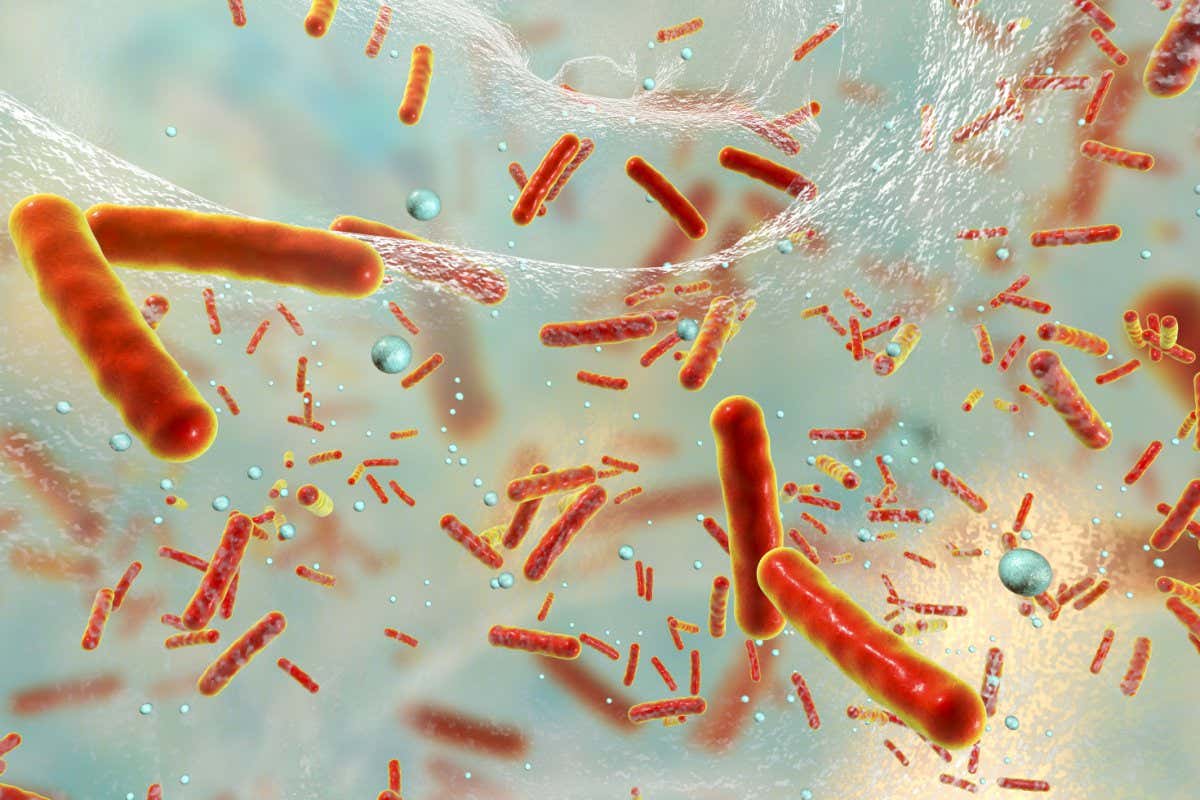
illustration of antibiotic-resistant bacteria

Antibiotic-resistant bacteria can be killed by pom-pom molecules

27 June 2022

Pom-pom-shaped molecules rip apart MRSA and other drug-resistant bacteria in minutes, are cheap and easy to make, and don’t seem to lead to bacterial resistance


Genetically engineered bacteria have learned to play tic-tac-toe

Genetically engineered bacteria have learned to play tic-tac-toe

13 May 2022

E. coli bacteria modified to act like electronic components called memristors can be set up to act as a simple neural network and trained to play noughts and crosses


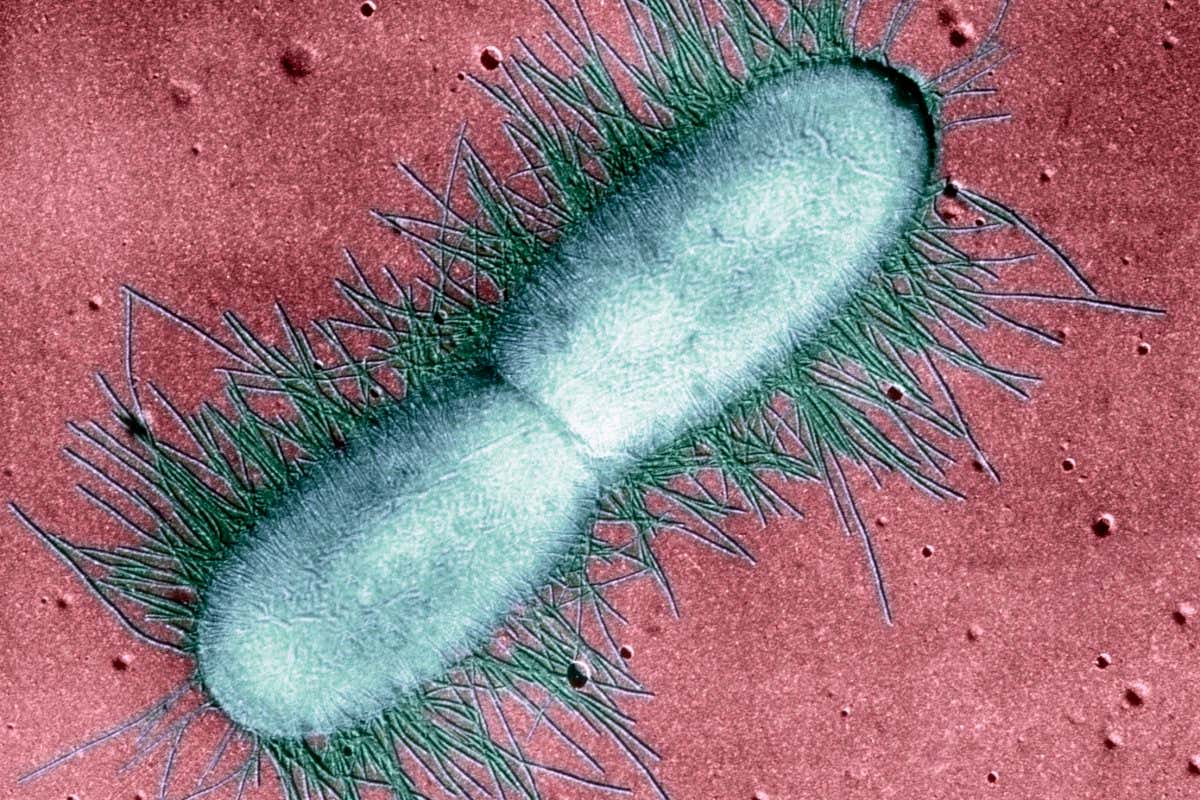
E. coli bacterium. Coloured transmission electron micrograph (TEM) of an Escherichia coli (E. coli) bacterium in the early stages of binary fission, the process by which the bacterium divides. This Gram-negative bacillus (rod-shaped) bacterium normally inhabits the human intestines. Under certain conditions it may undergo rapid division, which increases its numbers to such an extent that it causes infection. E. coli cause 80% of all urinary tract infections, travellers' diarrhoea and gastroenteritis in children. The hair-like appendages around the bacterium are pili, structures used for bacterial conjugation. Magnification: x17,500 at 6x7cm size.

Nanoparticles can translate chemical signals from bacteria to yeast

28 February 2022

Particles that facilitate communication from one type of cell to another could have applications in medicine and agriculture


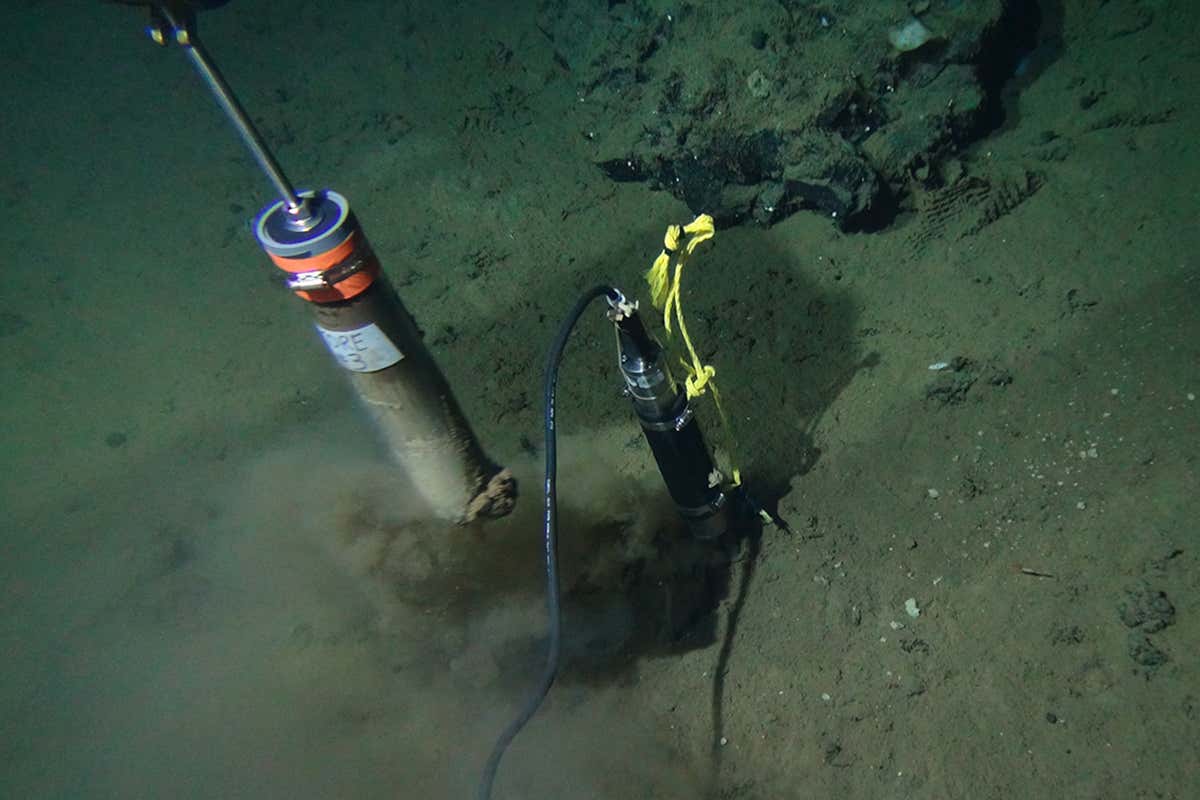
seafloor

Deep-sea microbes survive on less energy than we thought possible

5 August 2020

We thought we understood life’s minimal energy requirements – but microbes beneath the sea floor survive on hundreds of times less energy than we considered possible


Bacteria dug up from beneath the seabed may be 100 million years old

Bacteria dug up from beneath the seabed may be 100 million years old

28 July 2020

Beneath the Pacific Ocean there are communities of bacteria that have survived since the reign of the dinosaurs – and some individual cells may have been alive for over 100 million years


Soil earthy smell

Soil gets its smell from bacteria trying to attract invertebrates

6 April 2020

Soil’s earthy smell comes from chemicals produced by bacteria called Streptomyces, which use the odour to attract springtails to help disperse their spores


E coli bacteria

Bacteria sacrifice themselves when under attack to save their colonies

10 March 2020

Some bacteria sacrifice themselves when their colony is attacked by rivals, to save their relatives and make sure their shared genes are passed on


Sign up to our weekly newsletter

Receive a weekly dose of discovery in your inbox. We'll also keep you up to date with New Scientist events and special offers.

Sign up
Piano Exit Overlay Banner Mobile Piano Exit Overlay Banner Desktop