Subscribe now

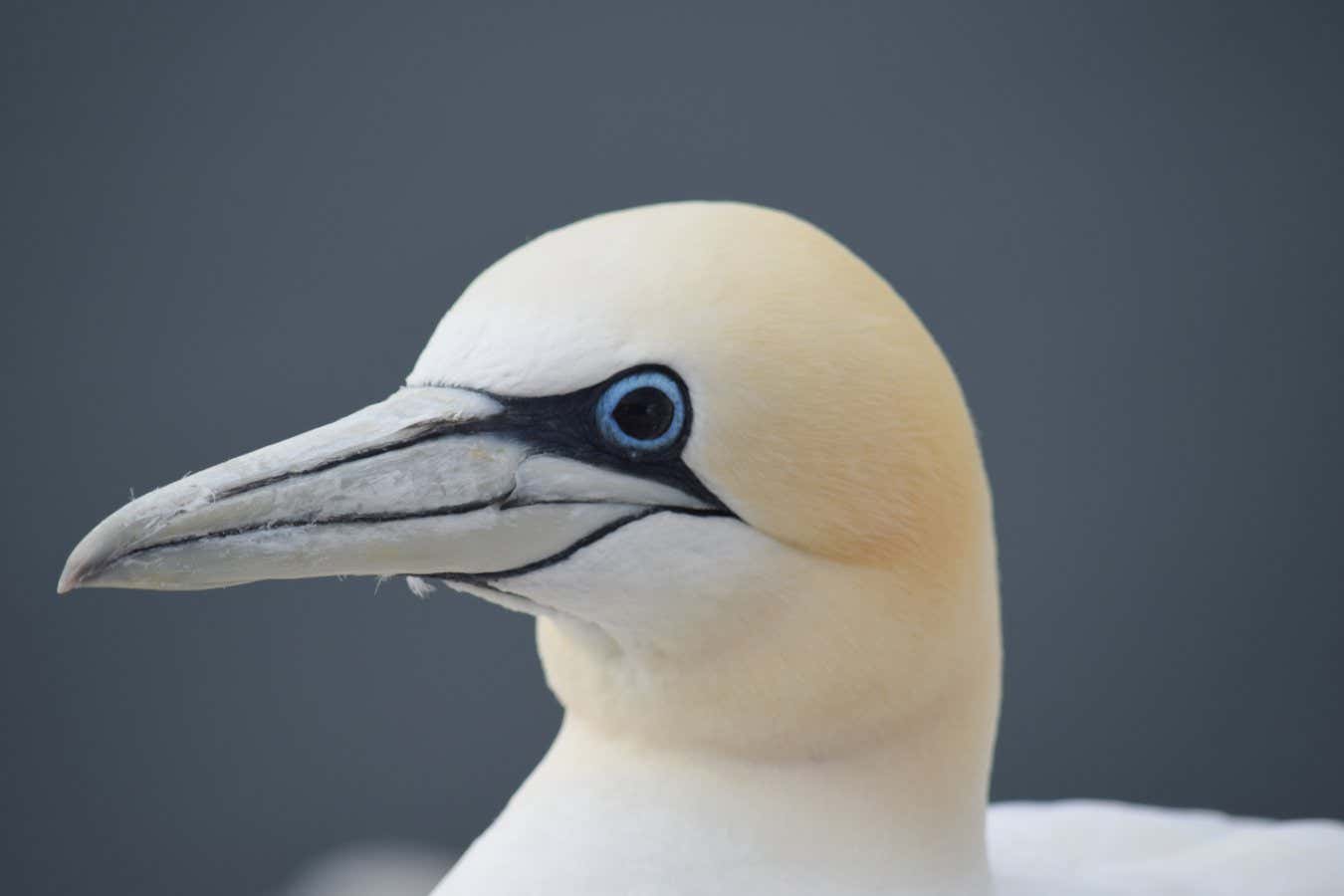
Gannets' blue eyes turn black after an infection with bird flu

4 May 2023

Black irises have been spotted in gannets that test positive for bird flu antibodies, suggesting they are an indicator that the seabirds have survived an infection with the virus
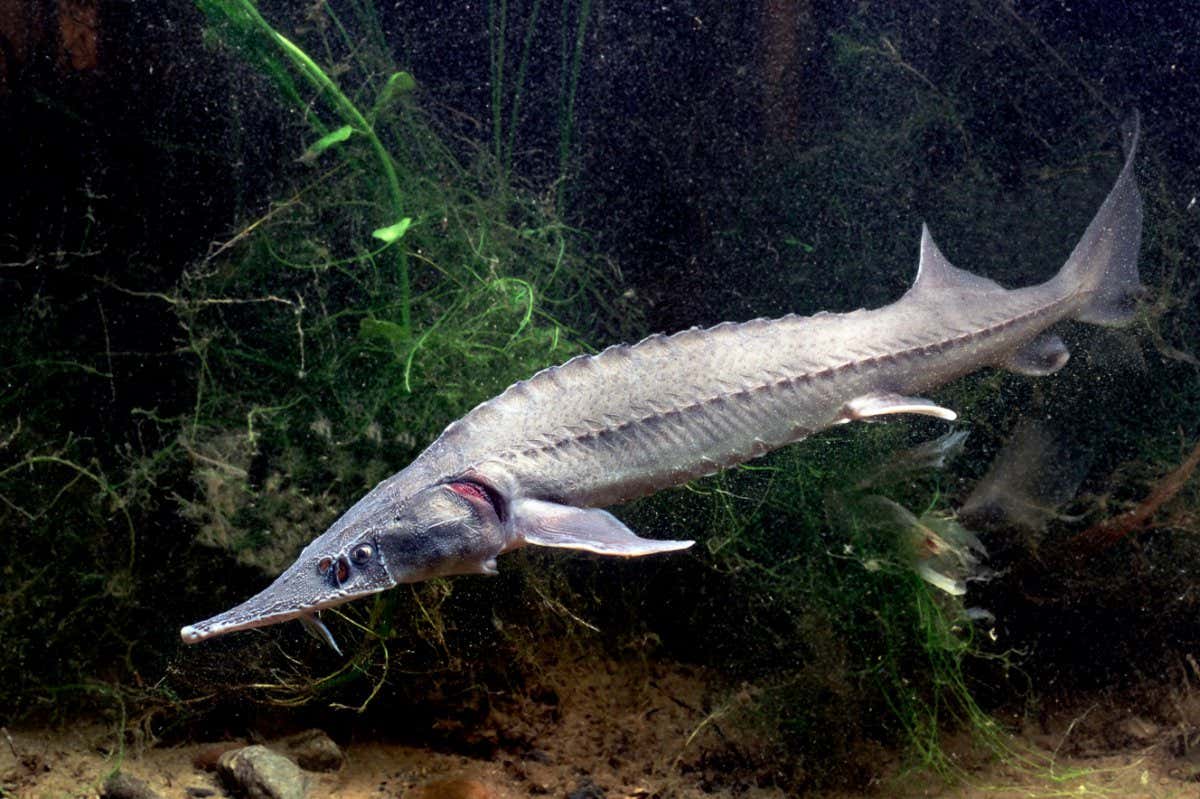
Siberian Sturgeon

Influenza viruses may have originated in fish 600 million years ago

1 March 2023

A flu virus found in a sturgeon resembles the predicted ancestor of all known forms of influenza, hinting that the virus first evolved in fish


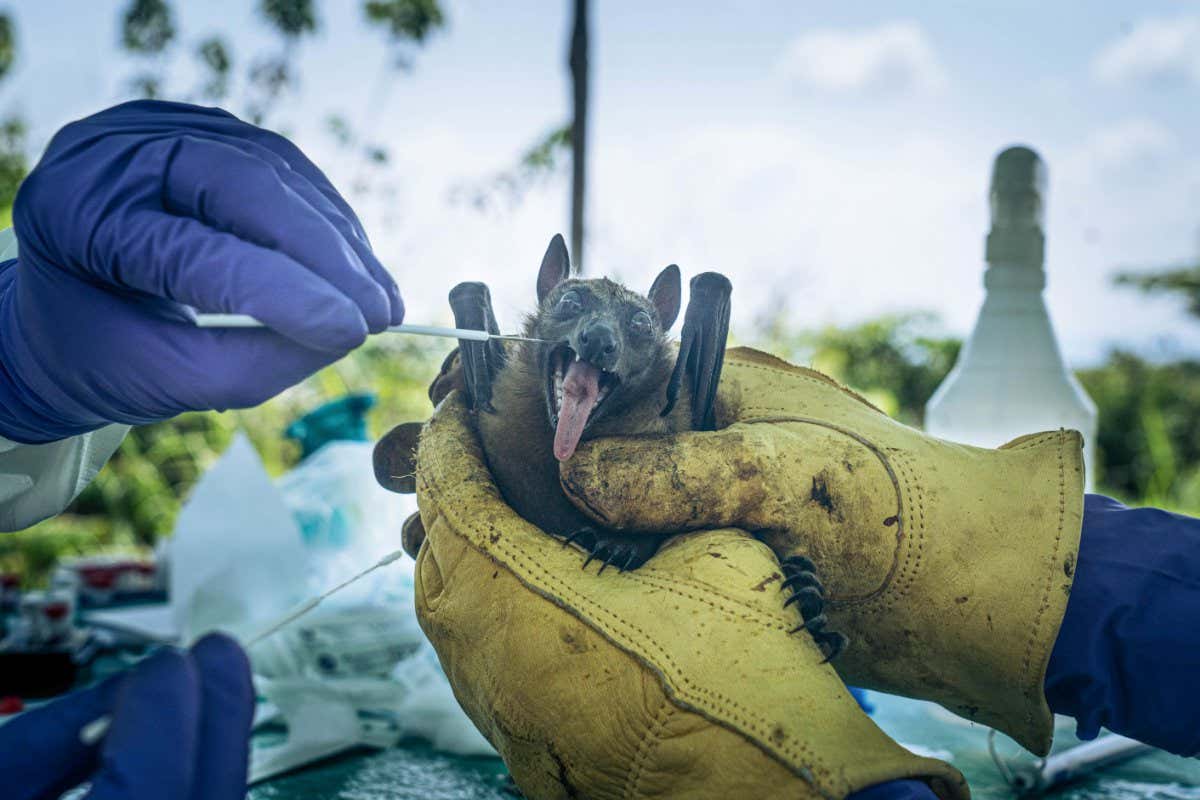
A fruit bat is swabbed to test for viruses

Fruit bats get swabbed to look for diseases that could jump to humans

25 January 2023

Researchers are testing fruit bats in the Republic of the Congo for viruses such as Ebola to learn more about the risks of diseases spreading to humans


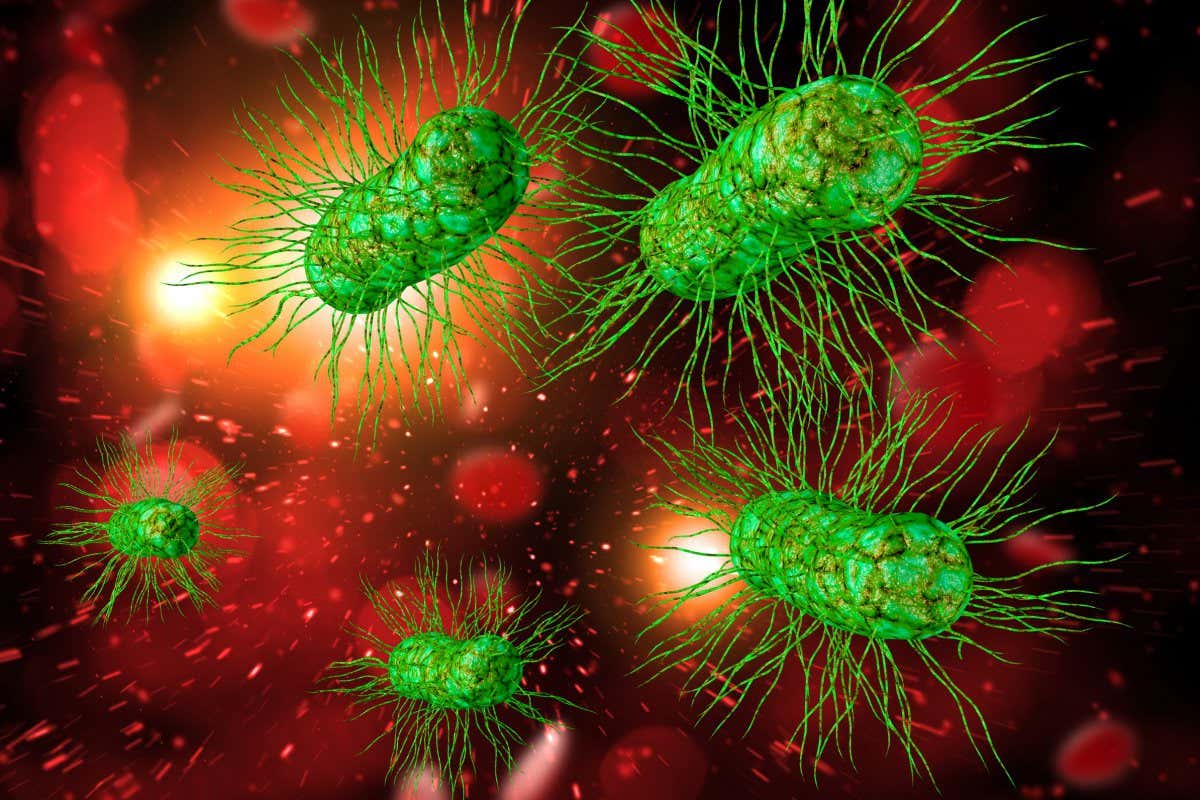
Genetically engineered Escherichia coli is involved in the growth of many chemicals and drugs, such as insulin, but unmodified versions of the bacteria can be infected by viruses

E. coli that is recoded to be virus resistant may aid drug production

4 August 2022

Changing Escherichia coli's genetic code may enable the recoded bacterium to be grown in large vats for drug production, without the risk of a viral infection upending the process


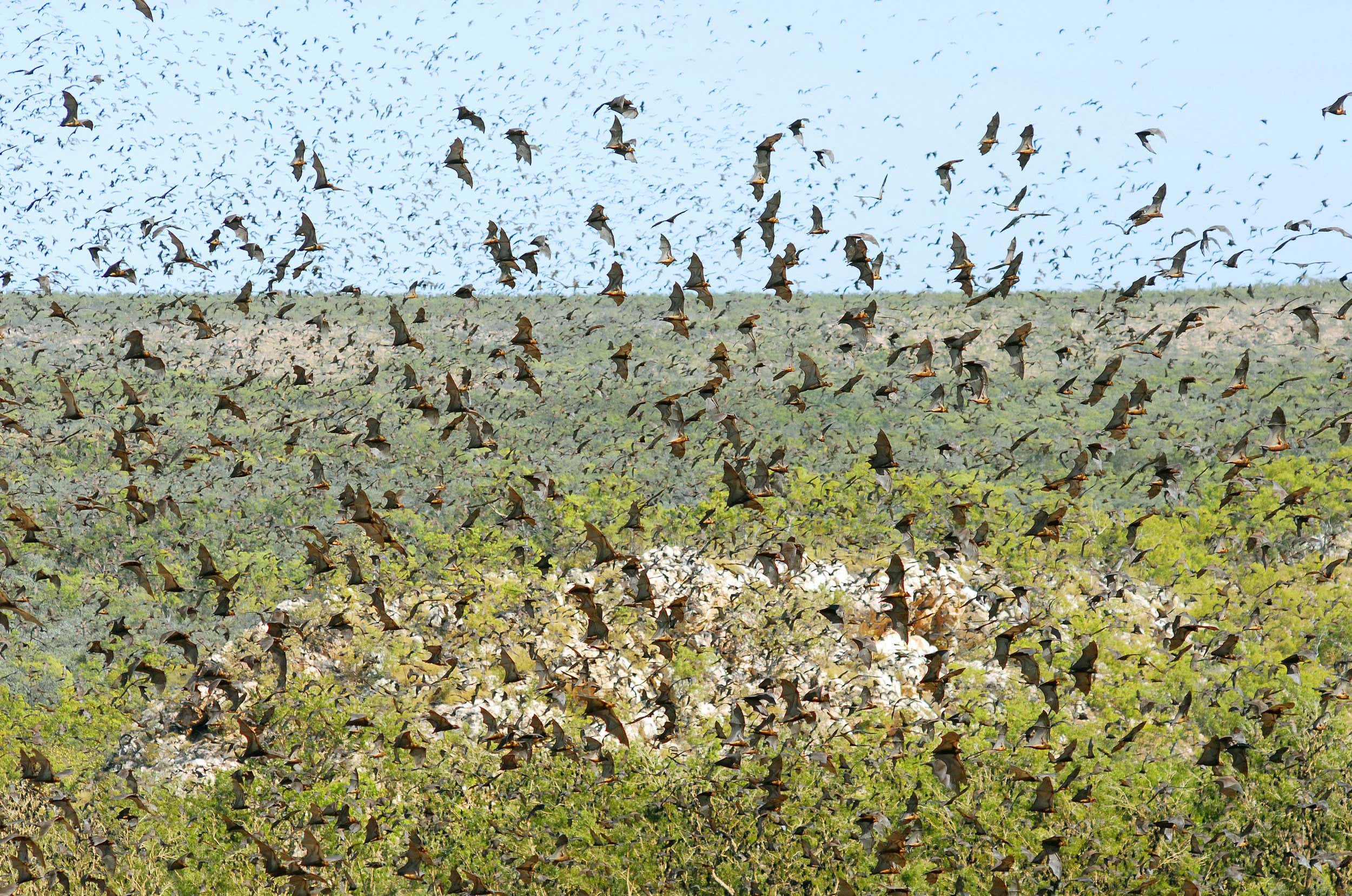
Cloud of Flying-foxes in riparian monsoon forest on escarpment of central range, Broadmere Station, western Gulf of Carpentaria, Northern Territory, Australia

Climate change may increase the spread of viruses between land mammals

28 April 2022

Models of mammal migration in response to 2°C of global warming show that there could be more than 4500 new types of viral transmission between species by the end of the century


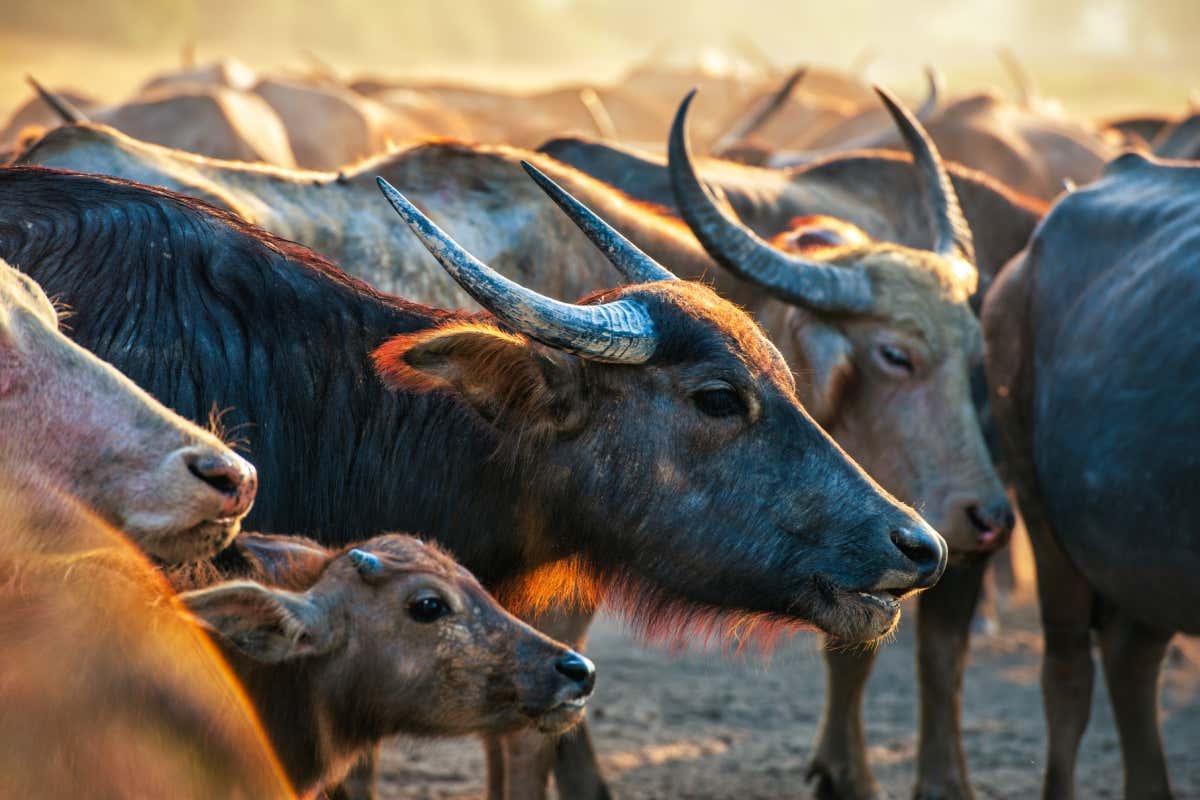
AI predicts which mammals are most likely to spread covid-19

AI predicts which mammals are most likely to spread covid-19

17 November 2021

Water buffalo, Sunda pangolins and mink are among the 540 mammals predicted to be likely to spread the coronavirus based on their biology and where they live


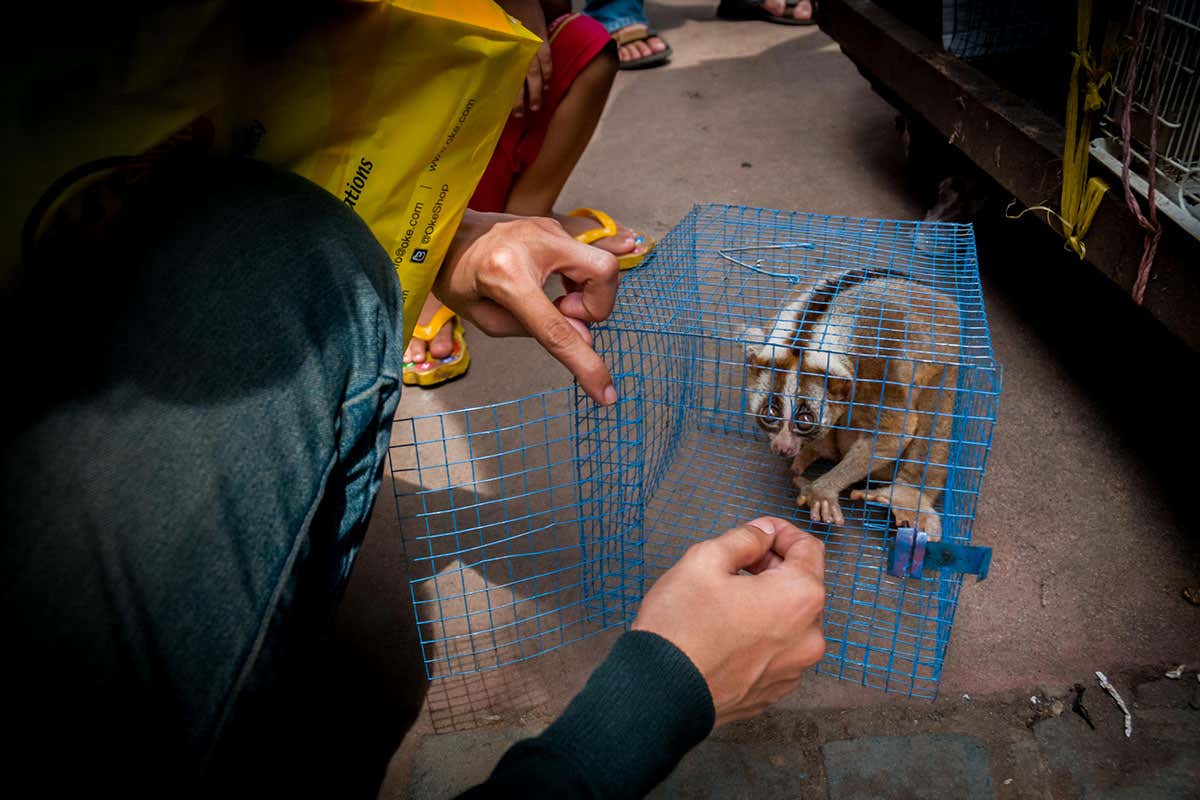
Traded wild animals carry 75 per cent of diseases humans can catch

Traded wild animals carry 75 per cent of diseases humans can catch

7 July 2021

More than a quarter of mammals bought and sold in the wildlife trade play host to three quarters of infectious diseases capable of spilling over from animals to humans


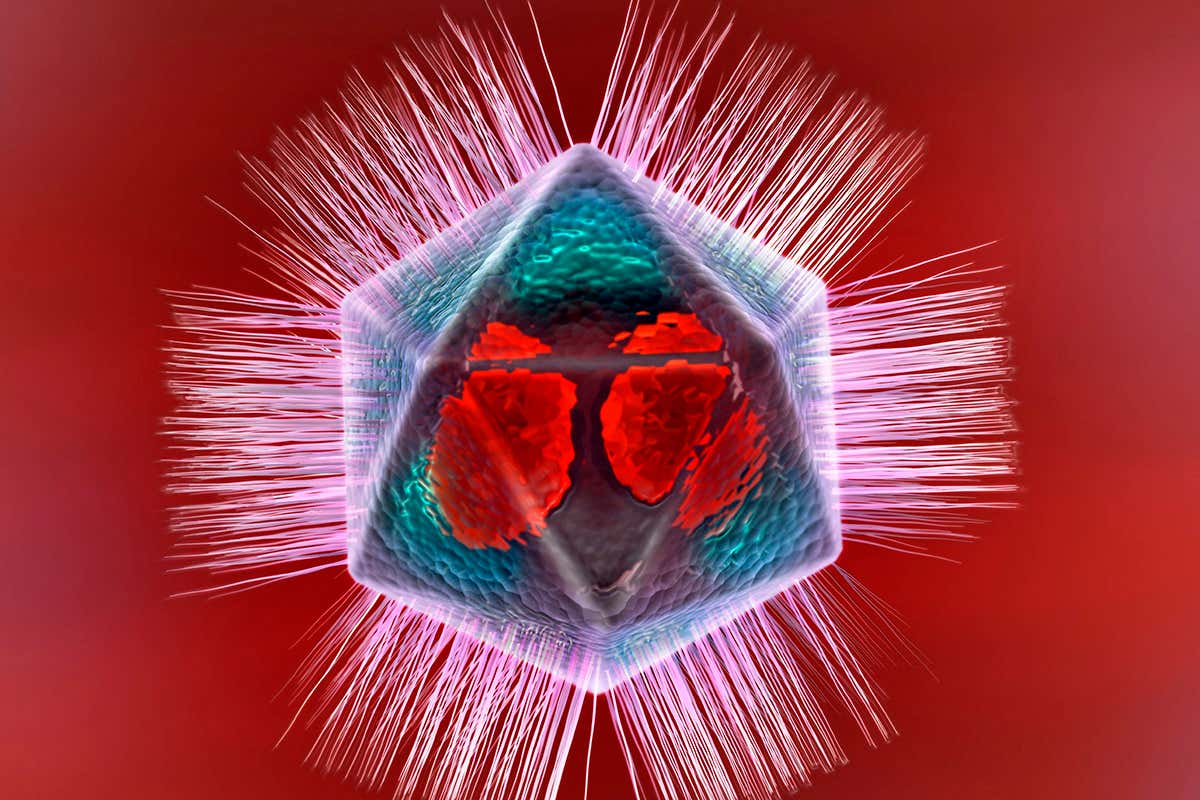
Viruses have been shown to produce their own energy for the first time

Viruses have been shown to produce their own energy for the first time

30 October 2020

Viruses are supposed to be utterly reliant on the cells they infect but it appears a few giant viruses might be capable of producing their own energy, which may fuel the debate over whether they are


We’ve found more than 2500 new viruses and some are unlike any we know

We’ve found more than 2500 new viruses and some are unlike any we know

6 February 2020

The genomes of 2514 new viruses have been identified in DNA recovered from human and animal cells, many of them belonging to wholly new families


Retrovirus illustration

Animal DNA is full of viral invaders and now we've caught them at it

28 January 2020

We know viruses invaded animals’ genomes in the ancient past, but only now have we actually witnessed it happening and the DNA being passed to offspring


Sign up to our weekly newsletter

Receive a weekly dose of discovery in your inbox. We'll also keep you up to date with New Scientist events and special offers.

Sign up
Piano Exit Overlay Banner Mobile Piano Exit Overlay Banner Desktop