Subscribe now
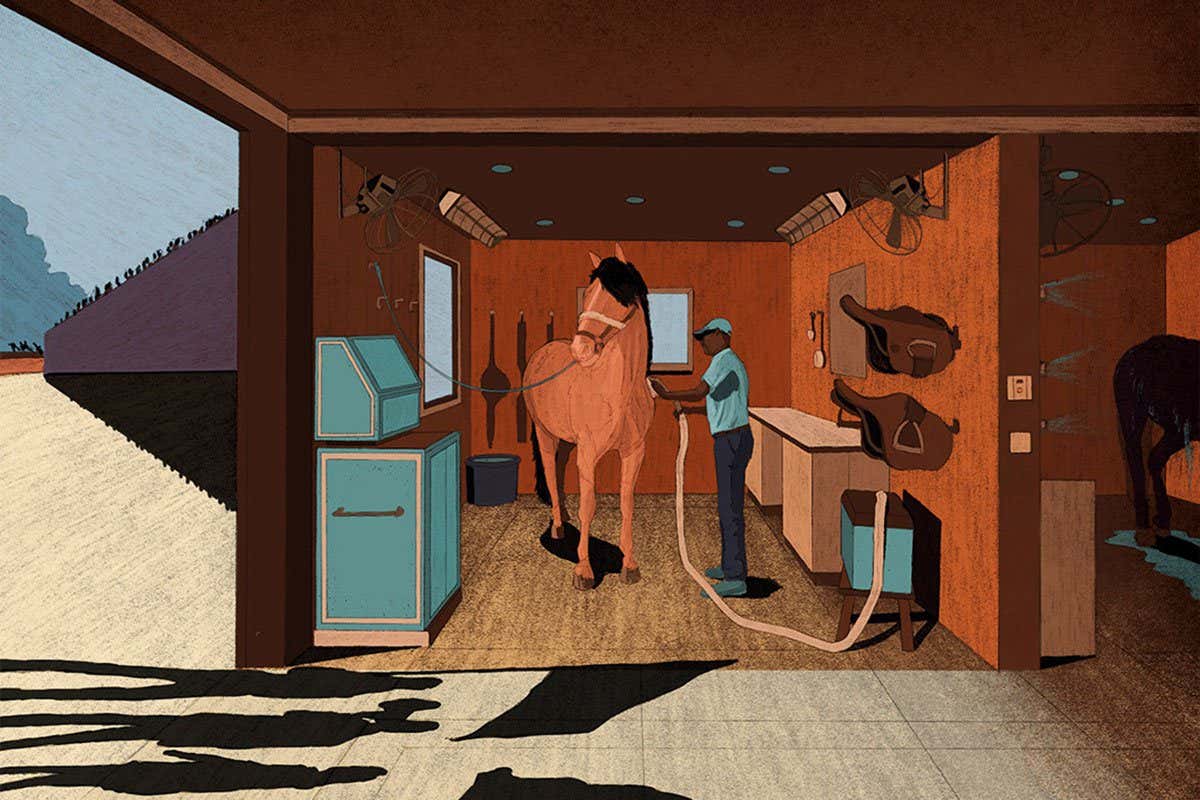
Let science guide horse welfare, not misguided, overemotional protest

Let science guide horse welfare, not misguided, overemotional protest

17 May 2023

Equine sports are increasingly under fire from animal rights activists, but science should be the focus for those who demand changes to the likes of horseracing and Olympic events, says Christa Lesté-Lasserre
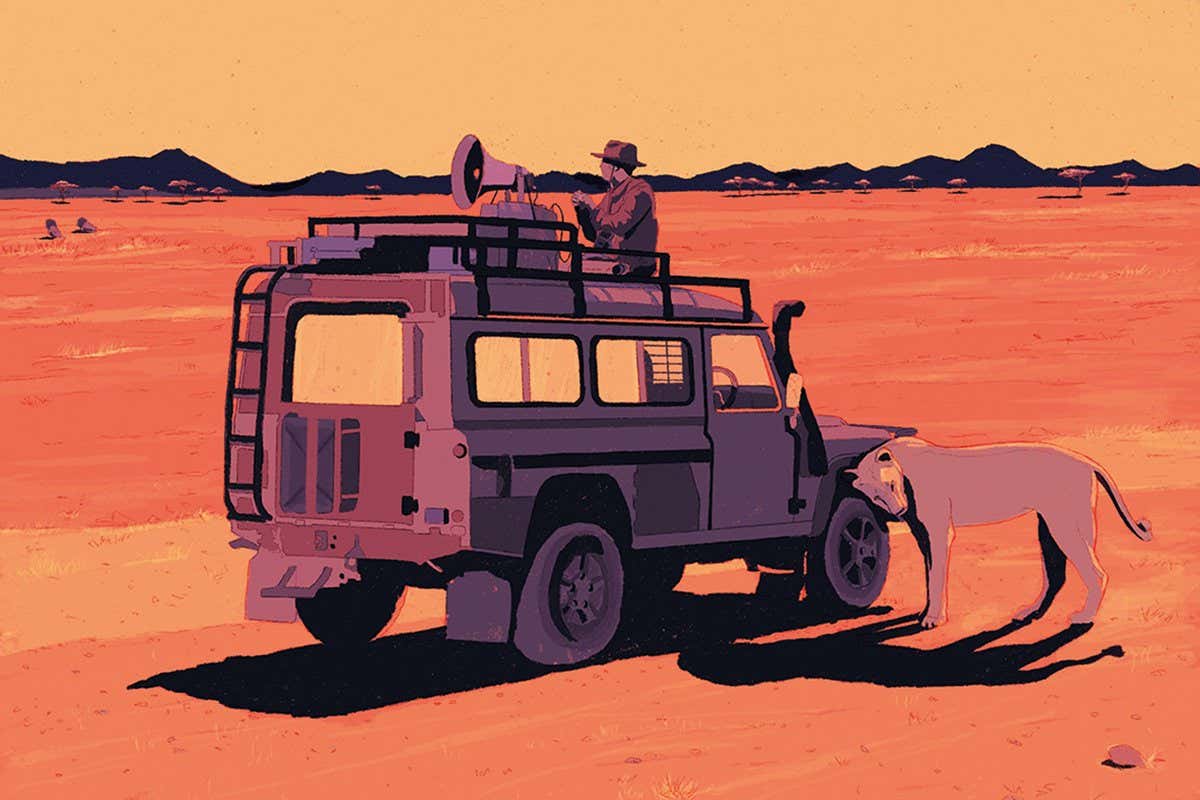
Why we need to be honest with children about the brutality of nature

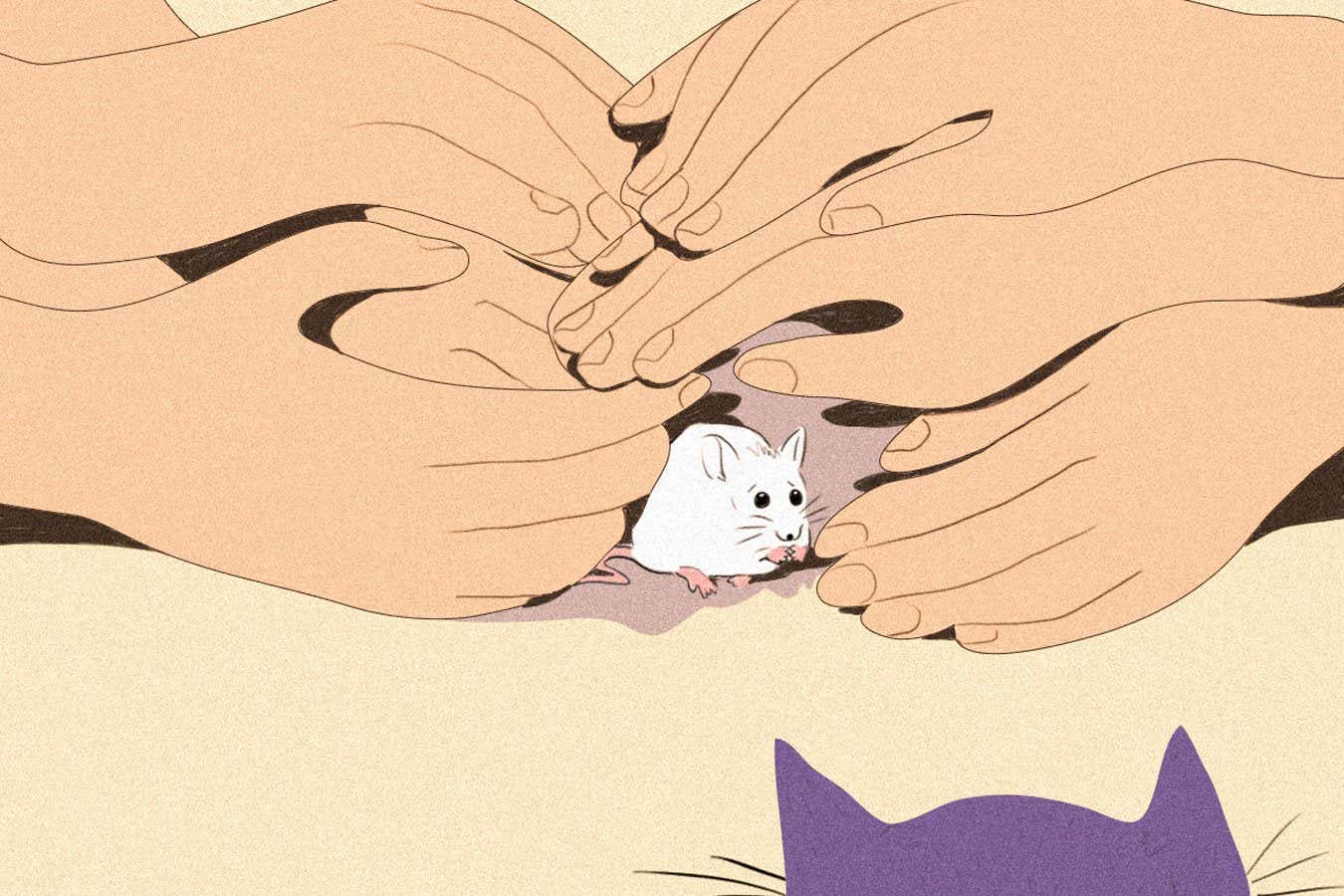
Why we need to be honest with children about the brutality of nature

12 April 2023

It can be hard to explain the realities of the natural world to children, but we need to acknowledge the suffering of wild things, says Richard Smyth


Why we shouldn't attribute human motivations to animals like bees

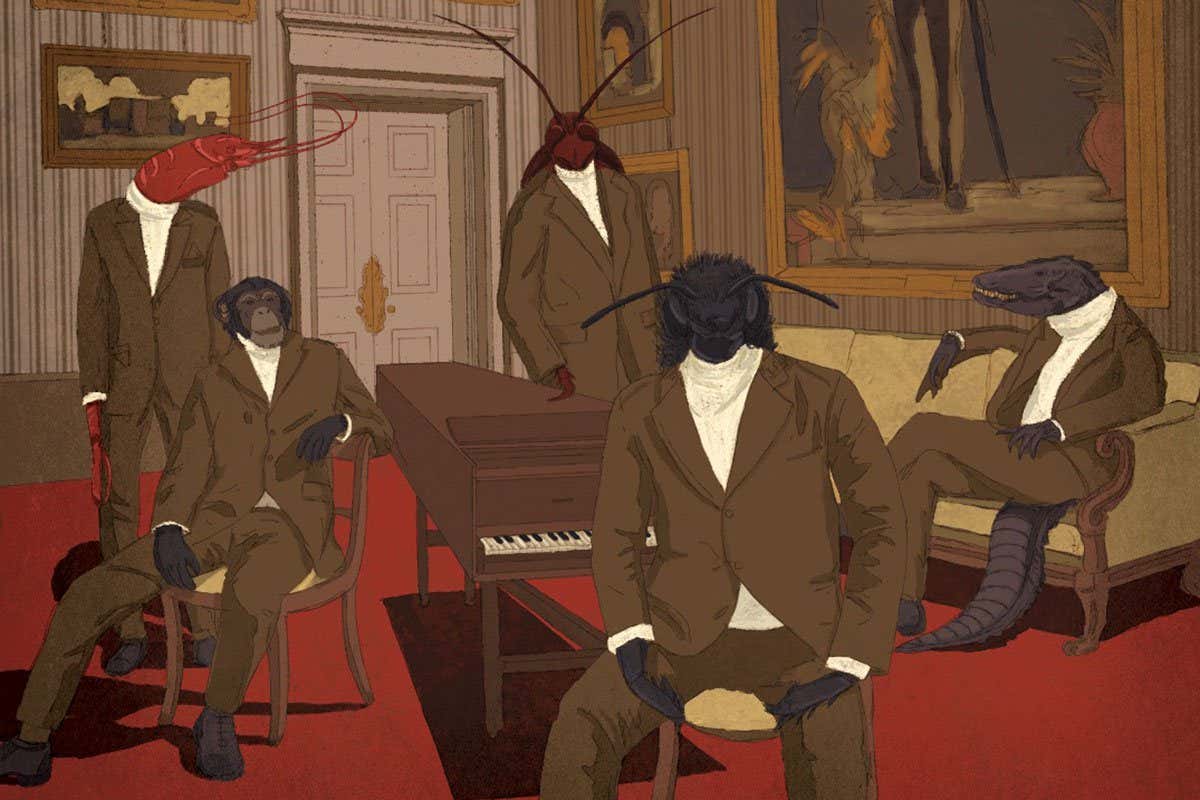
Why we shouldn't attribute human motivations to animals like bees

11 January 2023

Anthropomorphising animals such as chimps, dolphins and bees will stifle scientific enquiry instead of encouraging it, says evolutionary biologist Marlene Zuk


The world is full of living gold, which is more valuable than riches

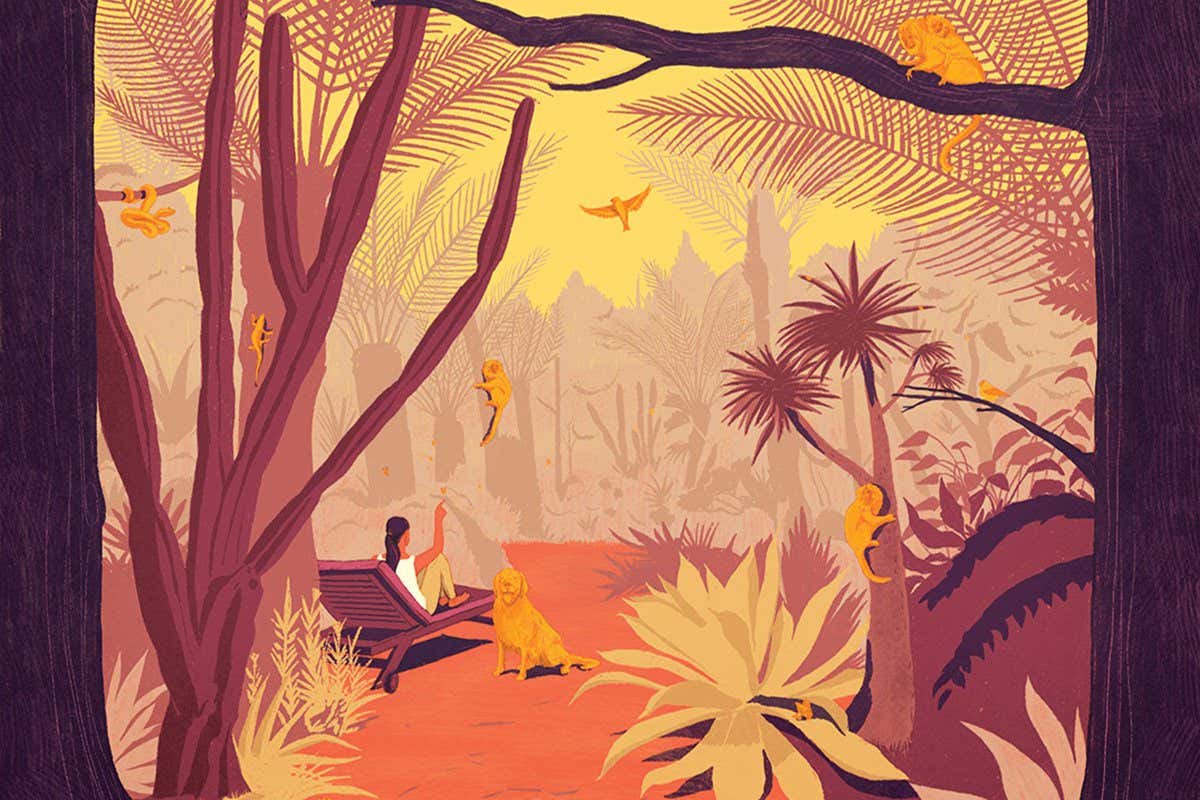
The world is full of living gold, which is more valuable than riches

19 October 2022

From the jewel scarab beetle to the golden mole, the natural world brims with treasure. We must agree, at a vast, global, political level, to protect it, says Katherine Rundell


Jurassic World Dominion's dinosaur trafficking isn't far from reality

Jurassic World Dominion's dinosaur trafficking isn't far from reality

13 July 2022

The movie franchise's conclusion features black market dinosaur trading. Although it is fictional, this storyline rings alarmingly true for birds, the direct descendants of dinosaurs, warns Raj Tawney


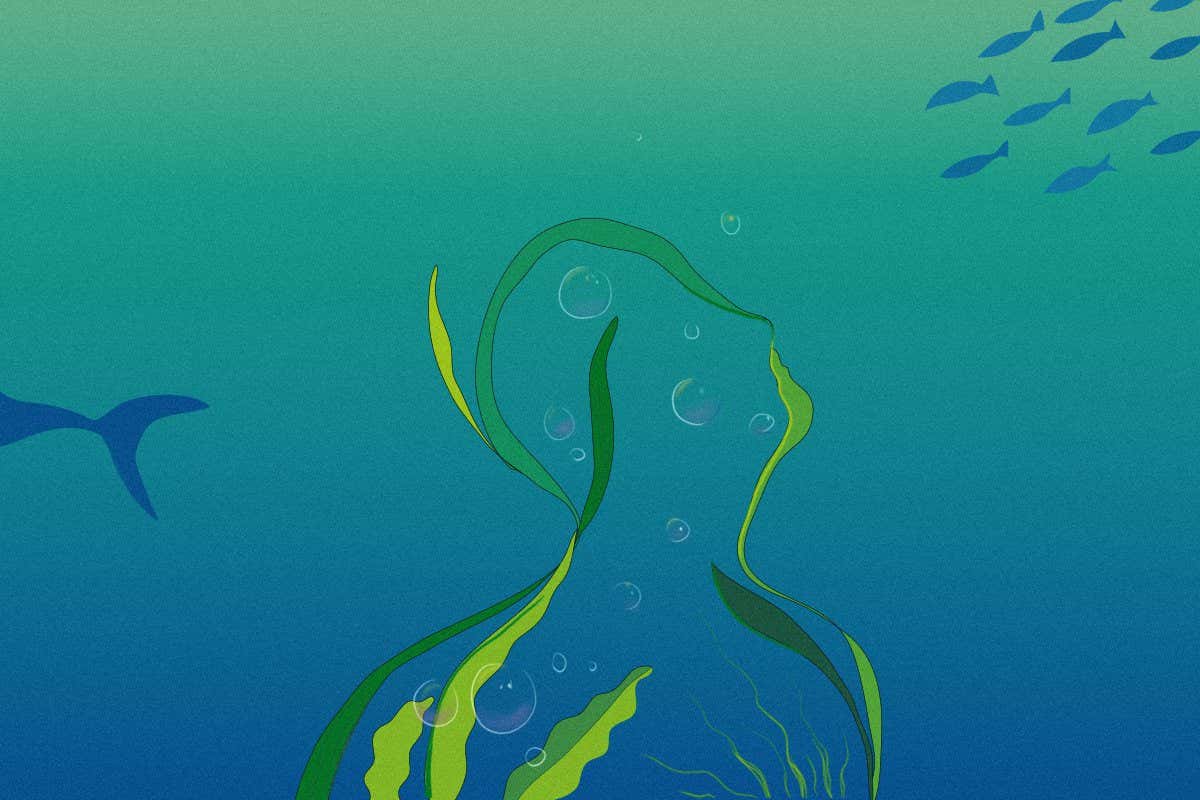
Why restoring seagrass meadows would be a huge conservation win

Why restoring seagrass meadows would be a huge conservation win

6 July 2022

Seagrass meadows are vanishing at a rate of 7 per cent a year, but this is a habitat that buries carbon up to 35 times faster than tropical rainforest. We must safeguard and restore it, says Sophie Pavelle


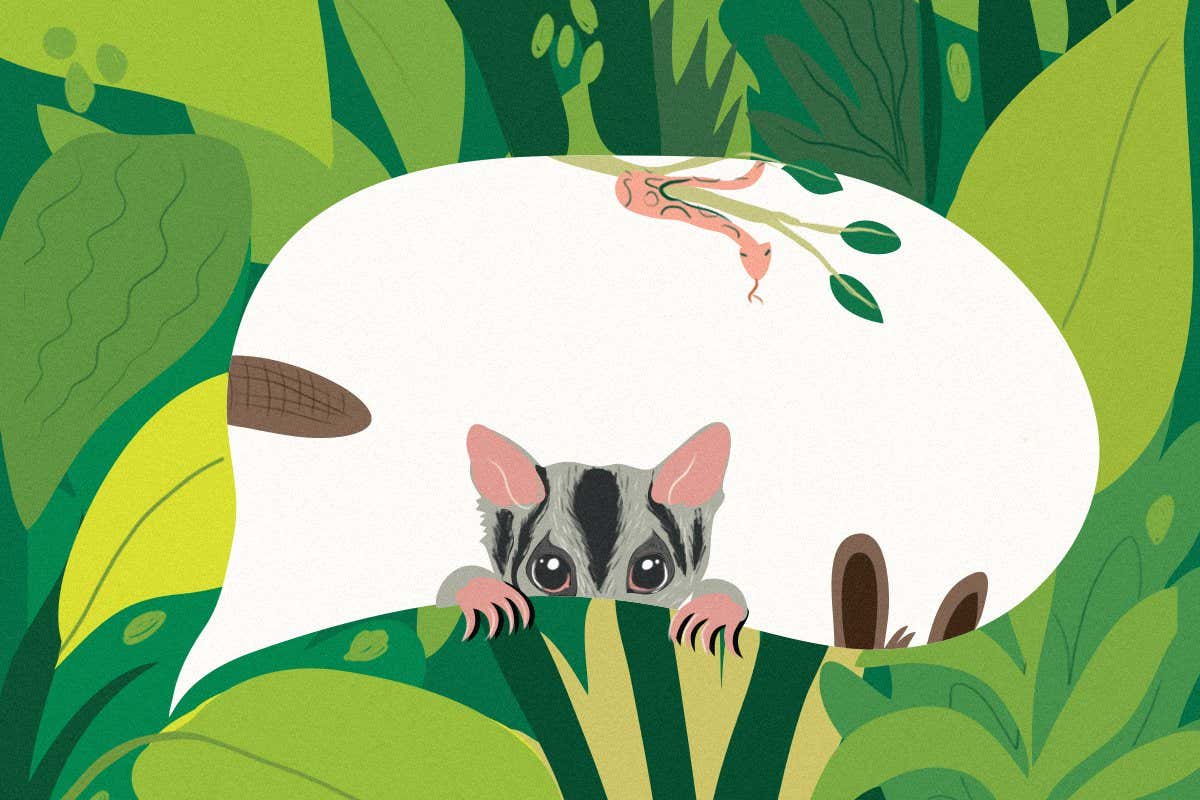
Dismissing Australian mammals as weird hurts efforts to conserve them

Dismissing Australian mammals as weird hurts efforts to conserve them

11 May 2022

When Australian animals such as platypuses and wombats are described as bizarre or primitive, it makes it harder to protect these incredible, highly adapted species, says Jack Ashby


Sorry Darwin, but it turns out promiscuity benefits females too

Sorry Darwin, but it turns out promiscuity benefits females too

9 March 2022

The female of the species has incorrectly been cast as a coy and submissive Victorian housewife. This couldn't be further from the truth, says Lucy Cooke


KUNMING, CHINA - SEPTEMBER 30: A sign reading 'COP15' is set outside the Dianchi International Convention and Exhibition Center to welcome the upcoming 15th meeting of the Conference of the Parties to the Convention on Biological Diversity (COP15) on September 30, 2021 in Kunming, Yunnan Province of China. (Photo by Yang Zheng/VCG via Getty Images)

China must lead by example to make the 2022 biodiversity talks succeed

29 December 2021

To inspire other countries at the 2022 UN Biodiversity Conference, China will need to be seen as part of the solution rather than part of the problem, but has a surprising good news story to tell, says Graham Lawton


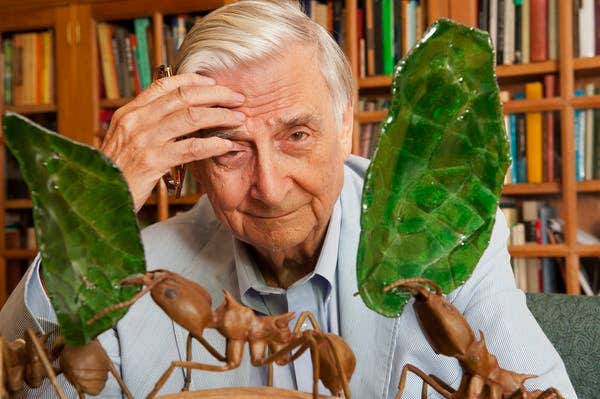
Biologist E.O. Wilson with models of his life’s greatest subject, ants.

E. O. Wilson: Extraordinary scholar who warned of biodiversity crisis

29 December 2021

Naturalist and ant expert Edward O. Wilson, who died on 26 December, made at least five seminal contributions to ecology and was passionate about finding a more sustainable way for humans to live on Earth


Sign up to our weekly newsletter

Receive a weekly dose of discovery in your inbox. We'll also keep you up to date with New Scientist events and special offers.

Sign up
Piano Exit Overlay Banner Mobile Piano Exit Overlay Banner Desktop