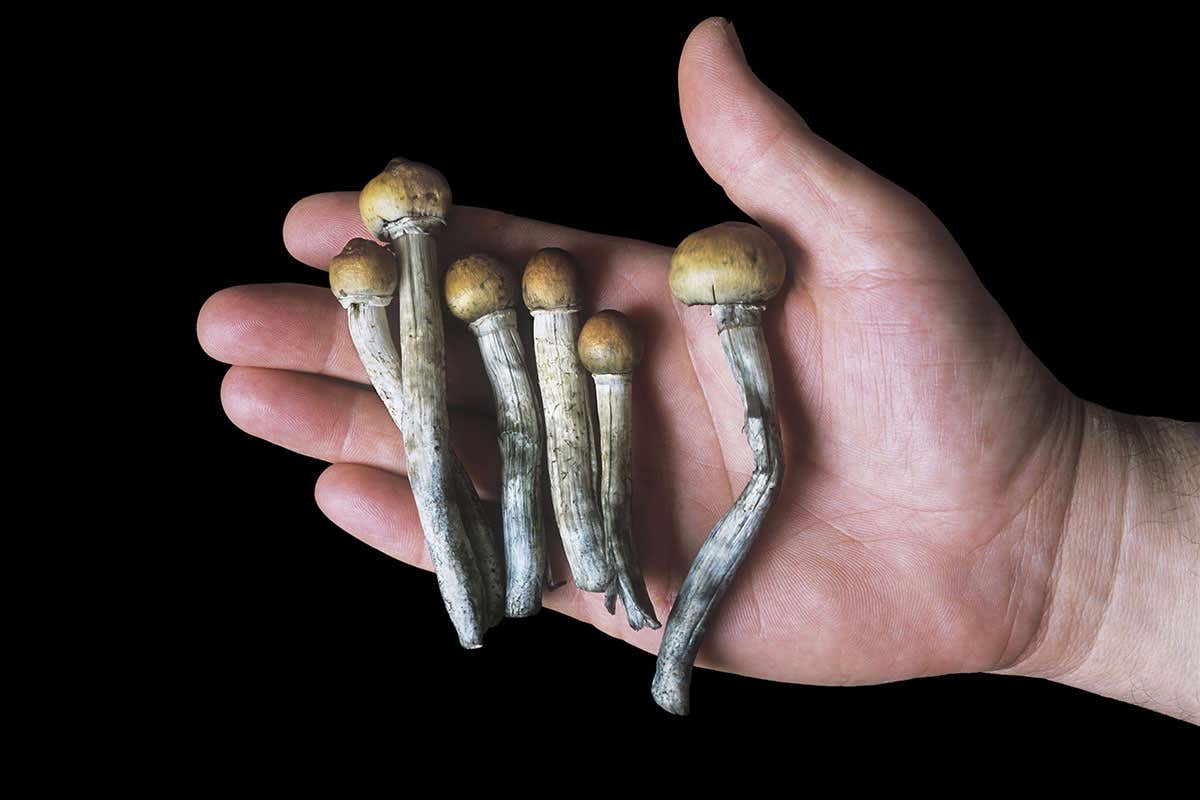
Magic mushroom extract changes brains of people with depression
13 October 2017
Psilocybin, a hallucinogenic compound found in magic mushrooms, may help re-set the activity of neural circuits in the brain that are involved in depression
13 October 2017
Psilocybin, a hallucinogenic compound found in magic mushrooms, may help re-set the activity of neural circuits in the brain that are involved in depression

5 October 2017
People have been found to experience stronger side effects when a treatment looks more expensive, according to a study of the nocebo effect
6 September 2017
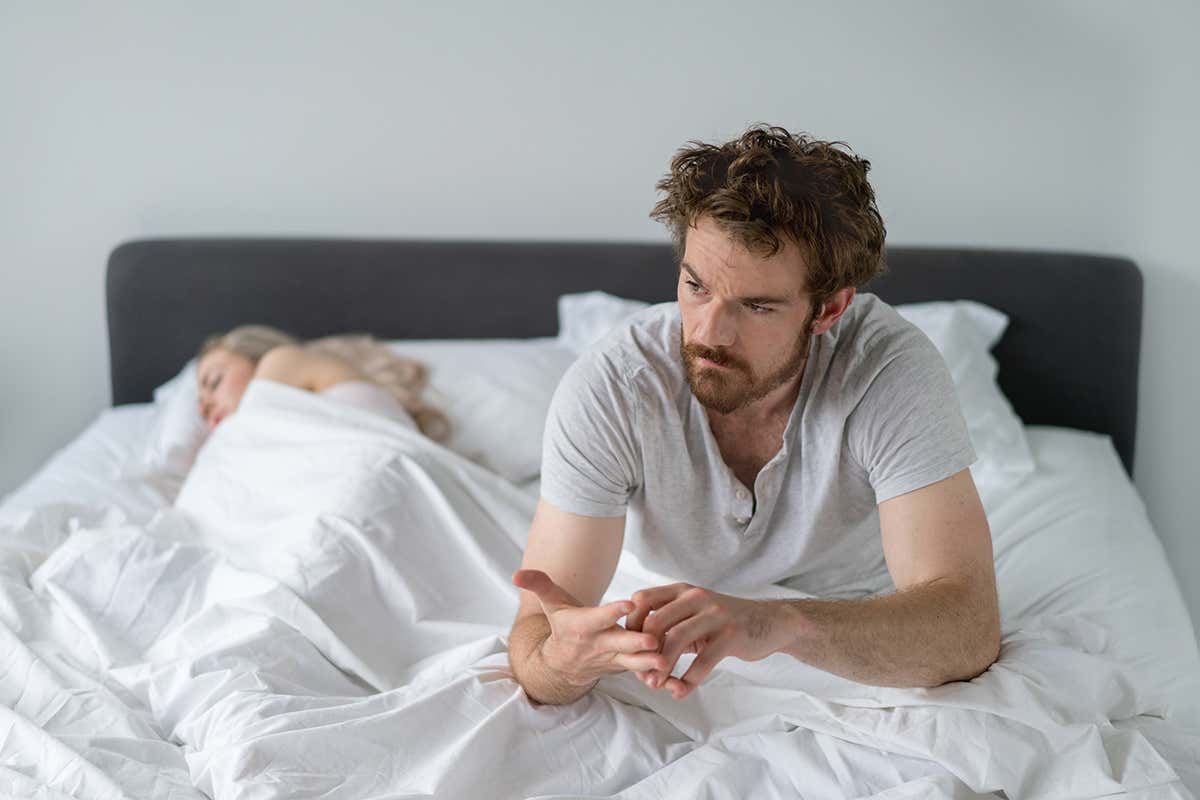
Cognitive behavioural therapy for insomnia has been found to also help a range of mental health issues, including negative thoughts, hallucinations and psychosis

6 September 2017
Listening to upbeat music has been found to boost people’s creativity – but silence is best for when you’re trying to decide on a solution for a problem

27 July 2017
Men who consume large amounts of sugar in cakes, biscuits and fizzy drinks are 23 per cent more likely to develop depression or anxiety over a five-year period

28 June 2017
A study of over 65,000 people has found that people who scored higher on an intelligence test at the age of 11 were less likely to die of a range of diseases

22 June 2017
When a type of cell in the intestine detects dietary irritants and stress hormones, it sends distress signals to the brain, telling it to move things along

6 June 2017
Social jetlag, caused by going to sleep and waking up later on weekends, has been linked to a greater risk of heart disease and other signs of poor health

3 May 2017
Grimaces and squints can mean a baby is in pain, but can also be signs of hunger. Now a single electrode device can tell what a baby’s really feeling
