Subscribe now

Could we put out the sun with a sun-sized orb of water?

18 July 2023

What would happen if we pushed a sun-sized ball of water into our star? The Dead Planets Society podcast dives into the possibilities
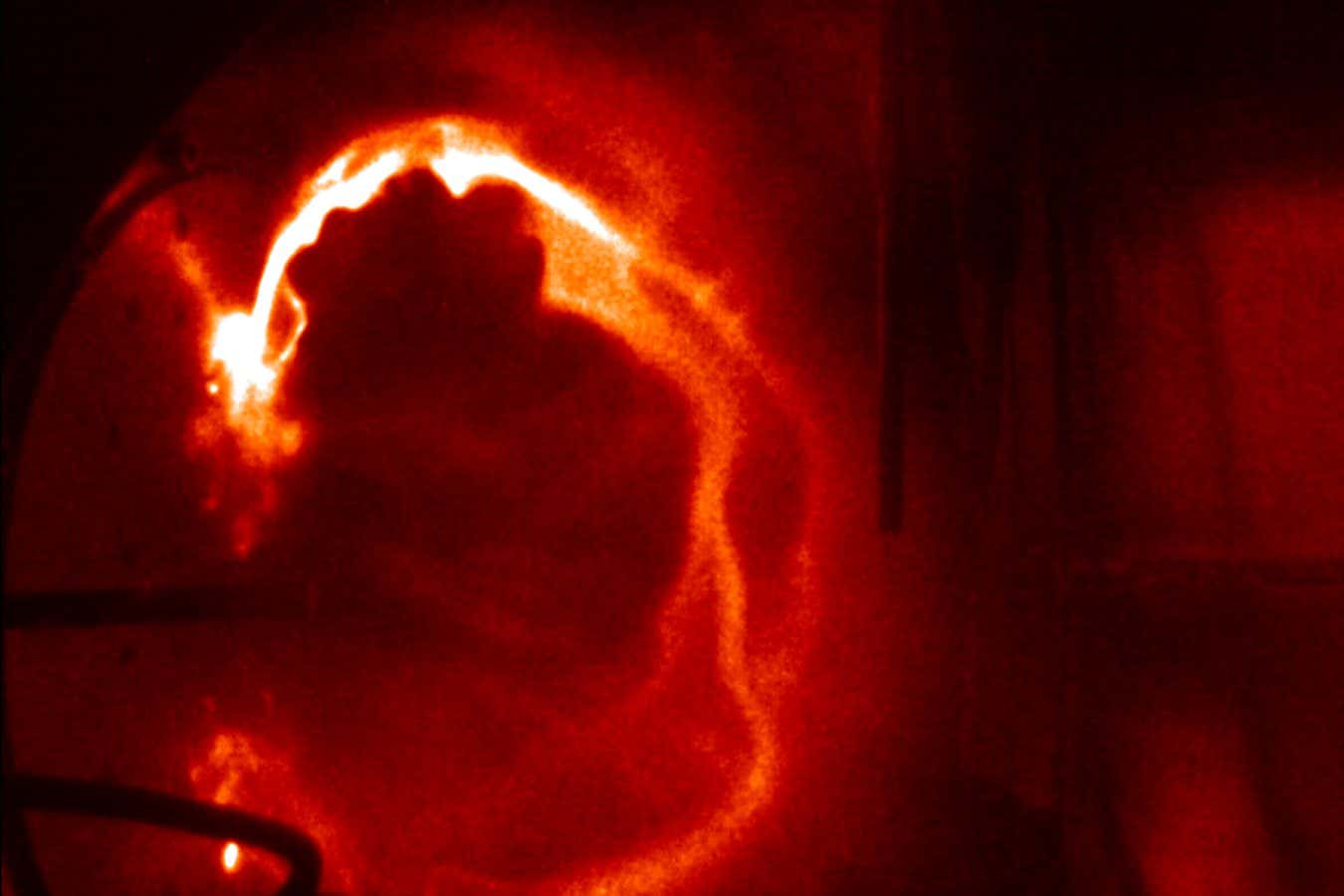

Solar flares made in the lab could teach us about the real thing

6 April 2023

We don't fully understand how the sun spits out high-energy particles during a solar flare, so researchers have created a miniature version in the lab
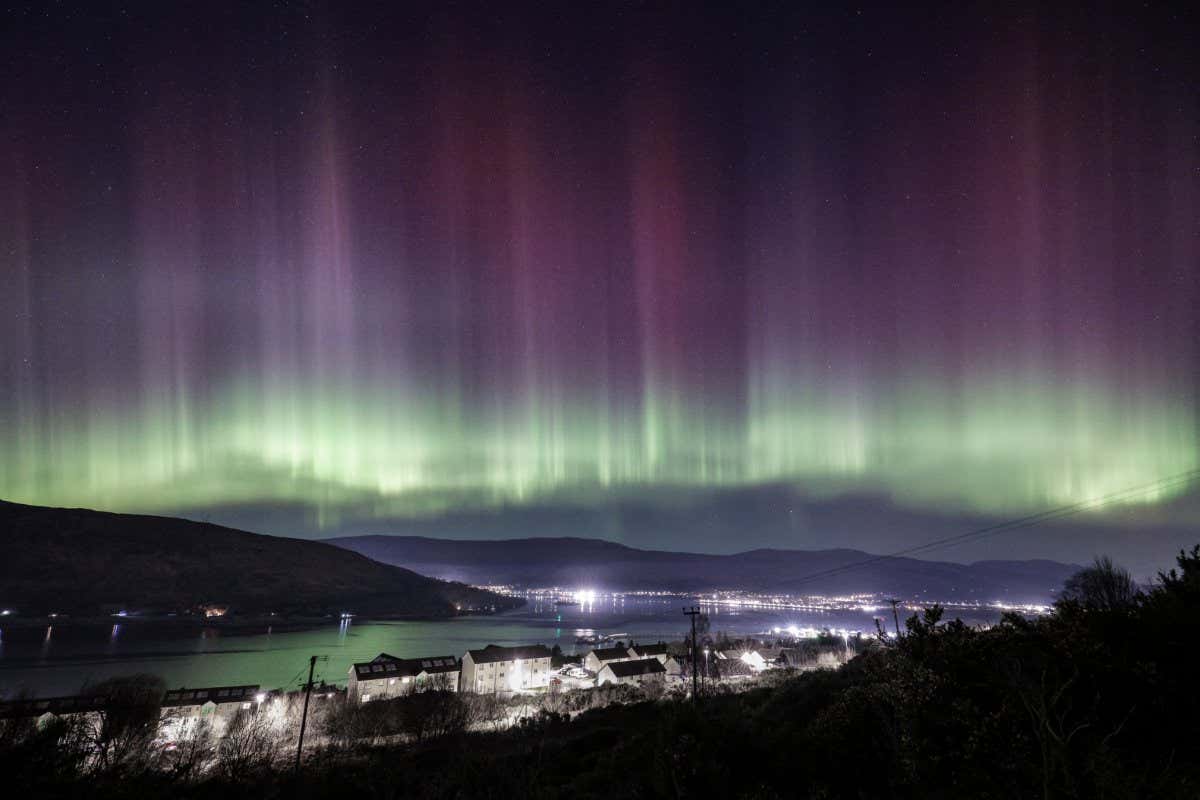

Northern lights, aurora borealis, over Fort William, Scotland, on 27 February 2023

Northern lights: The best pictures of the aurora taken across the UK

28 February 2023

The northern lights, or aurora borealis, usually occur near the Arctic – but solar activity has seen much of the UK treated to the spectacular nighttime display
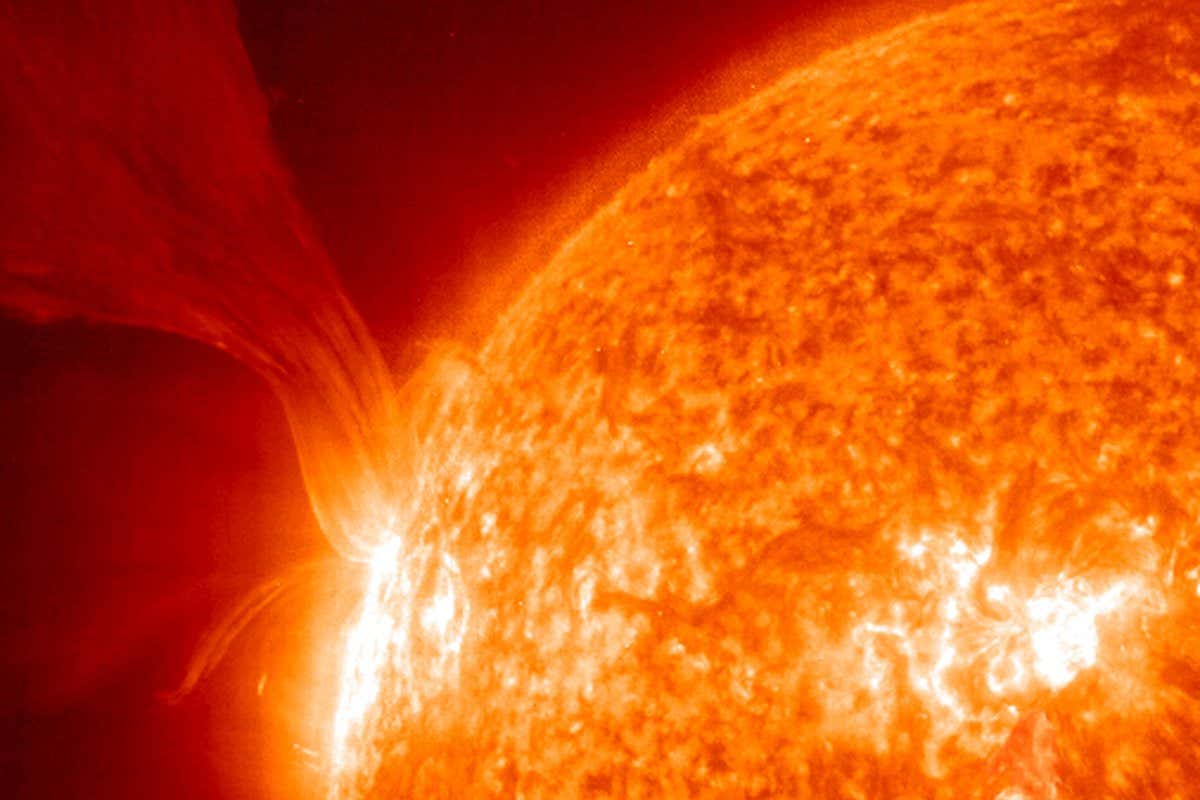

An extensive erupting prominence taken on 15 May, 2001 -- Prominences are huge clouds of relatively cool dense plasma suspended in the Sun's hot, thin corona. At times, they can erupt, escaping the Sun's atmosphere. Emission in this spectral line of EIT 304? shows the upper chromosphere at a temperature of about 60,000 degrees K. The hottest areas appear almost white, while the darker red areas indicate cooler temperatures.

Sunquakes may be caused by weird beams of electrons from solar flares

2 February 2023

Mysterious ripples in the sun’s plasma have gone unexplained for decades, but they may be caused by strange beams of high-energy electrons fired inward by solar flares
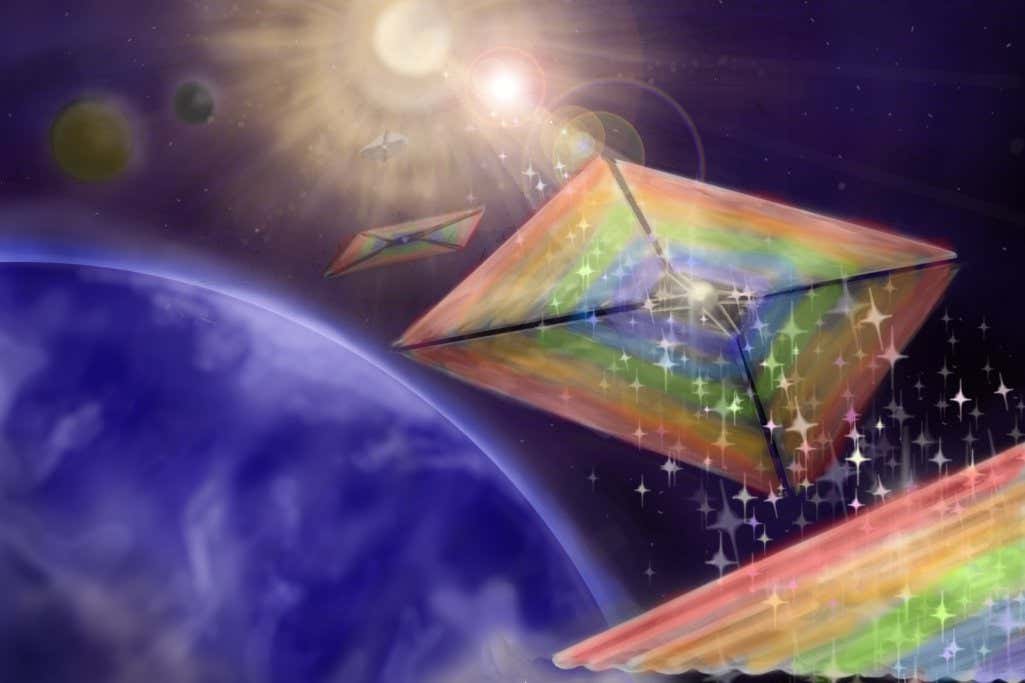

Diffractive solar sails, depicted in this conceptual illustration, could enable missions to hard-to-reach places, like orbits over the Sun?s poles. Credits: MacKenzi Martin

NASA awards $2 million to advance rainbow-coloured solar sail project

27 May 2022

As part of its Innovative Advanced Concepts programme, NASA has given a major award to a team working on solar sails that can move in any direction using ridges that diffract light like prisms do
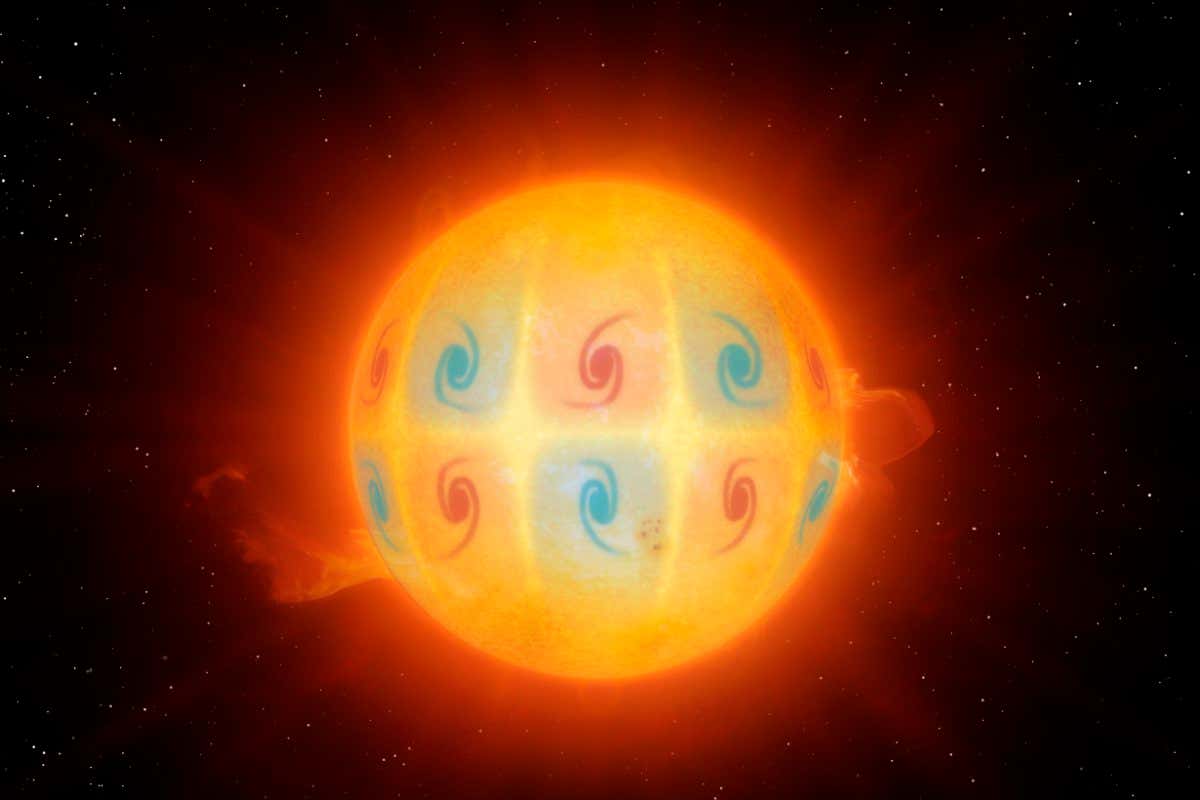

An artistic impression of the high-frequency retrograde (HFR) vorticity waves. These waves appear as swirling motions near the equator of the Sun. The rotation in the north is always anti-symmetric to the rotation in the southern hemisphere. These mysterious waves move in the opposite direction to the sun's rotation, which is to the right, three times faster then what is allowed by hydrodynamics alone.

Strange waves in the sun are travelling far faster than they should be

24 March 2022

Astronomers have found waves made up of eddies of plasma inside the sun, and they can’t explain why they are travelling three times faster than similar waves
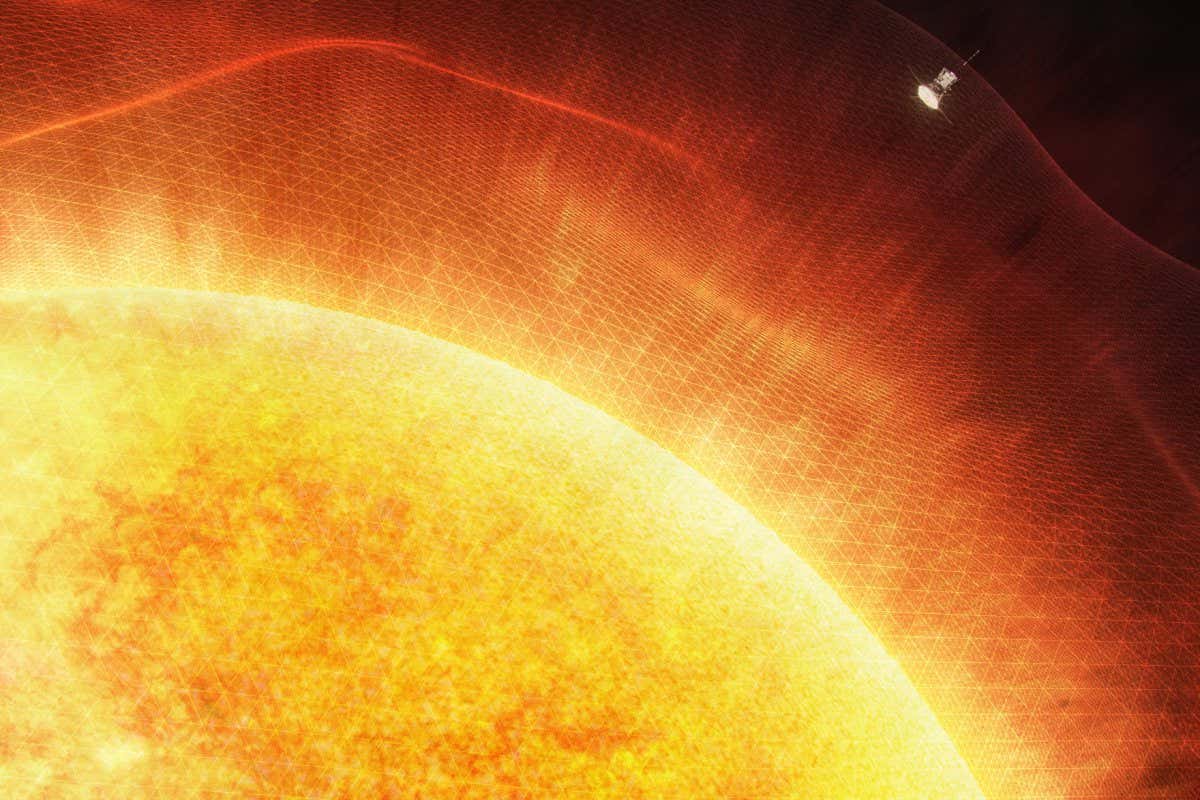

Parker Solar Probe near the sun

NASA’s Parker Solar Probe is the first spacecraft to 'touch' the sun

15 December 2021

A spacecraft designed to study the sun up close has entered its upper atmosphere for the first time in history
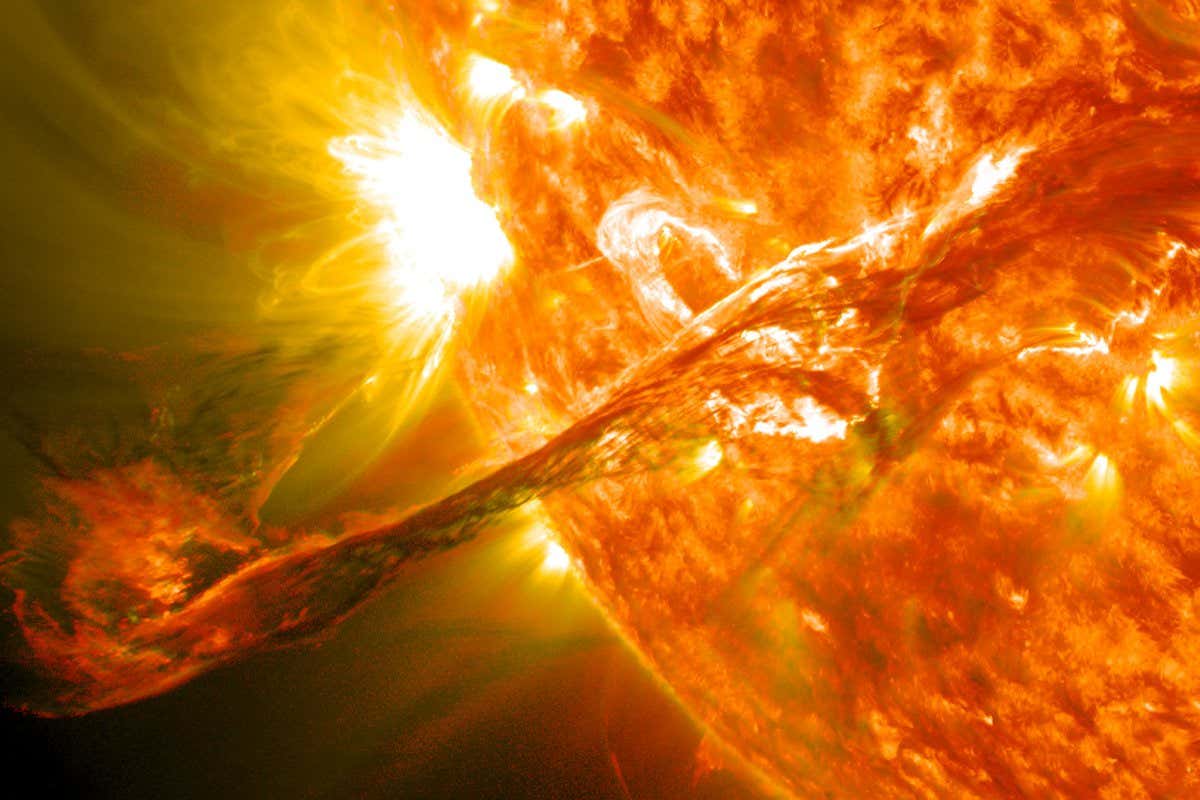

On August 31, 2012 a long filament of solar material that had been hovering in the sun's atmosphere, the corona, erupted out into space at 4:36 p.m. EDT. The coronal mass ejection, or CME, traveled at over 900 miles per second. The CME did not travel directly toward Earth, but did connect with Earth's magnetic environment, or magnetosphere, causing aurora to appear on the night of Monday, September 3. Picuted here is a lighten blended version of the 304 and 171 angstrom wavelengths. Cropped Credit: NASA/GSFC/SDO NASA image use policy. NASA Goddard Space Flight Center enables NASA???s mission through four scientific endeavors: Earth Science, Heliophysics, Solar System Exploration, and Astrophysics. Goddard plays a leading role in NASA???s accomplishments by contributing compelling scientific knowledge to advance the Agency???s mission. Follow us on Twitter Like us on Facebook Find us on Instagram

Monster cloud of plasma spotted spewing out of a distant star

9 December 2021

A coronal mass ejection from the star EK Draconis was 10 times larger than any we have seen on our own sun
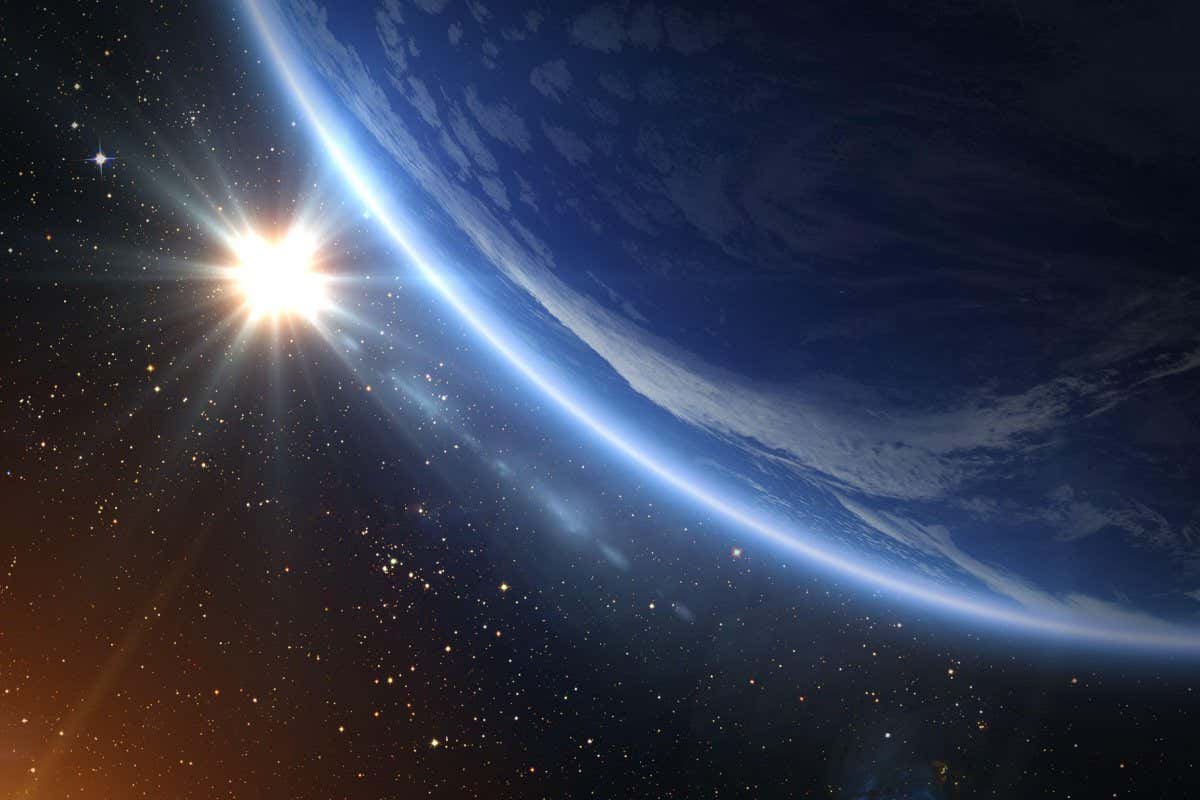

Planet Earth and Sun. Elements of this image furnished by NASA.

Mysterious origin of Earth's water may be explained by solar wind

29 November 2021

Evidence from asteroids shows that charged particles from the sun can turn dust grains into water – a process that could be useful for space exploration too
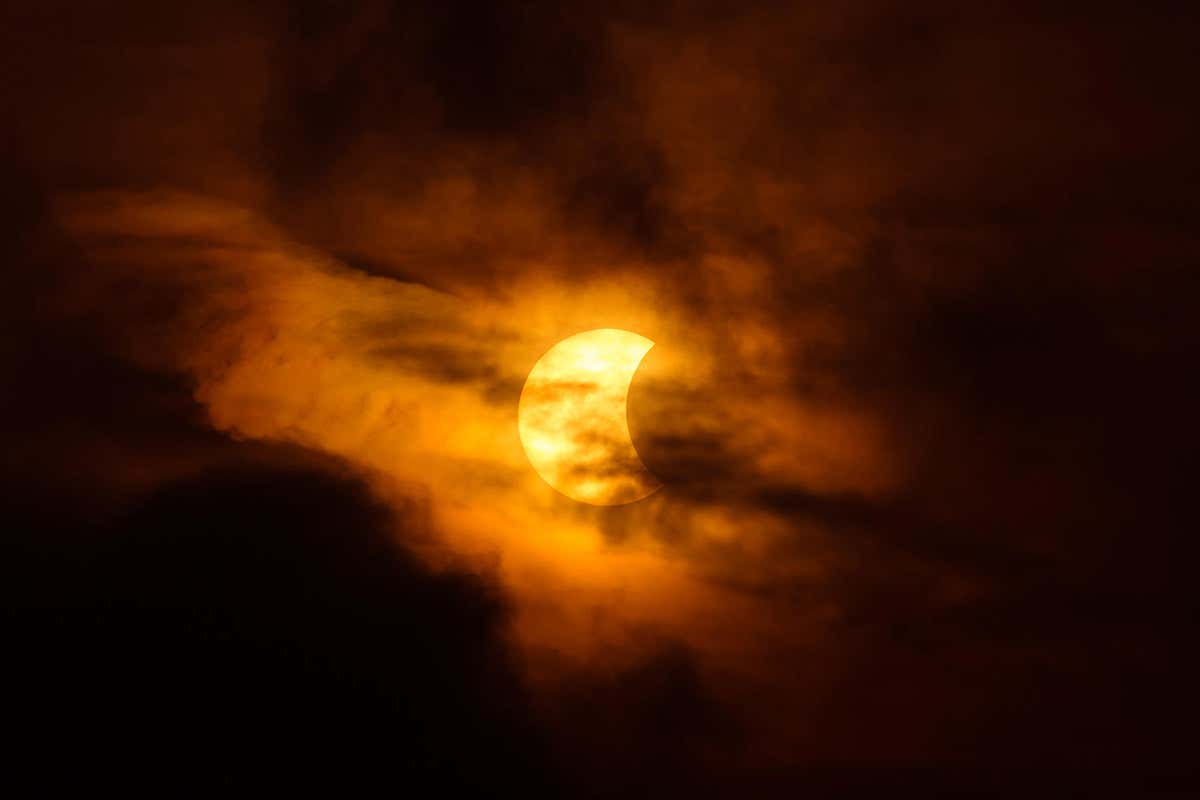

Partial solar eclipse will be visible in the UK and Ireland on 10 June

Partial solar eclipse will be visible in the UK and Ireland on 10 June

7 June 2021

Skygazers in parts of Europe, Asia and North America can observe part of the sun being obscured by the moon this week, and a few places will see a “ring of fire”


Sign up to our weekly newsletter

Receive a weekly dose of discovery in your inbox. We'll also keep you up to date with New Scientist events and special offers.

Sign up
Piano Exit Overlay Banner Mobile Piano Exit Overlay Banner Desktop