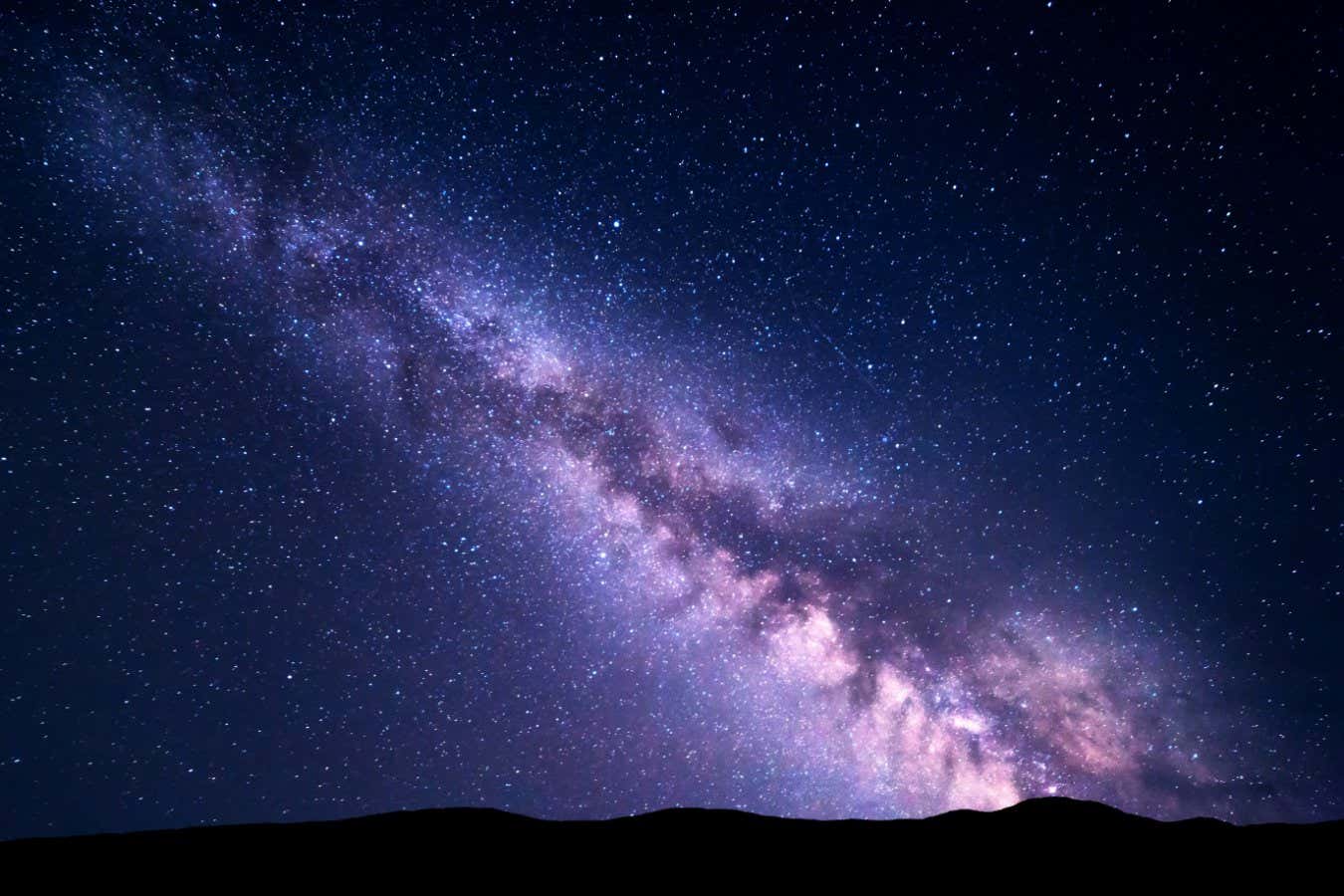
IceCube detector finds neutrinos from the Milky Way for the first time
29 June 2023
A neutrino detector in Antarctica has found heaps of high-energy neutrinos coming from distant galaxies, but none from within our own – until now
29 June 2023
A neutrino detector in Antarctica has found heaps of high-energy neutrinos coming from distant galaxies, but none from within our own – until now
9 November 2021
The very centre of the Milky Way has an unexpectedly low density of cosmic rays compared with the rest of the galaxy, which means that they are somehow being kept out
26 August 2021
High energy cosmic rays usually come from powerful supernova explosions, but a new discovery suggests they can be released by smaller nova explosions too
12 July 2018
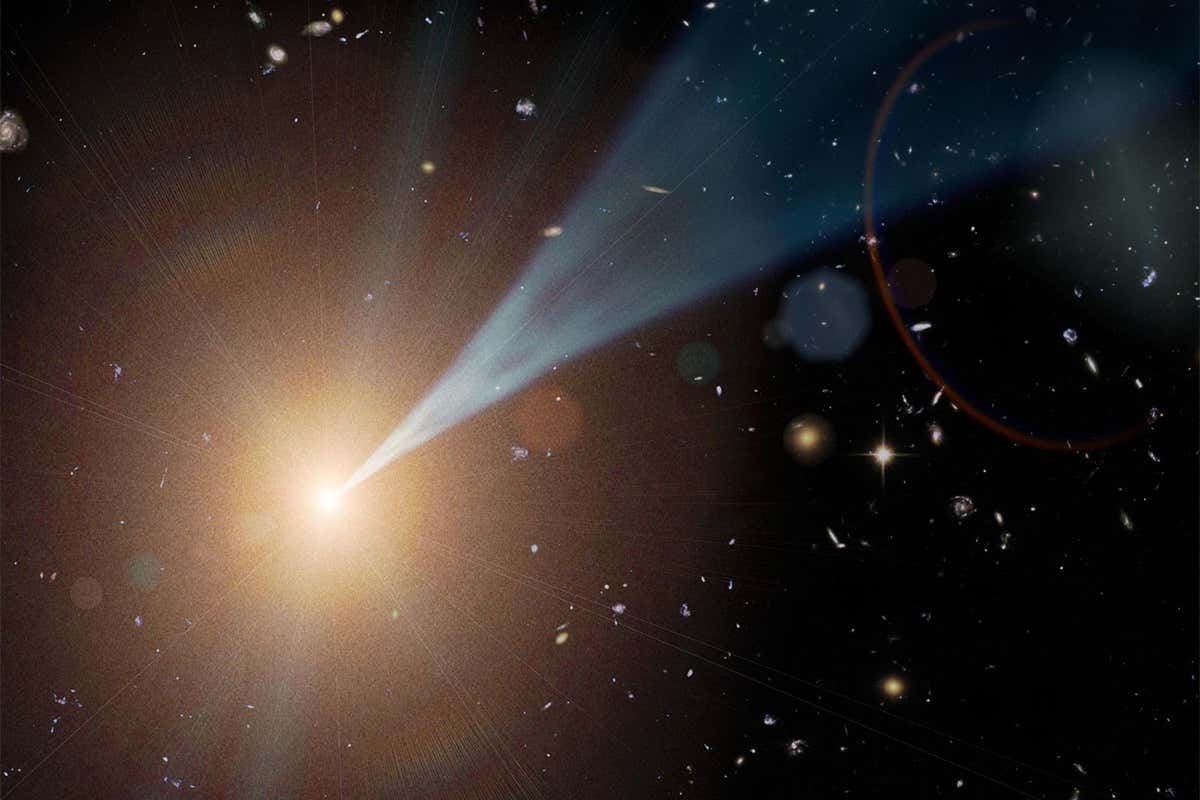
For the first time, we have traced a high-energy neutrino back to its origin - a black hole 4 billion light years away - and solved an old cosmic mystery
24 April 2018
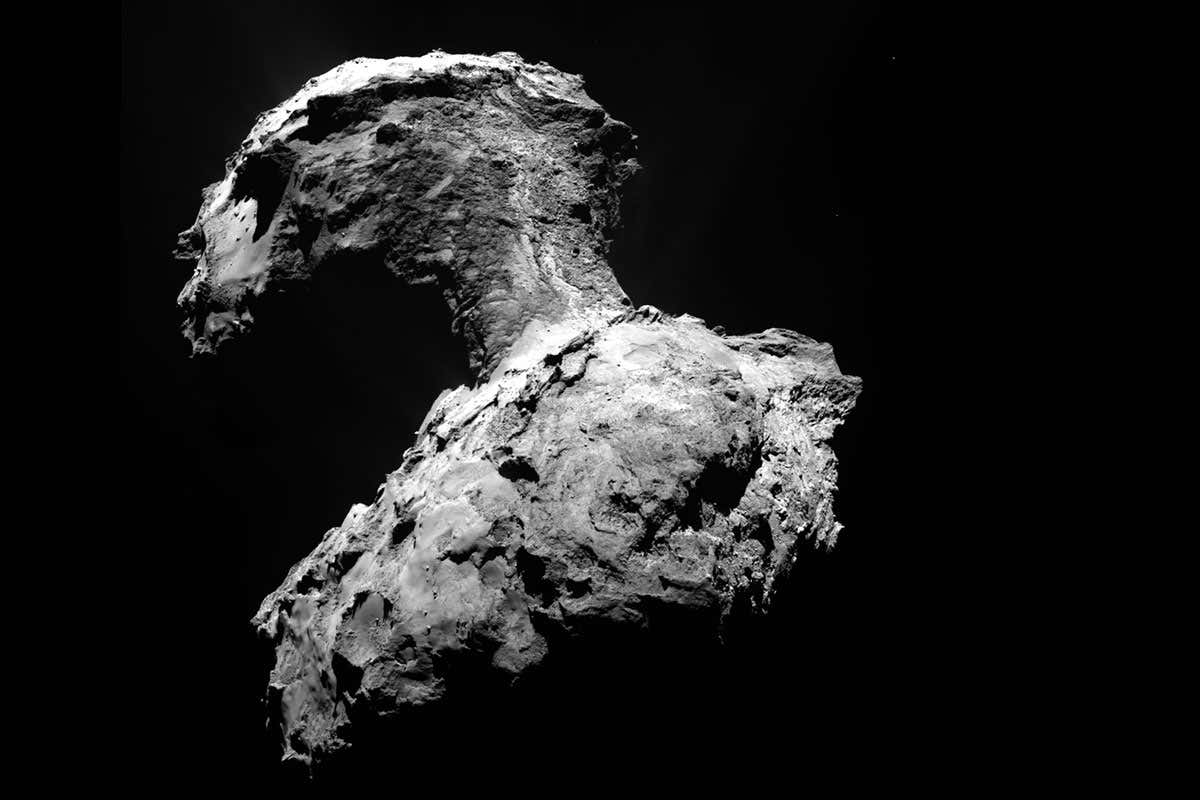
Cosmic rays, dust and stars swirl above a rocky cliff on the comet 67P. The images that make up this cool GIF were taken in 2016 by ESA's Rosetta spacecraft
17 November 2017
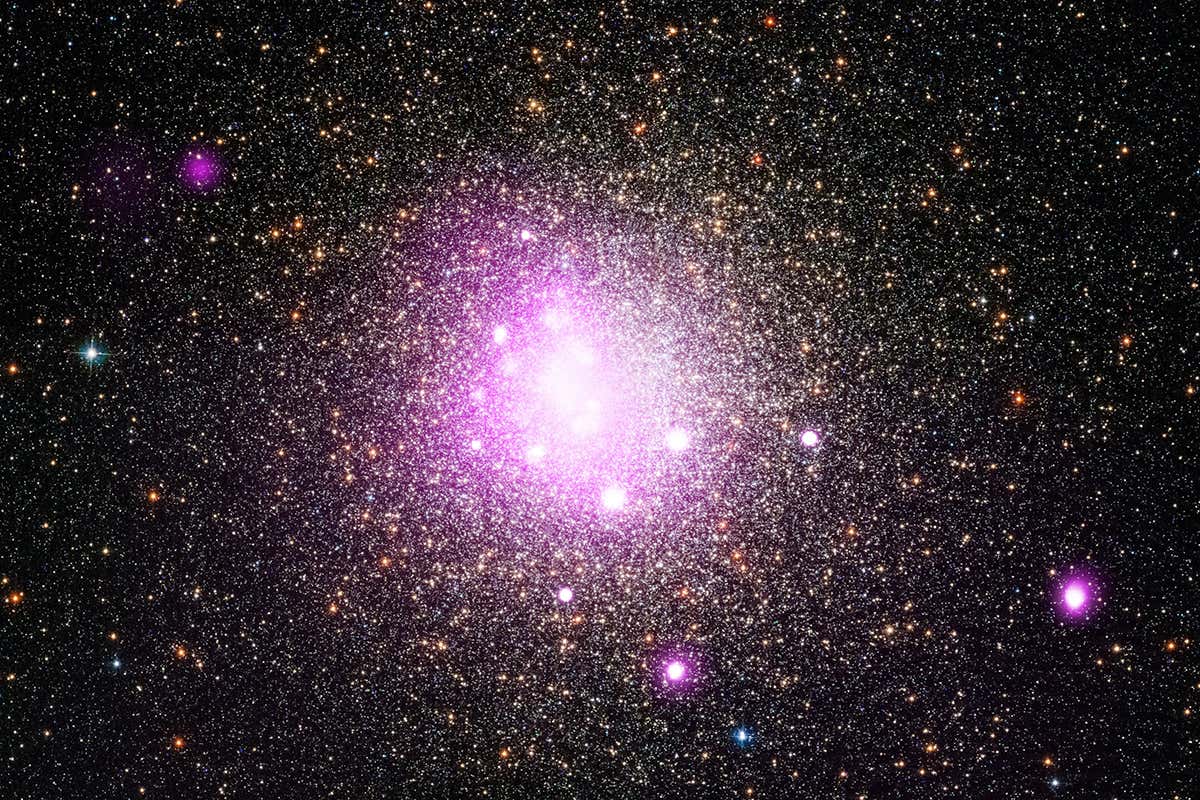
The highest energy cosmic rays and neutrinos that rain down on Earth may come from white dwarf stars being devoured by black holes
9 November 2017
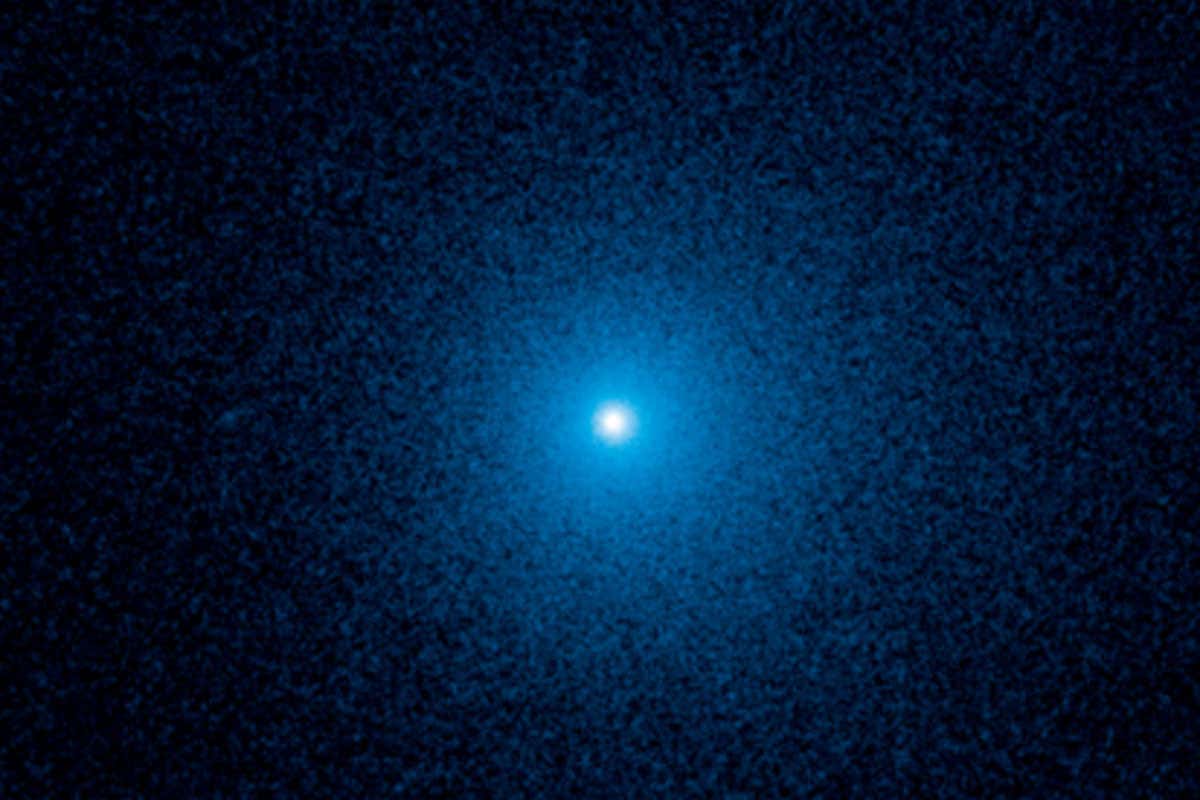
Last month, astronomers saw the first asteroid from outside our solar system speed by. Now, they're tracing its orbit back to find out where it came from
21 September 2017
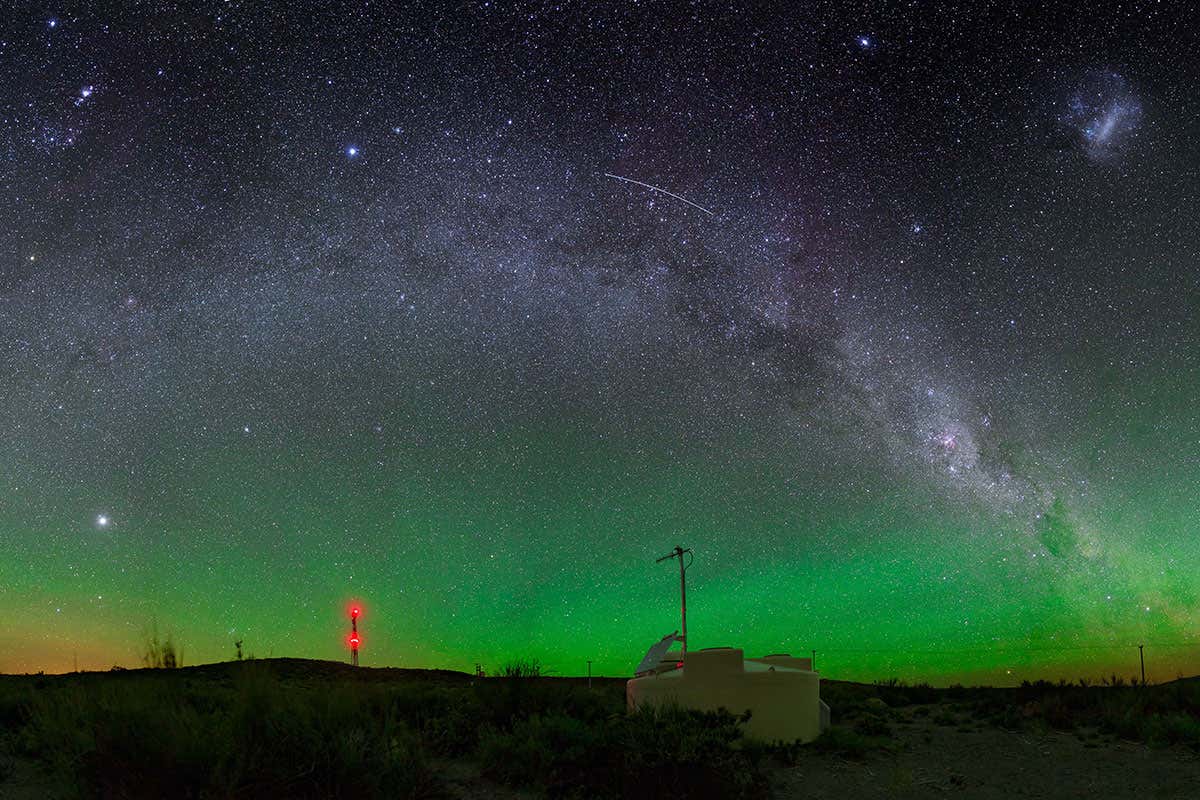
The highest energy particles in the universe hit Earth very rarely, so it took 10 years of data to pinpoint their origin. They’re coming from galaxies far, far away
