Subscribe now
Starship

SpaceX, Blue Origin and ULA plan to launch huge new rockets in 2023

28 December 2022

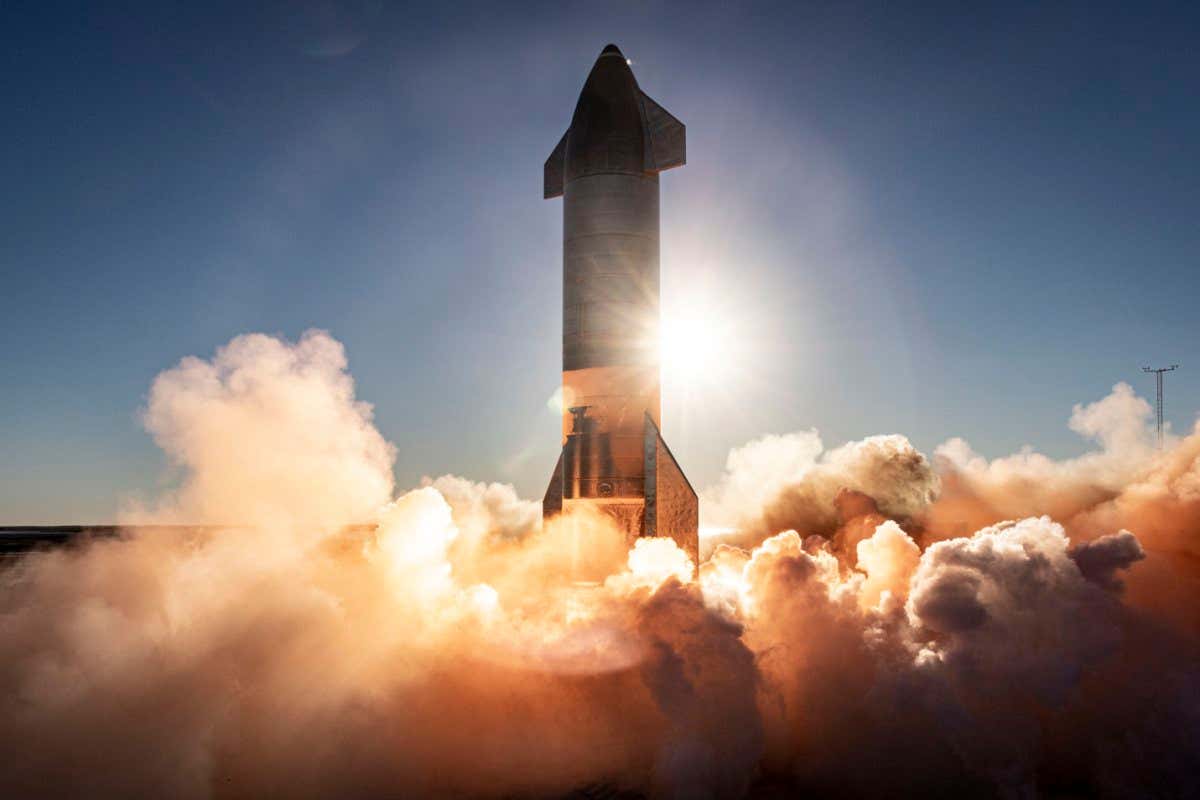
ULA's Vulcan Centaur and Blue Origin's New Glenn are big rockets, but they are dwarfed by SpaceX's Starship, the largest rocket the world has ever seen
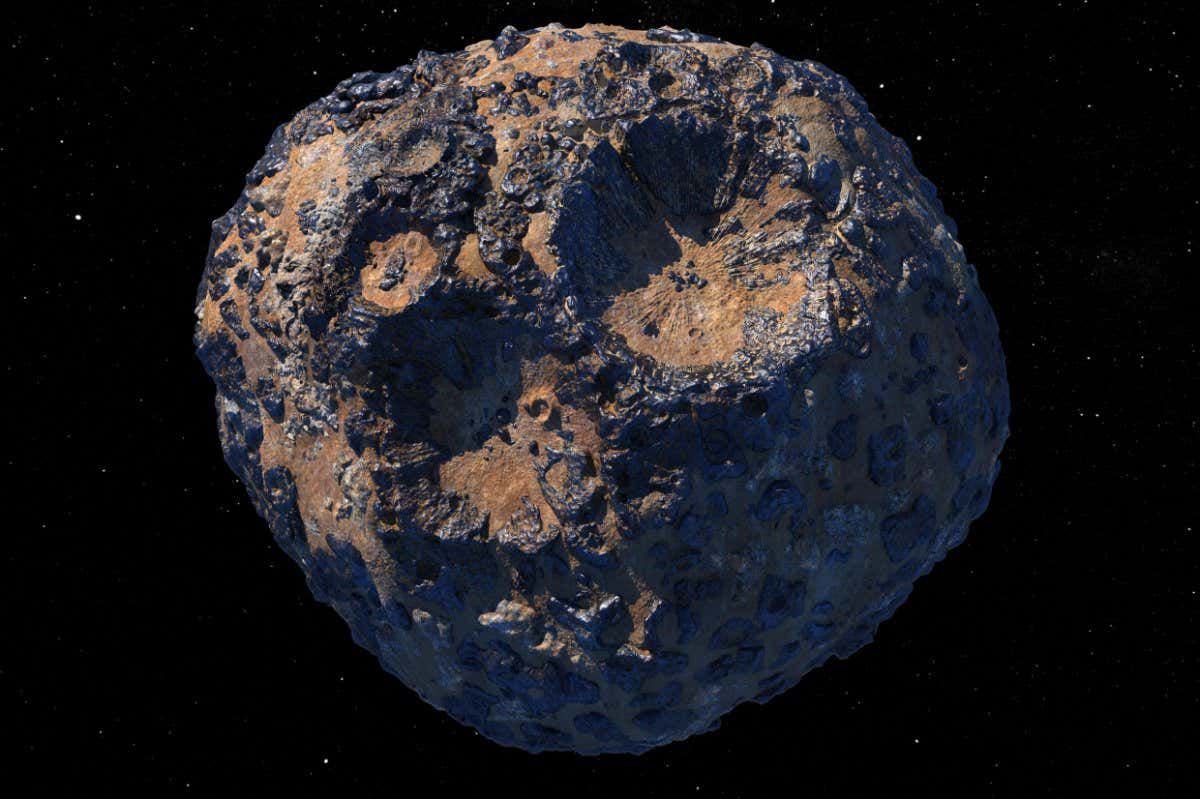

LARGE REGIONS OF ROCK AND METAL: PSYCHE ASTEROID ILLUSTRATION This illustration depicts the 140-mile-wide (226-kilometer-wide) asteroid Psyche, which lies in the main asteroid belt between Mars and Jupiter. Psyche is the focal point of NASA?s mission of the same name. The Psyche spacecraft is set to launch in August 2022 and arrive at the asteroid in 2026, where it will orbit for 21 months and investigate its composition. Based on data obtained from Earth, scientists believe Psyche is a mixture of metal and rock. The rock and metal may be in large provinces, or areas, on the asteroid, as illustrated in this rendering. Observing and measuring how the metal and rock are mixed will help scientists determine how Psyche formed. Exploring the asteroid could also give valuable insight into how our own planet and others formed. The Psyche team will use a magnetometer to measure the asteroid?s magnetic field. A multispectral imager will capture images of the surface, as well as data about Psyche?s composition and topography. Spectrometers will analyze the neutrons and gamma rays coming from the surface to reveal the elements that make up the asteroid itself. The illustration was created by Peter Rubin. View or download the full resolution versions from NASA?s Photojournal Date Added: 03-29-2021 Credit: Peter Rubin

Spacecraft are heading to a metal asteroid and Jupiter's moons in 2023

28 December 2022

The JUICE and Psyche mission are set to blast off in 2023, with the aim of studying Jupiter's largest moons and a possible iron core of a planet in the hopes of understanding how worlds become habitable


Engineers working on the Psyche spacecraft

A sneak peek at the biggest science news stories of 2023

22 December 2022

What are you looking forward to reading about in 2023? Whether it is health, physics, technology or environment news, New Scientist will have you covered
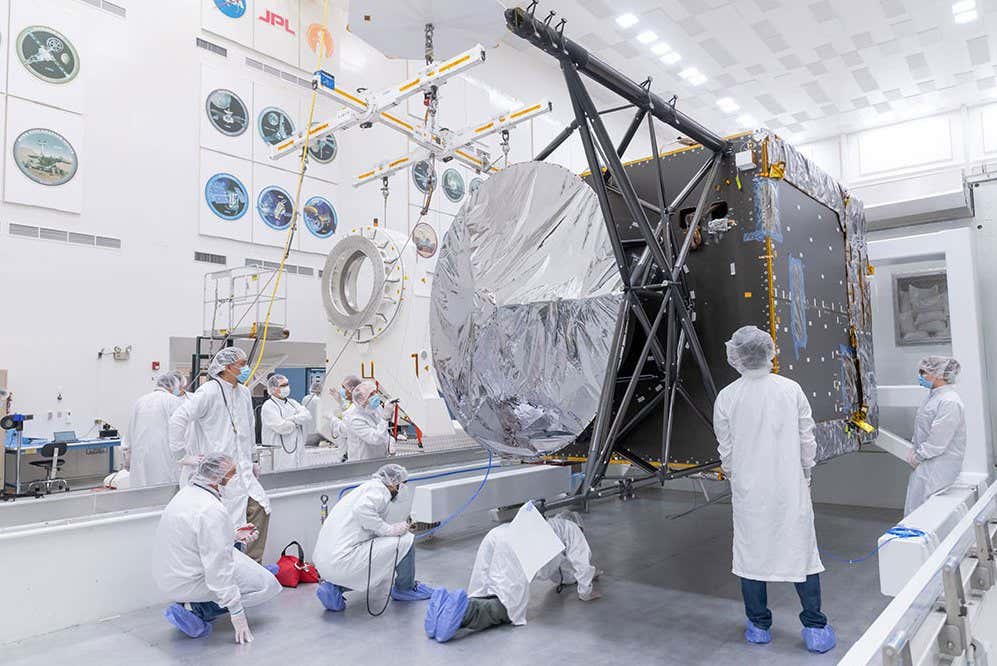

A major component of NASA?s Psyche spacecraft has been delivered to NASA?s Jet Propulsion Laboratory in Southern California, where the phase known as assembly, test, and launch operations (ATLO) is now underway. This photo, shot March 28, 2021 shows engineers and technicians preparing to move the Solar Electric Propulsion (SEP) Chassis from its shipping container to a dolly in High Bay 1 of JPL?s Spacecraft Assembly Facility. The photo was captured just after the chassis was delivered to JPL by Maxar Technologies. Maxar?s team in Palo Alto, California, designed and built the SEP Chassis, which includes all the primary and secondary structure and the hardware components needed for the high-power electrical system, the propulsion system, the thermal system, guidance and navigation sensors and actuators, and the high-gain antenna. Over the next year, additional hardware will be added to the spacecraft including the command and data handling system, a power distribution assembly, the X-band telecommunications hardware suite, three science instruments (two imagers, two magnetometers, and a gamma ray neutron Spectrometer), and a deep space optical communications technology demonstrator. The spacecraft will finish assembly and then undergo rigorous checkout and testing before being shipped to NASA?s Kennedy Space Center in Cape Canaveral, Florida, for an August 2022 launch to the main asteroid belt. Psyche will arrive at the metal-rich asteroid of the same name in 2026, orbiting for 21 months to investigate its composition. Scientists think that Psyche is made up of mostly iron and nickel ? similar to Earth?s core. Exploring the asteroid could give valuable insight into how our own planet and others formed. Arizona State University in Tempe leads the mission. JPL is responsible for the mission?s overall management, system engineering, integration and test, and mission operations. For more information about NASA?s Psyche mission, go to: http://www.nasa.gov/psyche or https://psyche.asu.edu/ Image Credit: NASA/JPL-Caltech

2022 preview: A round-up of the year's most exciting space missions

29 December 2021

Around a dozen missions to the moon are scheduled in 2022, along with a rover landing on Mars and a spacecraft headed to in-vestigate the metal asteroid Psyche

Don't Miss: UFO docuseries hunts for origins of our alien obsession

Don't Miss: UFO docuseries hunts for origins of our alien obsession

4 August 2021

New Scientist's weekly round-up of the best books, films, TV series, games and more that you shouldn't miss
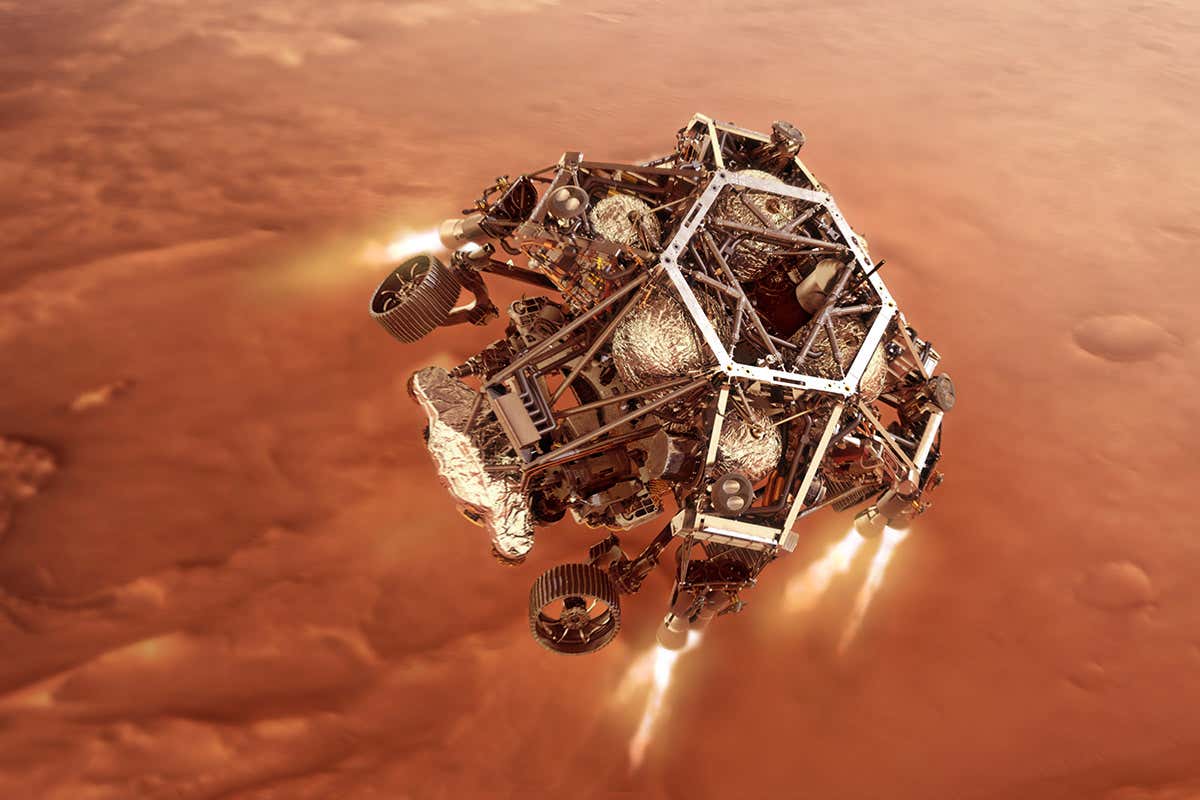

2021 preview: Three missions will make February 2021 the month of Mars

2021 preview: Three missions will make February 2021 the month of Mars

30 December 2020

February 2021 will see three missions arriving at Mars: the Hope orbiter from the United Arab Emirates, the Chinese Tianwen-1 mission and NASA's Perseverance rover


To Sleep in a Sea of Stars review: Brilliant sci-fi from Eragon author

To Sleep in a Sea of Stars review: Brilliant sci-fi from Eragon author

16 September 2020

Christopher Paolini’s epic new novel, To Sleep in a Sea of Stars, is an hallucinatory space opera, perfect reading to help us ride out the current storms
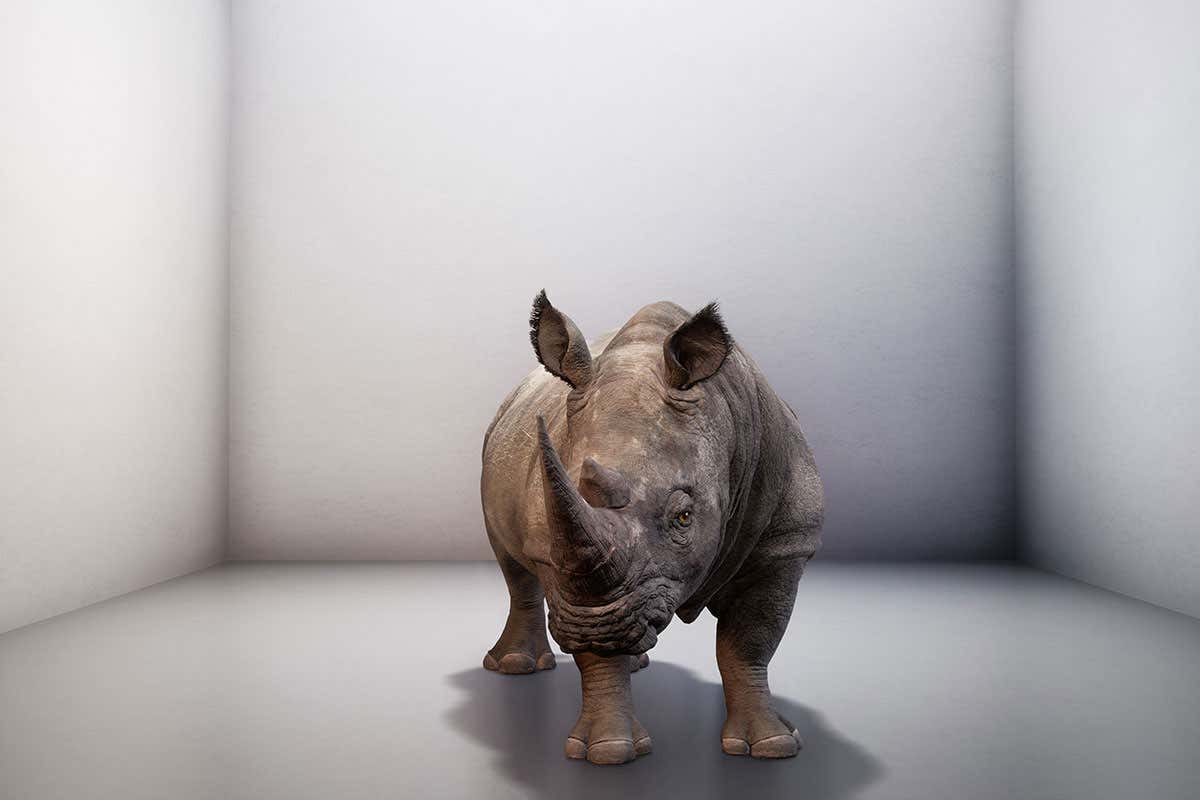

rhino

Don’t miss: Art confronts climate, a book on space junk, future talk

13 November 2019

This week, discover how art and design take on climate change, read all about our space junk, and listen to top talk about the future in a University of Oxford podcast


aeronauts film poster

Don't miss: Risky flights, idiotic experiments and the secrets of life

30 October 2019

This week, watch as fact and fiction meet above Victorian England, learn about our worst military ideas and discover evolution's other hero, Alfred Russel Wallace
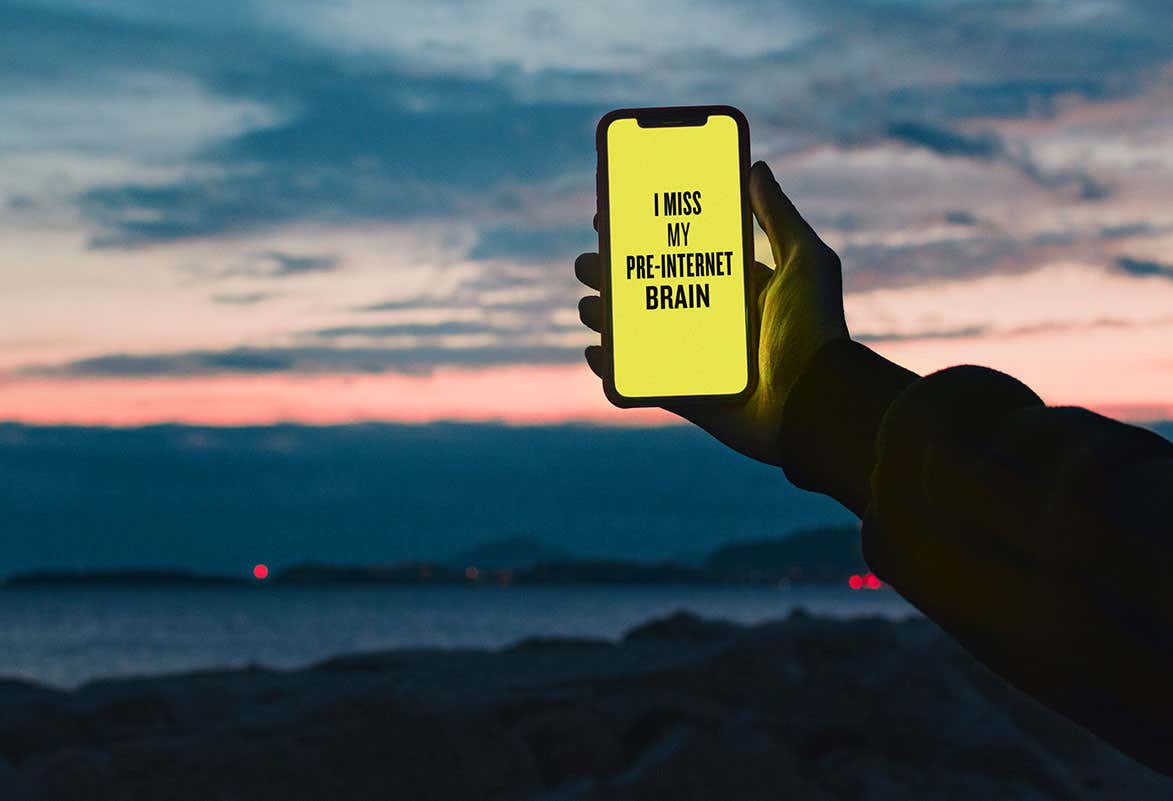

Slogan on Phone

Don’t miss: Sleepless nights, ephemeral worlds and telepathic terrors

23 October 2019

This week, endure entrancing, always-on art, learn about the planets that never were and watch a shining sequel through your fingers


Sign up to our weekly newsletter

Receive a weekly dose of discovery in your inbox. We'll also keep you up to date with New Scientist events and special offers.

Sign up
Piano Exit Overlay Banner Mobile Piano Exit Overlay Banner Desktop