Subscribe now
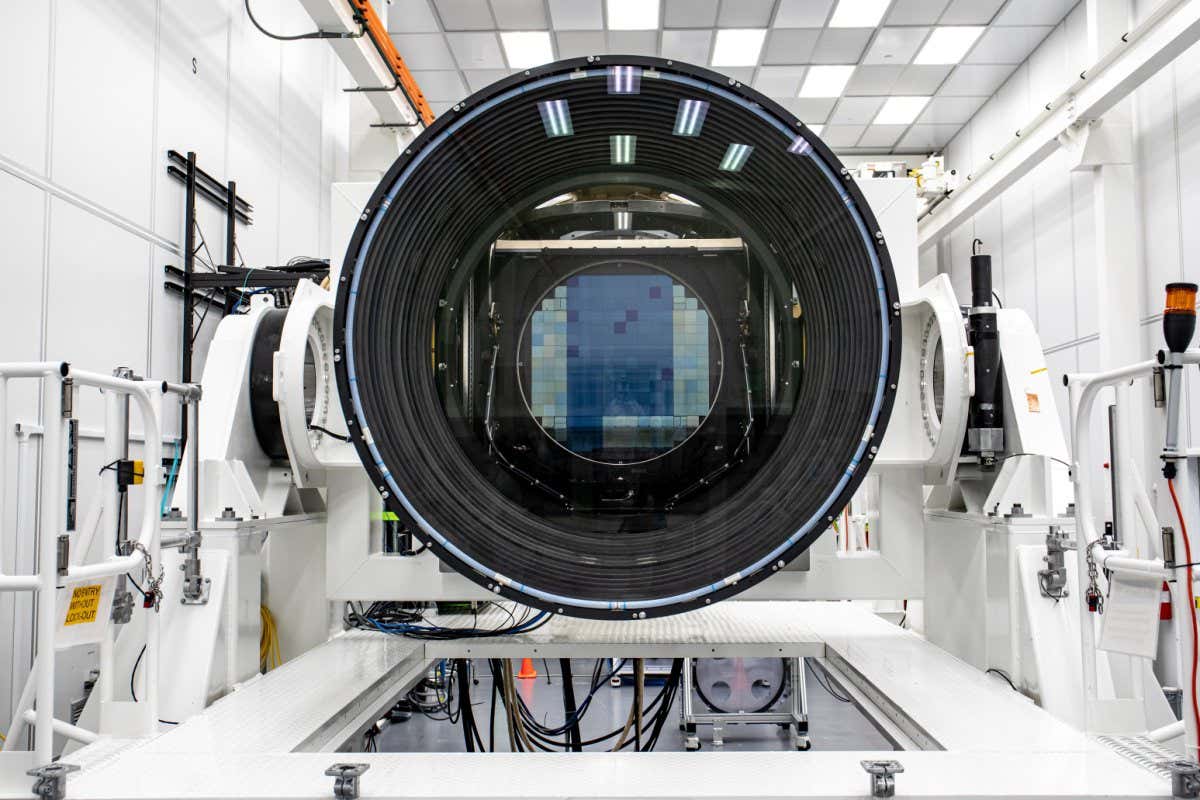
Researchers at SLAC National Accelerator Laboratory are nearly done with the LSST Camera, the world's largest digital camera ever built for astronomy. Roughly the size of a small car and weighing in at three tons, the camera features a five-foot wide front lens and a 3,200 megapixel sensor that will be cooled to -100??C to reduce noise. Once complete and in place atop the Vera C. Rubin Observatory's Simonyi Survey Telescope in Chile, the camera will survey the southern night sky for a decade, creating a trove of data that scientists will pore over to better understand some of the universe's biggest mysteries, including the nature of dark energy and dark matter. (Jacqueline Ramseyer Orrell/SLAC National Accelerator Laboratory)

Astronomers have unveiled the world’s largest digital camera

26 October 2022

The world’s largest digital camera for astronomy is taller than a car, has as many pixels as 266 iPhones and will, over the course of the next 10 years, help researchers study billions of galaxies
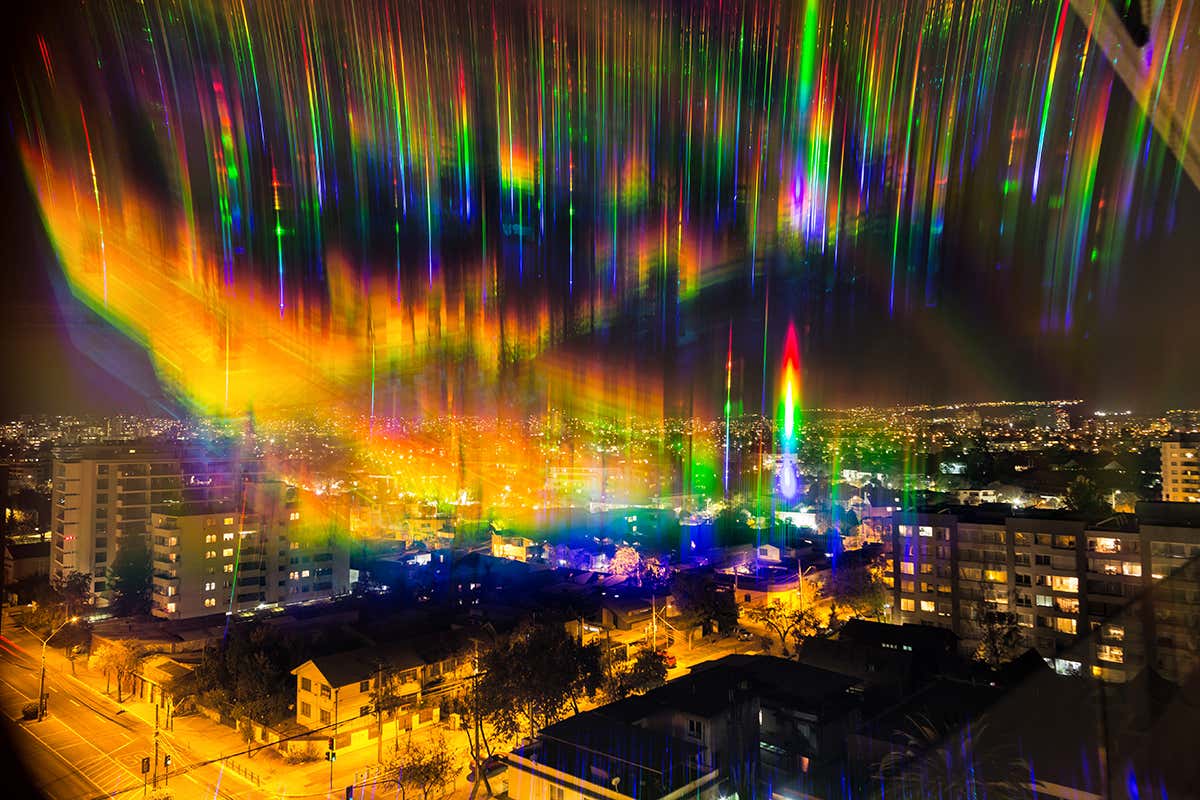
Psychedelic skies over Chile reveal the full extent of light pollution

Psychedelic skies over Chile reveal the full extent of light pollution

27 May 2020

An image taken by astronomer Juan Carlos Munoz of the night sky above Santiago, Chile, uses optical techniques to reveal the extent of light pollution in major cities even while under lockdown


sun

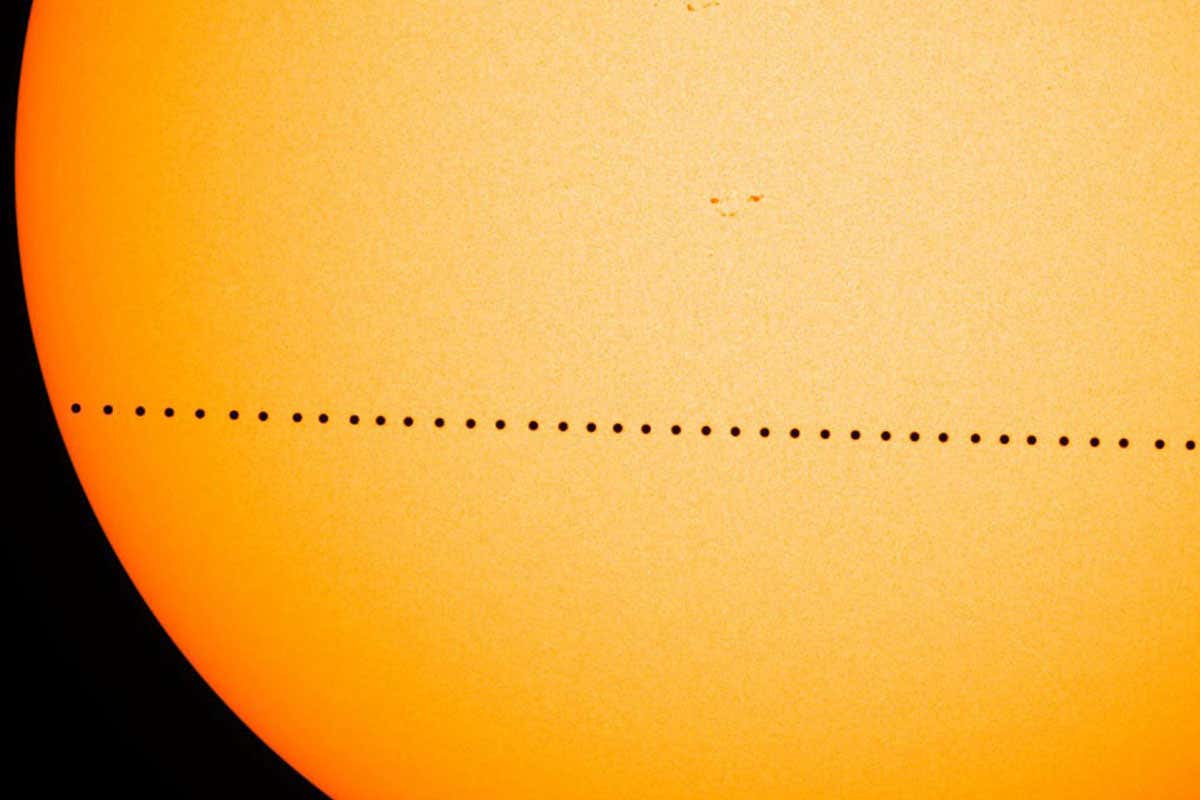
How to watch Mercury's transit of the sun with just binoculars

6 November 2019

On 11 November, the innermost planet of the solar system will make a rare crossing of the face of the sun. Here's how to see it without expensive kit


MeerKat telescope

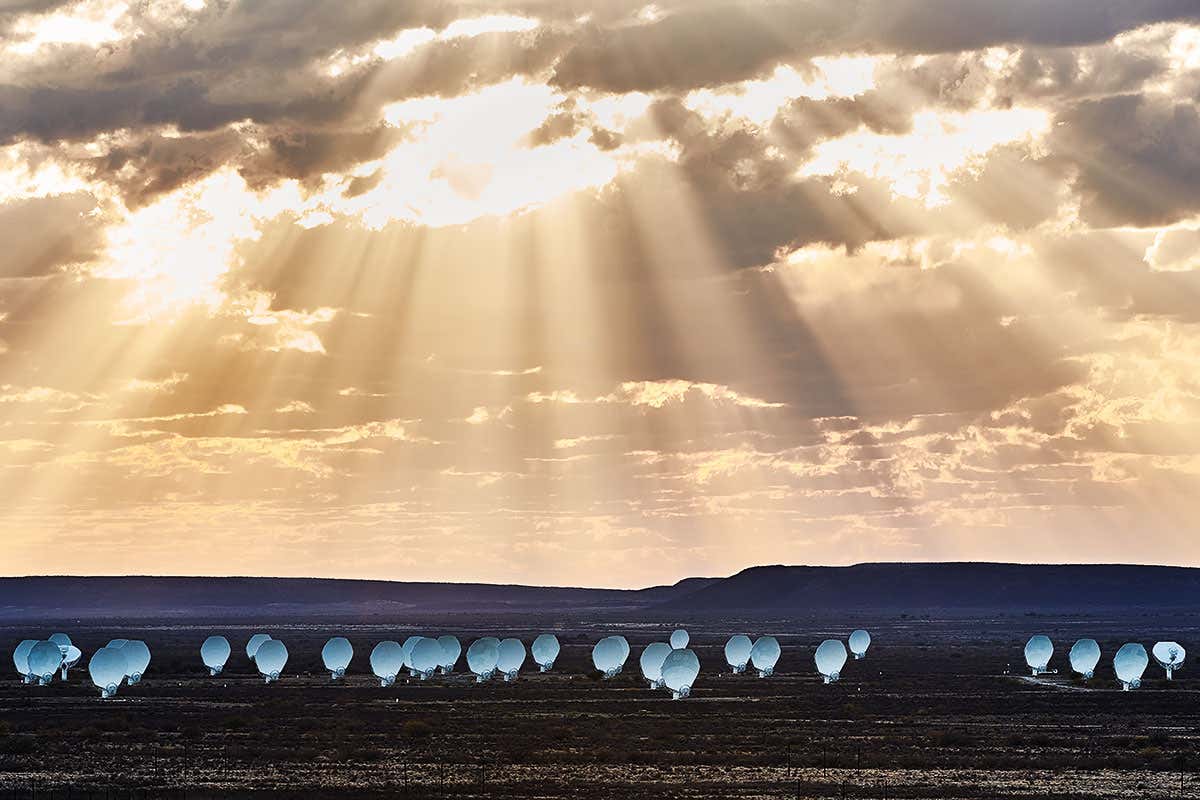
A perfect MeerKAT moment as the sun breaks through above the telescope

30 October 2019

This remarkable image captures the moment the sun shone on MeerKAT, the South Africa-based test bed for the Square Kilometre Array, the world’s most powerful telescope


Moving to Mars – this show will help you become a real Martian

Moving to Mars – this show will help you become a real Martian

18 October 2019

From memorious clothing to wasteless habitats, the reality of living on Mars is brought home at London's Design Museum with genuine optimism


How the coolest, smallest stars could help us discover new exoplanets

How the coolest, smallest stars could help us discover new exoplanets

7 August 2019

Exoplanets are abundant near the galaxy's smallest stars. Observing M dwarfs could teach us more about the worlds beyond our solar system, writes Chanda Prescod-Weinstein


Thousands of Elite Dangerous players embark on epic space voyage

Thousands of Elite Dangerous players embark on epic space voyage

16 January 2019

What exciting discoveries await the Elite Dangerous mission to the Milky Way’s outer edges? It’s not run by NASA but the epic sciencey game feels like the real deal


3D performer

Don't Miss: a dance in virtual space, playable painting and podcasts

31 October 2018

Watch a powerful dance, play a painting created for the first world war centenary, listen to the latest about Saturn and read about the perils of our ever-cleaner homes


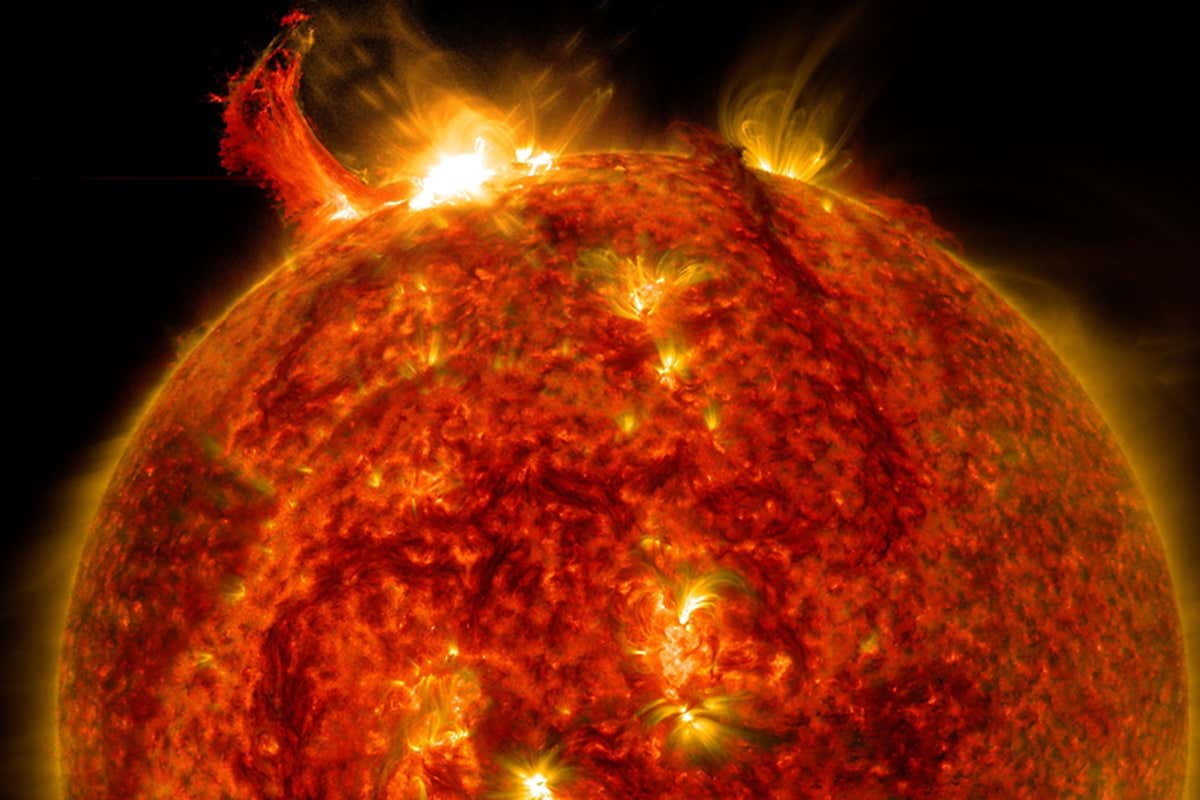
Solar flare

A tech-destroying solar flare could hit Earth within 100 years

16 October 2017

If the sun spews “superflares” as often as other stars, one could take down power systems, damage the ozone layer and destroy satellites in the next century


Snap decisions: Thomas Ruff's show is, literally, off colour

Snap decisions: Thomas Ruff's show is, literally, off colour

28 September 2017

A photographer once known for reimagining portraiture now gives astronomy a disconcerting makeover at London’s Whitechapel Gallery


Sign up to our weekly newsletter

Receive a weekly dose of discovery in your inbox. We'll also keep you up to date with New Scientist events and special offers.

Sign up
Piano Exit Overlay Banner Mobile Piano Exit Overlay Banner Desktop