
Lego robot used to make DNA structures for tiny machines more quickly
19 July 2023
A robot made of Lego can speed up and simplify building tiny structures out of DNA that could be used as biological machines
19 July 2023
A robot made of Lego can speed up and simplify building tiny structures out of DNA that could be used as biological machines
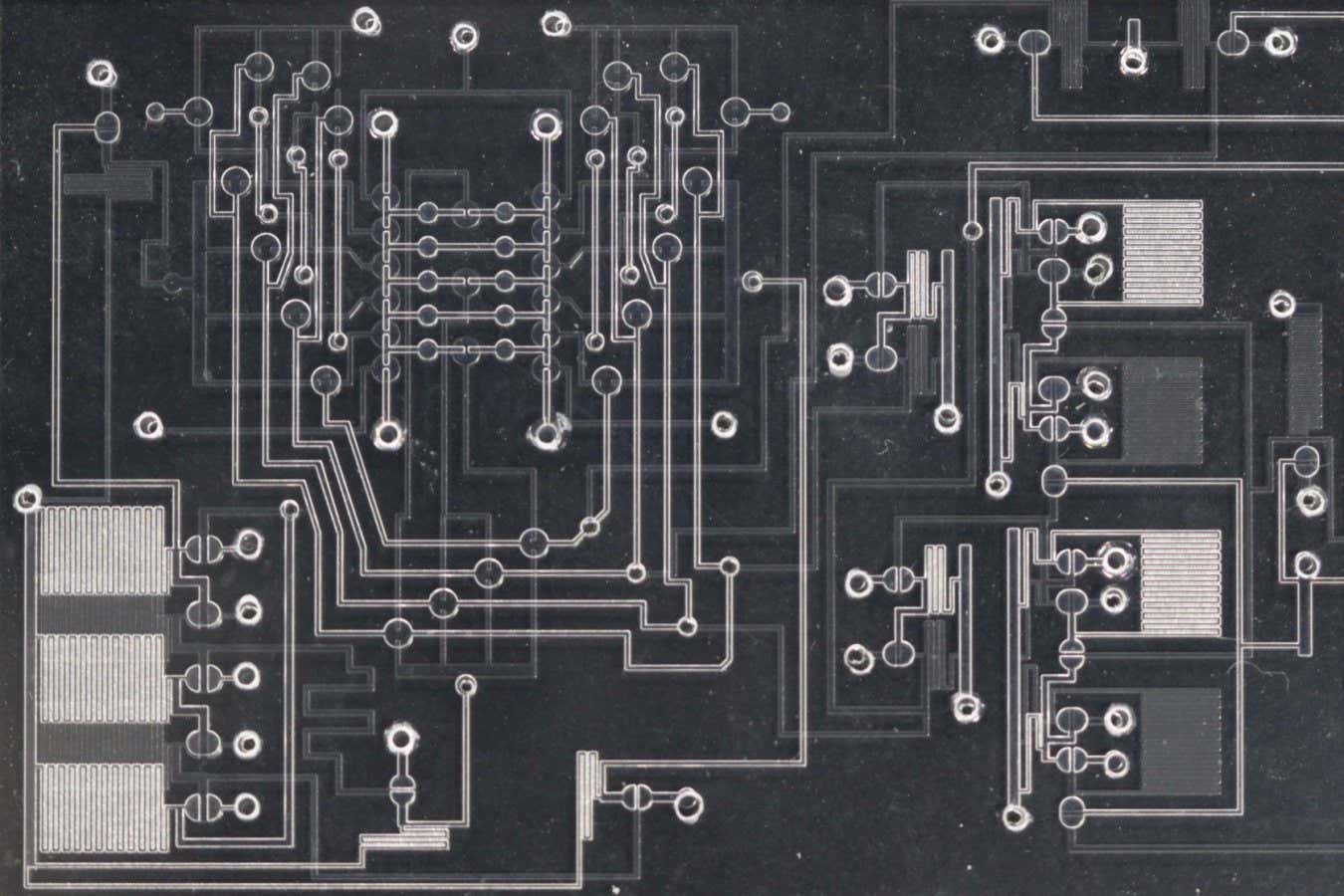
2 June 2023
A computer chip made of glass and silicone holds liquids that move from one side of the chip to the other in reaction to pressure changes. This has been used to control and automate miniaturised biochemistry experiments
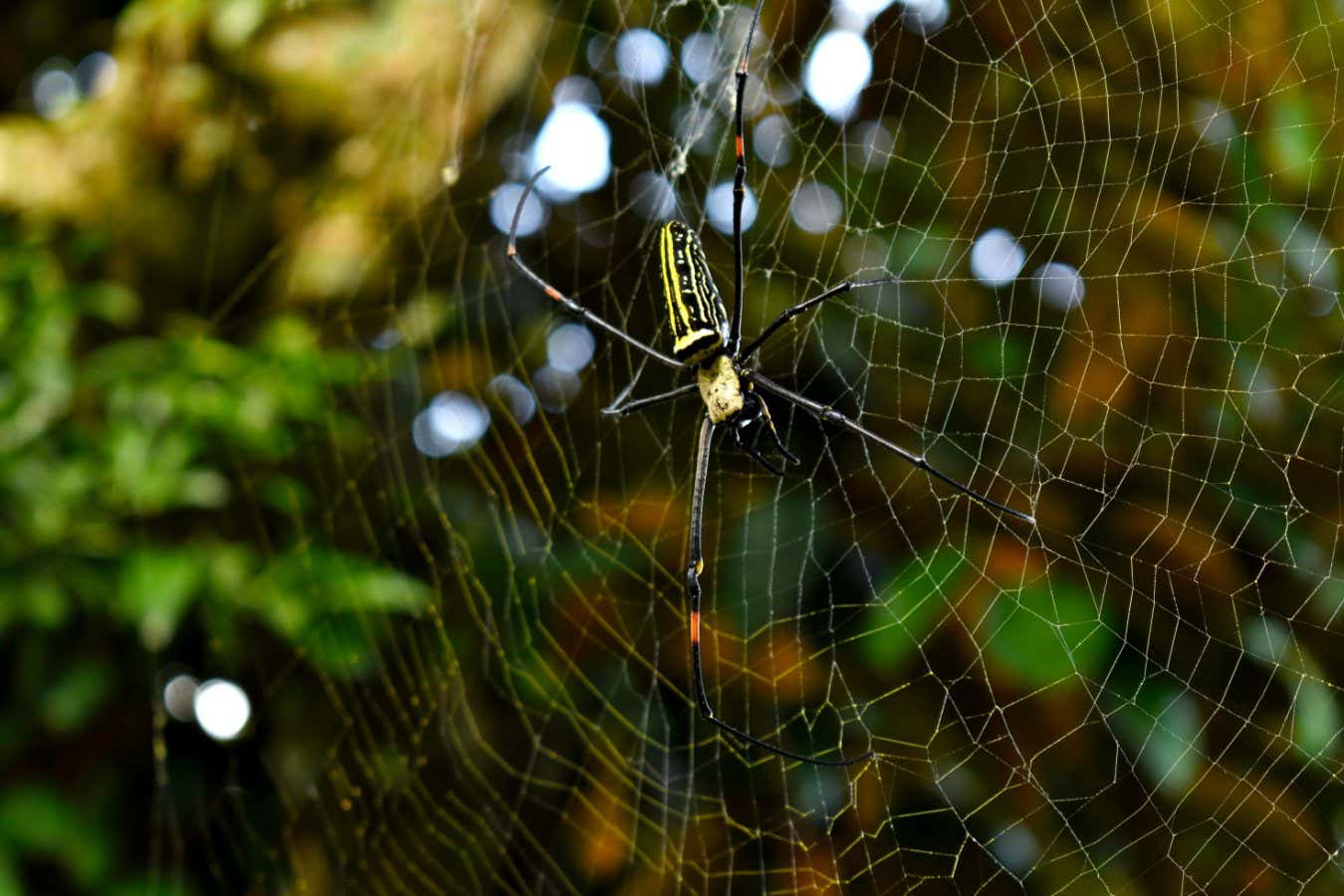
24 April 2023
A material made from a protein in the silk of spiders can rapidly seal any breaks and would work in wearable electronics to monitor your health

20 April 2023
Protein shells designed using AI can work as carriers for immunity-inducing molecules, generating more antibodies in mice than some competing vaccine approaches
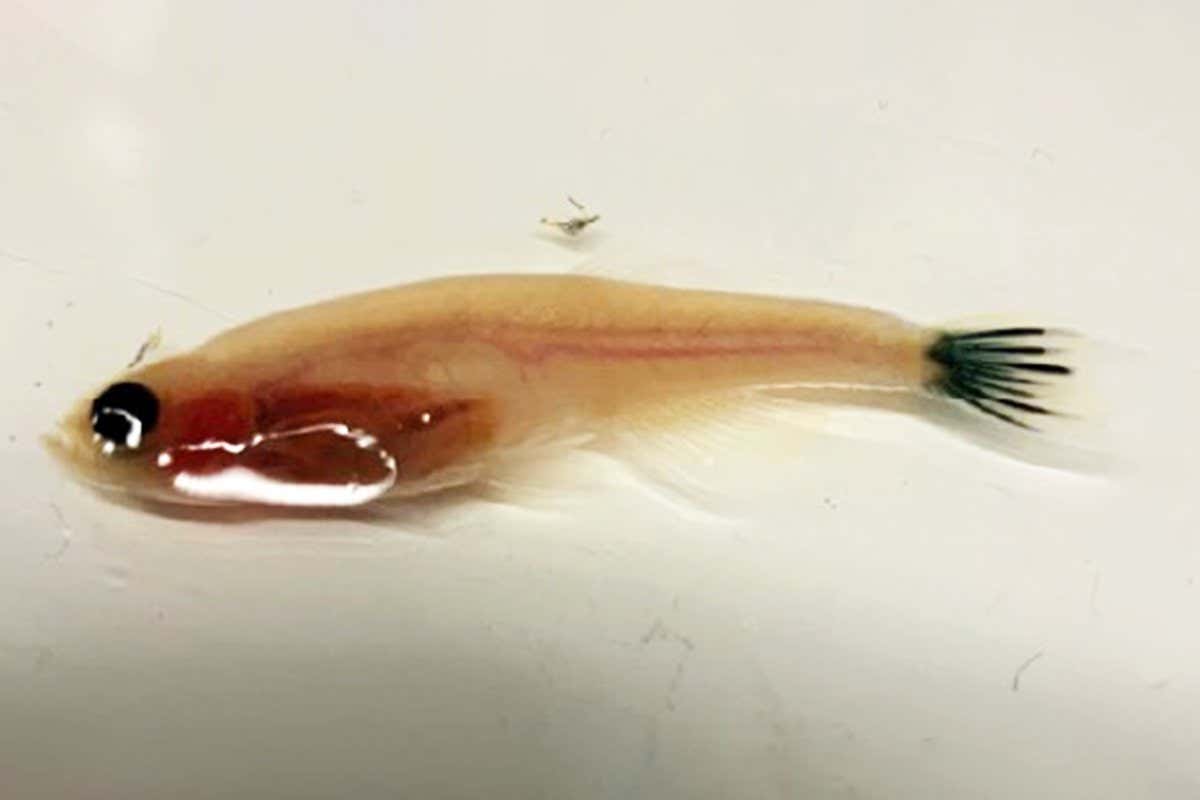
23 February 2023
Researchers injected a leech with gel that transforms into a soft electrode, letting them control its muscle contractions – this gel could eventually be used in the brain to treat neurological conditions without surgery
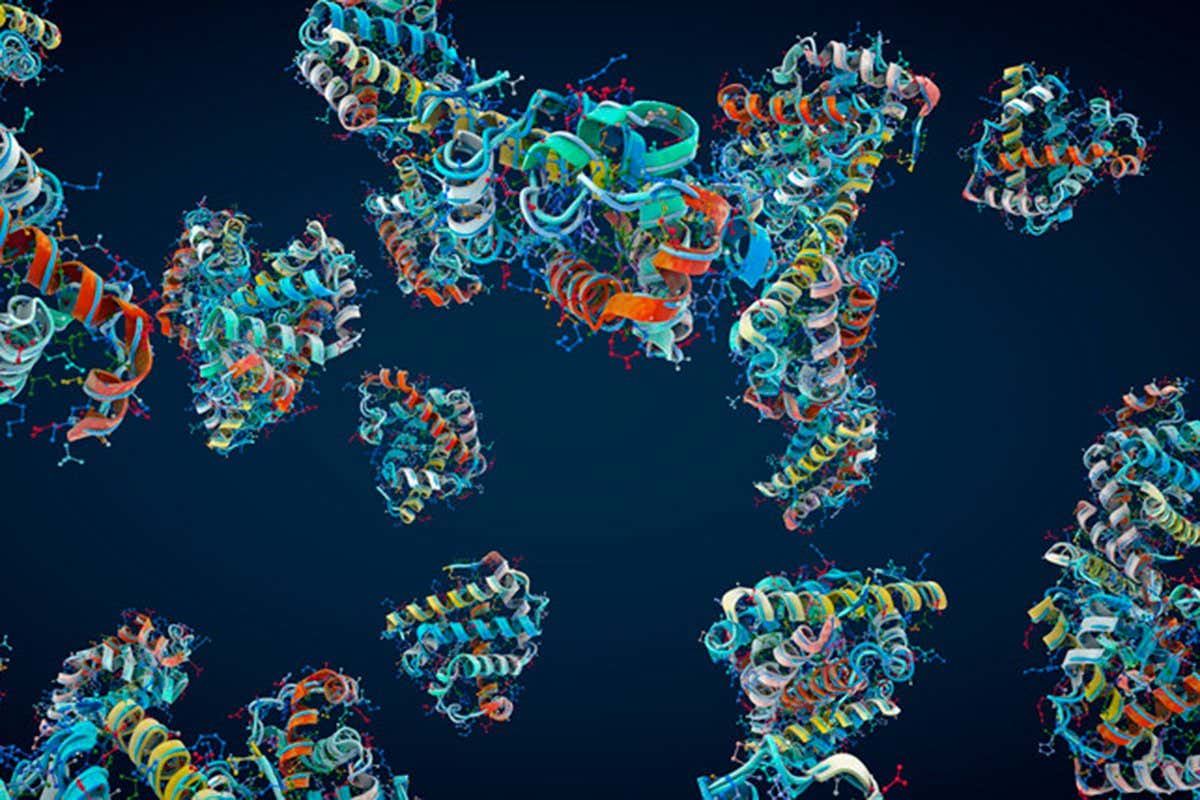
26 January 2023
An AI was tasked with creating proteins with anti-microbial properties. Researchers then created a subset of the proteins and found some did the job
30 May 2022
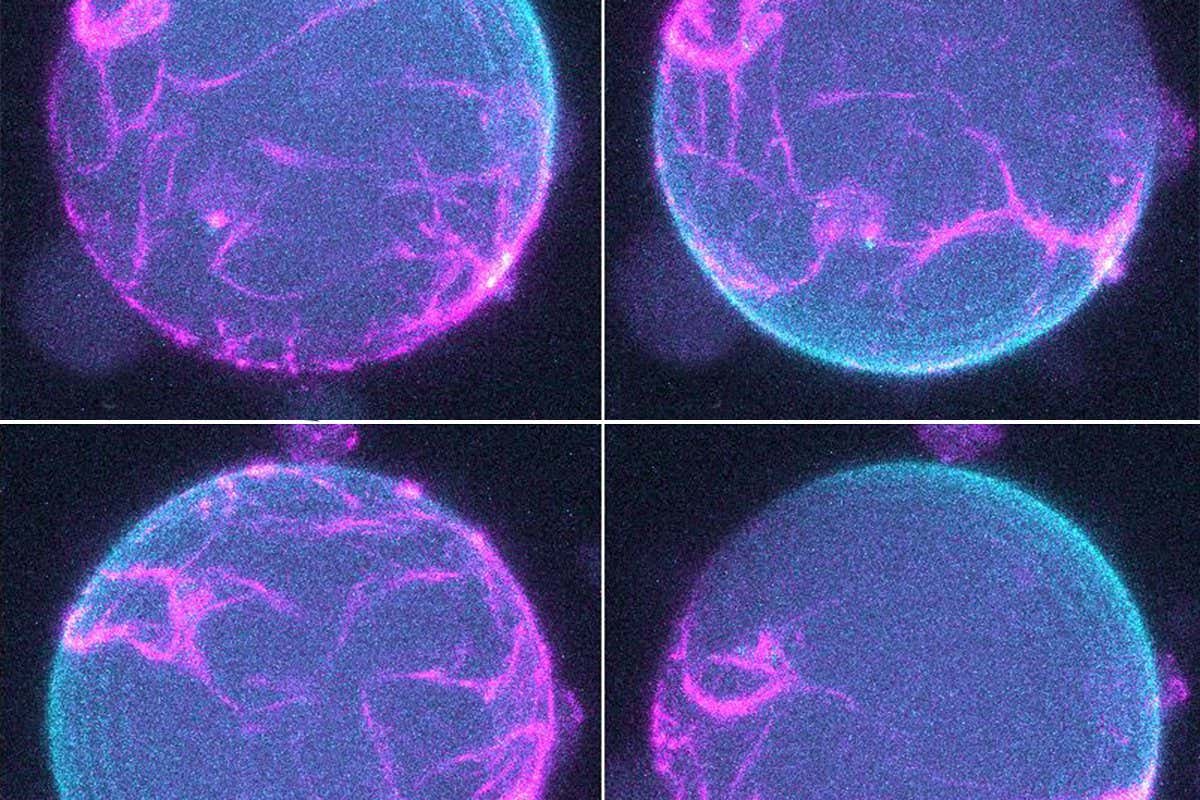
A synthetic membrane that contains key proteins used in cell division could one day help artificial cells replicate themselves

16 March 2022
The feelings of touch and temperature are complex biological processes. Now everyday chemicals like menthol and capsaicin are being used to simulate them – and create more realistic VR experiences
4 March 2022
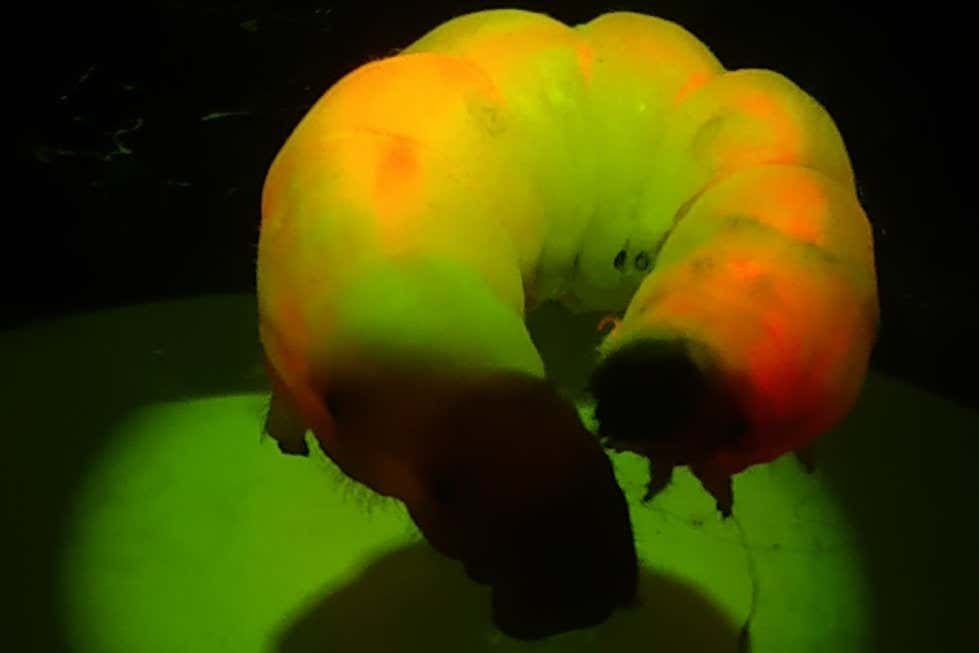
Nanometre-sized semiconductors extracted from mulberry leaves make silkworms and their silk emit a strong red glow
17 February 2022
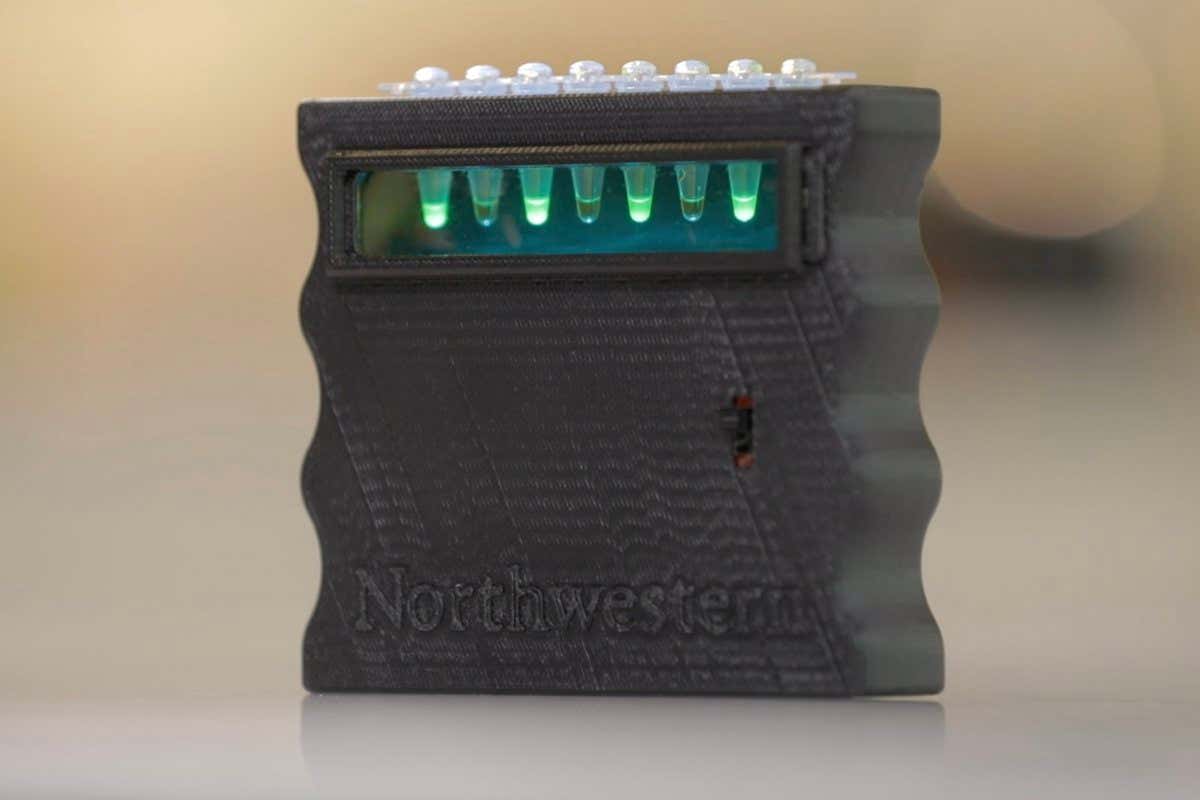
A simple test for water pollution involving engineered strands of DNA can report levels of contamination, and this biological system can carry out logical operations like those done by computers
