Parasitic DNA makes us age faster - but we're not sure why
21 December 2022
Genetic parasites called retrotransposons become more active as we age, and an animal study suggests this may trigger immune responses that shorten our lifespans
21 December 2022
Genetic parasites called retrotransposons become more active as we age, and an animal study suggests this may trigger immune responses that shorten our lifespans
14 December 2022
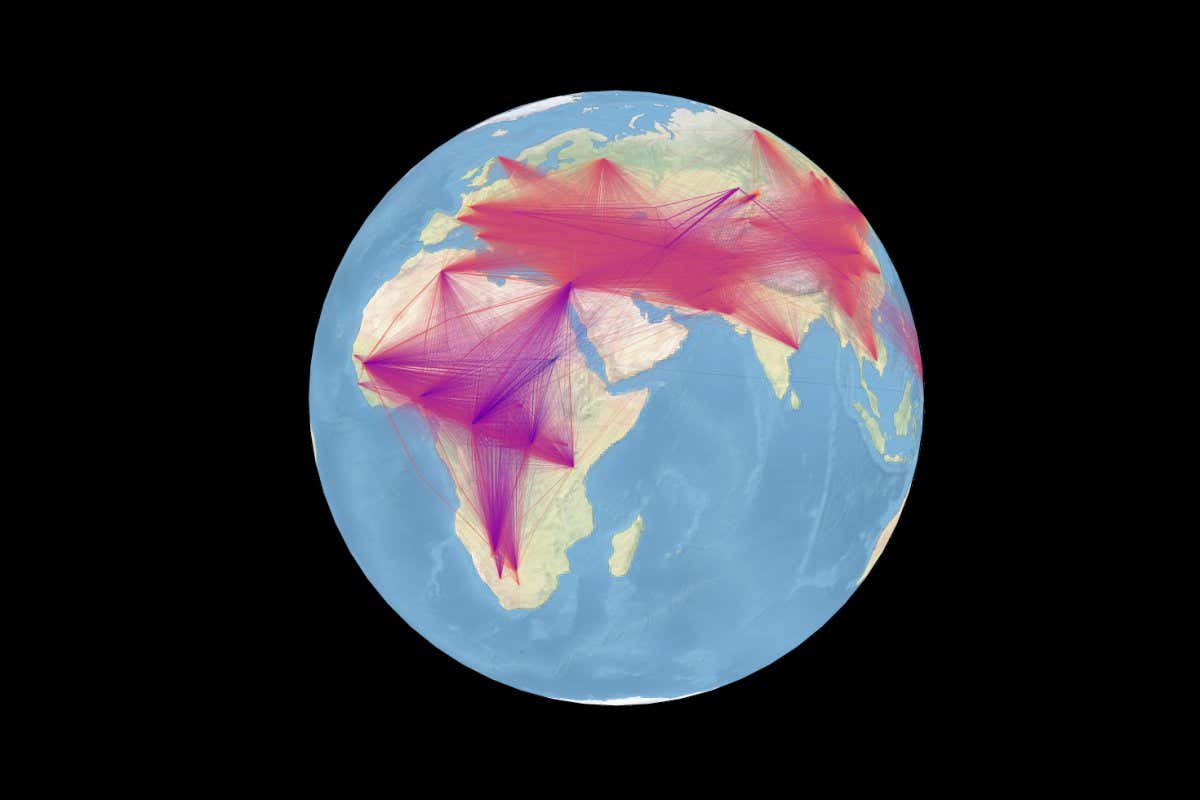
Researchers unveiled a picture of humanity’s genealogy based on 3601 modern genomes and eight ancient genomes going back 2 million years

7 December 2022
DNA bound to mineral particles in ancient sediment reveals that north Greenland once had spruce forests populated by hares, reindeer and even mastodons

8 June 2022
A test uses epigenetic marks on your DNA to determine which parts of your genome came from each biological parent
15 July 2021
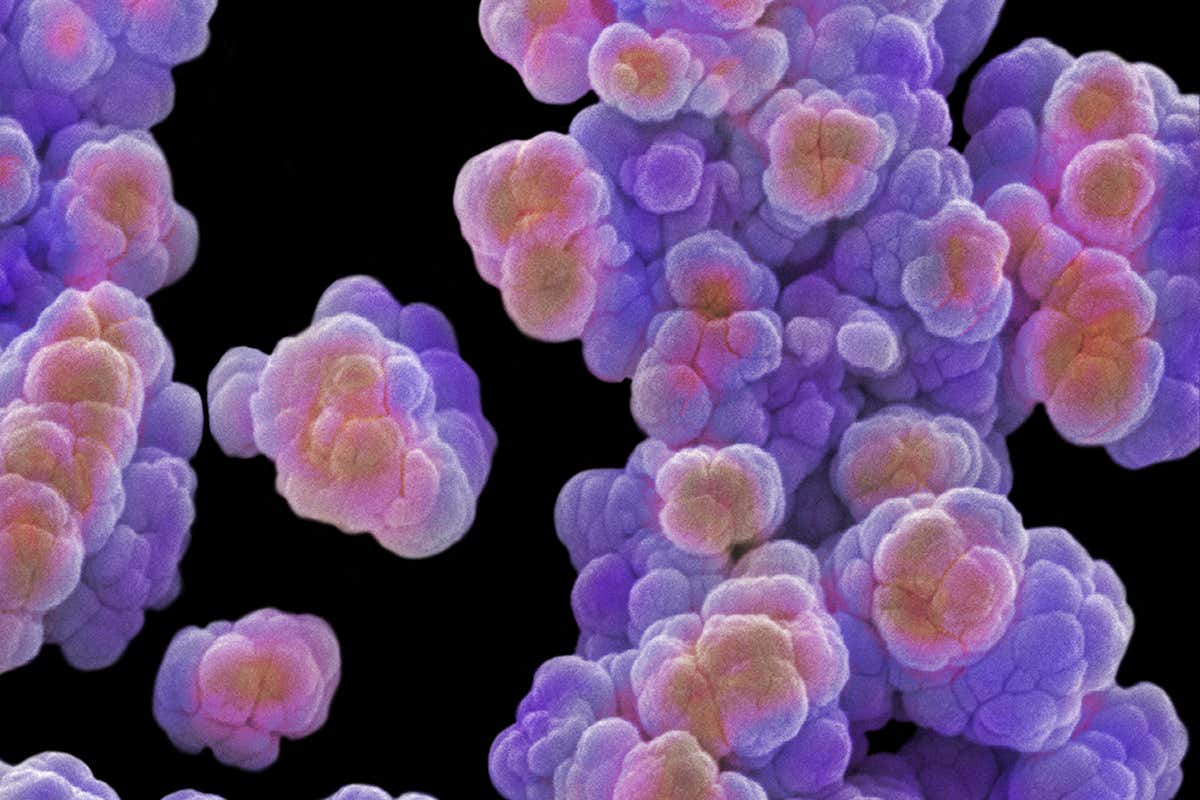
Unusual stretches of DNA in microbes are the largest ever elements of genetic material found to move between organisms. Figuring out how they drive methane consumption in their hosts could help us better understand our planet's climate
23 March 2021
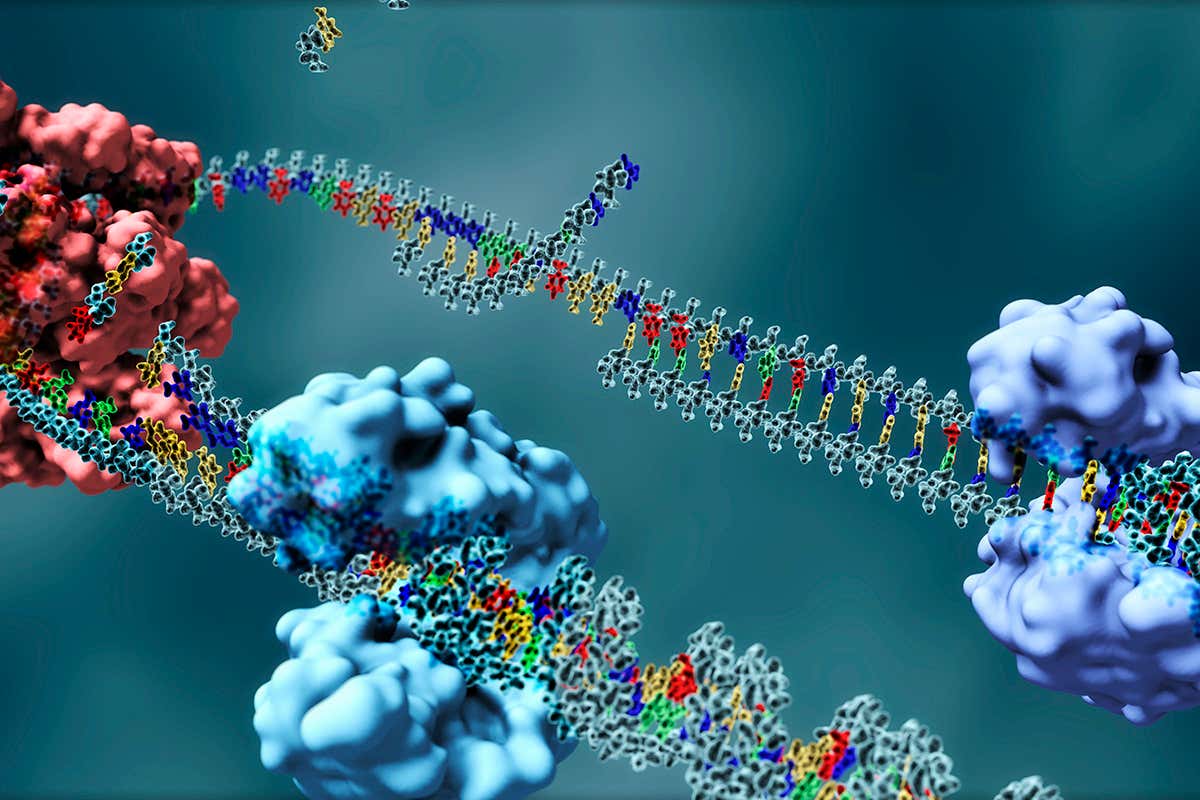
A microbe called Carpediemonas membranifera lacks a key set of proteins thought essential for copying DNA, and therefore for reproduction
19 March 2021
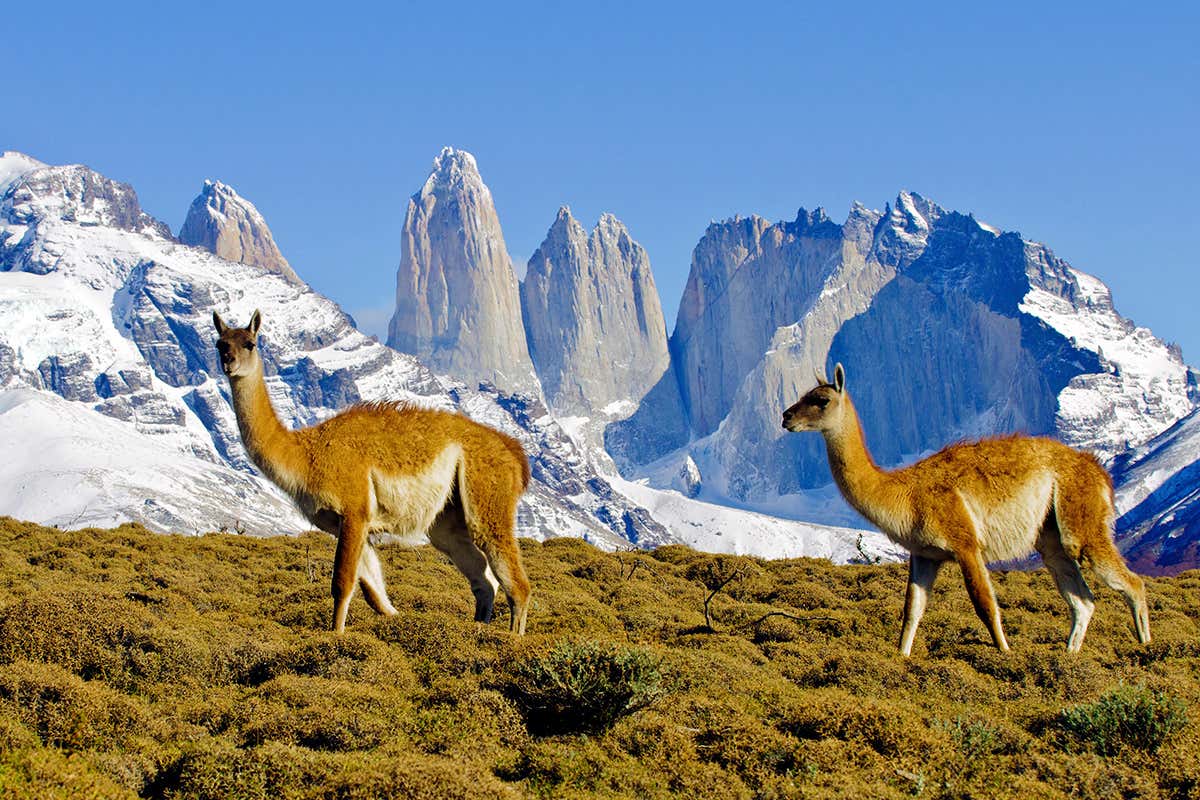
Preserved DNA from animals that lived over 2400 years ago suggests that present-day llamas and alpacas are descended in part from an extinct population of camelids called guanacos

9 December 2020
We’re slowly beginning to unpick the complex interplay of genes, environment and experience that make you who you are – and like no one else who ever existed

17 July 2020
Cloning is the process of creating organisms that are genetically identical. These organisms are identical twins and are to some extent copies of each other.
17 July 2020
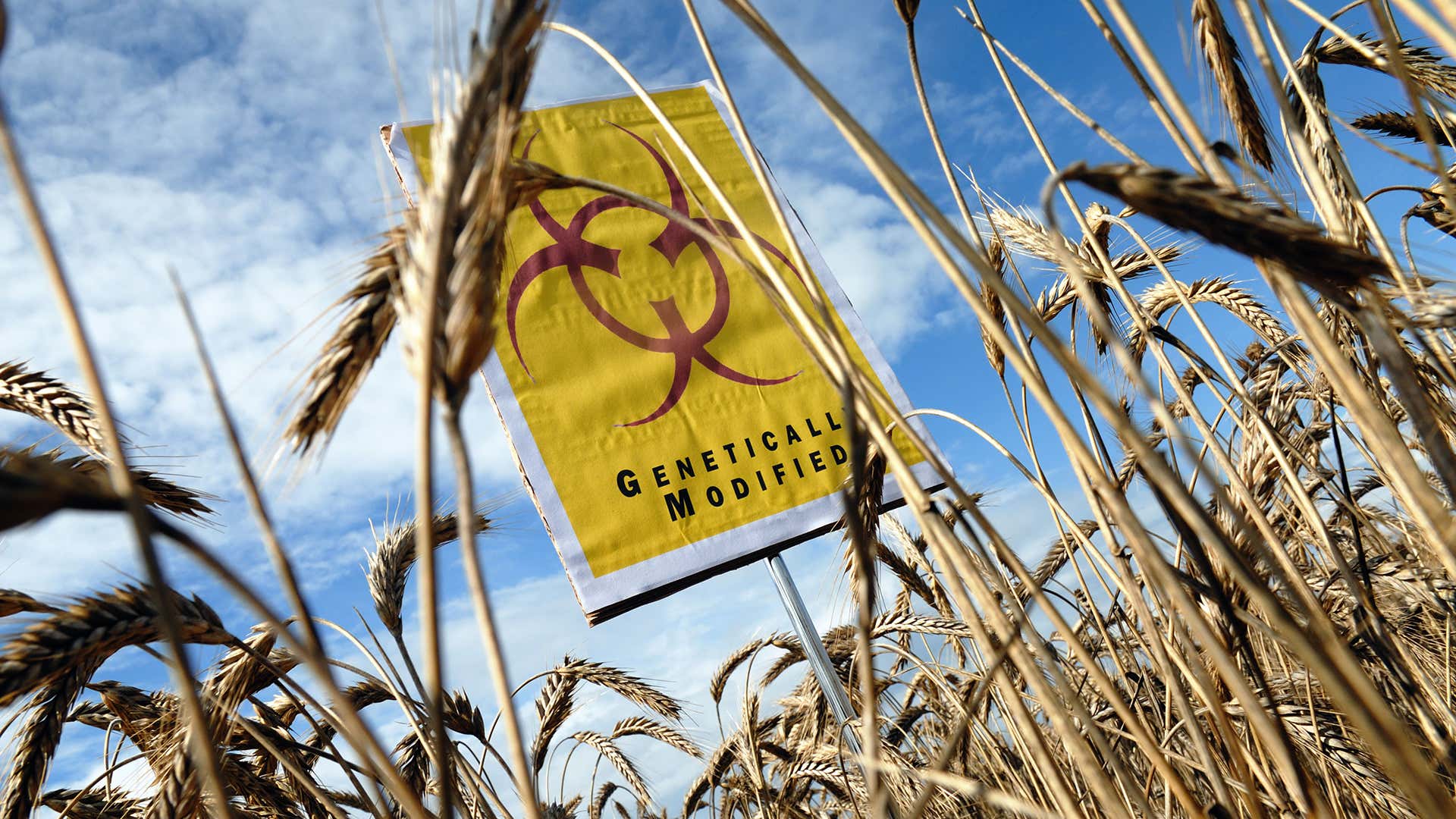
A genetically modified organism (GMO) is usually defined as an organism whose DNA has been altered by genetic engineering.
