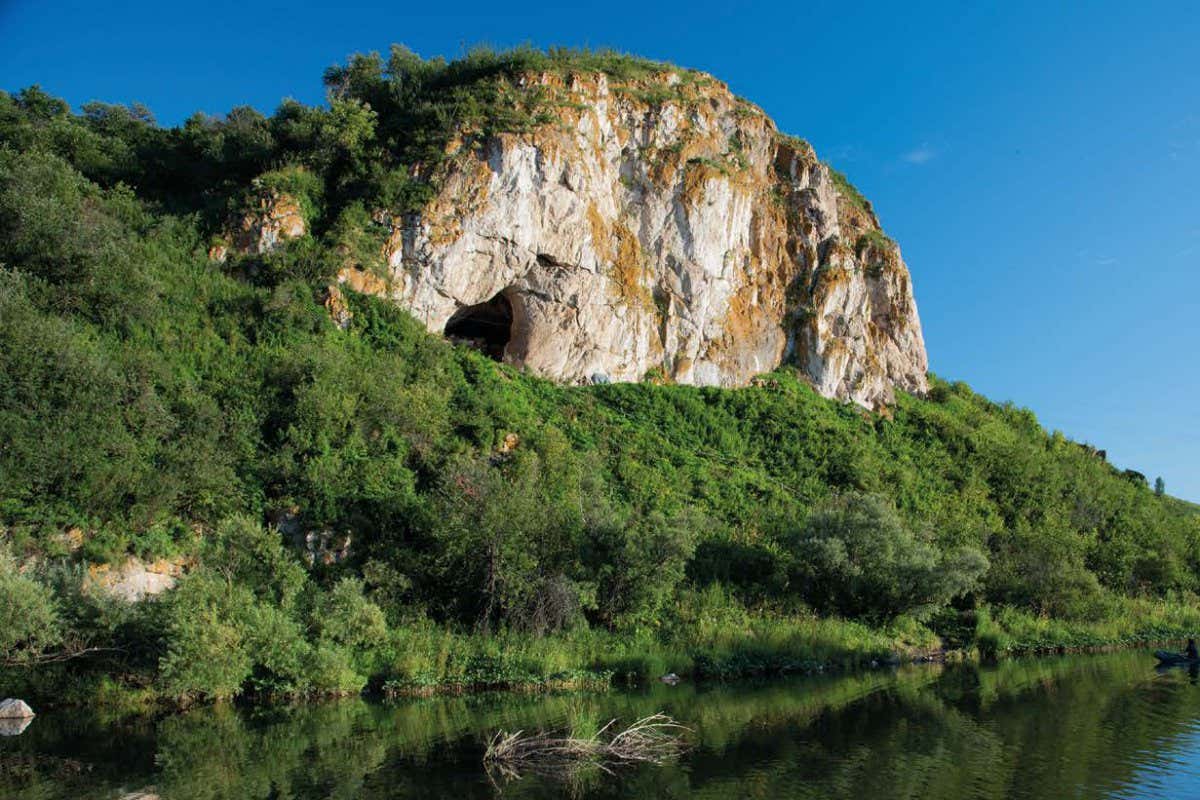
Neanderthal family life revealed by ancient DNA from Siberian cave
19 October 2022
DNA from 11 individuals who lived in Chagyrskaya cave around 51,000 years ago suggests women moved between groups and also shows a high level of inbreeding
19 October 2022
DNA from 11 individuals who lived in Chagyrskaya cave around 51,000 years ago suggests women moved between groups and also shows a high level of inbreeding
24 November 2021
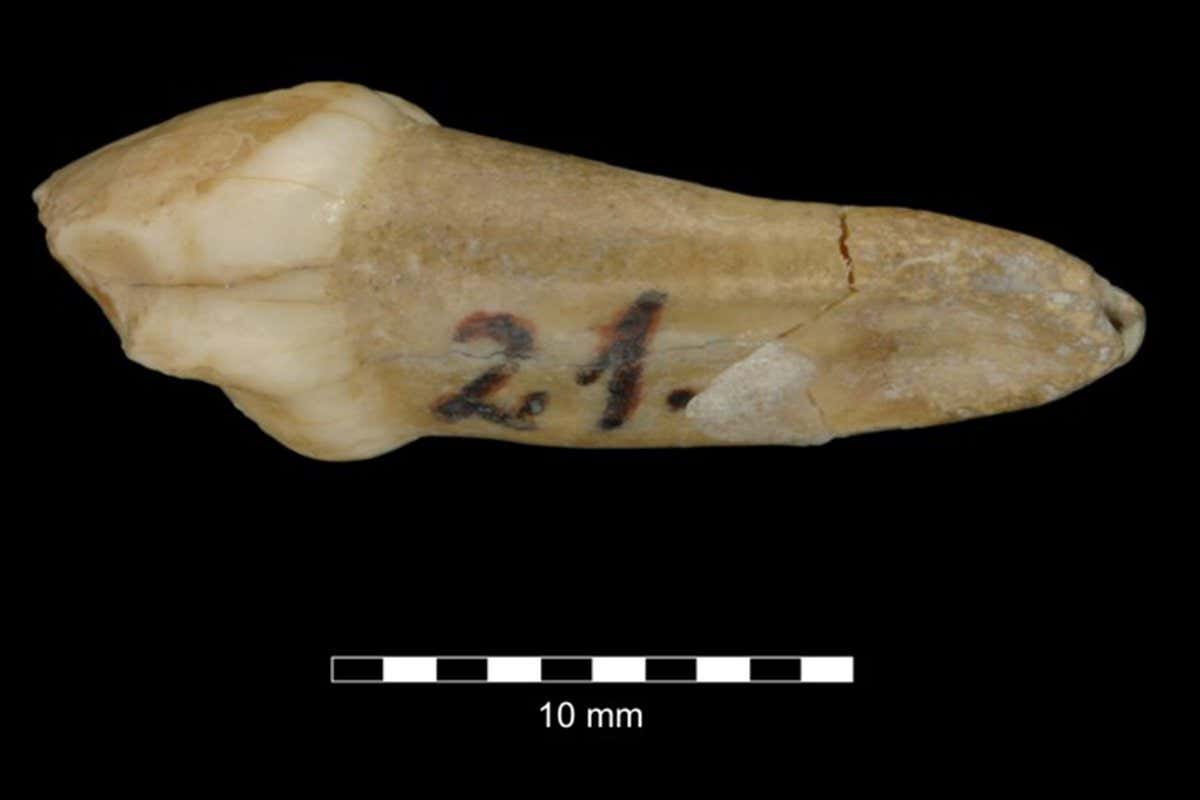
A tooth from a Neanderthal child who lived 120,000 years ago suggests that our cousin species began cutting their baby teeth at 4 months – earlier than for the average modern human
24 March 2021
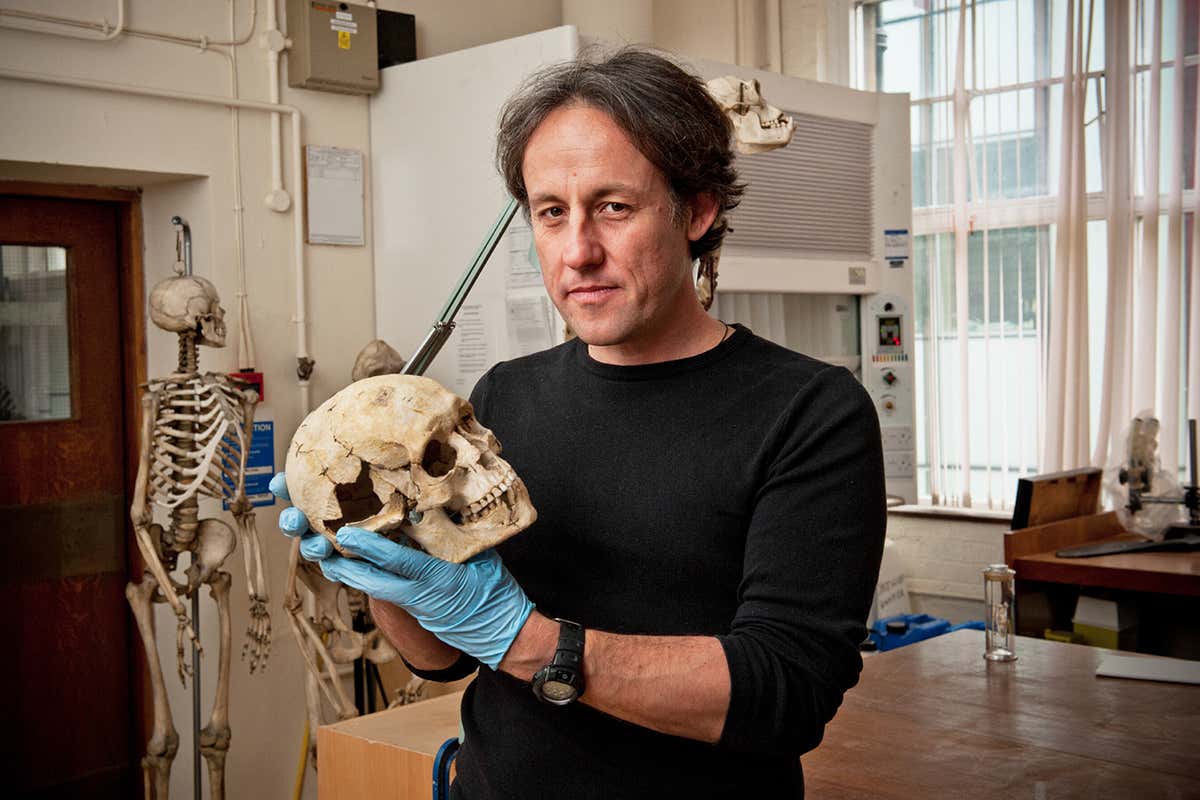
The Neanderthals, Denisovans and many others once shared Earth with us. What happened – and where are they now? Archaeologist Tom Higham has written a great insider account
9 April 2020
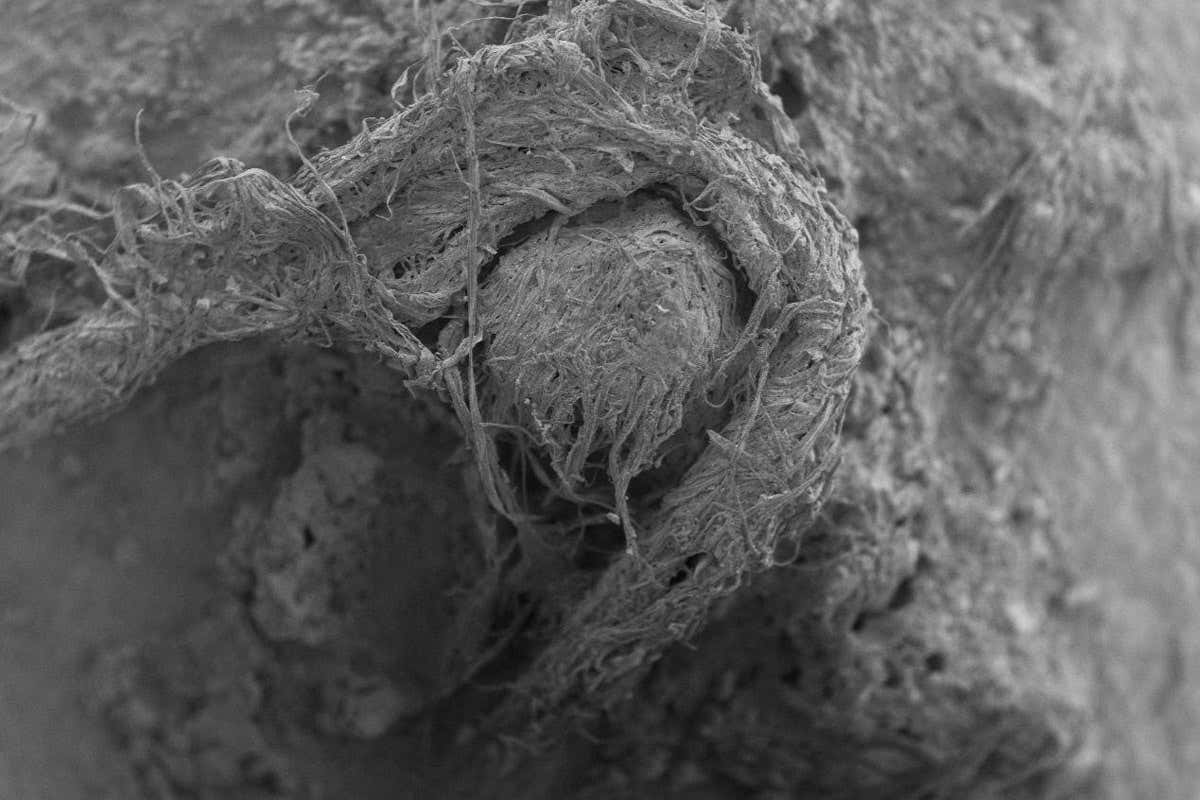
A piece of string found in a cave in France is the oldest ever discovered and shows that Neanderthals knew how to twist fibres together to make cords
8 November 2019
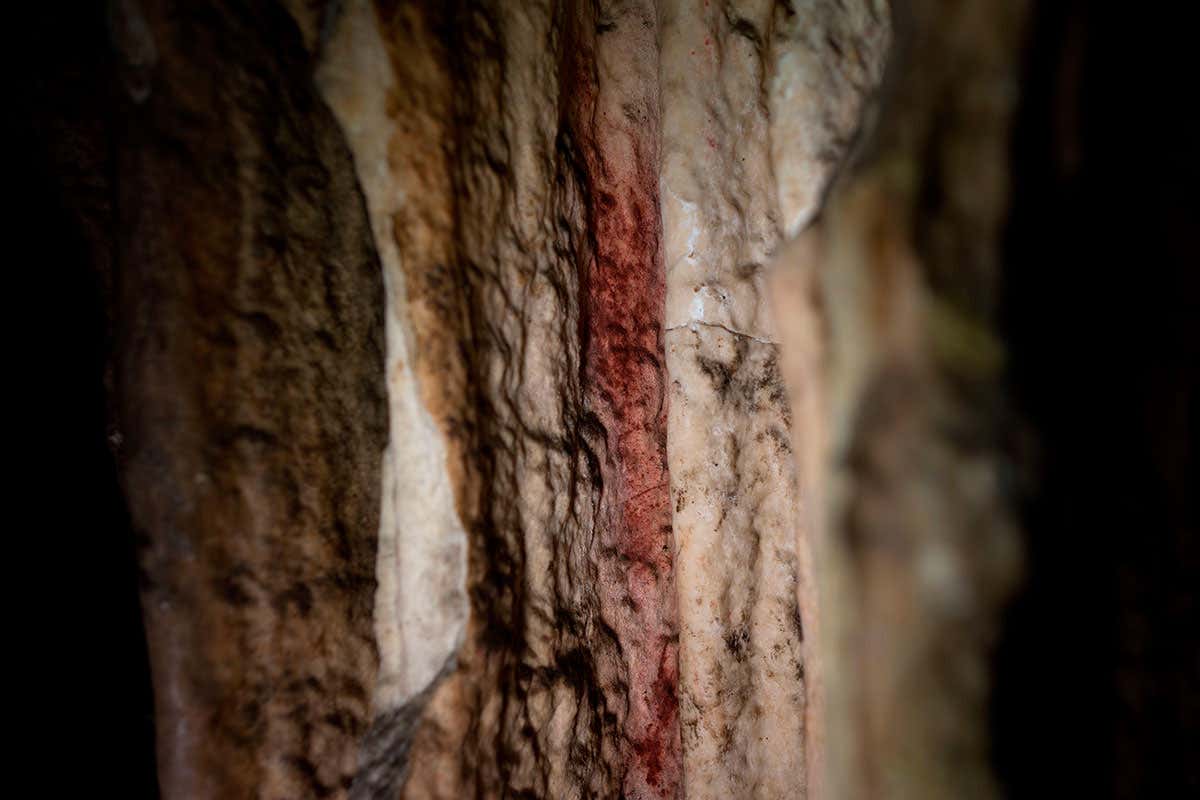
A dispute over the dating of prehistoric Spanish cave paintings is fuelling a fractious debate over Neanderthals’ artistic capabilities
14 August 2019
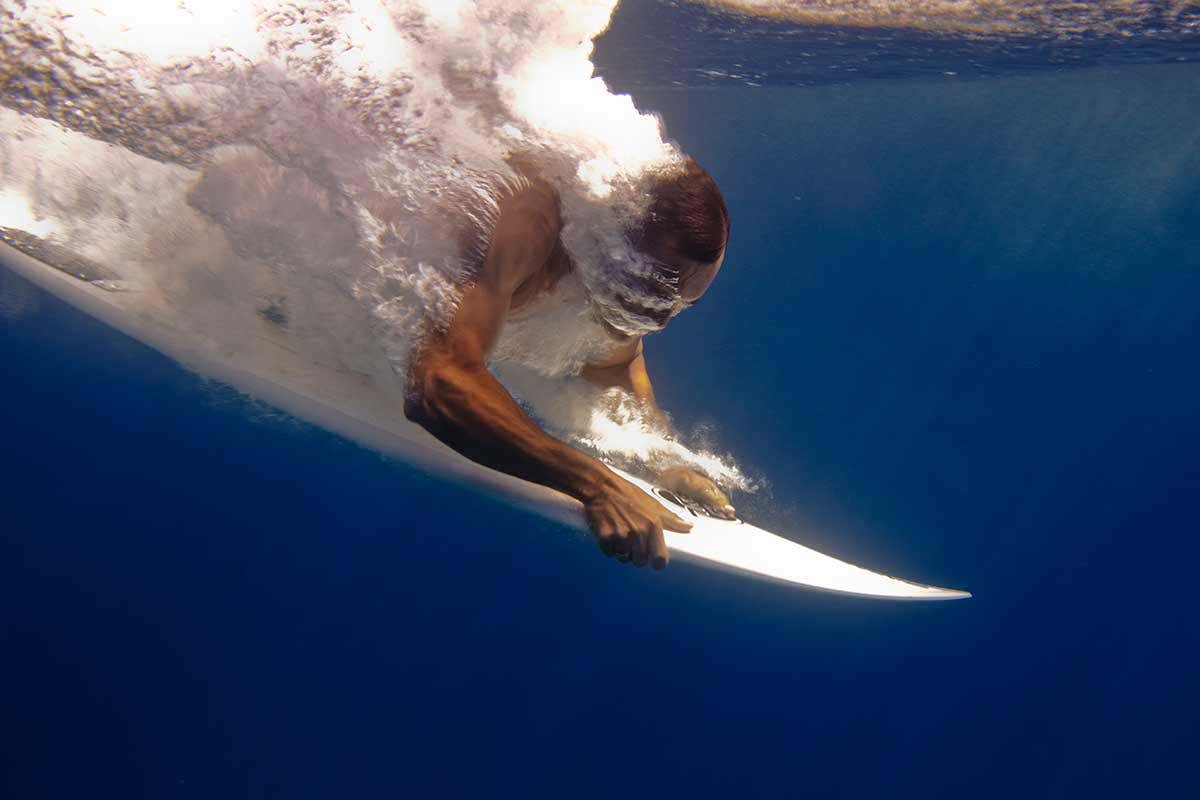
Neanderthals’ bony ear growths – similar to “surfer’s ear” in modern water-loving humans – suggest they spent lots of time foraging in aquatic environments
26 June 2019
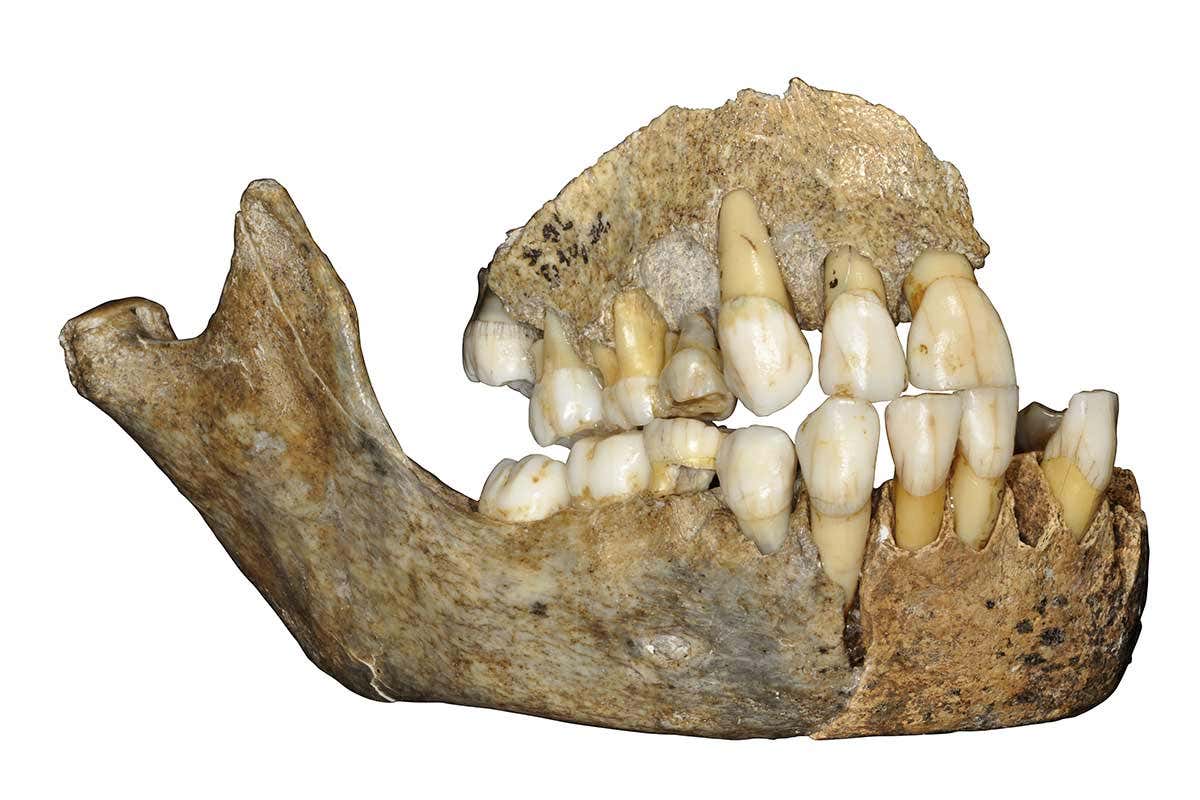
DNA from 120,000-year-old bones sheds light on the ancestry of Neanderthals in Europe, revealing a remarkable 80,000 years of genetic continuity, interbreeding with a mystery hominin and migrations
6 February 2019
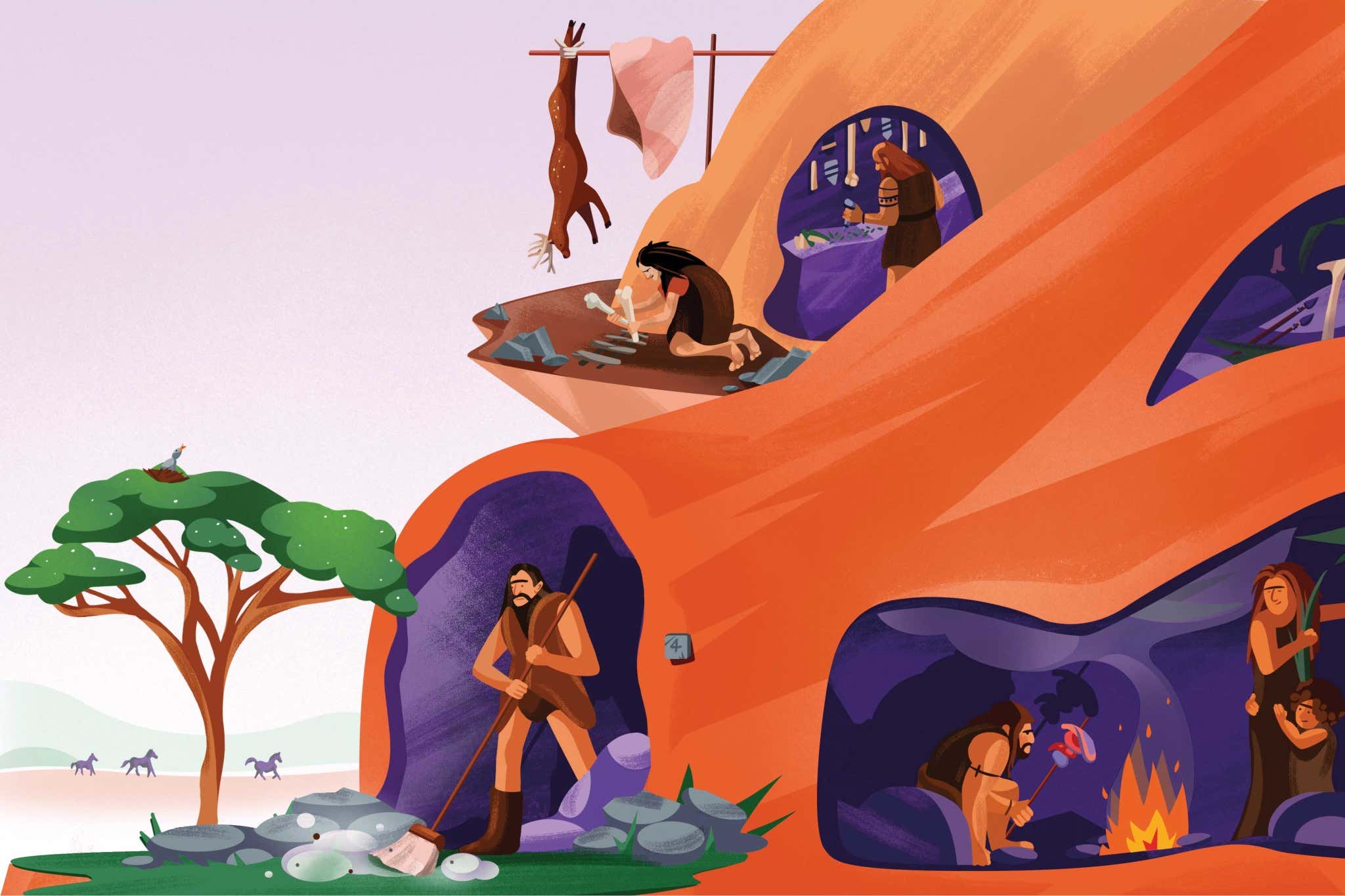
Meet the Stone Age people who liked nothing better than spending time indoors around the fire, doing a spot of DIY and having friends over for dinner
12 October 2018
Harvard geneticist David Reich and his team are DNA testing the bones of ancient humans. Their explosive results are still coming in, but one thing is already certain: much of what we thought we knew about human history is simply wrong
11 May 2018
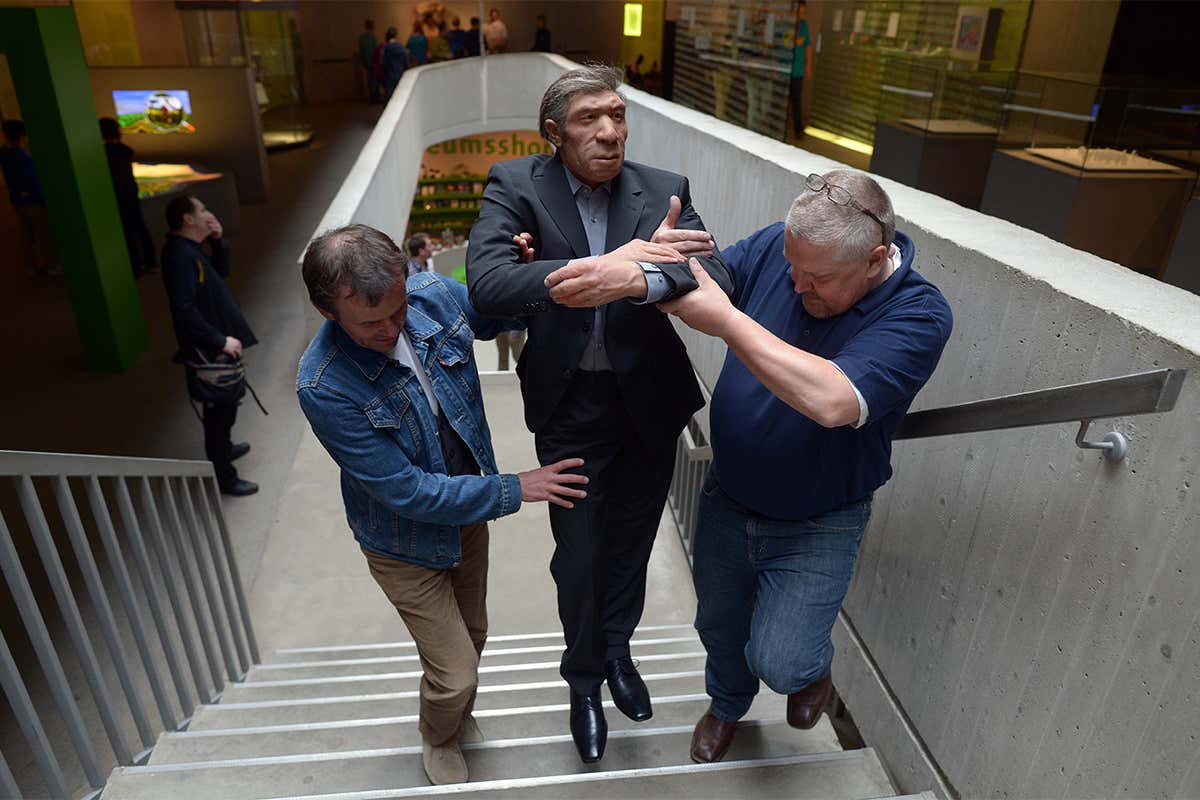
Many of us carry DNA inherited from Neanderthals, but we can’t be sure how it affects us. Stem cells with Neanderthal DNA could tell us
