Subscribe now

Parkinson's disease: Exercise may stop crucial neurons from degrading

14 July 2023

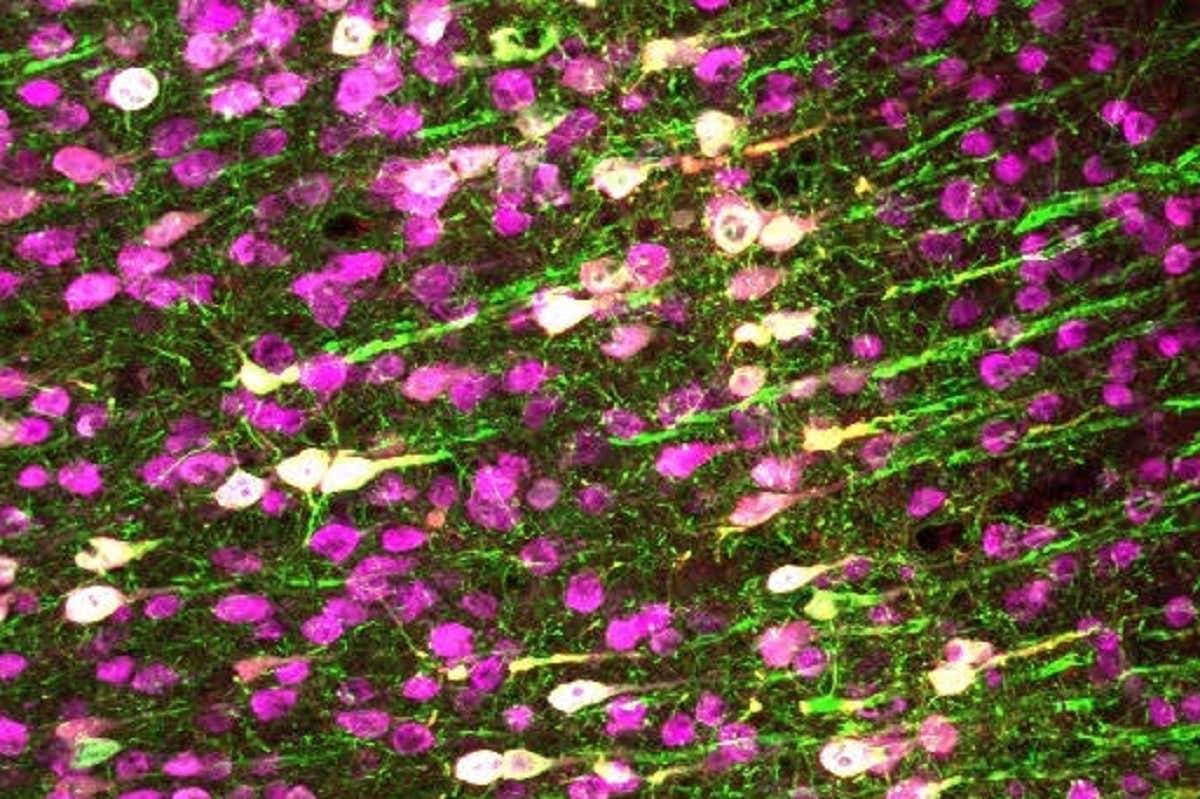
Regular exercise prevents neurons crucial for movement from degrading in rats with symptoms of Parkinson's disease, potentially explaining why consistent physical activity can slow the advancement of symptoms
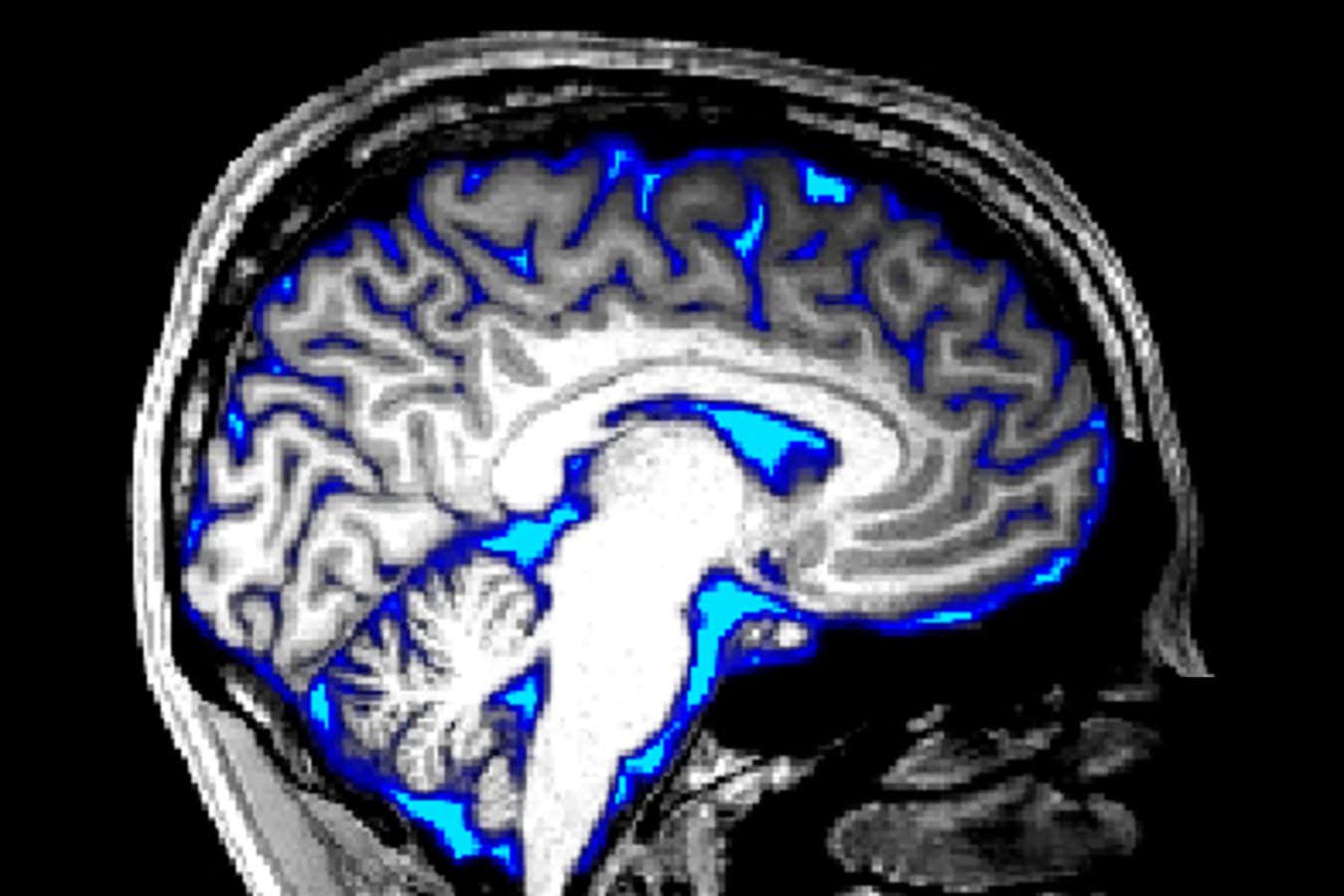

The brain may flush out its waste products after a mental workout

30 March 2023

A fluid-filled network that clears waste products from the brain may be important in neurological conditions, but we know little about how it works


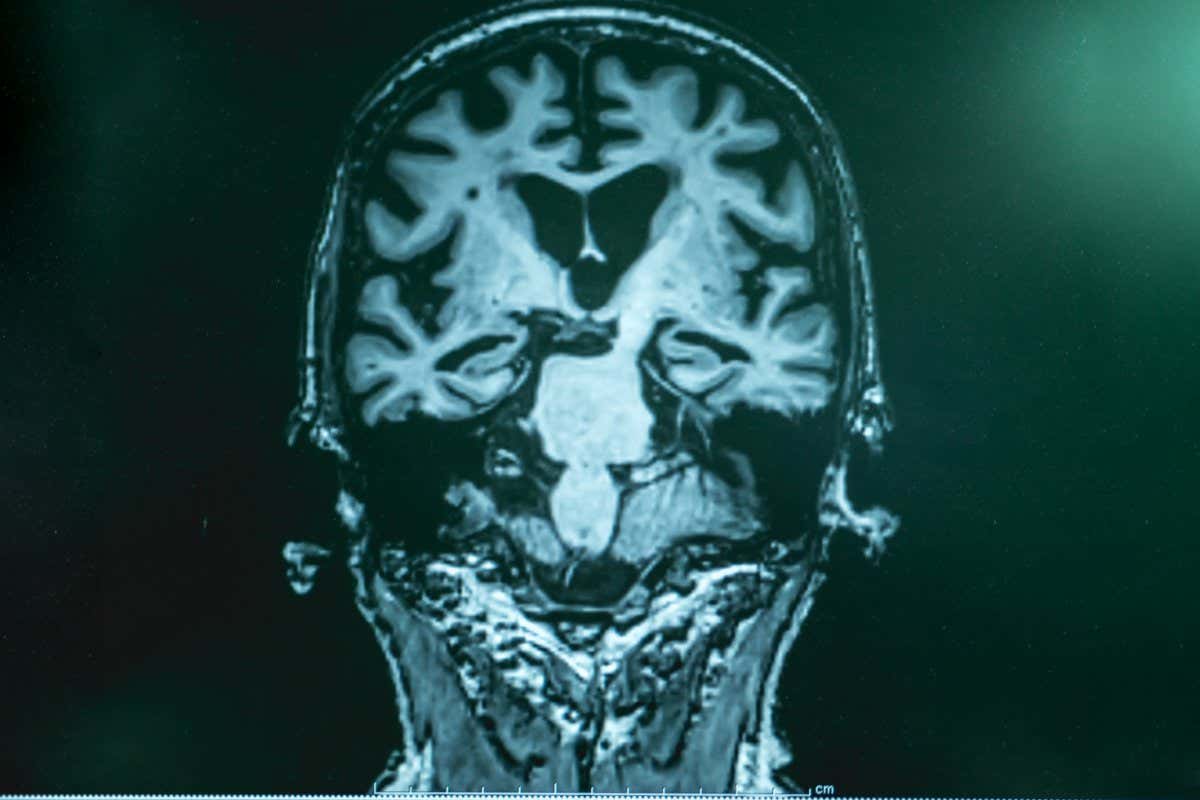
alzheimer's disease with MRI; Shutterstock ID 1025800153; purchase_order: -; job: -; client: -; other: -

A new mitochondrial theory of Alzheimer's deserves serious attention

8 March 2023

A “grand unifying theory” of brain ageing suggests malfunctioning mitochondria might be to blame for Alzheimer’s and other brain conditions. And this new avenue of exploration already has some potential therapies at the ready


When an event occurs, we have various means of measuring how long it lasted, which may be improved by moving and hearing sounds during the event

Hearing noise and moving our body helps us gauge the passing of time

1 February 2023

People may be more aware of how much time has passed when they move their body and hear sounds during an event. This improved time perception may help to gauge the effectiveness of treatments for conditions like Parkinson's disease


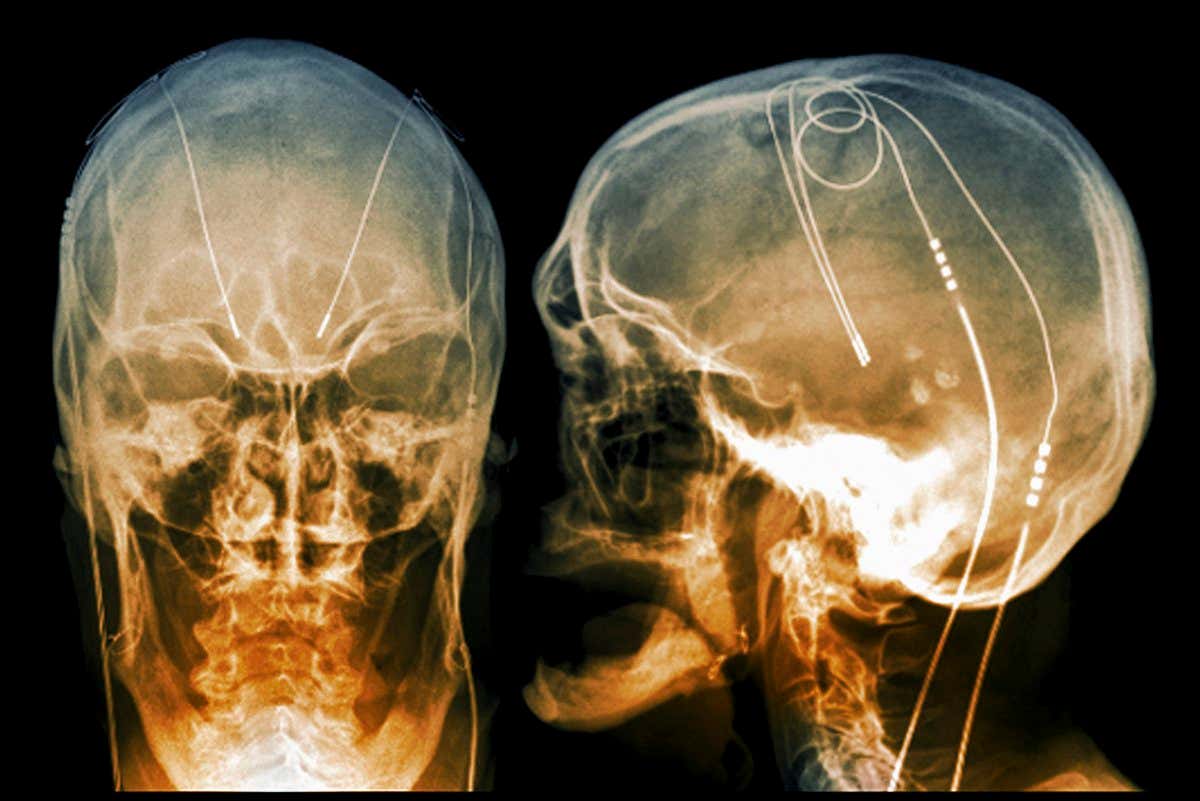
Coloured X-rays showing the electrodes of a deep brain stimulator implanted in a person with Parkinson's disease

Black people less likely than white to get Parkinson’s surgery in US

9 June 2022

Researchers analysed more than 50,000 deep brain stimulation procedures carried out in the US and found that Black people were five times less likely to have the surgery than their white counterparts


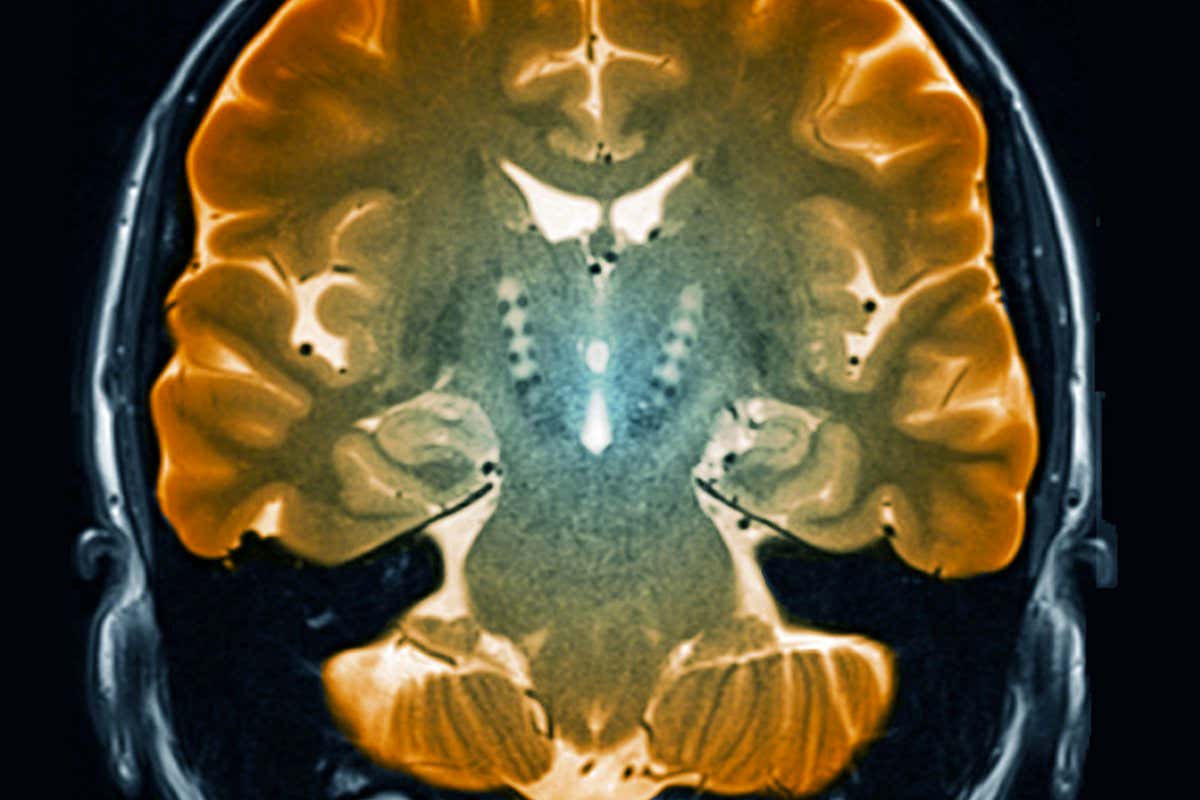
MRI brain scan of someone with Parkinson's disease

Brain cells that are linked to Parkinson’s disease finally identified

5 May 2022

High-tech genetic sequencing has found the brain cells connected to the movement disorder, which could lead to new treatments


Ultrasound can control genetically altered brain cells in mice

Ultrasound can control genetically altered brain cells in mice

9 February 2022

A new technique called sonogenetics uses ultrasound to switch on and off genetically altered brain cells. It has been successfully tested in mice, and could be a future tool for treating brain conditions such as Parkinson's or epilepsy in humans


A man's nose

Early signs of Parkinson’s disease could be spotted in the nose

14 May 2021

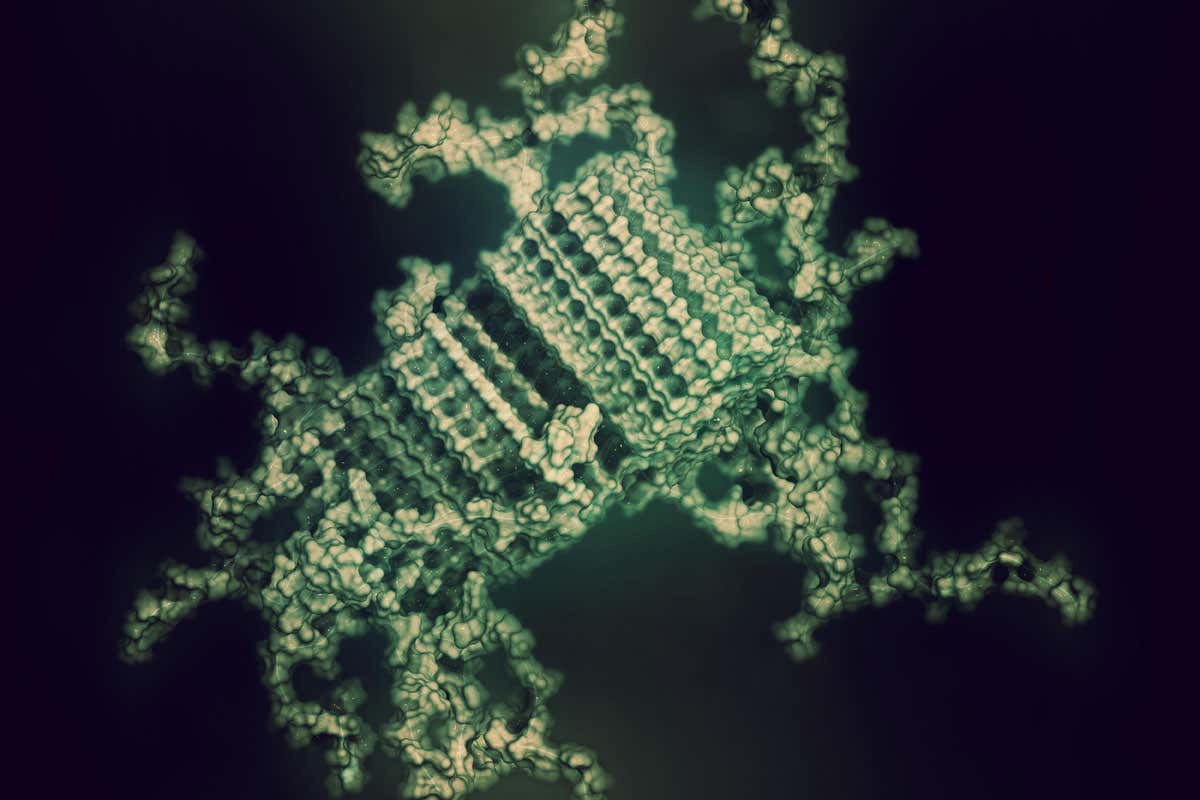
A nasal swab, similar to those used in coronavirus testing, may be able to detect the first signs of Parkinson’s disease by identifying misfolded proteins


Parkinson’s disease may spread from brain to gut and vice versa

Parkinson’s disease may spread from brain to gut and vice versa

1 June 2020

Research in baboons suggests that misfolded proteins linked to Parkinson’s disease can travel from the brain to gut and vice versa – with both routes causing equal amounts of brain cell death


Deep brain stimulation

Brain implant detects and turns down symptoms of Parkinson’s disease

18 March 2020

A new kind of brain implant can detect and turn down the harmful nerve cell activity that are signals of certain symptoms of Parkinson's disease


Sign up to our weekly newsletter

Receive a weekly dose of discovery in your inbox. We'll also keep you up to date with New Scientist events and special offers.

Sign up
Piano Exit Overlay Banner Mobile Piano Exit Overlay Banner Desktop