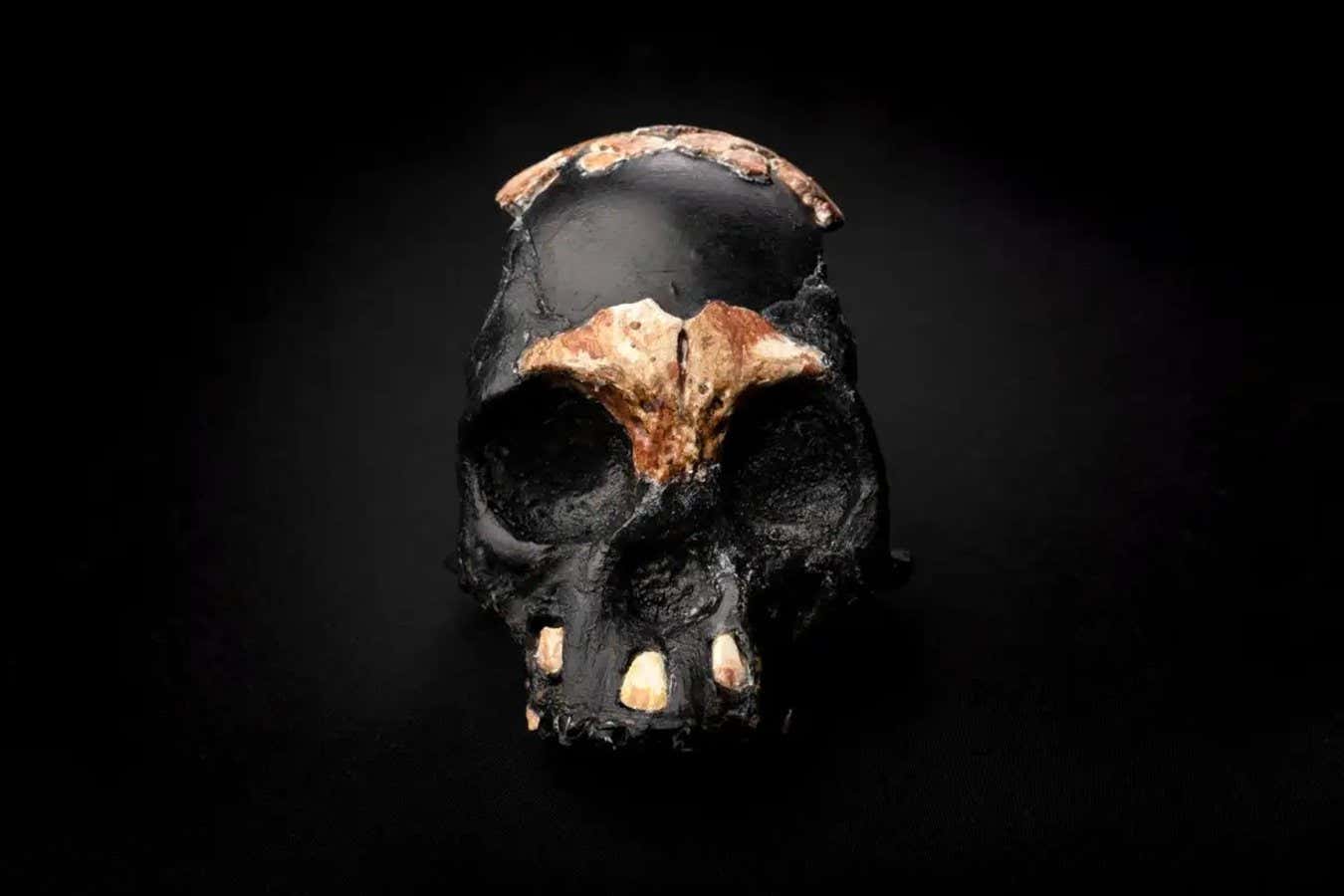
When does a bone become a fossil?
15 February 2024
As organic material in a bone gets replaced by minerals over time, it becomes a fossil. But that can happen at different rates even within the same individual
15 February 2024
As organic material in a bone gets replaced by minerals over time, it becomes a fossil. But that can happen at different rates even within the same individual
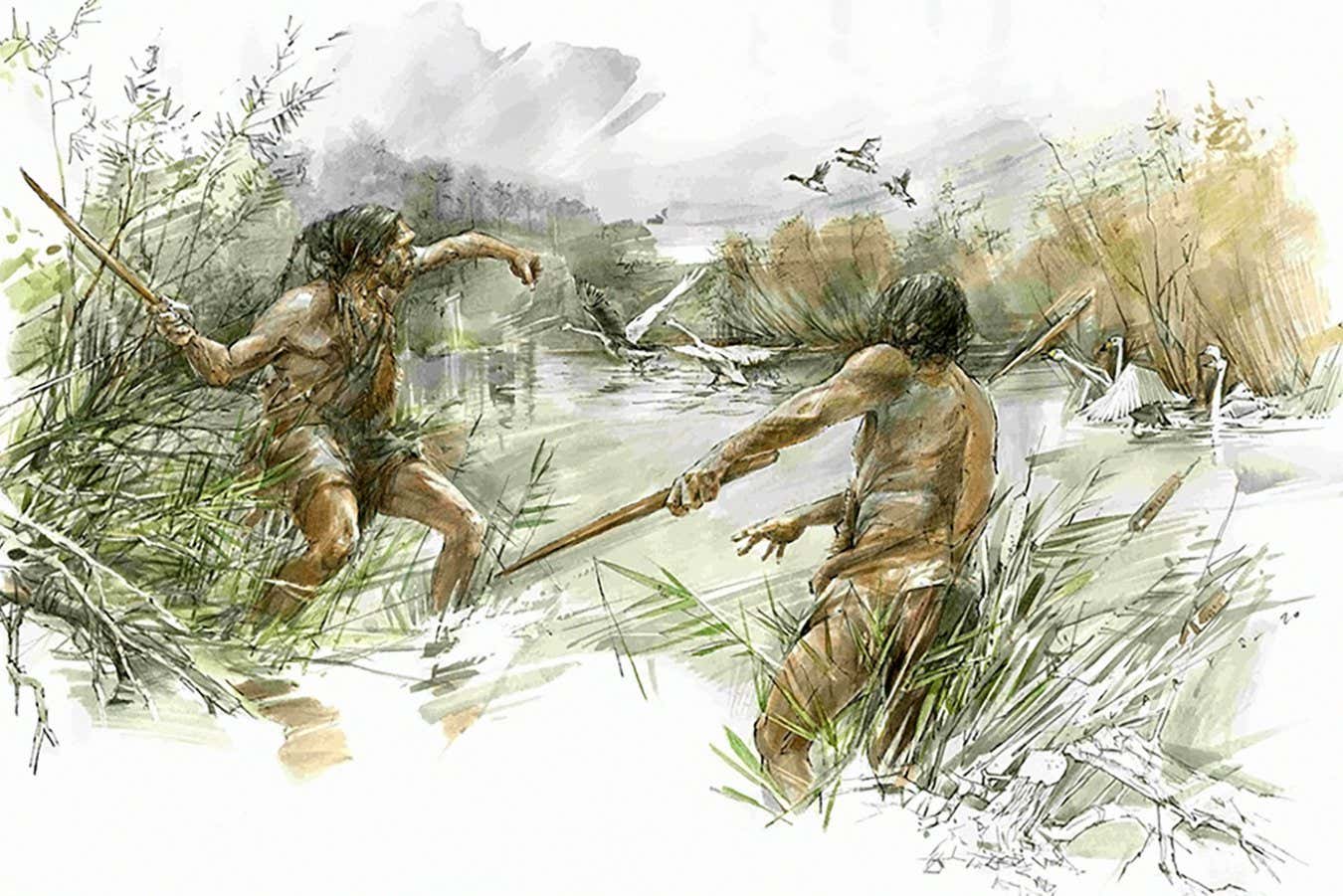
19 July 2023
Analysis of a wooden stick thought to be around 300,000 years old suggests it was designed to be thrown rotationally, rather than as a spear

16 June 2023
A slew of newly found artefacts in South America are revealing surprisingly familiar ways ancient people in the region expressed their creativity, including sculpted figurines, a communal drum and perhaps a previously unrecognised form of writing
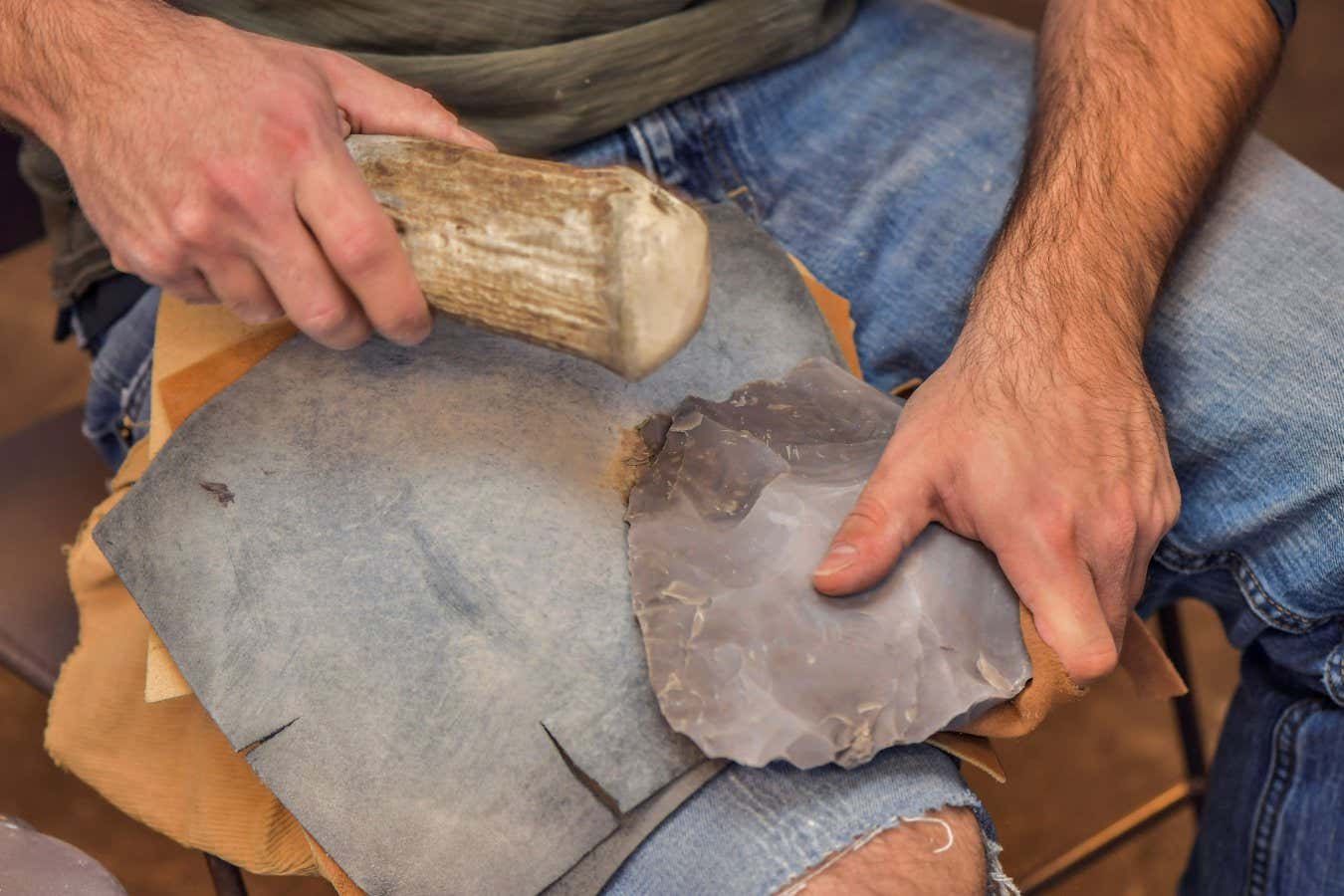
2 June 2023
Modern flintknappers experience a wide variety of injuries that could have led to life-changing consequences or death for ancient humans making stone tools
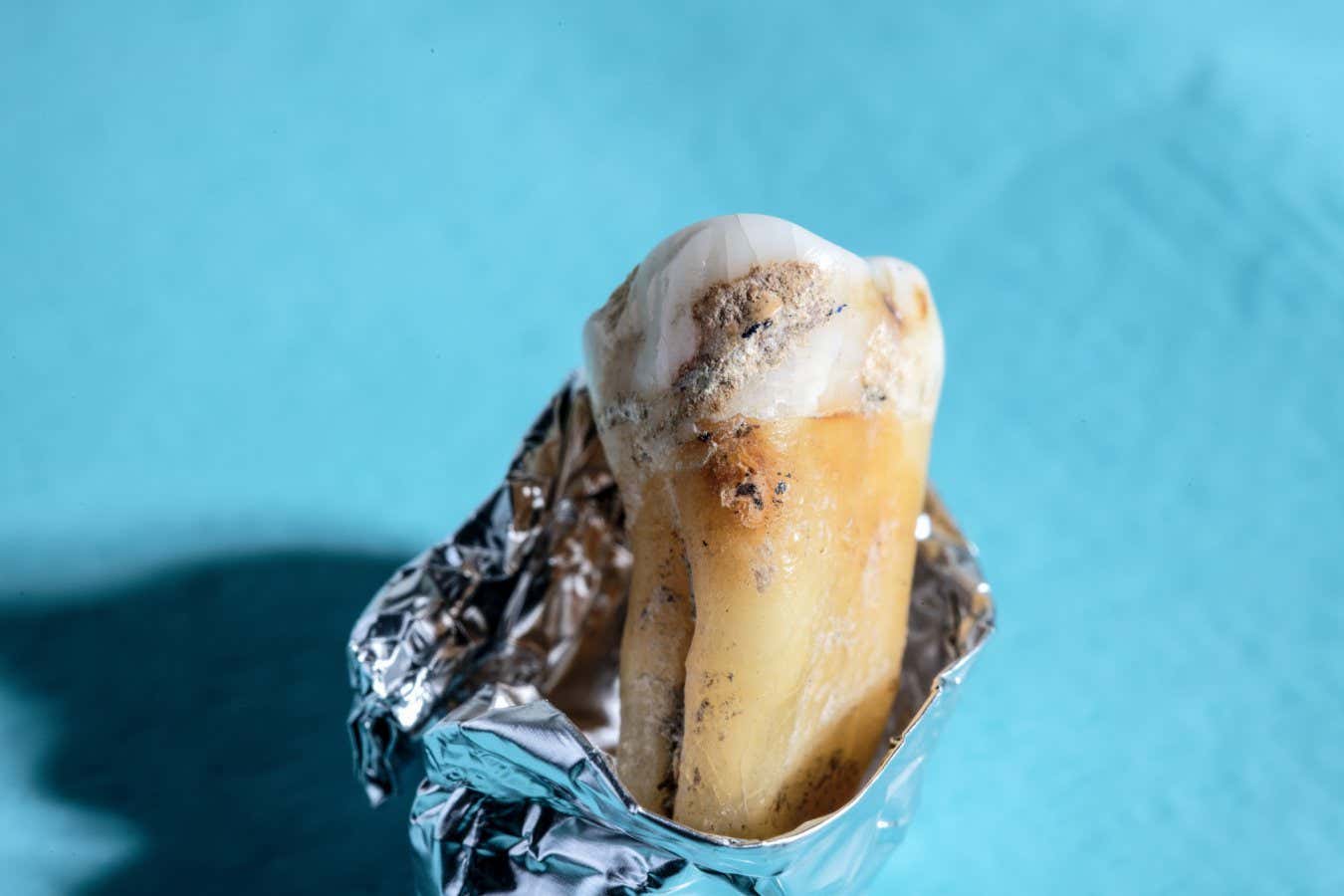
4 May 2023
Researchers pieced together the genomes of two unknown species of green sulphur bacteria from DNA fragments found in ancient calcified tooth plaque
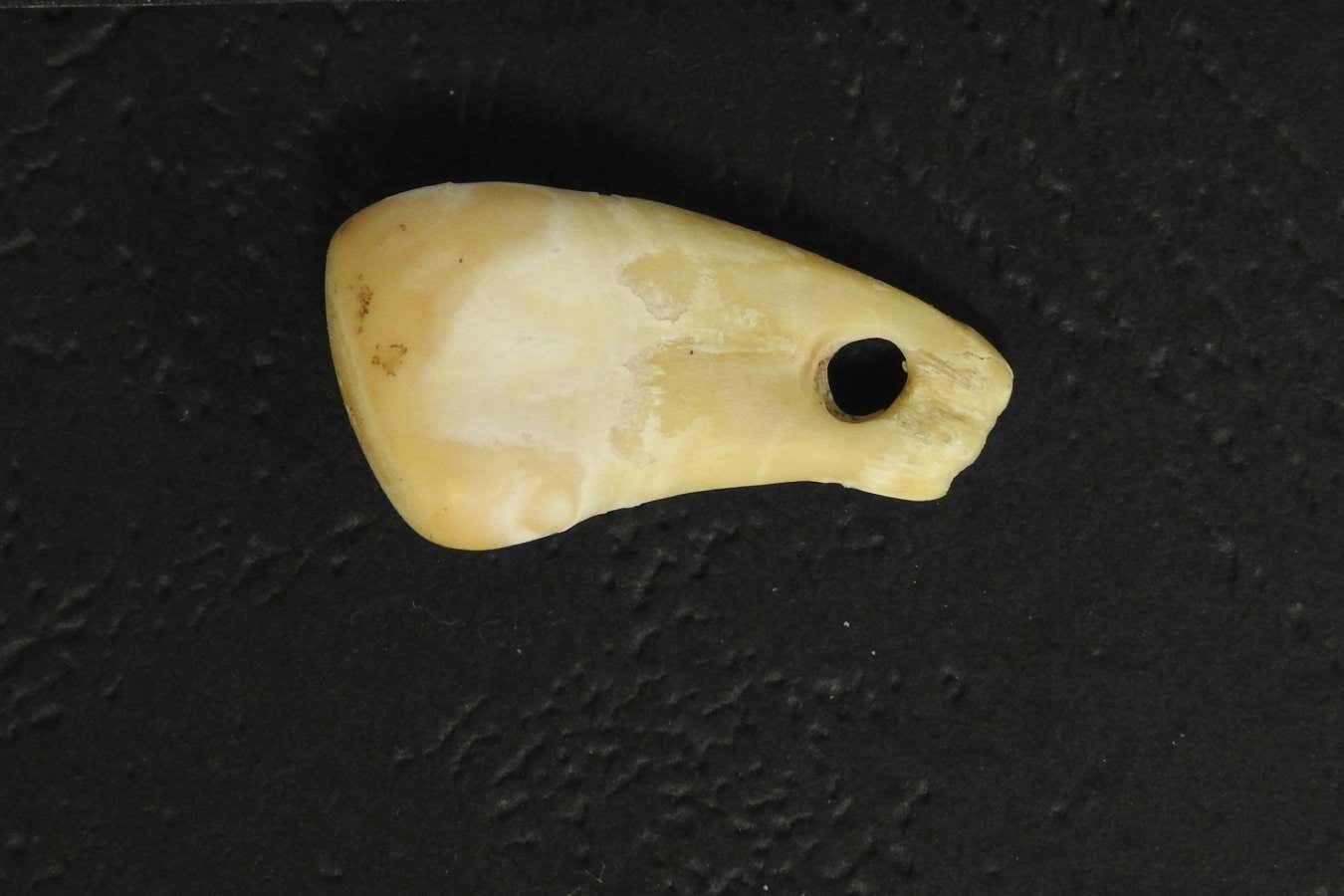
3 May 2023
A new technique for extracting DNA from ancient artefacts without destroying them could give us unprecedented insights about the people who made or wore them
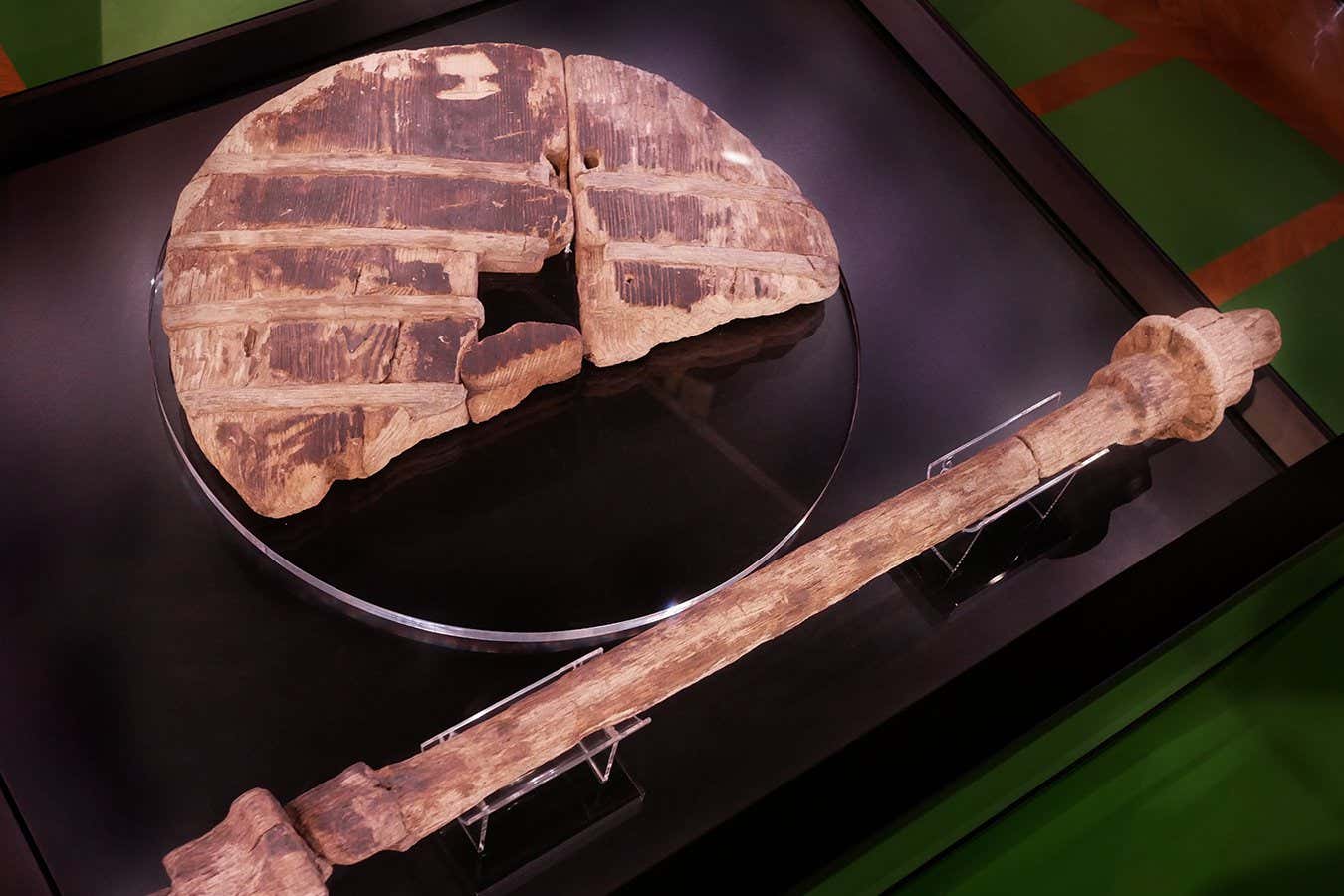
14 April 2023
Some of the most important inventions – wheels, nets and the written word – have creators lost to time, even though their impact shaped the world we live in
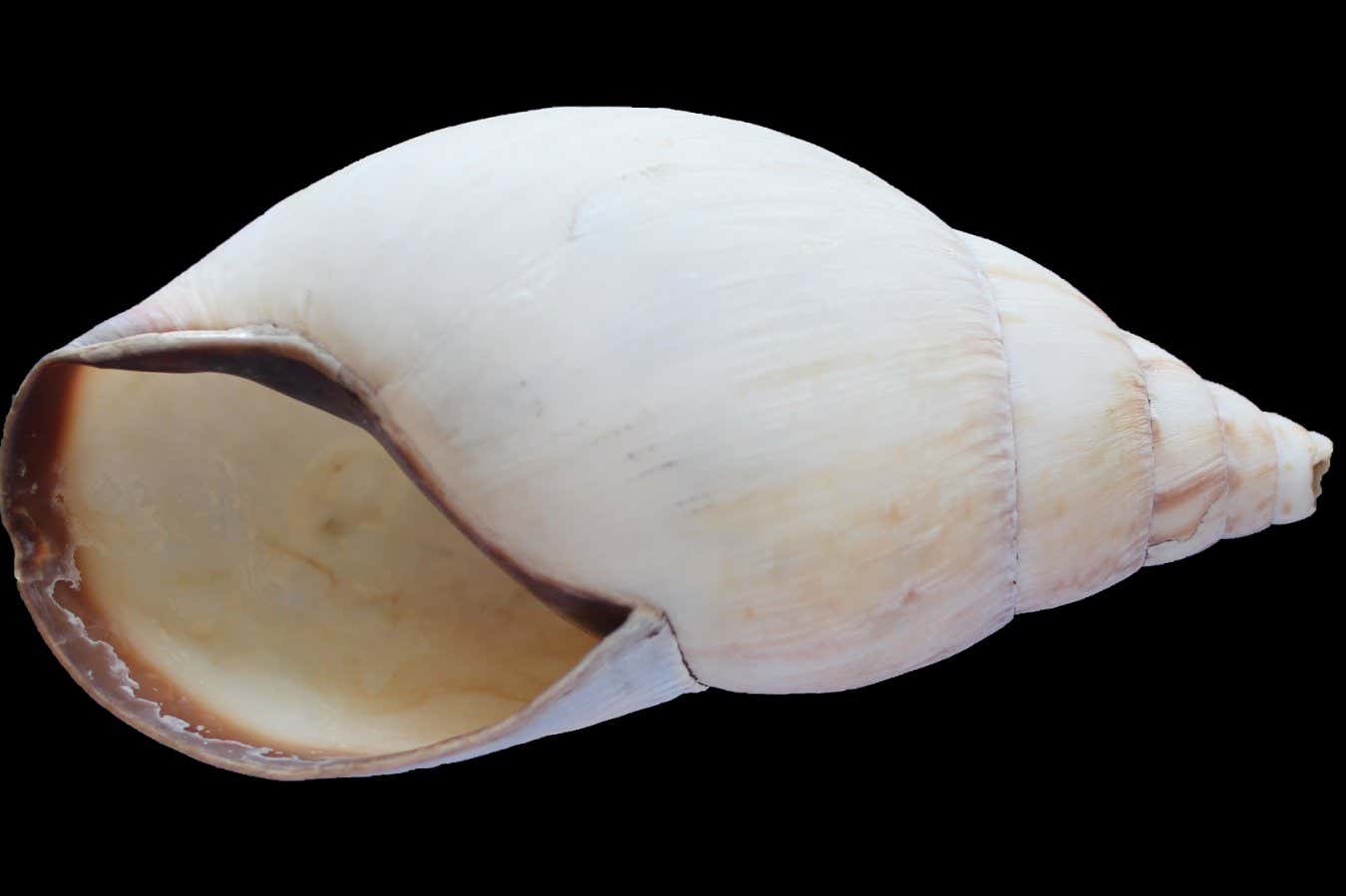
25 March 2023
Snail shell fragments found in a cave in South Africa appear to have been heated, providing the earliest evidence for humans eating snails
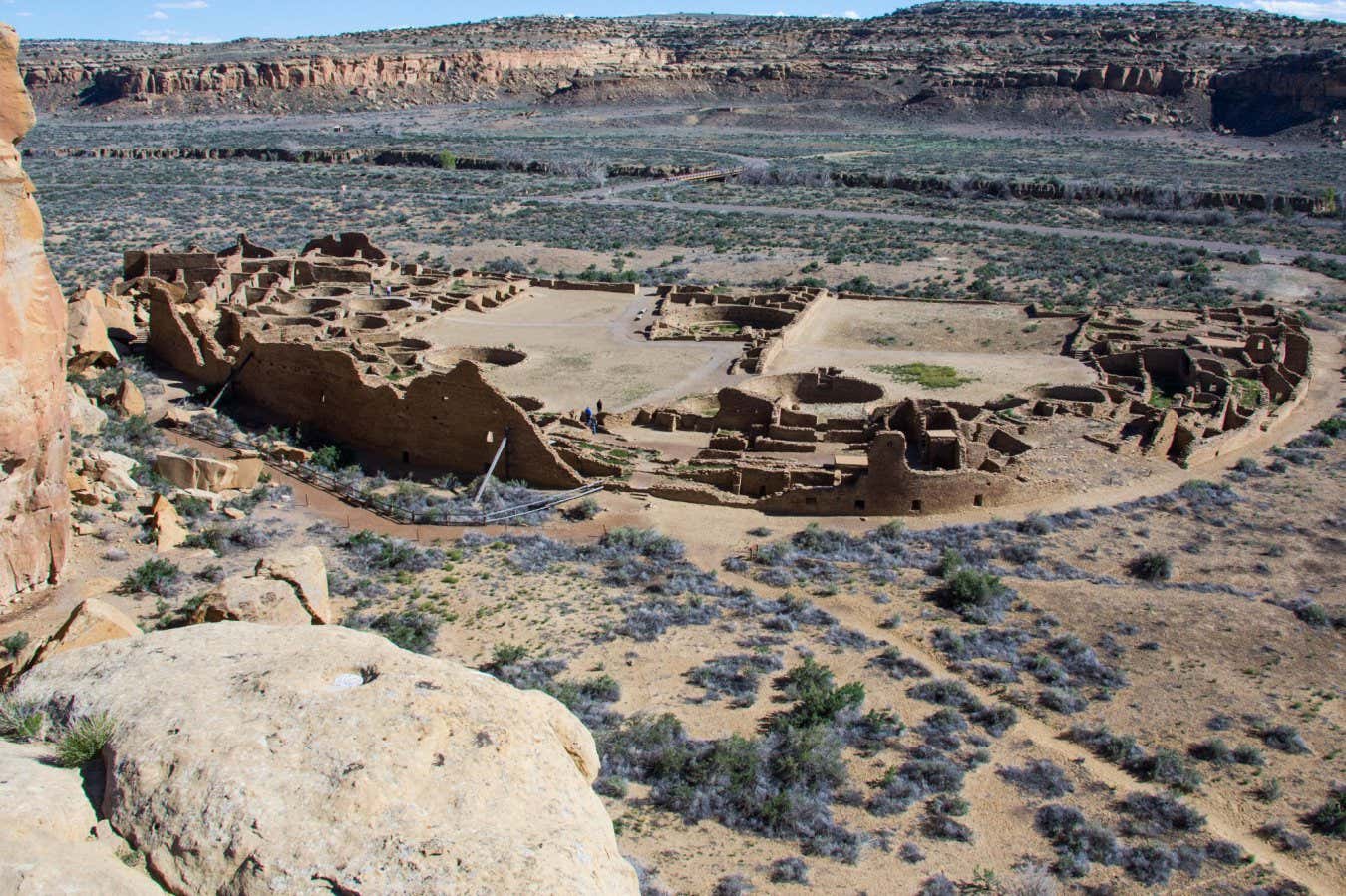
14 March 2023
It has long been unclear how ancient people built a city of wood in the New Mexico desert far from any forests. By trying prehistoric building techniques themselves, archaeologists are working it out
10 March 2023
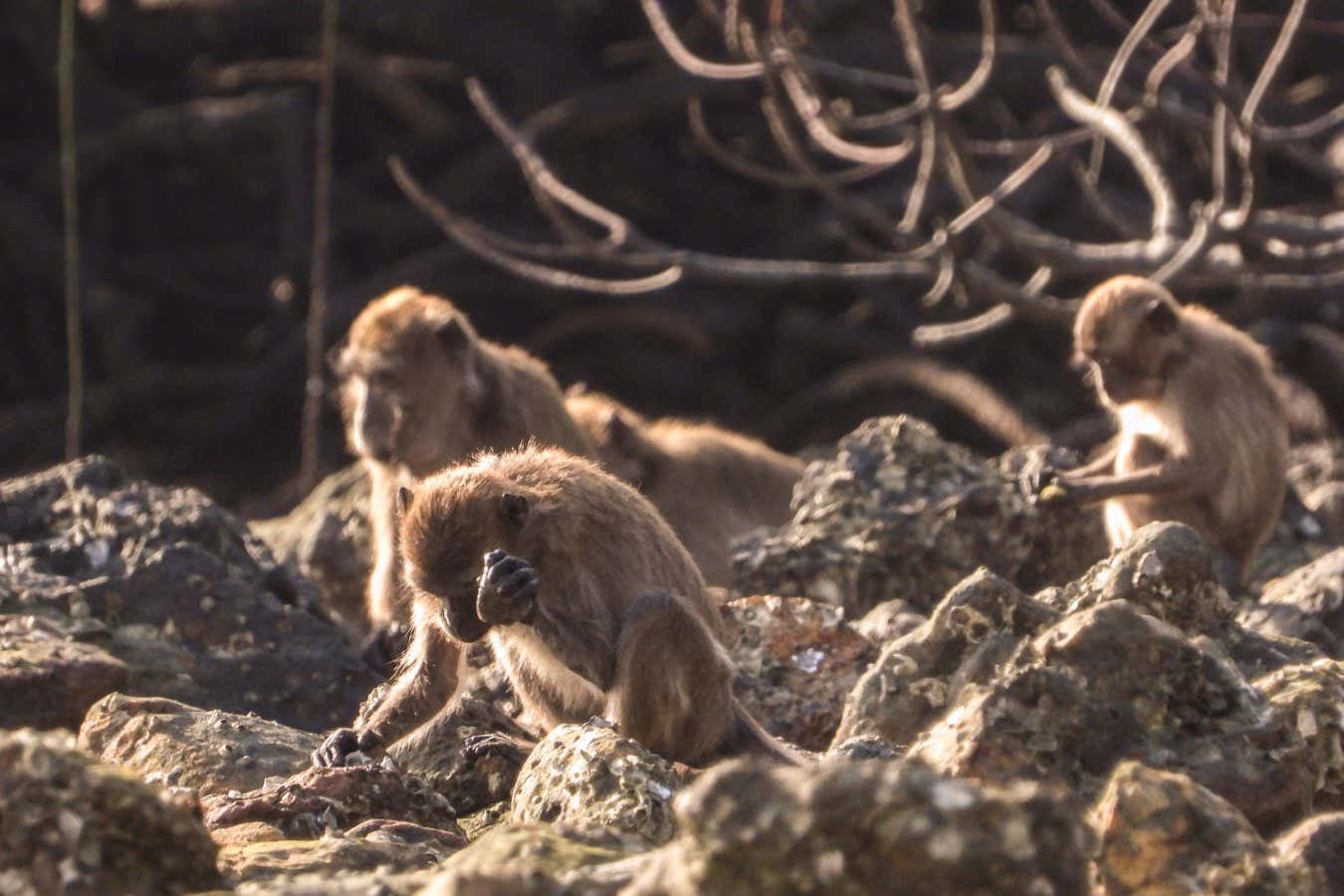
When macaques use stones to crack nuts, they accidentally create flakes that look like early human artefacts, raising questions about whether such objects were made deliberately
