Subscribe now
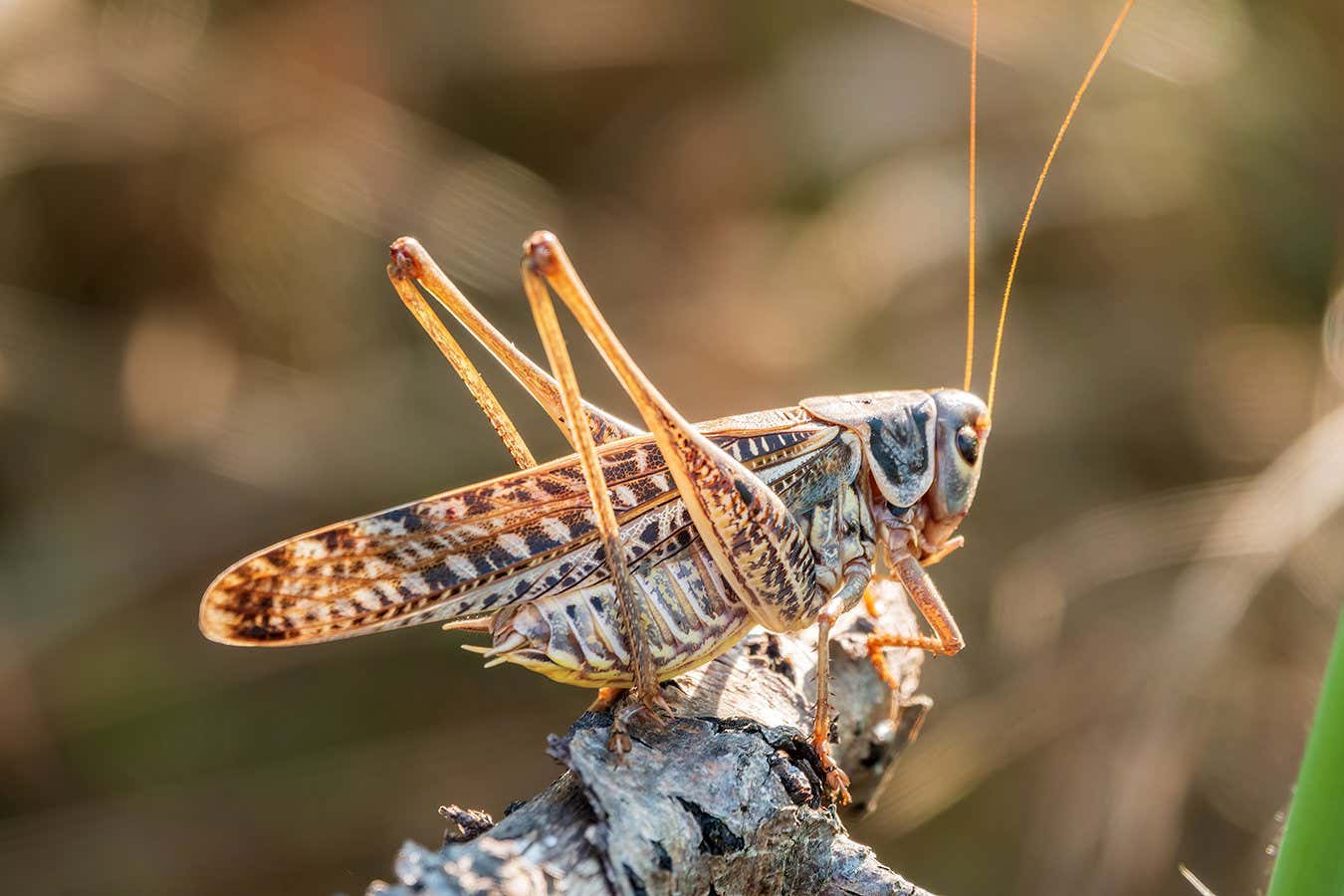
A large brown locust, Locusta migratoria, with a pattern on its body sits on branch among green vegetation in a summer garden. The migratory locust is the most widespread locust species

Locusts produce an odour to try to put other locusts off eating them

4 May 2023

The crop-devastating swarms that locusts form are driven in part by the insects' tricks to avoid being cannibalised – they move around and produce a pheromone to deter other locusts from eating them
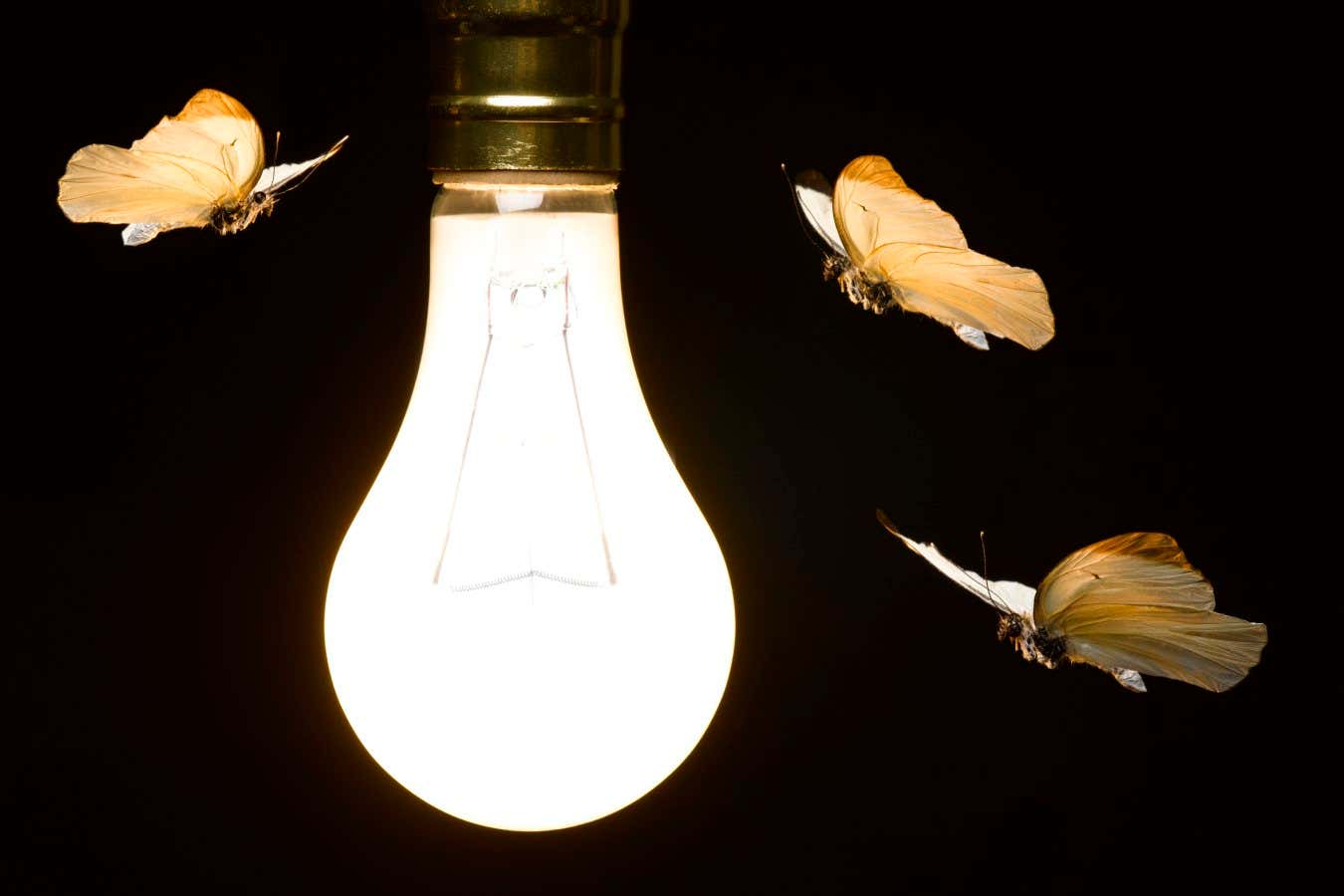
Moths around a light bulb

We finally know why insects are attracted to lights

20 April 2023

Artificial light doesn’t actually attract insects but instead interferes with the control systems they use to orientate their body when flying


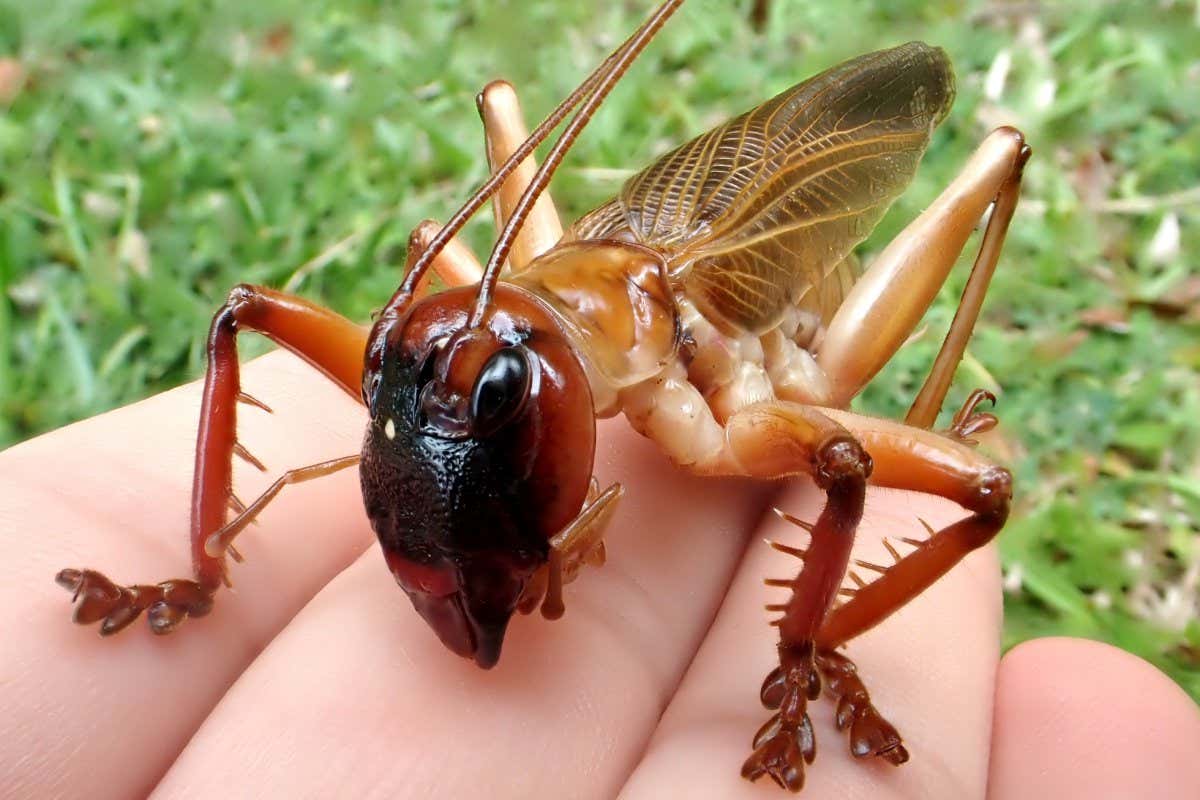
Raspy cricket

Australian raspy cricket has the strongest bite of 650 insect species

11 February 2022

Researchers have tested the bite force of hundreds of insects and found that the raspy cricket chomps down with 1200 times more force than the wasp with the weakest bite


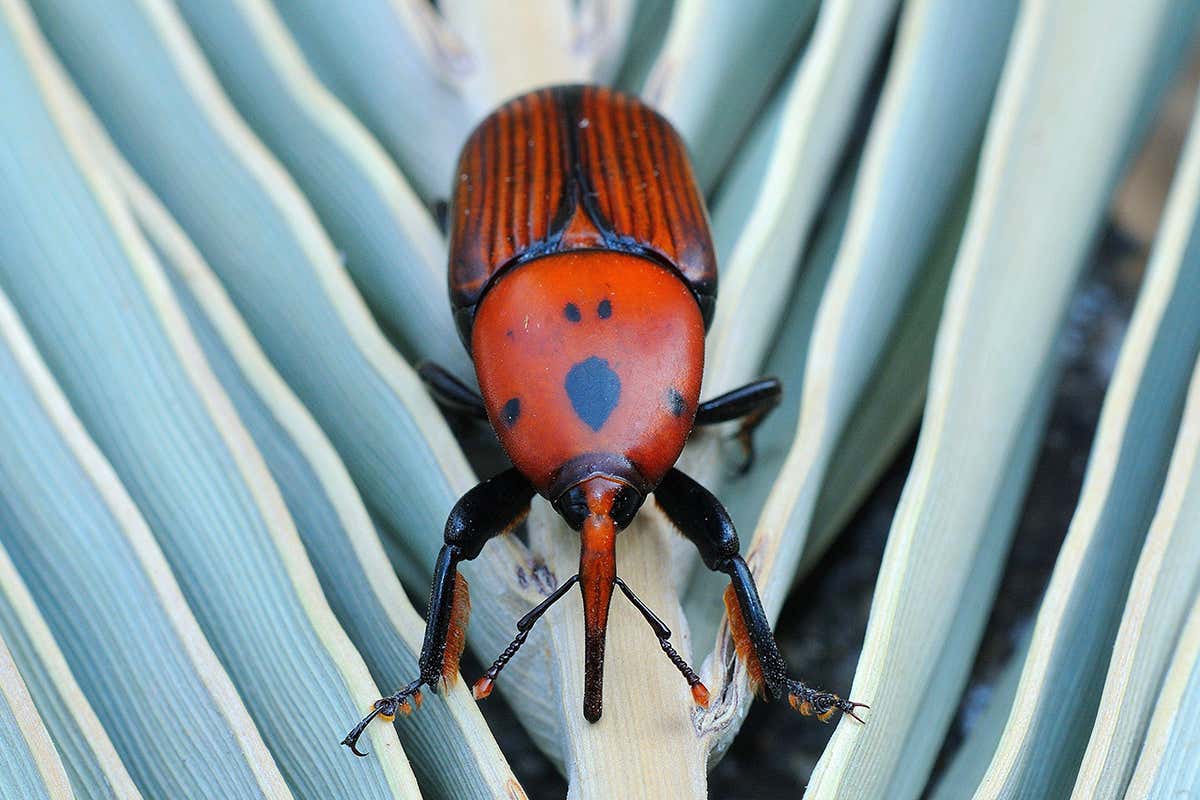
Essential oils help to stop invasive beetles from eating palm trees

Essential oils help to stop invasive beetles from eating palm trees

23 July 2021

Red palm weevils are invasive insects known for damaging palm trees – affecting the date, coconut and palm oil industries – but a bit of clove or thyme oil reduced the amount of palm stems they ate by 35 per cent


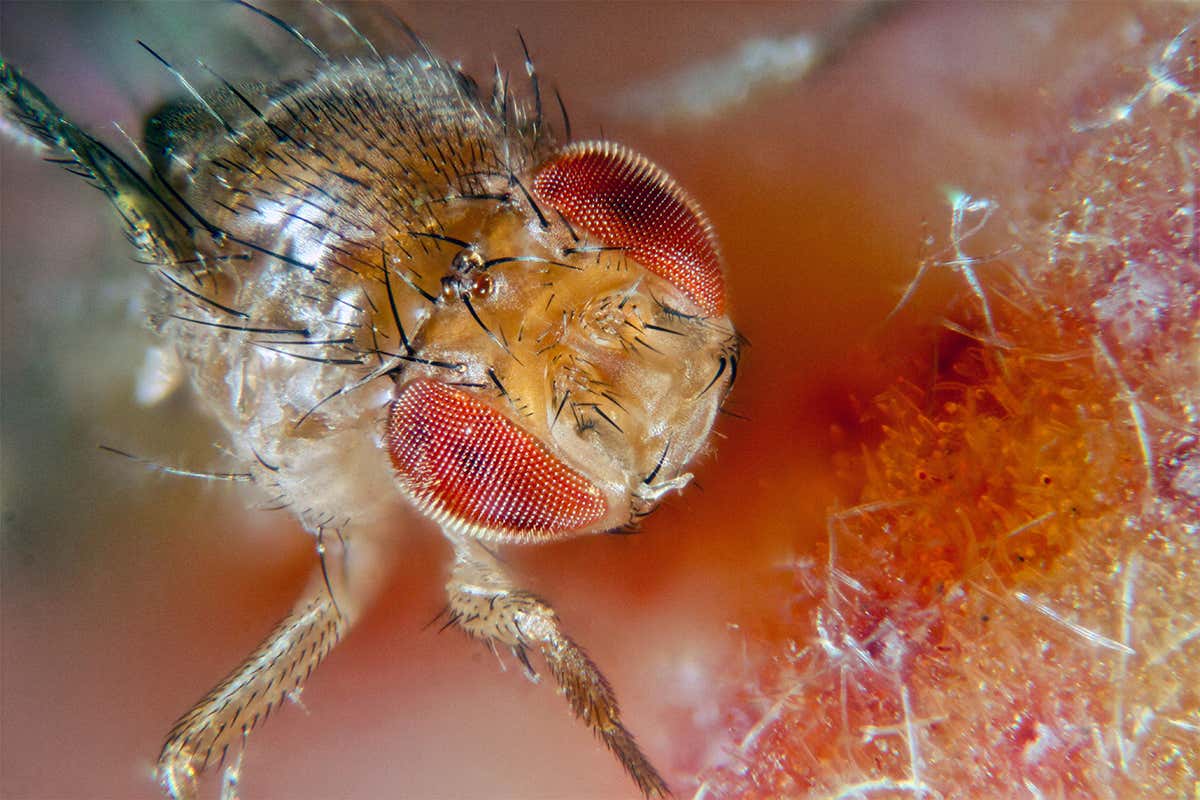
‘Hangry’ male fruit flies attack each other if they go without food

‘Hangry’ male fruit flies attack each other if they go without food

4 June 2021

When male fruit flies go without food for 24 hours, they get hangry and become aggressive towards other males, lunging at each other and fencing with their legs


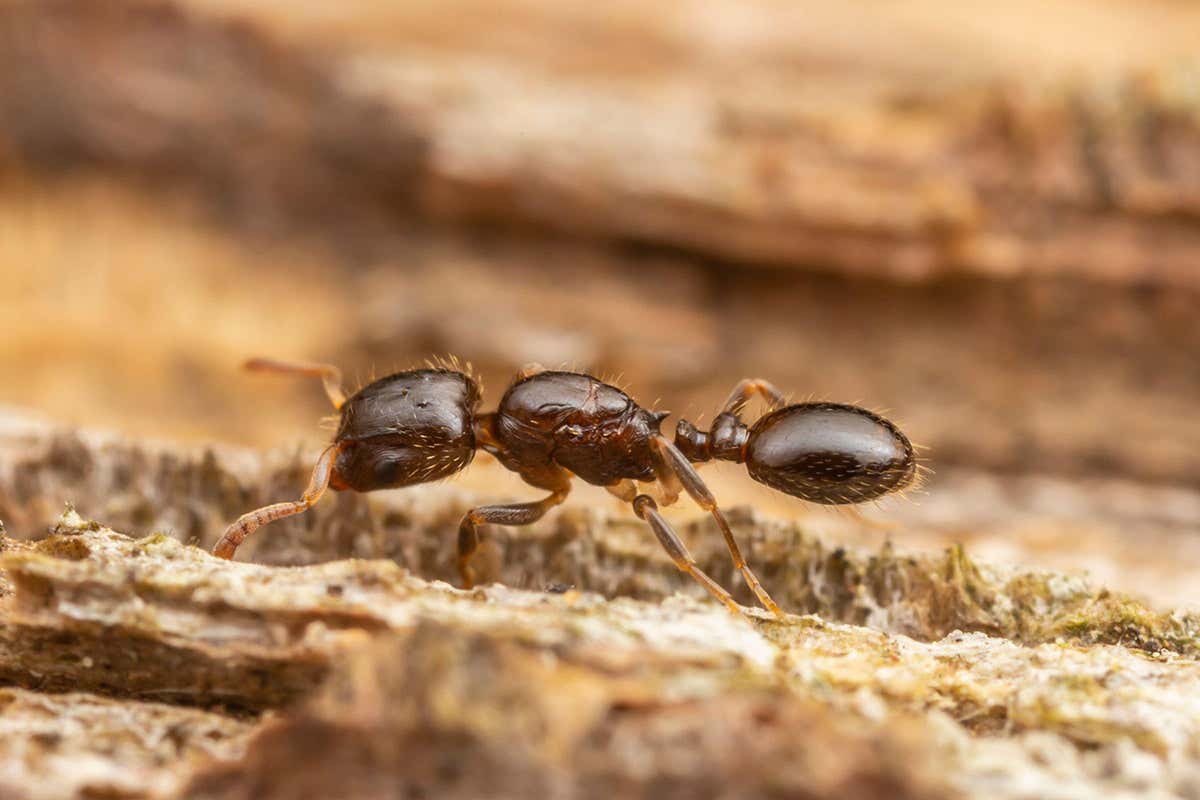
Parasitic ants keep evolving to lose their smell and taste genes

Parasitic ants keep evolving to lose their smell and taste genes

2 June 2021

When parasitic ants move into another species’ colony, they outsource foraging to the host ants – which may be why several species of parasitic ants have lost the genes for taste and smell


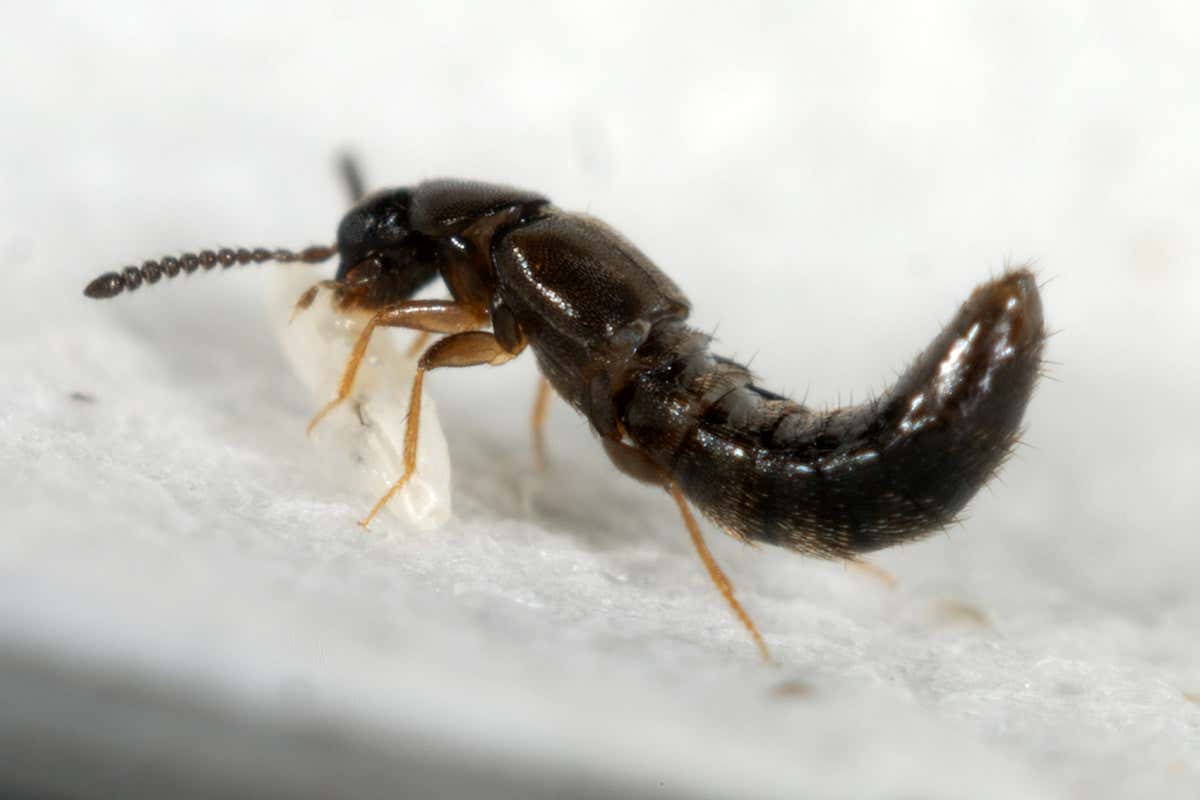
Toxic beetle’s genetics reveals how evolution makes new organs

Toxic beetle’s genetics reveals how evolution makes new organs

25 May 2021

Rove beetles have glands in their abdomen that secrete a toxin, and they are made up of just two cell types that evolved together – which may be how other animal organs originated


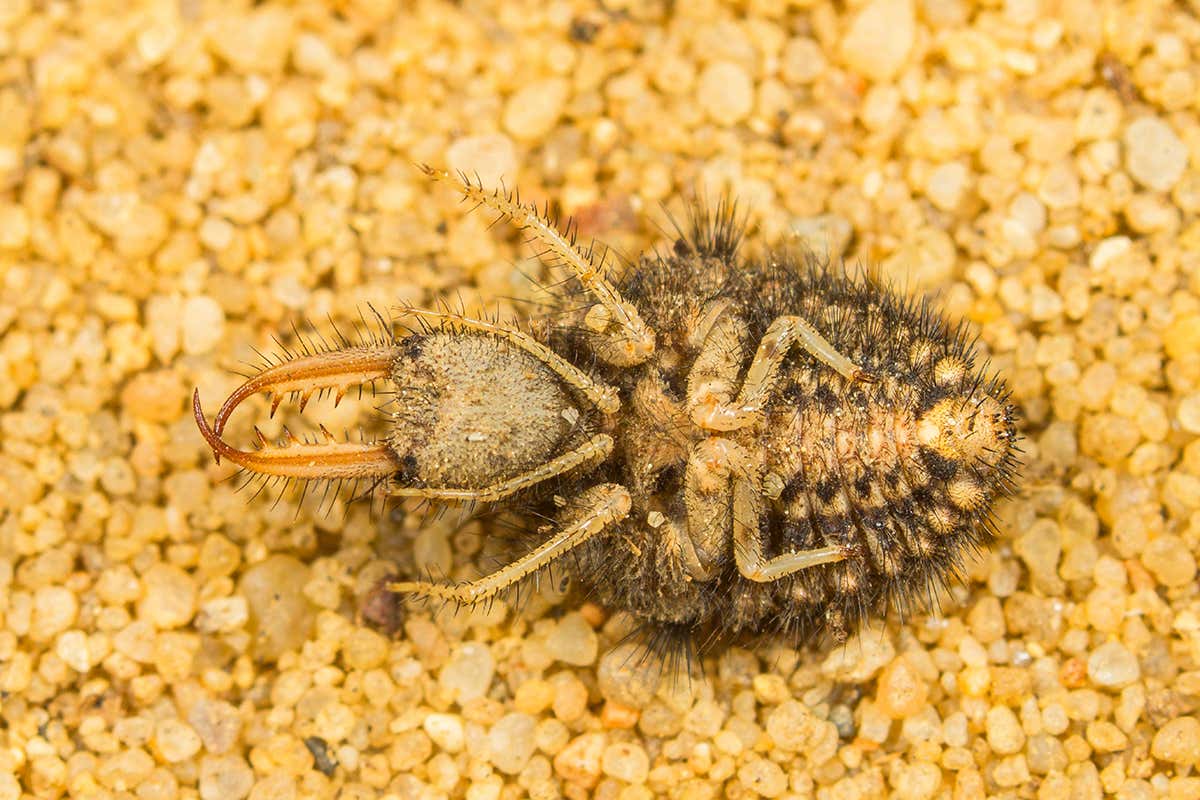
antlion

Playing dead really works to help insects avoid being eaten by birds

3 March 2021

Insects avoid being eaten by playing dead, because birds are easily distracted by other nearby insects that are still moving


moth

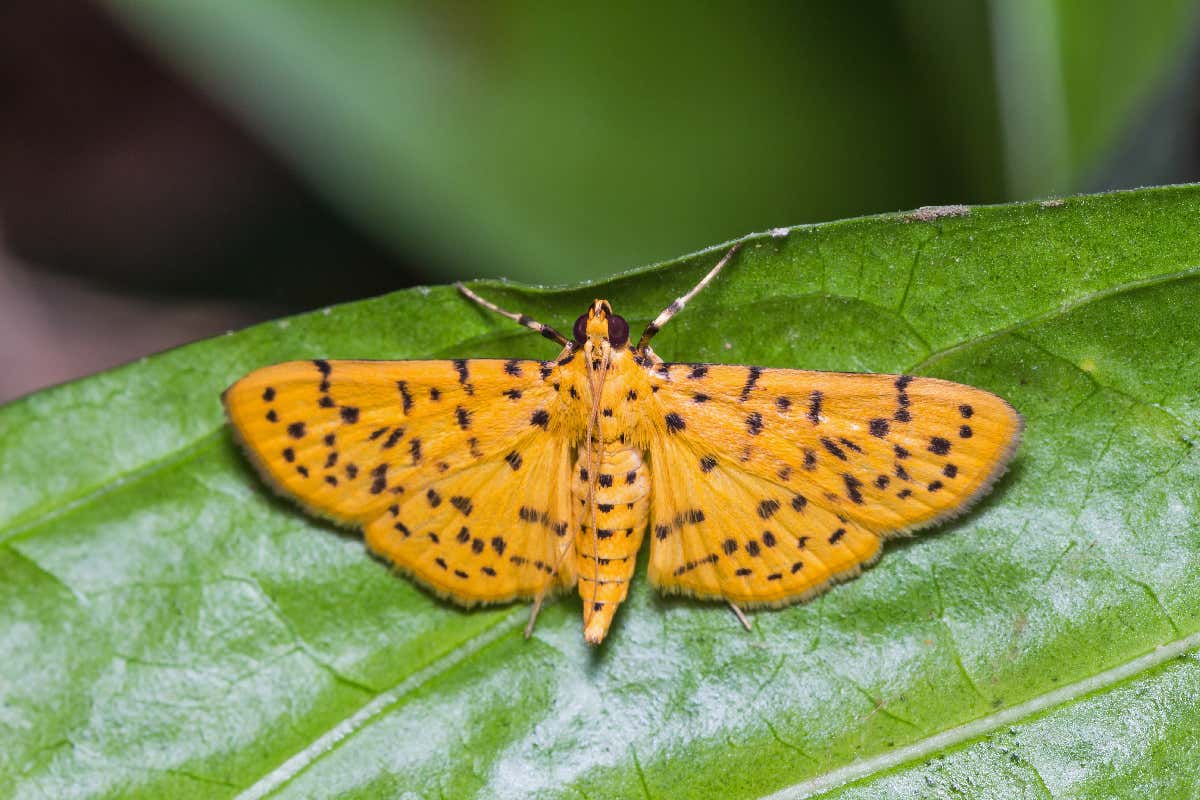
Moth species becomes more sexually active when bathed in red light

24 February 2021

An Asian-Australian moth becomes more sexually active under red light than under another colour of light or in the dark


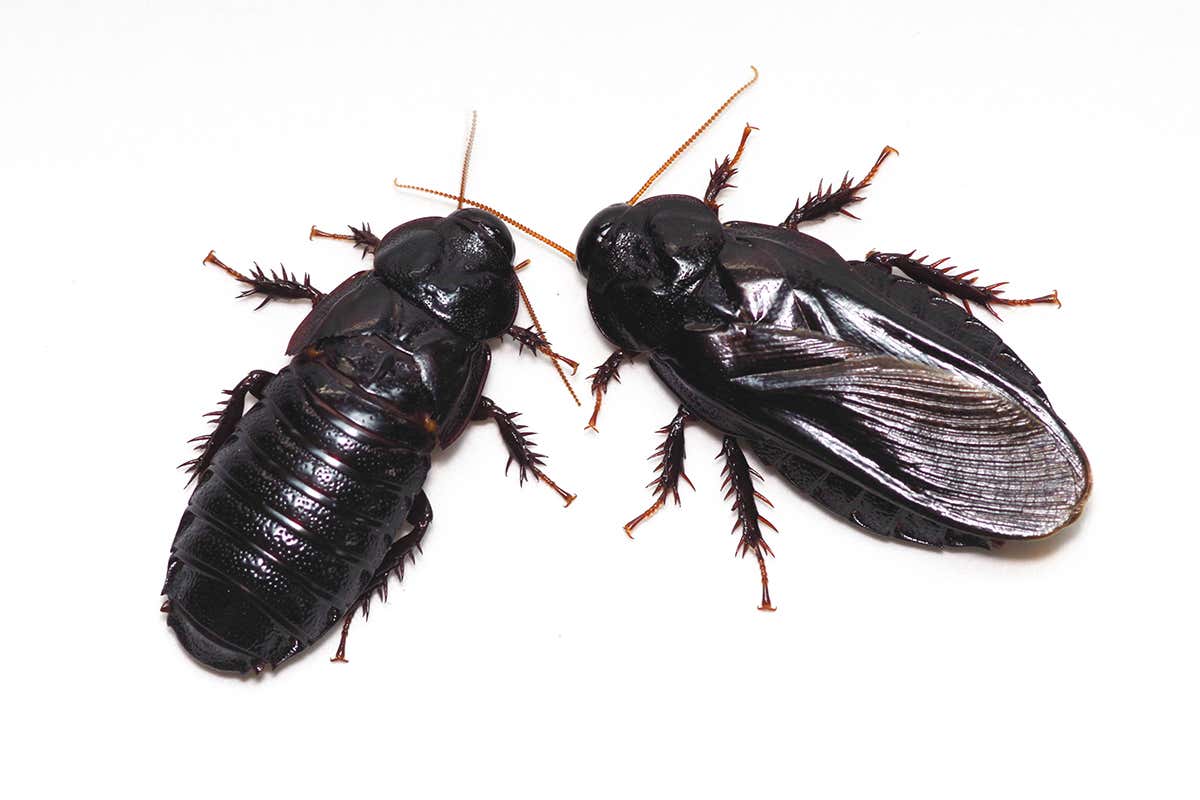
Cannibal cockroaches nibble each other’s wings after they have mated

Cannibal cockroaches nibble each other’s wings after they have mated

10 February 2021

The wood-feeding cockroach may be the only known example of a species that practices mutual sexual cannibalism – the male and female both nibble each other’s wings after mating


Sign up to our weekly newsletter

Receive a weekly dose of discovery in your inbox. We'll also keep you up to date with New Scientist events and special offers.

Sign up
Piano Exit Overlay Banner Mobile Piano Exit Overlay Banner Desktop