Subscribe now
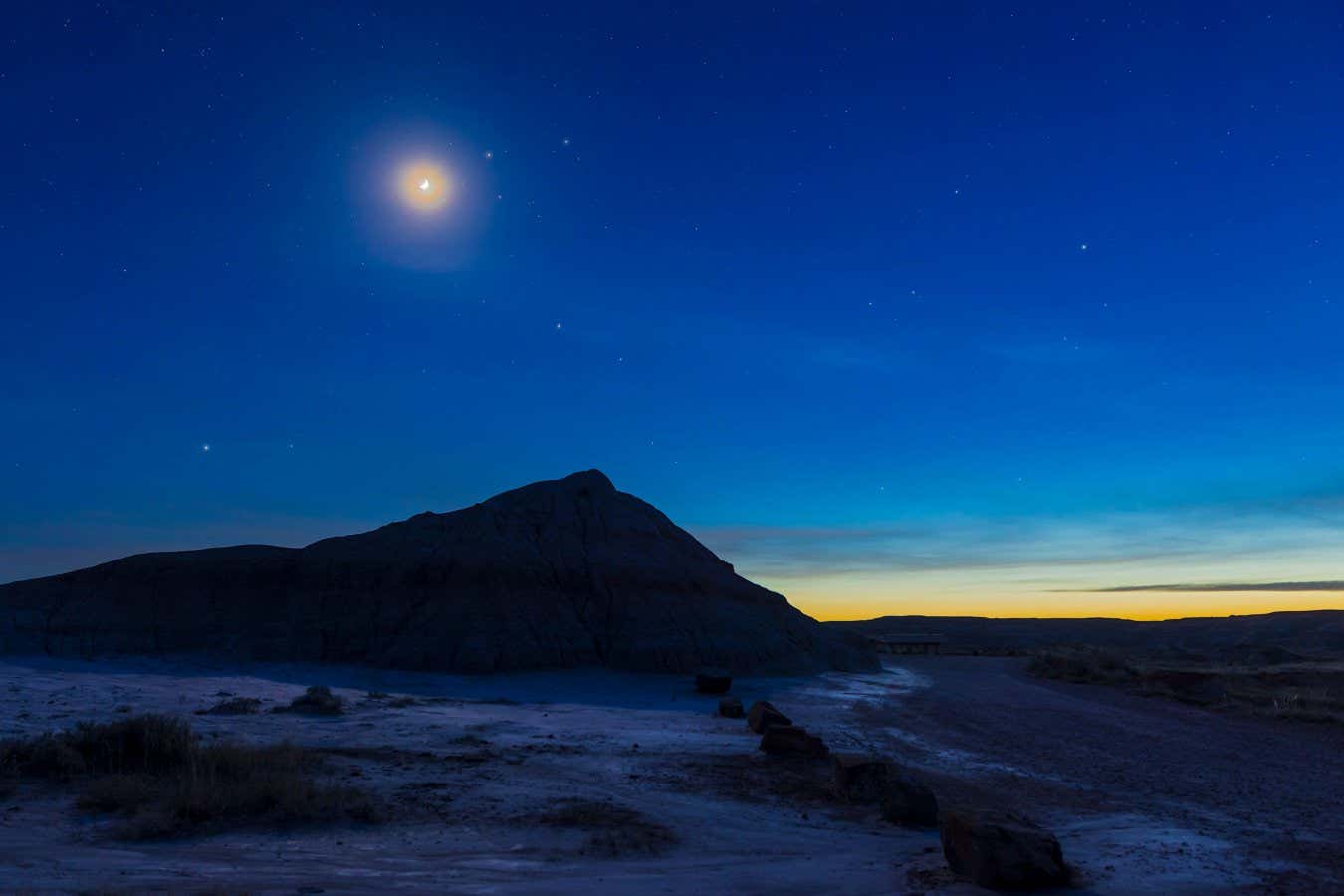
2GYKRJN The waxing crescent Moon near the stars Castor and Pollux in Gemini, with Mars below, as the last of the winter stars set into the western twilight on

How to spot Mars travelling through Gemini this week

26 April 2023

No matter where you live, Mars is currently taking a little stroll through Gemini, so it is a great time to get to know this constellation with its twin stars, Castor and Pollux, and take a look at the Red Planet too, says Abby Beall


Why Mars has captured our hopes and fears for millennia

Why Mars has captured our hopes and fears for millennia

26 October 2022

From being the celestial embodiment of warrior gods to housing canal-digging aliens, Mars has uniquely endured in the public consciousness. Even today, the Red Planet still spells adventure, says Stuart Clark


Mars is unusually close this month – here's how to spot it in the sky

Mars is unusually close this month – here's how to spot it in the sky

14 October 2020

Earth and Mars are closer this month than they have been since 2003. To spot the Red Planet, look for a bright red object towards the east after sunset or west before sunrise, says Abigail Beall


Moving to Mars – this show will help you become a real Martian

Moving to Mars – this show will help you become a real Martian

18 October 2019

From memorious clothing to wasteless habitats, the reality of living on Mars is brought home at London's Design Museum with genuine optimism


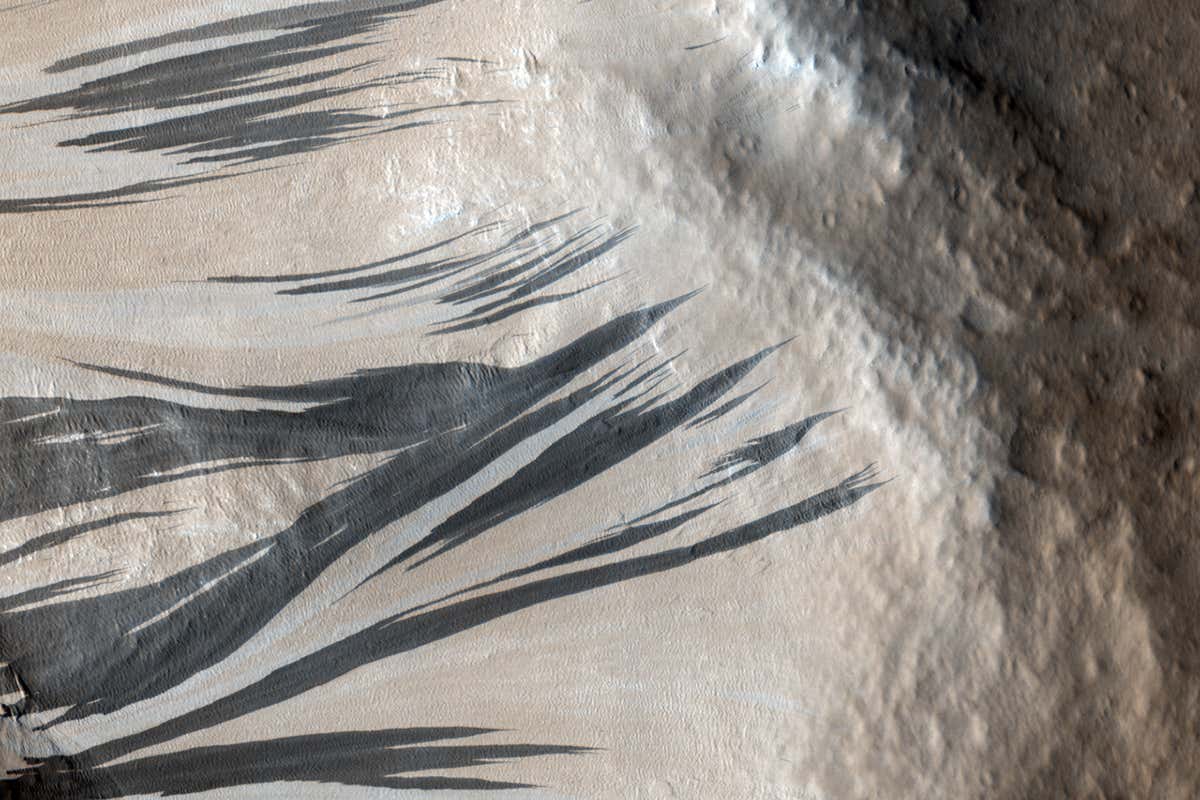
Streaky slopes on Mars

Signs of running water on Mars dunes are probably just dry sand

22 November 2017

The strange striped patterns that appear and fade away on Martian slopes were once thought to be evidence of flowing water – they’re actually made by dry sand


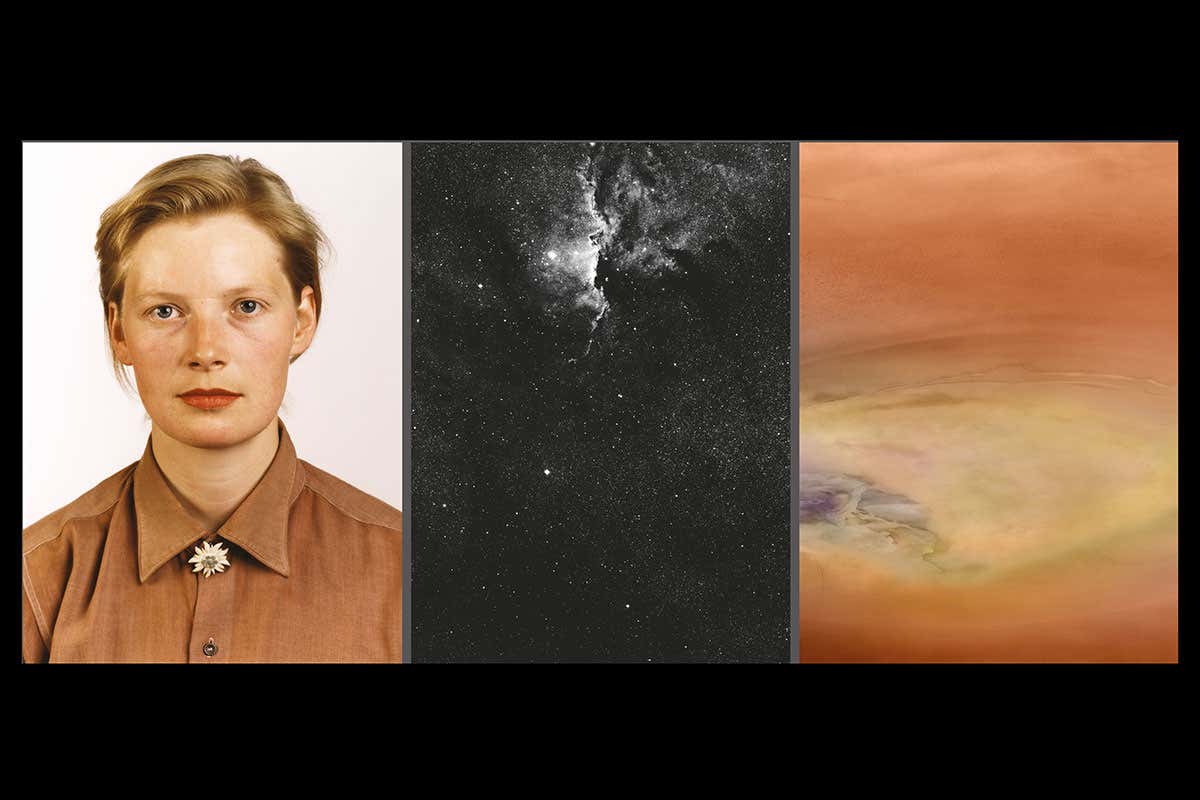
Snap decisions: Thomas Ruff's show is, literally, off colour

Snap decisions: Thomas Ruff's show is, literally, off colour

28 September 2017

A photographer once known for reimagining portraiture now gives astronomy a disconcerting makeover at London’s Whitechapel Gallery


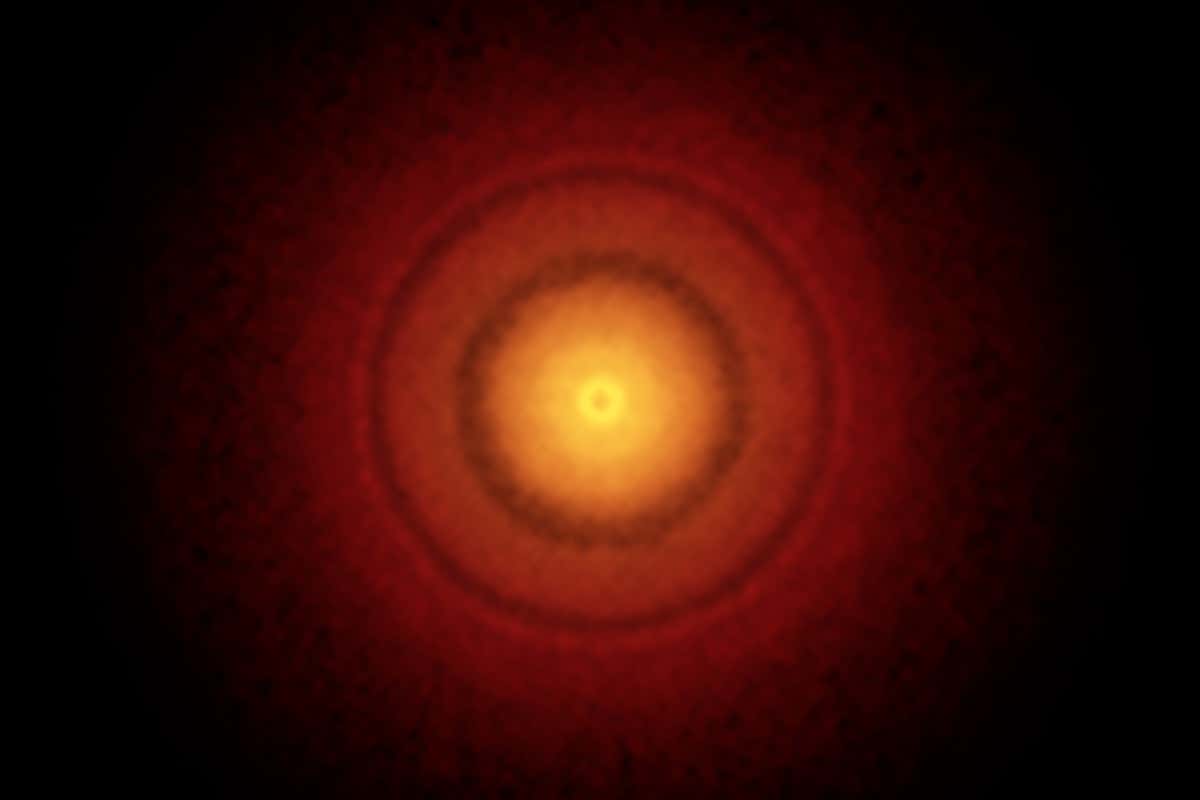
Protoplanetary disc around young star TW Hydrae.

Earth may have been born in a huge flare-up of the young sun

8 May 2017

A sudden brightening of the infant sun – called an FU Orionis outburst – could have melted dust grains and made them stick together, building our world


Sign up to our weekly newsletter

Receive a weekly dose of discovery in your inbox. We'll also keep you up to date with New Scientist events and special offers.

Sign up
Piano Exit Overlay Banner Mobile Piano Exit Overlay Banner Desktop