Subscribe now
The universe is expanding too fast, and that could rewrite cosmology

The universe is expanding too fast, and that could rewrite cosmology

25 November 2020

Different measurements of the Hubble constant, the rate of space-time expansion, refuse to agree – meaning we may have to look beyond Einstein’s theories to explain the universe
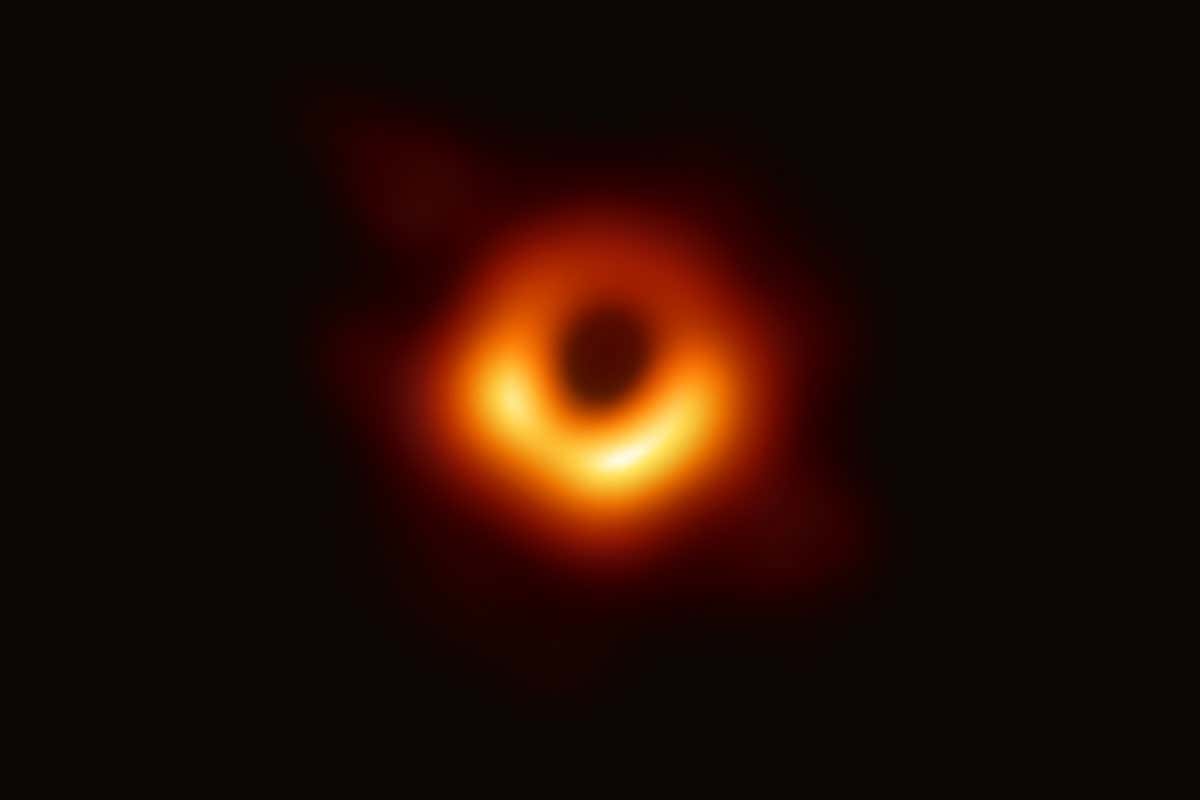
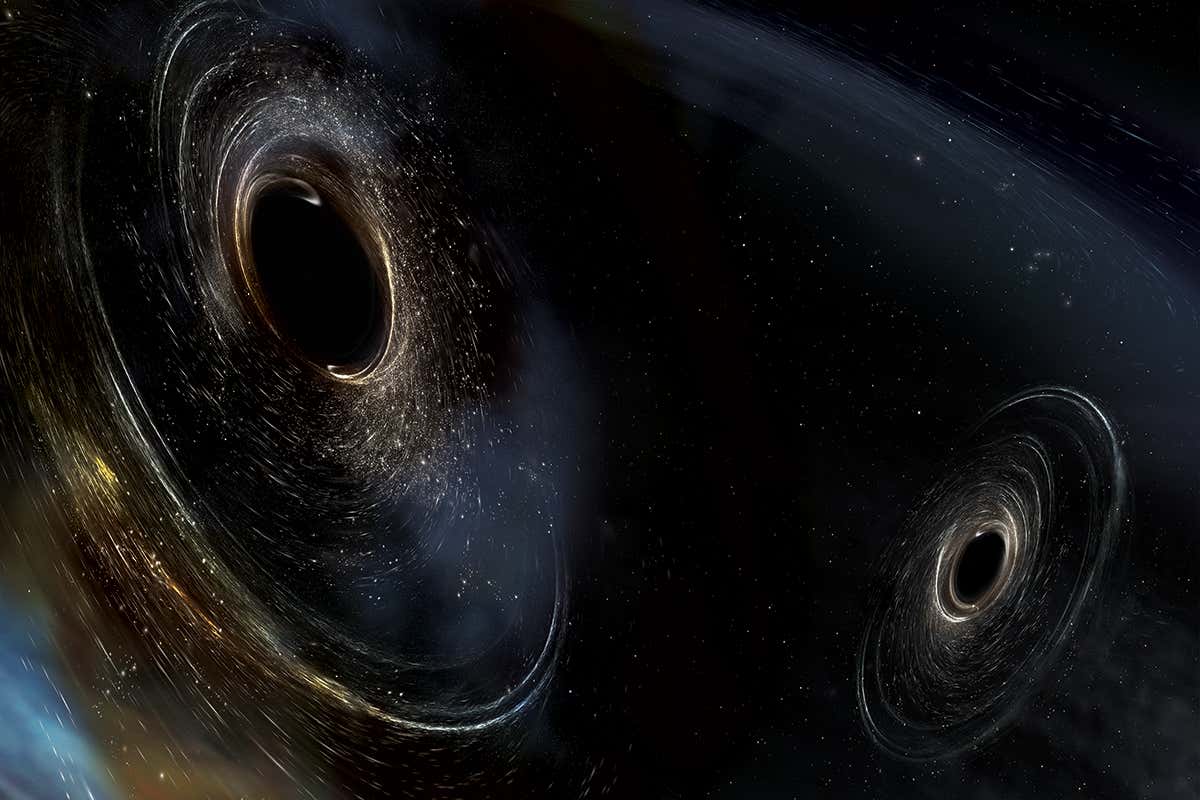
Black holes are hiding movies of the universe in their glowing rings

Black holes are hiding movies of the universe in their glowing rings

29 July 2020

A faint fuzzy glow around the first black hole image last year baffled astronomers. Now we know what it contains – and it’s more bizarre than we ever imagined


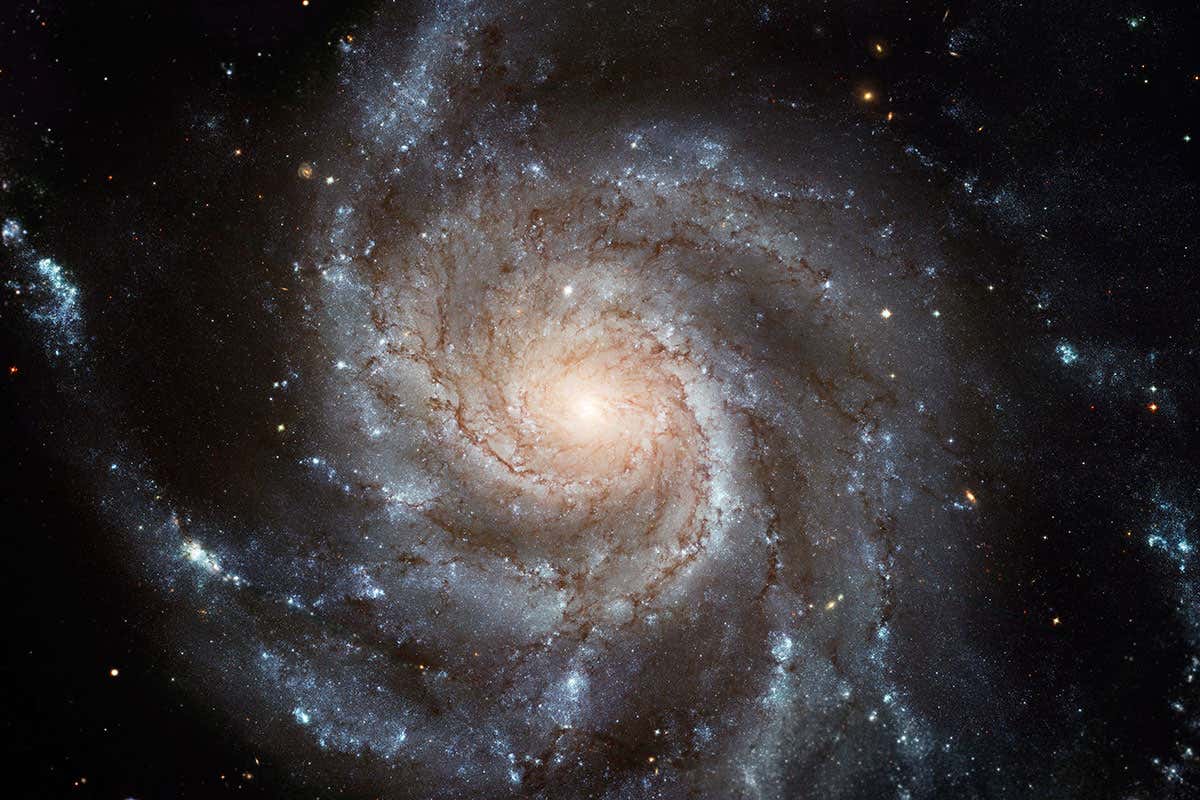
Dust is annoying, but it is also key to life and death in the cosmos

Dust is annoying, but it is also key to life and death in the cosmos

2 October 2019

Dust gives us trouble, whether at home or in space, but it plays a key role in star formation and destruction, and in allowing us to understand huge objects like galaxies says Chanda Prescod-Weinstein


Emma Chapman: The first stars in the universe

Emma Chapman: The first stars in the universe

7 November 2018

Astrophysicist Emma Chapman explains how she is peering back into the depths of time to reveal what the first ever stars can tell us.


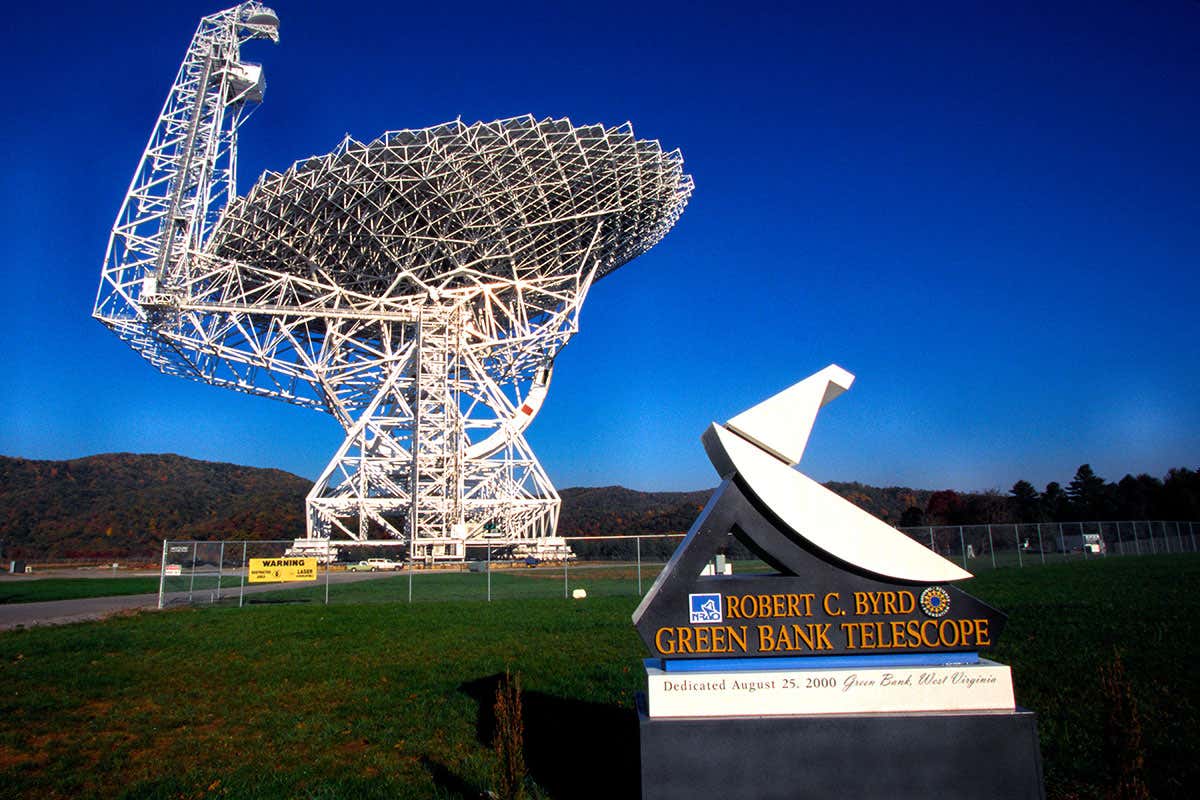
We’ve just seen 15 new mysterious cosmic radio bursts from space

We’ve just seen 15 new mysterious cosmic radio bursts from space

30 August 2017

Breakthrough Listen detected more radio pulses from the famous repeating source FRB 121102. They’re higher frequency than previous ones but we still don’t know what causes them


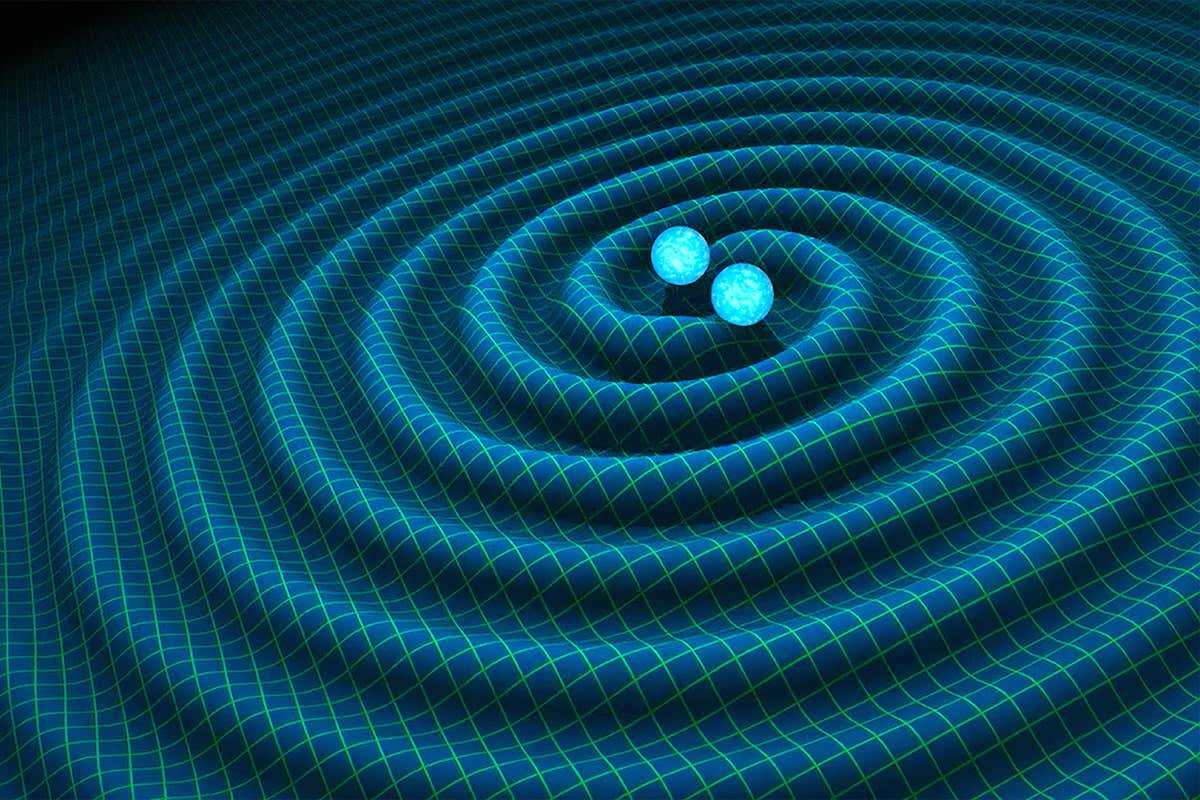
LIGO’s third detection hints at how black hole binaries are born

LIGO’s third detection hints at how black hole binaries are born

1 June 2017

The latest signal from the gravitational wave detector backs up Einstein’s theory of general relativity and gives more clues on how black holes get their spin


LIGO could detect gravitational waves’ permanent space-time warp

LIGO could detect gravitational waves’ permanent space-time warp

19 May 2017

When gravitational waves permanently distort space-time, it causes a “memory” signal – which may help LIGO find some of the universe’s most exotic objects


Sign up to our weekly newsletter

Receive a weekly dose of discovery in your inbox. We'll also keep you up to date with New Scientist events and special offers.

Sign up
Piano Exit Overlay Banner Mobile Piano Exit Overlay Banner Desktop