Subscribe now

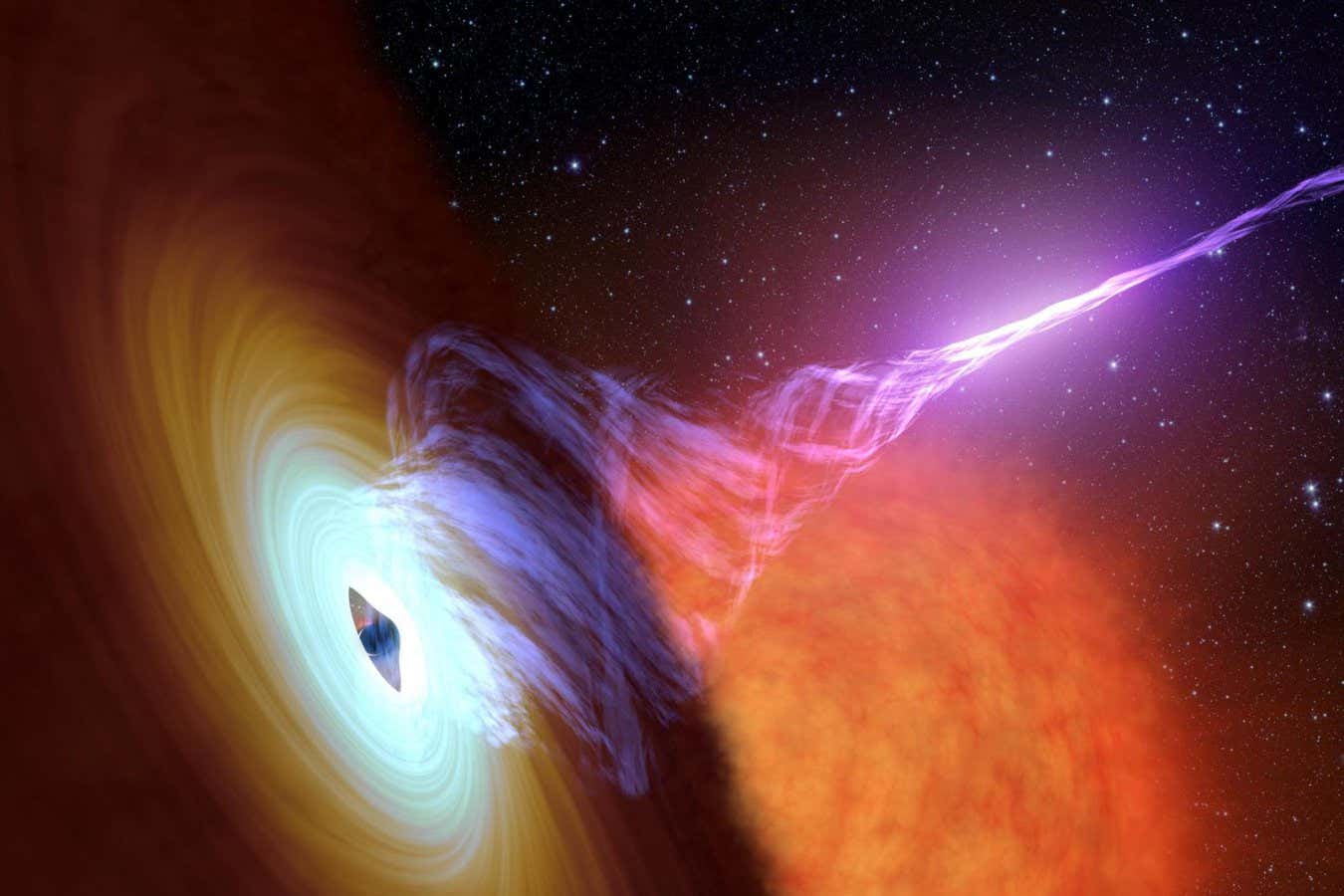
Most newborn black holes spew gas so hard they almost stop spinning

12 February 2024

When black holes are born from collapsing stars, they emit a short-lived jet that may slow down the black hole’s rotation to nearly a standstill
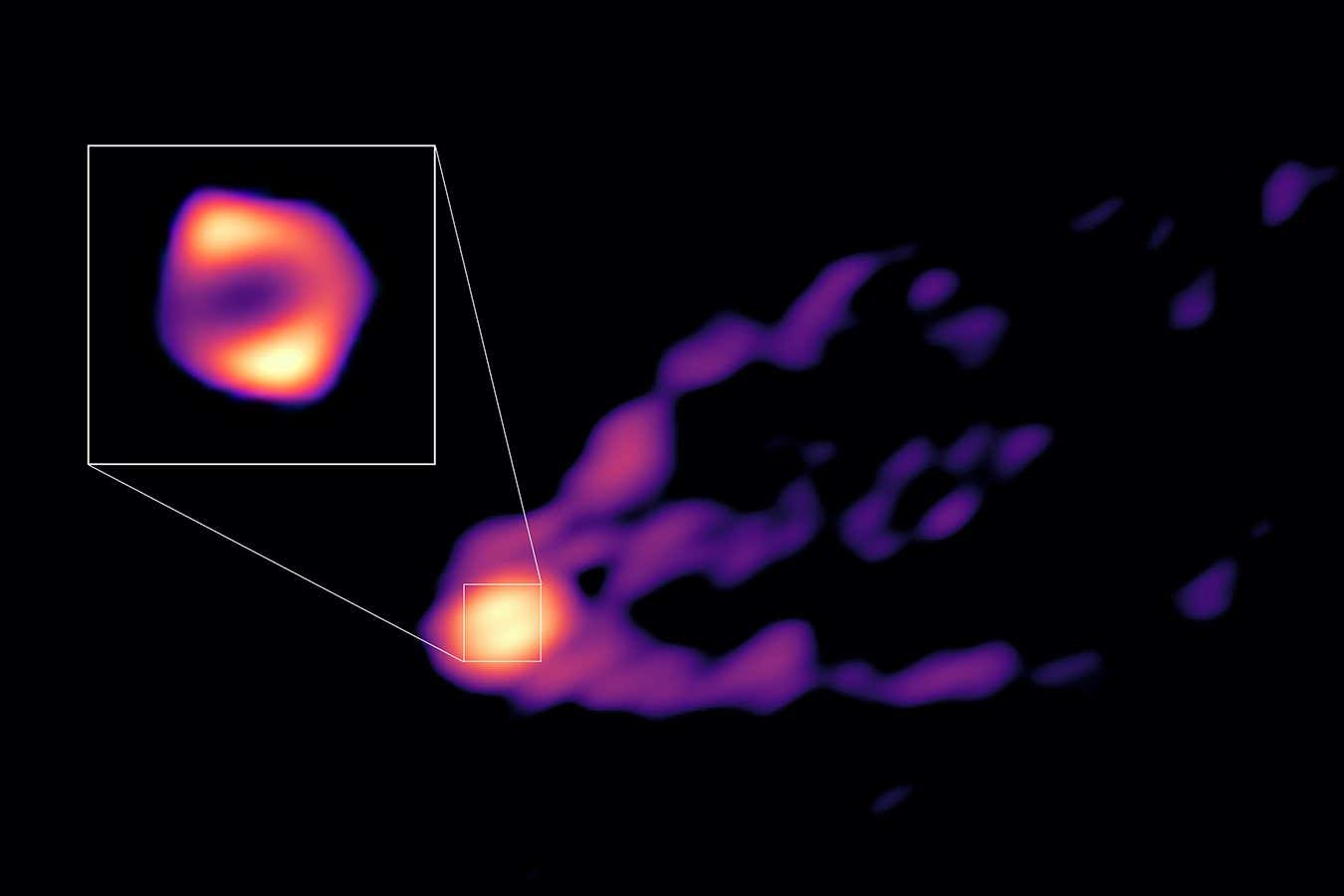

A new image of a supermassive black hole has revealed more of the disc of matter falling into it and the powerful winds created by that process. The black hole in question is called M87*, and it was the subject of the first direct image of a black hole ? this new data will help researchers complete the picture.

Detailed image of supermassive black hole shows its powerful jet

26 April 2023

An image of a black hole called M87* shows never-before-seen details of matter falling into its centre and a jet shooting out of it, which has given astronomers a better understanding of the dynamics around this behemoth
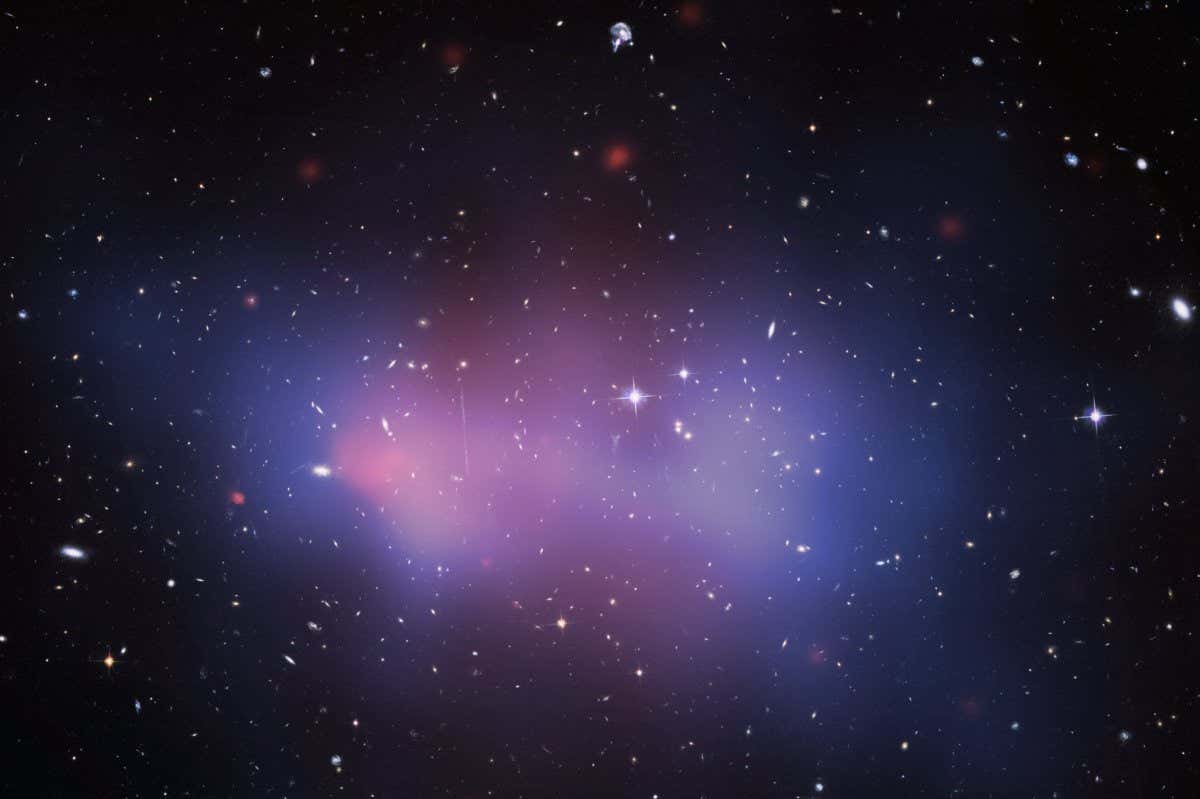

The giant El Gordo galaxy cluster

JWST spots smallest galaxy outside our local universe

21 October 2022

The James Webb Space Telescope has glimpsed the smallest galaxy outside our local universe – and it is a thousand times less massive than the Milky Way
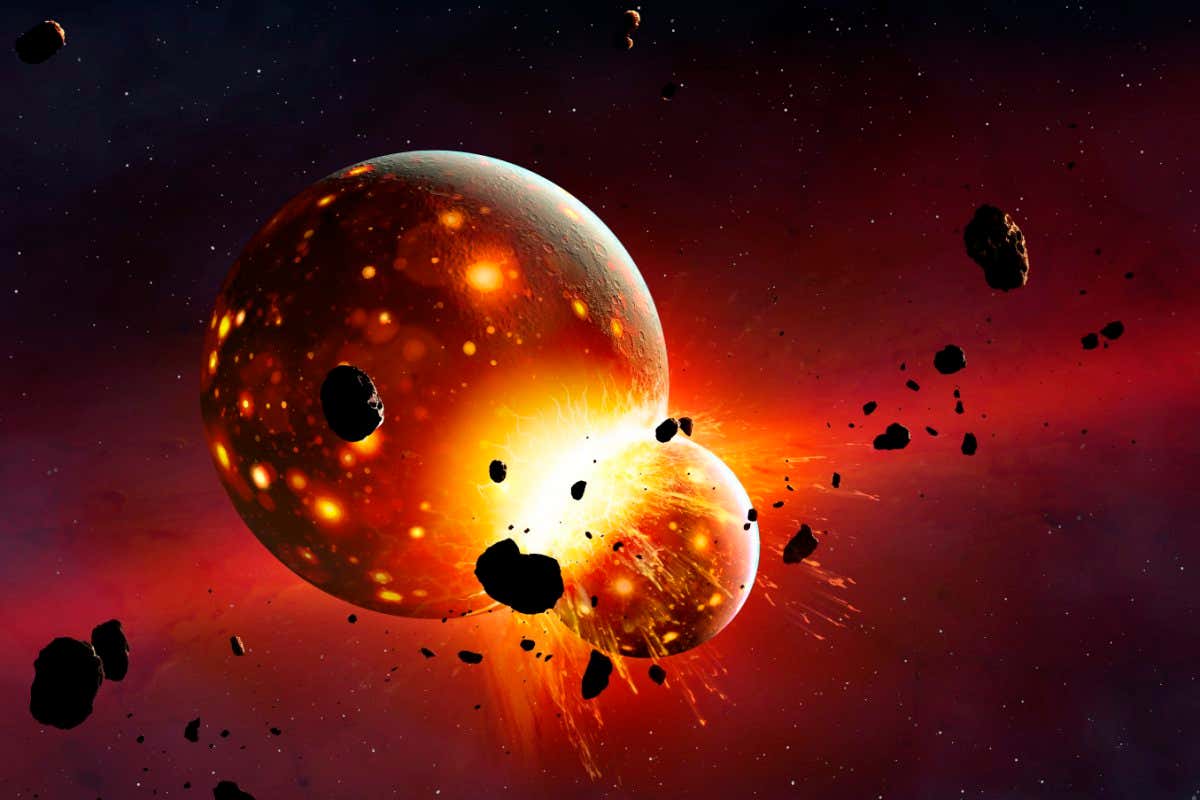

Artwork of the young Earth-Moon system. The Earth had recently formed when it was struck by a protoplanet called Theia roughly three times the size of Mars. Debris from the impact went into orbit, while the cores of the two planets merged. Within weeks of the event, the debris formed a Saturn-like ring around the Earth. Later collisions in this ring led to the formation of the Moon, probably within just a few thousand years. Initially the Earth and Moon were much closer together than they are now, and spinning more quickly.

Moon mystery could be solved by simulation of planetary smash-up

11 March 2022

The moon is thought to have been created in a violent collision, and a new simulation of the event could answer questions that have puzzled astrophysicists
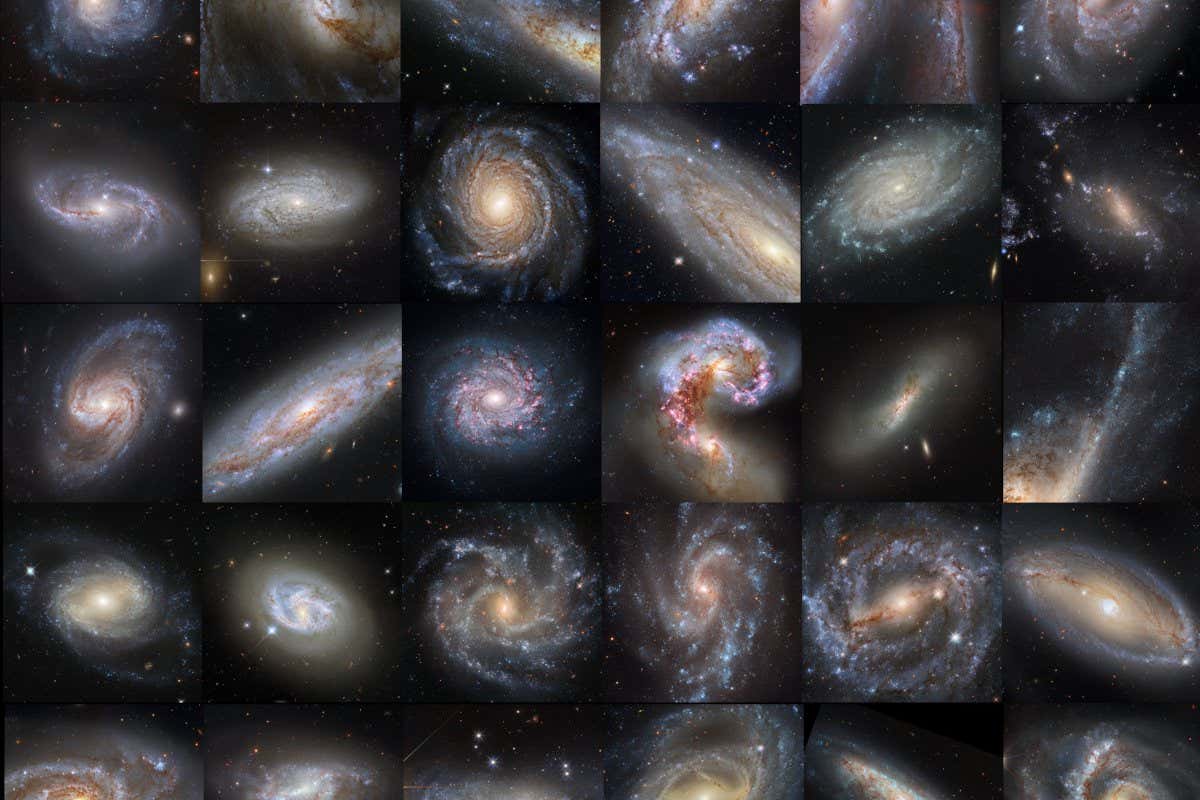

Figure 4. Pseudo-color images of all Cepheid-bearing galaxies analyzed in this work.

It’s official – we don’t know how fast the universe is expanding

20 January 2022

The Hubble constant describes how fast the universe is expanding, but our measurements won’t line up, which may mean our standard model of the universe is wrong
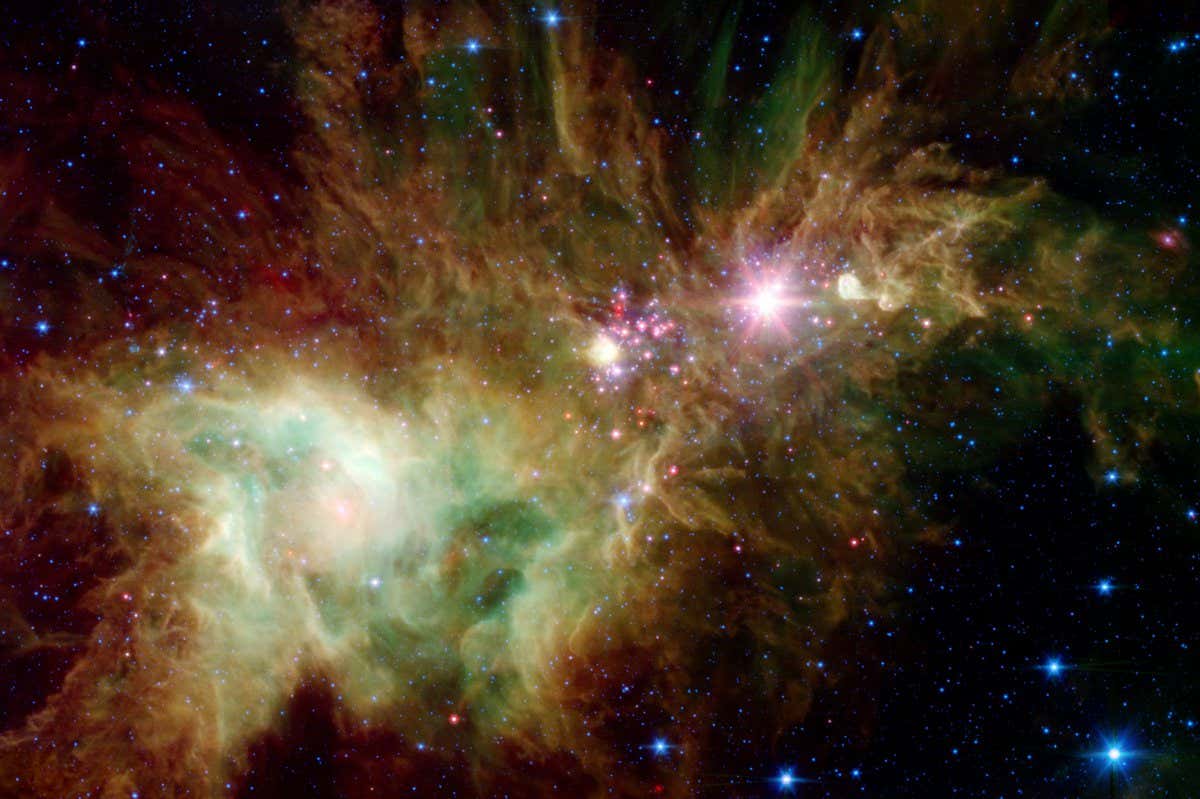

Newborn stars, hidden behind thick dust, are revealed in this image of a section of the so-called Christmas Tree Cluster from NASA's Spitzer Space Telescope. The newly revealed infant stars appear as pink and red specks toward the center and appear to have formed in regularly spaced intervals along linear structures in a configuration that resembles the spokes of a wheel or the pattern of a snowflake. Hence, astronomers have nicknamed this the

Sun-like stars may go through brighter phases as they grow up

2 December 2021

Computer modelling supports the idea that nascent stars brighten dramatically during growth spurts, which could explain an astrophysical mystery
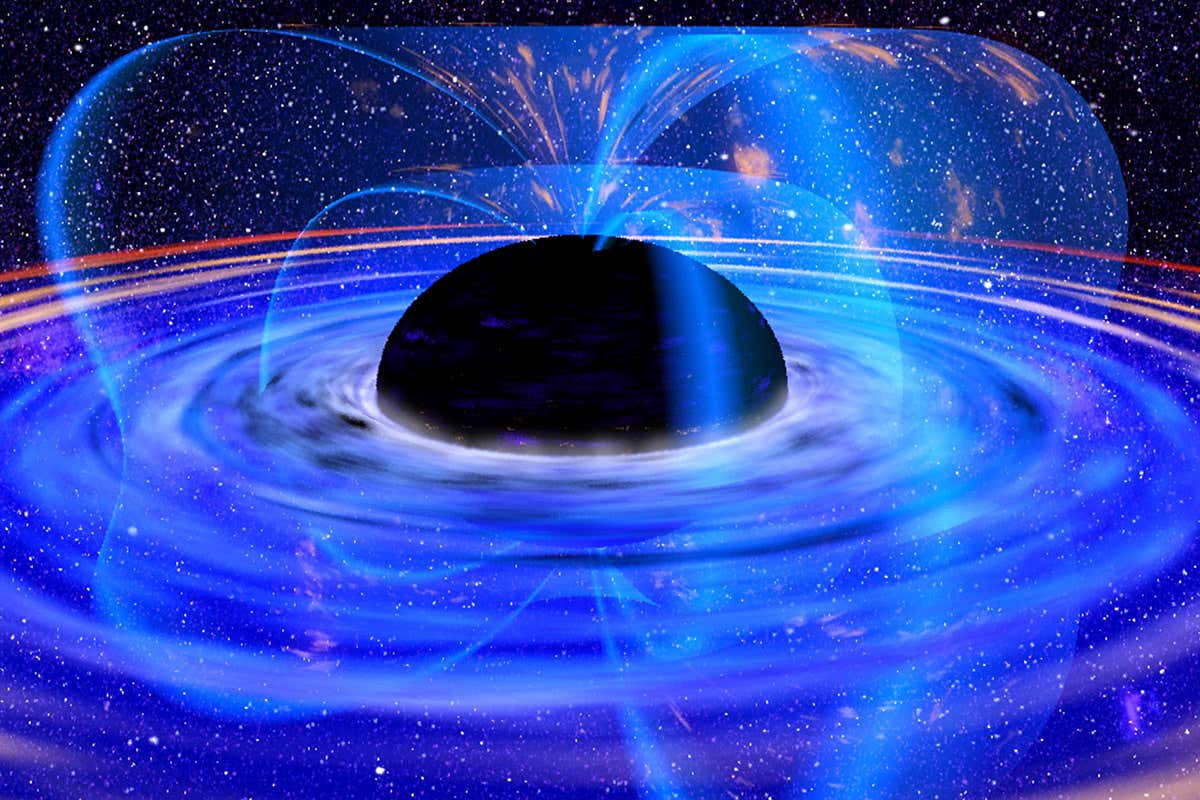

Black holes leak energy when they eat plasma near the event horizon

Black holes leak energy when they eat plasma near the event horizon

8 January 2021

When magnetic fields around a black hole reconnect, they can slow down plasma particles near the event horizon, which cause the black hole to lose energy when it swallows them
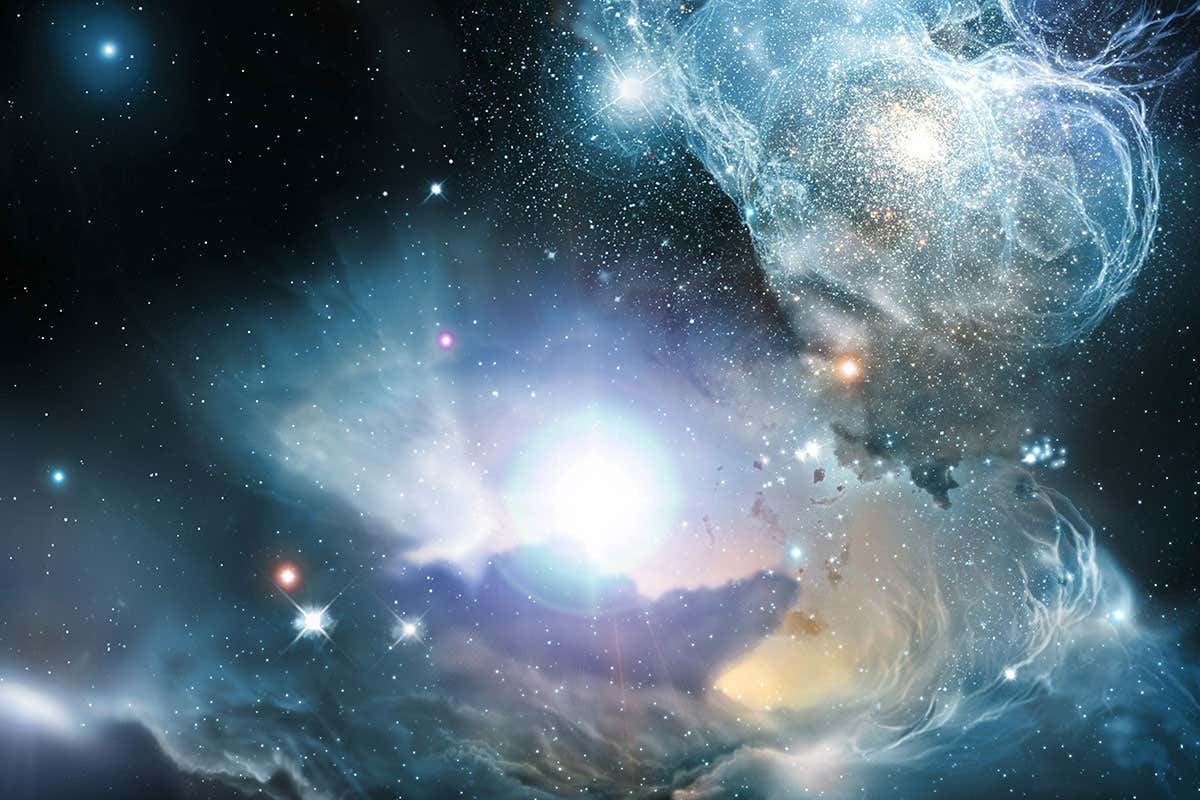

Above, an artist's impression shows a primordial quasar as it might have been, surrounded by sheets of gas, dust, stars and early star clusters. Exacting observations of three distant quasars now indicate emission of very specific colors of the element iron. These Hubble Space Telescope observations, which bolster recent results from the WMAP mission, indicate that a whole complete cycle of stars was born, created this iron, and died within the first few hundred million years of the universe.

Massive simulation of the universe shows how galaxies form and die

18 November 2019

A sophisticated computer simulation of the universe, approximately 1 billion light years across, is modelling tens of thousands of galaxies
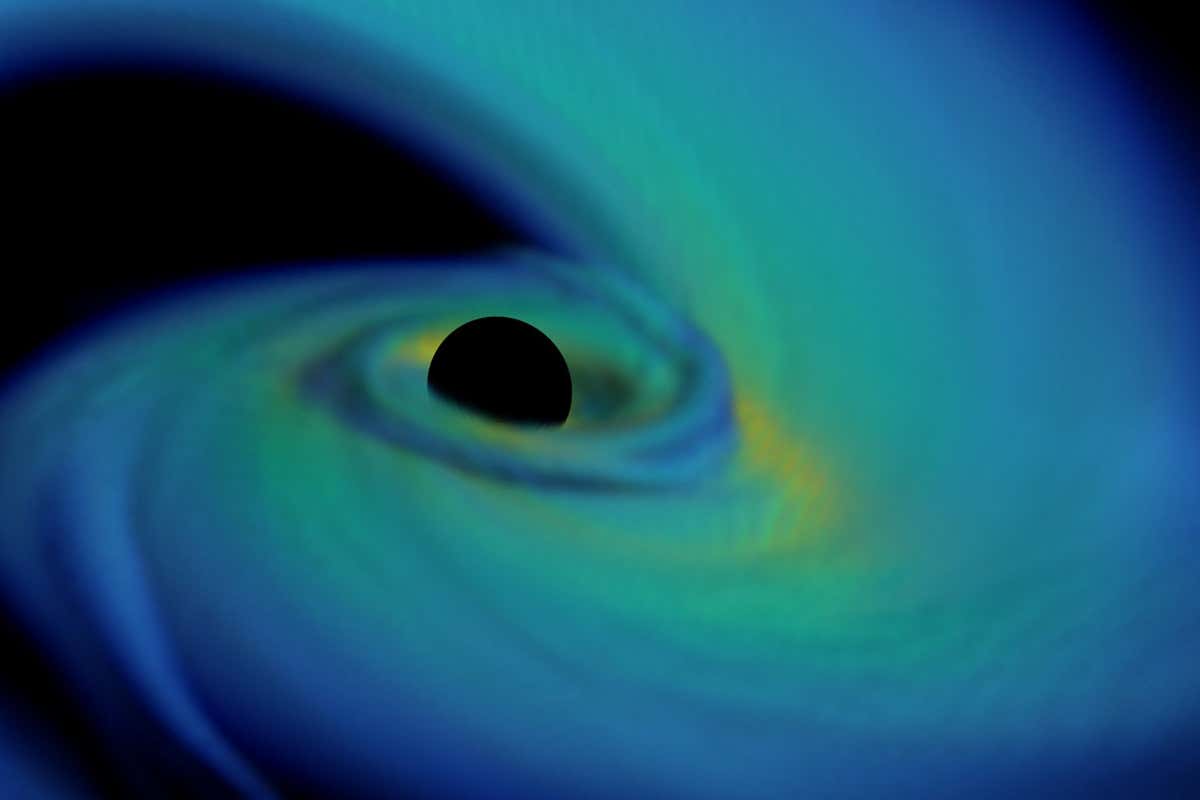

Black hole-neutron star merger

LIGO may have just spotted a black hole devouring a neutron star

30 April 2019

In a cosmic clash of the titans, we may have just spotted a black hole eat a neutron star - the first collision seen between a mixed pair of these massive objects
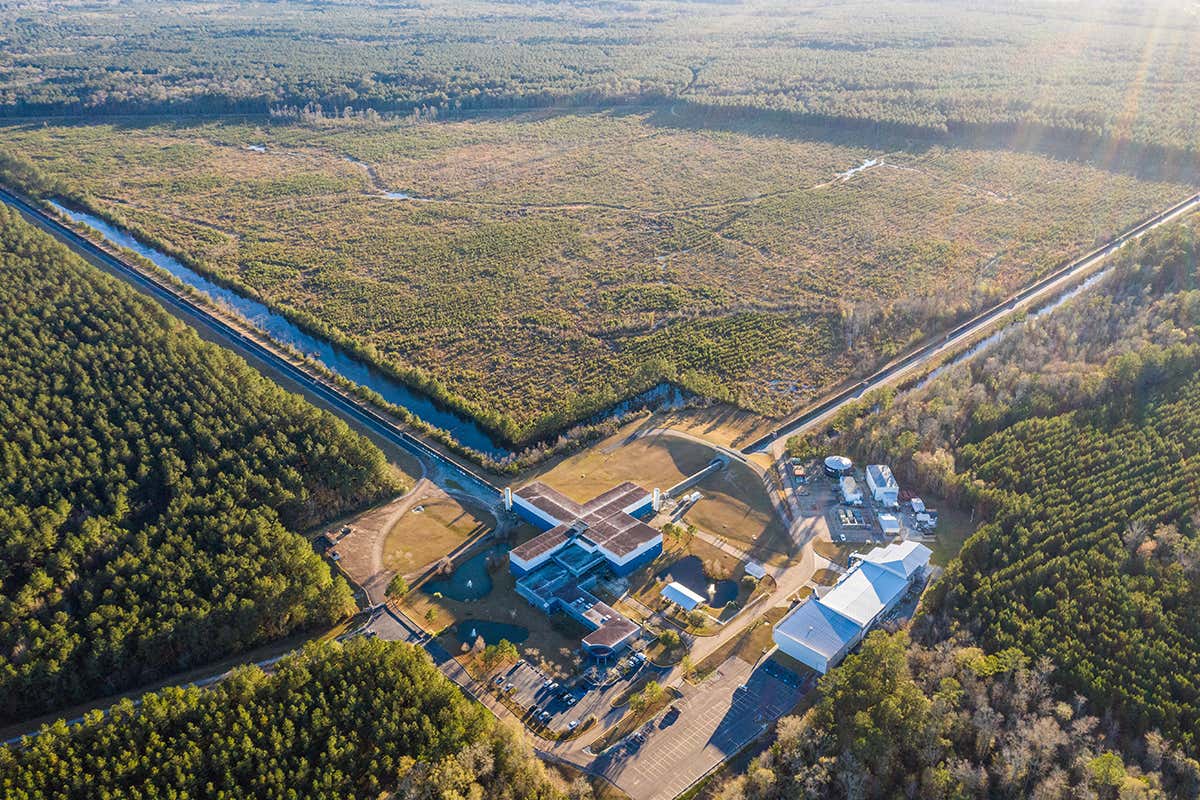

One of LIGO's gravitational wave detectors

LIGO has spotted another gravitational wave just after turning back on

9 April 2019

One week after LIGO switched back on, it has already detected the gravitational waves from another pair of merging black holes, marking the beginning of a new era of gravitational wave astronomy


Sign up to our weekly newsletter

Receive a weekly dose of discovery in your inbox. We'll also keep you up to date with New Scientist events and special offers.

Sign up
Piano Exit Overlay Banner Mobile Piano Exit Overlay Banner Desktop