
Cutting pesticide use on farms doubles abundance of wild pollinators
18 July 2023
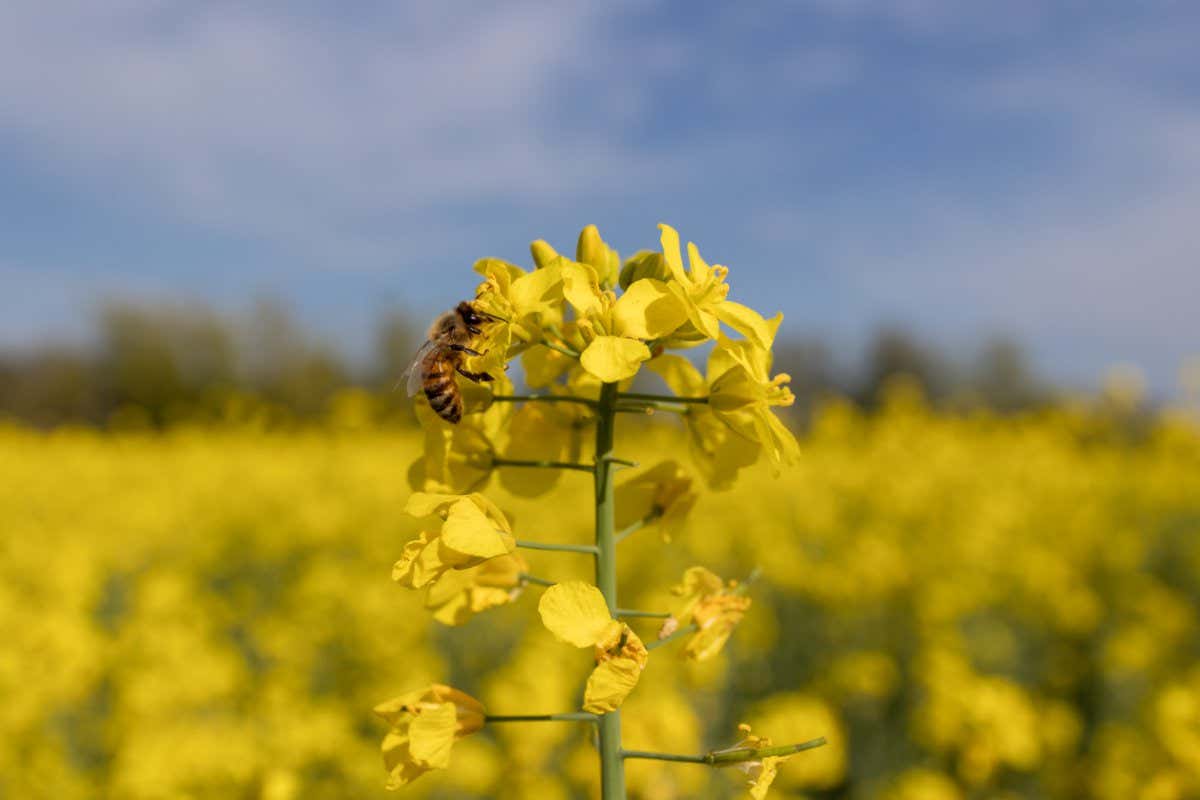
In a three-year study on US farms, the numbers of wild pollinators and commercial bees were much higher in fields where pesticides were applied only when needed
18 July 2023
In a three-year study on US farms, the numbers of wild pollinators and commercial bees were much higher in fields where pesticides were applied only when needed
27 June 2023
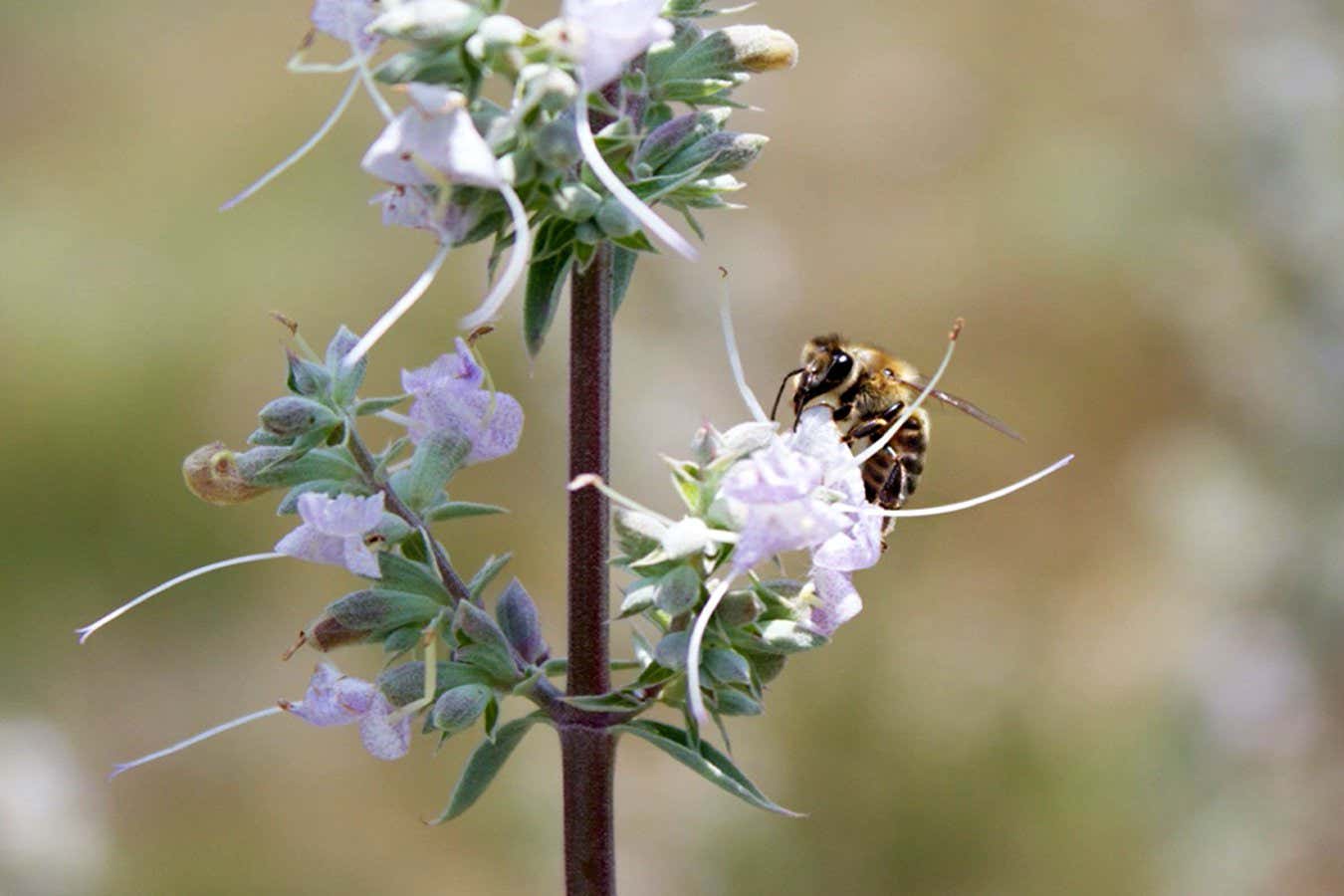
Honeybees brought to the US from Europe and Africa tend to move pollen between flowers on the same plant more than native bees do. This appears to lower the quality of some plants’ offspring
12 June 2023
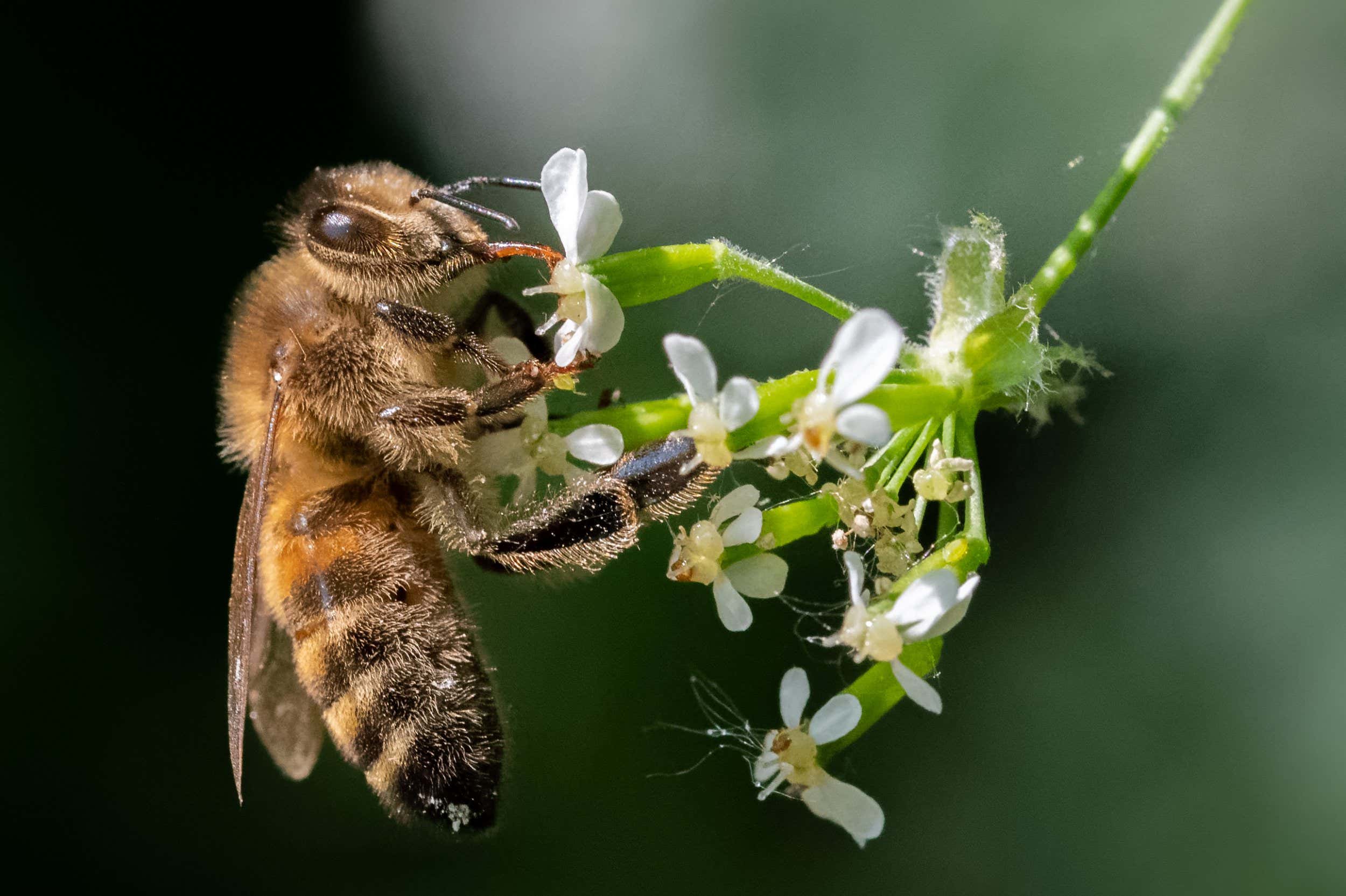
The fungal parasite Nosema is deadly to honeybee colonies and evolving resistance to fungicides, but engineered bacteria may help bees resist infection
1 June 2023
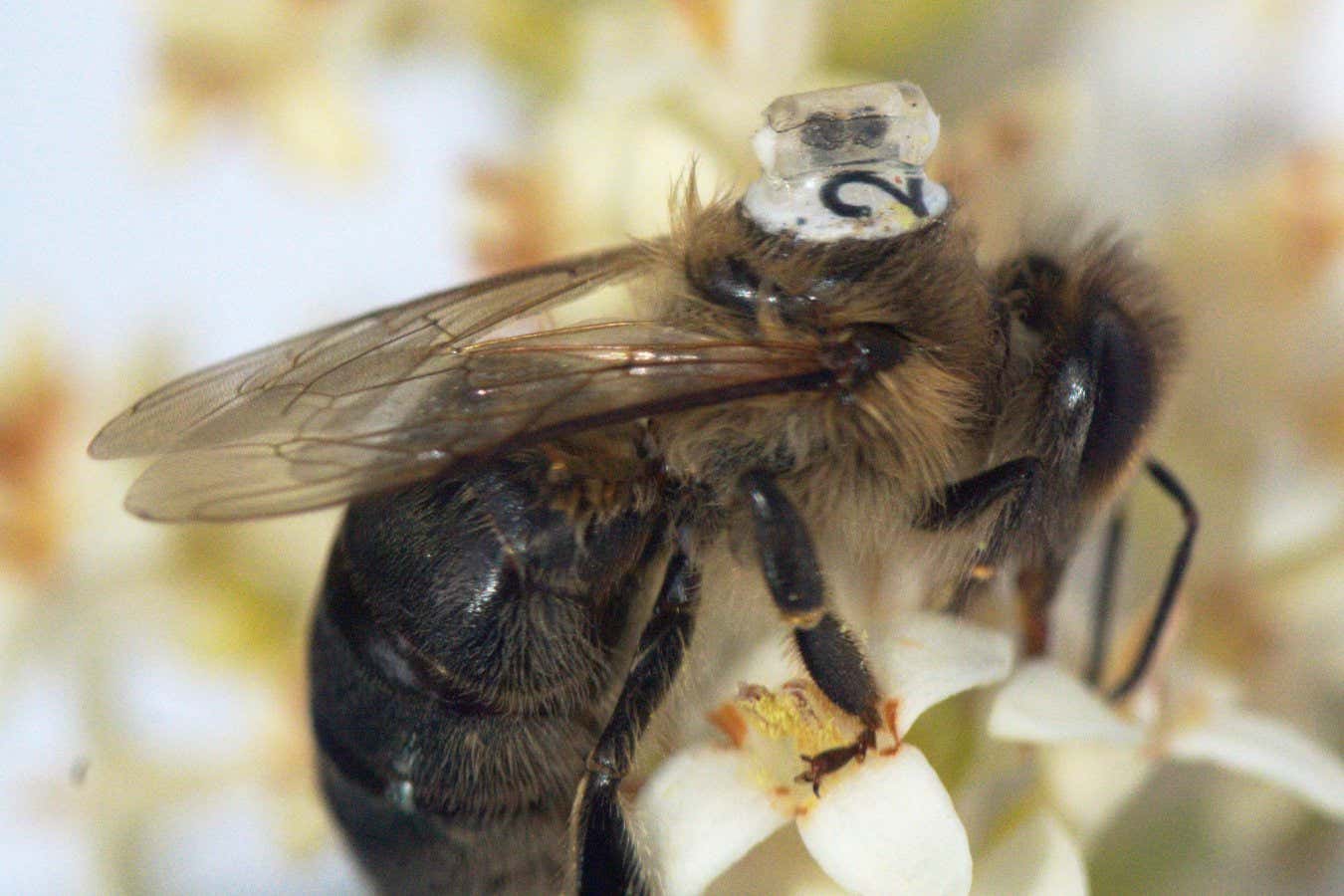
A sensor around a millimetre in size has been tested to monitor a honeybee flying around some flowers. It could also work for medical monitoring inside a person's body
12 May 2023
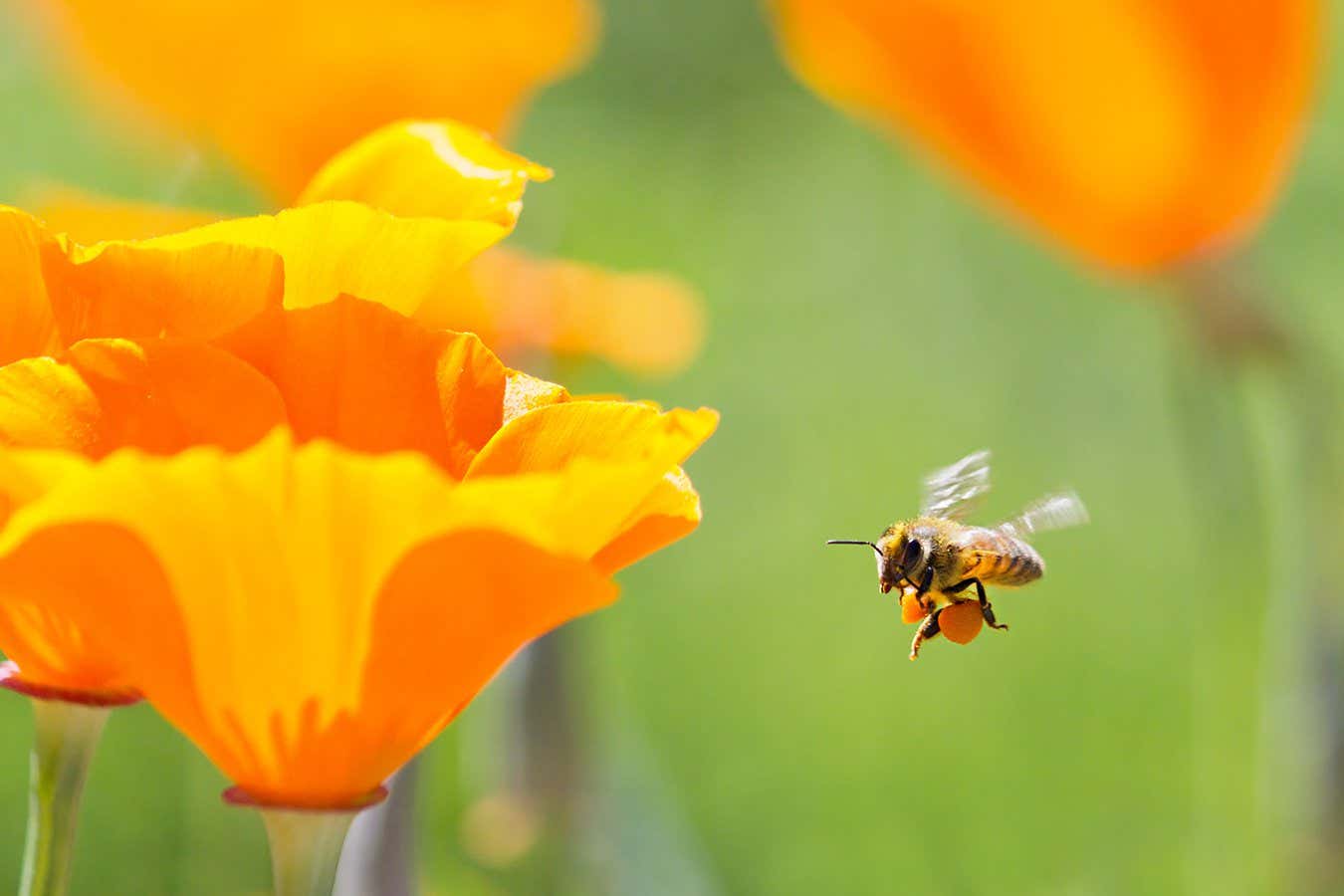
Transmission towers emit electromagnetic fields that can disrupt honeybees’ ability to pollinate nearby plants, which could reduce biodiversity in these areas
16 April 2023
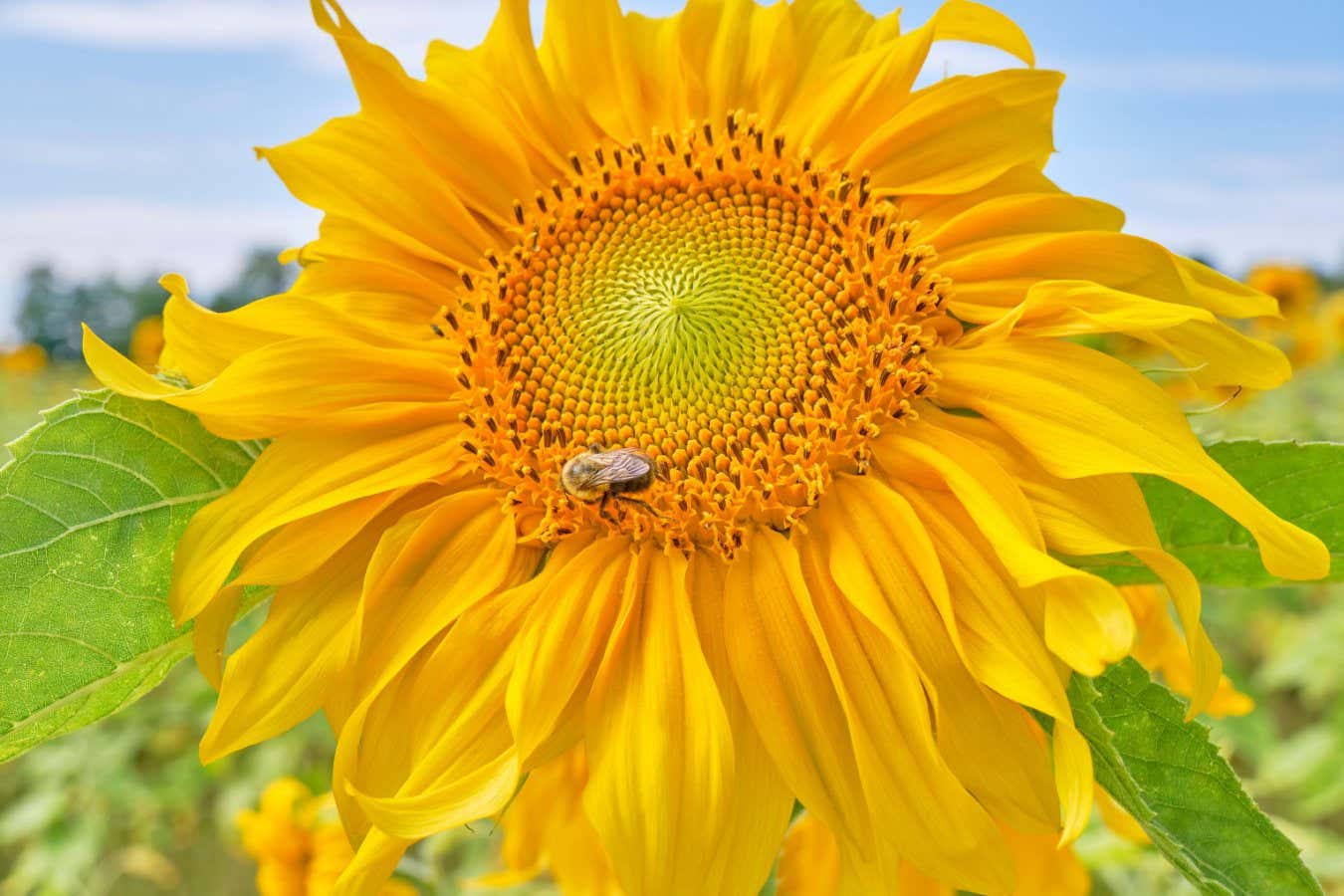
Sunflower pollen’s spiky texture dramatically reduces the prevalence of a widespread gut parasite in eastern bumblebees
12 April 2023
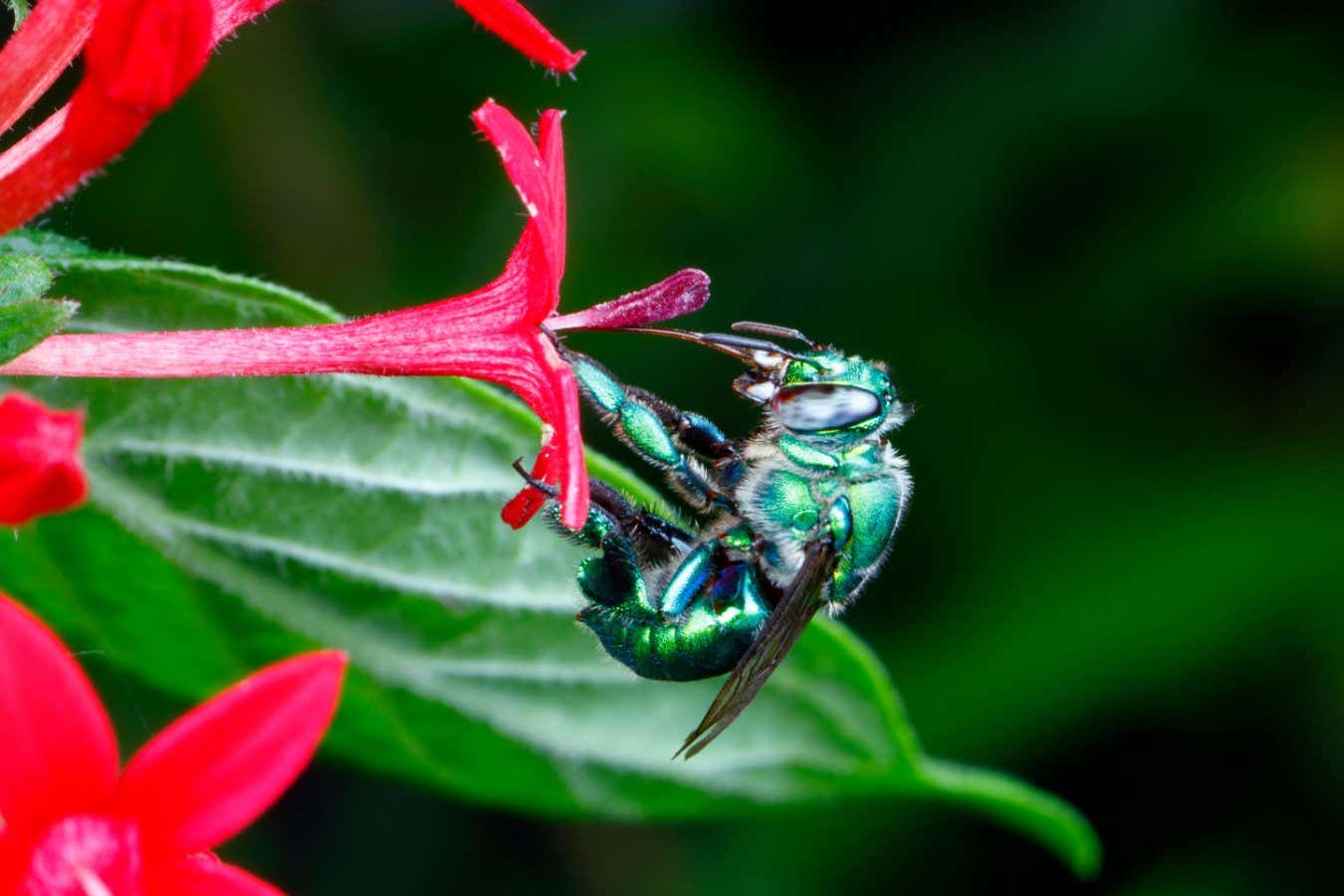
The function of the mysterious perfume blended by male orchid bees from the flowers they visit has finally been figured out
2 April 2023
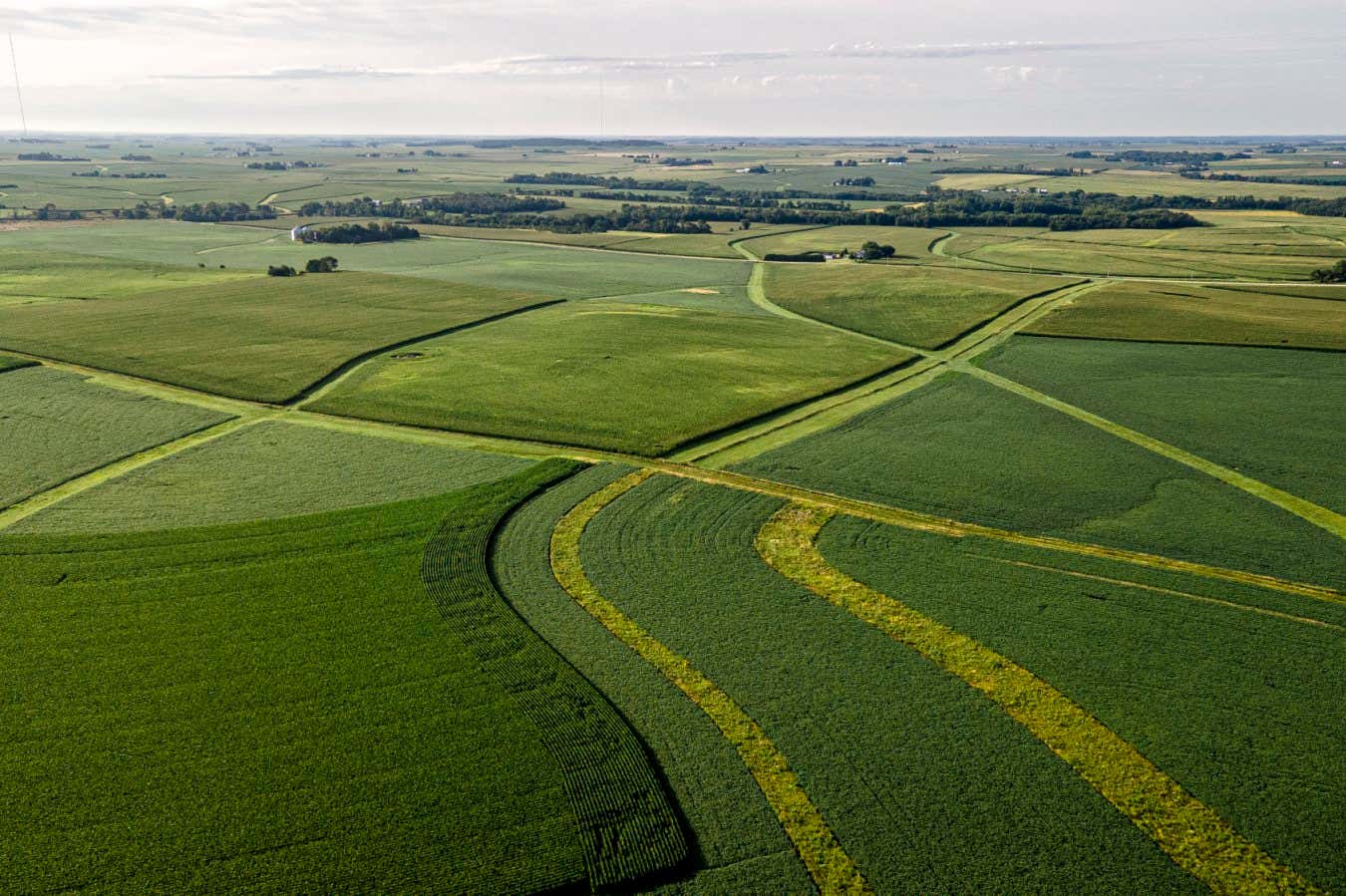
Prairie strips, areas of wild vegetation within intensive farms, are associated with bee colonies collecting more pollen, growing larger and having better winter survival rates
15 February 2023
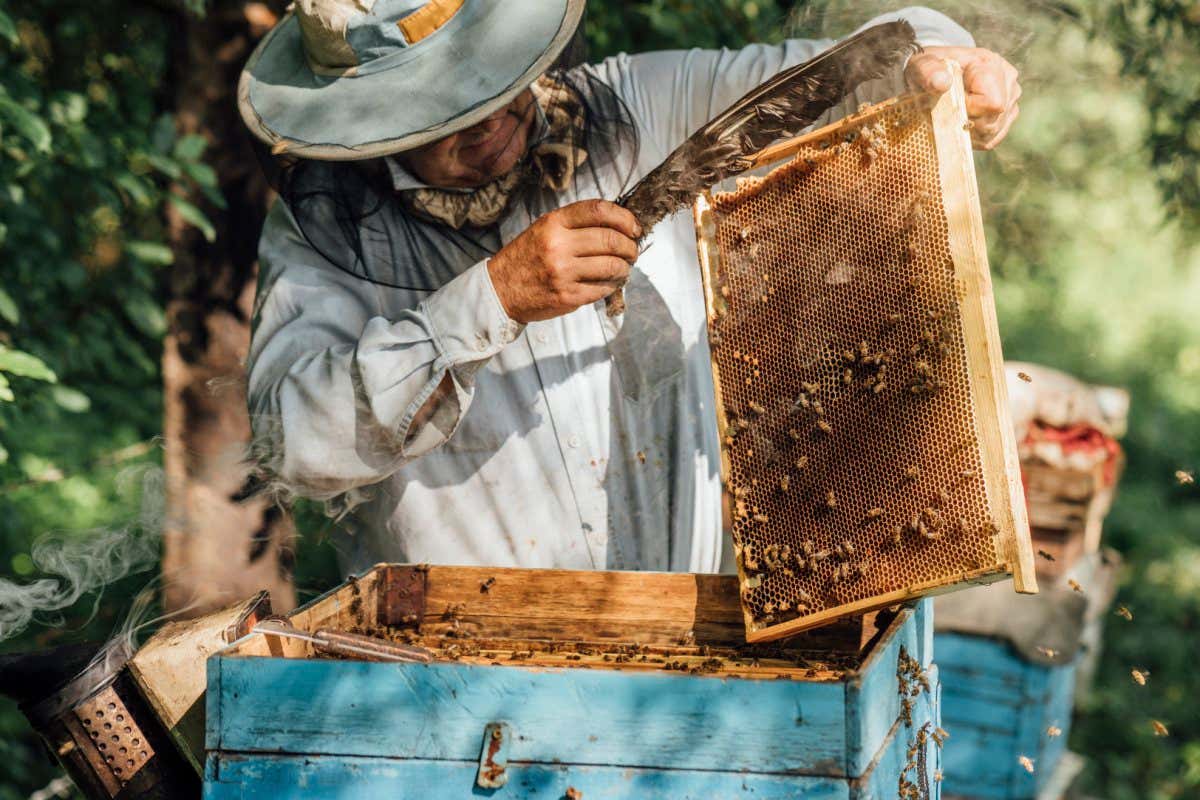
In Montreal, Canada, the diversity of wild bee species has fallen in areas where honeybee colonies have proliferated
21 December 2022
Inadequate numbers of bees and other pollinators have a huge impact on human health due to lower production of fruit and vegetables, according to a modelling study
