Subscribe now
Jon Spooner (left) meets Apollo astronaut Al Worden in the Space Shed

Come down to New Scientist Live 2019 at London's ExCel today

30 August 2019

Everything you need to know about the world’s greatest science festival which returns to ExCeL in London from 10 to 13 October 2019. Buy tickets on the door and meet astronaut Tim Peake and see hundreds of amazing talks.

arrows

It's not an illusion, you have free will. It's just not what you think

3 April 2019

The idea that free will doesn't exist is based on misguided intuitions of what it means to be a biological machine, as a famous insect, the digger wasp, reveals


How neuroscience is exploding the myth of male and female brains

How neuroscience is exploding the myth of male and female brains

28 February 2019

Stereotypes of how biological sex influences ability and behaviour abound – but the latest research reveals a very different story, says Gina Rippon


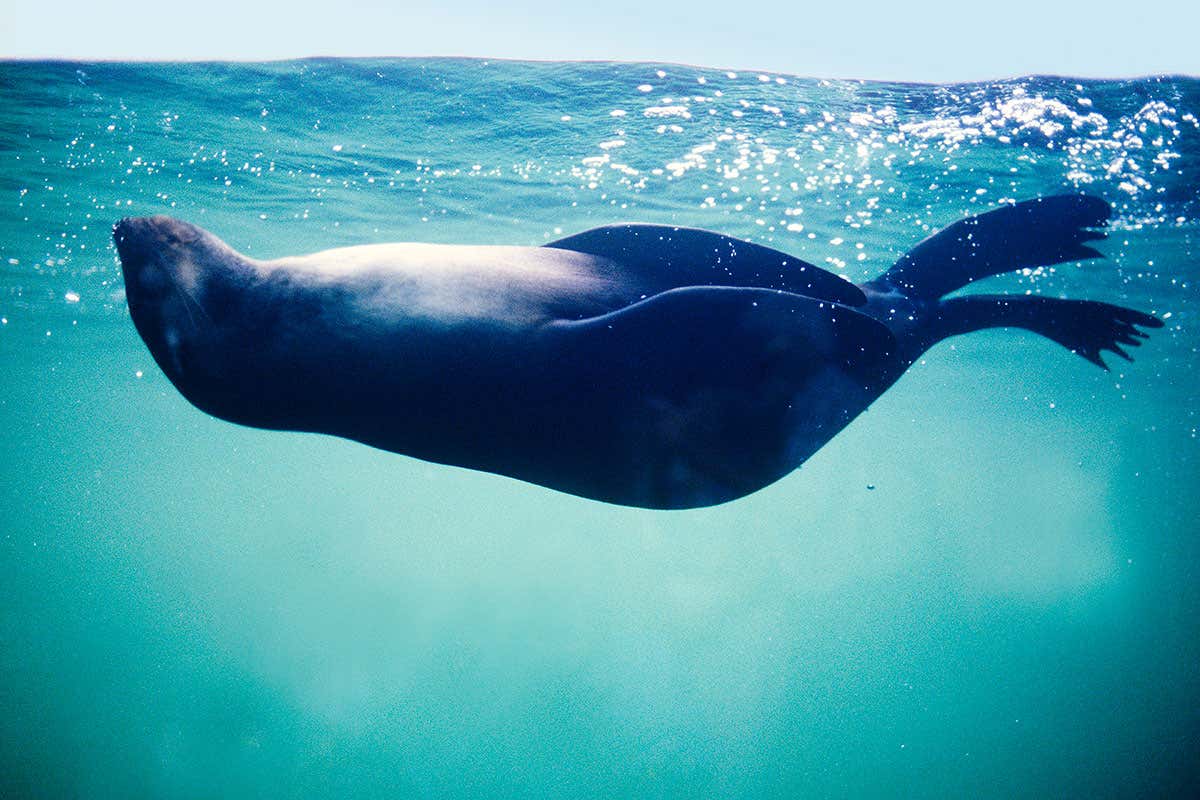
Seals only sleep with half their brain when they're out at sea

Seals only sleep with half their brain when they're out at sea

7 June 2018

Northern fur seals mostly sleep with half their brain while they’re at sea, but sleep with all their brain while on land – unlike any other animal studied


Brain zap can make people re-experience old dreams while awake

Brain zap can make people re-experience old dreams while awake

9 March 2018

While déjà-vu is a false feeling of familiarity, déjà-rêvé is a rare experience of suddenly recalling a dream – and it can be sparked by zapping the brain


Girls with binary code

The dearth of women in tech is nothing to do with testosterone

10 October 2017

Arguments over the causes of the gender gap in STEM jobs rage on. It's not due to hormones or innate brain differences, says Lise Eliot


face artwork

Chemical controllers: How hormones influence your body and mind

9 August 2017

Does testosterone make men bald? Is there a love hormone? Do pregnancy hormones turn your brain to mush? New Scientist sifts the facts from the fiction


brain artwork

Smart but dumb: probing the mysteries of brainless intelligence

12 July 2017

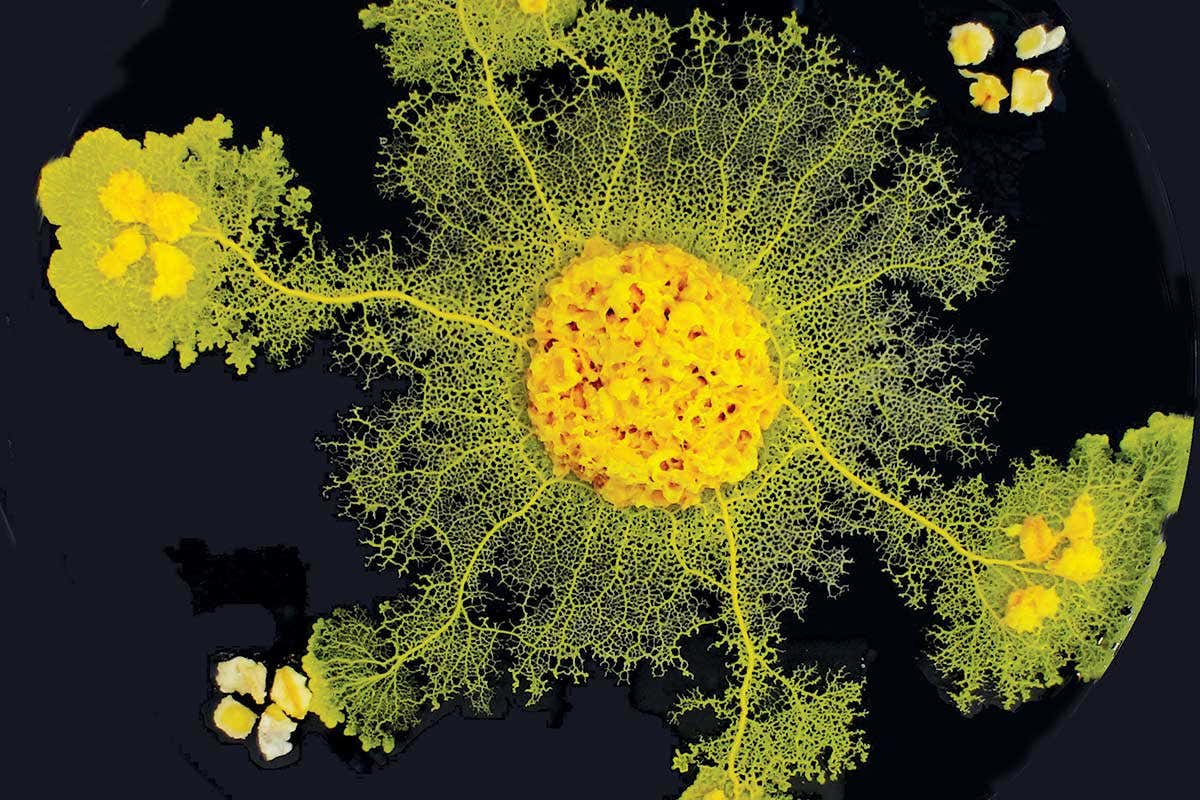
Understanding how things like slime moulds and plants can learn without a brain or even any neurons could help us fight diseases and make smarter machines


Sign up to our weekly newsletter

Receive a weekly dose of discovery in your inbox. We'll also keep you up to date with New Scientist events and special offers.

Sign up
Piano Exit Overlay Banner Mobile Piano Exit Overlay Banner Desktop