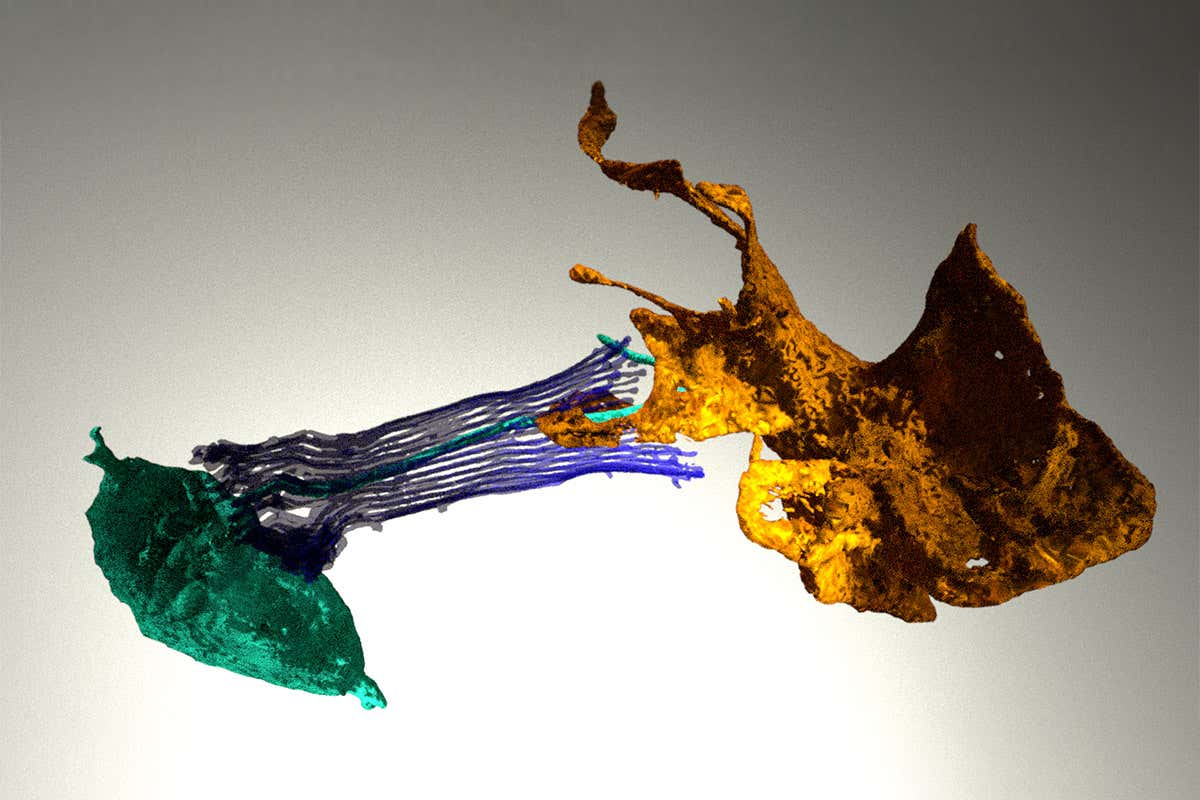
Brainless sponges have cells that might be the precursors of neurons
4 November 2021
Sponges are arguably the simplest animals and they lack a nervous system, but peculiar cells in their digestive chambers may be evolutionary precursors of neurons
4 November 2021
Sponges are arguably the simplest animals and they lack a nervous system, but peculiar cells in their digestive chambers may be evolutionary precursors of neurons
2 September 2021
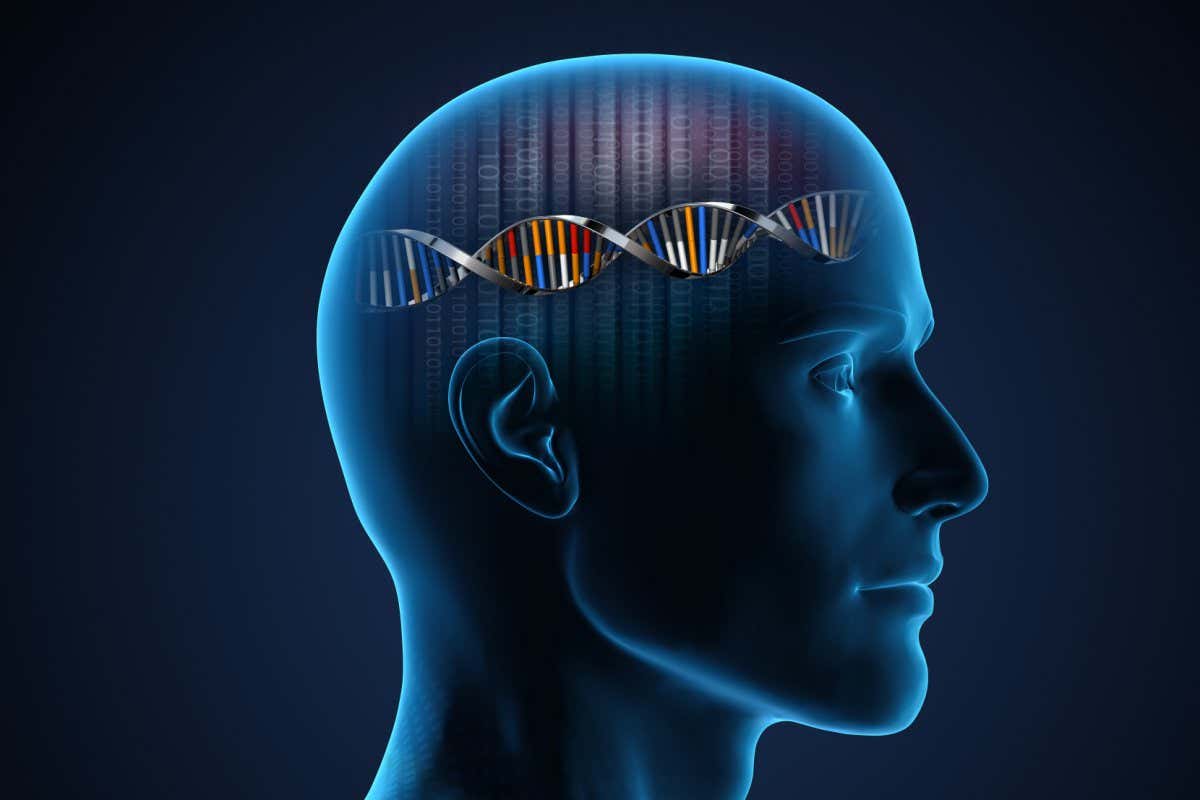
Some sections of the human genome have changed quickly during our evolution, and hundreds of them seem to be involved in the development of our brains

9 October 2018
For much of human evolution our ancestors may have encountered only a few hundred people in their lives – but we can each recall about 5000 distinct faces
3 October 2018
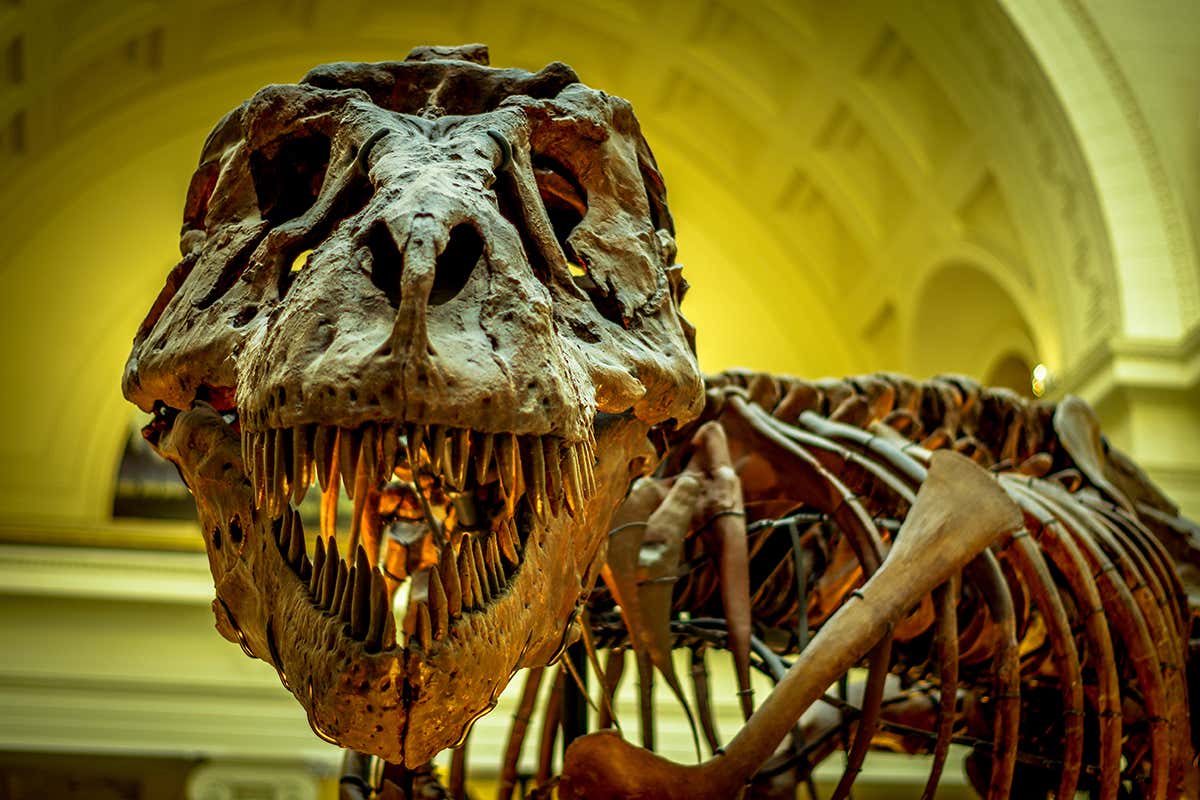
The very first tyrannosaurs were relatively small dinosaurs – and the skull of one of them seems to have contained a brain with a more complex shape than that of the enormous T. rex
24 May 2018
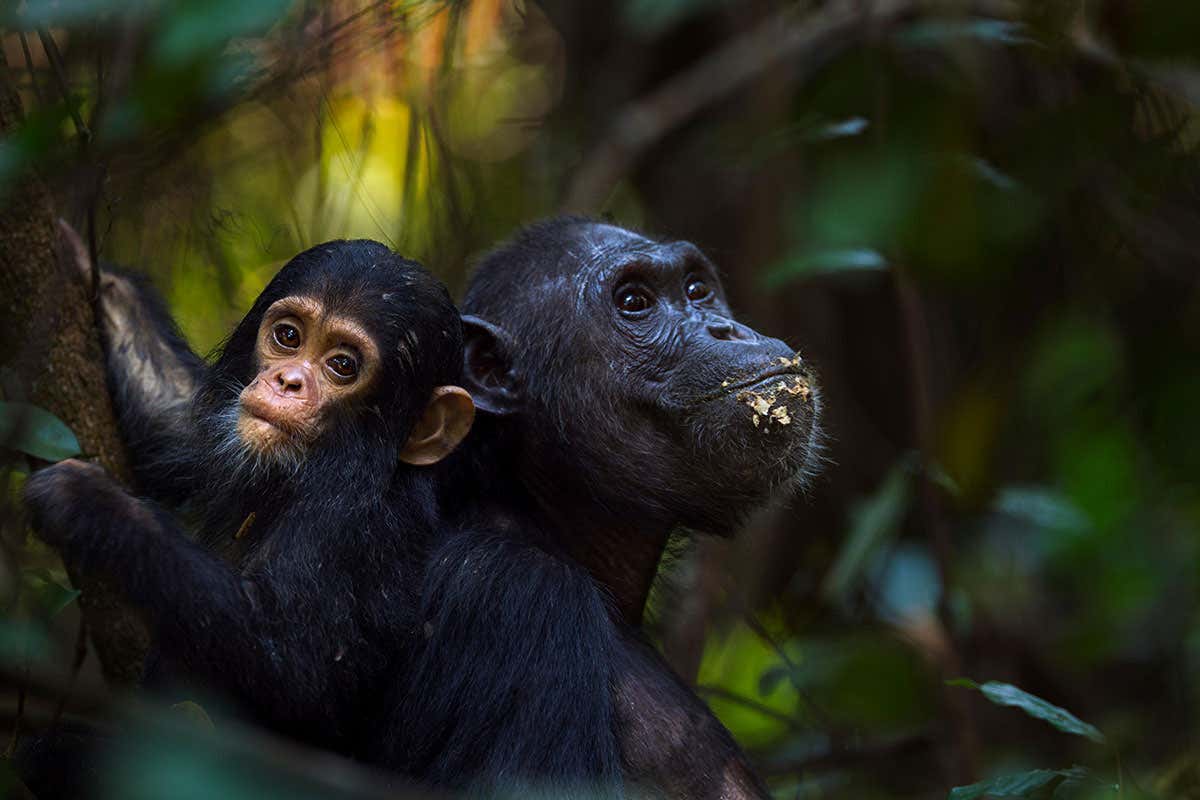
Some chimpanzee populations gained useful DNA from interbreeding with bonobos, and one may even have become more gentle and “bonobo-like” in its brain structure and behaviour
23 May 2018
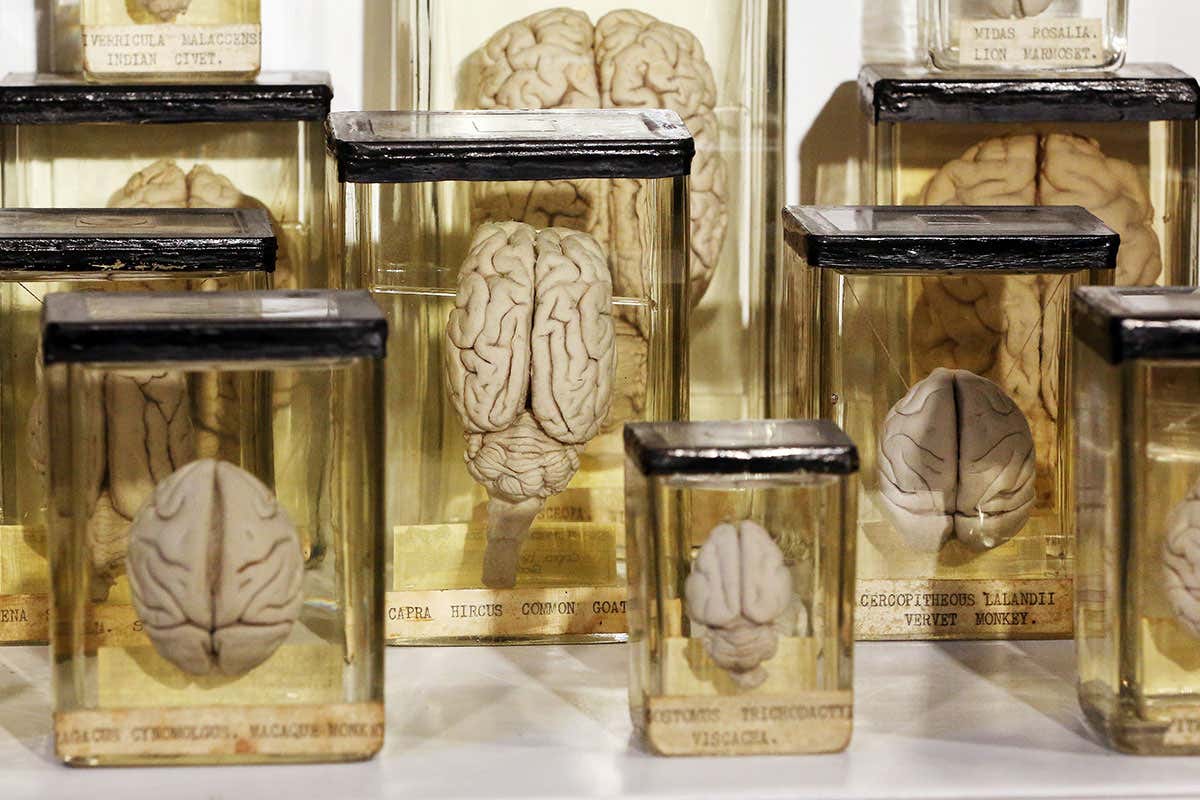
Many scientists think that our big brains evolved to help us cope with the complexities of social living, but a model suggests it was more to do with finding food and lighting fires

23 May 2018
About 3 billion people speak Indo-European languages like English and Hindustani, and it seems the first such tongue was spoken south of the Caucasus mountains

3 May 2018
A gene variant that helps humans cope with colder climates also seems to have put people living in northerly regions at a higher risk of migraine
28 February 2018
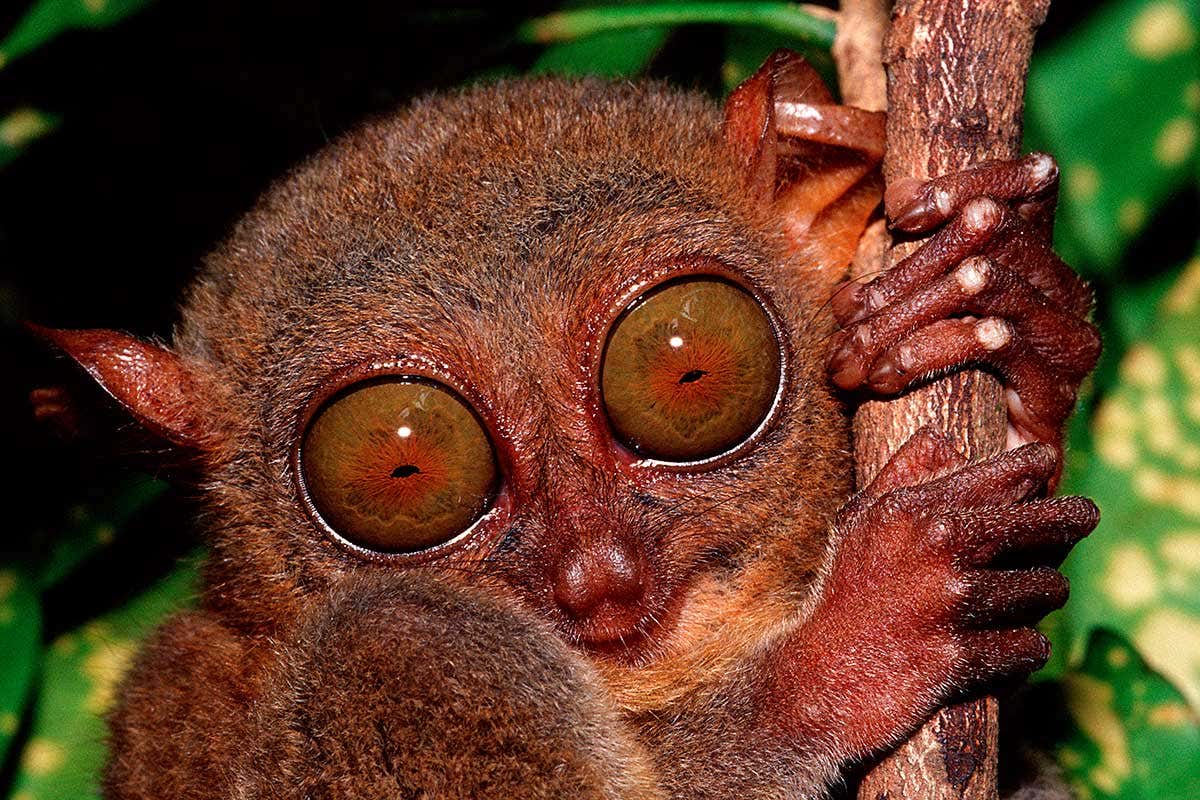
It’s an evolutionary mystery how humans and other primates found the energy to support their large brains, but now it seems sacrificing some muscle might have helped
26 January 2018
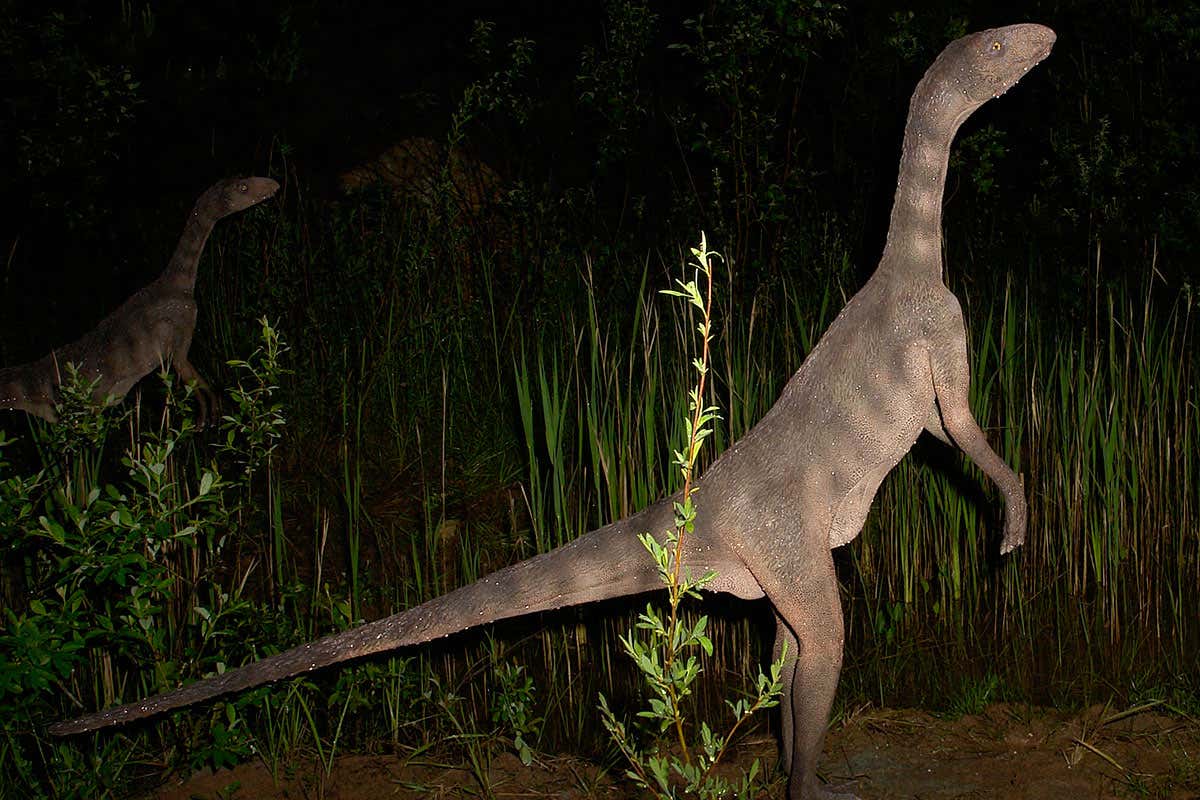
Tens of millions of years before dinosaurs evolved into birds, a proto-dinosaur had surprising features that suggest its young needed parental care after hatching
