Subscribe now
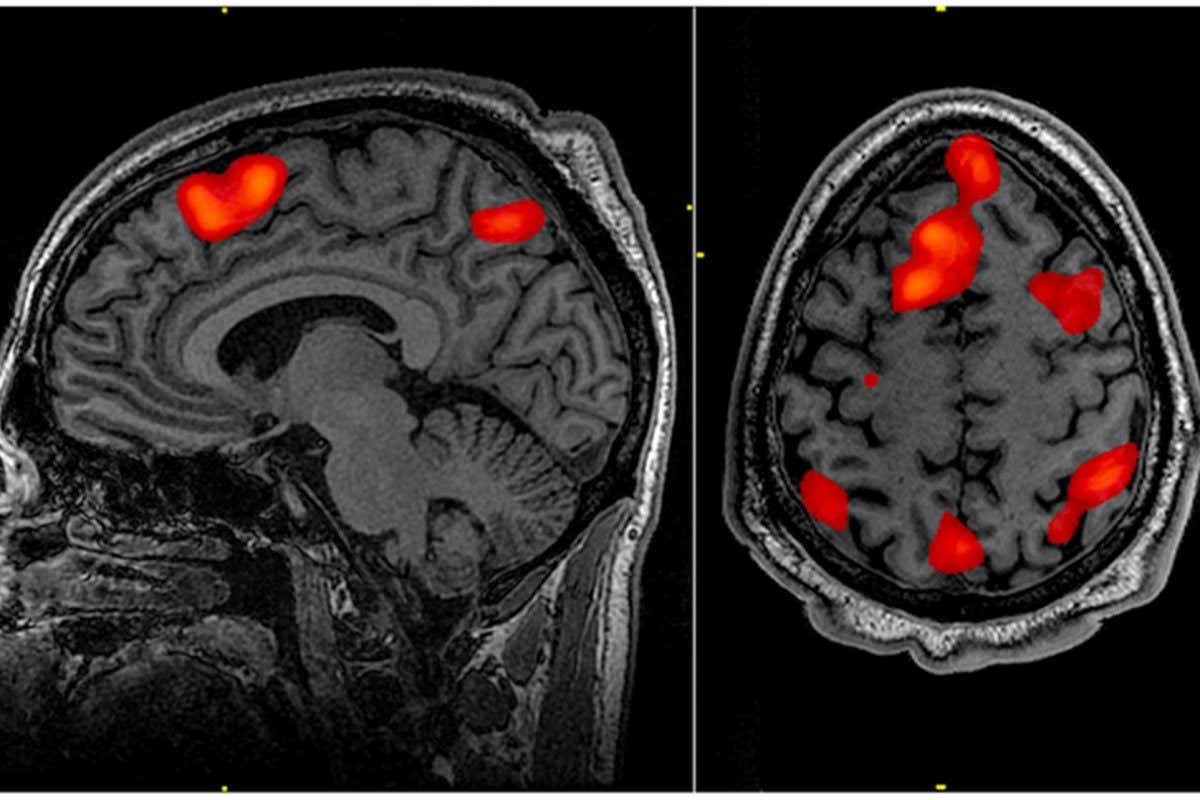
FMRI scan during working memory tasks

Brain scanning studies are usually too small to find reliable results

16 March 2022

Most studies that have used MRI machines to find links between the brain’s structure or function and complex mental traits had an average of 23 participants, but thousands are needed to find reliable results


man lying on his bed

Tiny region of human brain that helps regulate sleep studied at last

4 November 2021

Our sleep cycles are thought to be regulated partly by the suprachiasmatic nucleus, a 2mm-wide structure in the brain that has now been imaged for the first time with a brain scanner


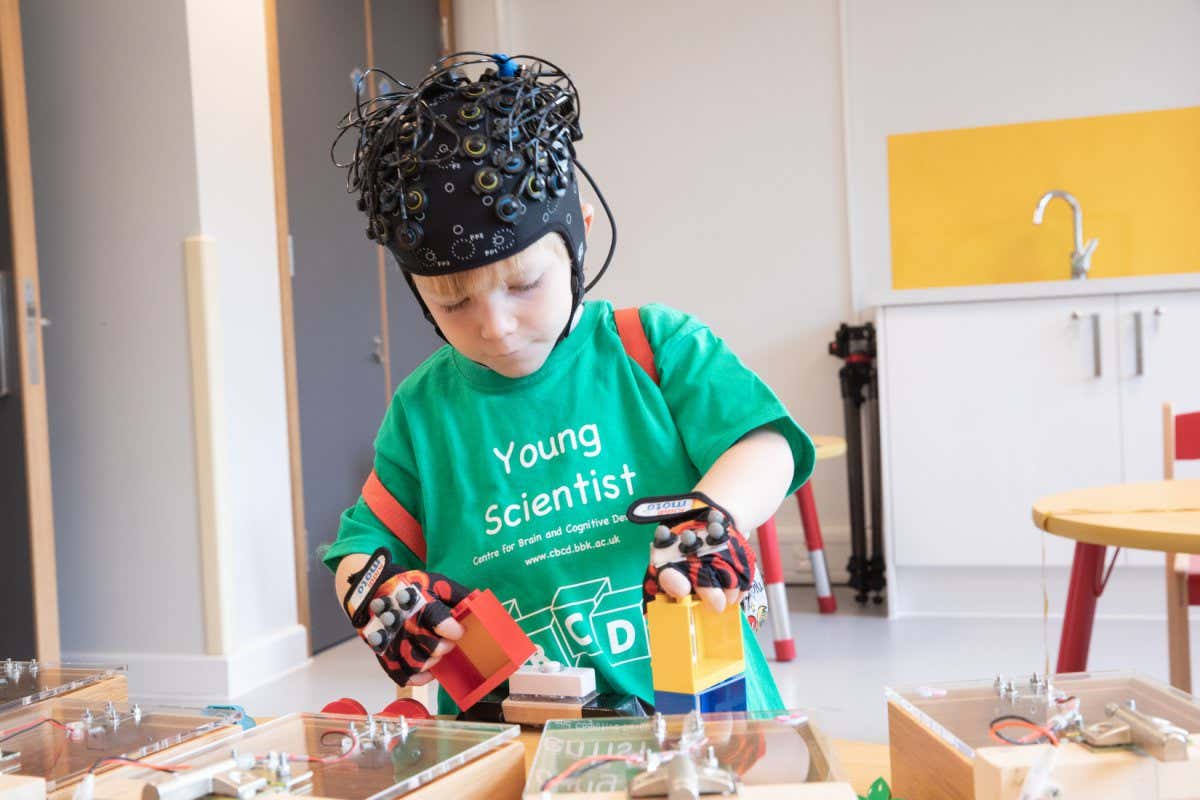
At the newly opened Toddler Lab at Birkbeck, University of London, a new technique for imaging the brain using infrared light means we are starting to understand how young children learn to plan complex goals. The lab utilises functional near-infrared spectroscopy or fNIRS and motion capture gloves to measure how children learn to plan and achieve goals. Pictured: Finn

A new kind of brain scan is letting us understand how toddlers think

3 November 2021

Technological advances mean that we can finally tackle an age-old question: what's going on in the minds of children?


functional brain connectome

Your unique pattern of brain activity can be spotted in 100 seconds

15 October 2021

Everyone has a unique pattern of brain activity and it can be spotted after just 100 seconds inside a brain scanner


two people with virtual reality headset

Virtual roller coaster rides may help unravel causes of migraine

21 July 2021

Brain scans show that a virtual ride on a roller coaster sets off altered brain cell activity related to dizziness and motion sickness in people who experience migraines


How a 6-year-old had half his brain removed and recovered in 3 months

How a 6-year-old had half his brain removed and recovered in 3 months

23 September 2020

David Eagleman's book Livewired explores neuroplasticity, the brain's superpower, which lets it reshape after extreme surgery and adapt to losing a sense


How brain scanners can help us revolutionise psychiatric drugs

How brain scanners can help us revolutionise psychiatric drugs

10 June 2020

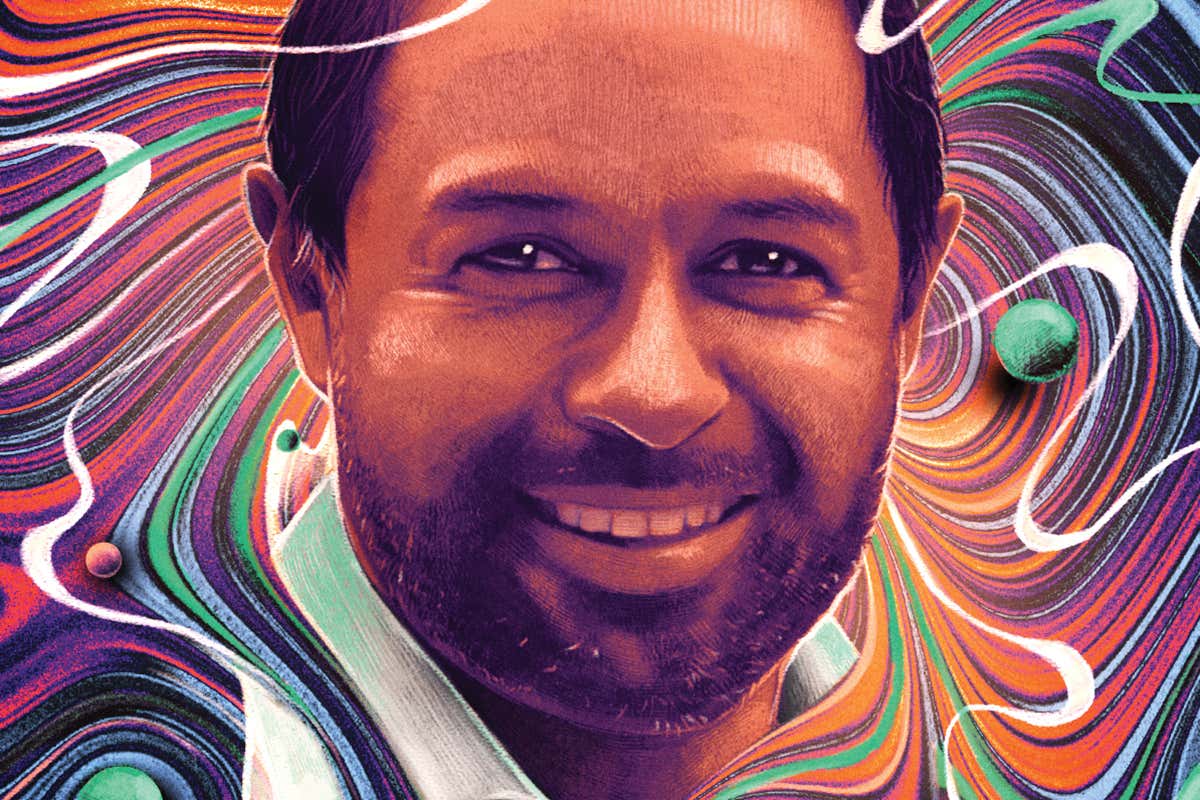
Most psychiatric drugs were developed before brain scans existed. Now neuroscientist Mitul Mehta is using scans of people under the influence of drugs or hypnosis to help develop better treatments


Sign up to our weekly newsletter

Receive a weekly dose of discovery in your inbox. We'll also keep you up to date with New Scientist events and special offers.

Sign up
Piano Exit Overlay Banner Mobile Piano Exit Overlay Banner Desktop