Subscribe now
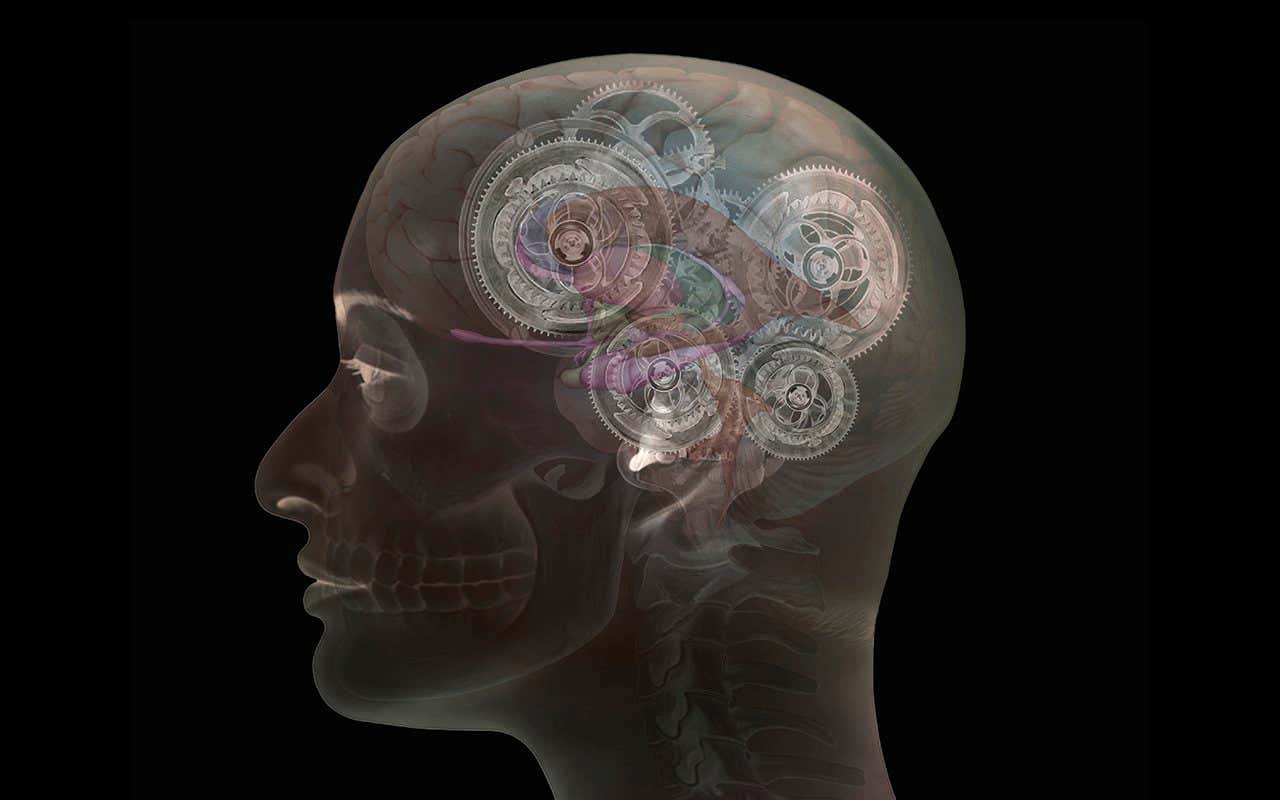
3 How Do We Sense Time? Mechanical brain, conceptual image. Composite image of coloured medical imagery of a human brain and skull, with cogs and gears representing concepts such as memory, time and mechanical brains. The imagery includes 3D computed tomography (CT) scans of the skull and 3D magnetic resonance imaging (MRI) scans of the brain. The scans are of a 30-year-old woman.

How do we sense time? The brain cells that order our memories

15 June 2022

Recent studies suggest there is not one part of the brain dedicated to measuring duration, as there is for senses like taste and smell. Instead, the passage of time is tracked by a network of “time cells”
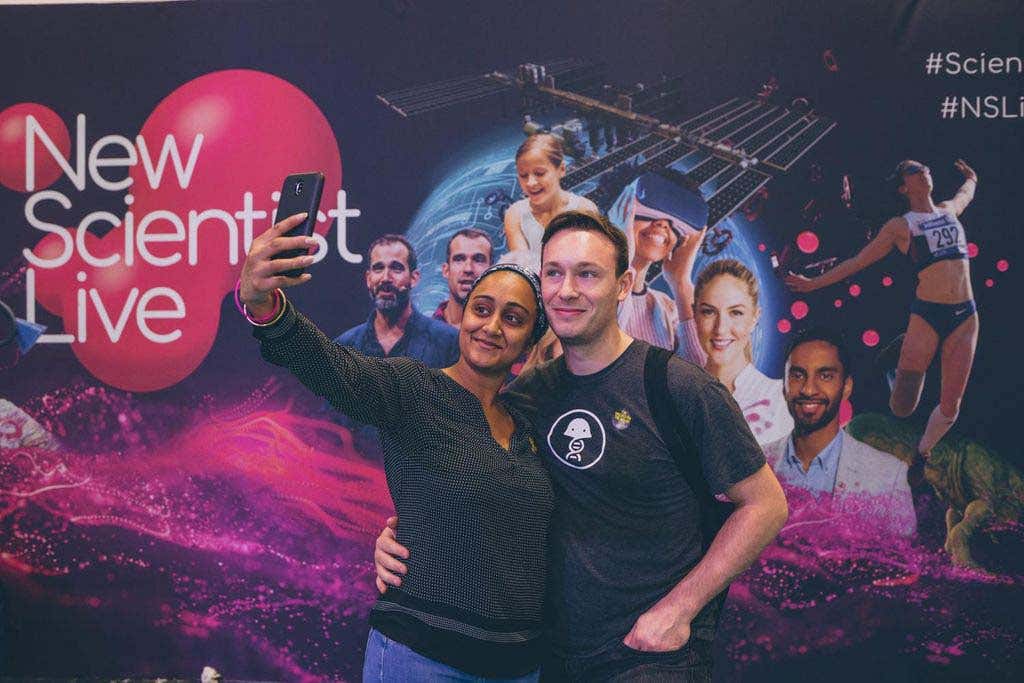
New Scientist Live fans take a selfie at the show

Join us for a mind-blowing festival of ideas and experiences

11 February 2022

Our award-winning festival, New Scientist Live is back to stimulate, challenge and inspire with some of today’s biggest scientific discoveries and ideas.


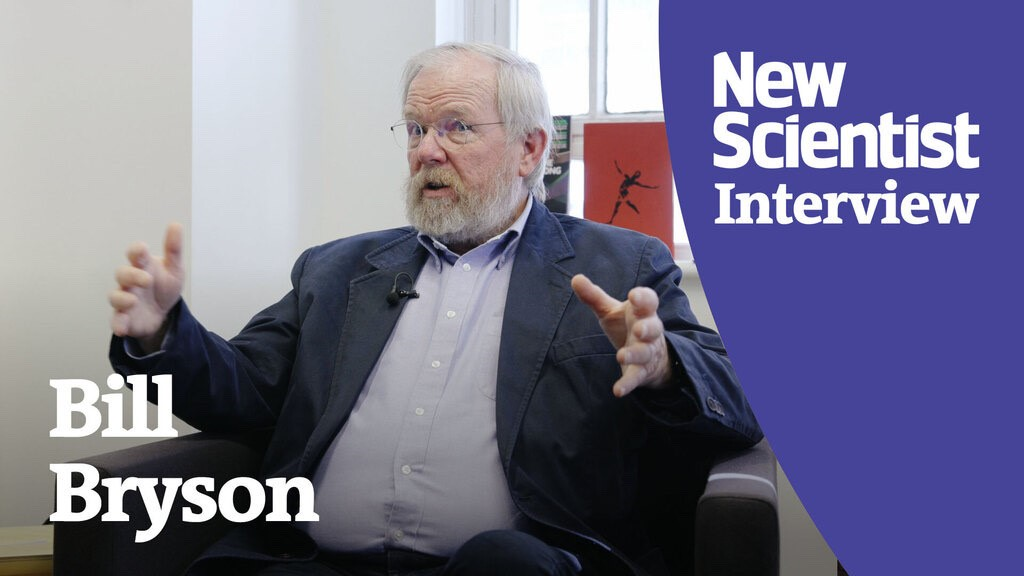
Bill Bryson on the miraculous human body

Bill Bryson on the miraculous human body

27 July 2020

Forget disease and frailty. Bill Bryson’s new book, The Body: A guide for occupants, is a hymn to the way the things inside us just work without us telling them to.


Sarah Garfinkel

How signals from the heart influence our thoughts, emotions and memory

9 December 2019

Neuroscientist Sarah Garfinkel explores the mind-body connection, shedding light on how signals from our vital organs shape our thoughts and feelings


Rage, tech and Miley Cyrus: What the new Black Mirror will bring

Rage, tech and Miley Cyrus: What the new Black Mirror will bring

24 May 2019

The trailer for the new season of Netflix's Black Mirror suggests the show will continue to capture our collective disquiet about technology – this time with a stellar new cast including Miley Cyrus and Andrew Scott


How neuroscience is exploding the myth of male and female brains

How neuroscience is exploding the myth of male and female brains

28 February 2019

Stereotypes of how biological sex influences ability and behaviour abound – but the latest research reveals a very different story, says Gina Rippon


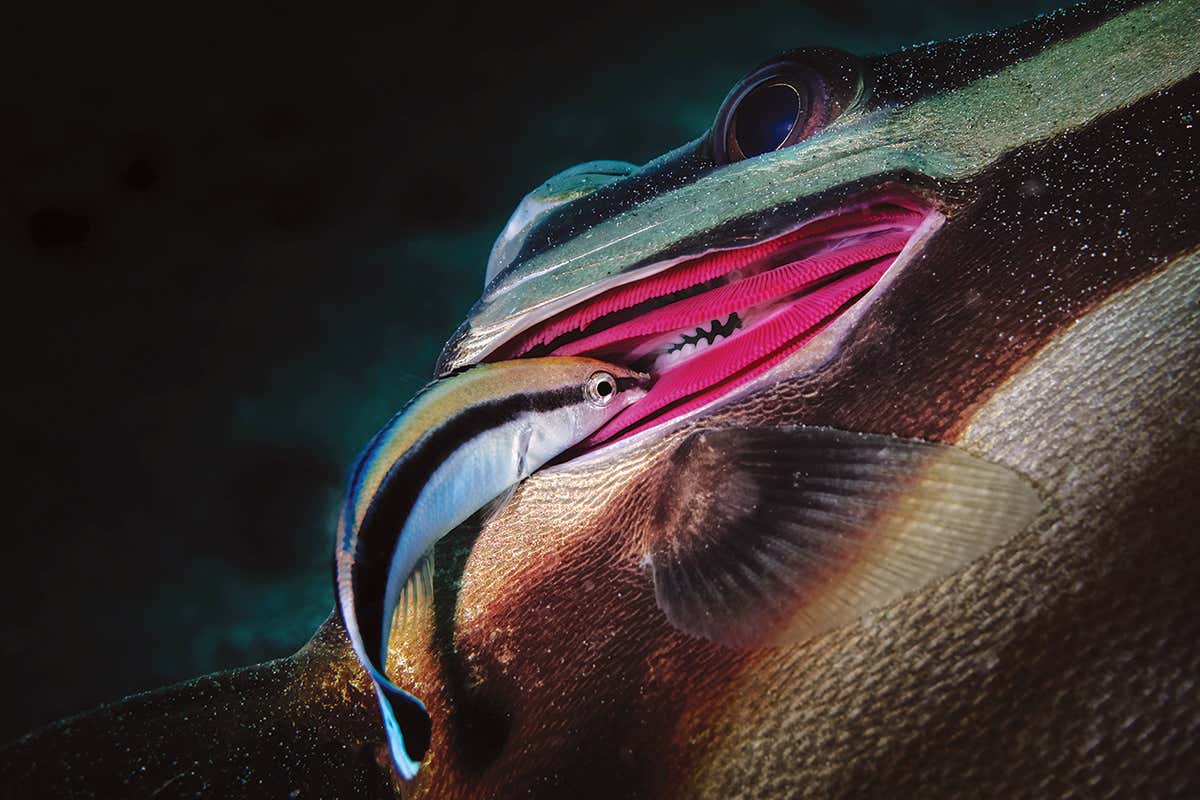
cleaner wrasse fish

The animal economists that can wheel and deal as well as any human

18 December 2018

From monkey markets to fishy business, we’re finding that many animals make rational trades. Even brainless fungi have a thing or two to teach us


Sarah-Jayne Blakemore wins 2018 Royal Society Book Prize

Sarah-Jayne Blakemore wins 2018 Royal Society Book Prize

2 October 2018

Sarah-Jayne Blakemore walked away with the honours at the 2018 Royal Society Insight Investment Book Prize - and the calibre of the runners-up made it a hard year to call


First evidence that gut bacteria help wire young brains

First evidence that gut bacteria help wire young brains

22 June 2018

Experiments in mice have shown for the first time that bacteria found in the gut of babies and children seem to play a role in brain development


consciousness artwork

Consciousness: How we’re solving a mystery bigger than our minds

20 June 2018

What is being in love, feeling pain or seeing colour made of? How our brains make conscious experience has long been a riddle – but we’re uncovering clues


Sign up to our weekly newsletter

Receive a weekly dose of discovery in your inbox. We'll also keep you up to date with New Scientist events and special offers.

Sign up
Piano Exit Overlay Banner Mobile Piano Exit Overlay Banner Desktop