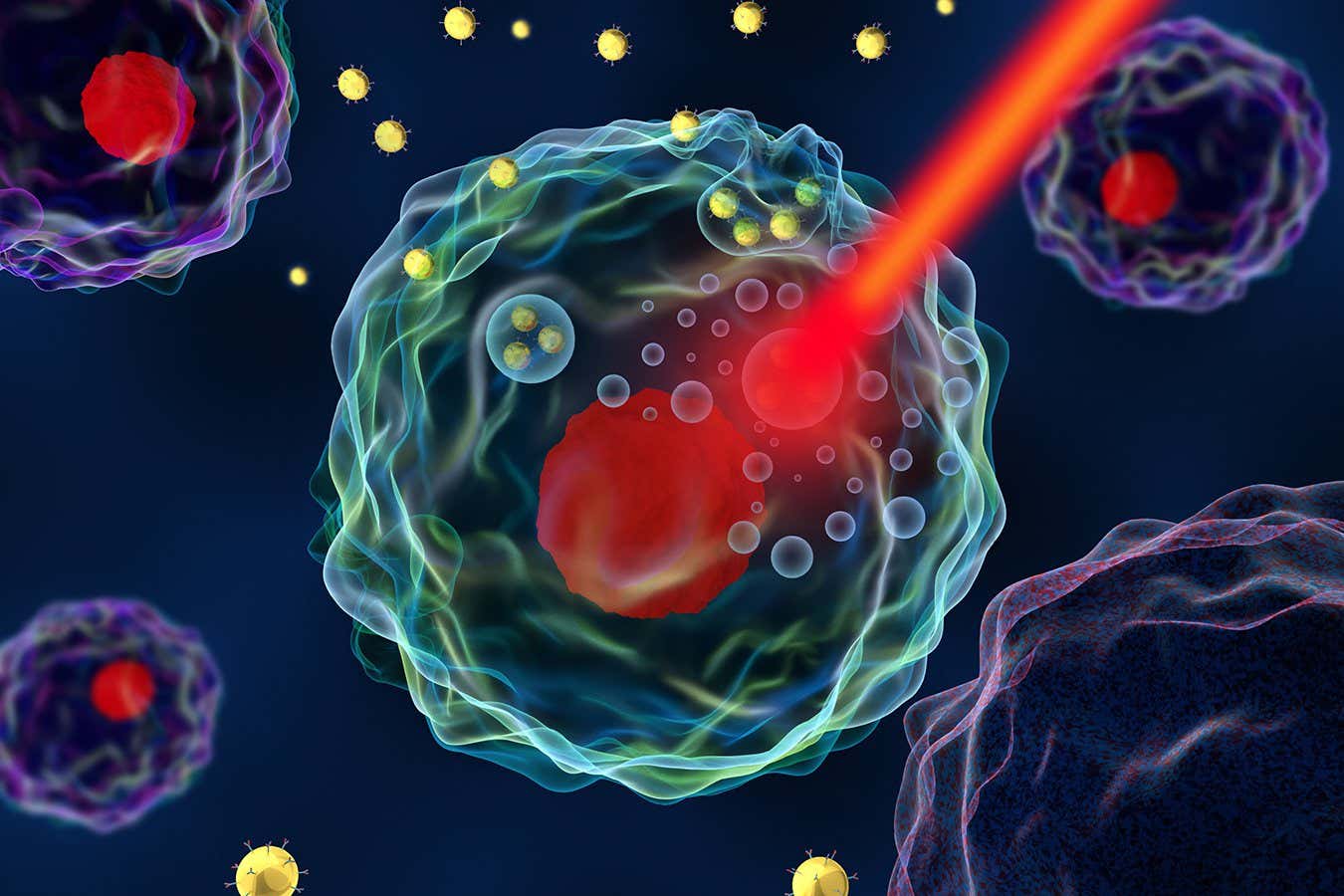
Plastic wedge makes it much easier to make protons for cancer therapy
3 July 2023
A plastic, wedge-shaped device could medical particle accelerators 100 times more efficient at generating the protons that can be used for cancer treatment
3 July 2023
A plastic, wedge-shaped device could medical particle accelerators 100 times more efficient at generating the protons that can be used for cancer treatment
3 June 2023
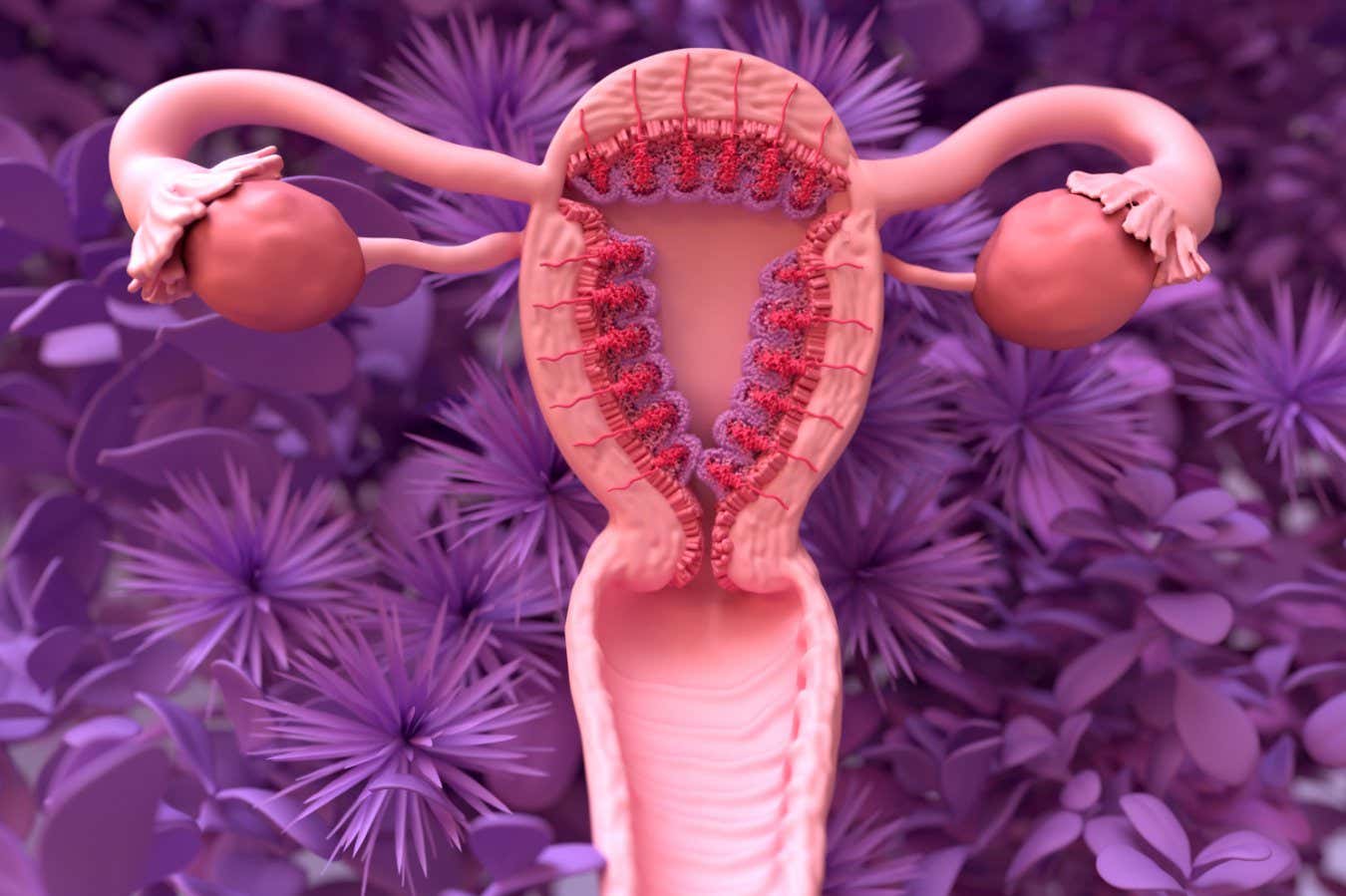
A test based on seven chemicals found in uterine fluid outperformed the leading tool for diagnosing early-stage ovarian cancer – a disease that is usually spotted late and is frequently deadly

3 June 2023
Ozopromide, which is found in octopus ink, could kill cancer cells but leave healthy ones intact. The finding could be used to develop new cancer treatments

22 May 2023
The cells of bowhead whales seem to be better at repairing DNA than those of humans or mice, and this may explain why they live to over 200 with low rates of cancer
16 May 2023
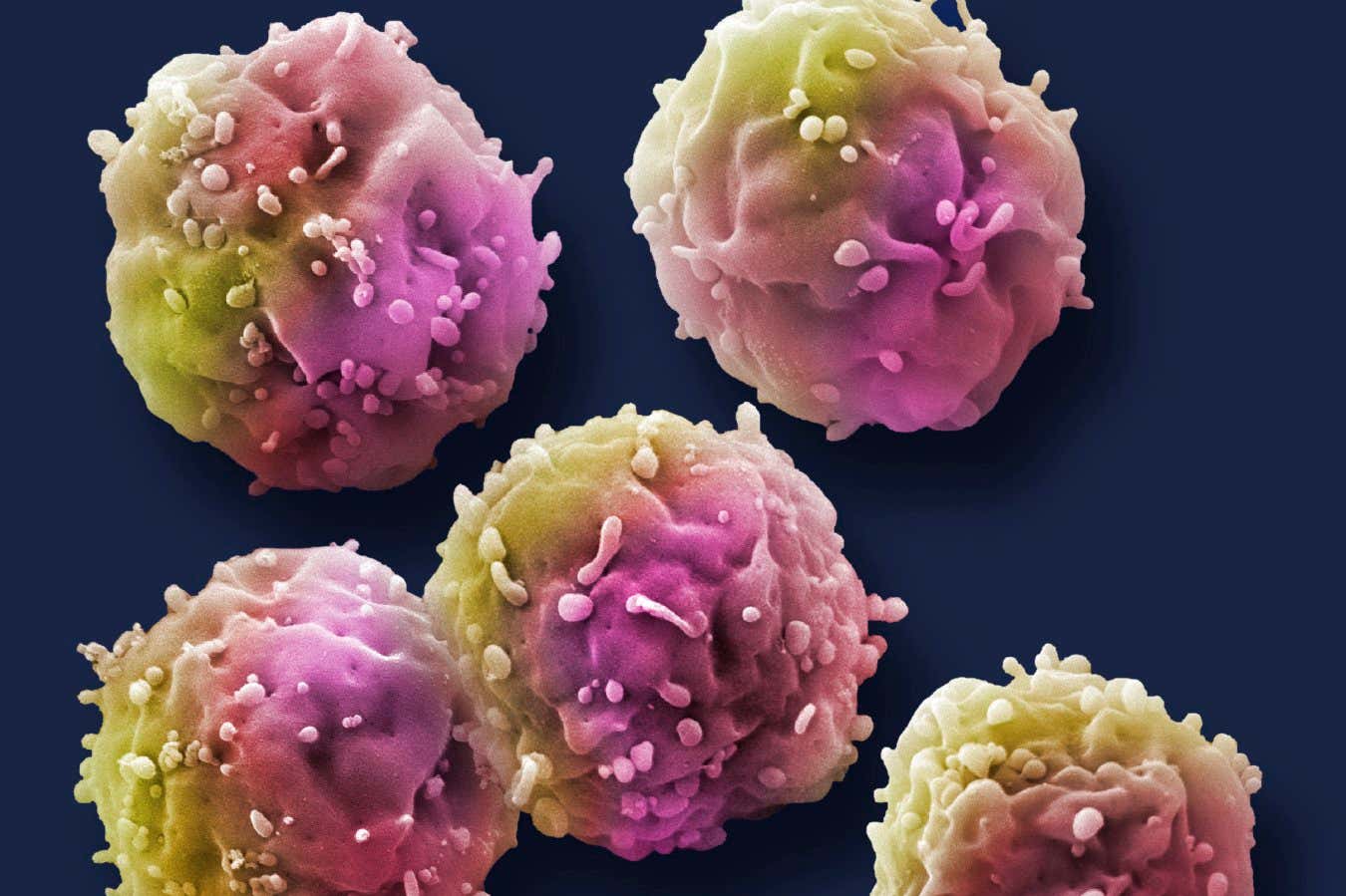
A genetic alteration that extends the life of mice can be transferred to other mice via blood stem cells, and this could soon be tested in humans as a cancer treatment
18 April 2023
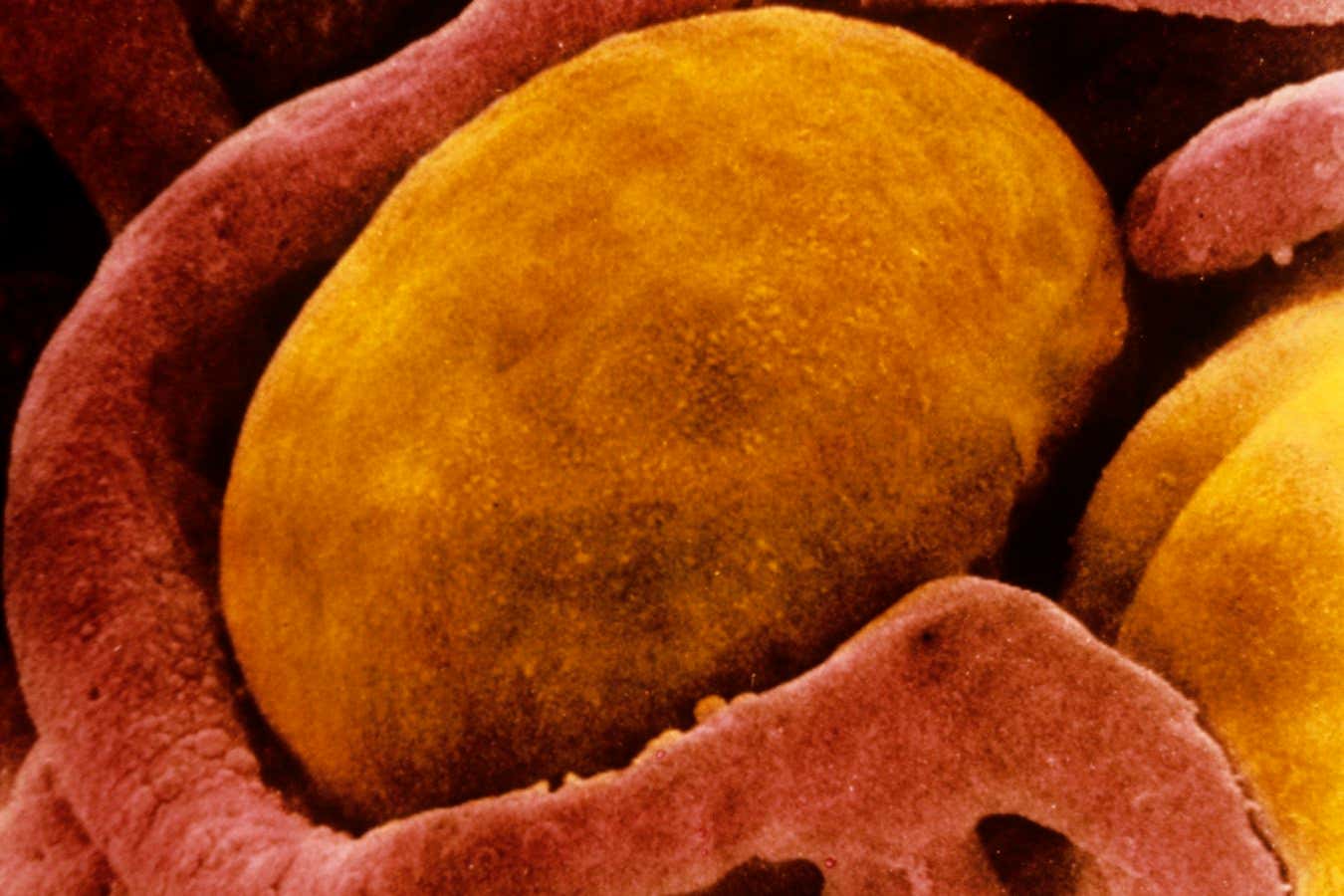
Tumours in mice had reduced growth after brown fat, which burns sugars and other fuel that tumours need to grow, was implanted nearby. Researchers used CRISPR gene editing to convert white fat, which can be collected via liposuction, into brown fat
31 March 2023
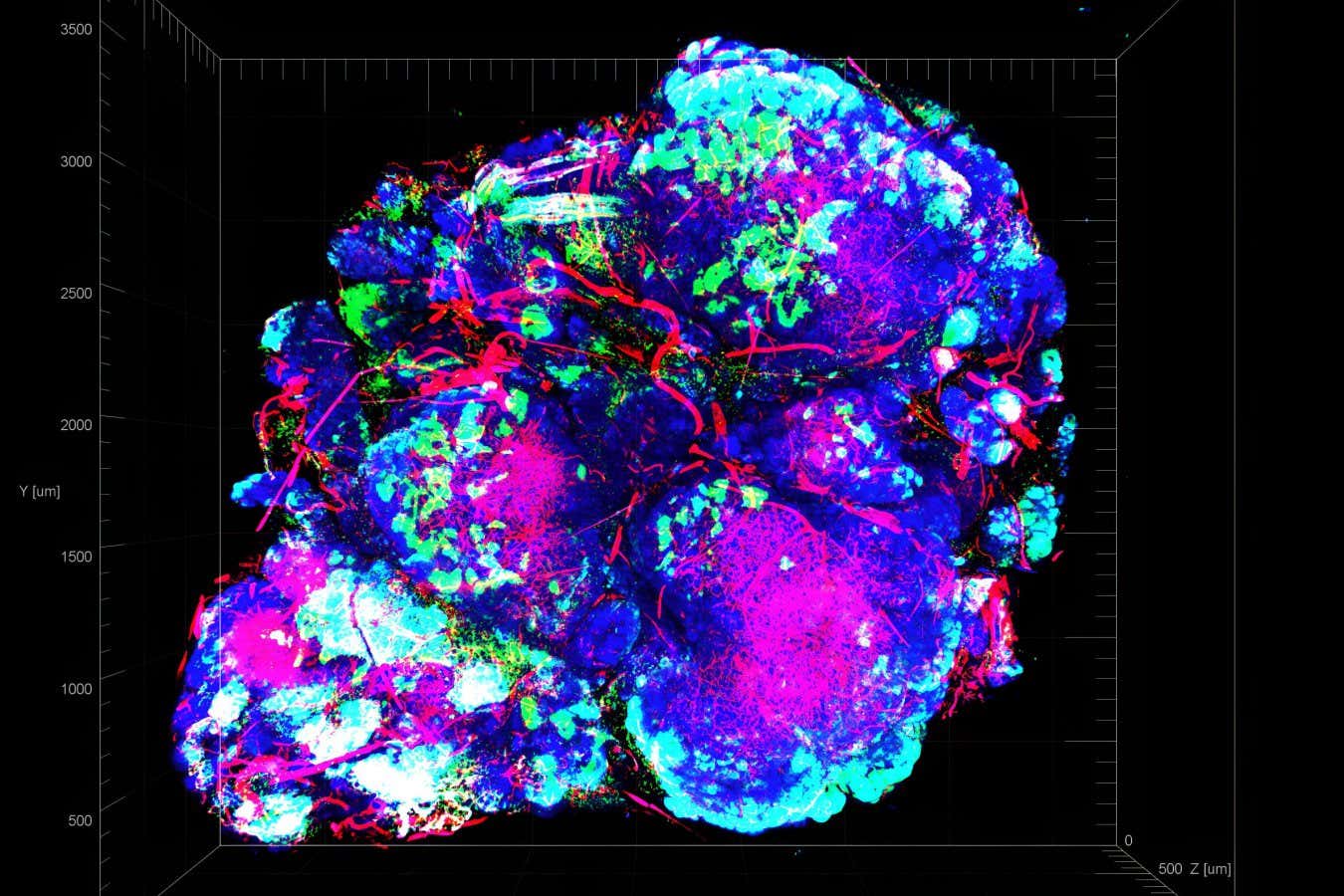
By consuming oxygen near to tumours, the battery makes a class of experimental drugs target oxygen-free cancerous cells more effectively
13 March 2023
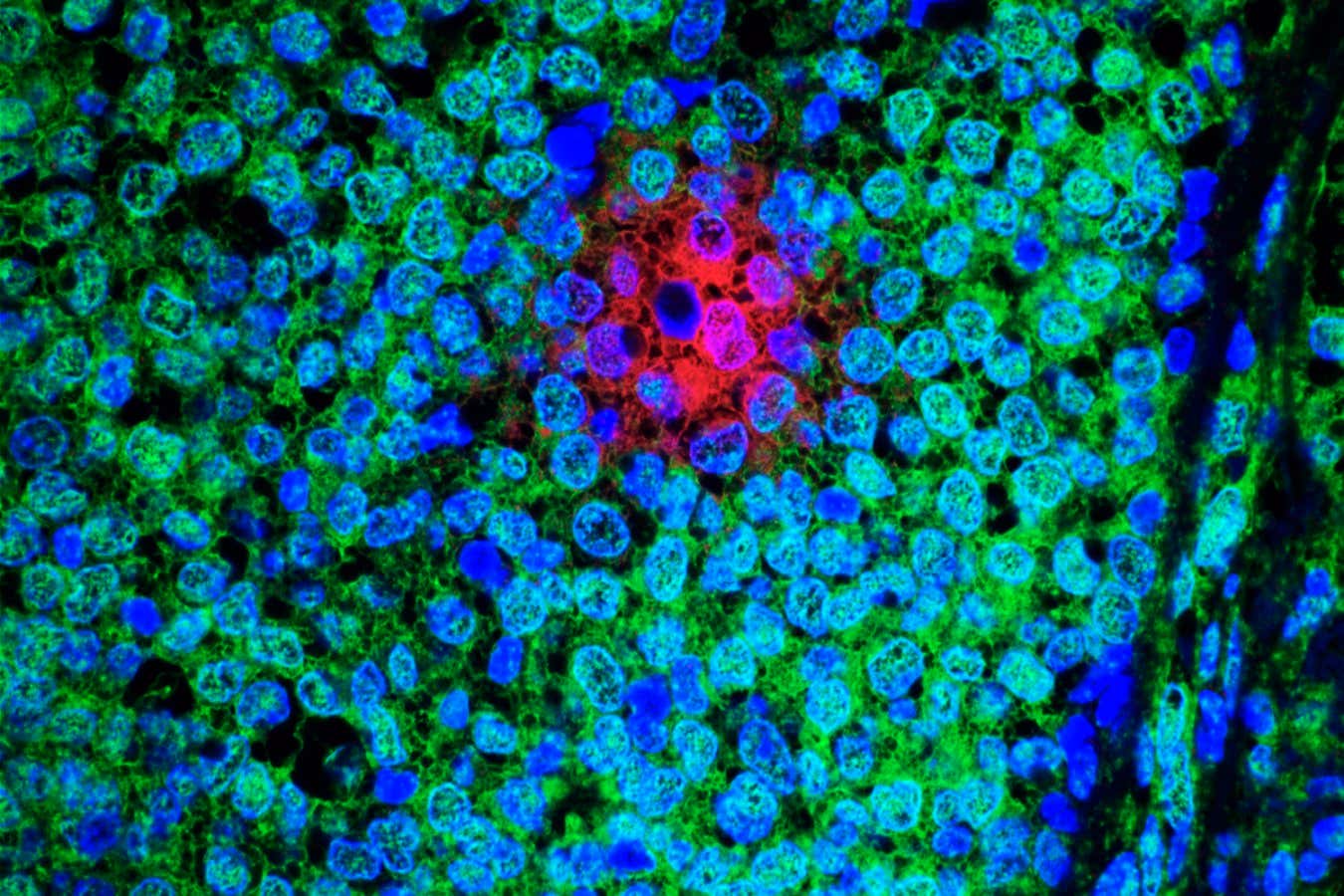
A drug that is commonly used to treat chronic myeloid leukaemia stopped the most common type of breast cancer cells from dividing after they had spread to the lungs in mice
3 March 2023
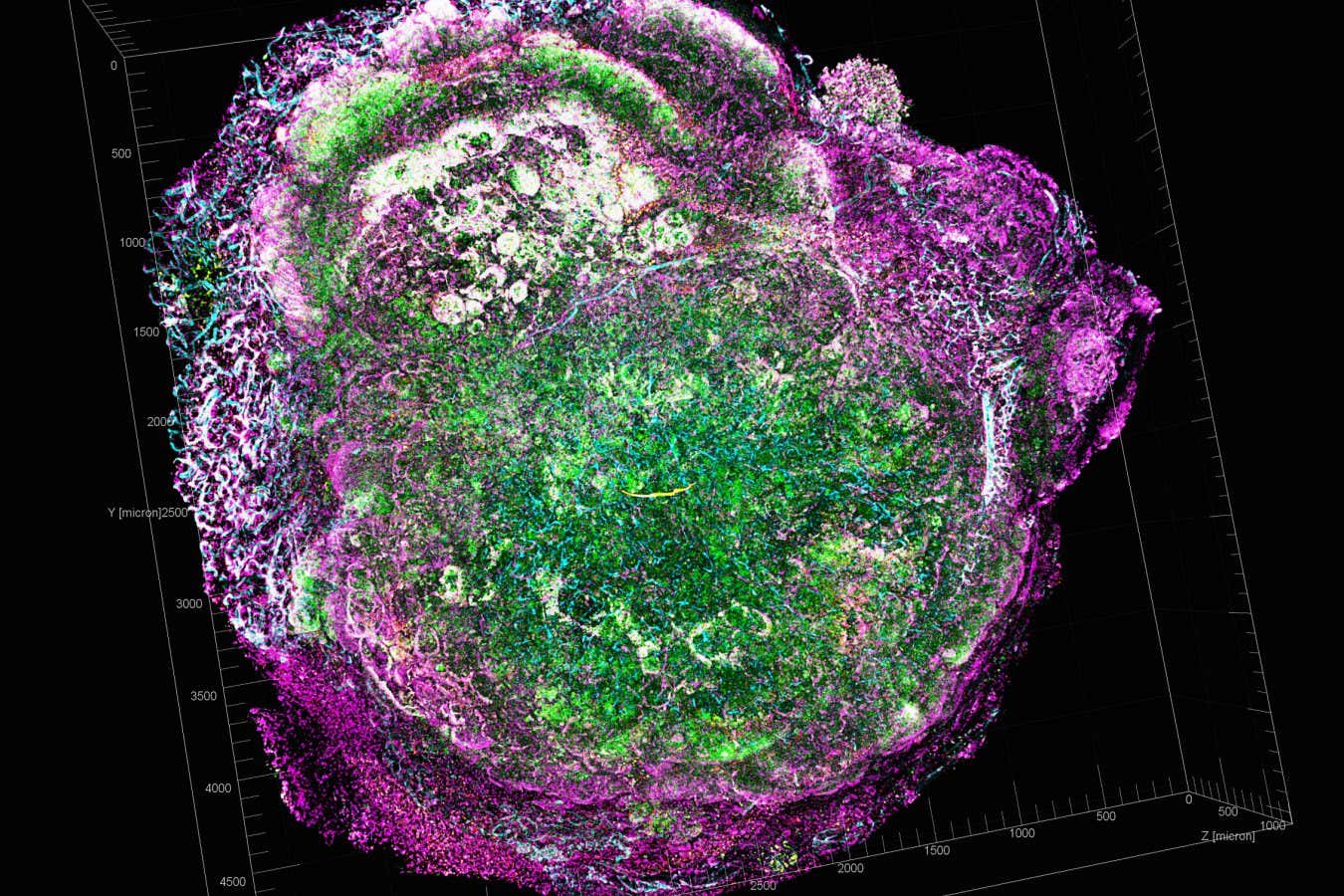
An artificial intelligence has designed new versions of trastuzumab, an antibody treatment against breast cancer, in just a few days – existing methods take weeks or months

14 February 2023
Field trials show that a form of wheat developed using CRIPSR gene editing produces lower levels of the potentially carcinogenic compound acrylamide when cooked at high temperatures
