Subscribe now
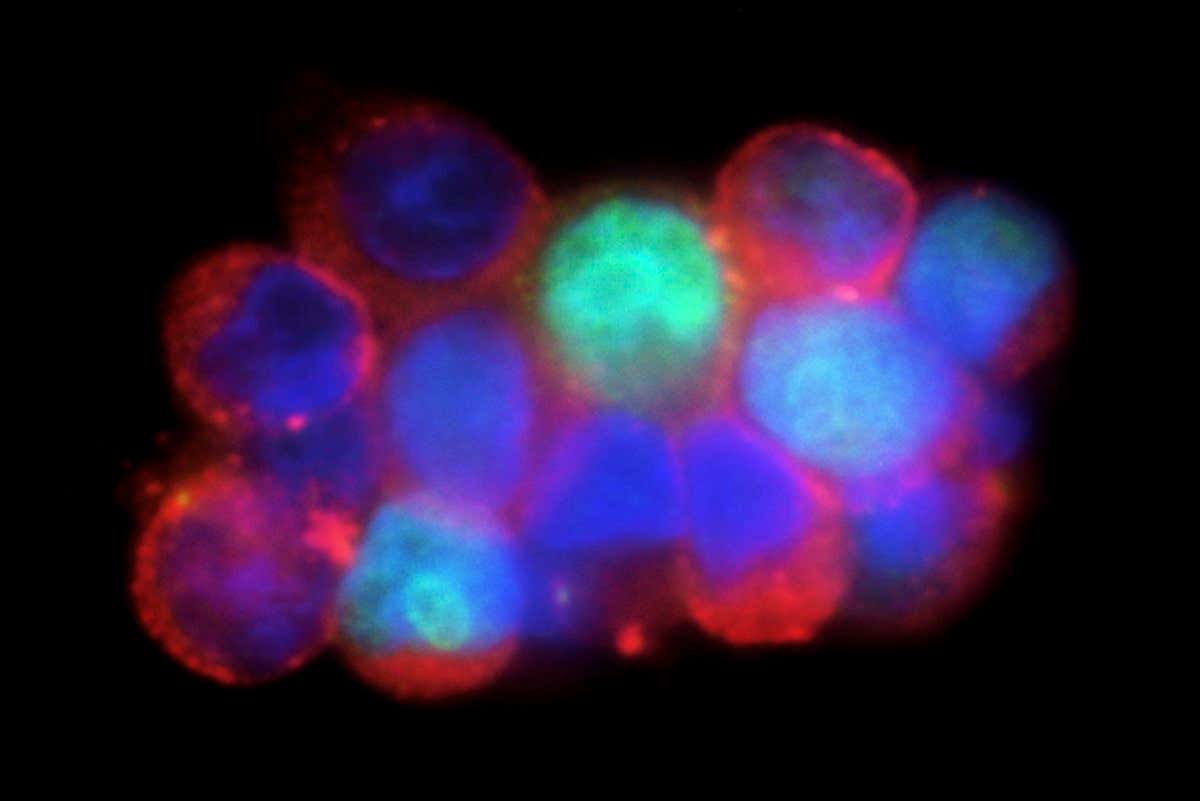
Circulating breast cancer cells. Fluorescence light micrograph of a cluster of circulating tumour cells (CTCs, red) and white blood cells (green) from the blood of a patient with breast cancer. CTCs are an important focus of cancer research because they provide a key target for new treatments. By identifying the molecular adaptations and genetic mutations that allow CTCs to spread (metastasize), it may be possible to develop strategies to block metastatic cancer on a patient-by-patient basis.

Breast cancer is more likely to spread during sleep

22 June 2022

Tumour cells appear to circulate in the blood more during the night, hinting that therapies should be targeted to maximise their impact at night
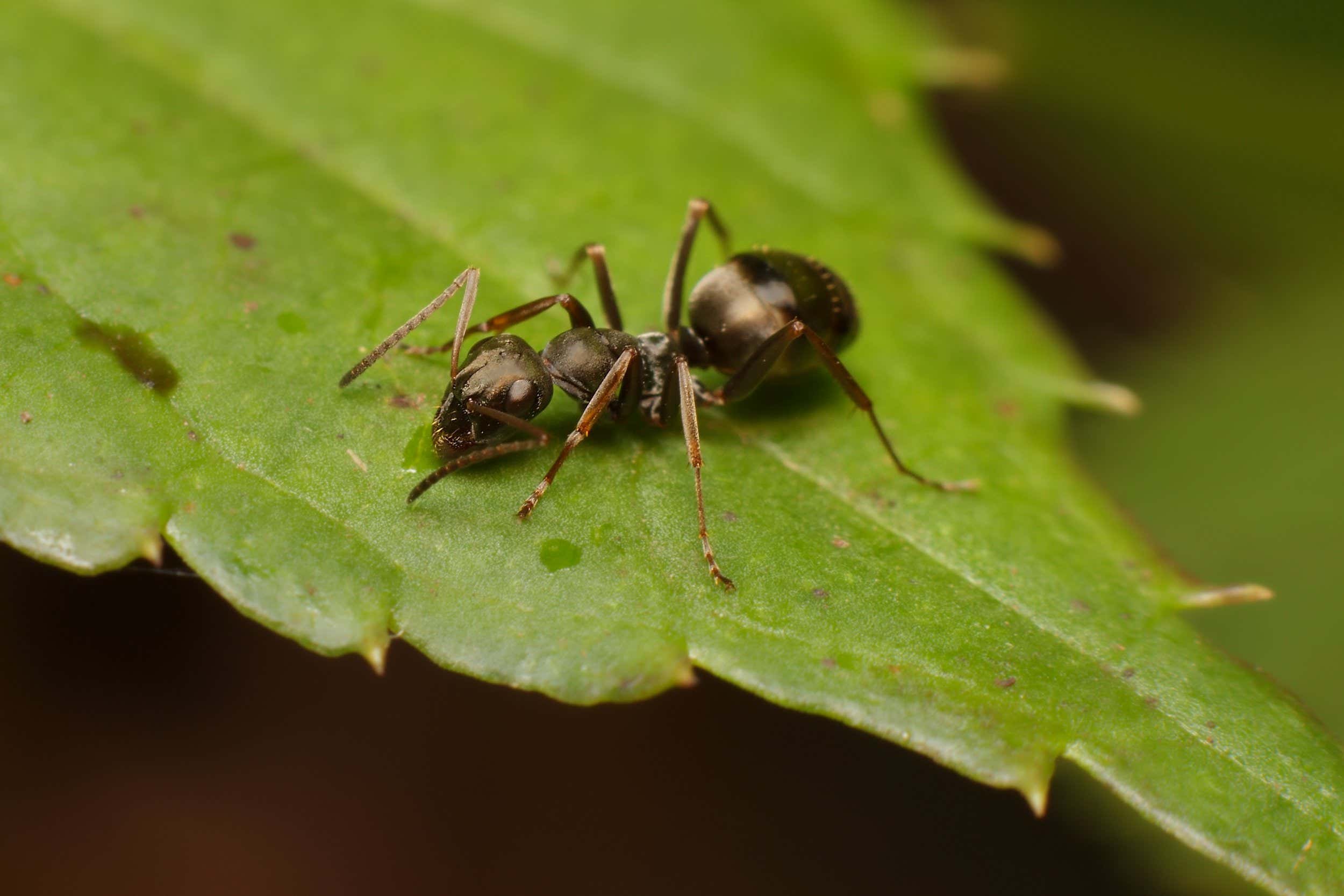

A Formica fusca ant

Ants trained to smell cancer chemicals in the urine of diseased mice

1 June 2022

The Formica fusca ant species was trained to move towards urine samples produced by mice with human breast tumours
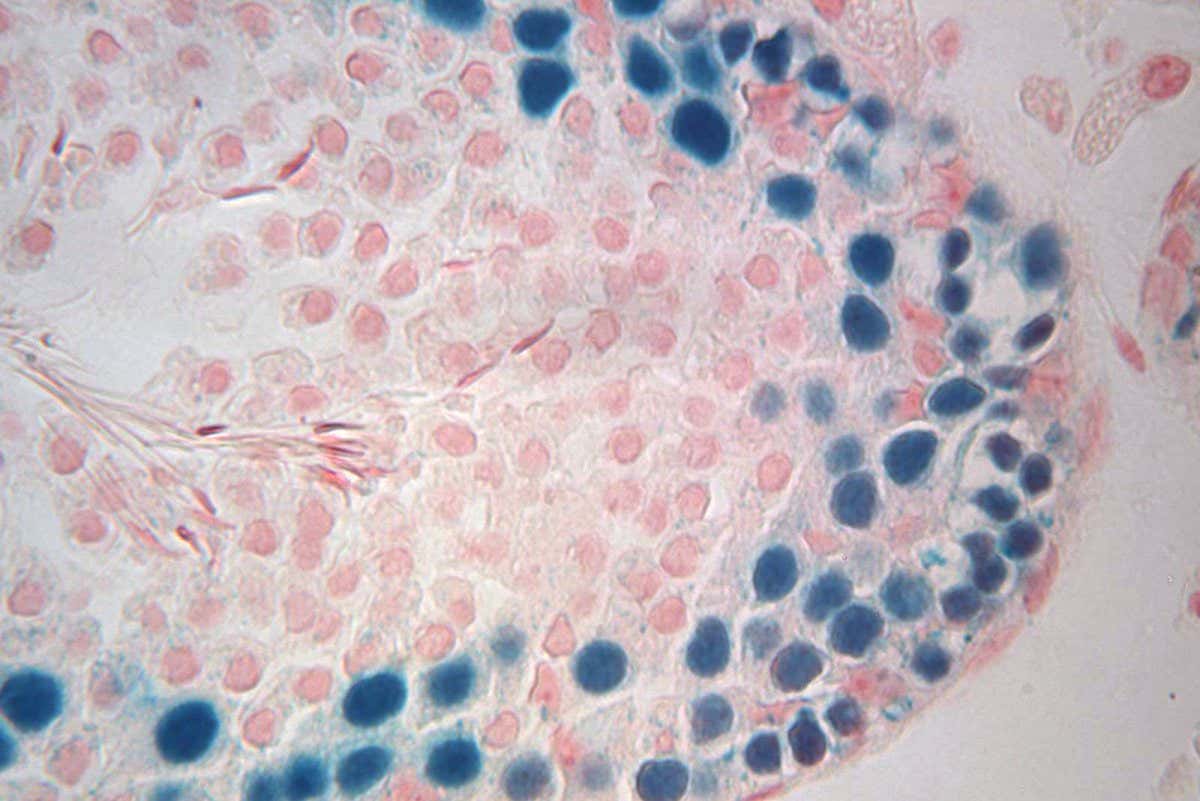

Cross section of infertile mouse testis showing previously frozen transplanted rat germ cells and sperm. Frozen testicular tissue still viable after two decades.

Rat testicle cells make sperm after being frozen for 23 years

10 May 2022

Pre-pubescent children who become infertile because of cancer treatment may be able to make sperm after reimplanting frozen testicular tissue, if animal research translates to humans
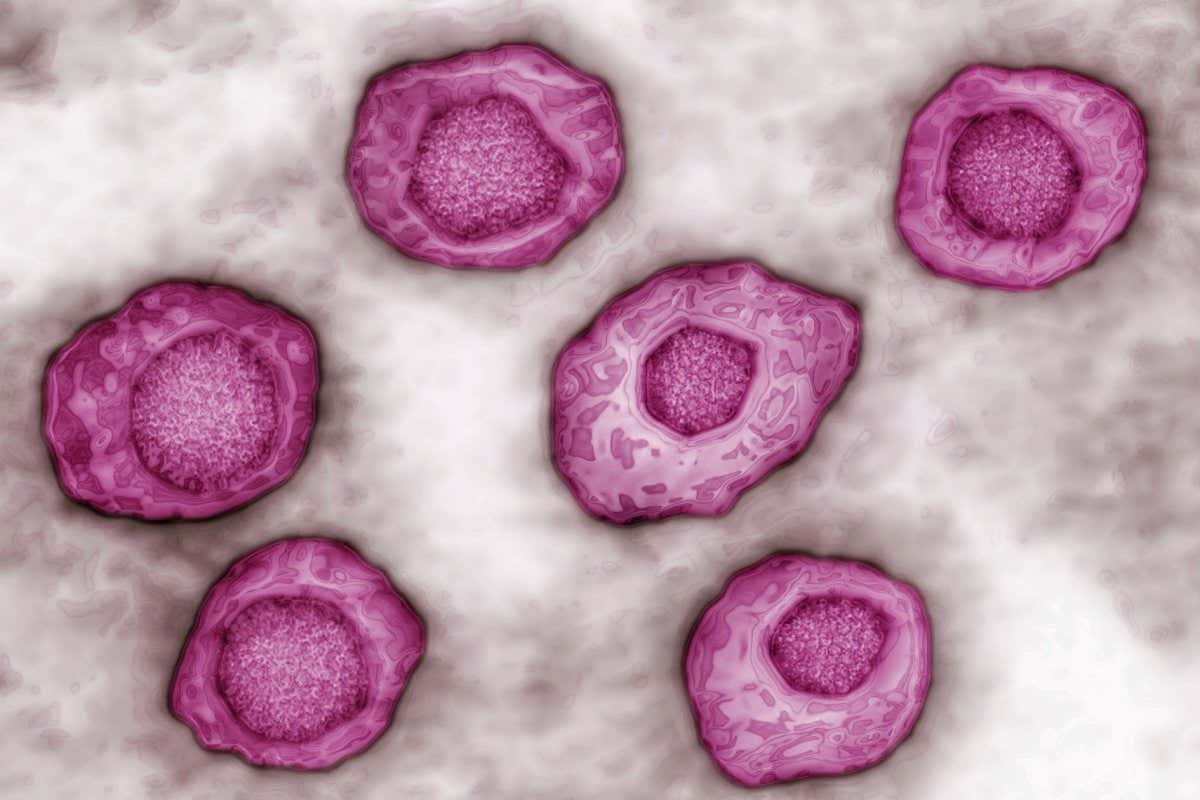

Epstein-Barr virus causes glandular fever and is increasingly being linked to multiple sclerosis

Vaccine may protect against the virus behind multiple sclerosis

4 May 2022

The jab could ward off Epstein-Barr virus, which causes glandular fever and is increasingly being linked to multiple sclerosis, lymphoma and stomach cancer
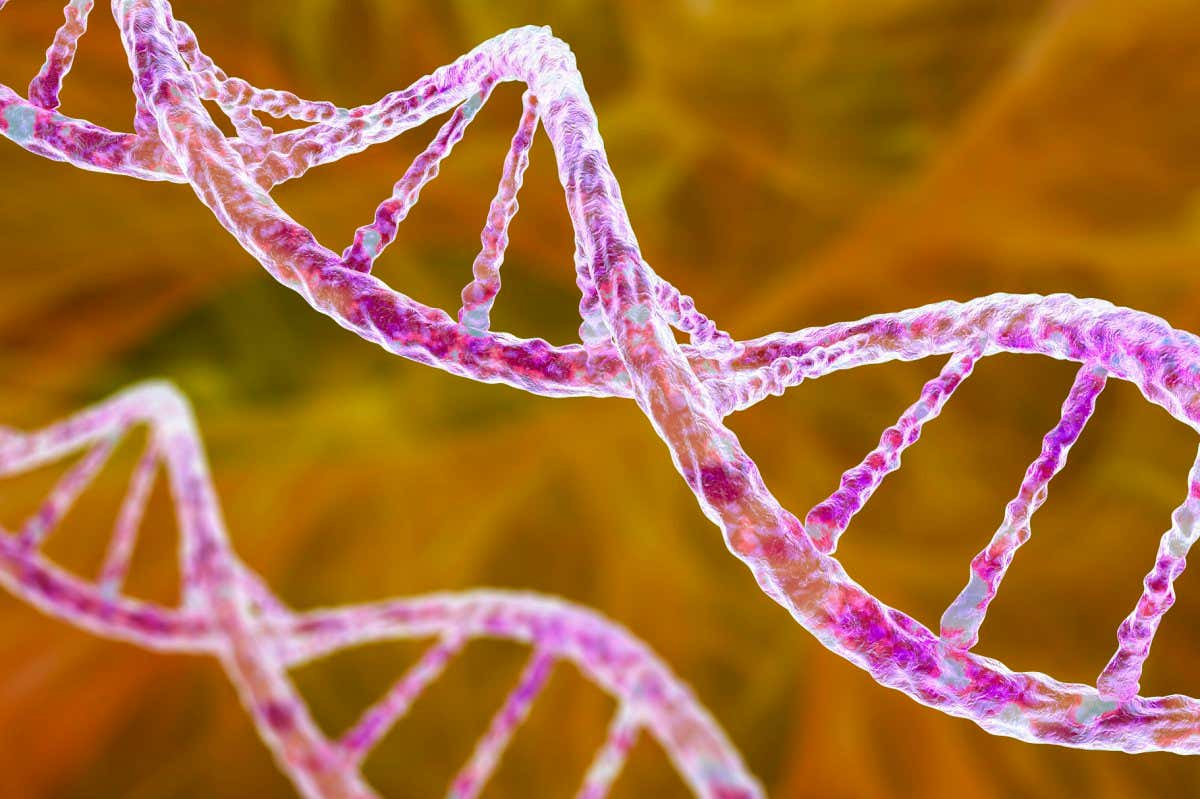

Molecule of DNA, double helix, 3D illustration. Genetic mutation and genetic disorders

A single genetic mutation made humans more susceptible to cancer

3 May 2022

Since we split from chimpanzees, a single letter change in our DNA appears to have made us more likely to get cancer, possibly as a trade-off for extra fertility
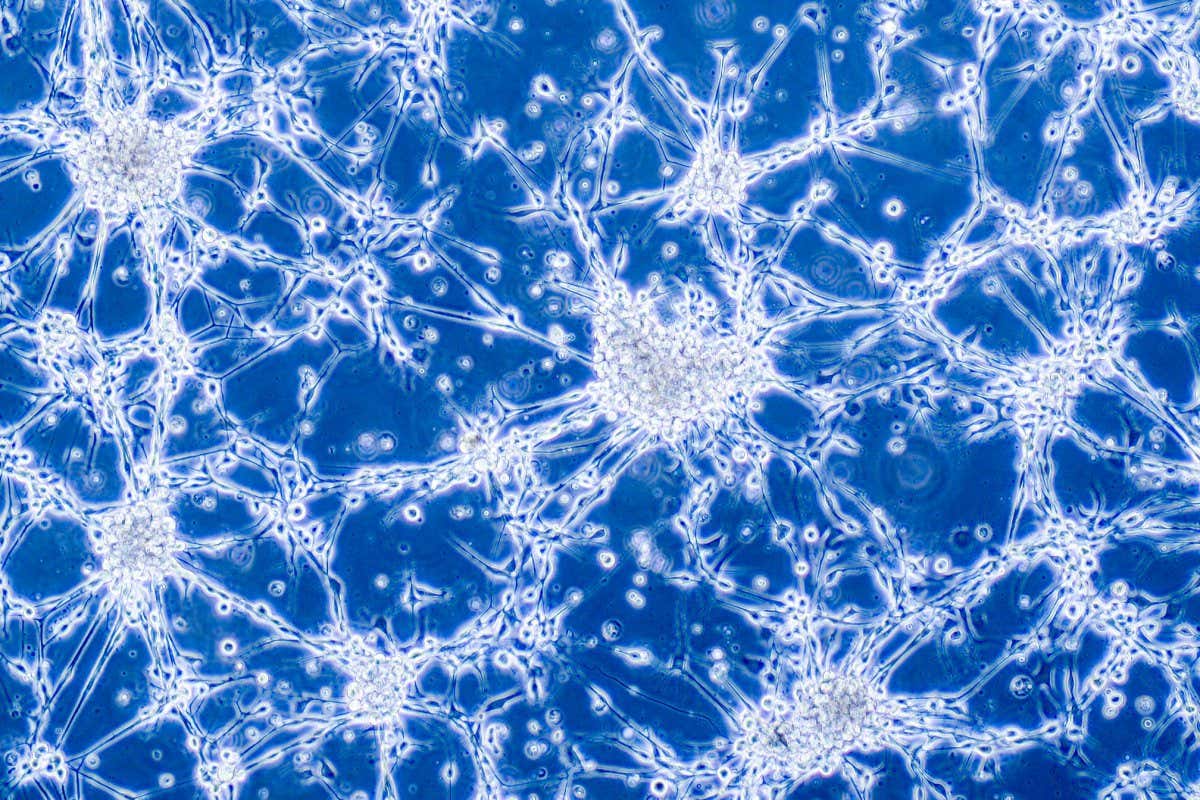

Glioblastoma brain cancer cells under microscope; Shutterstock ID 532184869; purchase_order: -; job: -; client: -; other: -

CRISPR nanocapsule limits growth of aggressive brain tumours in mice

20 April 2022

Tiny capsule that delivers CRISPR gene therapy to the brain could be used to target glioblastoma tumours
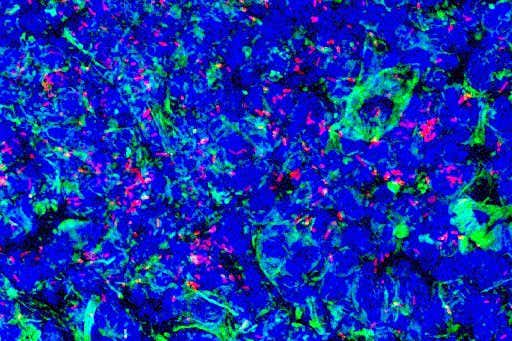

Inside a mouse pancreatic tumour and the red bits are the Listeria bacteria delivering the tetanus to the tumour cells.

Pancreatic cancer treated in mice by loading tumour cells with tetanus

23 March 2022

A new type of therapy aims to exploit immunity gained from childhood tetanus vaccinations to make the immune system attack hard-to-treat pancreatic cancer
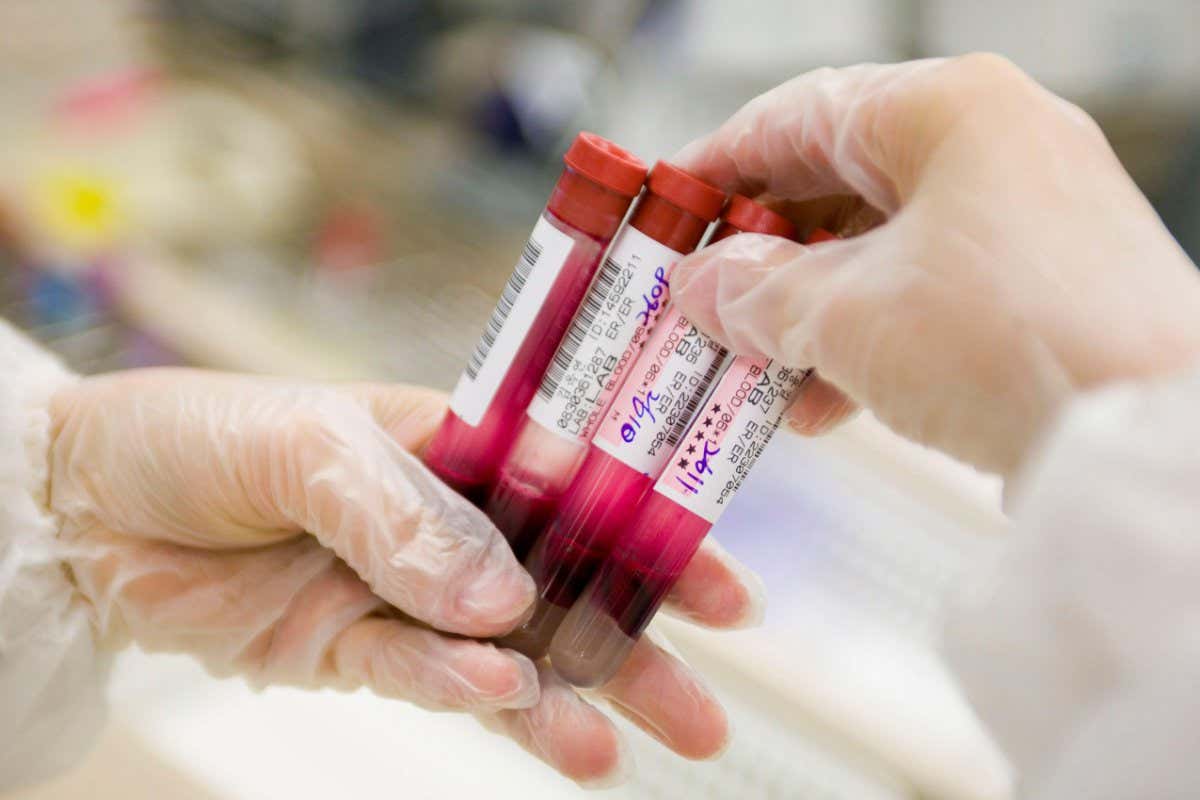

Close-up of blood samples.

Cheap blood test detects lung cancer at an early and treatable stage

2 February 2022

Lung cancer screening has always been expensive, but a simple blood test that detects lipids associated with tumours may offer a cheaper alternative


New Scientist Default Image

No cancer risk from night shifts

5 June 2019

Night shifts don't increase the risk of breast cancer, a 10-year study of UK women suggests


New Scientist Default Image

Rise in colon cancer seen in under-50s

22 May 2019

Colorectal cancers seem to be becoming more common among younger people in rich countries


Sign up to our weekly newsletter

Receive a weekly dose of discovery in your inbox. We'll also keep you up to date with New Scientist events and special offers.

Sign up
Piano Exit Overlay Banner Mobile Piano Exit Overlay Banner Desktop