Subscribe now

Shortage of male turtles could be solved by splash of cold seawater

21 July 2023

Over 99 per cent of green turtles born on beaches in the northern Great Barrier Reef are now female due to nest overheating, but cooling their nests with seawater may help to rebalance the sex ratio
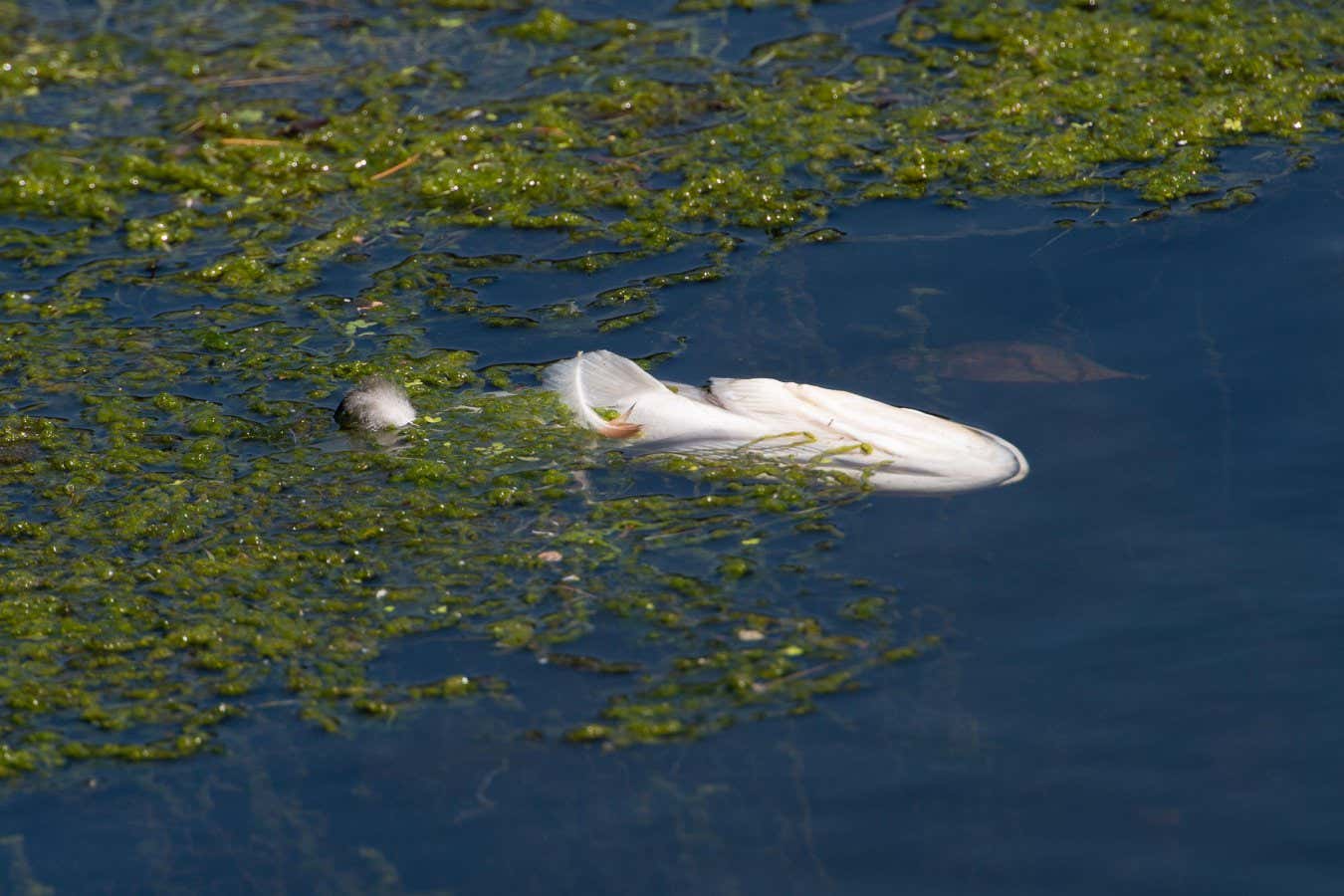
Mass fish deaths will occur more often in rivers as UK gets hotter

14 July 2023

Large numbers of dead fish have been seen in many UK rivers in recent weeks, and researchers warn that climate change will lead to more such events


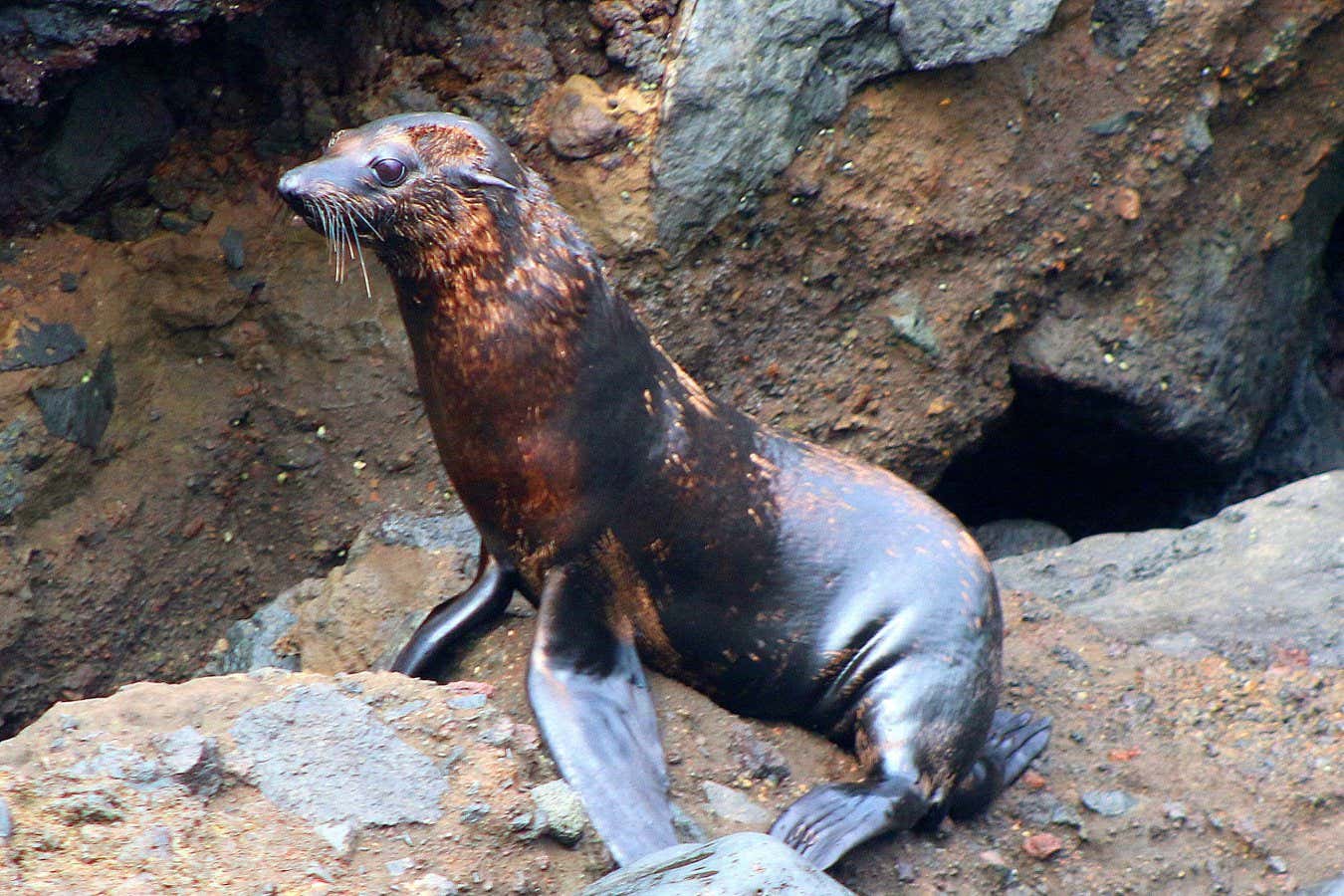
Seals in Mexico are losing fur and climate change may be to blame

15 May 2023

Alopecia makes it harder for fur seals to keep warm, and the condition may be the result of hotter temperatures making it tough to find their preferred prey


Bigger butterflies may cope better with climate change

11 May 2023

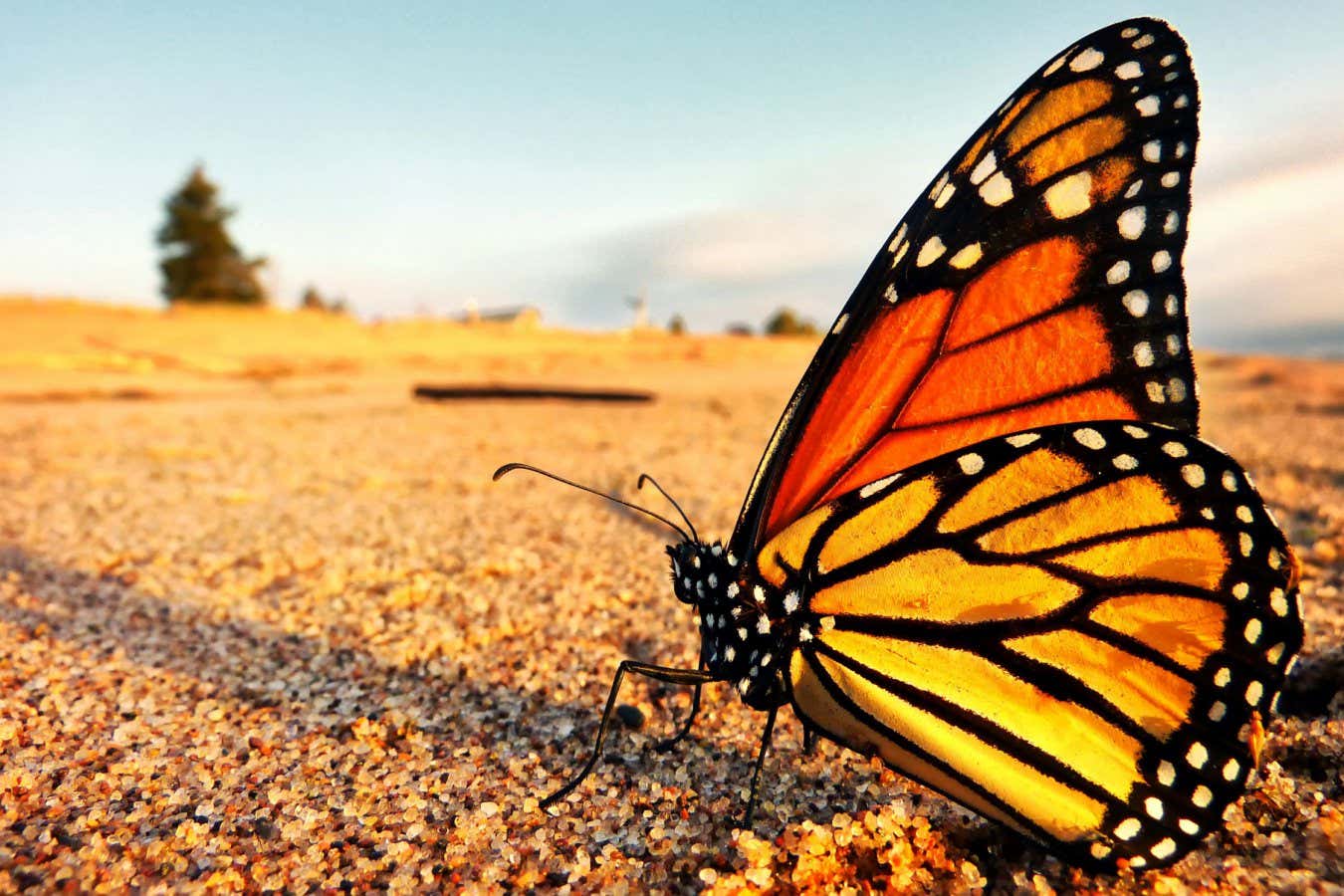
Butterflies with larger wingspans may be more likely to expand their range at high latitudes because they can fly to new habitats as temperatures rise


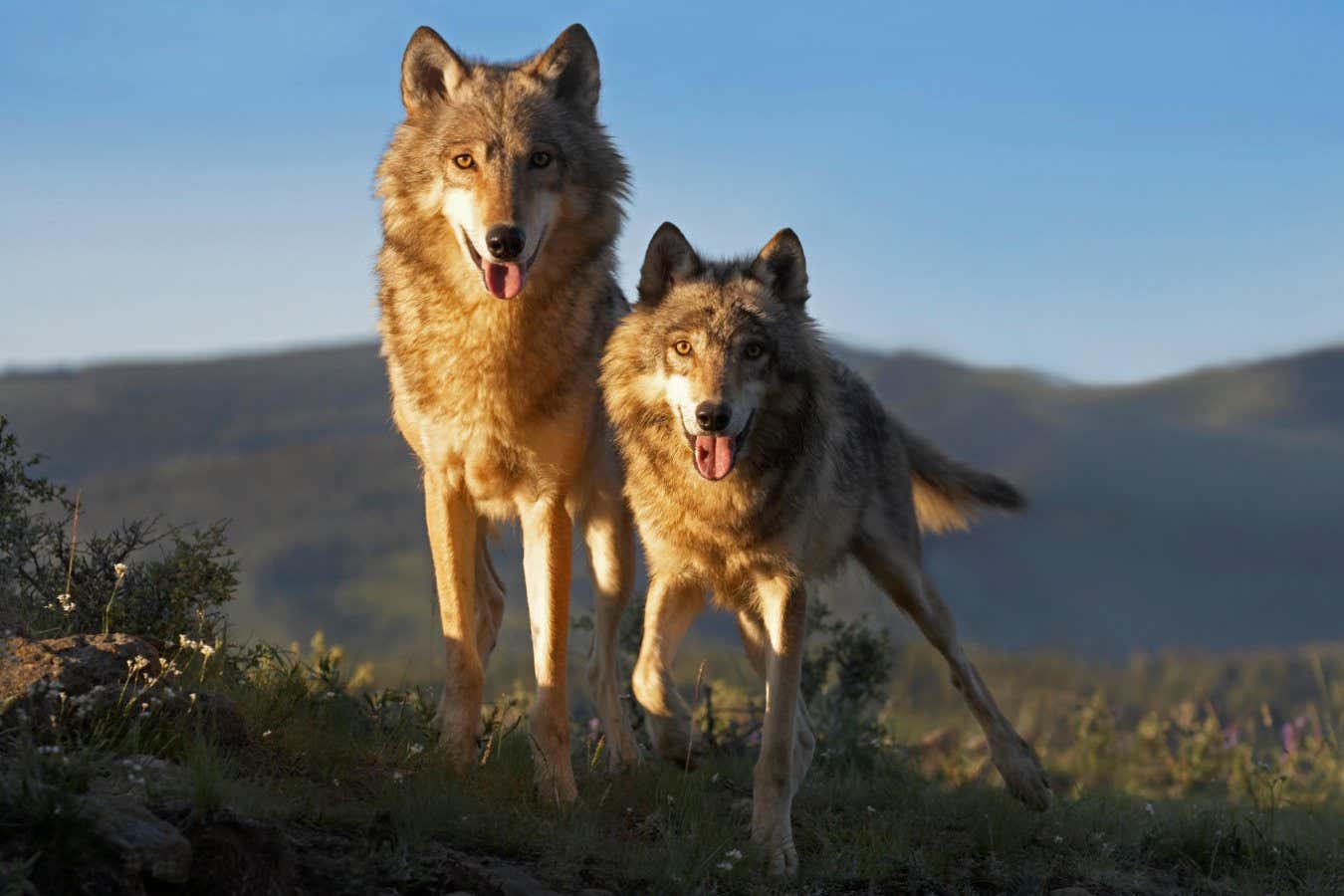
Restoring just nine groups of animals could help combat global warming

27 March 2023

Protecting or expanding the populations of nine key groups of animals, including wolves and whales, would remove huge amounts of carbon from the atmosphere


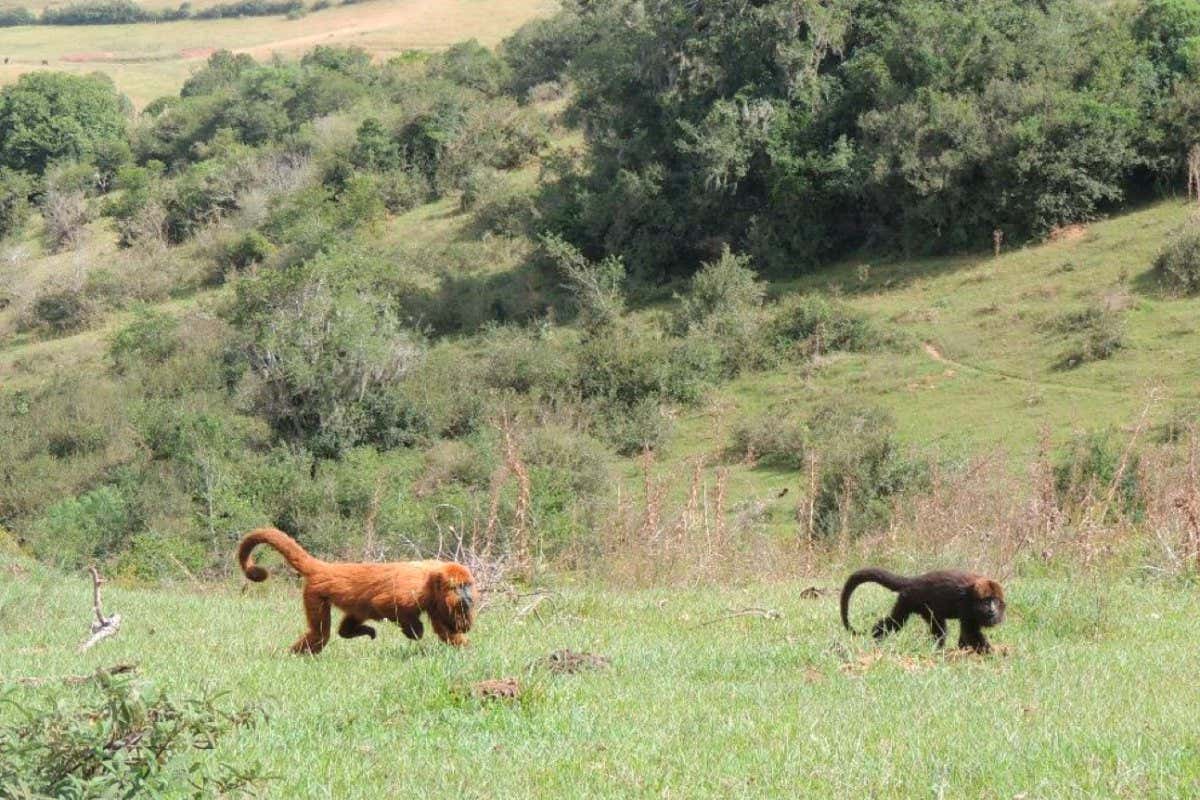
Brown howler monkeys in open grassland

Monkeys and lemurs are coming down from the trees as climate warms up

10 October 2022

Rising temperatures and deforestation are pushing tree-dwelling primates to spend more time on the ground in search of shade and water


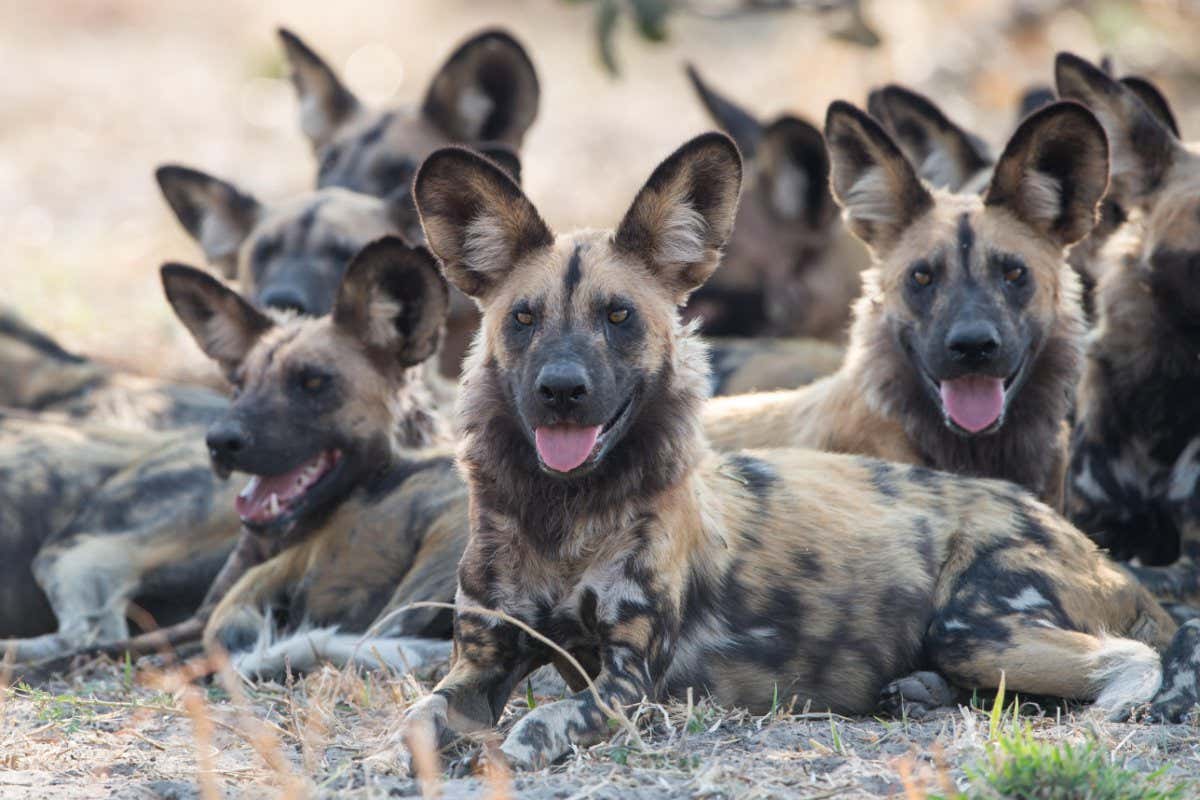
F65B27 Pack of African wild dogs (lycaon pictus), Savuti, Chobe National Park, Botswana

African wild dogs give birth 22 days later than they did 30 years ago

27 June 2022

African wild dogs like to breed at the coolest time of year, and climate change has shifted the average timing of birth by 3 weeks in just 30 years


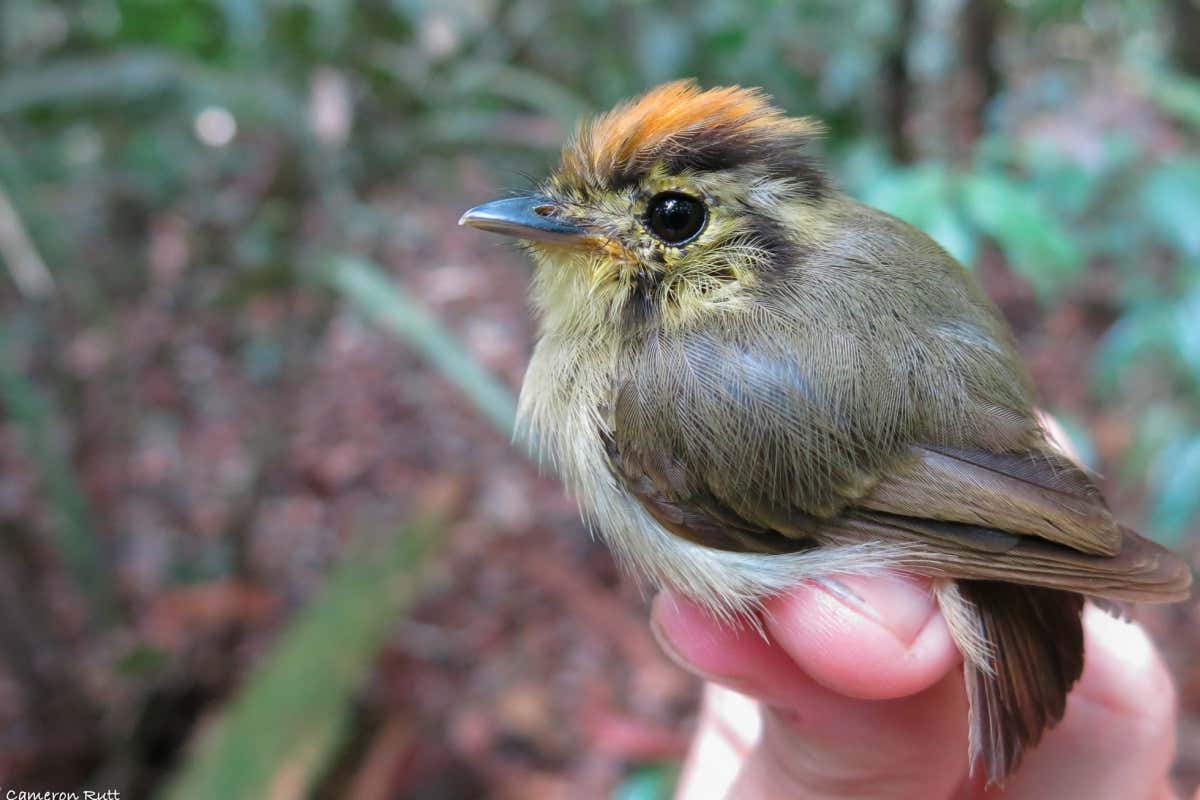
Birds in the Amazon are adapting to climate change by getting smaller

Birds in the Amazon are adapting to climate change by getting smaller

12 November 2021

An analysis of 77 tropical bird species in the Amazon shows that all of them have shrunk and a third developed longer wings over the past 40 years


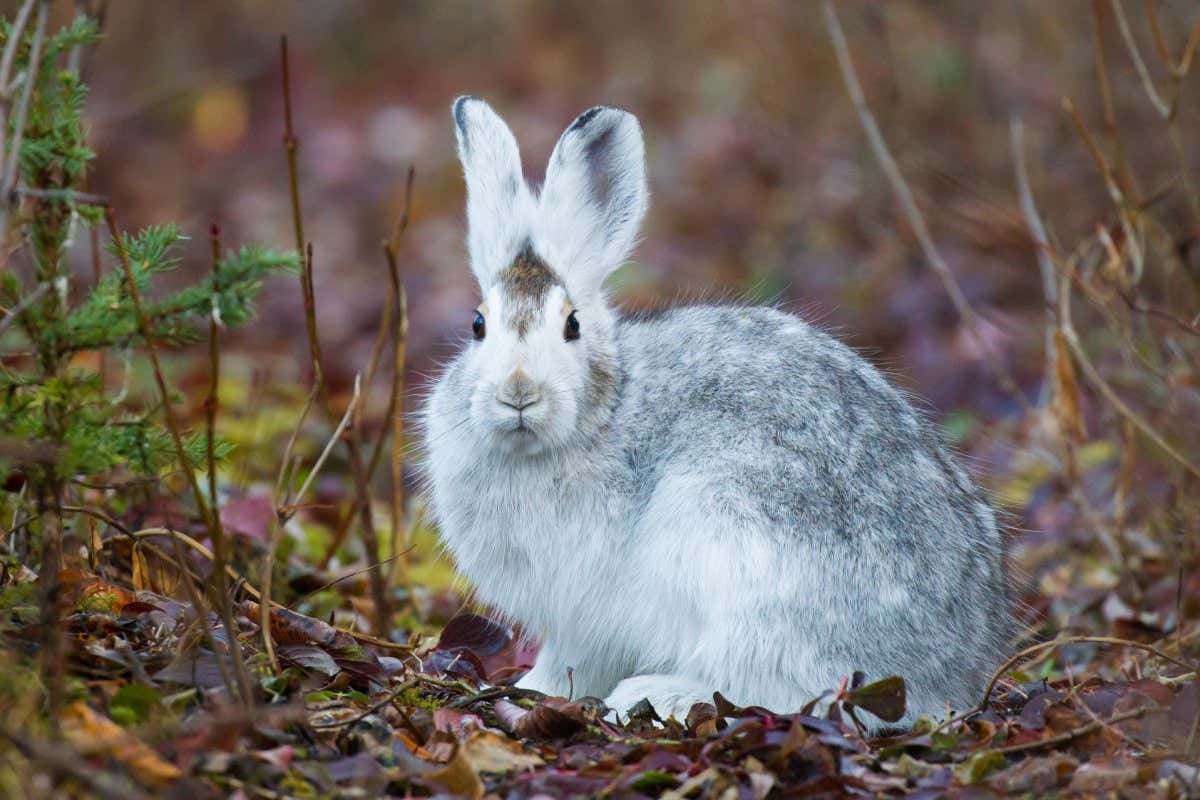
Snowshoe Hare Lepus americanus changing from summer to winter fur in Teslin, Yukon, Canada; Shutterstock ID 783248209; purchase_order: -; job: -; client: -; other: -

Hares with failed snow camouflage still manage to avoid predators

7 October 2021

Snowshoe hares turn white in autumn to blend into their snowy environment – but surprisingly, they thrive even when the snow doesn’t fall


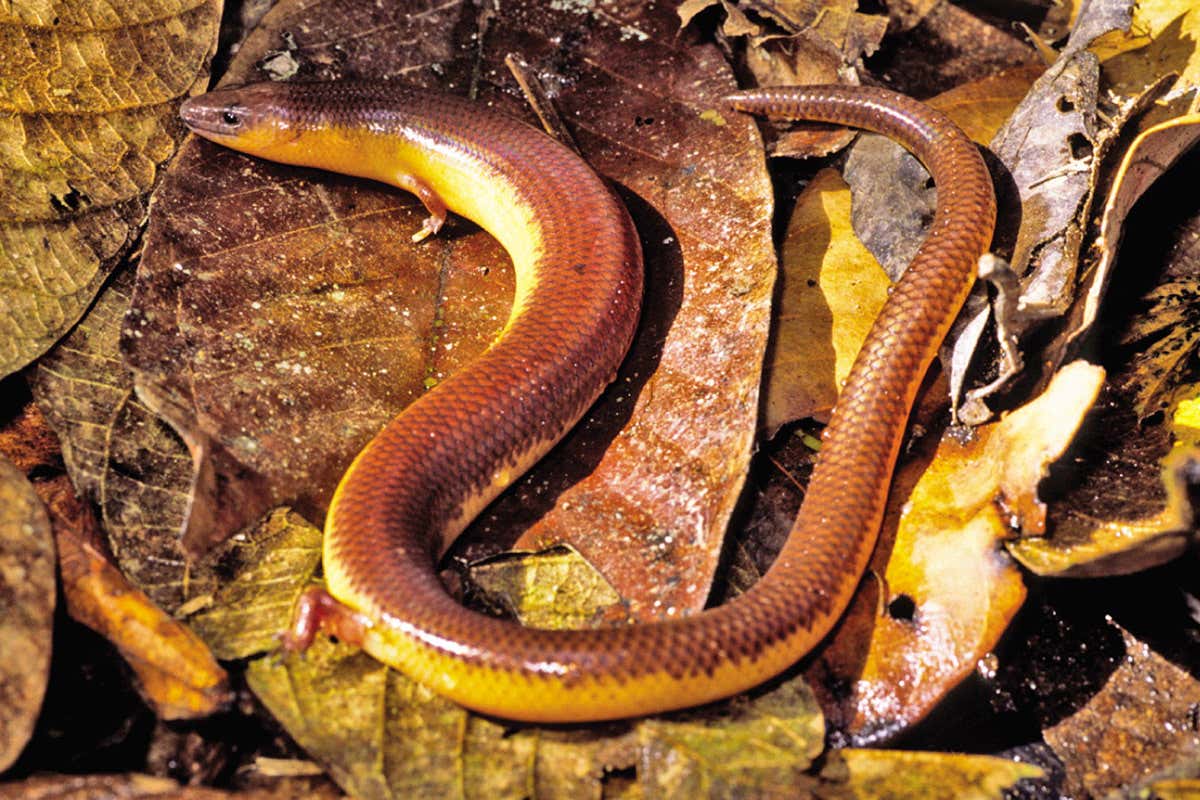
Lizards that lost their legs re-evolved them as the climate got wetter

Lizards that lost their legs re-evolved them as the climate got wetter

11 November 2020

The snake-like lizards of the Brachymeles genus began with four legs, lost them about 62 million years ago, and then 20 million years later regained them to deal with a wetter climate


Sign up to our weekly newsletter

Receive a weekly dose of discovery in your inbox. We'll also keep you up to date with New Scientist events and special offers.

Sign up
Piano Exit Overlay Banner Mobile Piano Exit Overlay Banner Desktop