Subscribe now
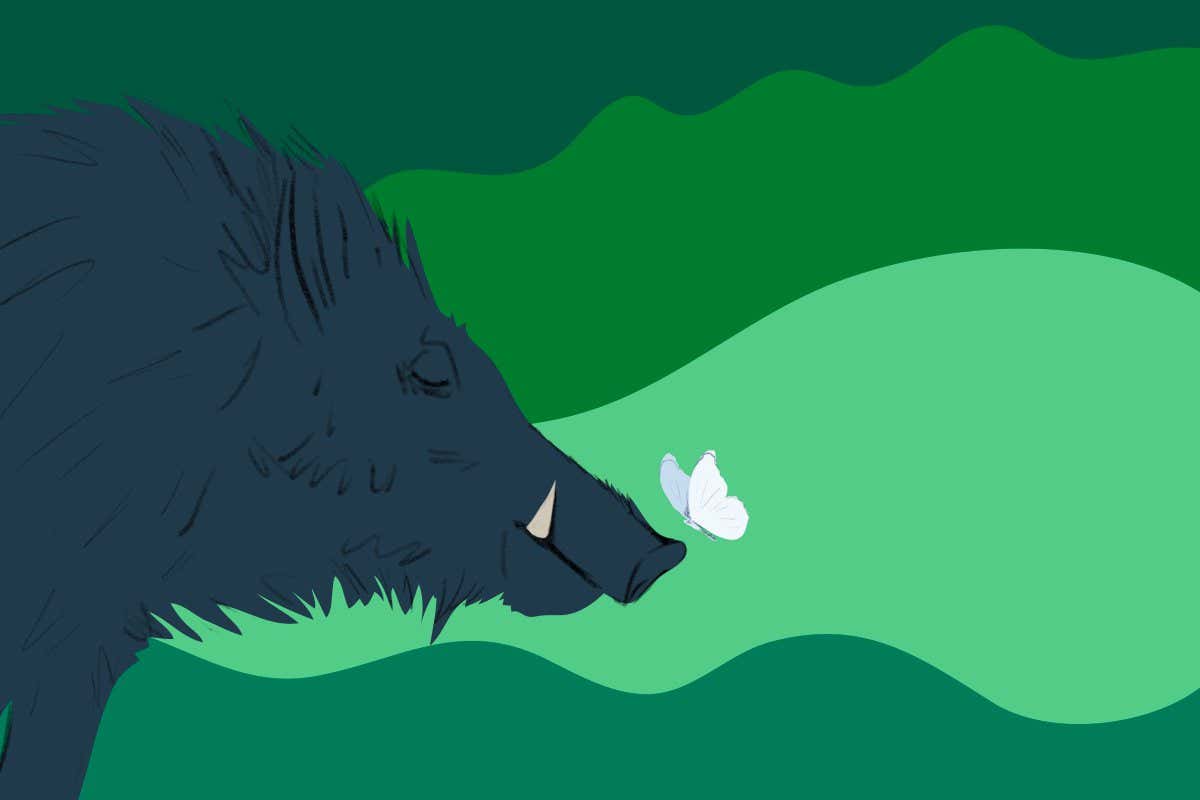
Wild boar appear destructive, but they make excellent conservationists

Wild boar appear destructive, but they make excellent conservationists

28 September 2022

Keystone species such as wild boar, eagles and lynx were managing the planet quite well for millions of years before humans got involved. We must cherish them, says Benedict Macdonald
The way we are going about saving coral reefs is all wrong

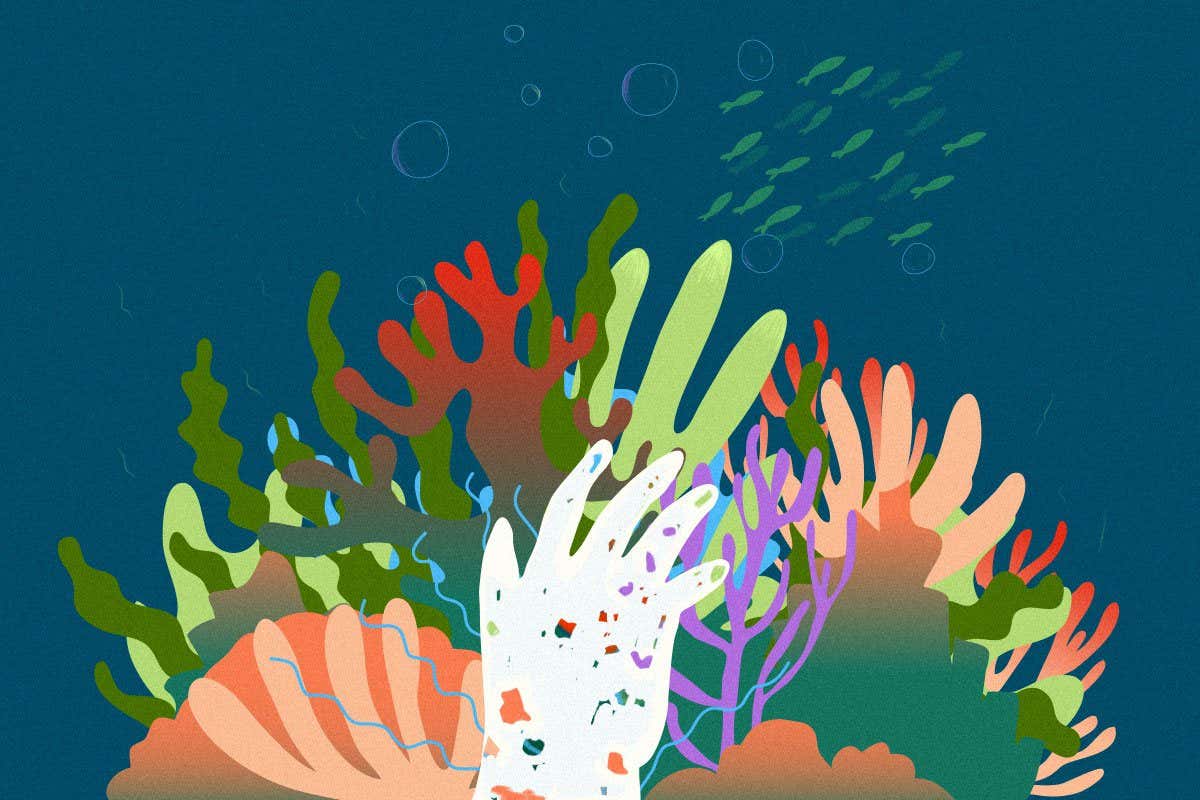
The way we are going about saving coral reefs is all wrong

2 February 2022

Coral gardening projects are more popular than ever to help reefs recover from the effects of a warming ocean, but they are a distraction away from the real solutions, says Catherine Collins


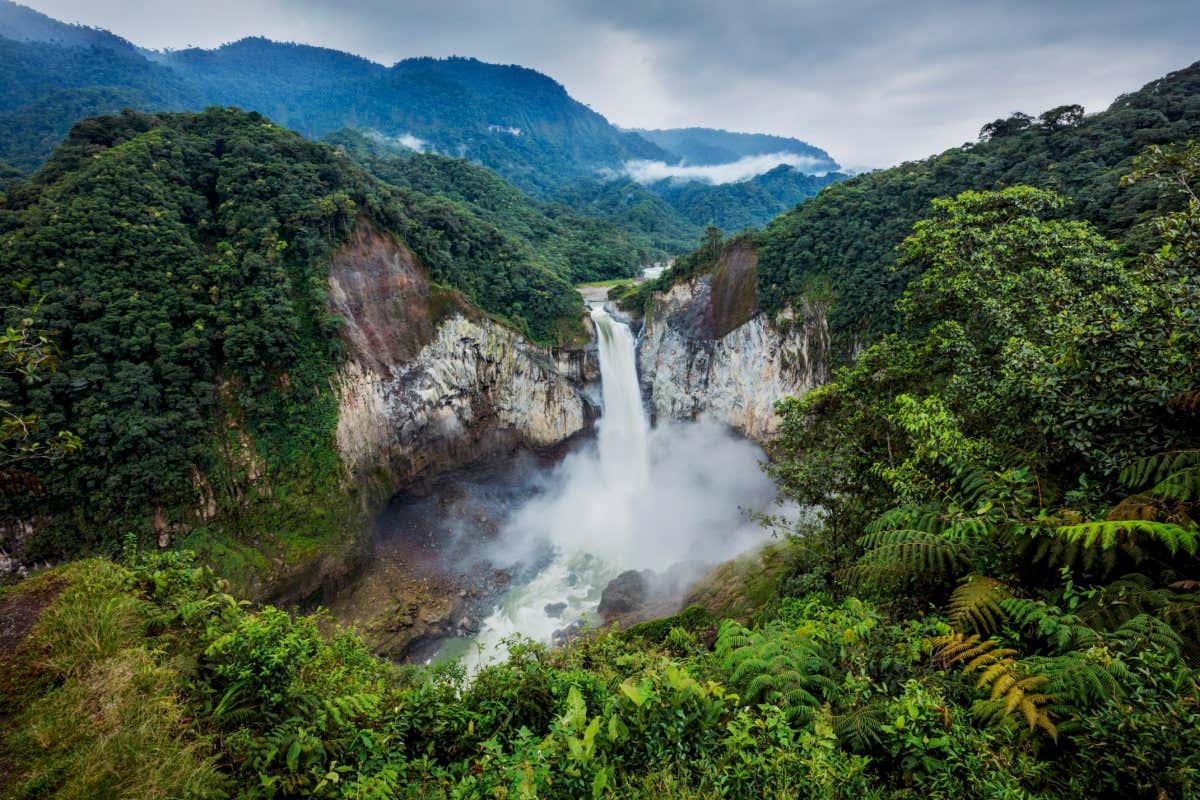
The San Rafael waterfall, the biggest falls in Ecuador, located on the boundary of the Amazon with The Andes. San Rafael, Napo, Ecuador. February 2016

The Amazon is turning into savannah – we have 5 years to save it

8 December 2021

We have been hearing warnings about the destruction of the Amazon rainforest for decades, but experts say a catastrophic tipping point is now just over the horizon. Are they right? And if so, what can we do to pull things back?


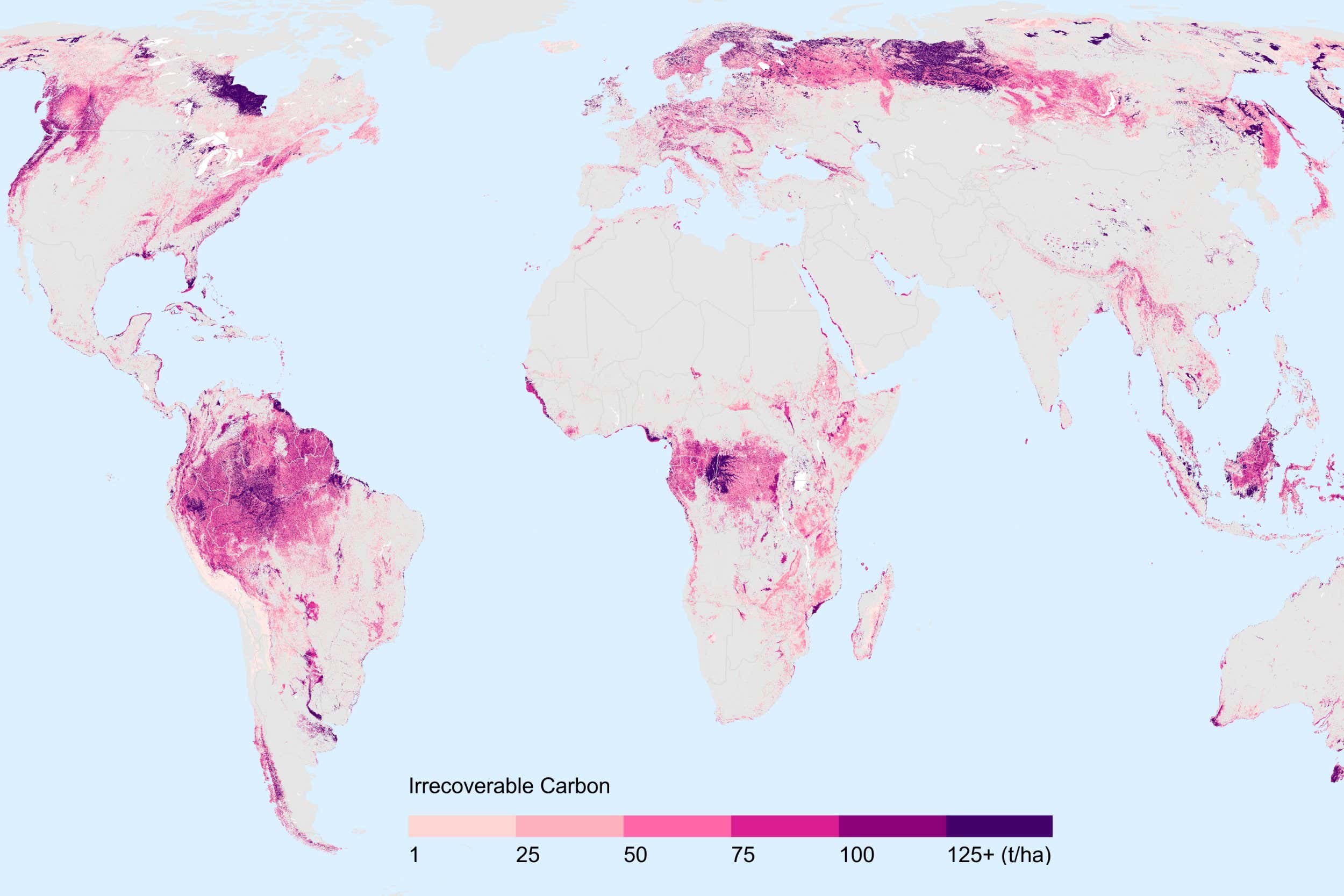
Irrecoverable carbon in Earth?s ecosystems.

Over three-quarters of the world’s vital carbon stores are unprotected

18 November 2021

Ecosystems such as forests and peatlands are vital stores for carbon, but less than a quarter of these areas worldwide have protected status


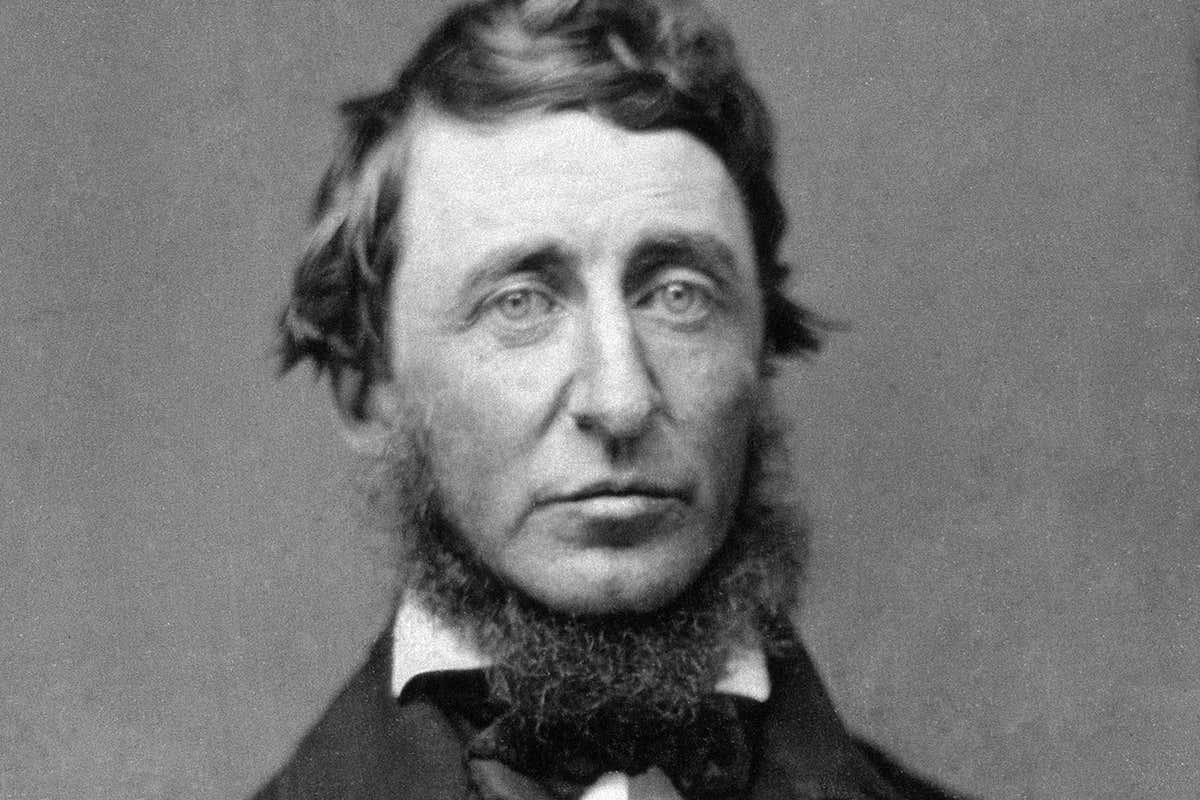
Henry David Thoreau 12 July 1817 - 6 May 1862

Henry David Thoreau

26 August 2021

Henry David Thoreau was an American author and philosopher famous for his observations of the natural world and his transcendentalist beliefs


Climate change and nature loss must be tackled together, says report

Climate change and nature loss must be tackled together, says report

10 June 2021

The two planetary crises of climate change and biodiversity loss must be tackled together or neither will be successfully solved, according to a major report by two international bodies


woodland

Untouched nature was almost as rare 12,000 years ago as it is now

19 April 2021

Most land on Earth has been shaped by humans for at least 12,000 years, suggesting low intensity land use is compatible with preserving biodiversity


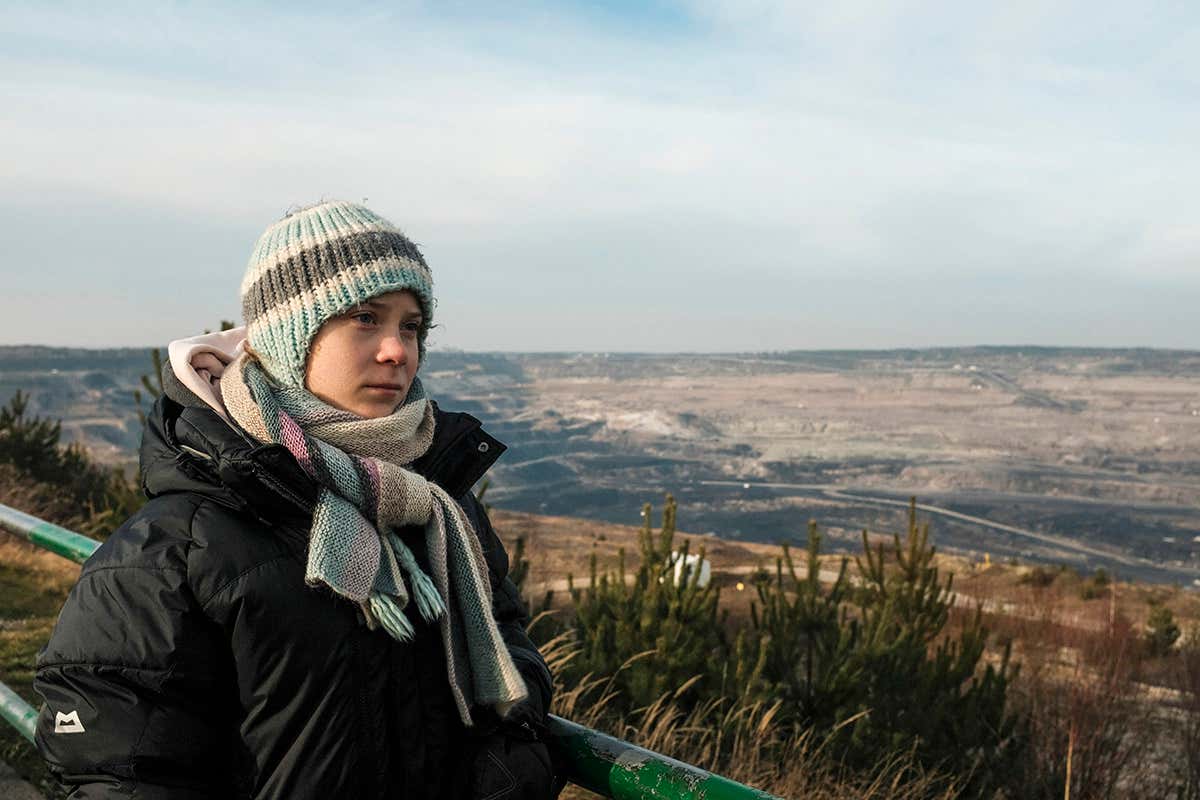
Greta Thunberg views a coal mine in Bełchatów, Poland

Greta Thunberg's amazing year meeting the world's climate scientists

5 April 2021

Greta Thunberg: A Year to Change the World, a three-part BBC series, follows the teenage climate change activist as she embarks on a year off school to learn from the world’s top environmental scientists and economists


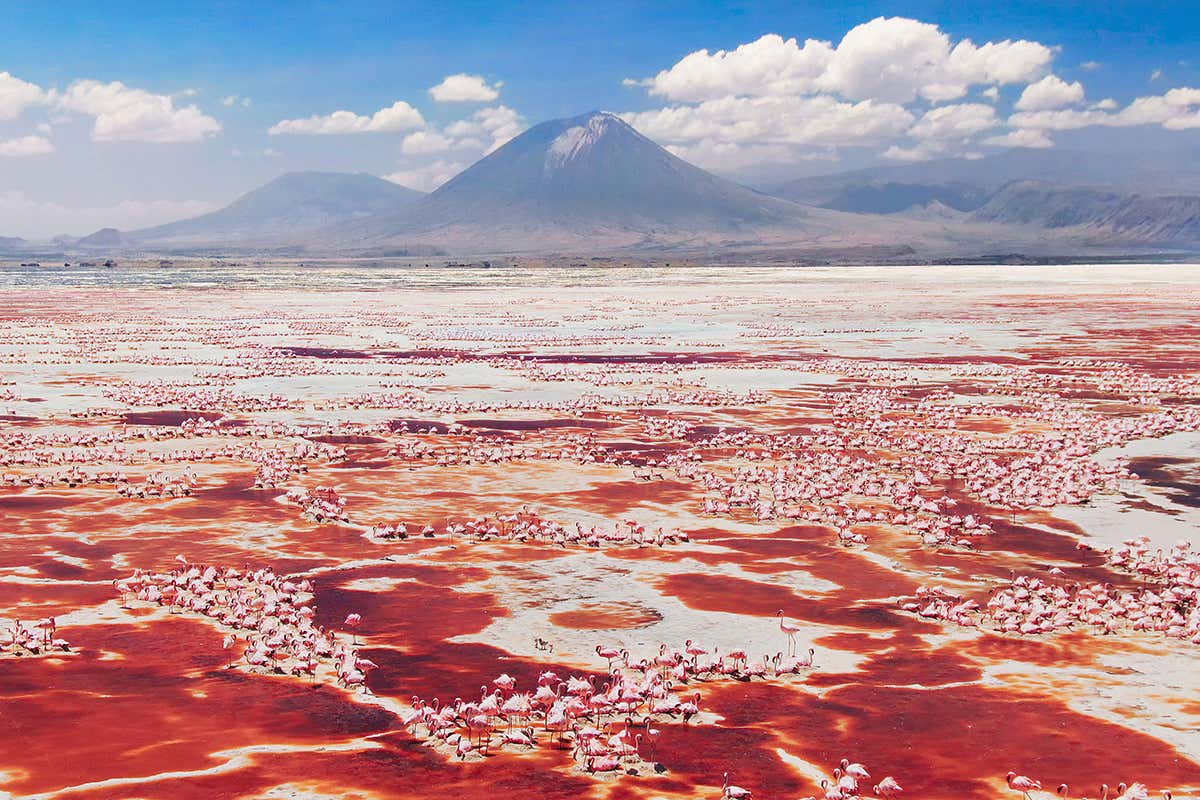
Over 1.5 million flamingos gather on the soda flats of Lake Natron in northern Tanzania

A Perfect Planet review: Attenborough's new show is one of his best

14 January 2021

David Attenborough documentary A Perfect Planet blends earth science with dazzling images of flamingos, finches and frogs to reveal how natural forces have nurtured life


The secret weapon in the war between pet cats and wildlife

The secret weapon in the war between pet cats and wildlife

28 October 2020

To stop cats killing billions of birds and small mammals every year, we must enlist the help of people who love them, which means getting inside the minds of cat owners


Sign up to our weekly newsletter

Receive a weekly dose of discovery in your inbox. We'll also keep you up to date with New Scientist events and special offers.

Sign up
Piano Exit Overlay Banner Mobile Piano Exit Overlay Banner Desktop