
Space Week: A seven-day tour of the cosmos
18 July 2023
To celebrate the launch of our new podcast, Dead Planets Society, New Scientist editors have selected some of our most delightful premium articles about the solar system and beyond
18 July 2023
To celebrate the launch of our new podcast, Dead Planets Society, New Scientist editors have selected some of our most delightful premium articles about the solar system and beyond

3 July 2023
A phenomenon called cosmological time dilation means that events taking place in the early universe seem to evolve slower than those today

29 June 2023
After decades of searching, astronomers have found a distinctive pattern of light, from spinning stars called pulsars, that suggests huge gravitational waves are creating gentle ripples in space-time across the universe
13 June 2023
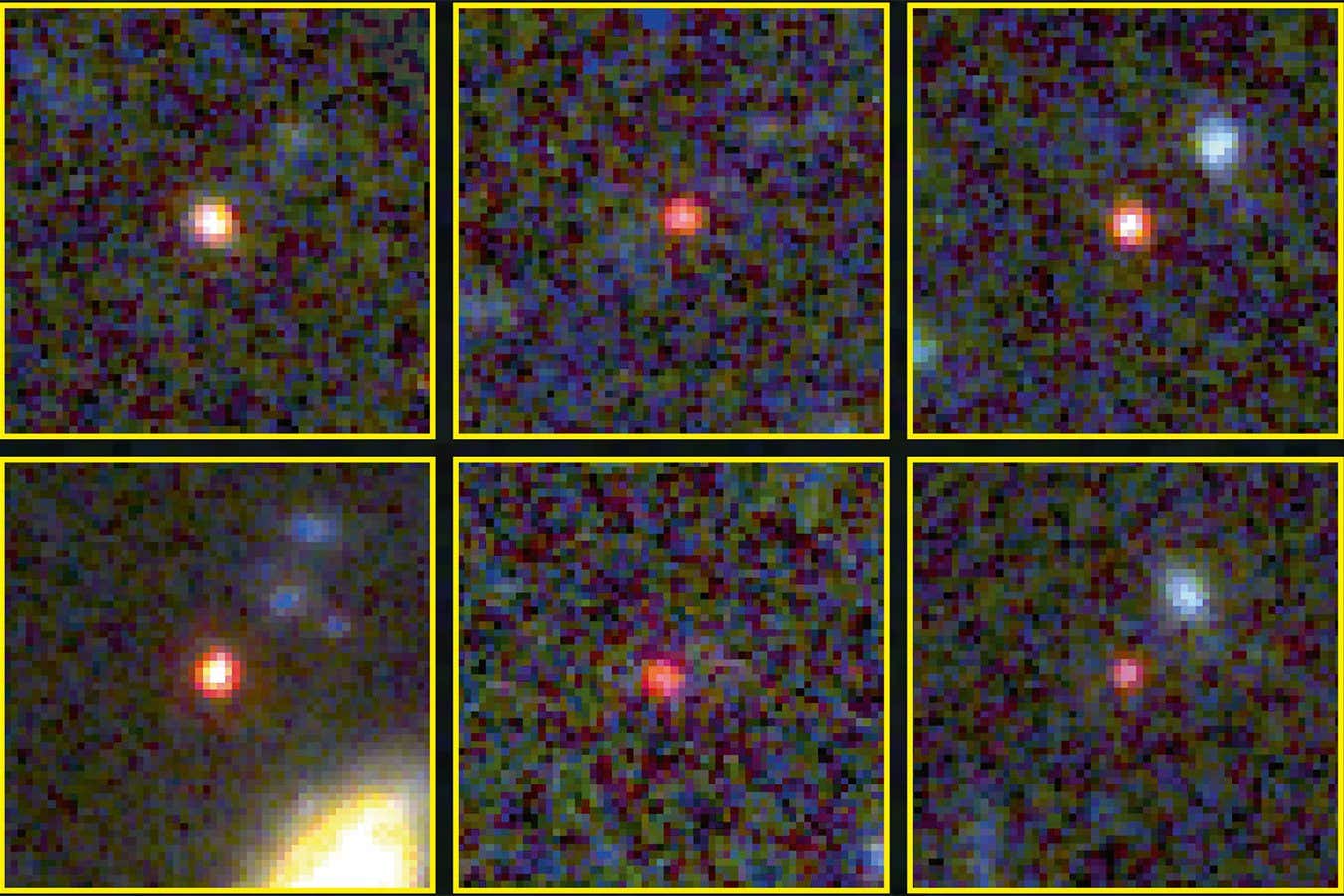
A few months ago, the James Webb Space Telescope spotted six early galaxies that were so large they threatened to break our best theory of how the cosmos evolved. Did they?
11 May 2023
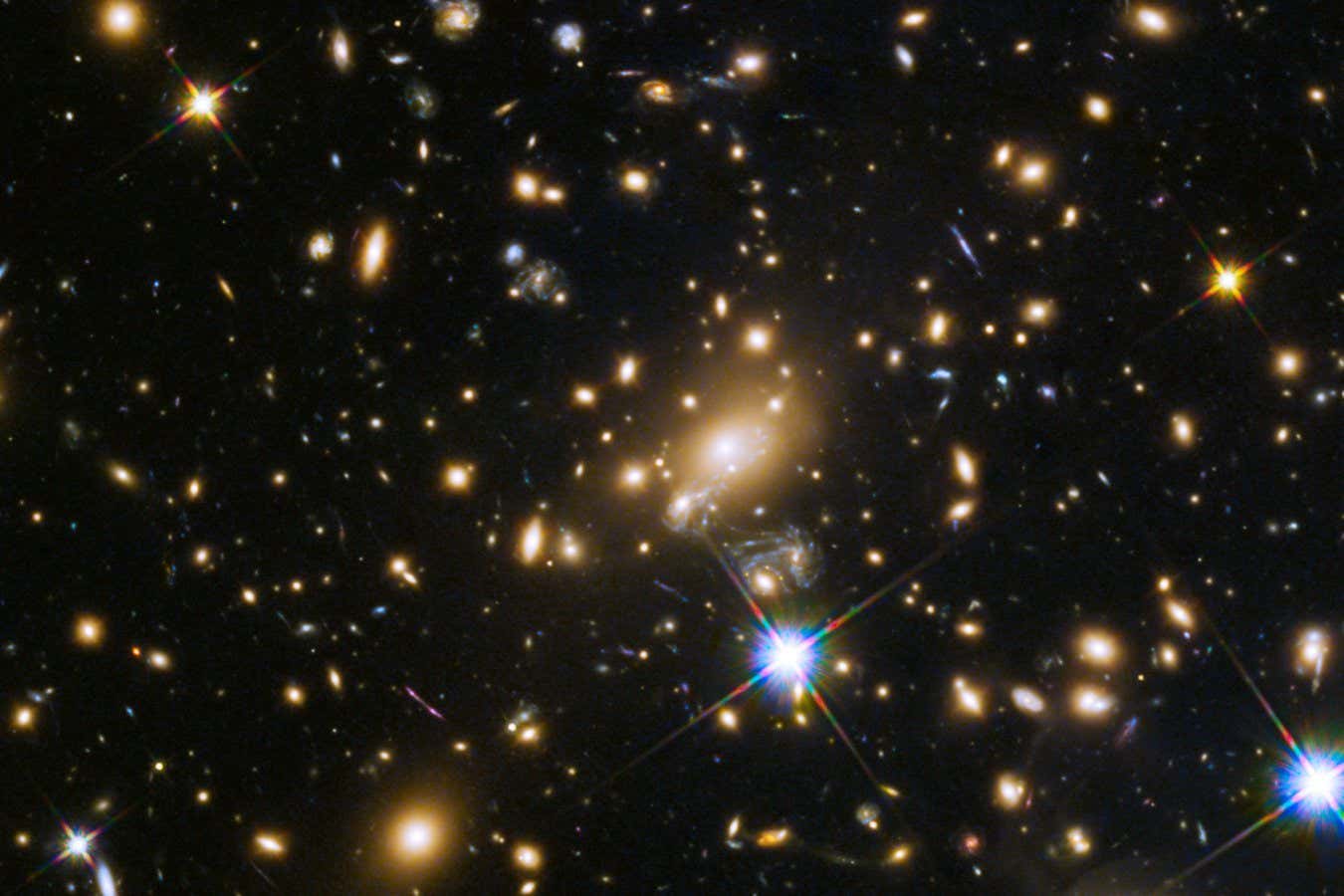
The two main methods of measuring the expansion of the universe have always disagreed, and observations of a supernova found in 2014 have thrown another wrench in the works
10 May 2023
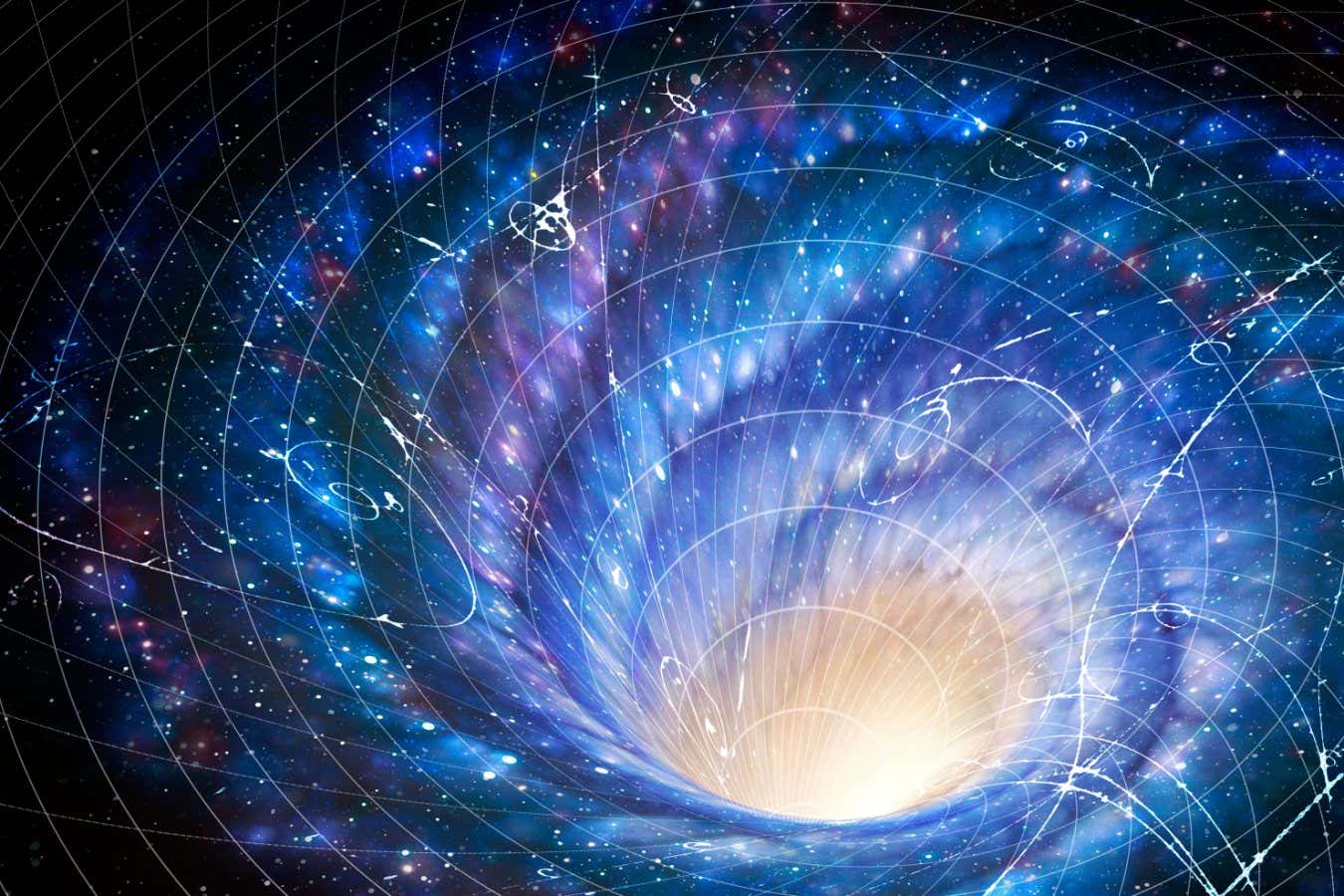
Making a wormhole that a human could theoretically travel through would require an upside-down universe and negative energy
24 April 2023
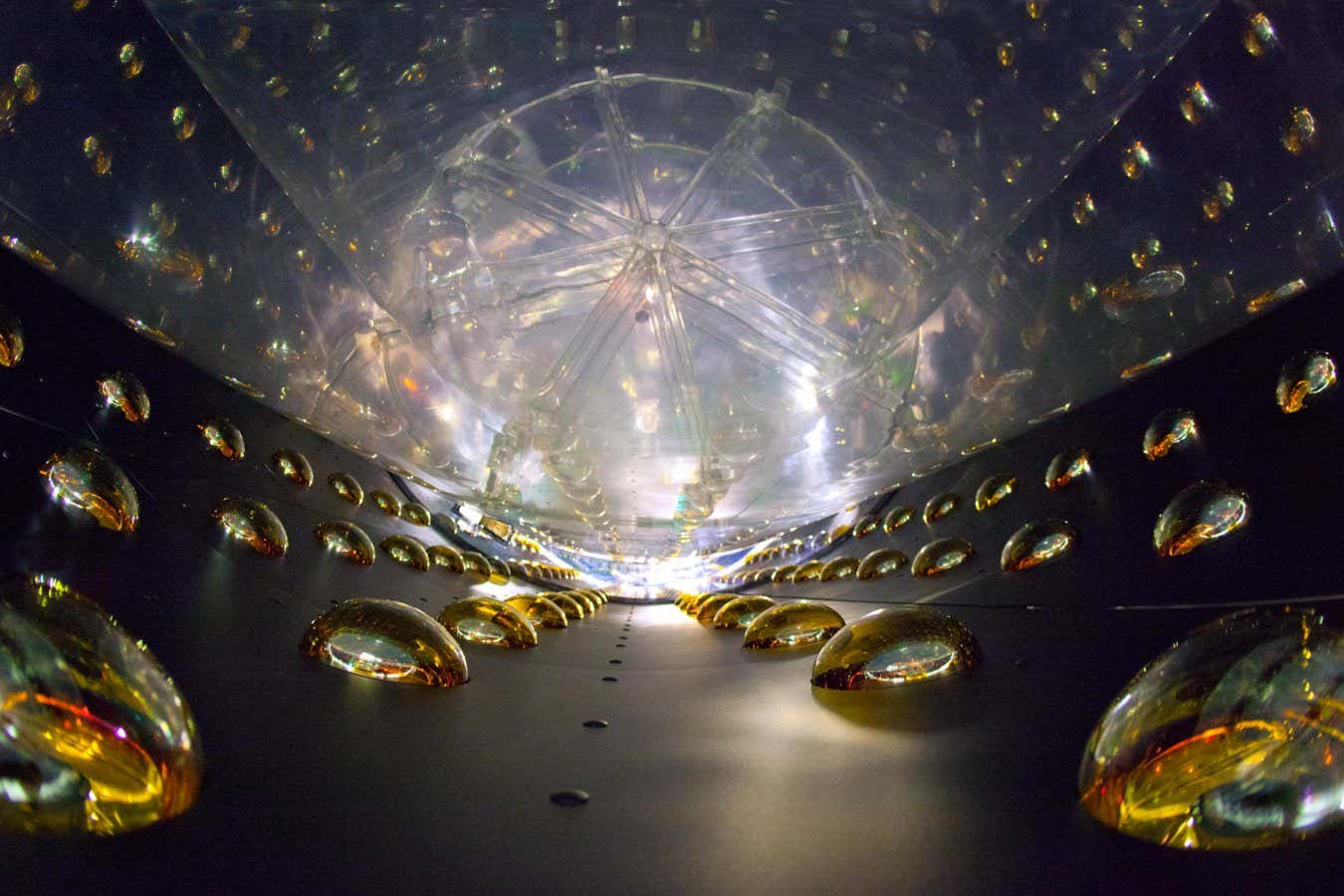
If we could detect them, cosmic neutrinos would paint a picture of the universe in the instant after it began. Physicist Martin Bauer has come up with a plan to do just that
22 March 2023
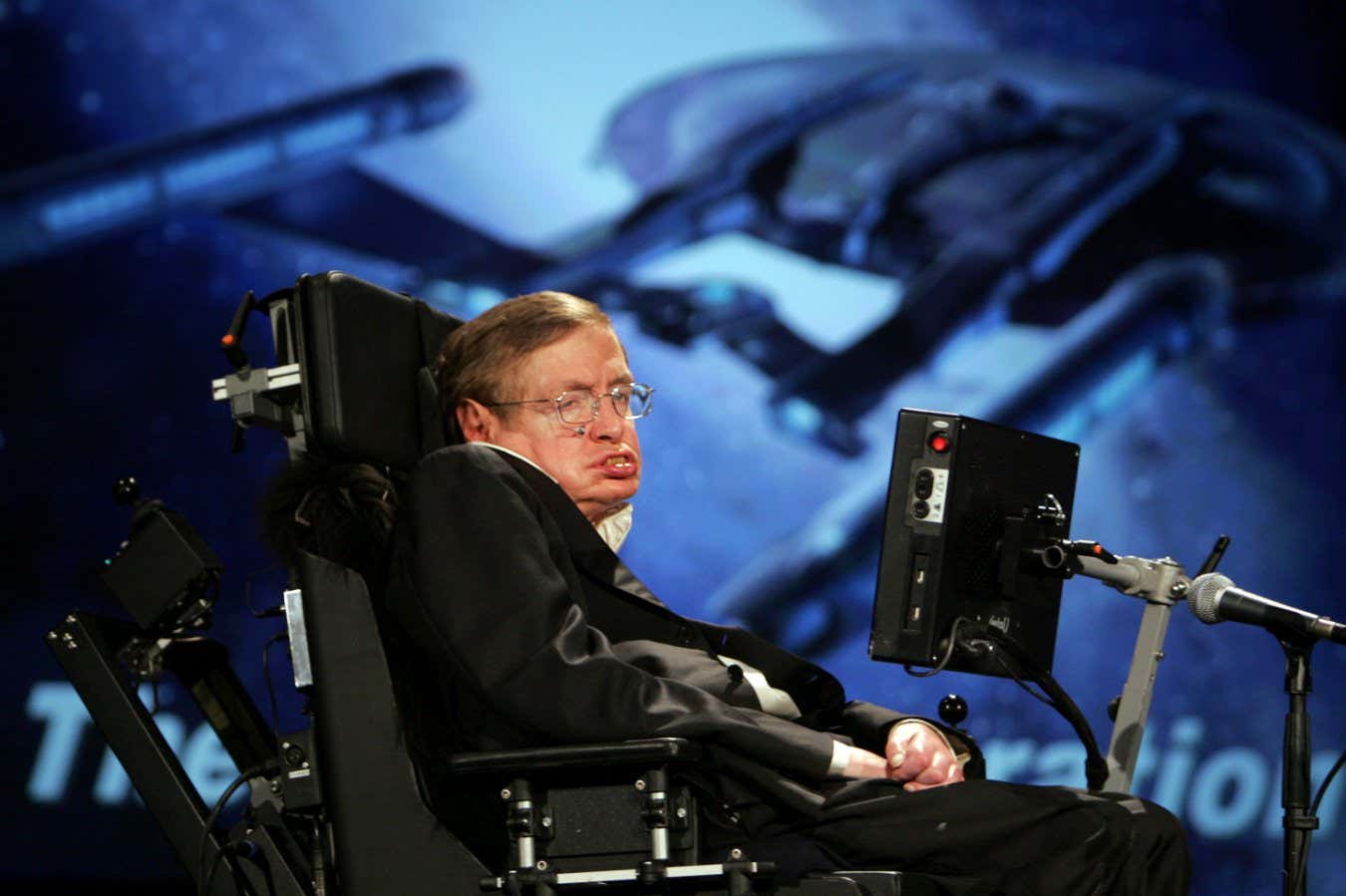
The physicist’s final theorem, about why the universe seems fine-tuned for life, contains some provocative predictions. Will they be as fruitful as his insights into black holes?

20 March 2023
In his final years, Stephen Hawking tackled the question of why the universe appears fine-tuned for life. His collaborator Thomas Hertog explains the radical solution they came up with

25 January 2023
To explain the cosmos without invoking cosmic inflation, physicist Neil Turok has proposed the existence of a mirror-image universe going backwards in time from the big bang. He tells us why the idea is so compelling
