Subscribe now
New Scientist recommends: Tomorrow, and Tomorrow, and Tomorrow

New Scientist recommends: Tomorrow, and Tomorrow, and Tomorrow

19 July 2023

The books, TV, games and more that New Scientist staff have enjoyed this week


New Scientist recommends: Pod and Women on Nature

New Scientist recommends: Pod and Women on Nature

12 July 2023

The books, TV, games and more that New Scientist staff have enjoyed this week


Love + Science, a new play by scientist and writer David J. Glass. Production image

New Scientist recommends: Love + Science and The Price of Peace

5 July 2023

The books, TV, games and more that New Scientist staff have enjoyed this week
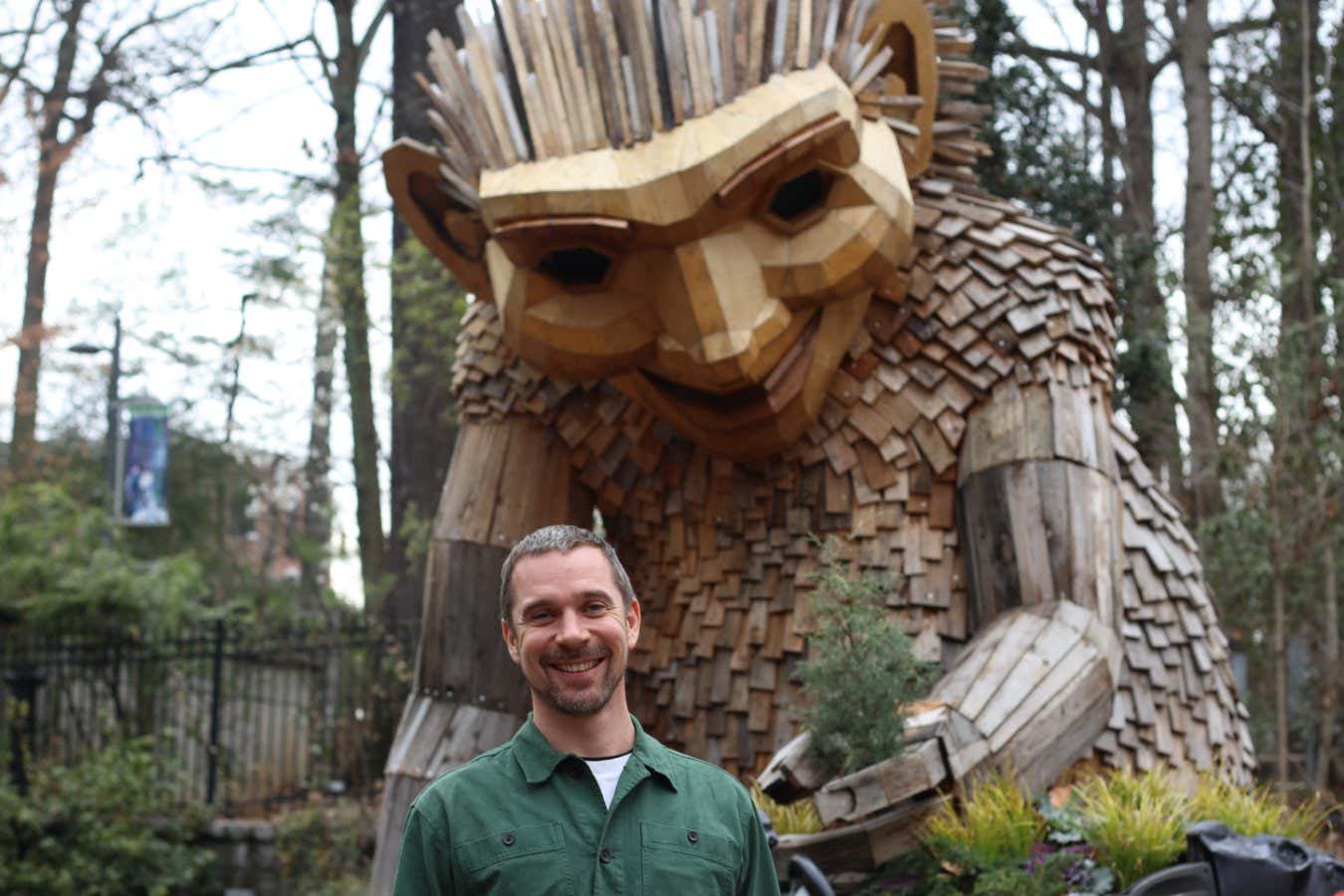

Atlanta Botanical Garden Atlanta in Georgia ?Trolls: Save the Humans? with Danish artist Thomas Dambo

New Scientist recommends: Troll sculptures at Atlanta Botanical Garden

14 June 2023

The books, TV, games and more that New Scientist staff have enjoyed this week
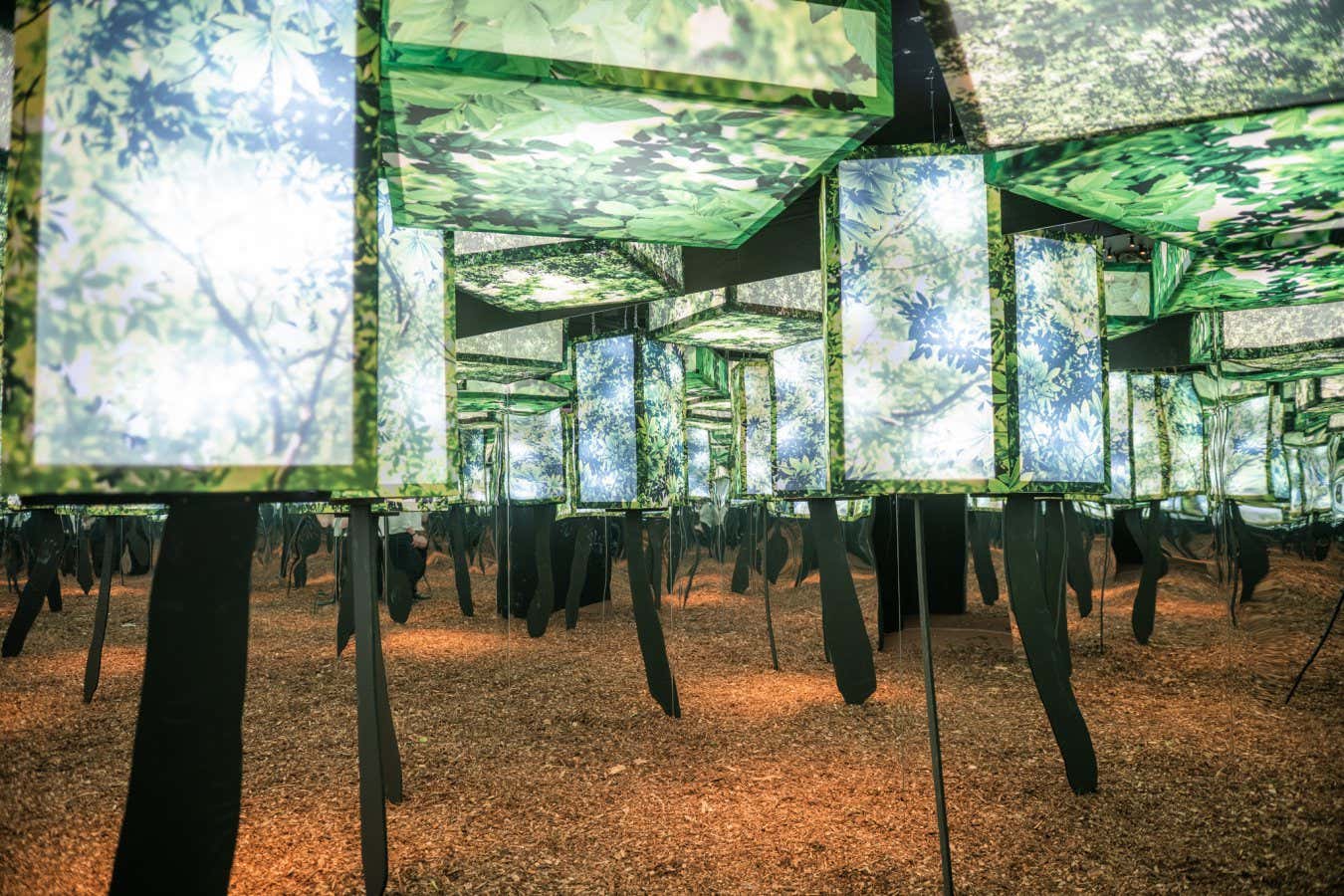

Dopamine Land - London

New Scientist recommends: Martin MacInnes's transcendent In Ascension

24 May 2023

The books, TV, games and more that New Scientist staff have enjoyed this week
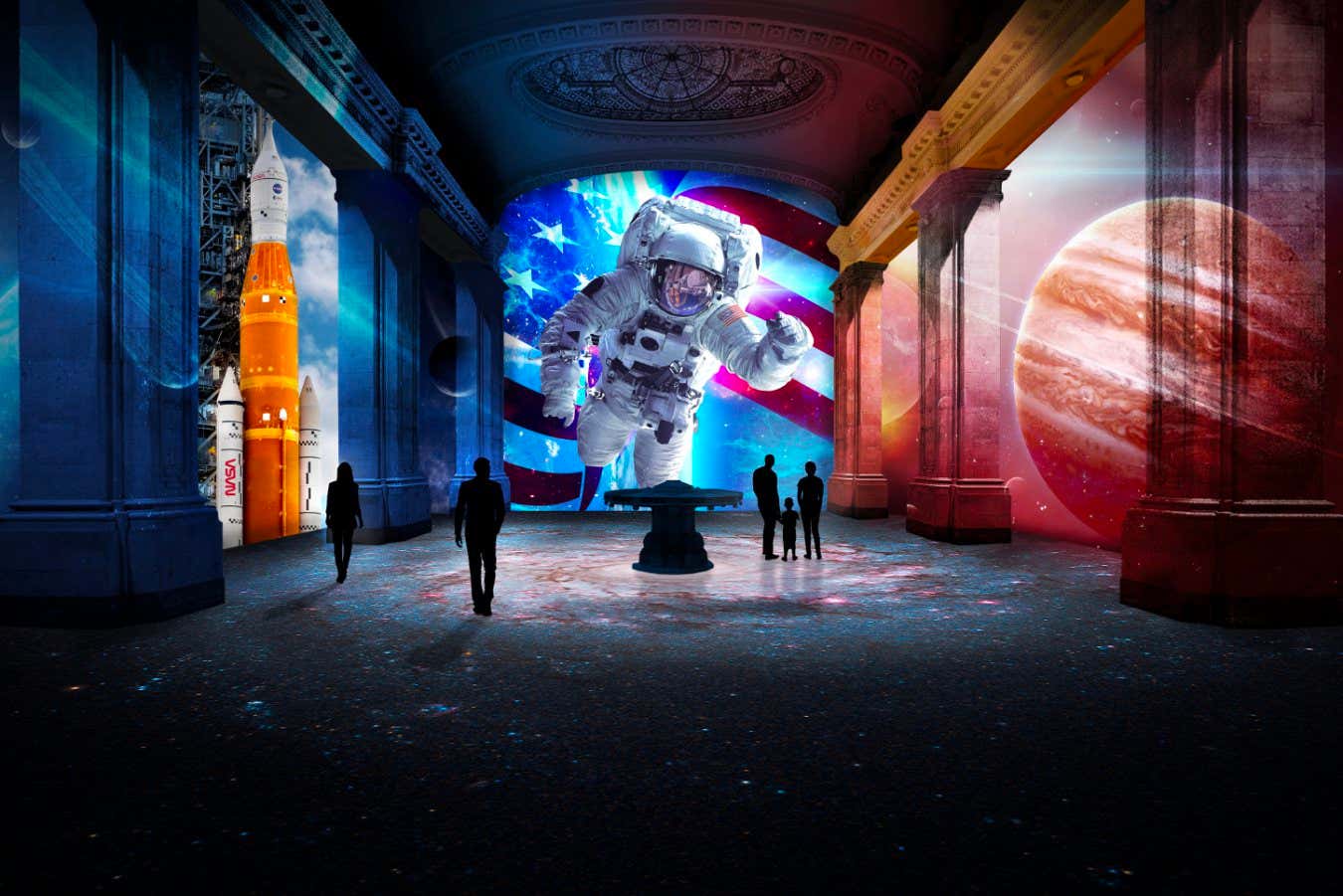

Destination Cosmos Hero Render Culturespaces, with participation from the National Aeronautics and Space Administration (NASA) and in partnership with CNES, announced today that Hall des Lumi?res will offer a new, limited-time exhibit: Destination Cosmos: The Immersive Space Experience. Opening April 7 and running through June 4, 2023, the digital exhibition will launch guests on a gripping voyage across the universe. Destination Cosmos: The Immersive Space Experience transports the public to a maze of stars, planets, nebulae, and supernovae. Composed of 13 sequences and a prologue, the unique journey of discovery begins at Cape Canaveral and ends in the universe's outer reaches. After departing from Earth, visitors are invited to travel over Martian canyons alongside rovers (space exploration vehicles), dive into the heart of Jupiter, glide across the rings of Saturn, and explore beyond the frontiers of our solar system to experience the immensity of our universe. Thanks to stunning images from NASA that bring this exhibition to life, Destination Cosmos will allow visitors to embark on a unique voyage into space and time through visuals and a curated soundtrack. Destination Cosmos begins in darkness and fills the hall with a starry sky where constellations emerge to create The Ancient Human Dream of Space Exploration, setting the stage for the exhibition. Following a succession of ancient illustrations, the exhibition then proceeds into The Space Race: Destination Moon, featuring Yuri Gagarin?s first manned space flights, from the spacecraft production to the pop culture phenomenon, and the Apollo missions conducted by the Americans in the 1960s, allowing the visitors to experience Neil Armstrong?s first footstep on the surface of the Moon. It brings to life Armstrong?s famous reaction, ?one small step for man, one giant leap for mankind.?

Don't Miss: Destination Cosmos delivers a magical tour of the universe

10 May 2023

New Scientist's weekly round-up of the best books, films, TV series, games and more that you shouldn't miss
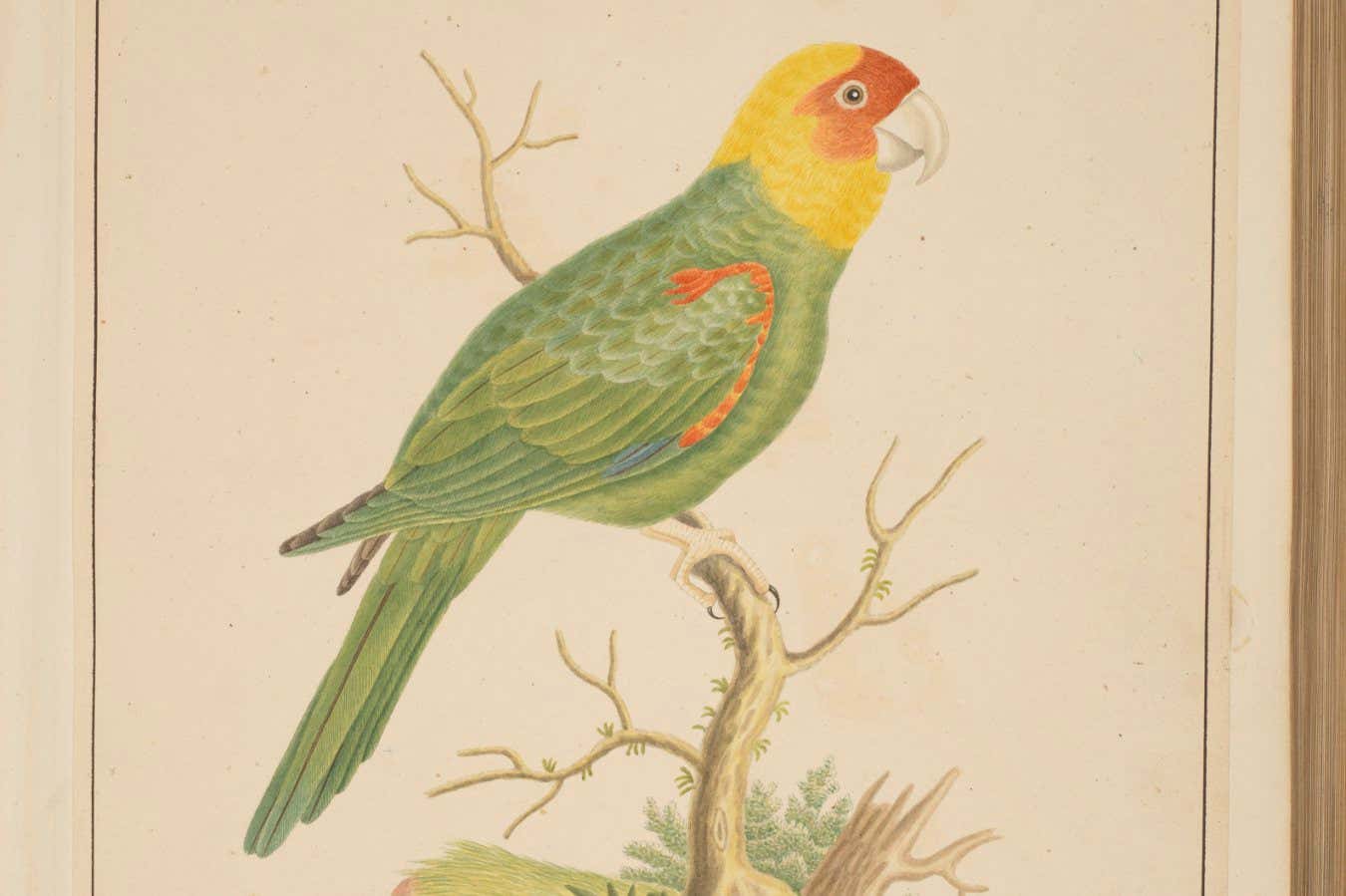

Birds of Georgia, John Abbot, United States, 1804. (Egerton Ms 1137, f. 28

Don't Miss: Centuries worth of artefacts from documenting animals

3 May 2023

New Scientist's weekly round-up of the best books, films, TV series, games and more that you shouldn't miss


Episode 3. Common in

Don't Miss: Life deep underground in Apple TV+'s mysterious Silo

26 April 2023

New Scientist's weekly round-up of the best books, films, TV series, games and more that you shouldn't miss
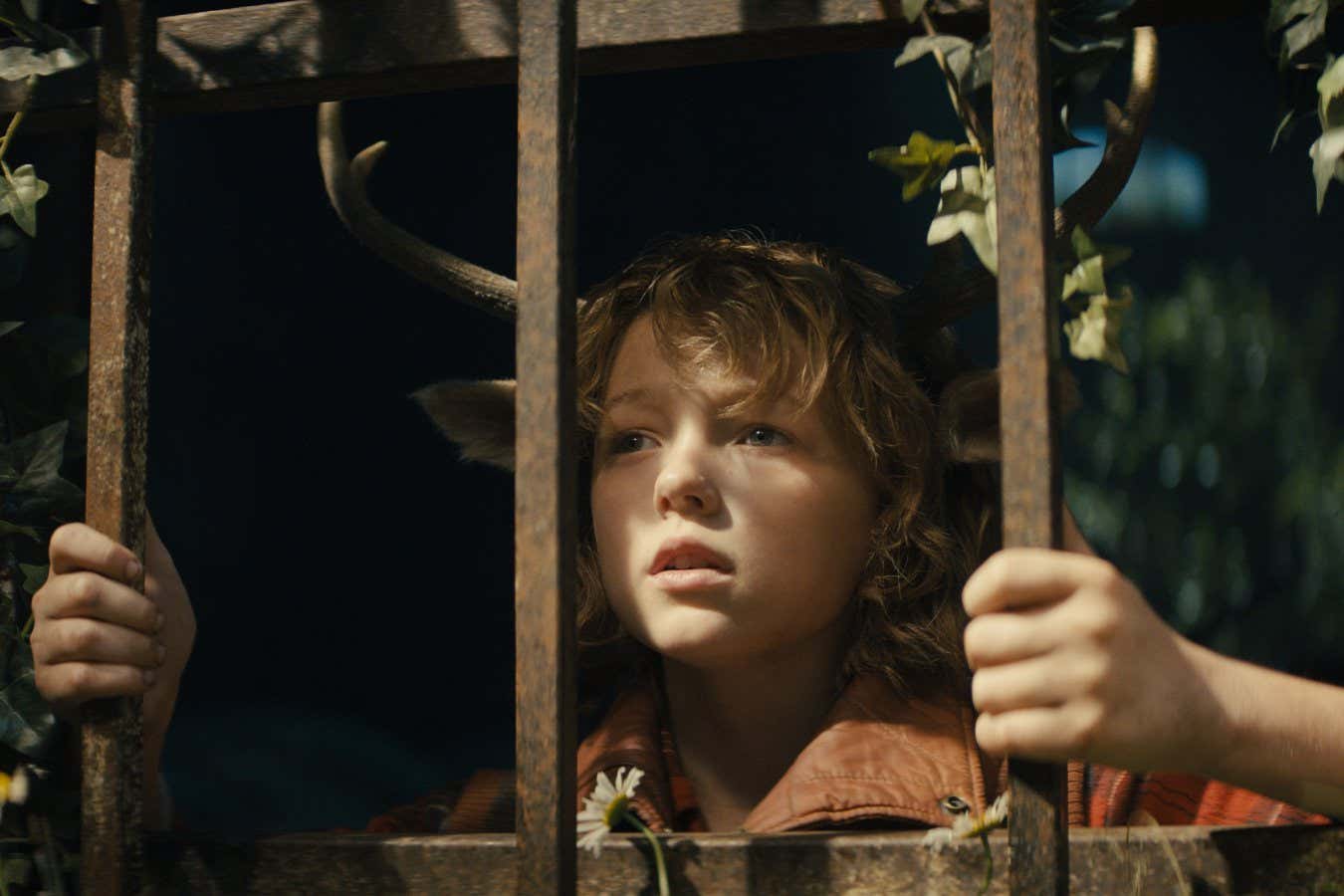

Sweet Tooth. Christian Convery as Gus in episode 201 of Sweet Tooth. Cr. Courtesy of Netflix ?? 2023

Don't Miss: Netflix dystopia Sweet Tooth returns, with Gus on the run

19 April 2023

New Scientist's weekly round-up of the best books, films, TV series, games and more that you shouldn't miss
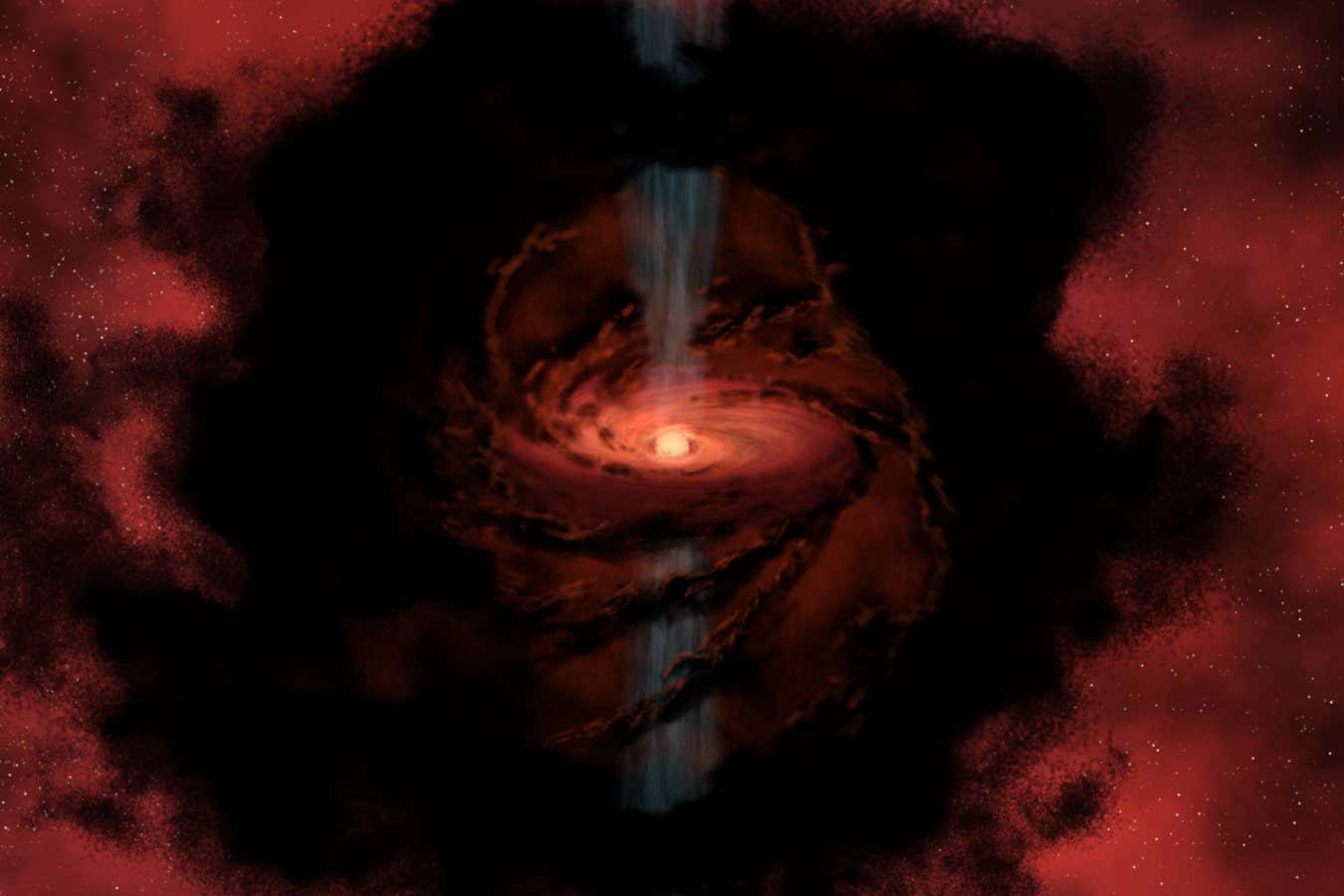

Dusty Beginnings of a Star This artist's rendering gives us a glimpse into a cosmic nursery as a star is born from the dark, swirling dust and gas of this cloud. Stars form when dark dust from the cloud begins to clump together under the influence of its own gravity. The infalling material forms a disk as it spirals inward, which feeds material onto the forming star at its center. Jets of material that shoot from the inner disk and protostar herald its birth. Planets form out of the remnants of the disk of material that surrounds the infant star. This leads to a question that has long perplexed astronomers about the nature of brown dwarfs, objects that fall between planets and stars in terms of their temperature and mass.

Don't Miss: A Supernova science talk by astrophysicist Thomas Haworth

5 April 2023

New Scientist's weekly round-up of the best books, films, TV series, games and more that you shouldn't miss


Sign up to our weekly newsletter

Receive a weekly dose of discovery in your inbox. We'll also keep you up to date with New Scientist events and special offers.

Sign up
Piano Exit Overlay Banner Mobile Piano Exit Overlay Banner Desktop