Subscribe now
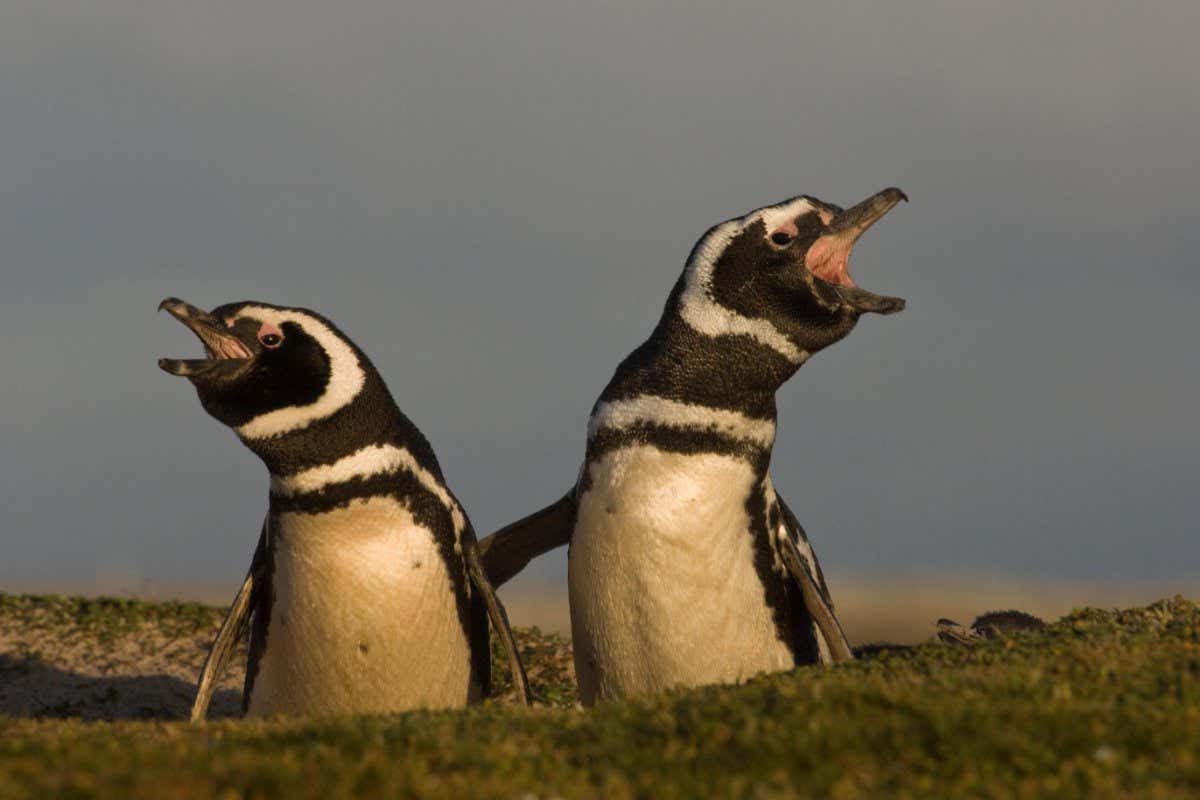
H7WWT1 Magellanic Penguin (Spheniscus magellanicus) pair calling from burrow entrance, Volunteer Point, East Falkland Island, Falkland

How climate change is forcing animals that mate for life to break up

20 February 2023

Many animals enter into long monogamous relationships to raise offspring, but we know they can break up – and new research suggests global warming is sometimes to blame
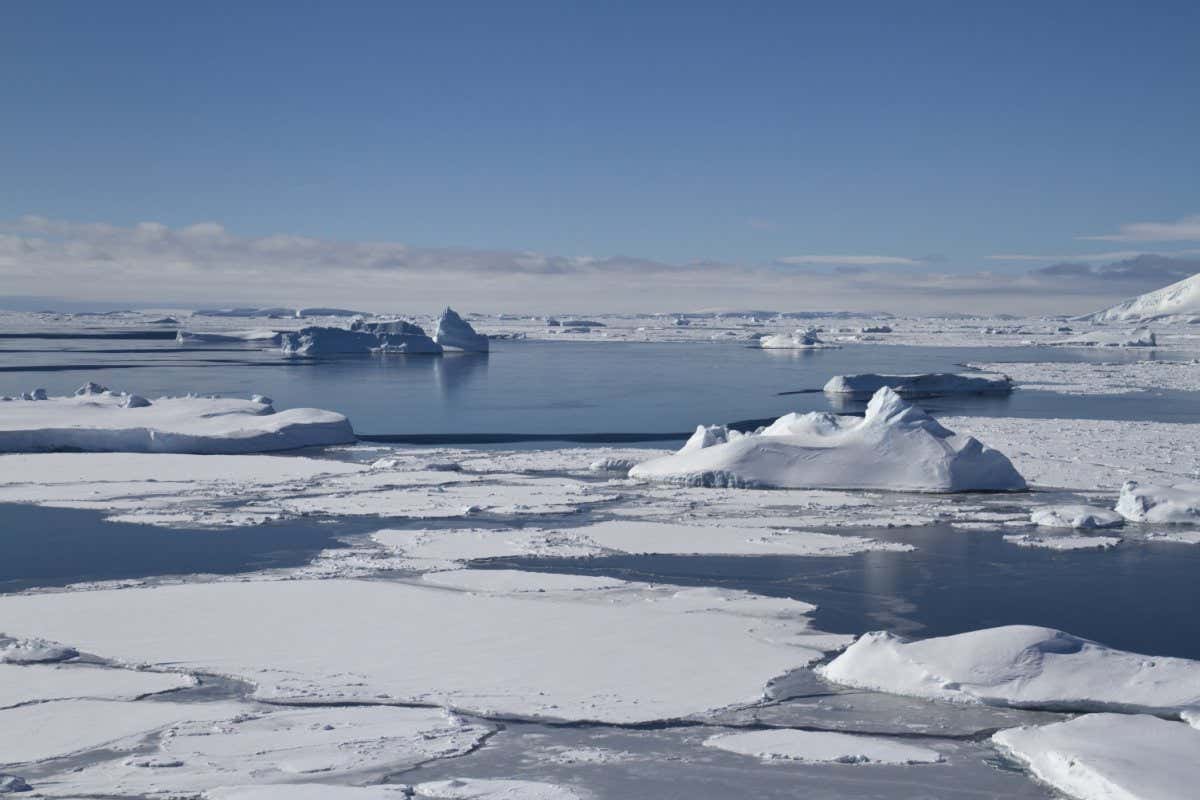

Southern Ocean and Antarctic islands near the Antarctic Peninsula in winter; Shutterstock ID 204022084; purchase_order: -; job: -; client: -; other: -

Antarctic bacteria reveal an evolutionary limit to dealing with heat

15 July 2022

Some bacteria living in the Southern Ocean can't adapt to temperatures 2°C higher than what they can usually survive, and other organisms could face similar limits adapting to higher temperatures


New Scientist Live fans take a selfie at the show

Join us for a mind-blowing festival of ideas and experiences

11 February 2022

Our award-winning festival, New Scientist Live is back to stimulate, challenge and inspire with some of today’s biggest scientific discoveries and ideas.


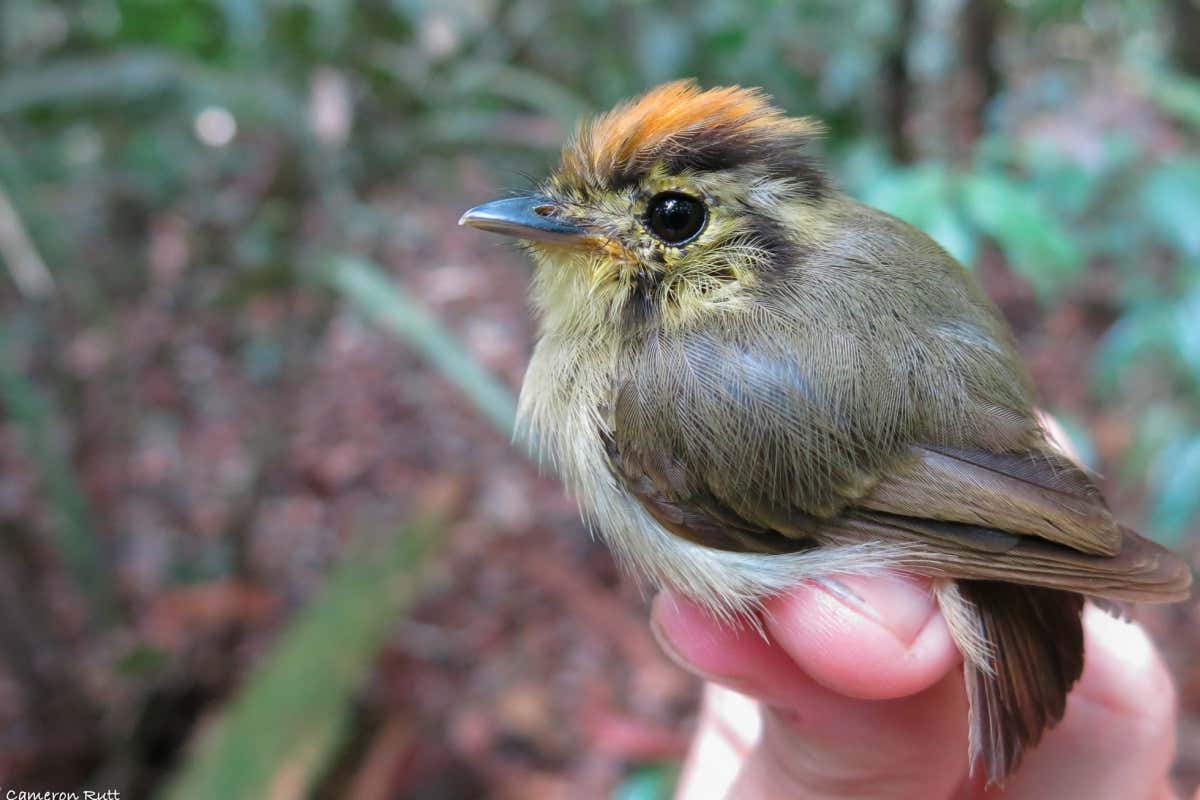
Birds in the Amazon are adapting to climate change by getting smaller

Birds in the Amazon are adapting to climate change by getting smaller

12 November 2021

An analysis of 77 tropical bird species in the Amazon shows that all of them have shrunk and a third developed longer wings over the past 40 years


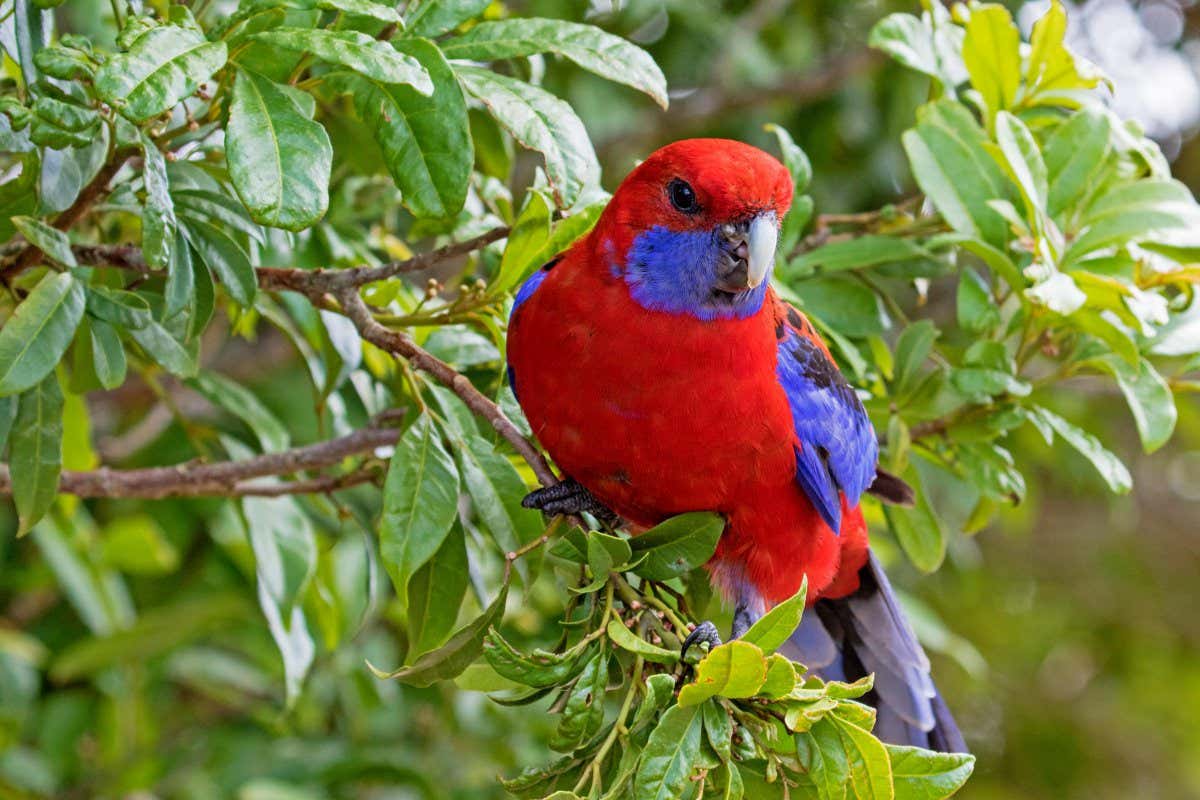
Crimson Rosella

Some animals are evolving new body shapes as the climate changes

7 September 2021

Some endotherms, commonly called warm-blooded animals, have grown larger wings, beaks or tails to increase their surface area, which helps them stay cool as the world warms


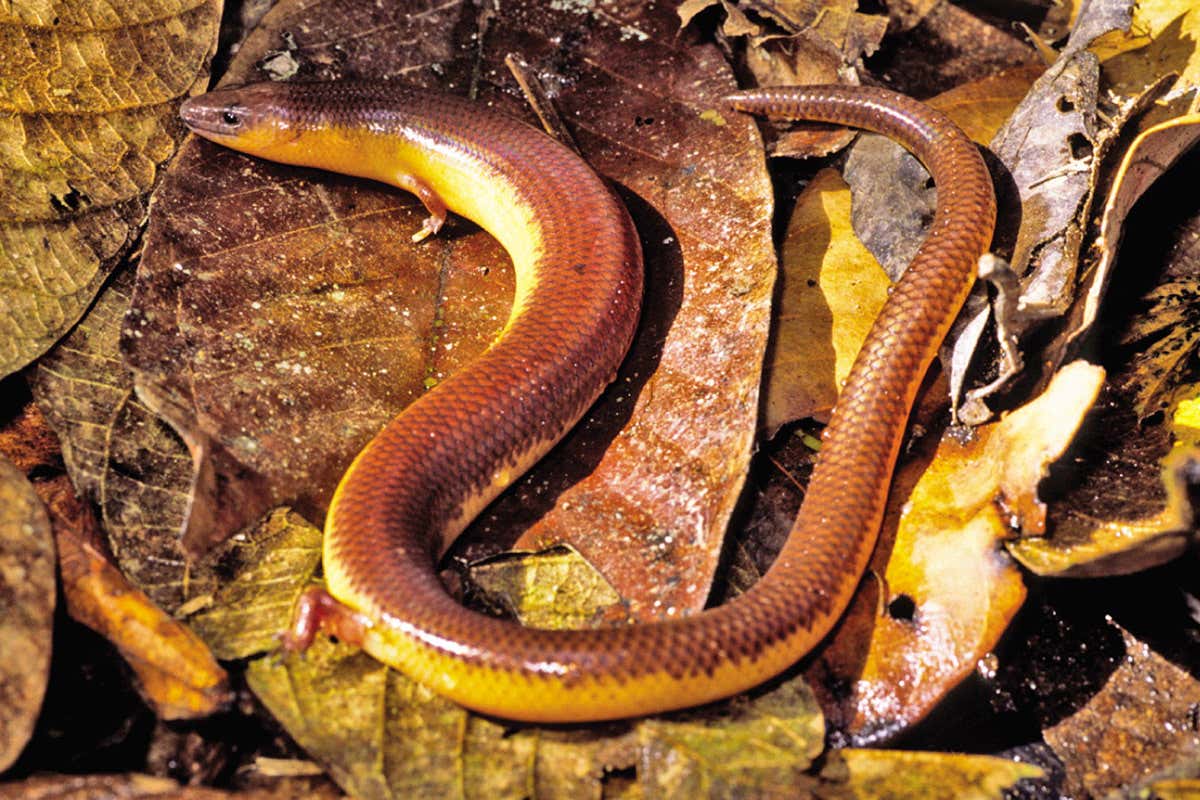
Lizards that lost their legs re-evolved them as the climate got wetter

Lizards that lost their legs re-evolved them as the climate got wetter

11 November 2020

The snake-like lizards of the Brachymeles genus began with four legs, lost them about 62 million years ago, and then 20 million years later regained them to deal with a wetter climate


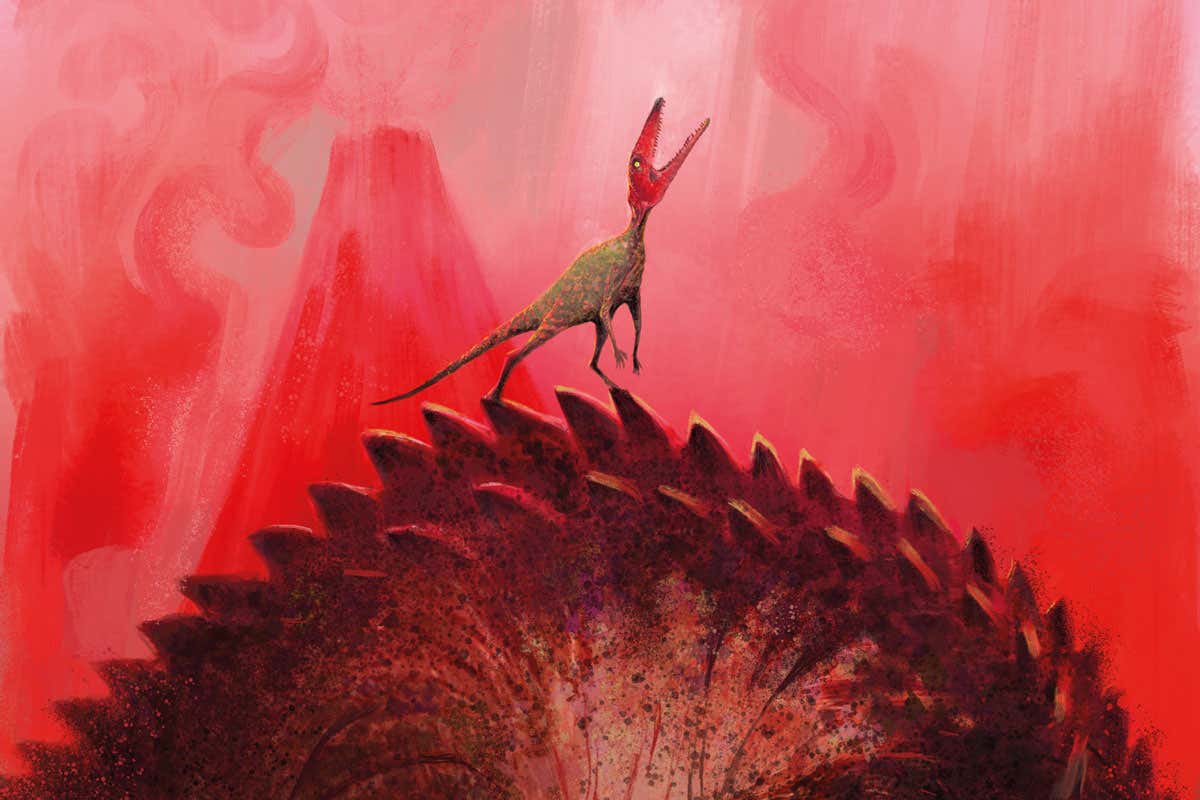
The invisible superpower that helped dinosaurs conquer the world

The invisible superpower that helped dinosaurs conquer the world

29 July 2020

From beginnings as skulking, cat-sized reptiles, dinosaurs came to rule Earth for 100 million years – but how? Their secret wasn’t teeth or claws, but something deep inside them


Asteroid that killed the dinosaurs caused massive global warming

Asteroid that killed the dinosaurs caused massive global warming

24 May 2018

The asteroid that struck Earth 66 million years ago caused dramatic climate change, which could mean we are underestimating how much the planet will warm in the coming centuries


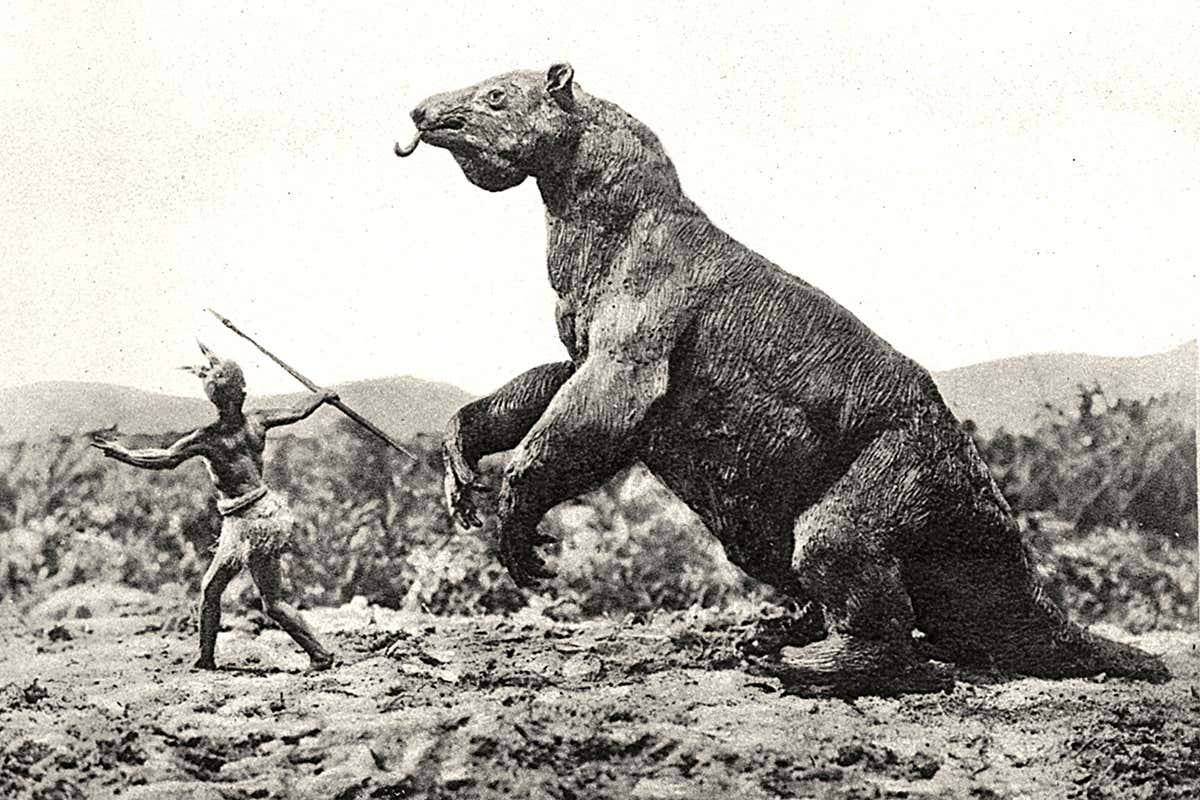
Human arrivals wiped out the Caribbean’s giant ground sloths

Human arrivals wiped out the Caribbean’s giant ground sloths

10 November 2017

Many giant mammals in the Americas have died out but it has been hard to say whether humans or natural events were responsible. Now, in the Caribbean at least, we know


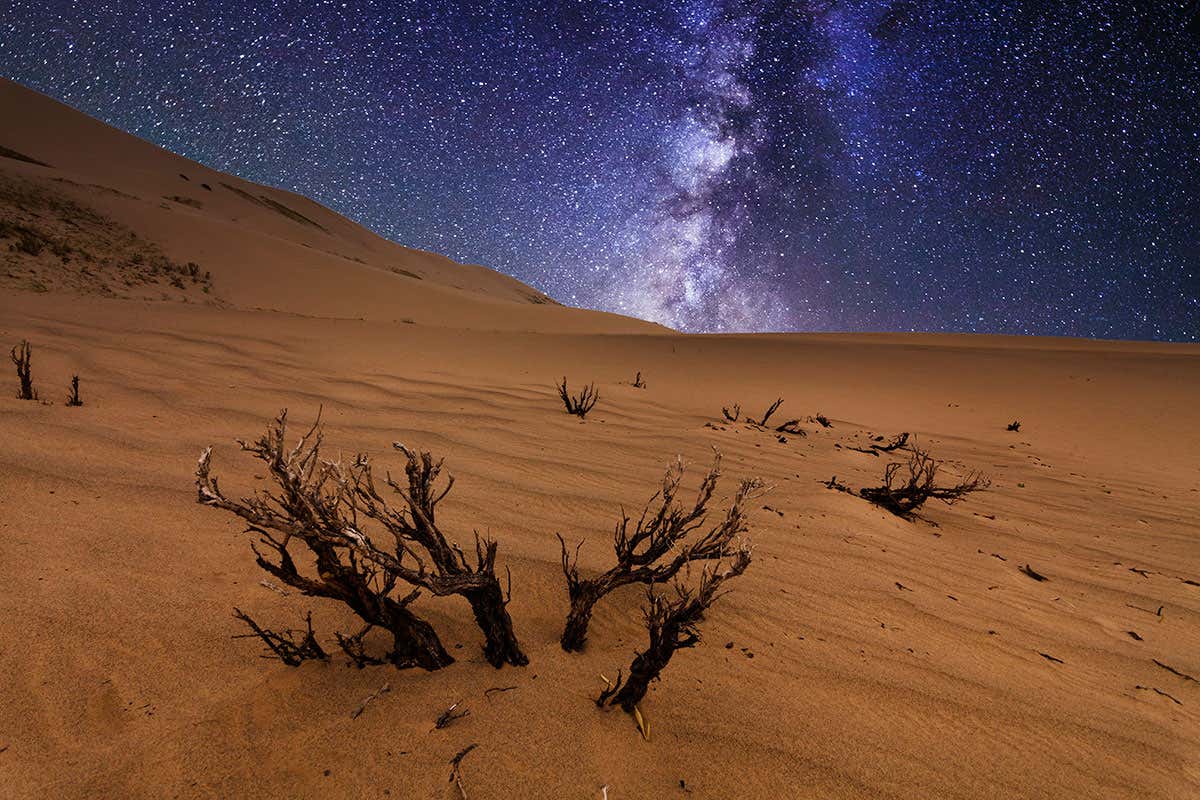
Desert

Cold climate may have driven ancient humans’ move out of Africa

9 October 2017

East Africa became colder and drier around 75,000 years ago, just when modern humans were apparently migrating out of Africa


Sign up to our weekly newsletter

Receive a weekly dose of discovery in your inbox. We'll also keep you up to date with New Scientist events and special offers.

Sign up
Piano Exit Overlay Banner Mobile Piano Exit Overlay Banner Desktop