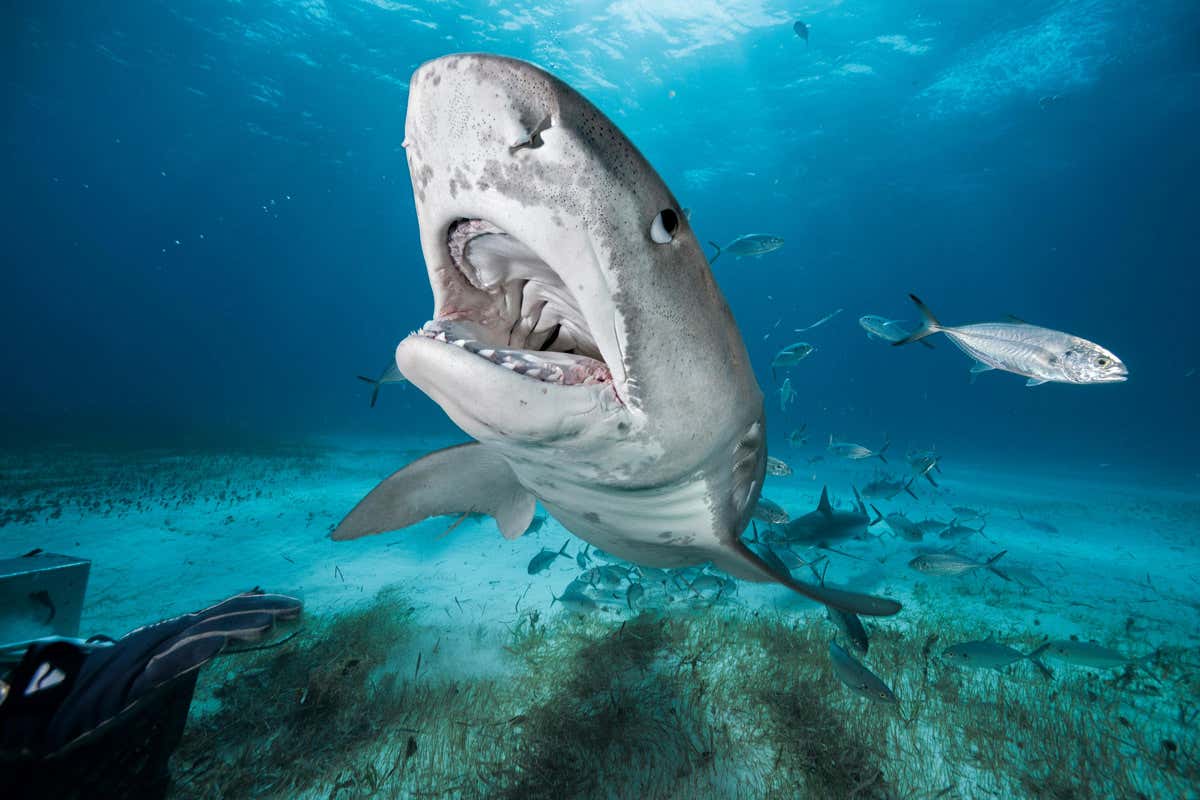
Sharks are easier to catch in cooler waters, and we have no idea why
31 March 2020
Tropical seas are ecological hotspots where predators should be active and easy to catch – but 50 years of data shows sharks are easier to catch in cooler seas
31 March 2020
Tropical seas are ecological hotspots where predators should be active and easy to catch – but 50 years of data shows sharks are easier to catch in cooler seas
9 May 2019
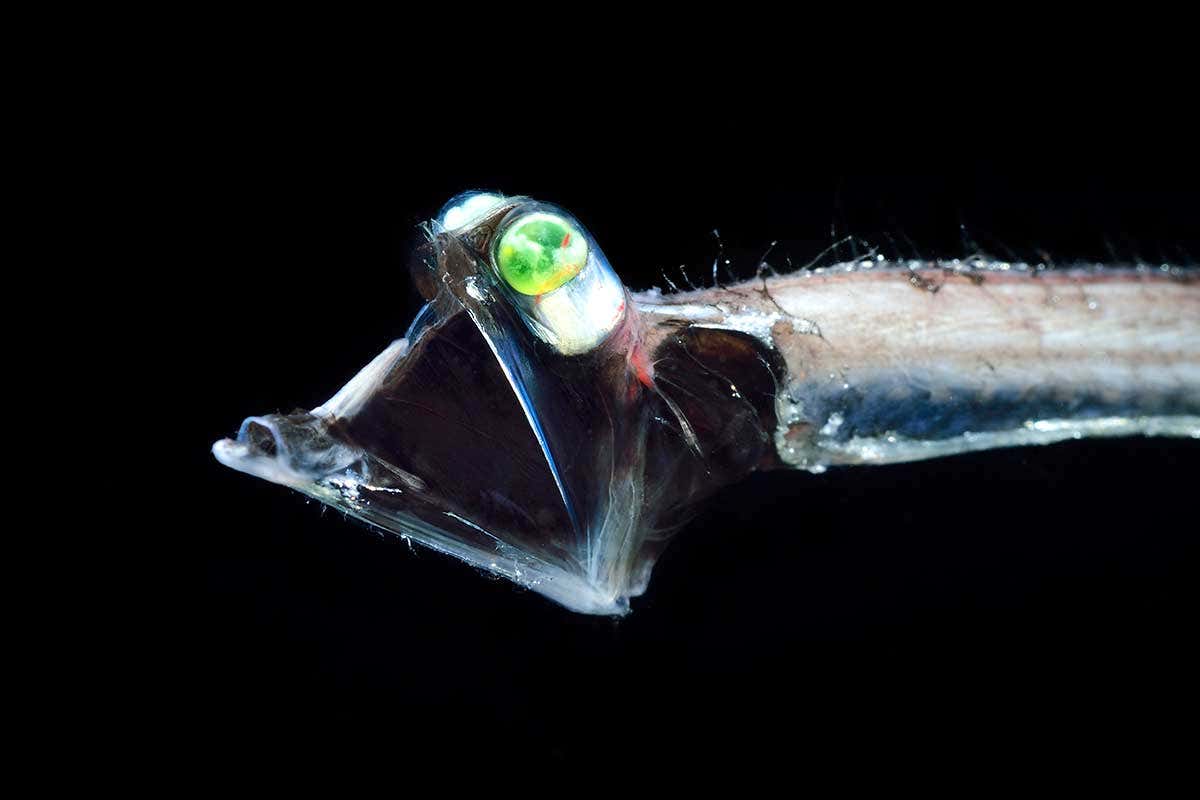
Several species of fish living in the deep ocean have evolved extra copies of genes that enable them to see a range of colour hues in the near-darkness
2 May 2018
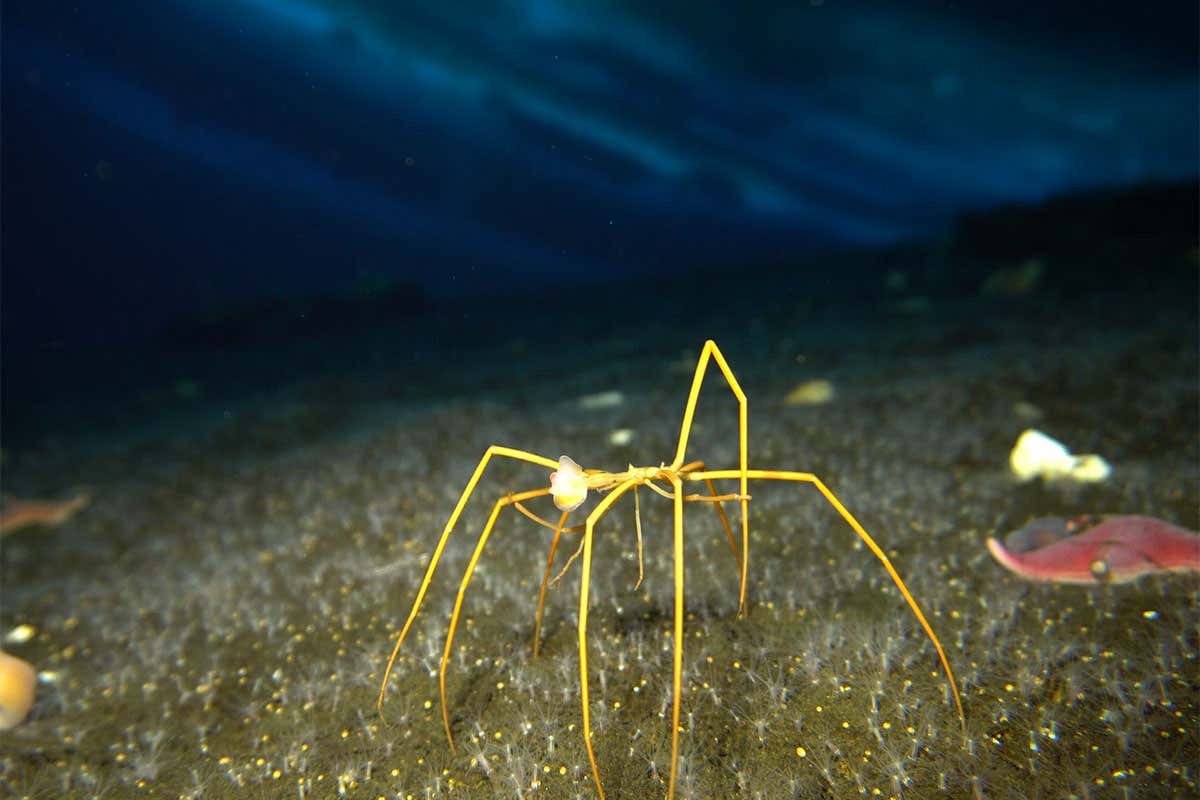
Huge sea spiders move excruciatingly slowly, but they can still catch prey animals that move much faster than them – because their prey sometimes crash into the seafloor

30 April 2018
A plant fossil that lay unnoticed for a century is unexpectedly large for something so old, and it could upend our ideas about the evolution of land plants
23 April 2018
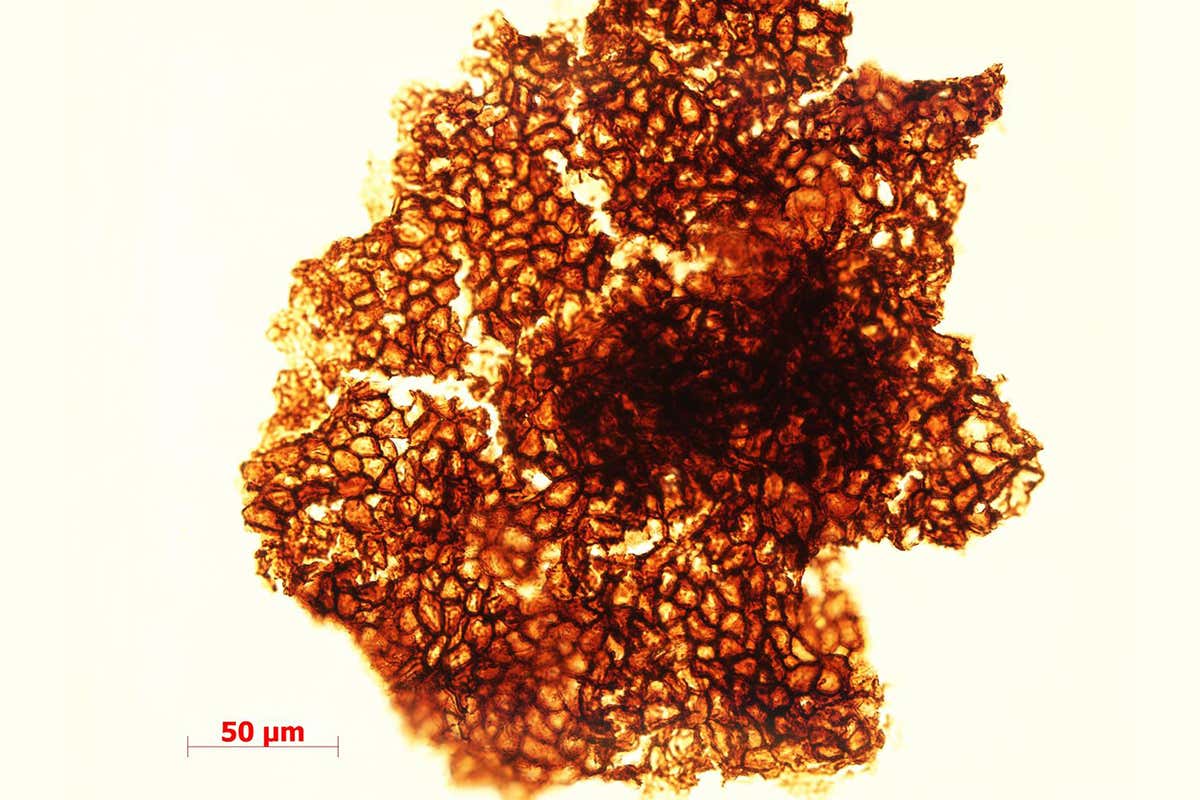
Earth’s air suddenly got a lot more oxygen around 1.6 billion years ago and that could have triggered the evolution of large multicellular organisms
19 March 2018
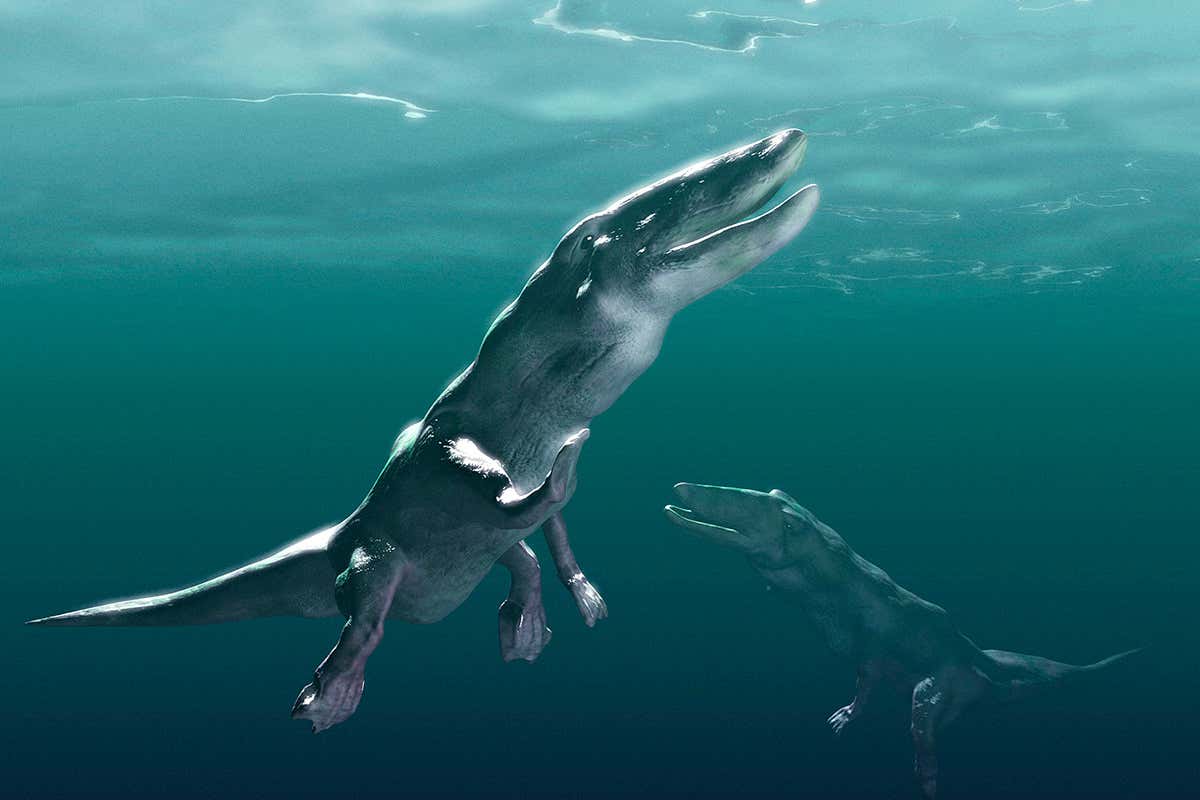
Over the last 250 million years land animals have repeatedly begun exploiting the seas, giving rise to creatures like whales and walruses. The question is why
13 December 2017
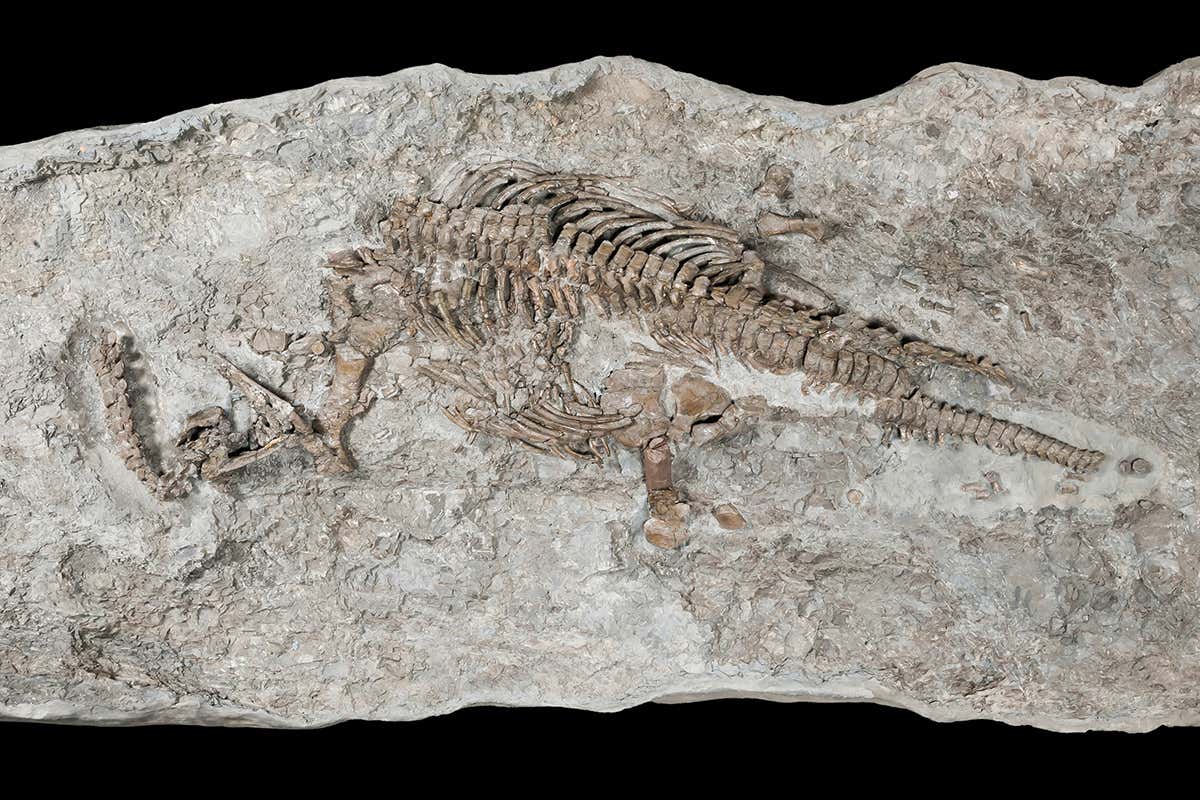
A nearly complete skeleton of an early long-necked plesiosaur has been found in a clay pit in Germany, and reveals they survived a mass extinction
10 August 2017
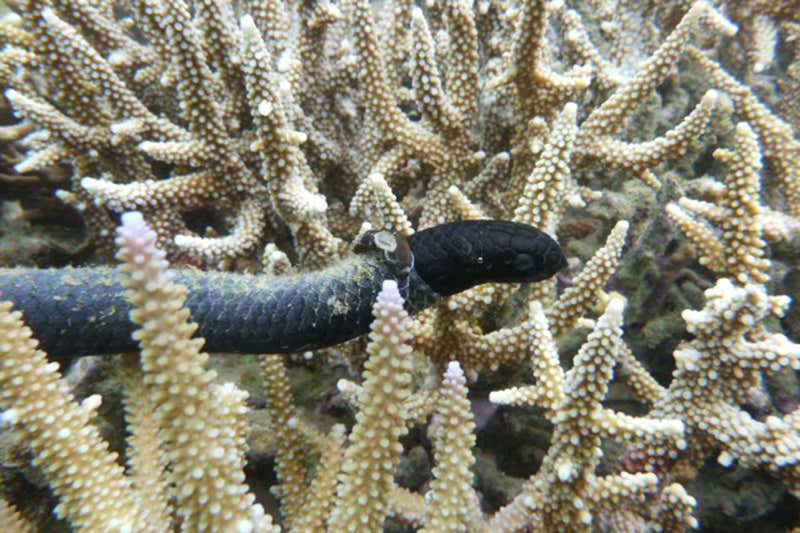
Indo-Pacific sea snakes living in polluted waters near industrial areas have darker bodies – perhaps because pollutants bind better to their dark skin pigment
20 July 2017
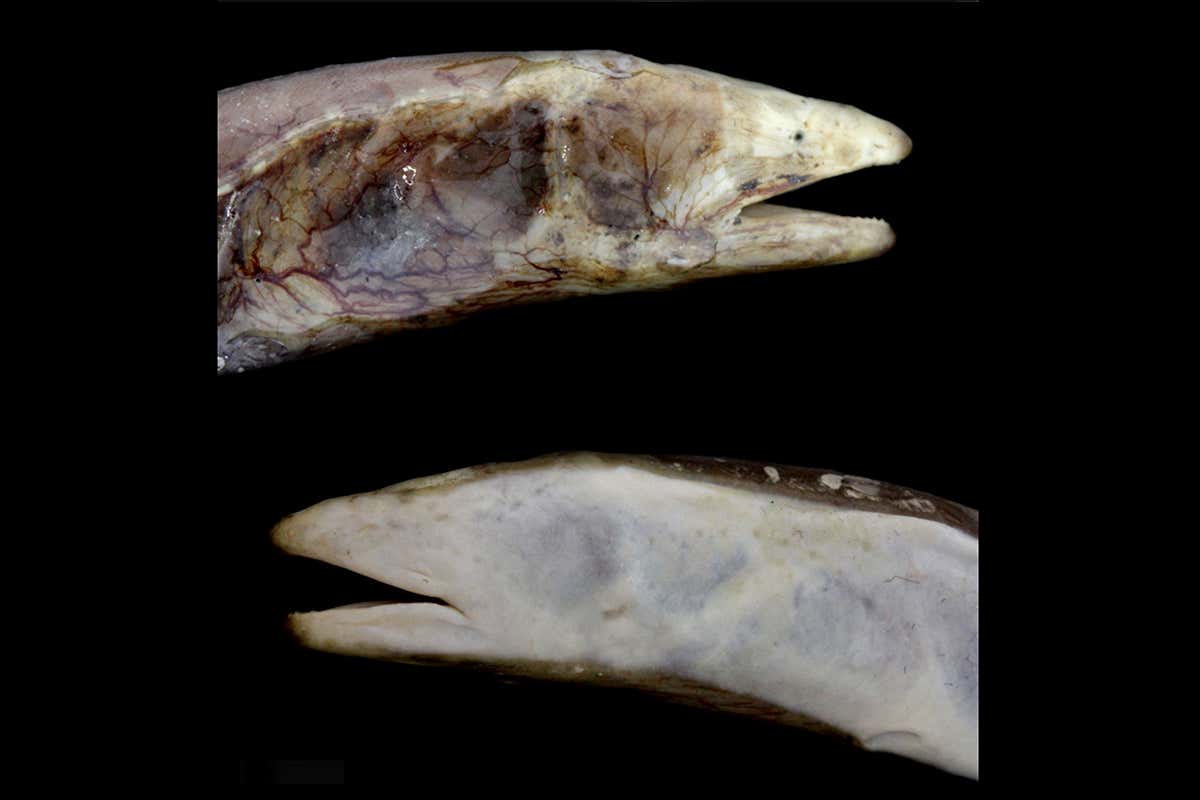
A pair of sea-floor-dwelling eels found off the coast of West Africa have lopsided features that may help them operate as ‘sit-and-wait’ ambush predators
19 July 2017
New fossils and a fresh perspective are transforming our picture of a great evolutionary transition – how fish-like creatures swapped fins for limbs
