
Men and women's hands can be distinguished just from their scent
5 July 2023
Scent compounds released by your hands can be used to determine gender, which may be useful in figuring out information about crime scenes
5 July 2023
Scent compounds released by your hands can be used to determine gender, which may be useful in figuring out information about crime scenes
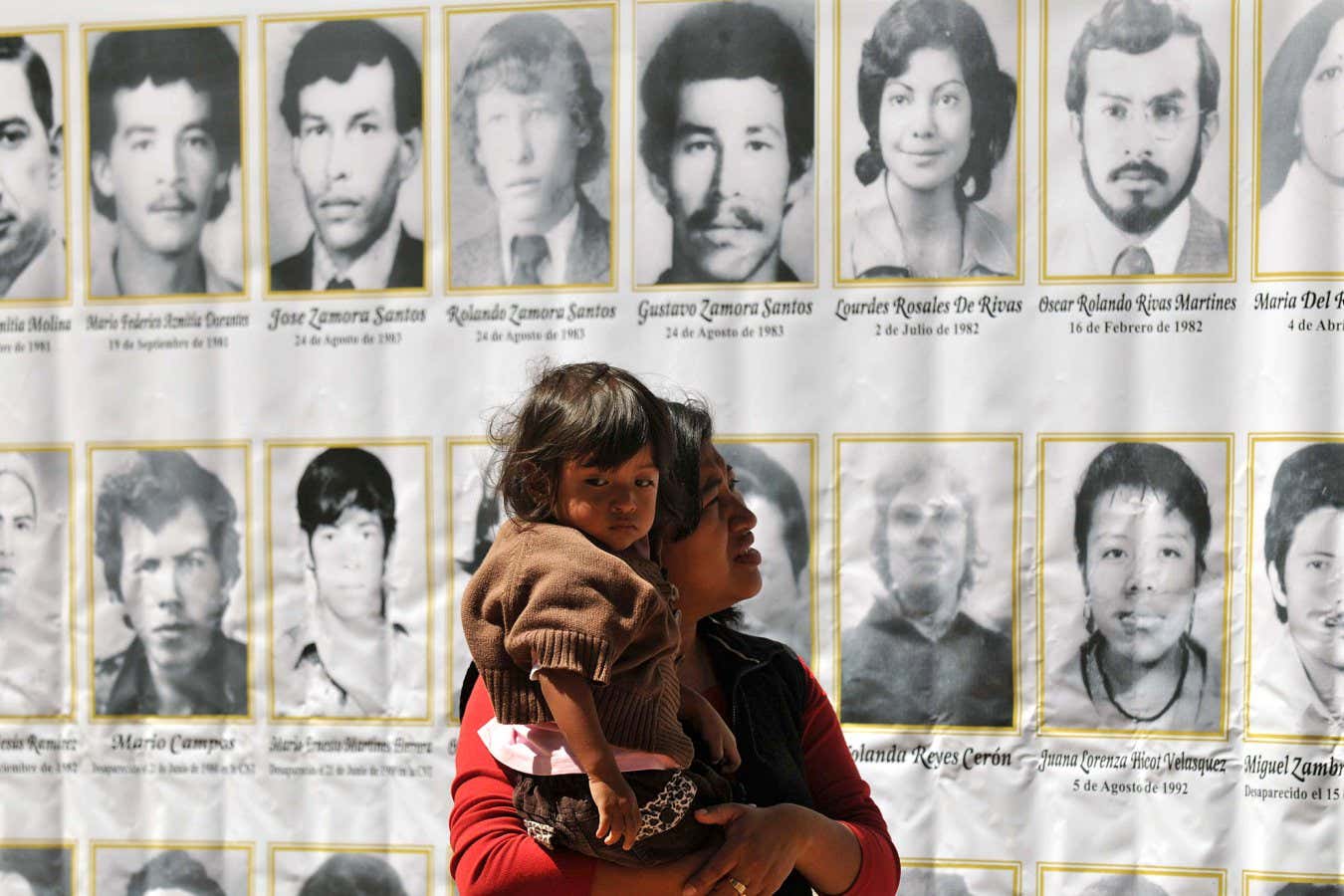
15 March 2023
TV dramas use tidy, cleaned-up bones to crack crimes in minutes, but an unvarnished account by forensic anthropologist Alexa Hagerty shows the slow horror of exhuming people killed by repressive regimes
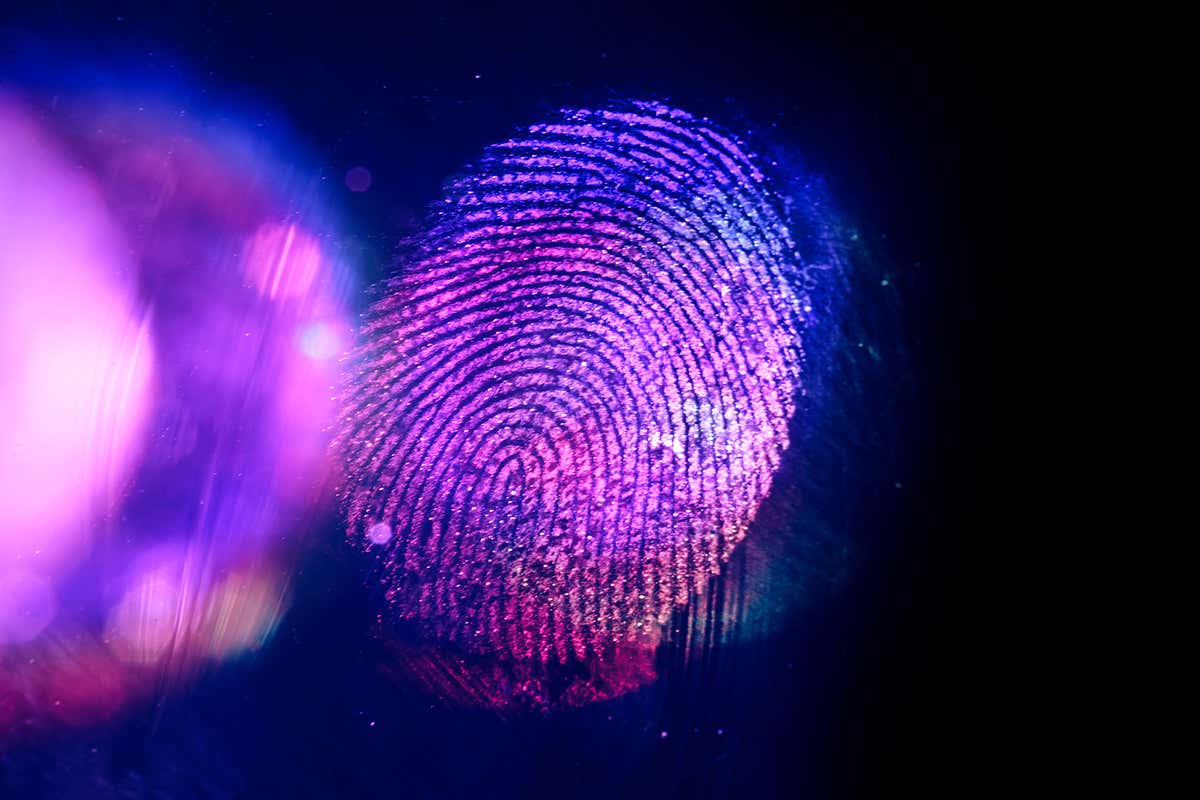
28 June 2021
An AI that can repair blurred or distorted images of fingerprints lifted from crime scenes could make identifying people easier, but it is unclear whether such evidence would stand up in court
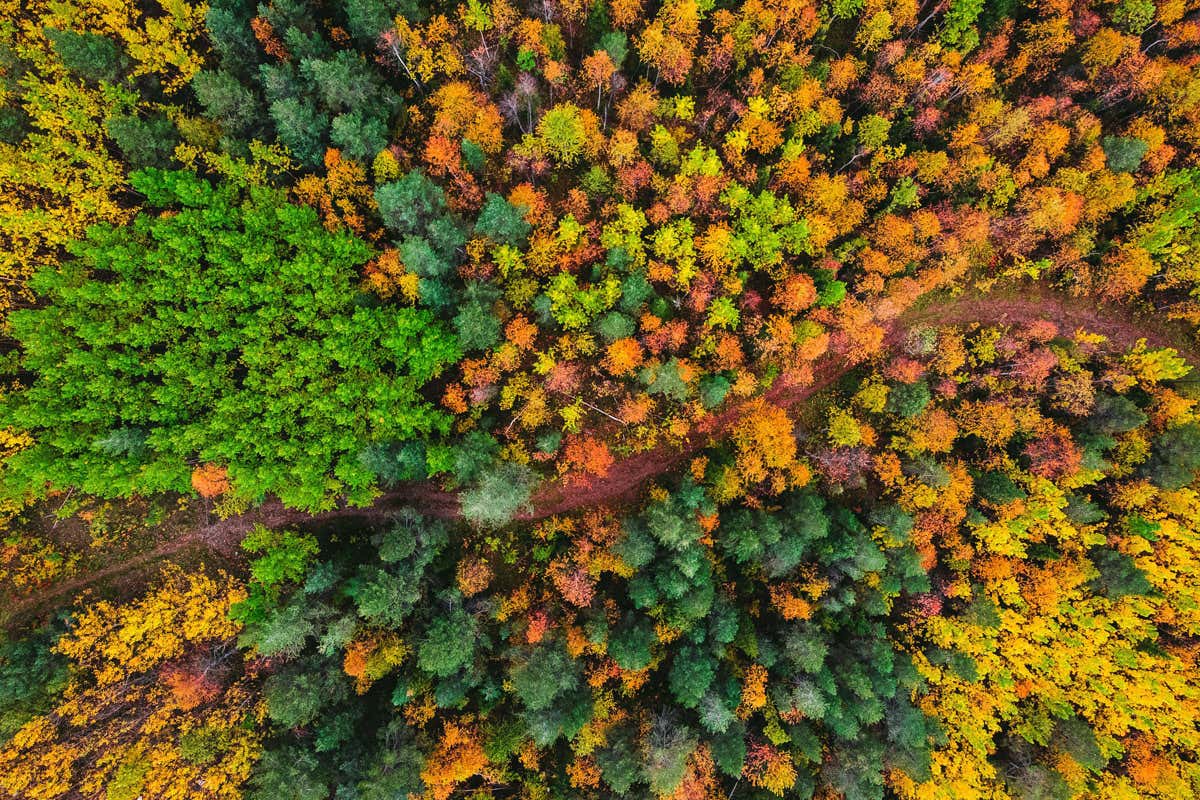
3 September 2020
Botanists are teaming up with forensic anthropologists to work out whether there are detectable changes in the appearance of trees and shrubs growing near decomposing bodies
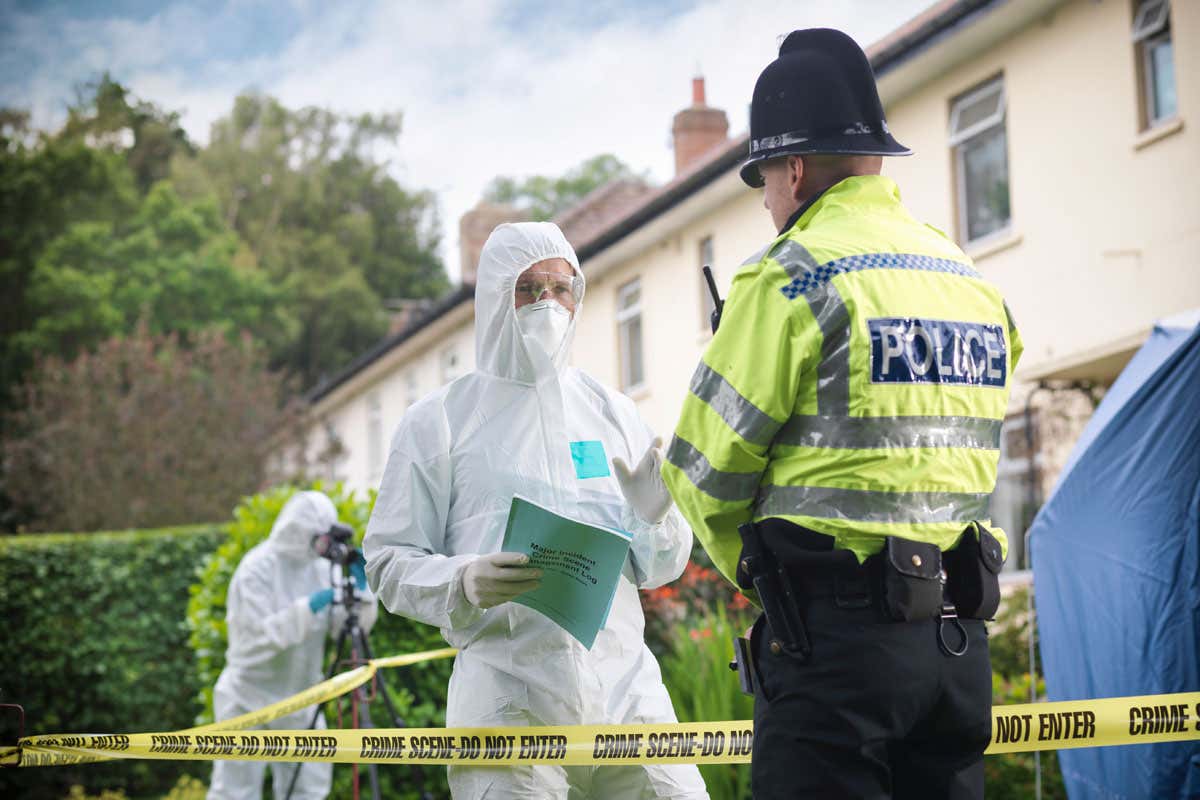
29 May 2020
Forensic scientists currently use basic temperature measurements to determine time of death, but a 3D simulation of the entire body could give much more accurate estimates
6 February 2020
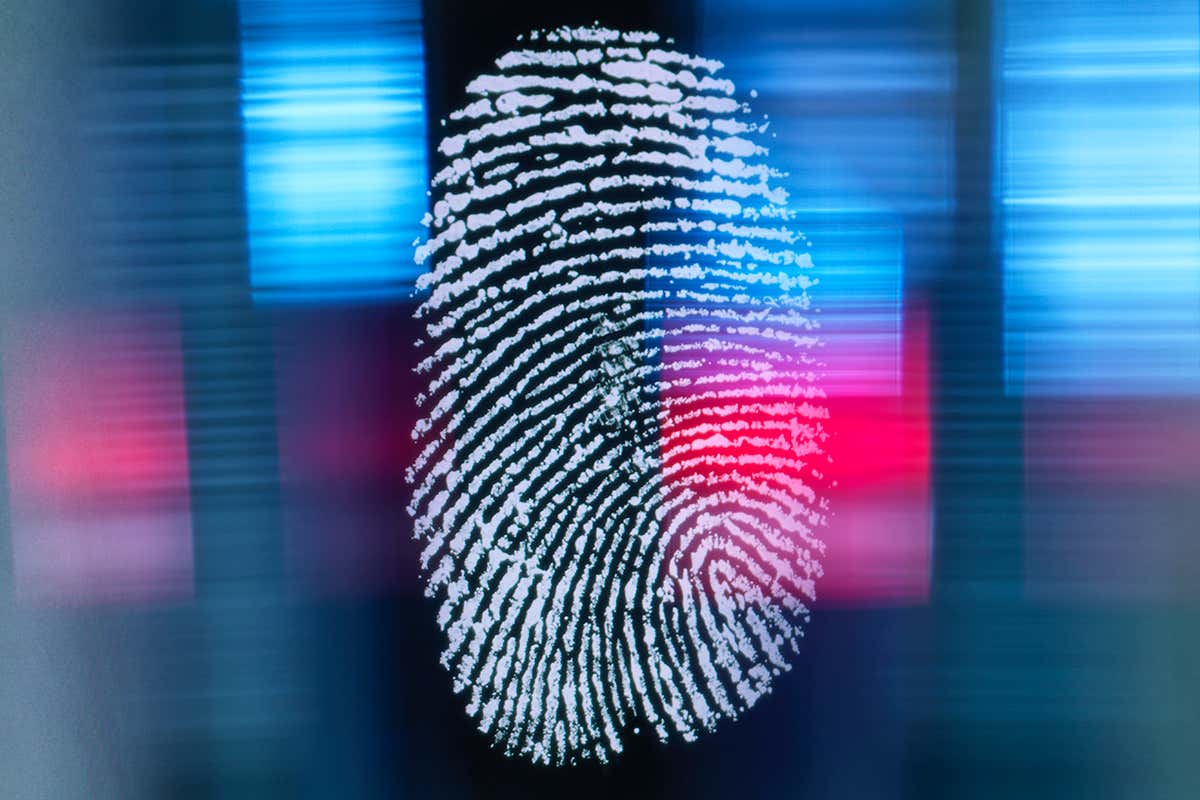
A person who has ingested cocaine will excrete a compound that can be detected from a single fingerprint, even if they have washed their hands
22 January 2020
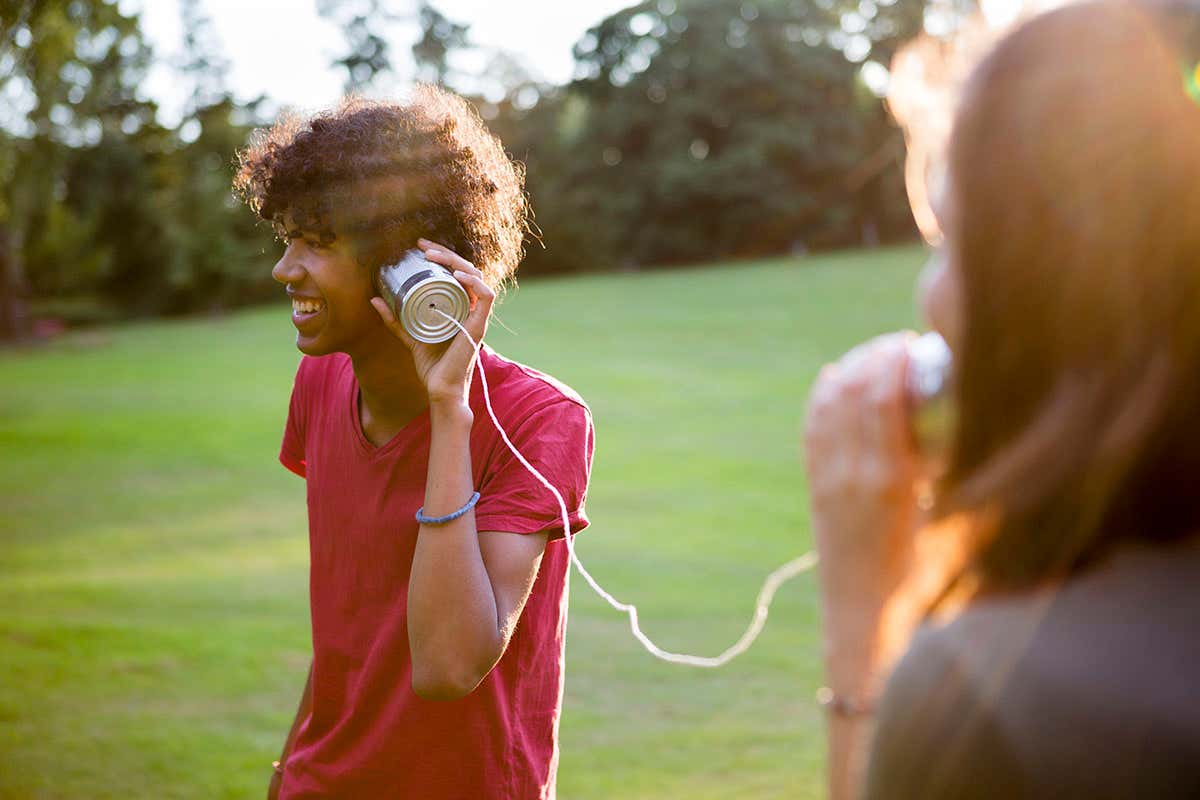
People who have a knack for recognising faces are also good at recognising voices, a skill that could be useful for police surveillance operations
28 August 2019
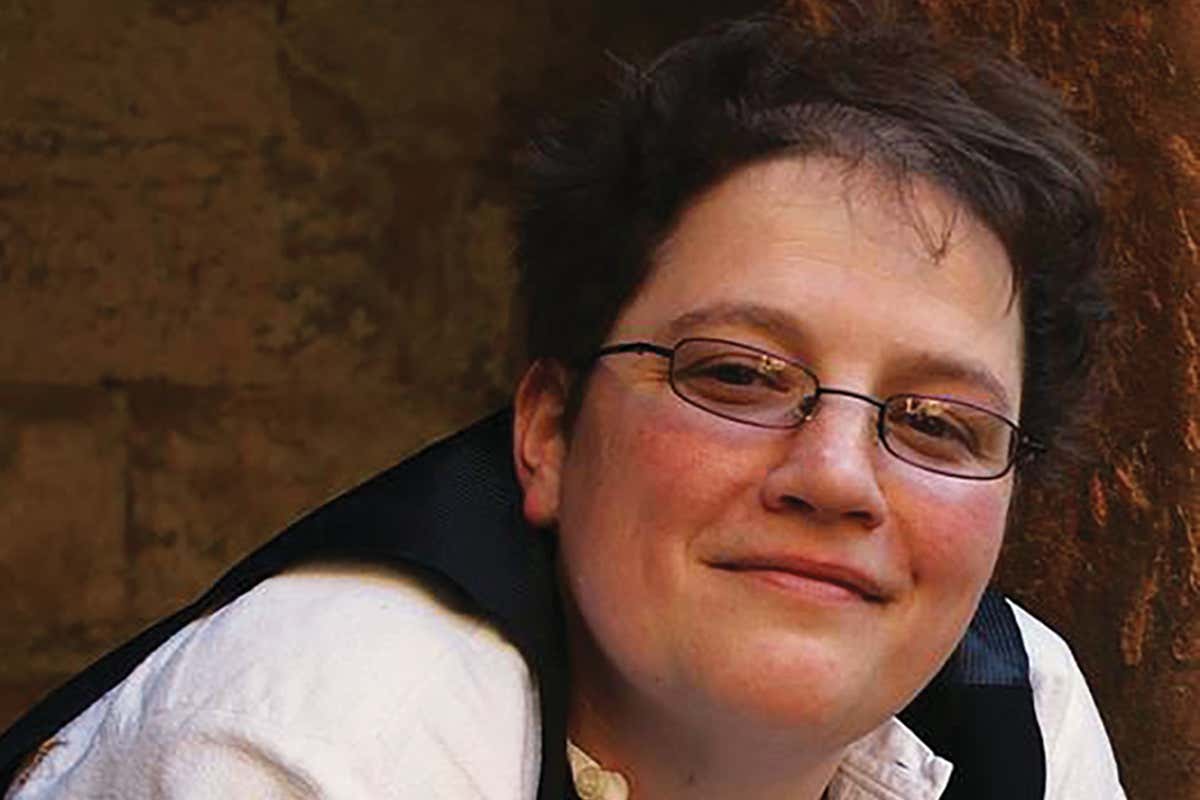
Forensic scientist Niamh Nic Daeid explains how your DNA could end up on a murder weapon and why smoke alarms don't wake children

28 August 2019
This week, an exhibition about digital technology enriching non-fiction film, the big beast of the sci-art scene and biological crime reconstructions
3 July 2019
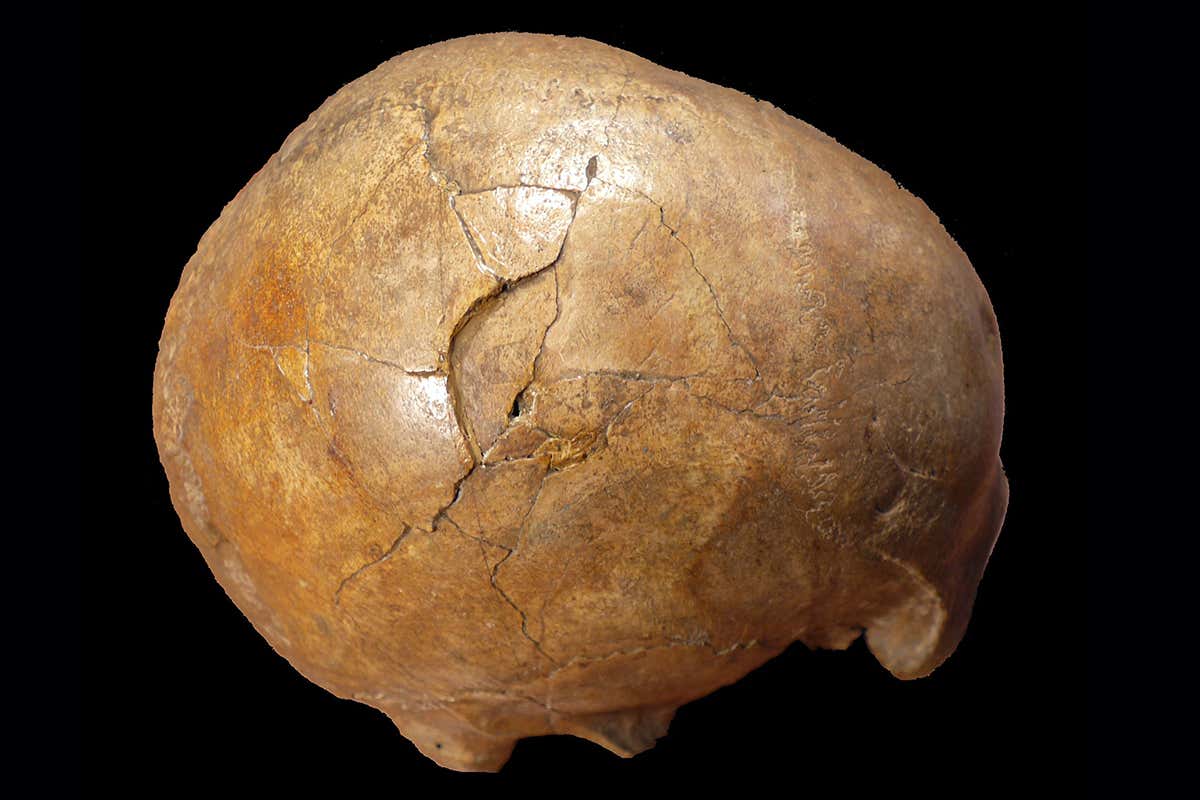
A forensic analysis of a 33,000-year-old skull finds a clear explanation for the mysterious pattern of fractures preserved in the bone: it was murder
