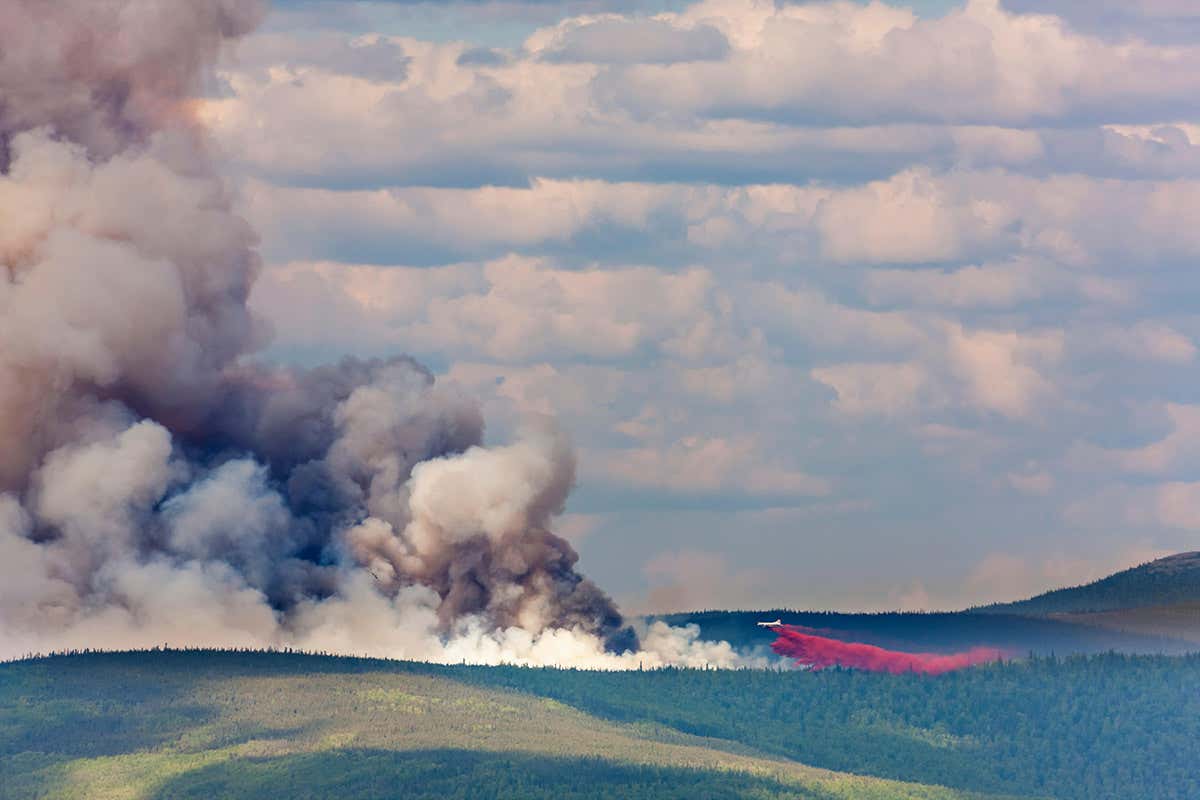
Alaskan forests may store more carbon after being burned by wildfire
15 April 2021
Alaskan forests generally contain coniferous trees – but after wildfires sweep through, deciduous trees that store more carbon can become dominant
15 April 2021
Alaskan forests generally contain coniferous trees – but after wildfires sweep through, deciduous trees that store more carbon can become dominant
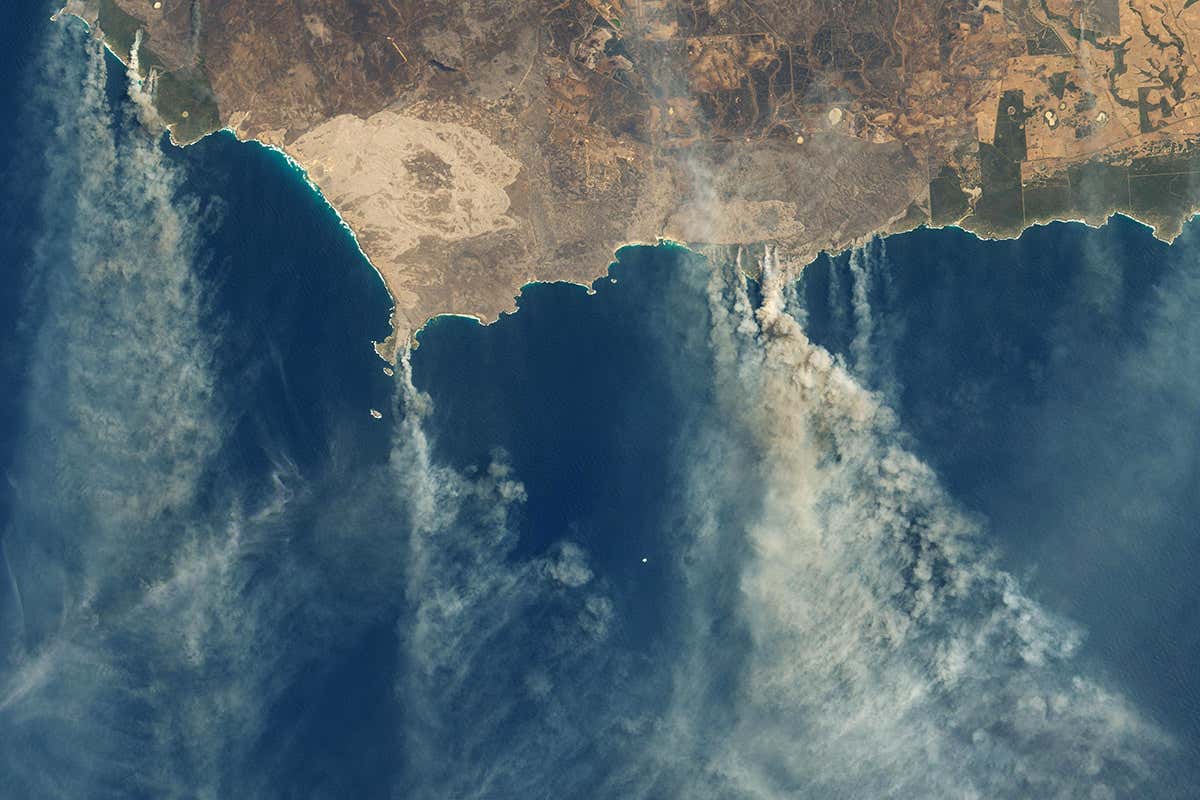
18 March 2021
The 2019–20 bushfire season in Australia led to record levels of stratospheric aerosols over the southern hemisphere, according to satellite data
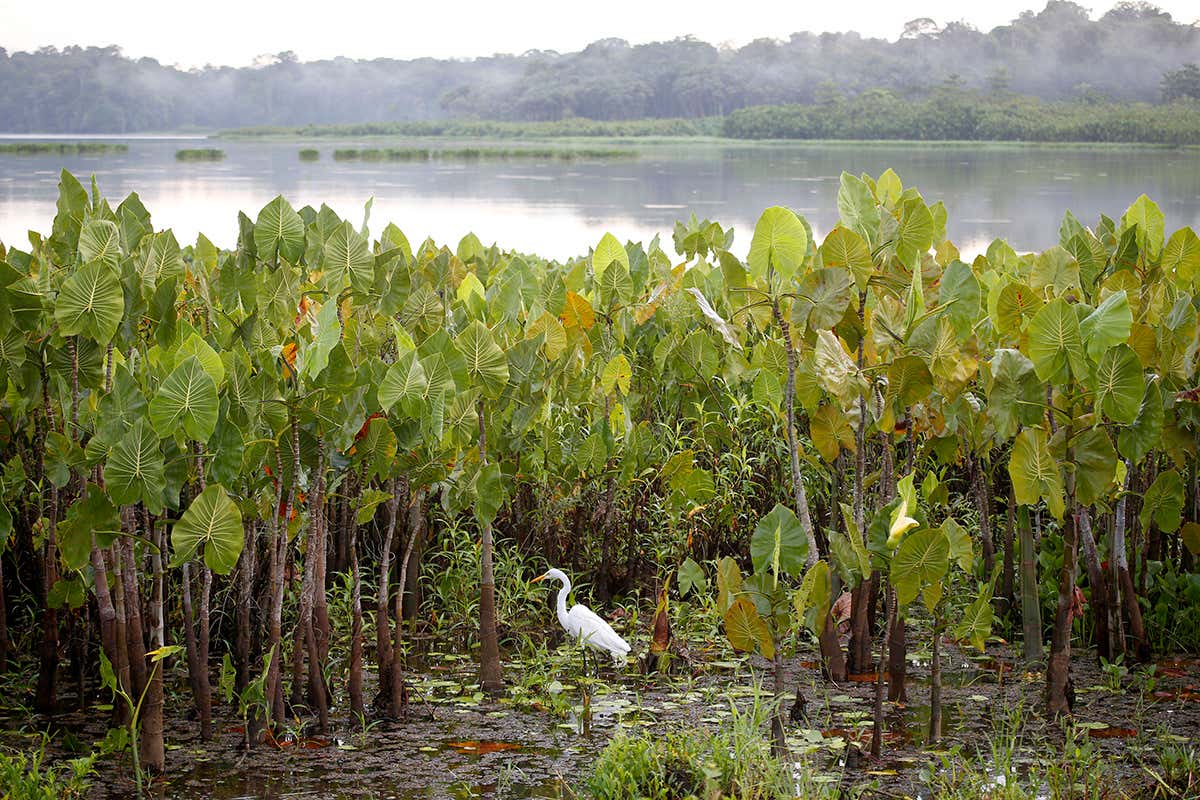
4 March 2021
Recordings reveal that the Brazilian Amazon sounds different after it has been burned several times, suggesting acoustic monitoring as a tool to measure ecosystem degradation
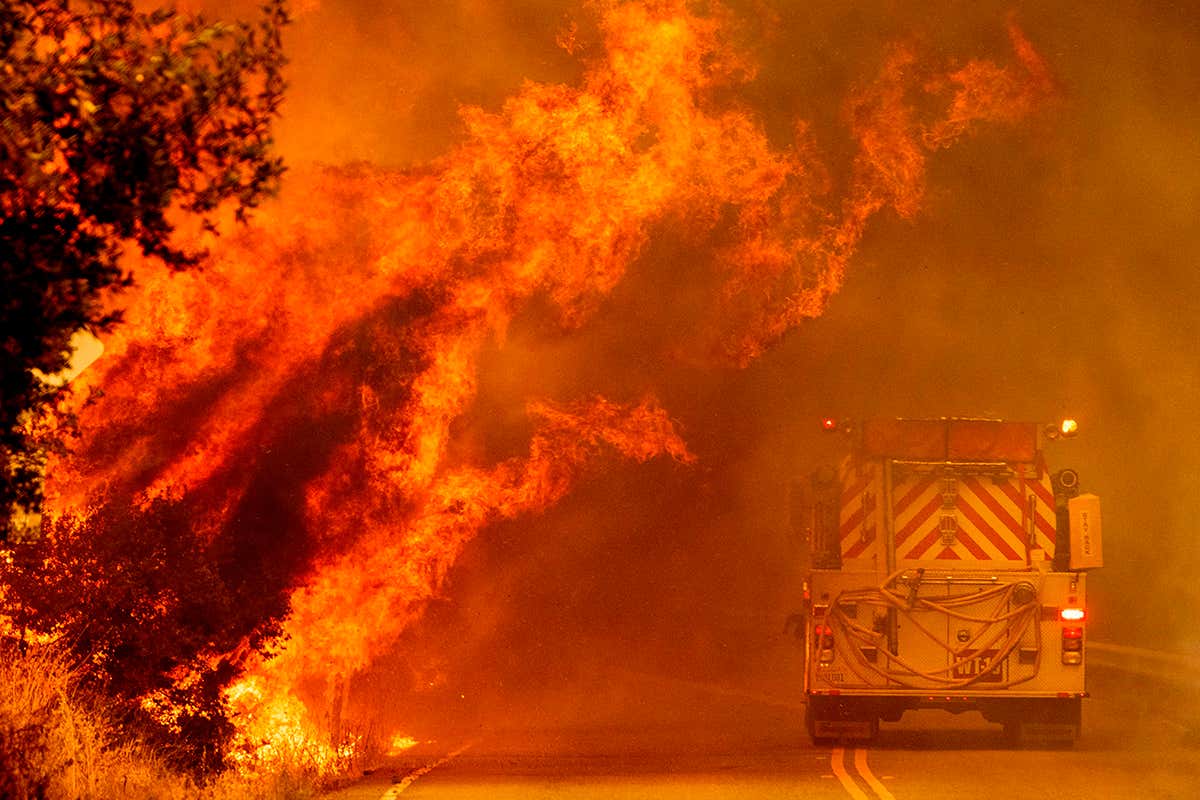
25 August 2020
For the fourth year in a row, California is experiencing major wildfires – probably because climate change has left the region unusually hot and dry, say researchers
26 June 2020
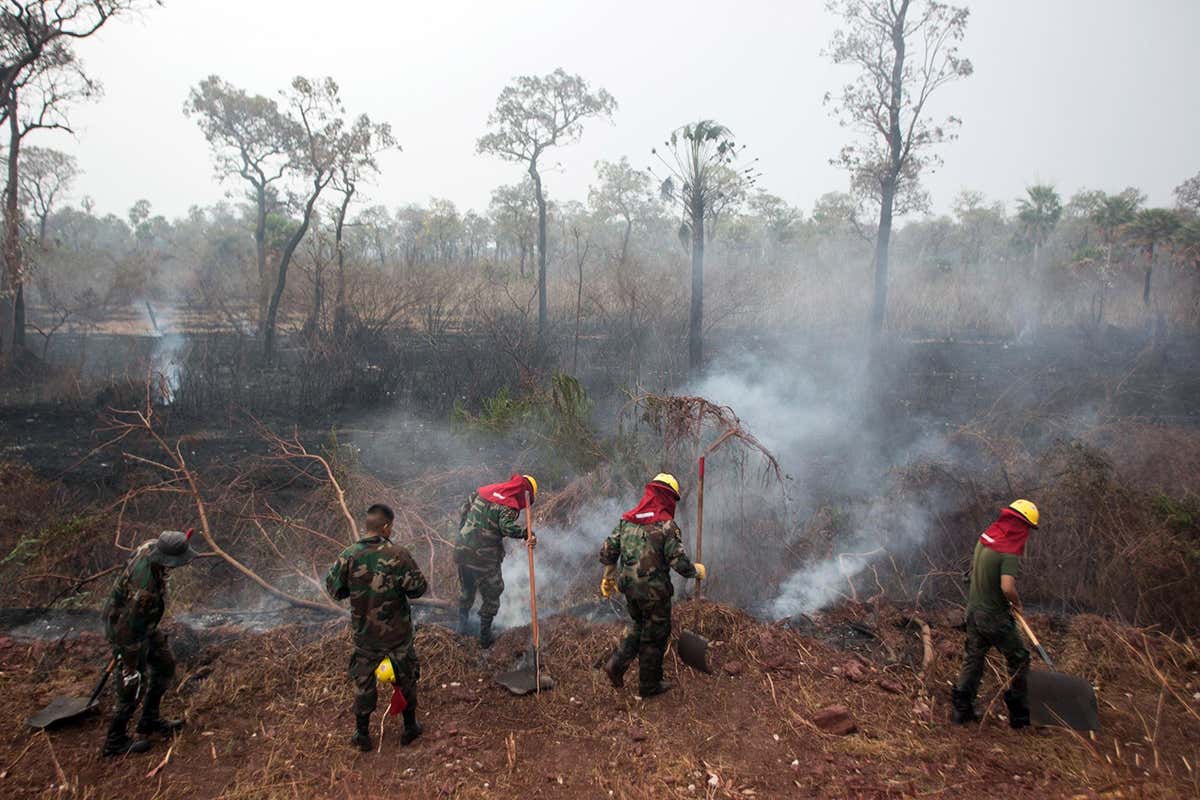
This year is shaping up to be an average one for global forest fires, but the vital ecosystems of the Amazon and the Arctic are experiencing a second year of severe blazes
3 June 2020
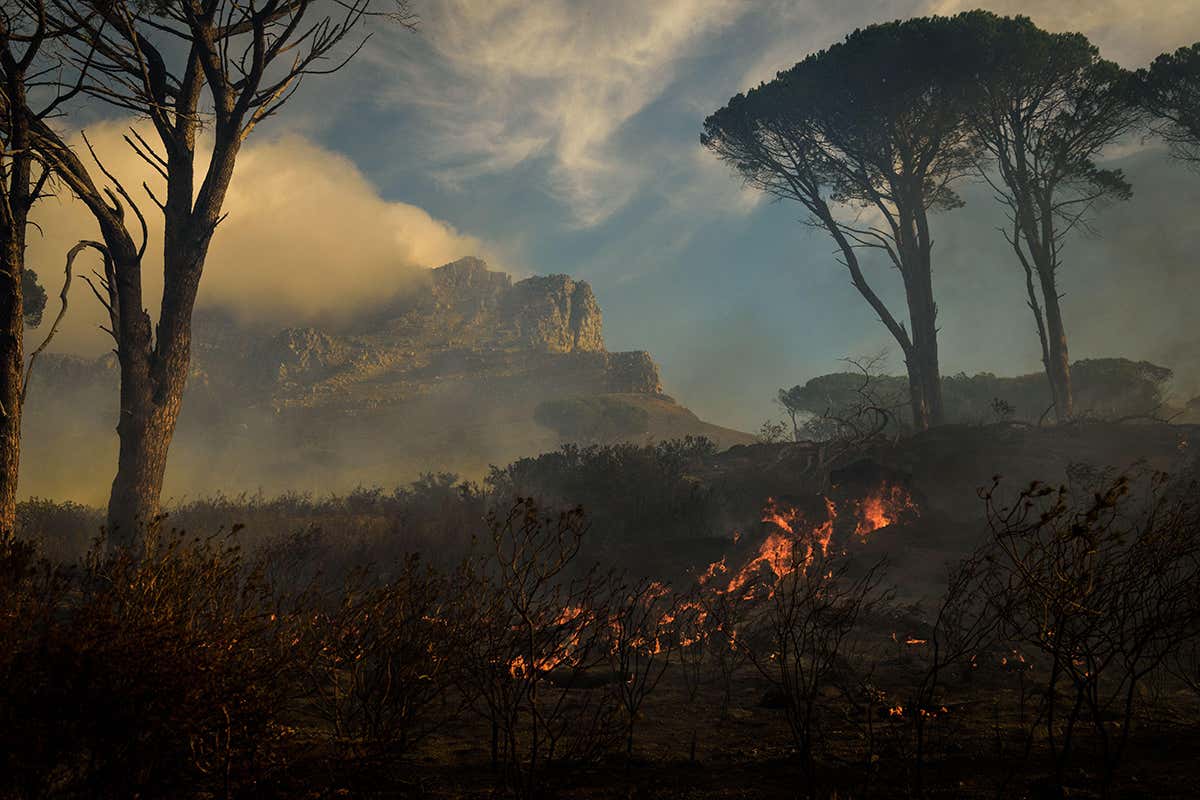
About a third of the black carbon created when plants are partially burned ends up in oceans via rivers, a finding that helps us model carbon storage and climate change
15 May 2020
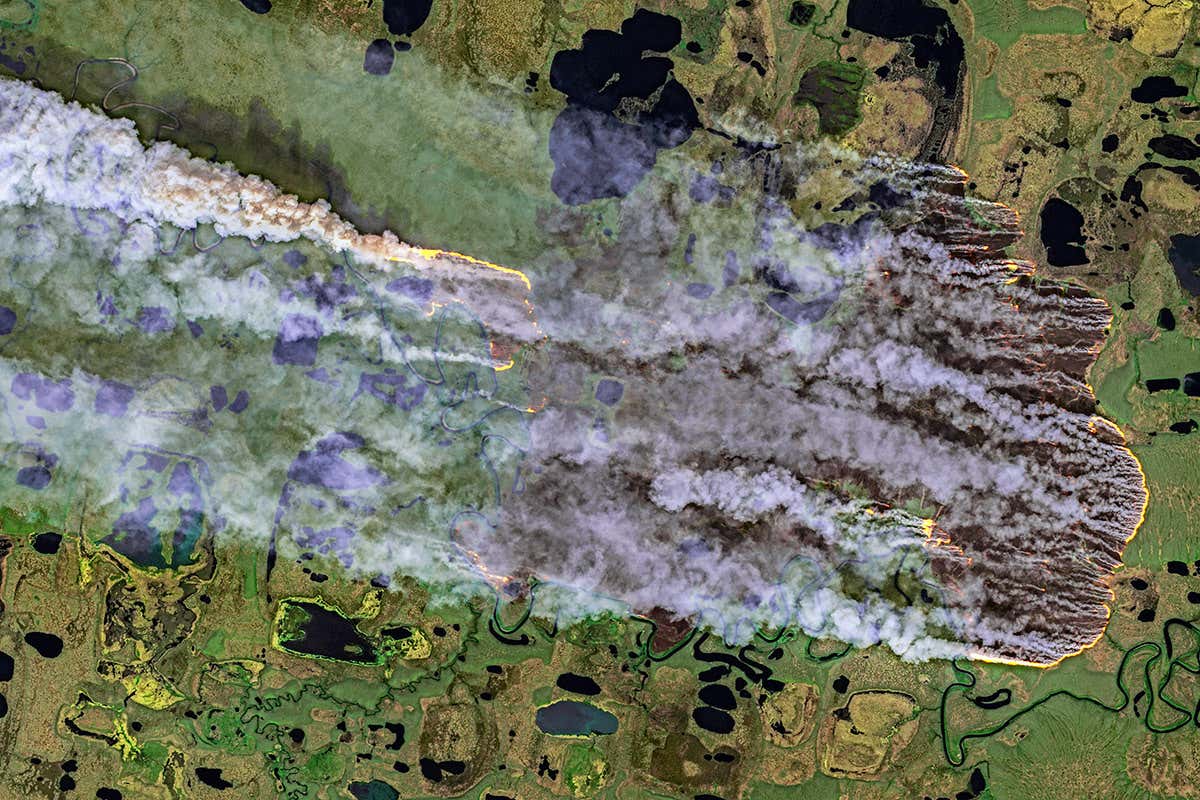
Unprecedented Arctic fires from last summer appear to have smouldered in the underground peat of the tundra through winter and reignited this month as snow melted
8 April 2020
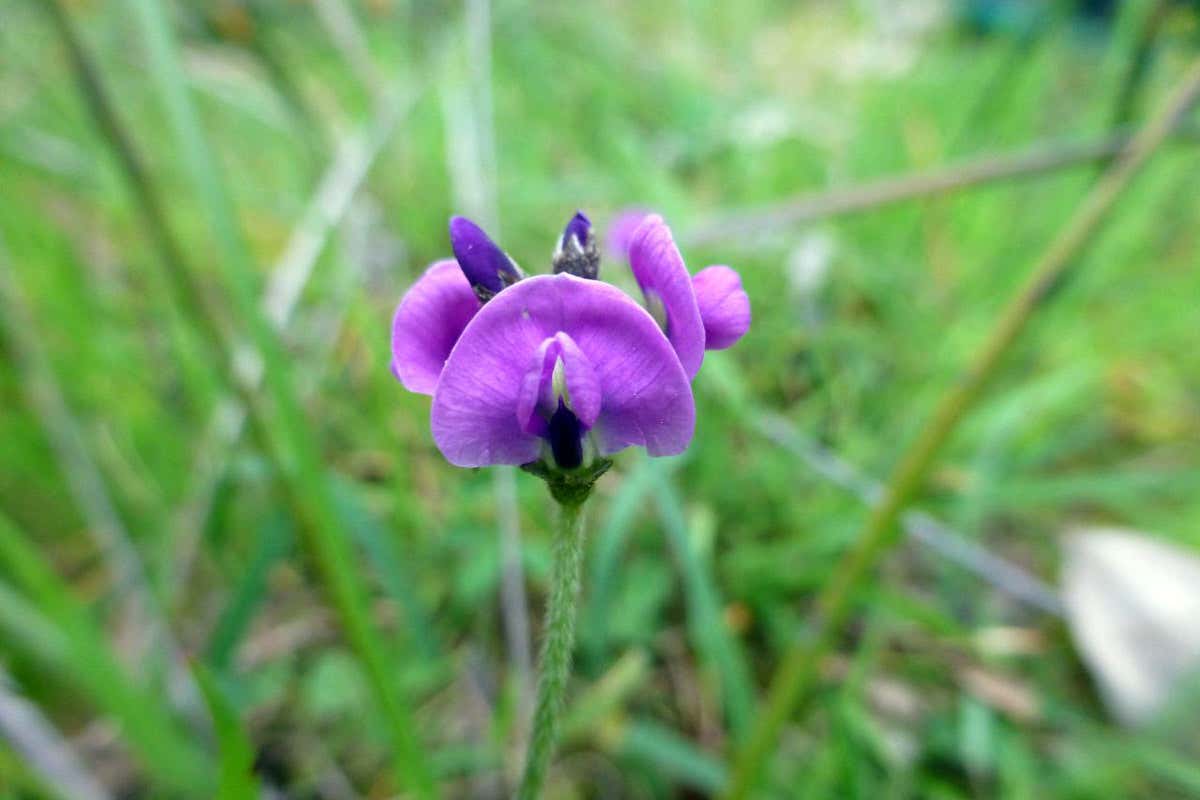
One of the largely unnoticed victims of the Australian bush fires earlier this year was clover glycine (Glycine latrobeana), a rare pea endemic to South Australia that has now been restored thanks to seeds kept at Kew Gardens
4 March 2020
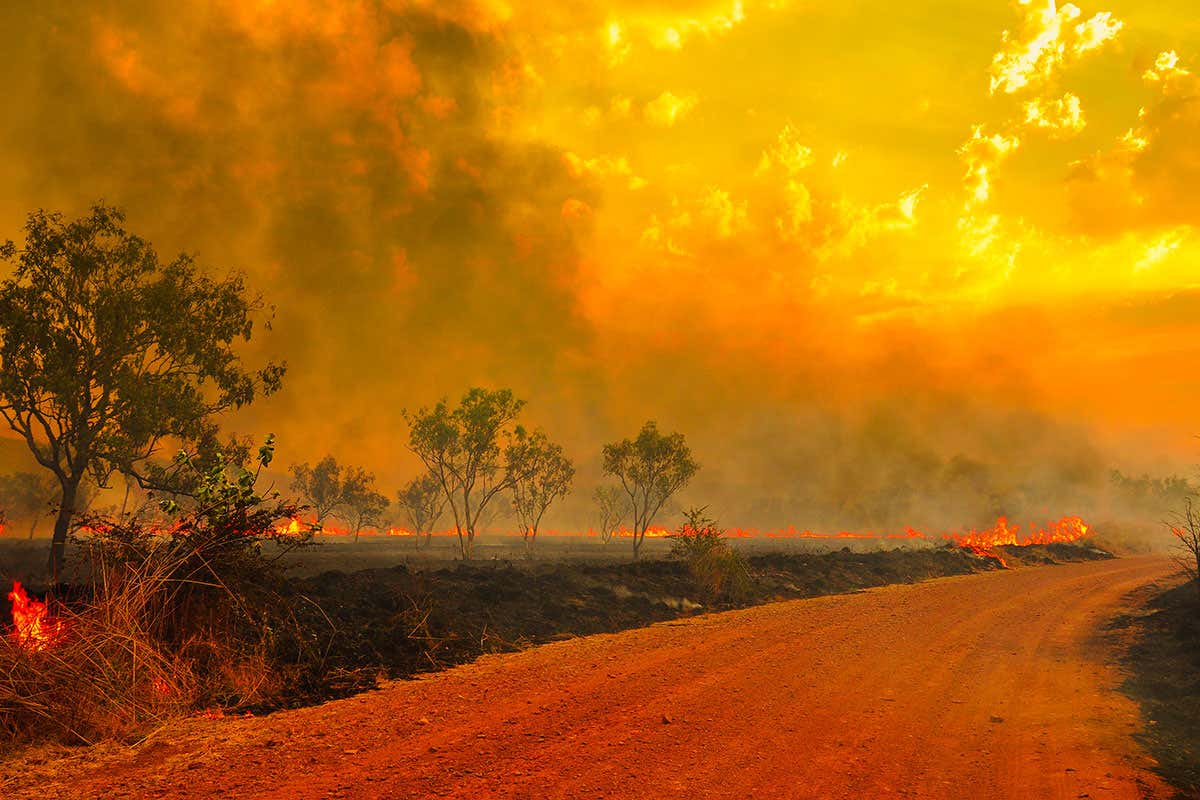
Australia’s recent devastating bushfires were made more likely by human-made climate change, an international team of scientists has found
24 February 2020
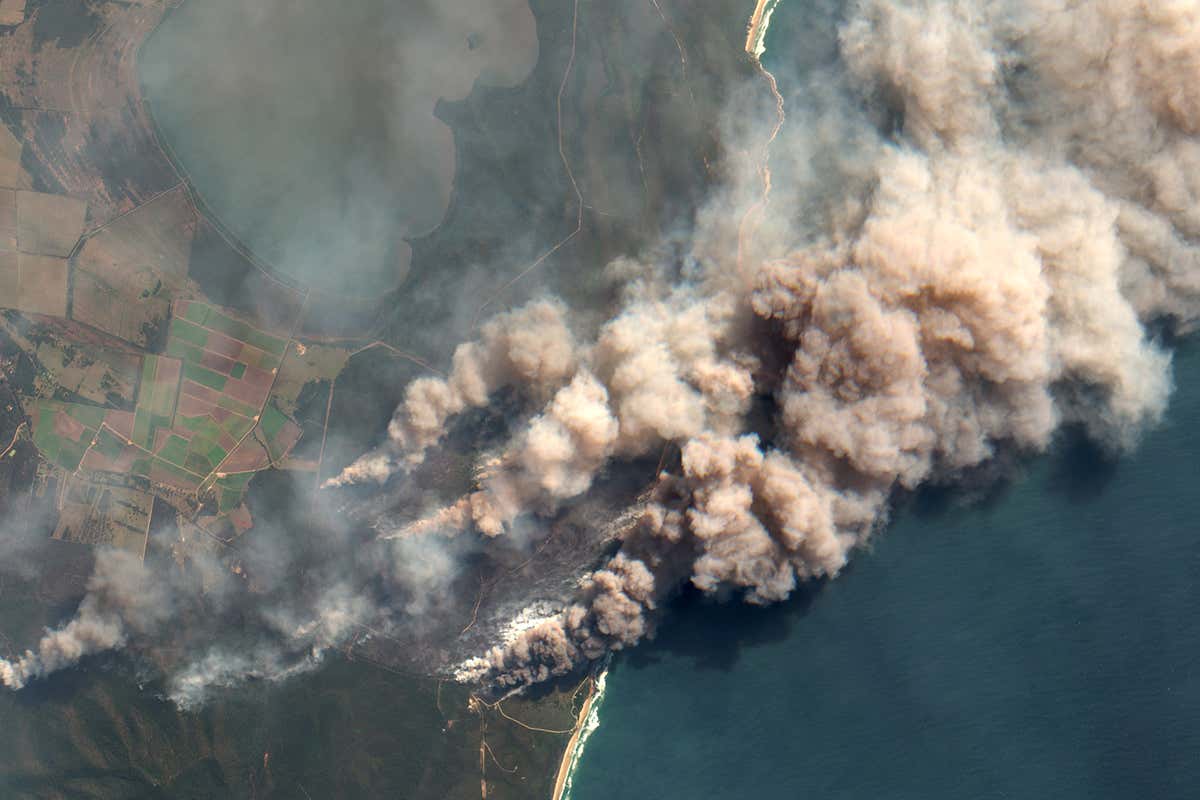
Australia’s recent extreme wildfires burned 5.8 million hectares of forest, destroying about one fifth of the forest biome in eastern Australia over four months
