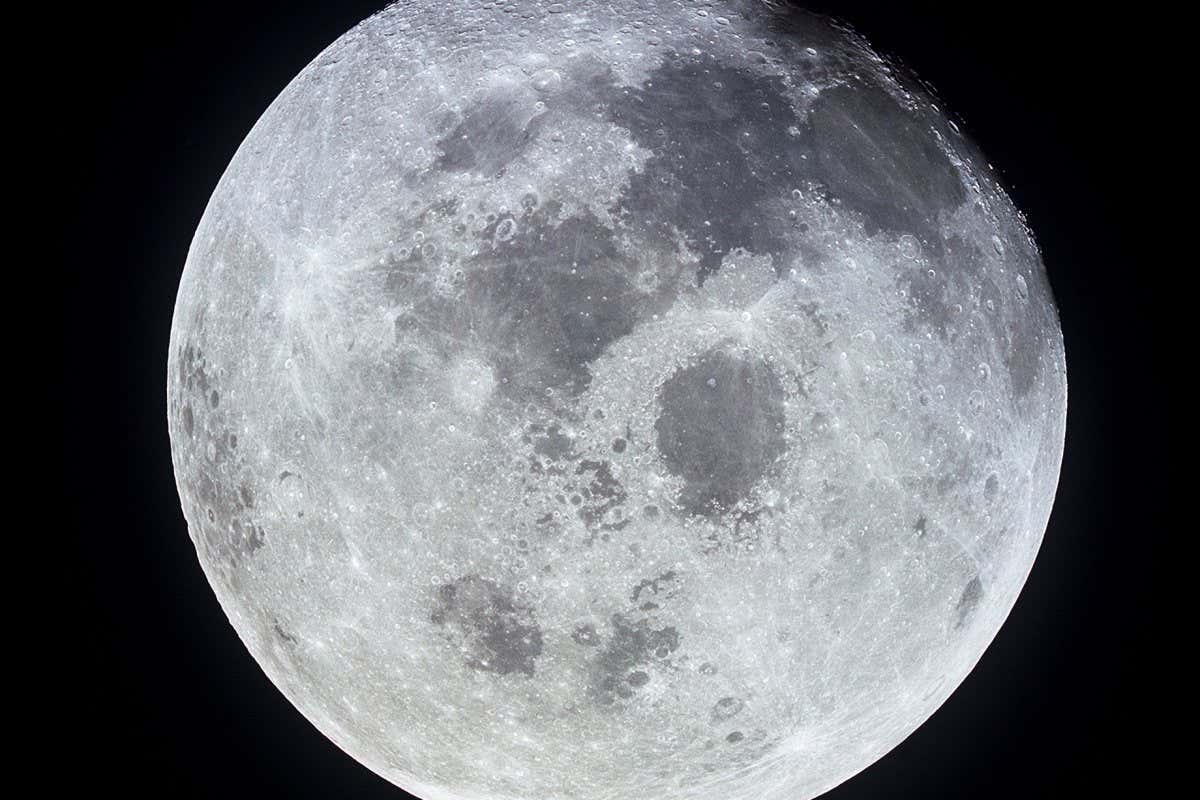
The moon's magnetic field may have been altered by huge sinking rocks
13 January 2022
There’s a new explanation for the moon’s former magnetic field, and it involves 60-kilometre-wide slabs of rock sinking through the lunar mantle
13 January 2022
There’s a new explanation for the moon’s former magnetic field, and it involves 60-kilometre-wide slabs of rock sinking through the lunar mantle
![NASA image of Troctolite 76535. NASA/Johnson Space Center photograph S73-19456. - [1] Troctolite sample 76535 brought back from the Moon by Apollo 17. This sample has a mass of 156 grams and is up to 5 centimeters across. It was collected as part of a rake sample at station 6 at the foot of the North Massif. Another view of this sample was used in Figure 7-16 of the Apollo 17 Preliminary Science Report (SP-330, 1973), which has the following caption: Coarse-grained norite (sample 76535) with fresh-appearing plagioclase (white to light gray) that has typical striations of albite twinning. Although pyroxenes (medium gray) are fractured along cleavage planes, they do not appear badly crushed.](https://images.newscientistbeta.com/wp-content/uploads/2021/12/14153130/PRI_2150827671.jpg)
14 December 2021
A rock sample collected from the moon during the Apollo 17 mission in 1972 has been re-examined, and the results suggest the lunar surface might have cooled in just 20 million years
4 August 2021
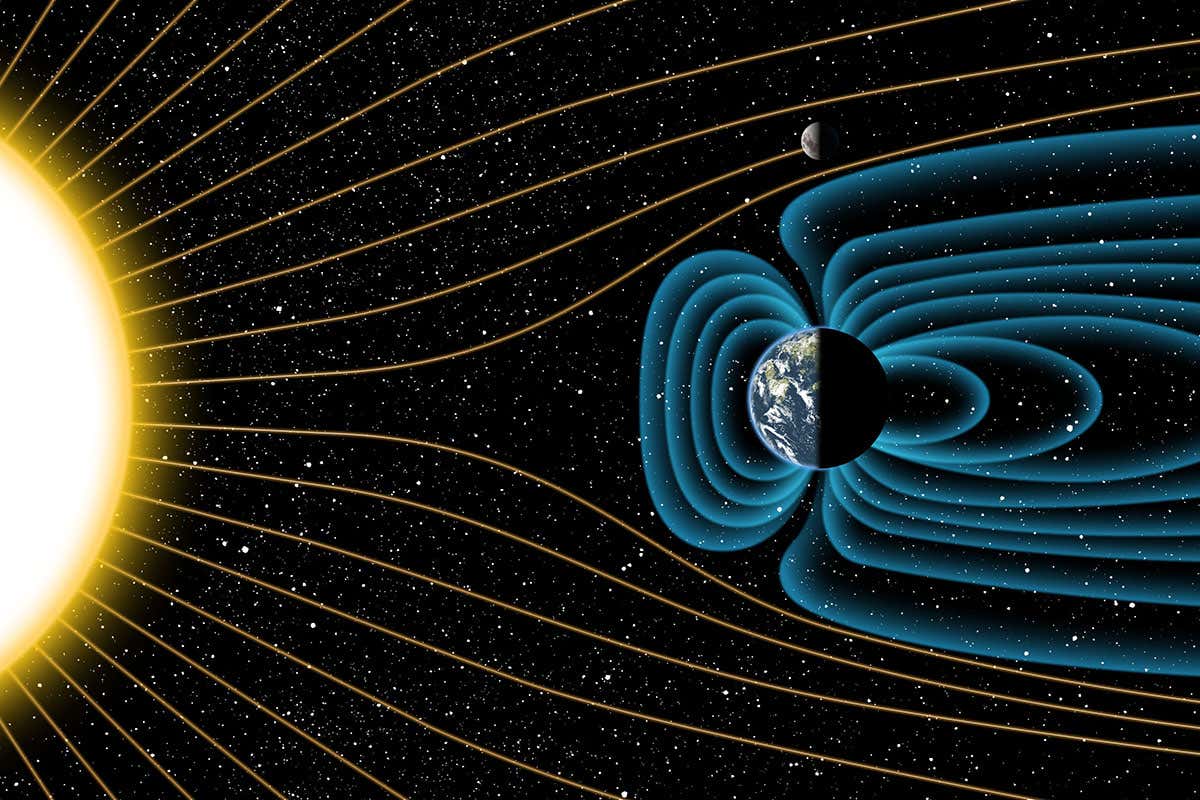
We used to think that the moon had a strong magnetic field like Earth's, but a new analysis of rocks collected by the Apollo missions suggests that previous signs of magnetism came from asteroid impacts instead
15 May 2018
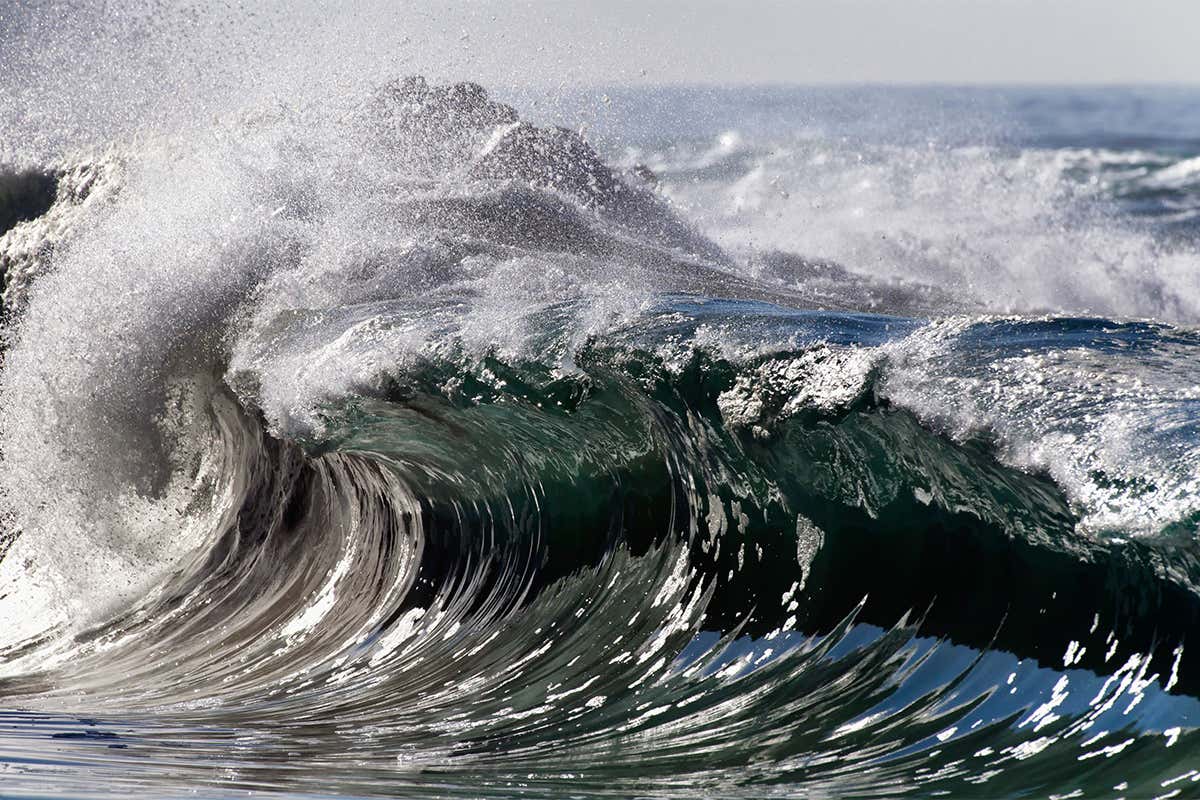
The ocean tides are the strongest they have been for millions of years, and they will get stronger for several million years to come – because of the position of the continents

2 May 2018
The strange influence of the lunar cycle on Earth could warn us when volcanoes are about to blow and might even help us spot impending earthquakes
