Subscribe now
We must address a key obstacle to our new age of space exploration

We must address a key obstacle to our new age of space exploration

5 July 2023

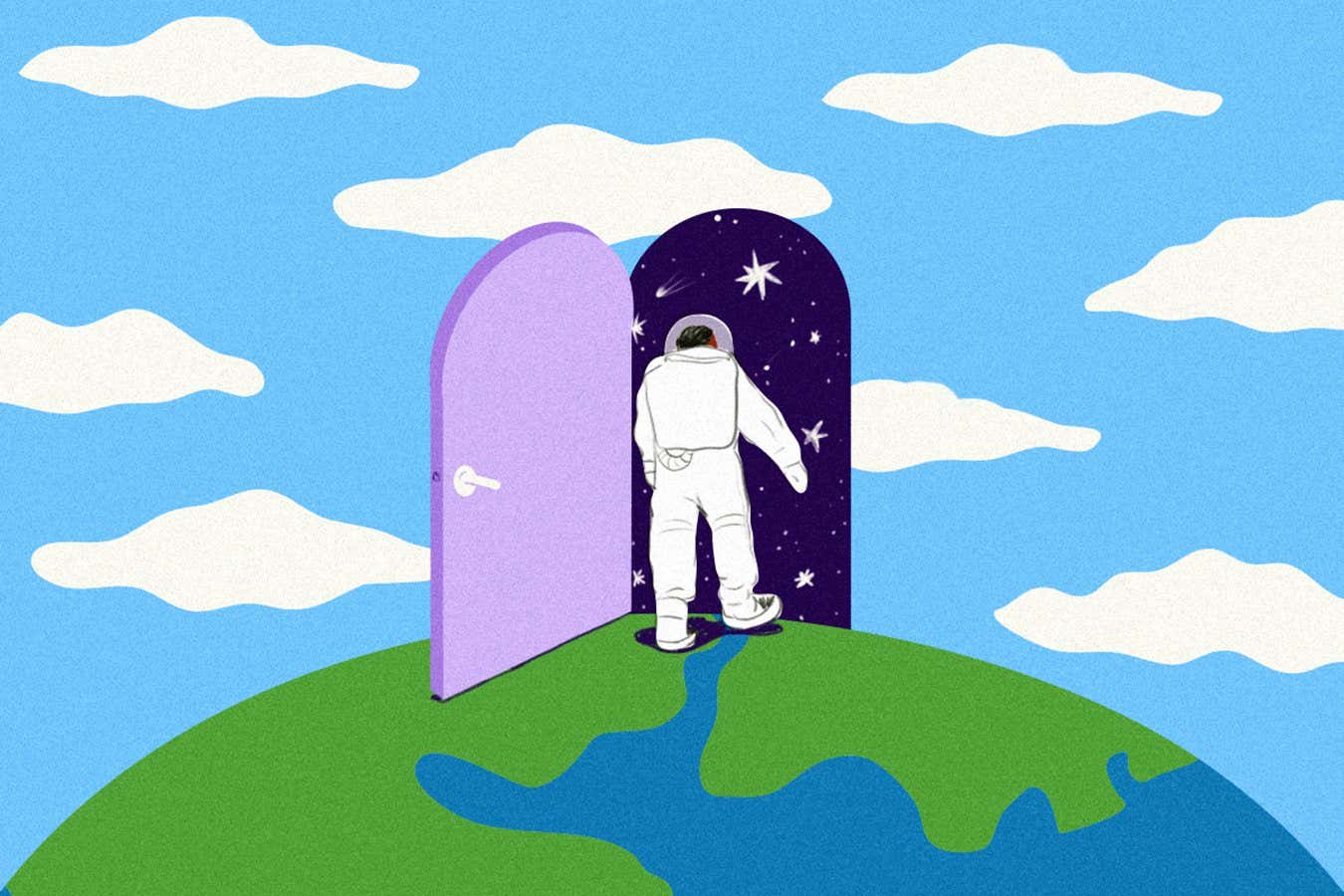
Advances in rocket technology are exciting, but we need to investigate how non-terrestrial gravity affects astronauts' psychology and cognition, says neuroscientist Elisa Raffaella Ferrè
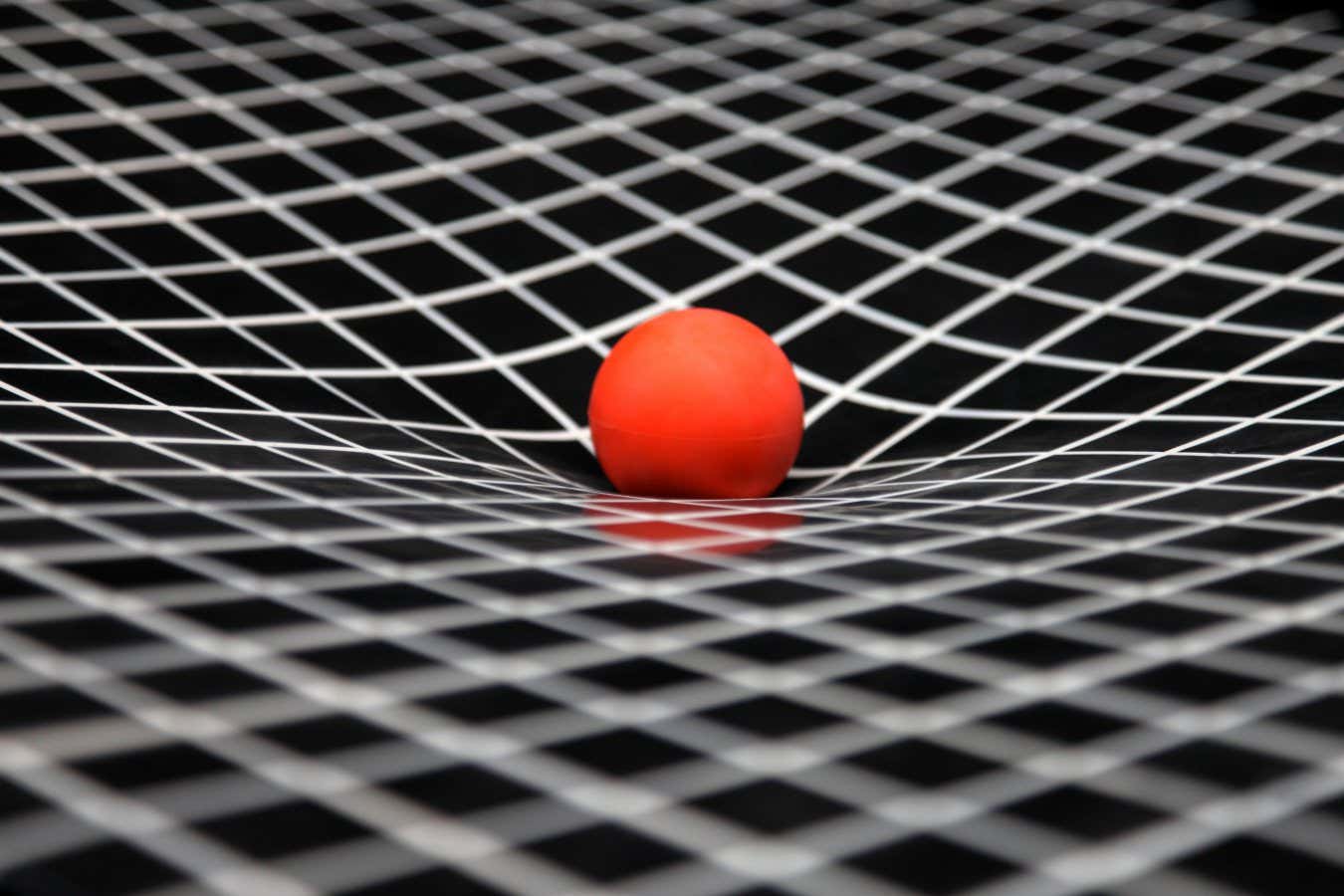
A simulation of gravity showing curved space-time. The ball represents the sun and is resting on a sheet of plastic that stretches under its weight. The curved sheet of plastic demonstrates the way a gravity curves space.

The massive problem of trying to fully explain what mass actually is

21 June 2023

I can take it as a given that people have an intuition for the meaning of mass, but traditional explanations can feel unsatisfactory. Even the standard model doesn't give us all the answers, says Chanda Prescod-Weinstein


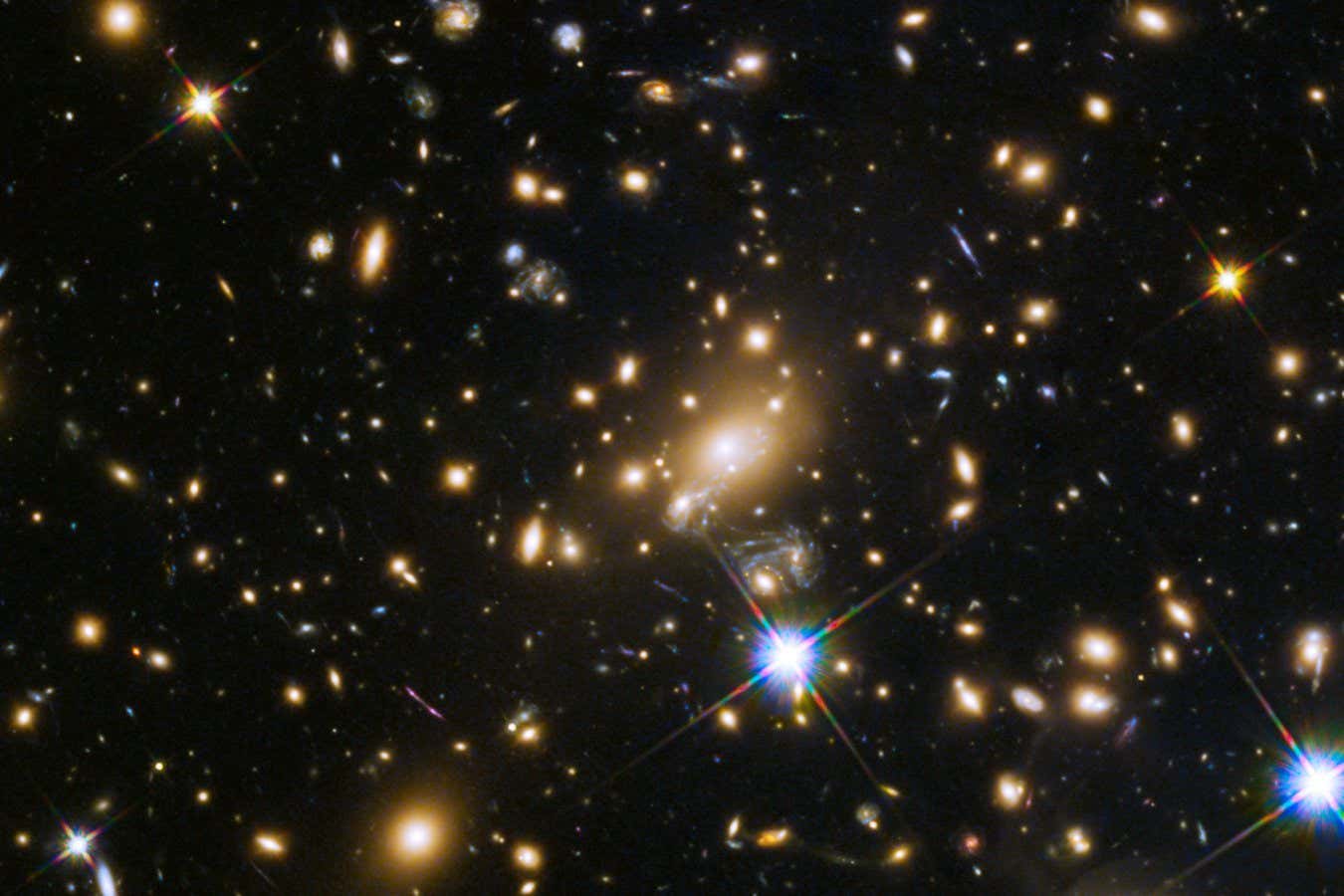
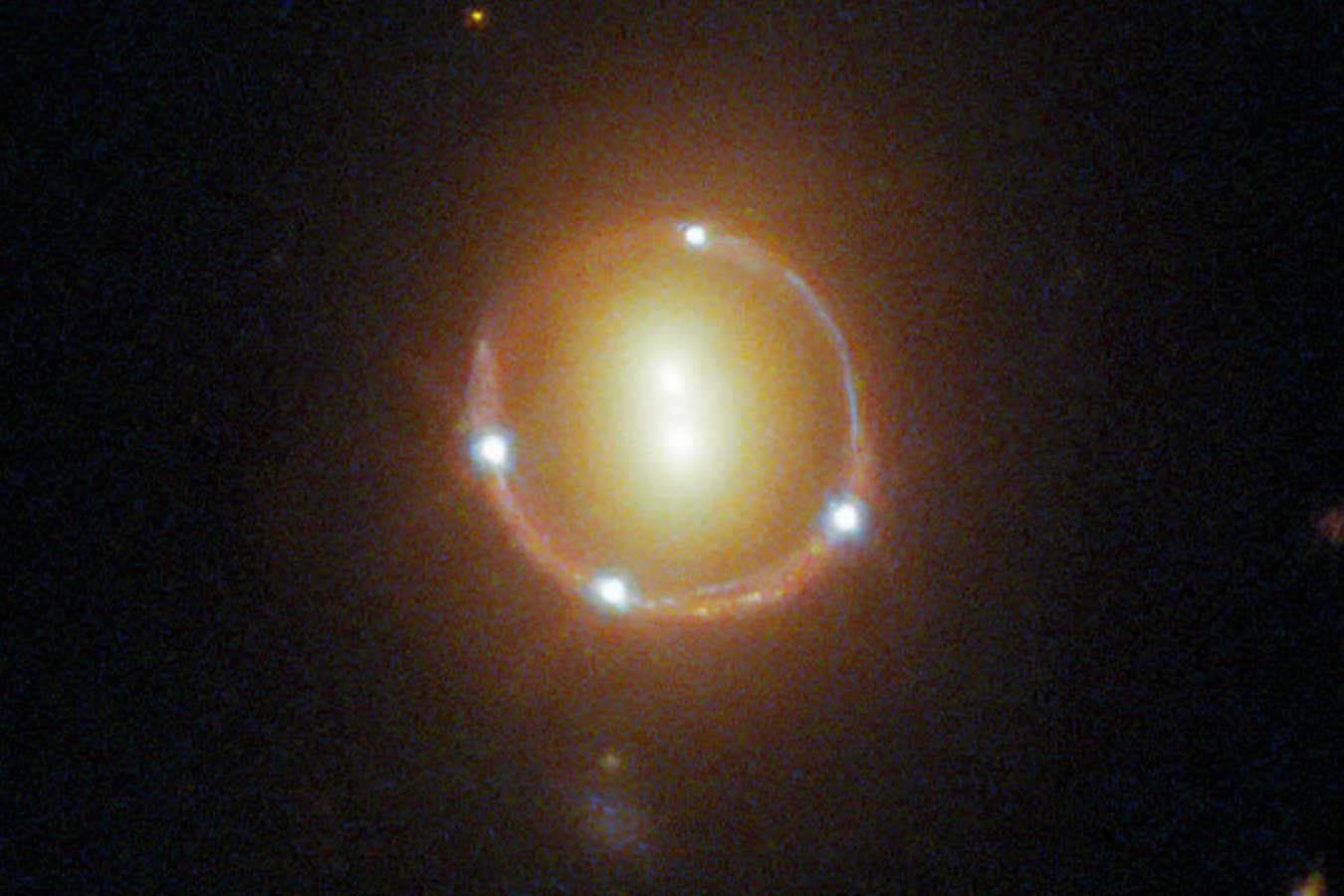
A distant supernova defies our understanding of the cosmos’s expansion

A distant supernova defies our understanding of the cosmos’s expansion

11 May 2023

The two main methods of measuring the expansion of the universe have always disagreed, and observations of a supernova found in 2014 have thrown another wrench in the works


A gravitational-lensed image of a galaxy

Weird dark matter waves seem to warp the light from distant galaxies

20 April 2023

Ultralight dark matter particles that behave like waves, called axions, seem to be a better match for gravitational lensing measurements than more traditional explanations for dark matter


3D illustration of a wormhole or Einstein?Rosen bridge is a hypothetical topological feature that would be a shortcut connecting

Wormholes could magnify light by a factor of 100,000

2 February 2023

Wormholes, which are strange hypothetical tunnels through space-time, could act as cosmic magnifying glasses for objects behind them


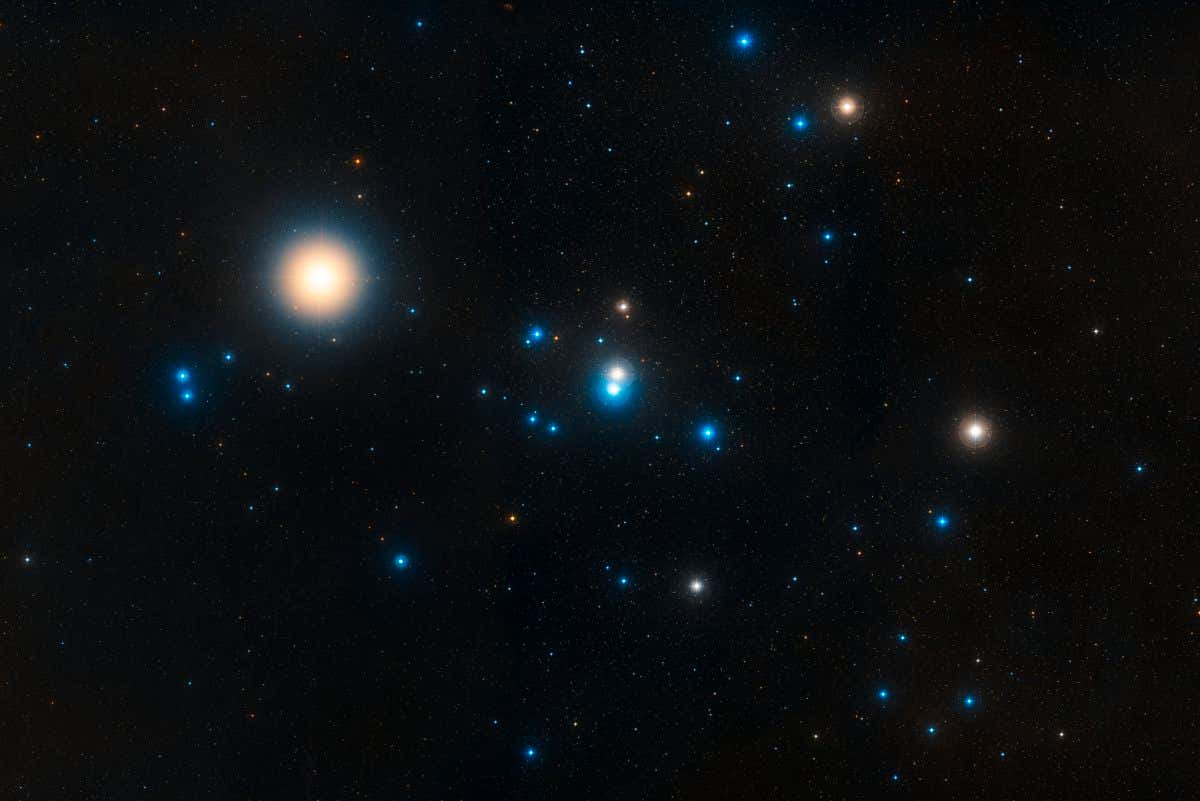
This image shows the Hyades star cluster, the nearest cluster to us. The Hyades cluster is very well studied due to its location, but previous searches for planets have produced only one. A new study led by Jay Farihi of the University of Cambridge, UK, has now found the atmospheres of two burnt-out stars in this cluster ??? known as white dwarfs ??? to be ???polluted??? by rocky debris circling the star. Seeing evidence of asteroids points to the possibility of Earth-sized planets in the same system, as asteroids are the building blocks of major planets. Planet-forming processes are inefficient, and spawn many times more small bodies than large bodies ??? but once rocky embryos the size of asteroids are built, planets are sure to follow.

Crooked star clusters may be a sign that Einstein’s gravity is wrong

1 November 2022

Astronomers have found an unexpected asymmetry in stars escaping from their clusters, and it can't be easily explained by our standard theories of gravity


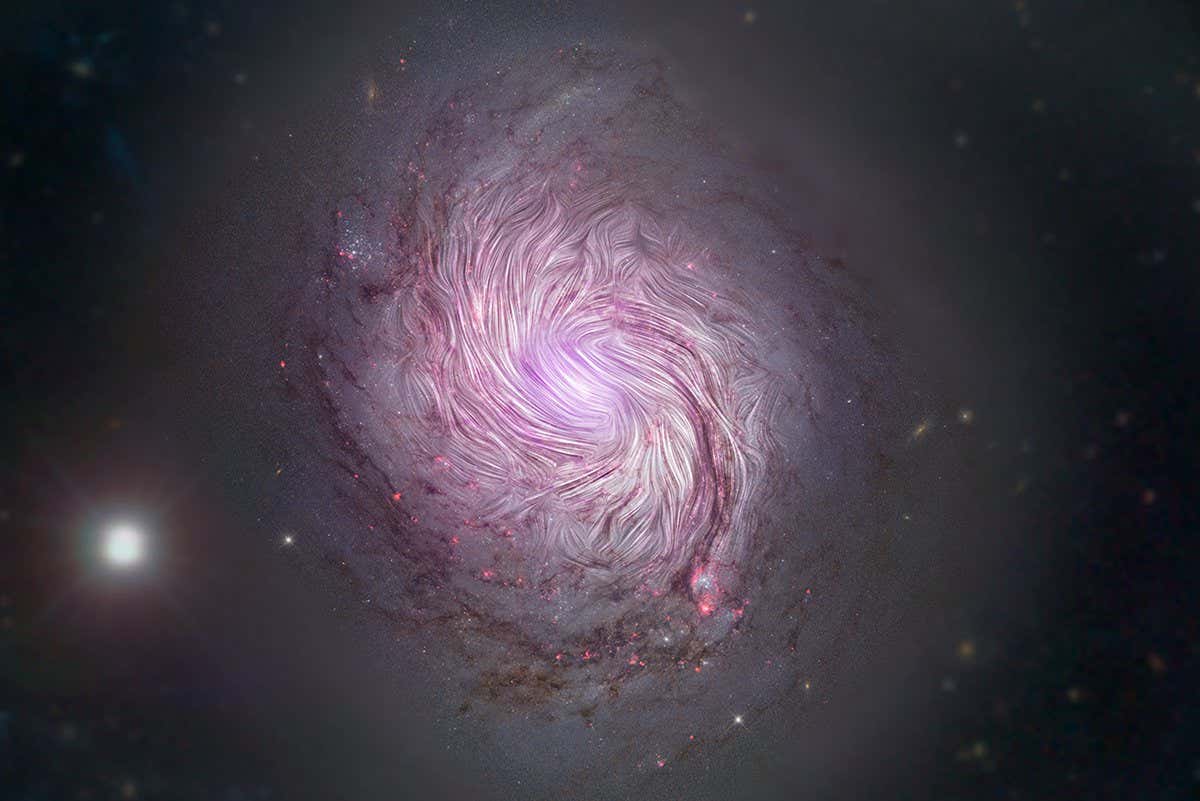
Magnetic fields in NGC 1068, or M77, are shown as streamlines over a visible light and X-ray composite image of the galaxy from the Hubble Space Telescope, the Nuclear Spectroscopic Array, and the Sloan Digital Sky Survey. The magnetic fields align along the entire length of the massive spiral arms ? 24,000 light years across (0.8 kiloparsecs) ? implying that the gravitational forces that created the galaxy?s shape are also compressing its magnetic field. This supports the leading theory of how the spiral arms are forced into their iconic shape known as ?density wave theory.? SOFIA studied the galaxy using far-infrared light (89 microns) to reveal facets of its magnetic fields that previous observations using visible and radio telescopes could not detect. Credits: NASA/SOFIA; NASA/JPL-Caltech/Roma Tre Univ. https://www.nasa.gov/feature/how-to-shape-a-spiral-galaxy

Did magnetism shape the universe? An epic experiment suggests it did

5 October 2022

The idea that magnetism helped shape the universe has been dismissed by scientists for decades, but now new experiments involving plasma that is hotter than the sun are prompting a rethink


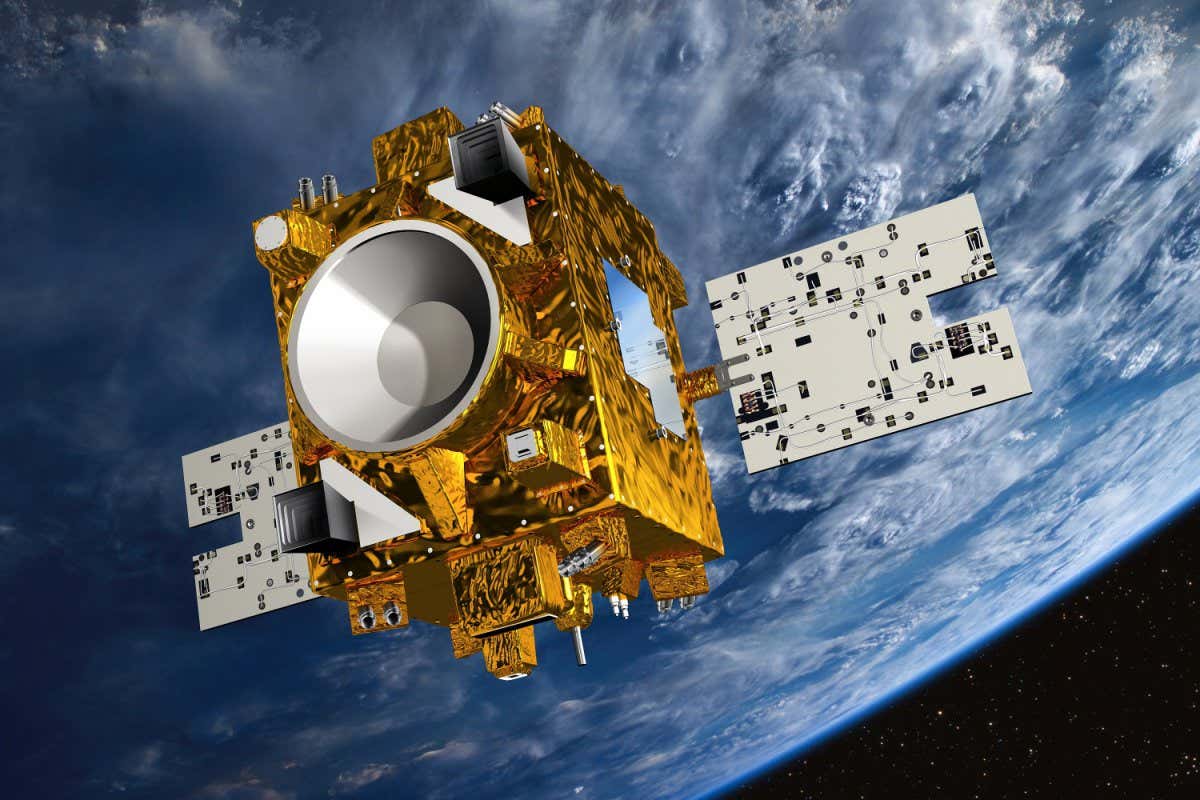
CNES Satellite Illustration

Einstein's gravity principle still correct, finds most precise test

14 September 2022

An experiment conducted on a satellite in orbit found that Albert Einstein's ideas about gravity are still correct, with measurements accurate to one part in a quadrillion


How you can get involved with the hunt for gravitational waves

How you can get involved with the hunt for gravitational waves

10 November 2021

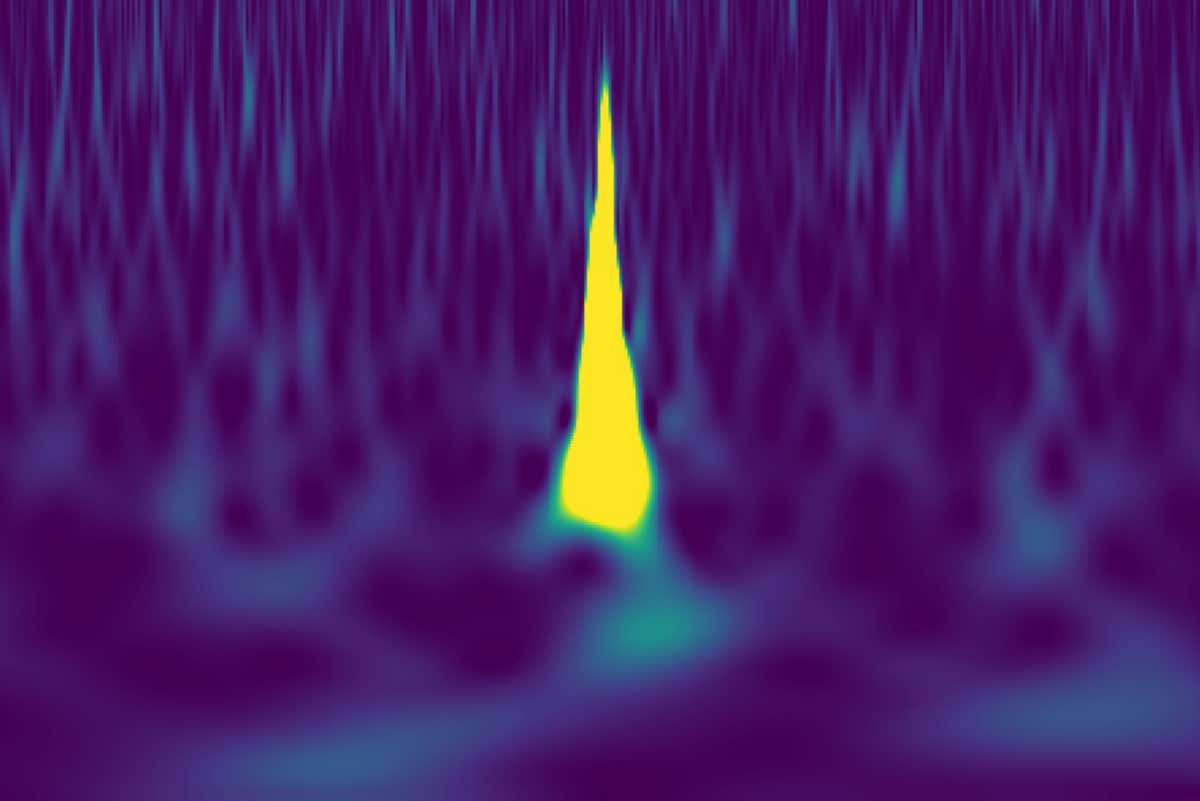
In the search for high-energy astronomical events like black holes colliding, the data often has glitches. You can help weed those out using the Gravity Spy platform, says Layal Liverpool


Can Einstein’s forgotten theory of space solve the cosmology crisis?

Can Einstein’s forgotten theory of space solve the cosmology crisis?

13 October 2021

Decades ago, Einstein concocted a theory in which space doesn't just curve, but swirls like a cyclone. Now it is making a comeback because it could fix several of the biggest problems in cosmology


Sign up to our weekly newsletter

Receive a weekly dose of discovery in your inbox. We'll also keep you up to date with New Scientist events and special offers.

Sign up
Piano Exit Overlay Banner Mobile Piano Exit Overlay Banner Desktop