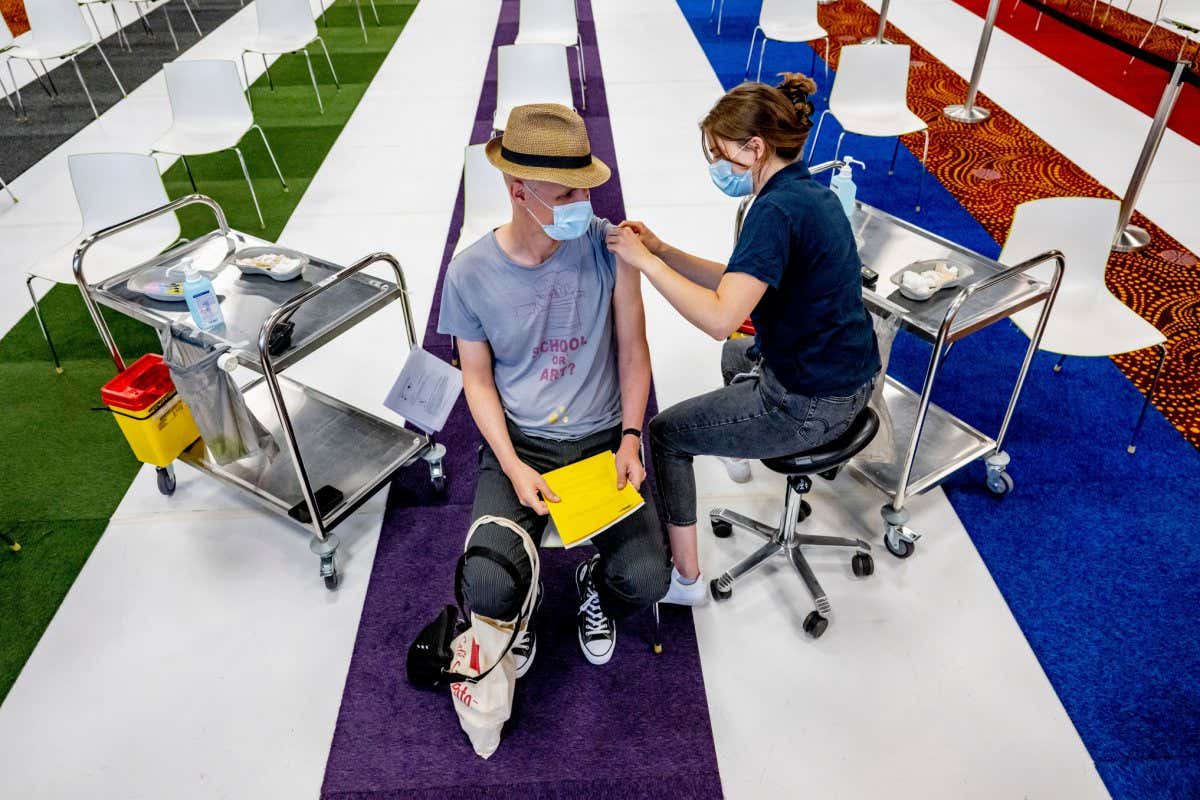
How the covid-19 pandemic helped tackle Ebola and monkeypox in 2022
27 December 2022
The covid-19 pandemic has improved communication between researchers and officials, and may have even prompted Uganda's first lockdown against Ebola
27 December 2022
The covid-19 pandemic has improved communication between researchers and officials, and may have even prompted Uganda's first lockdown against Ebola
20 December 2022
Many countries in the northern hemisphere are seeing surges of childhood respiratory infections like influenza and RSV. While this is partly because child infections fell during covid-19 restrictions, that isn’t the whole story
23 November 2022
Seasonal infections are set to spike, while the cost-of-living crisis is also expected to affect some children’s mental and physical health
20 July 2022
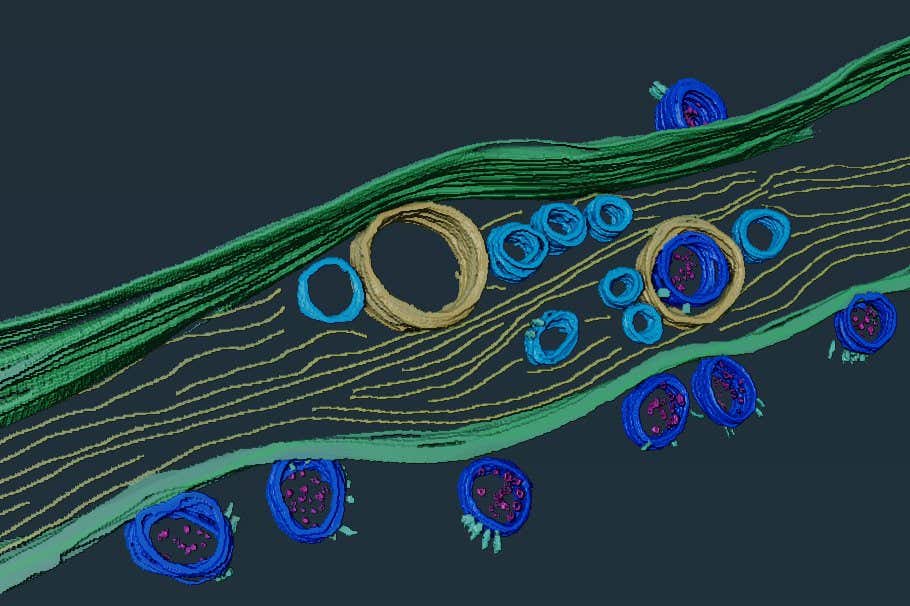
How the virus behind covid-19 enters the brain was somewhat of a mystery, but new evidence hints it may build tiny tubes from nose cells to brain cells that it can shuttle through
28 June 2022
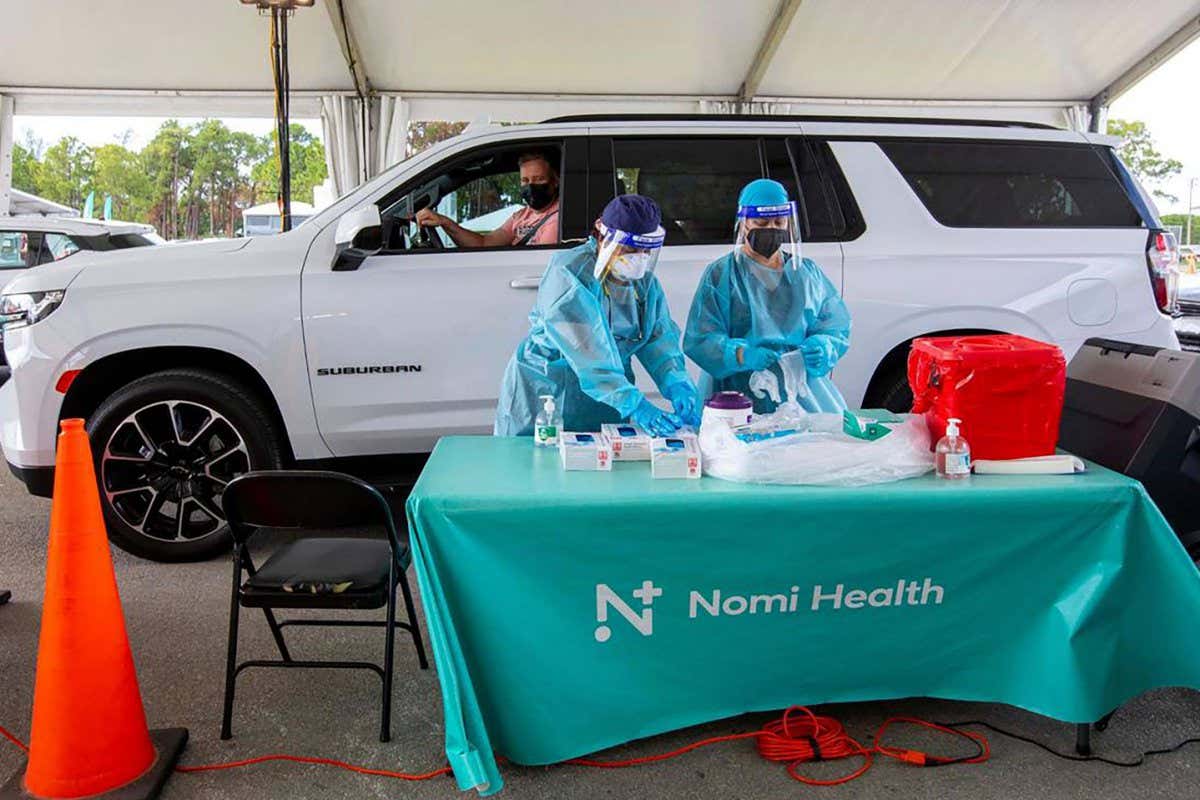
A study suggests people who catch covid-19 at least twice have double the risk of dying from any cause and are three times as likely to be hospitalised in the next six months, compared with people who test positive just once
11 September 2020
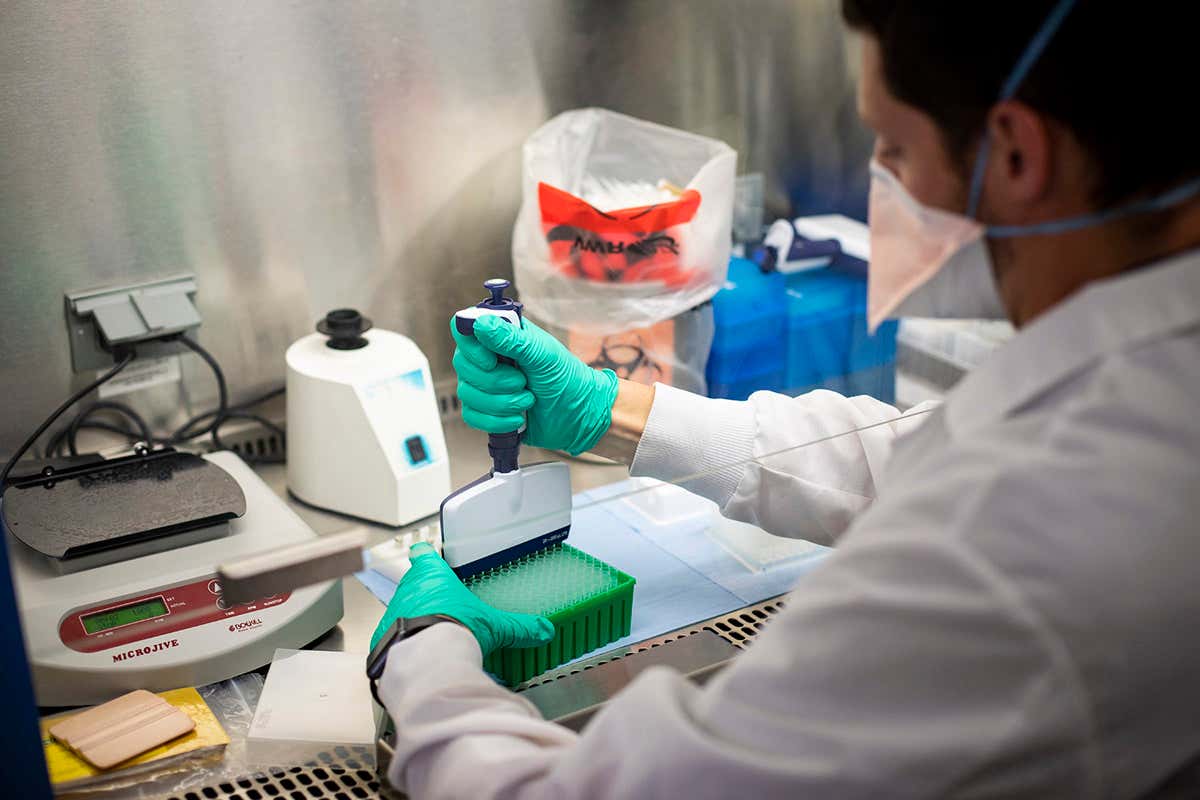
A handful of people across the world appear to have caught the coronavirus twice, suggesting that immunity against the virus doesn’t last – and could potentially make second infections worse

19 May 2020
The basic reproduction number, also known as the R or R0, is the average number of people one person with an infectious disease will likely infect in the future.
9 April 2020
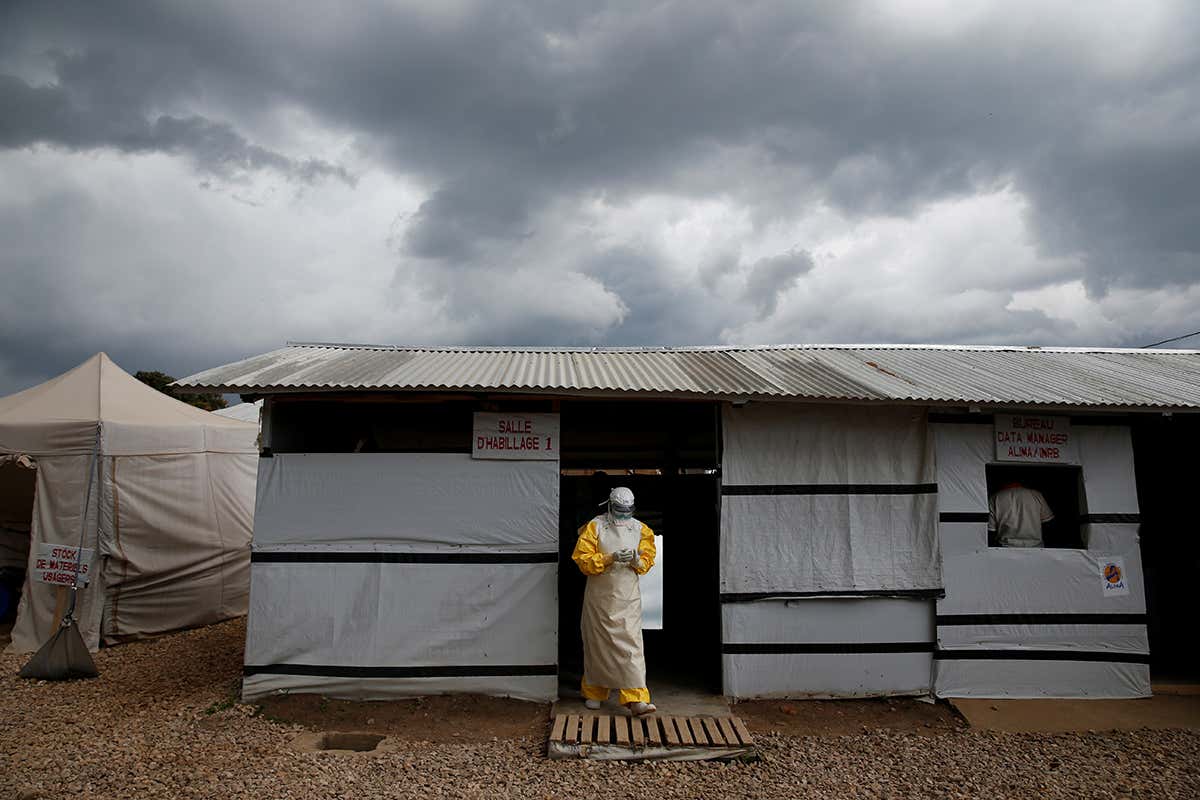
The DRC’s Ebola epidemic will be declared over on 12 April but there’s little time to celebrate as the country pivots towards tackling the coronavirus
27 March 2020
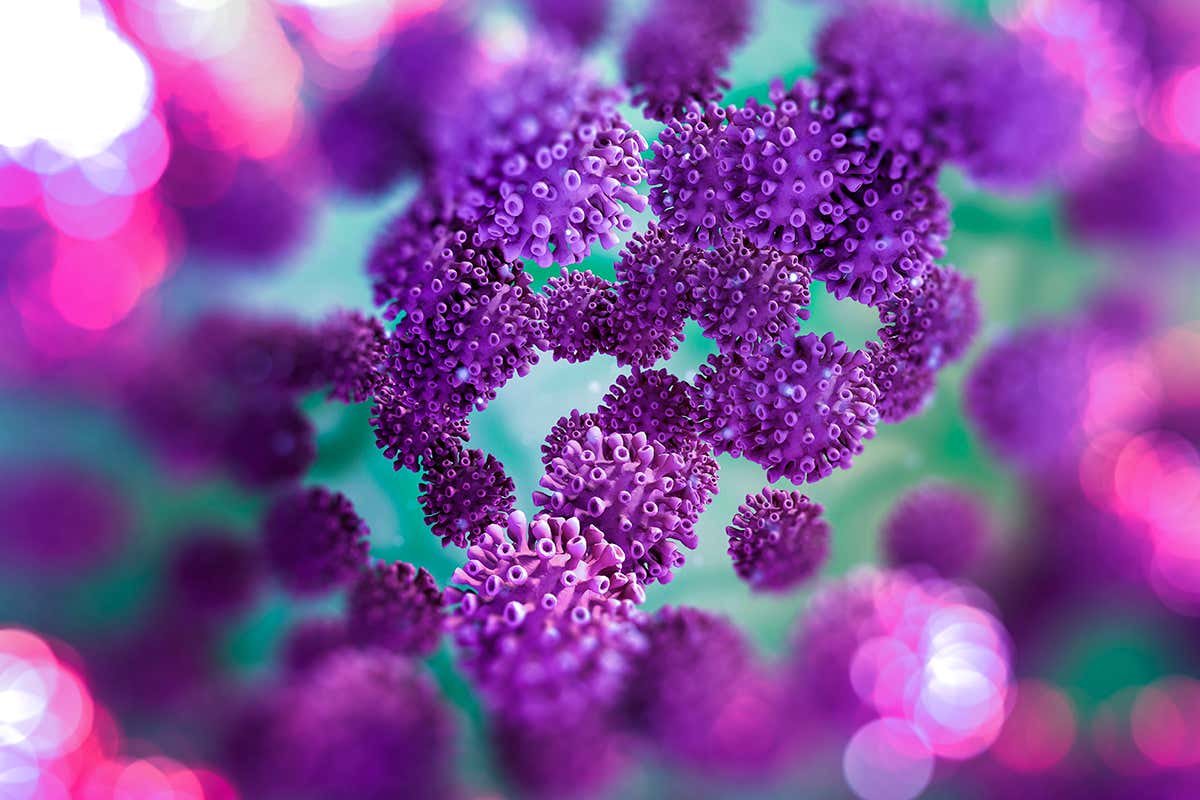
Does being exposed to more virus particles mean you’ll develop more severe illness? Data suggests the relationship between infection and severity may be complex
25 March 2020
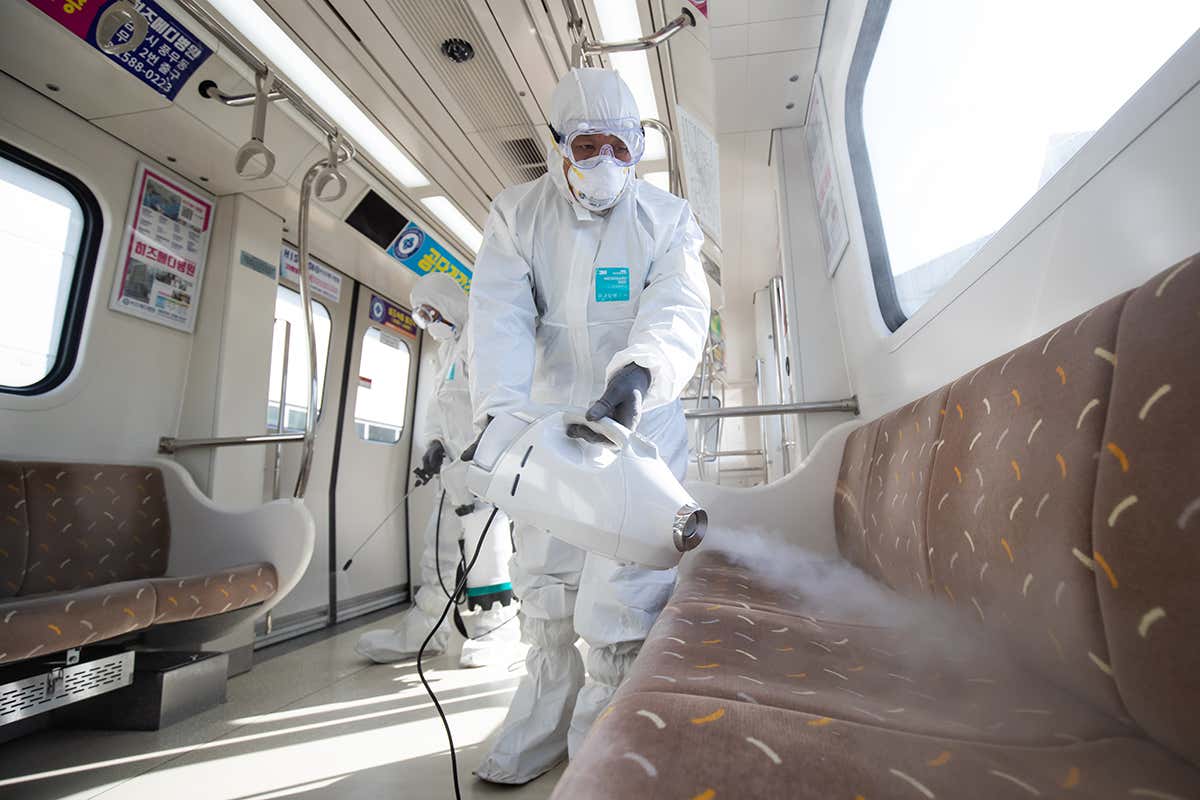
The coronavirus has been found to stick to surfaces for days – but you’re more likely to catch it when close to infected people, or possibly through droplets spread via plumbing and ventilation systems
