Subscribe now
Women and children of the Chiman ethnic group participate in a protest march to Yucumo, September 16, 2011. The Amazonian ethnic groups which live in the Isiboro Secure territory, known by its Spanish acronym TIPNIS, are completing a 370 miles (595 km) march from Trinidad, in the northern Beni province, to La Paz to protest against a projected 185 mile (298 km) long highway that bisects the protected park in the Amazon forest, activists leading the march said. The protesters, who have a list of demands apart from their rejection of the highway project being financed by Brazil, are entering a rural region with strong sentiments for President Evo Morales, raising the possibility of confrontations on their way to La Paz. REUTERS/David Mercado (BOLIVIA - Tags: CIVIL UNREST POLITICS ENVIRONMENT) - GM1E79H0SU101

The unique, vanishing languages that hold secrets about how we think

12 June 2023

Language isolates, like Chimané from Bolivia, are unrelated to any other known tongue. Studying them is revealing how languages evolve and influence our perception of the world around us


People with synaesthesia blend their senses - now we know why

People with synaesthesia blend their senses - now we know why

6 June 2023

Synaesthesia is sometimes called an ‘extra ability’ that means some people mix colours and words or other sensory inputs. Now, it is becoming clear that it emerges in childhood to help us learn


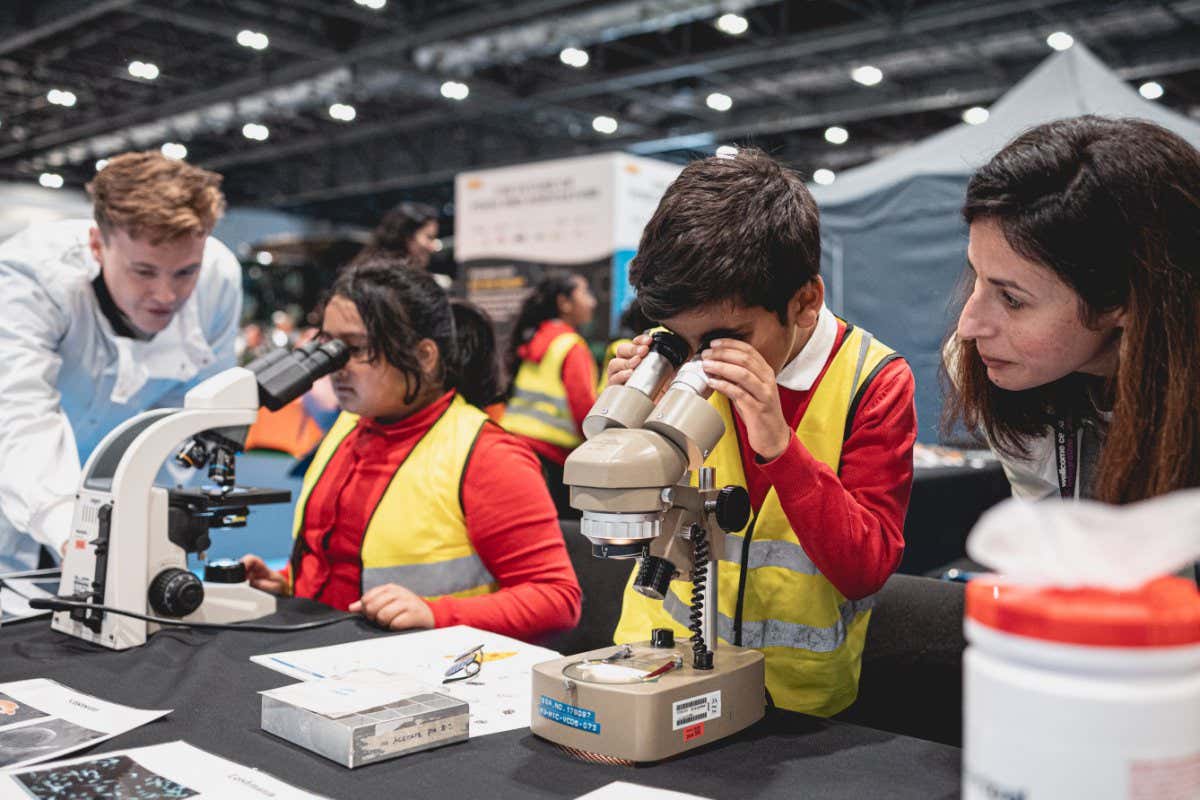
New Scientist Live: Photographs from the show floor

New Scientist Live: Photographs from the show floor

12 October 2022

New Scientist's flagship event returns after a pandemic-induced hiatus. Here is our pick of the show, from a robot dog to Astronomer Royal Martin Rees telling us how science will save the world


colorful bouncing balls

DeepMind AI learns physics by watching videos that don't make sense

11 July 2022

An algorithm created by AI firm DeepMind can distinguish between videos in which objects obey the laws of physics and ones where they don't


Child breaking an egg into a bowl, accidentally making a mess in the process. Space for copy.

Make mistakes on purpose – it can dramatically boost your performance

9 March 2022

"Deliberate erring" offers a surprising but effective way to enhance your memory and improve how you perform in many unexpected areas of life, says David Robson


New Scientist Default Image

Learning whilst you sleep was big business in the Soviet Union

26 February 2020

“Sleep-learning,” we observed half a century ago “is big business in the Soviet Union.” A slew of studies, experiments and trials from behind the Iron Curtain showed an enthusiasm for pumping information, such as lists of foreign words, into people whilst...


Teen born without half her brain has above average reading skills

Teen born without half her brain has above average reading skills

12 February 2020

An 18-year-old who was born without the left half of her brain scores well on IQ tests and plans to attend university, revealing our brain's incredible adaptability


nightingale

Nightingales practise new songs in winter to impress mates in spring

26 November 2019

Thrush nightingales migrate to Africa during winter. While there, they experiment with new songs to impress mates during the spring breeding season in Europe


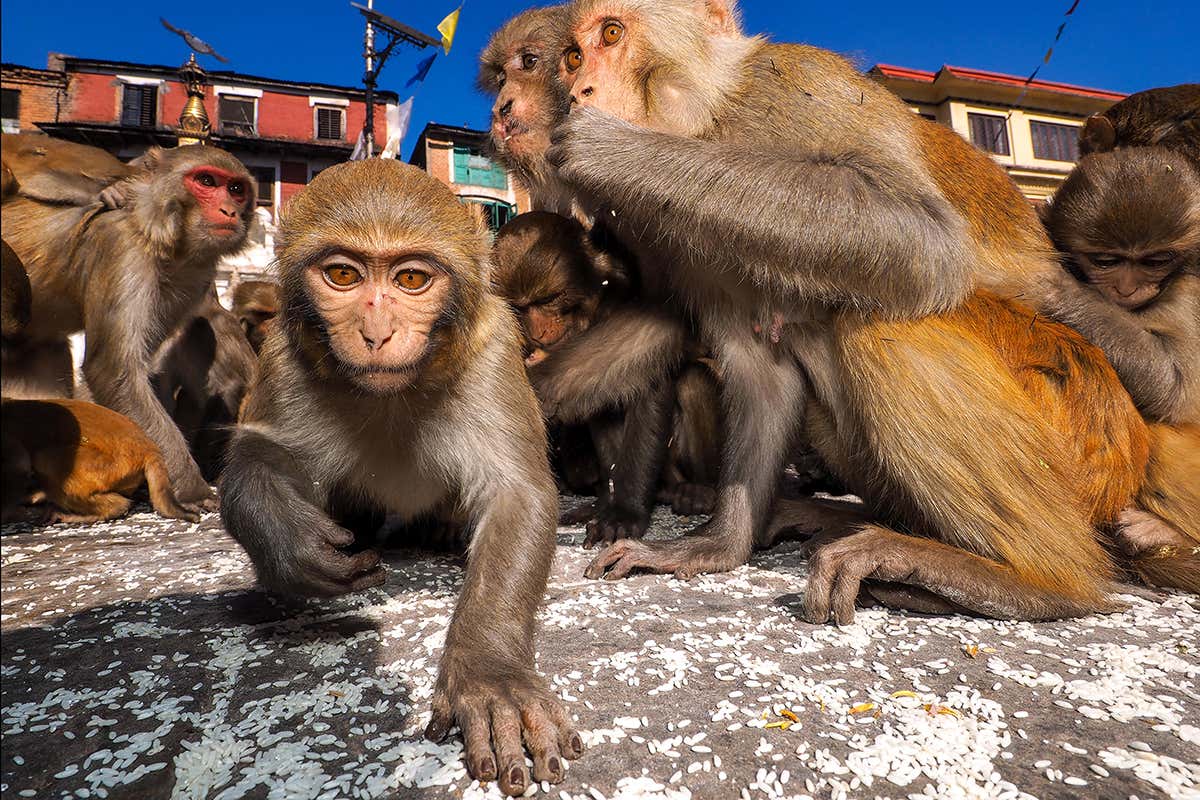
Macaques eating rice

Macaques really can use logical reasoning to solve puzzles

1 August 2019

Macaques are good puzzle solvers, but it was unclear if they use logic or just made choices to maximise their reward. Now a test shows logic really is involved


man resting

Our brains replay experiences when we rest to help us make decisions

27 June 2019

When we rest, neurons fire to replay recent experiences – and doing so seems to improve our ability to use those experiences to make future decisions


Sign up to our weekly newsletter

Receive a weekly dose of discovery in your inbox. We'll also keep you up to date with New Scientist events and special offers.

Sign up
Piano Exit Overlay Banner Mobile Piano Exit Overlay Banner Desktop