Subscribe now
Stephen Hawking with Thomas Hertog, in Hawking's office

Stephen Hawking's final theorem turns time and causality inside out

20 March 2023

In his final years, Stephen Hawking tackled the question of why the universe appears fine-tuned for life. His collaborator Thomas Hertog explains the radical solution they came up with
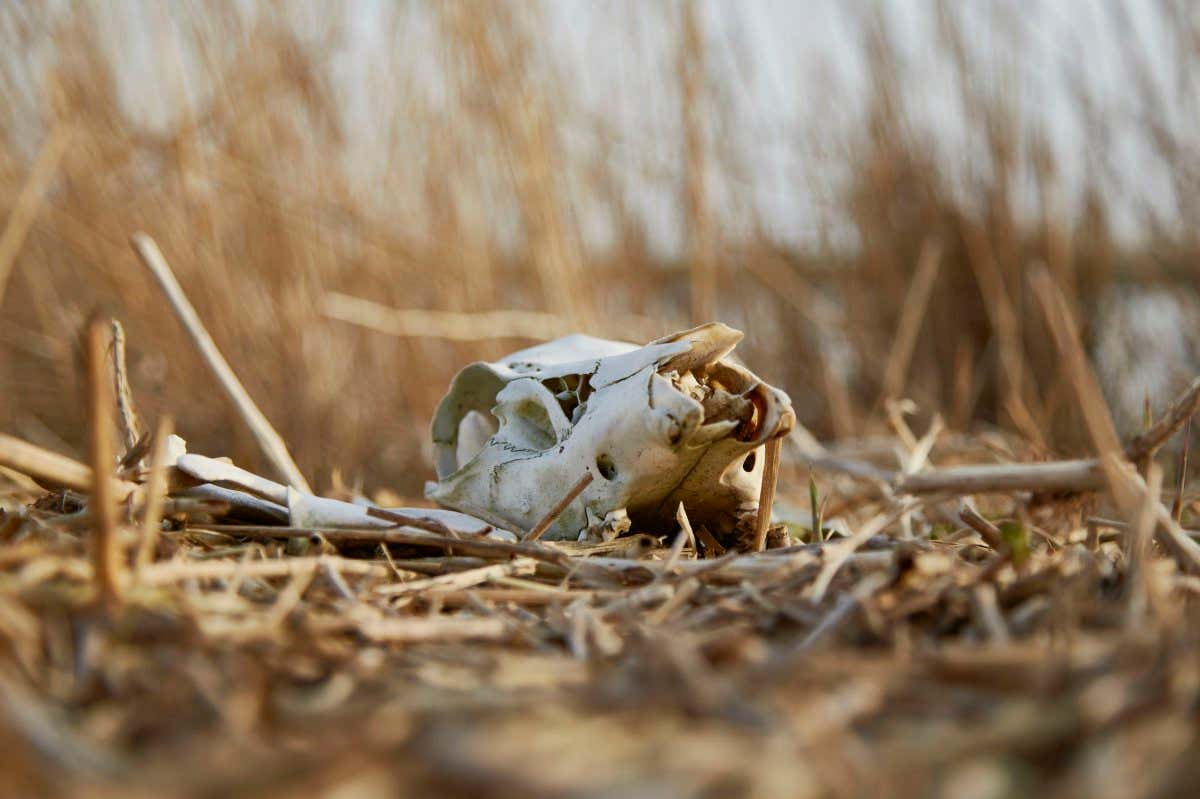
LELYSTAD, NETHERLANDS - APRIL 08: The remains of a deer are seen in the Oostvaardersplassen nature reserve on April 08, 2018 in Lelystad, Netherlands. Thousands of animals died during this winter due to overpopulation and a shortage of food. Animal activists feed the horses, deer and cattle by throwing hay over the fences despite a ban by the local authorities. Emotions are running high as many of the animals face starvation with Oostvaardersplassen's feeding policy for large grazers being heavily criticised. (Photo by Pierre Crom/Getty Images)

The surprising role death plays in the stability of ecosystems

18 October 2022

Ecologists have started to recognise the competition between younger and older generations within the same species, with some startling conclusions about nature’s requirement for mortality


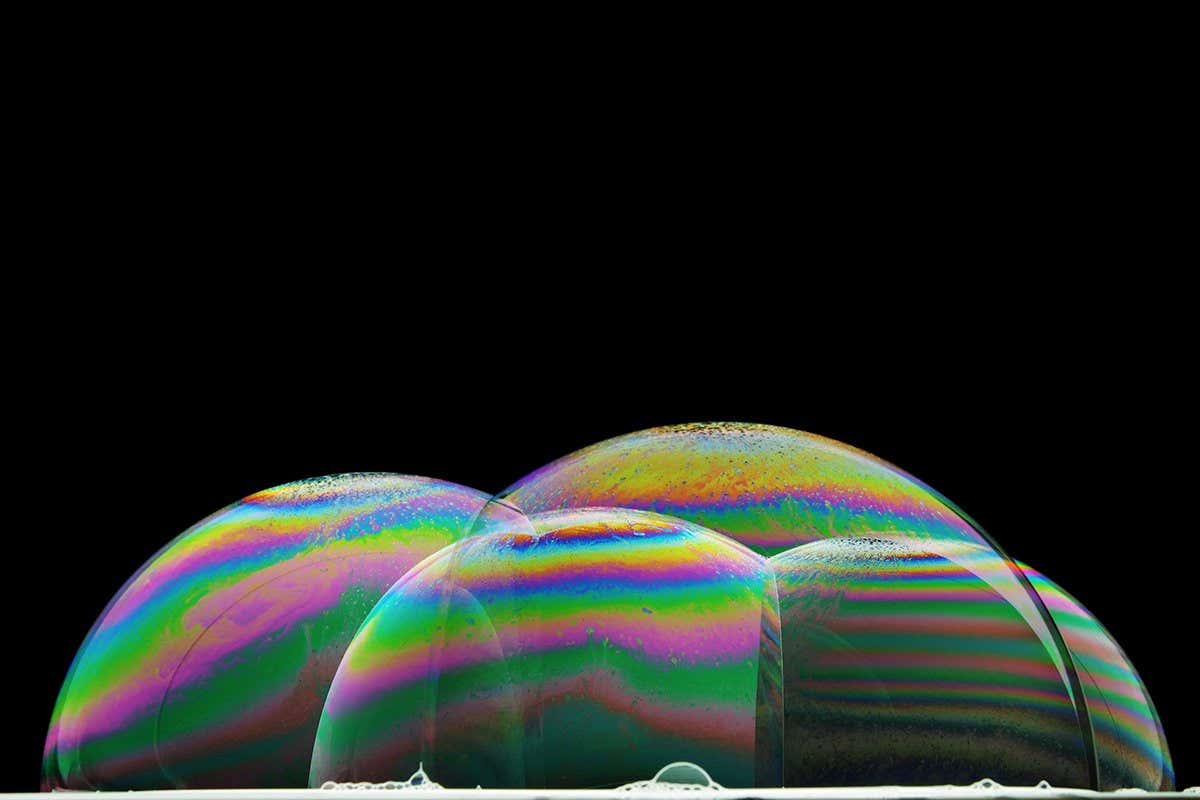
MN6GWA iridescence on the surface of some soap bubbles illuminated from below

How the shimmering secrets of iridescence could keep us cool

15 December 2021

Instead of absorbing light, iridescent surfaces scatter it away. Many animals take advantage of this to stay cool – and we could copy the trick to make paints that keep our buildings cool


Chris Mason interview: Let's tweak human DNA for life on other planets

Chris Mason interview: Let's tweak human DNA for life on other planets

14 July 2021

To become an interplanetary species, we may have to genetically engineer ourselves to be more resilient, says geneticist Chris Mason. He has a 500-year plan for life away from Earth


Ten conservation success stories when species came back from the brink

Ten conservation success stories when species came back from the brink

17 February 2021

The blue whale, the mountain gorilla and the European bison are among the animals that have avoided extinction, showing what works to preserve the world’s wildlife


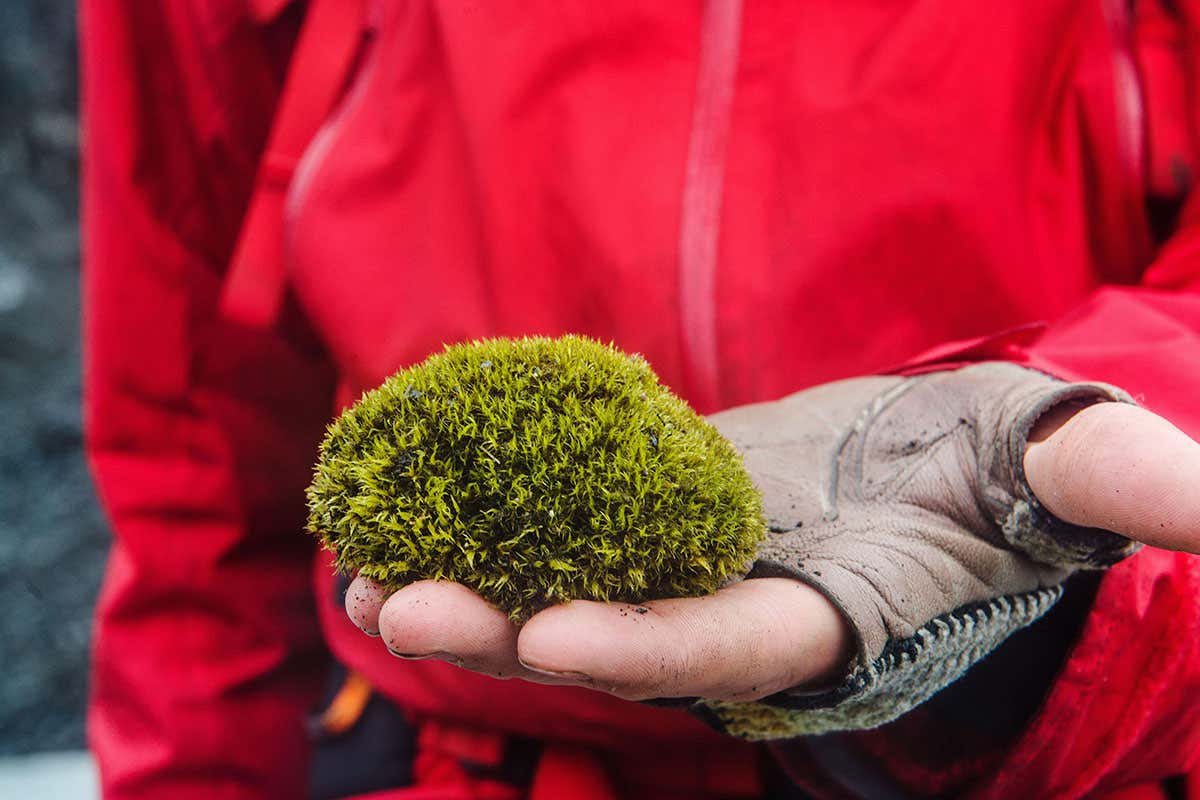
The curious case of the “glacier mice” that seem to dance on ice

The curious case of the “glacier mice” that seem to dance on ice

16 December 2020

Fuzzy moss balls that colonise glaciers and move in perfect unison have puzzled scientists for decades. Now, thanks to some painstaking surveillance, they are finally giving up their secrets


Physics might create a backdoor to an afterlife – but don't bank on it

Physics might create a backdoor to an afterlife – but don't bank on it

9 December 2020

Quantum information can never be destroyed, so some of the essence of you could live on after death – but it’s not going to help the physical you


How nature, nurture and sheer randomness combine to make a unique you

How nature, nurture and sheer randomness combine to make a unique you

9 December 2020

We’re slowly beginning to unpick the complex interplay of genes, environment and experience that make you who you are – and like no one else who ever existed


You are stardust: The long view of when your existence really began

You are stardust: The long view of when your existence really began

9 December 2020

The point when you began depends on the scale you look at and how you define a person – in one sense you’re as old as the universe, in another you’ve hardly begun at all


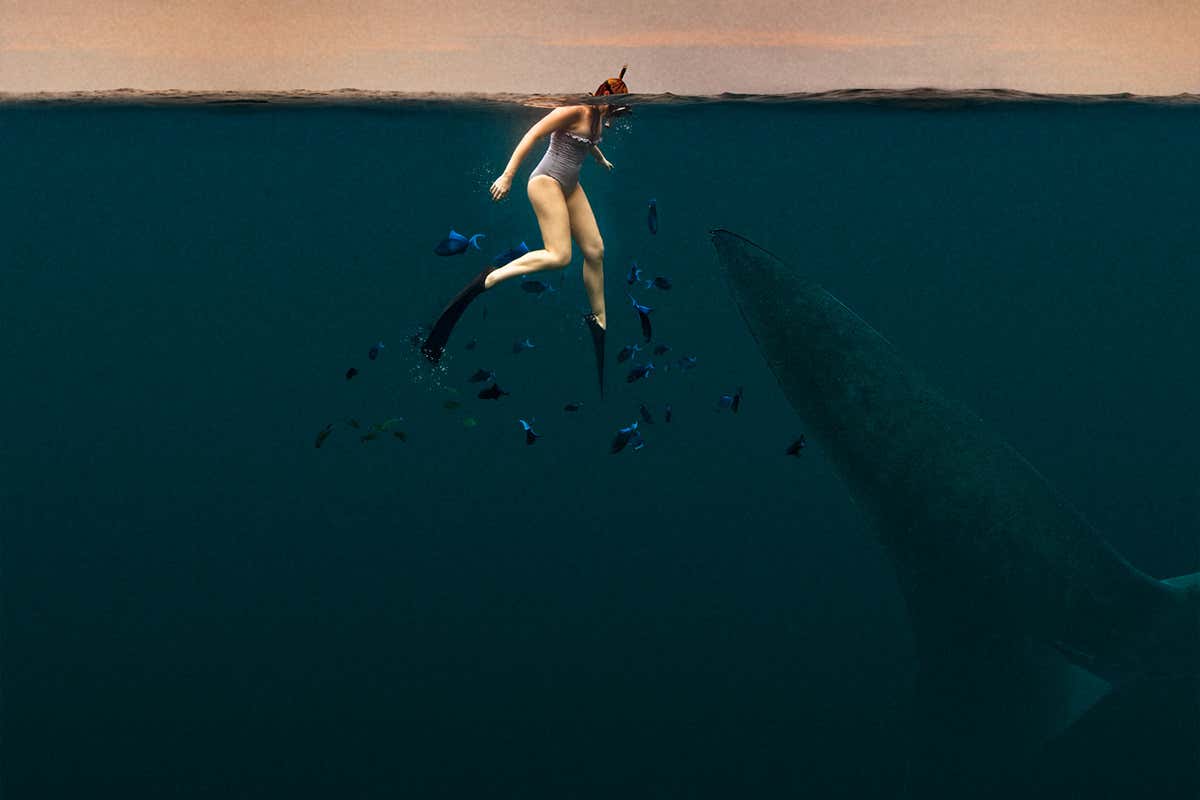
The endangered giants that still lurk in the world’s biggest rivers

The endangered giants that still lurk in the world’s biggest rivers

30 September 2020

The world's fresh waters used to teem with enormous fish. Their numbers are dwindling, but it is not too late to save the river monsters from extinction


Sign up to our weekly newsletter

Receive a weekly dose of discovery in your inbox. We'll also keep you up to date with New Scientist events and special offers.

Sign up
Piano Exit Overlay Banner Mobile Piano Exit Overlay Banner Desktop