
IceCube detector finds neutrinos from the Milky Way for the first time
29 June 2023
A neutrino detector in Antarctica has found heaps of high-energy neutrinos coming from distant galaxies, but none from within our own – until now
29 June 2023
A neutrino detector in Antarctica has found heaps of high-energy neutrinos coming from distant galaxies, but none from within our own – until now
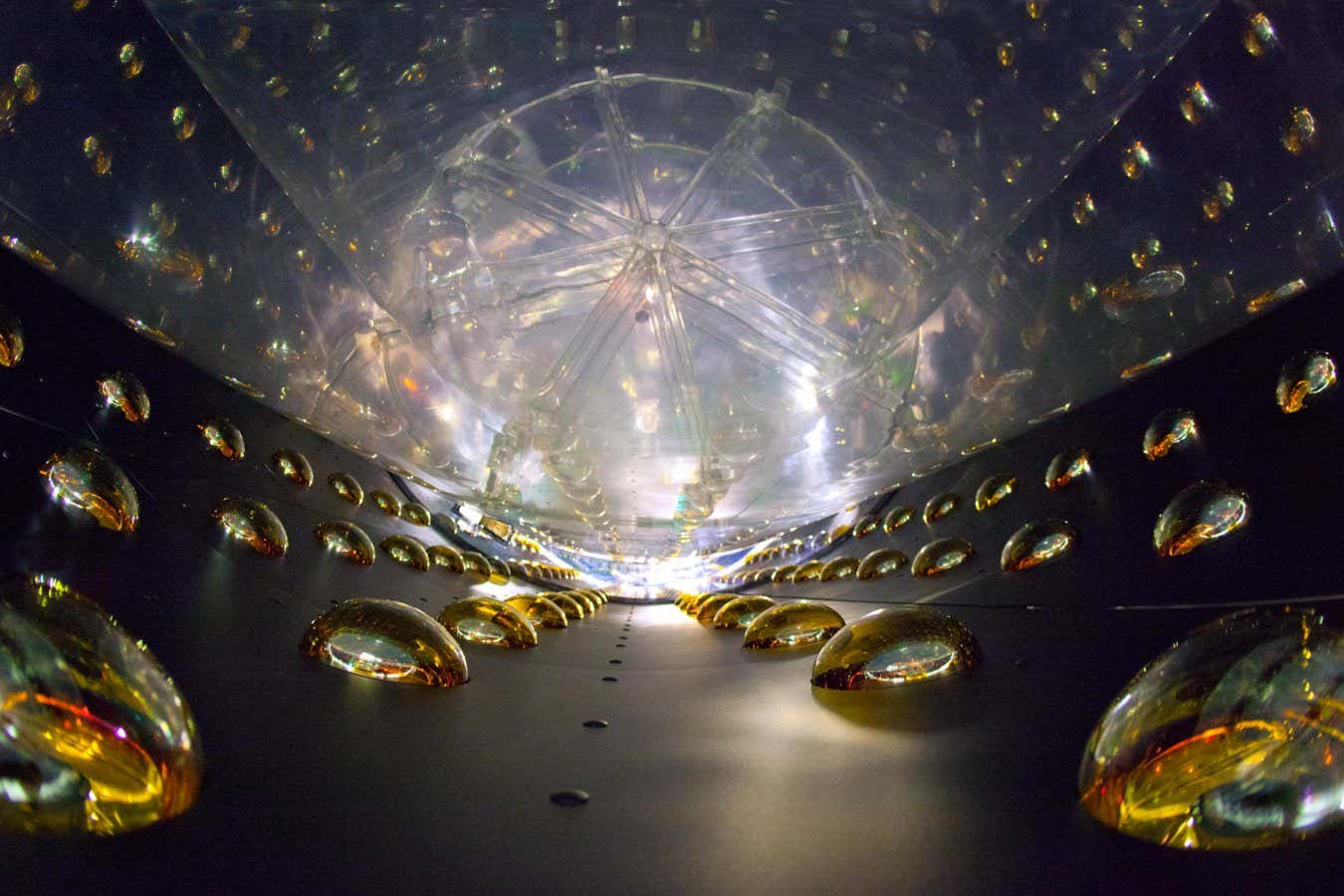
24 April 2023
If we could detect them, cosmic neutrinos would paint a picture of the universe in the instant after it began. Physicist Martin Bauer has come up with a plan to do just that

6 March 2023
A water-based detector has been used to spot antineutrinos from nuclear reactions hundreds of kilometres away. It could be used to monitor distant nuclear activities
6 January 2023
When physicists first discovered a form of a radioactivity called beta decay it seemed to violate the laws of physics. It took 50 years to work out what was going on
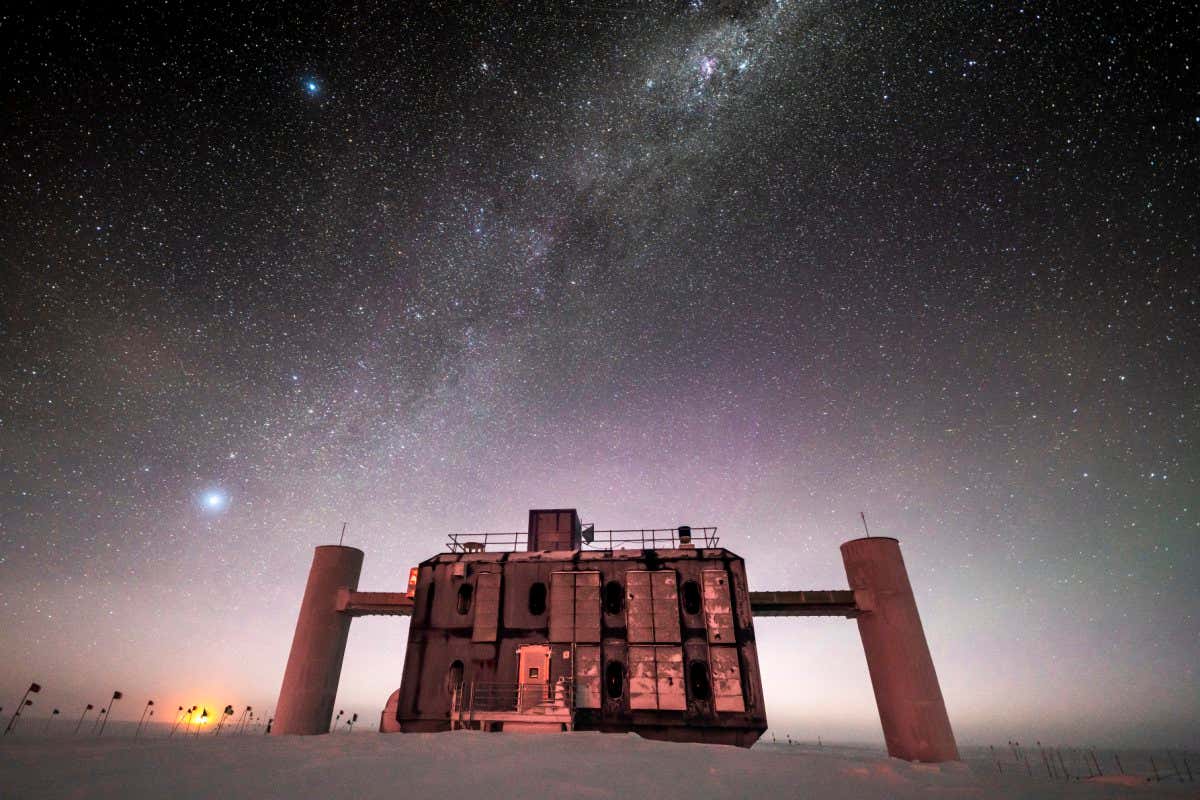
3 November 2022
Cosmic neutrinos are tough to track – it has only been done once before – but researchers from the IceCube observatory in Antarctica have tracked 79 of them back to their home galaxy
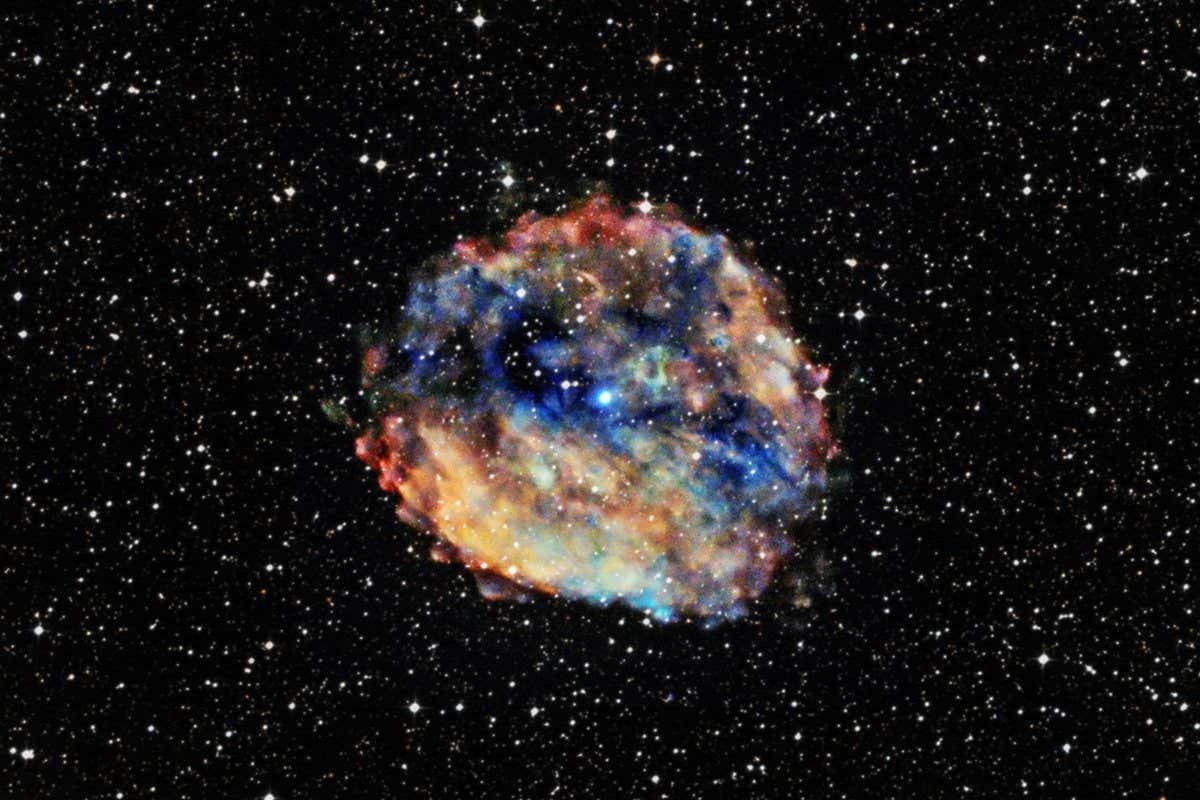
26 October 2022
Neutron stars cool down by emitting neutrinos. A mathematical model now suggests the neutrinos come out in focused beams rather than a uniform emission

10 May 2022
Neutrinos from the early universe have never been detected directly but a device that uses the atom-thick material graphene might be able to change that
12 January 2022
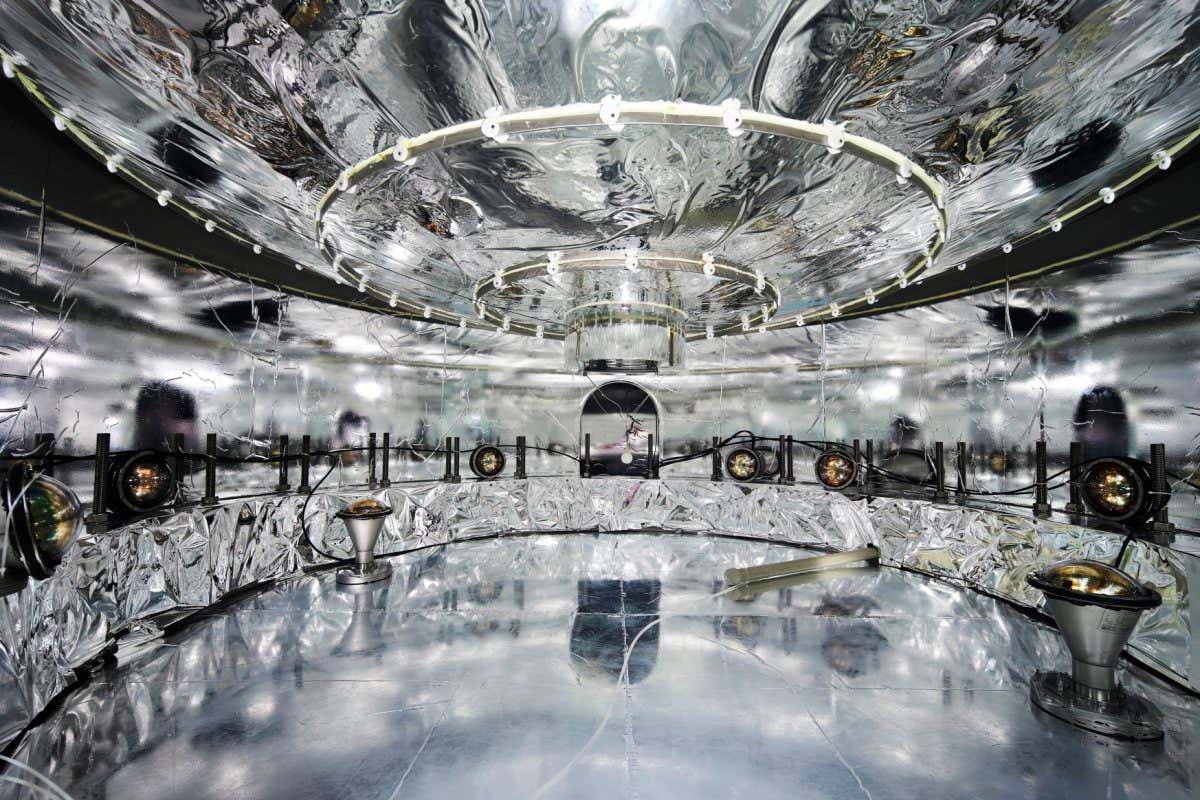
The universe is filled with so much more matter than antimatter. The LEGEND experiment, photographed by Enrico Sacchetti, will soon start trying to unravel this conundrum
10 November 2021
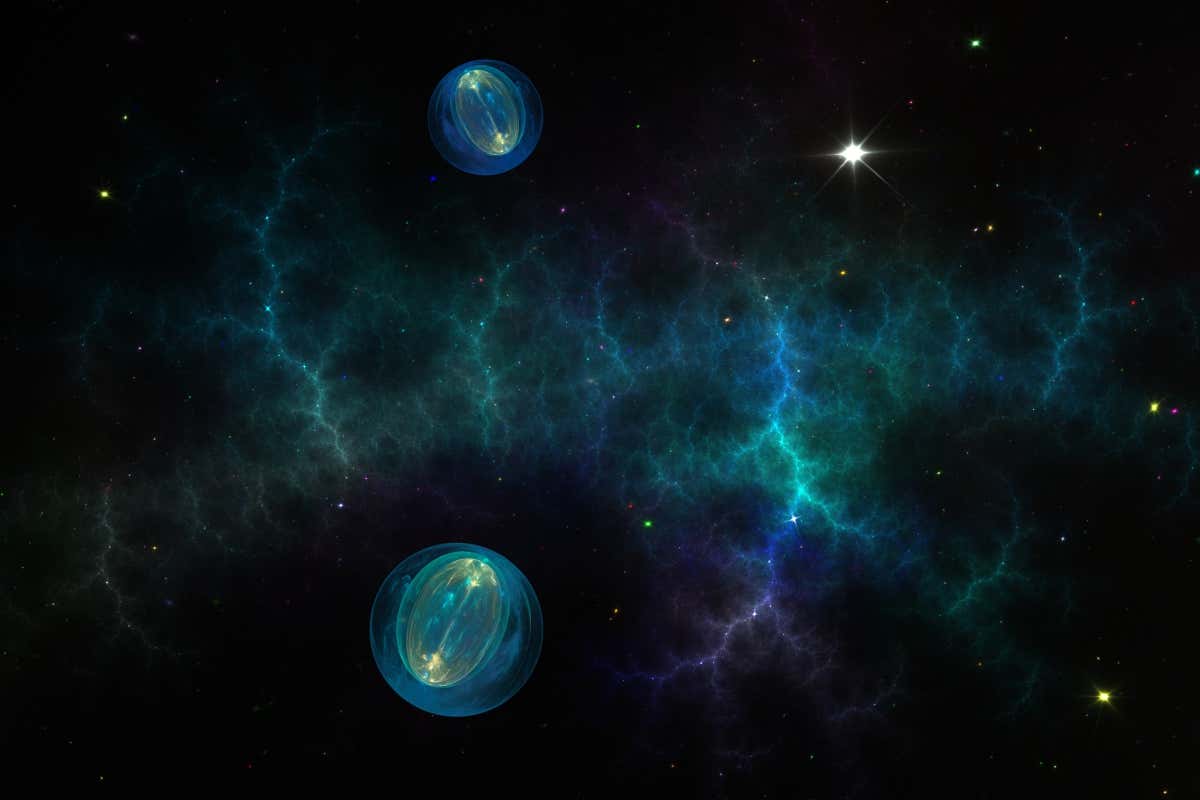
There are good reasons to think that neutrinos have a shy cousin that could explain dark matter, but searches have so far come up empty, writes Chanda Prescod-Weinstein
27 October 2021
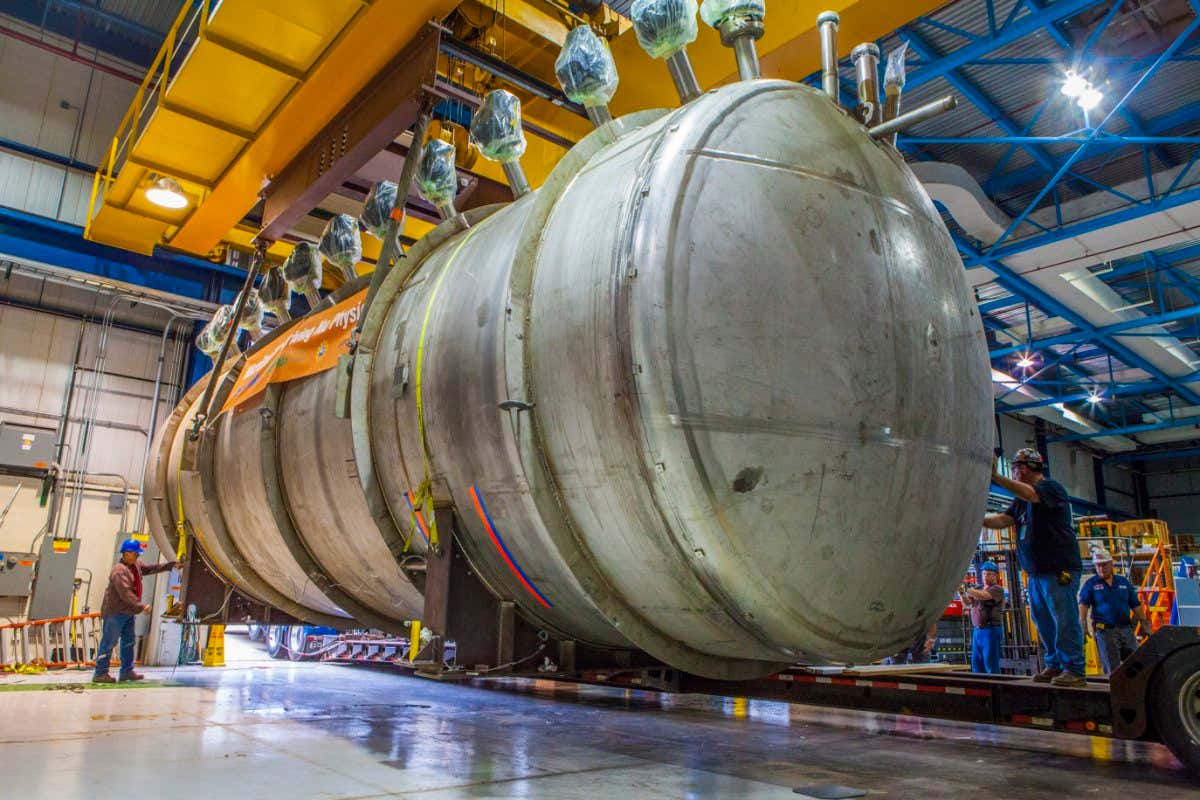
After decades of looking, physicists are no closer to discovering theorised particles that could help solve ongoing problems in physics
