Subscribe now
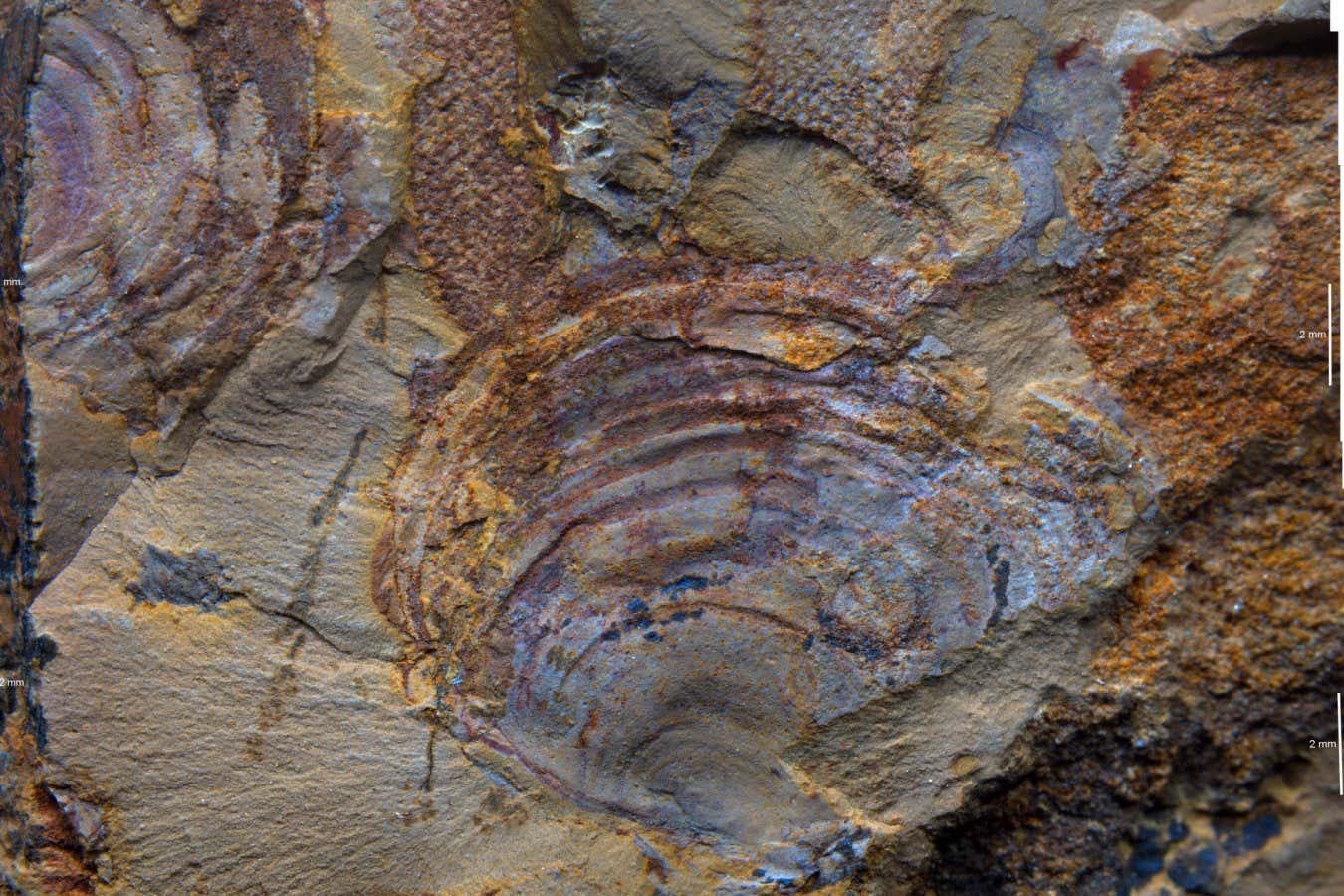
Caption: New fossils of Protomelission from the Xiaoshiba biota, showing attachment of the alga to a brachiopod shell. Credit: Zhang Xiguang

Fossil thought to be earliest bryozoan animal may actually be seaweed

8 March 2023

The Cambrian fossil Protomelission was identified in 2021 as a type of coral-like animal called a bryozoan, but new specimens make it look more like a kind of green algae
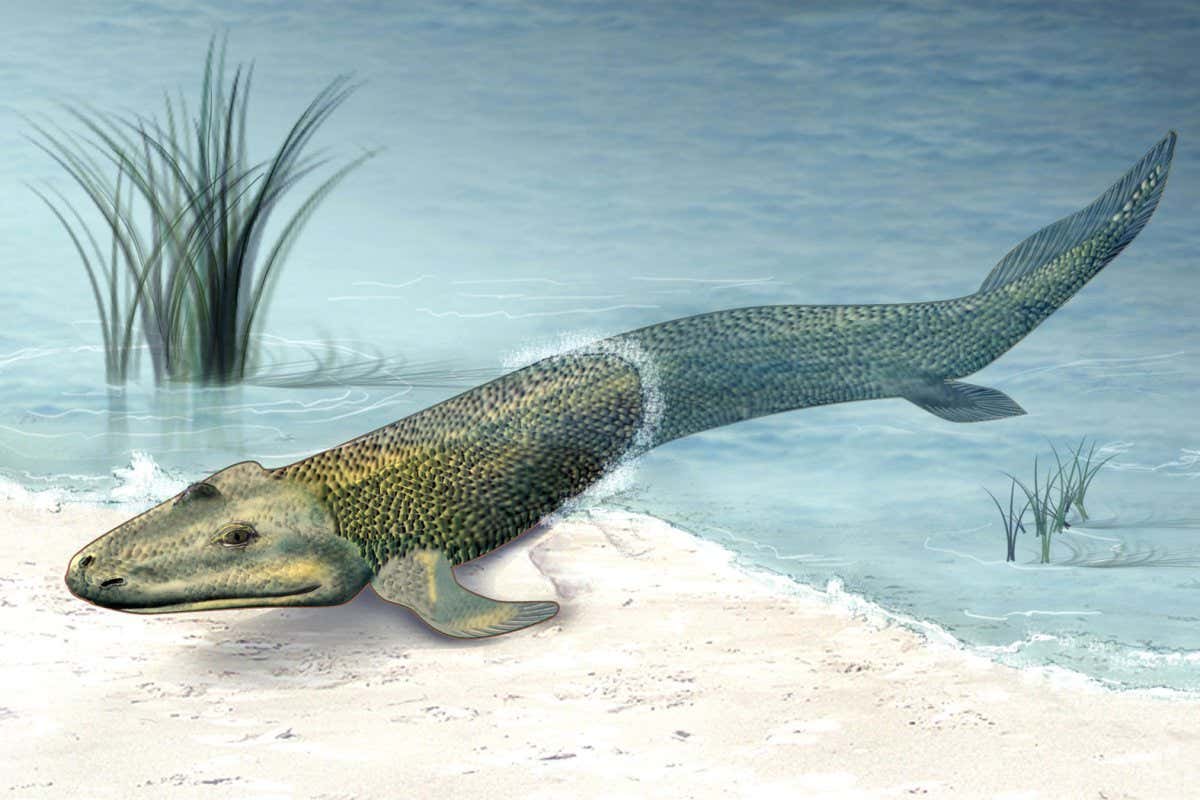
Tiktaalik, an early fish that crawled on land

Spine of early crawling fish was becoming more like a land animal's

20 February 2023

Scans show that the spine and ribs of Tiktaalik, one of the first fish to crawl on land, had features that are more like those of early land animals than fish


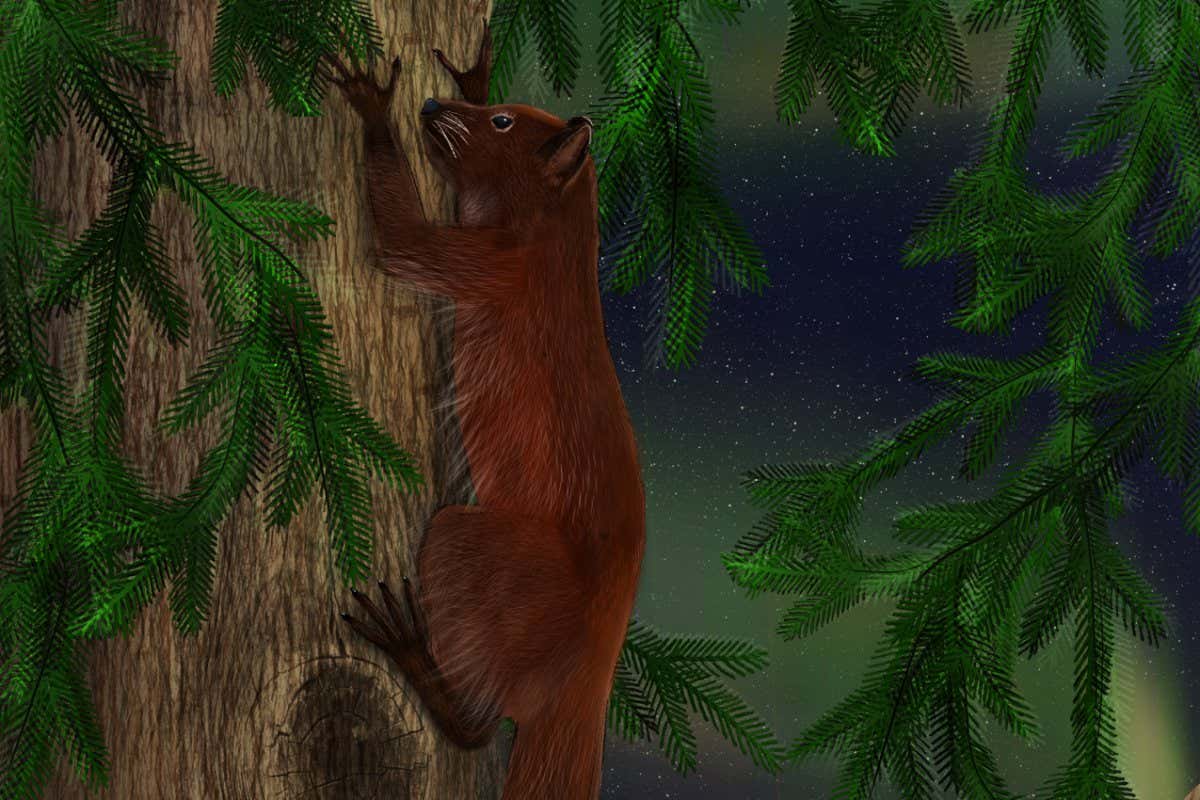
Illustratoin of Ignacius dawsonae, a squirrel-like animal in a tree

Early relatives of primates lived in the Arctic 52 million years ago

25 January 2023

Analysis of fossilised teeth from Ellesmere Island, Canada, reveals that extinct relatives of monkeys and apes reached the Arctic during a period when the climate was hotter


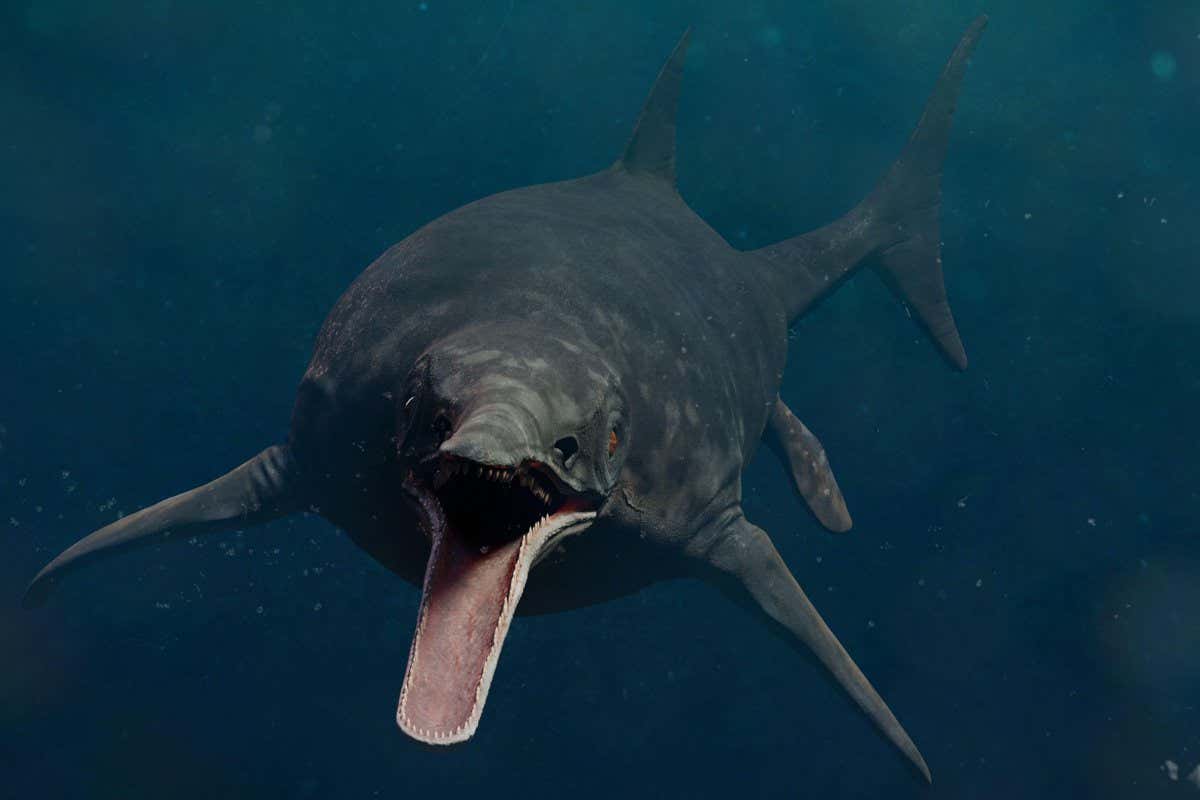
Ichthyosaur

Largest ever animal may have been Triassic ichthyosaur super-predator

29 December 2022

New fossil discoveries show predatory marine reptiles from 200 million years ago may have been bigger than today’s blue whales – and that they evolved astonishingly rapidly


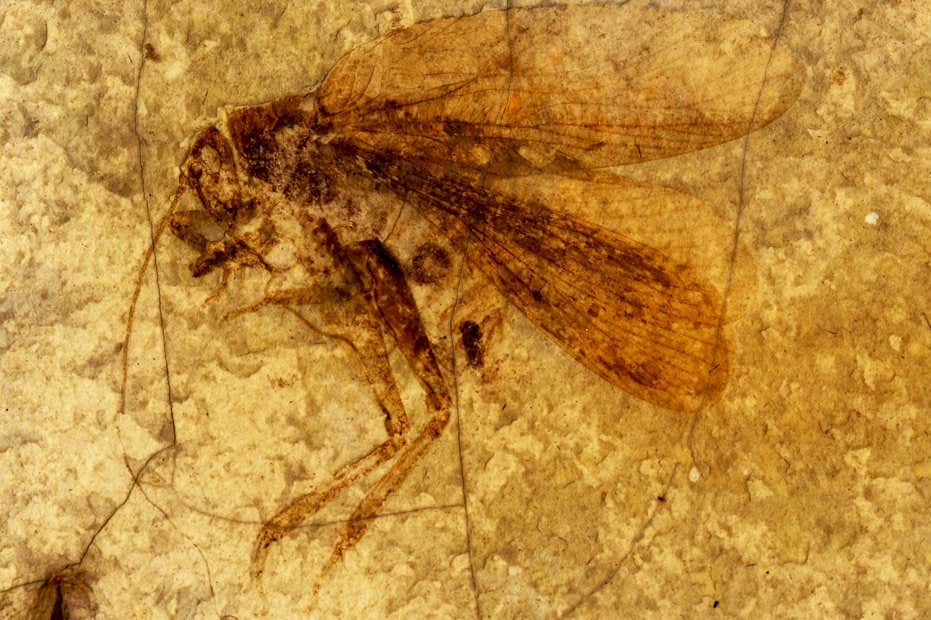
A male katydid fossil from the Early Cretaceous period

Fossils reveal the dinosaur era's changing insect soundscape

12 December 2022

Bush crickets from the Triassic era onwards evolved high-frequency songs to avoid being heard by predators


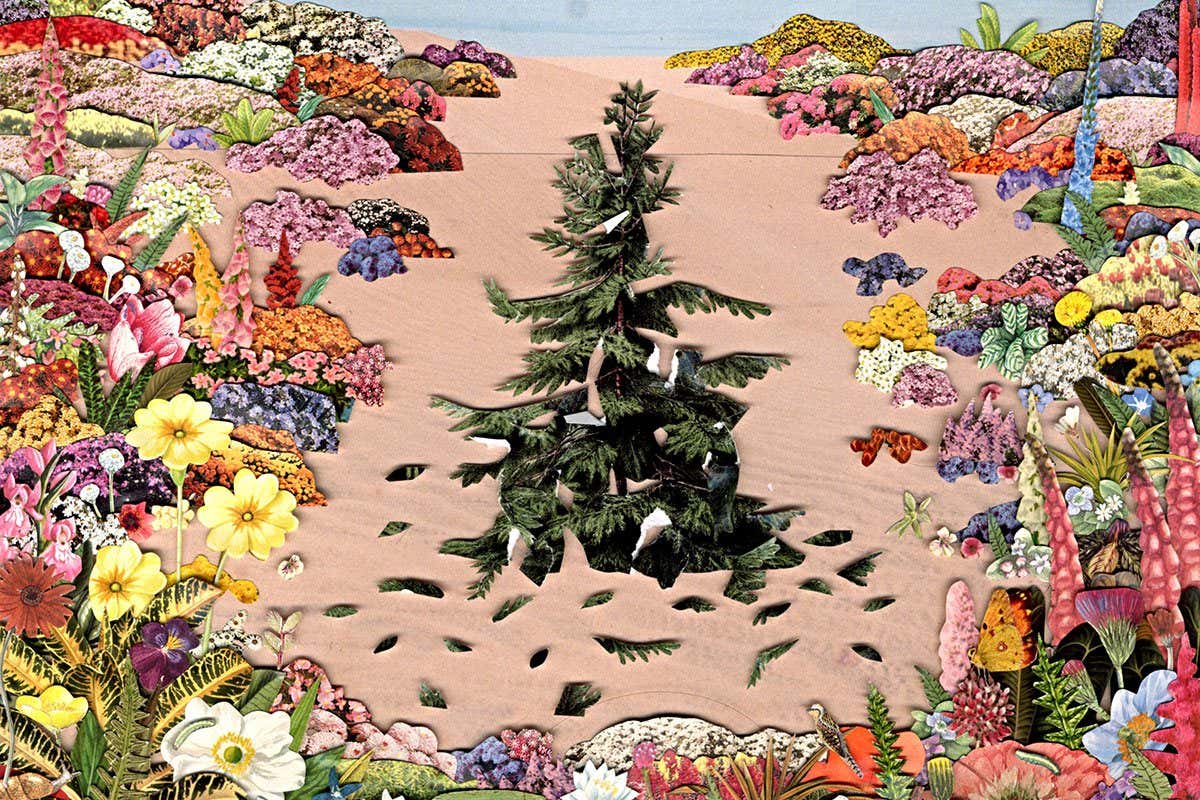
How flowering plants beat bloom-free gymnosperms to world dominance

How flowering plants beat bloom-free gymnosperms to world dominance

8 November 2022

Flowerless gymnosperms, such as conifer and ginkgo, ruled the Jurassic world before their flowering rivals, the angiosperms, became dominant. What caused the fall of one and the rise of the other?


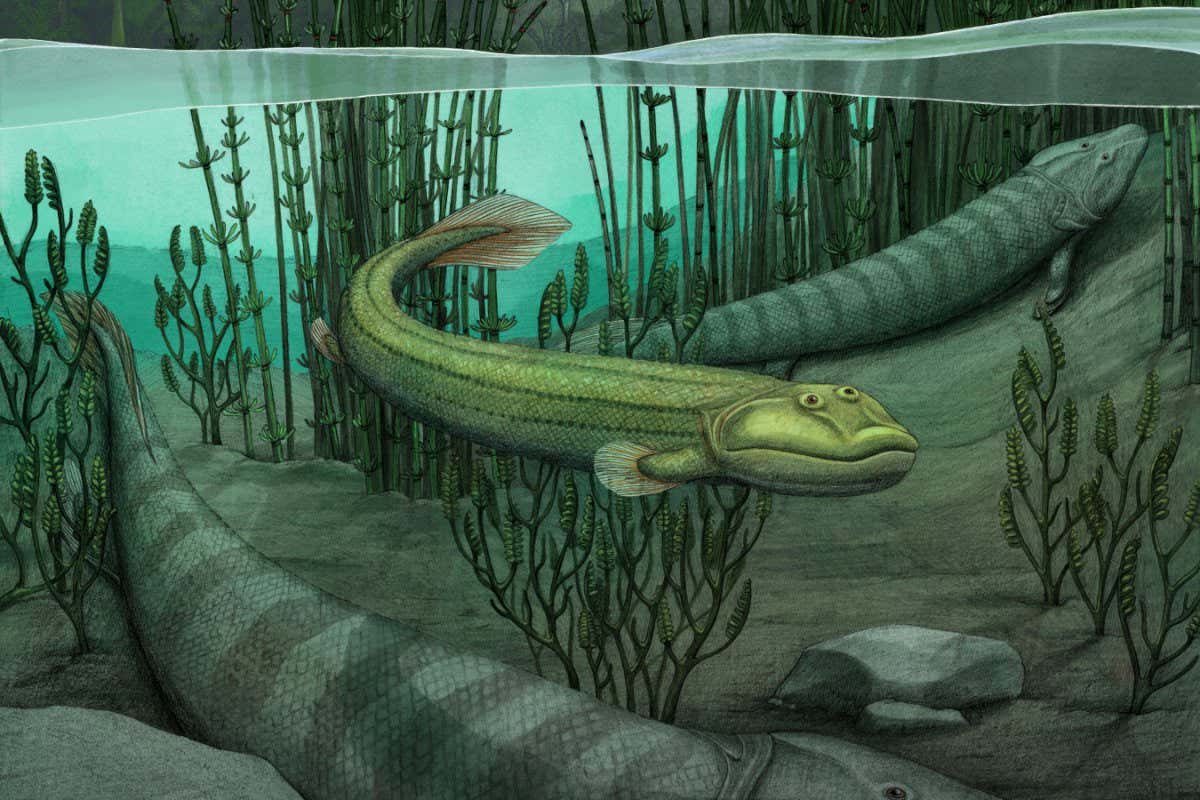
Illustration of Qikiqtania wakei in the water

A fish that evolved to stand up on land went back to living in water

20 July 2022

A fossil from 385 million years ago named Qikiqtania wakei shows that a descendant of early land animals lost its adaptations for land and became a more efficient swimmer


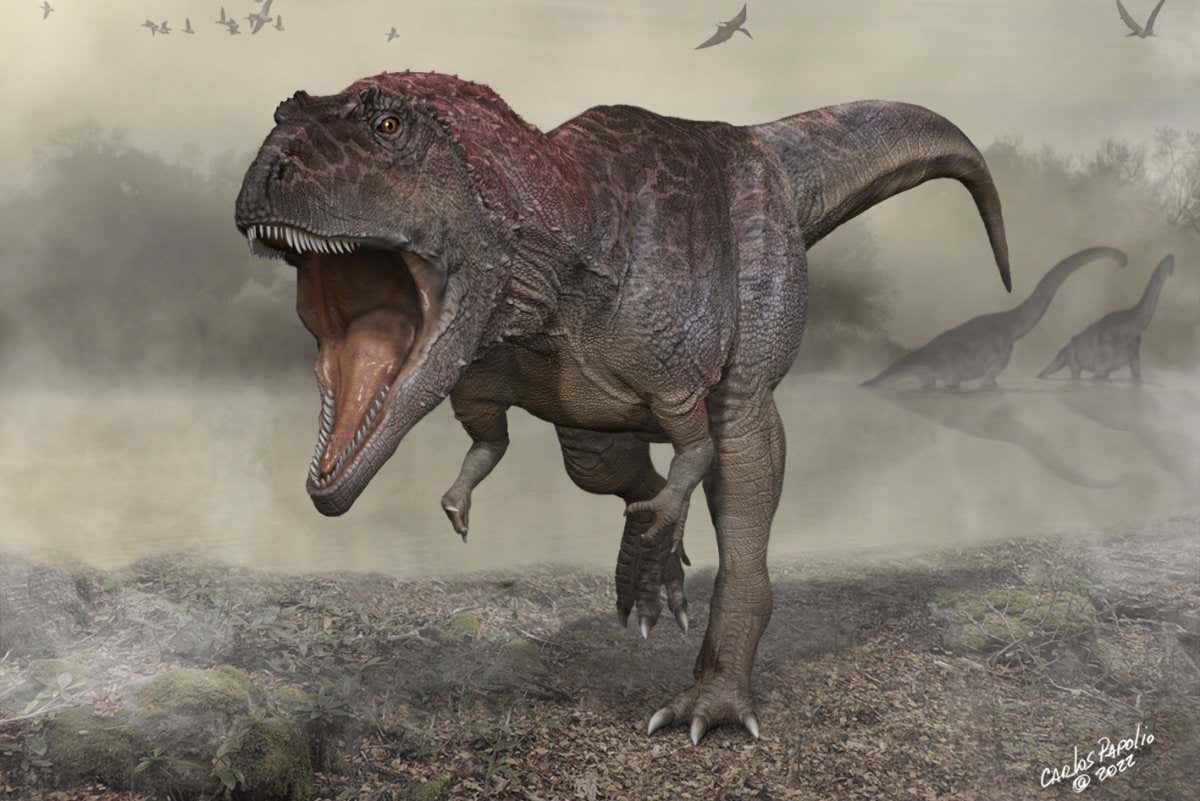
An artist illustration of Meraxes

Meraxes gigas was a huge dinosaur with tiny arms like T. rex

7 July 2022

A dinosaur discovered in Argentina has been identified as a new species. Meraxes gigas lived 20 million years before T. rex, but had a similarly large body, sharp teeth and proportionately small arms


The 'Cambrian explosion' saw the emergence of many animals we recognise today

Burst of animal evolution altered chemical make-up of Earth's mantle

4 March 2022

The Cambrian explosion 500 million years ago saw a huge variety of animals evolve – and also led to carbon being buried in the seabed and ultimately carried into the planet’s mantle


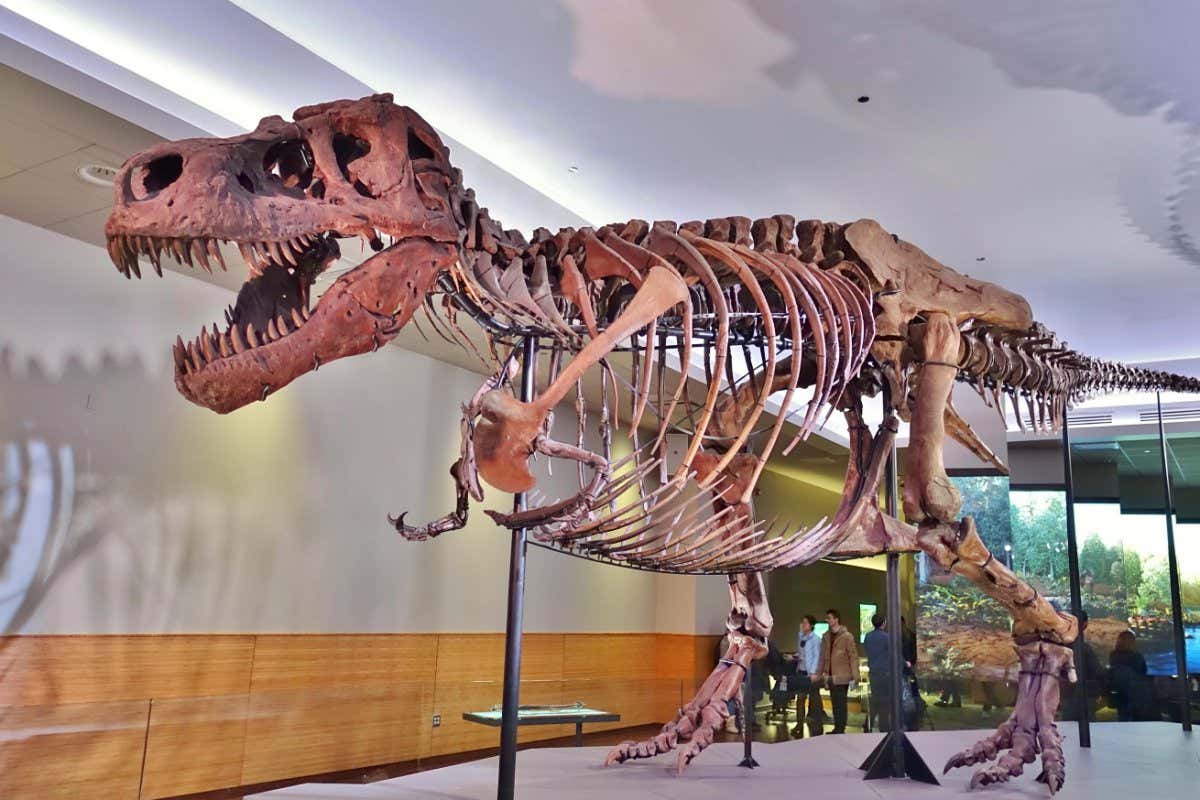
View of the Field Museum of Natural History (FMNH), a large natural history museum containing the skeleton of the Tyrannosaur

Tyrannosaurus rex may actually be three separate species

1 March 2022

After analysing the teeth and thigh bones of 38 T. rex fossils, some researchers propose reclassifying them as three different species, but others are unconvinced


Sign up to our weekly newsletter

Receive a weekly dose of discovery in your inbox. We'll also keep you up to date with New Scientist events and special offers.

Sign up
Piano Exit Overlay Banner Mobile Piano Exit Overlay Banner Desktop