Subscribe now
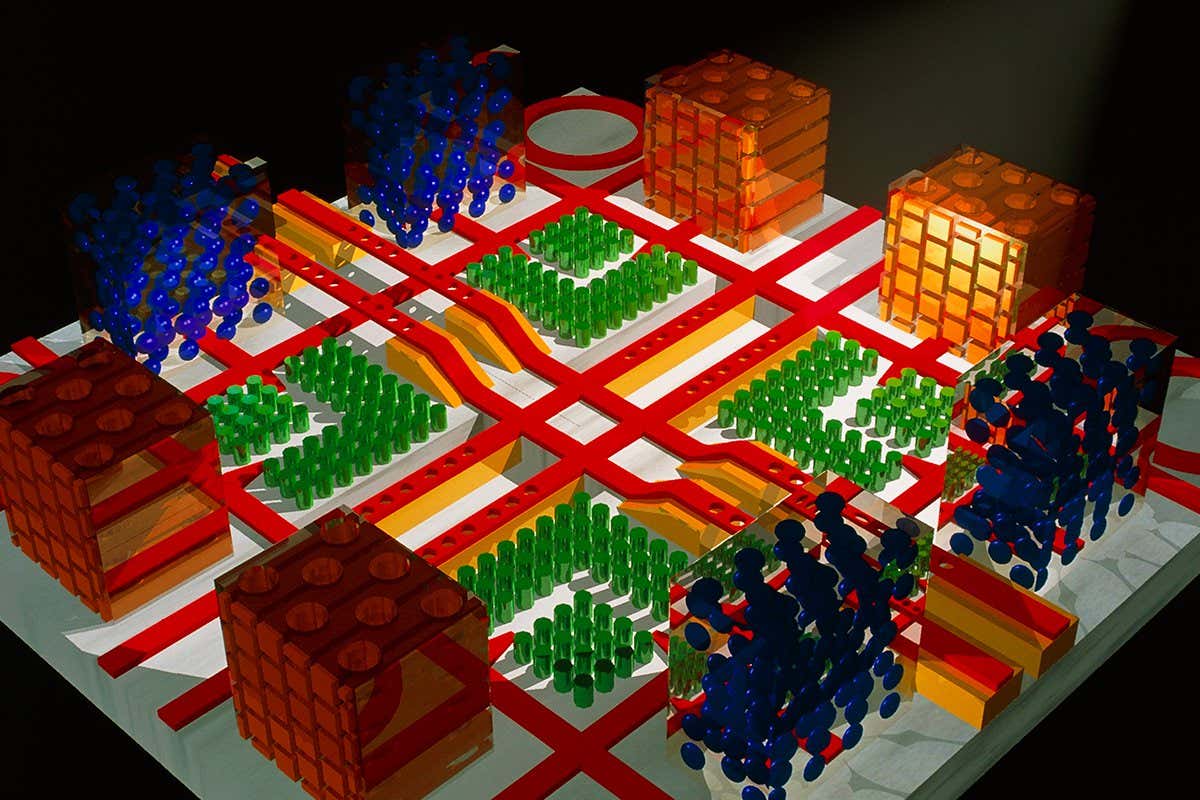
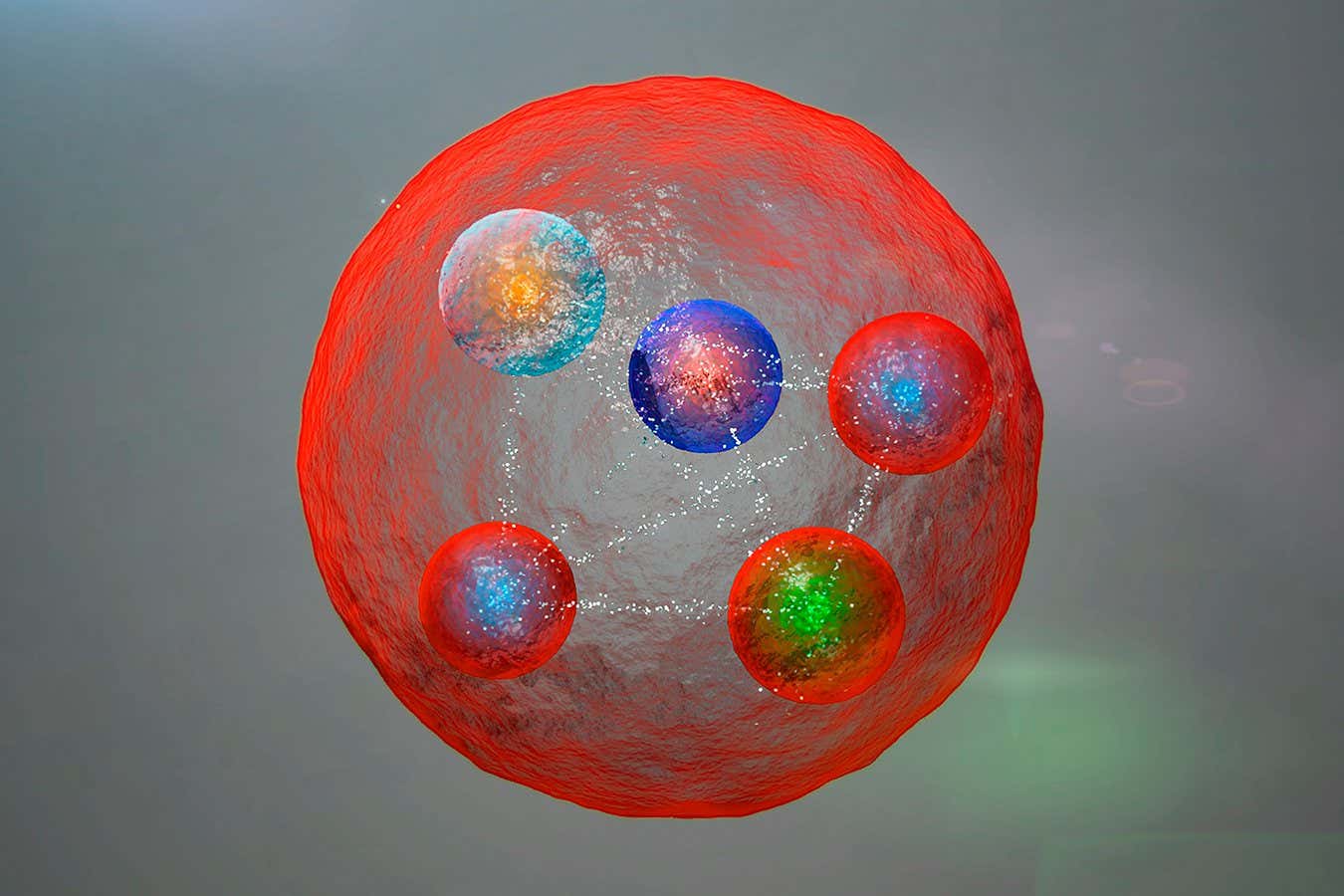
An illustration of a pentaquark

Exotic pentaquark particle found at CERN's Large Hadron Collider

19 July 2023

A new type of particle called the strange pentaquark has been found using the Large Hadron Collider. The particle could help researchers catalogue the states of exotic matter and figure out how fundamental particles stick together

2HX73TA Theoretical physics quark and gluon simulation. 3D illustration

Protons seem to be a different size depending on how you look at them

29 March 2023

An experiment that probed particles called gluons, which contain most of the mass of a proton, has revealed that a proton’s radius alters depending on whether you look at the particle's charge or mass


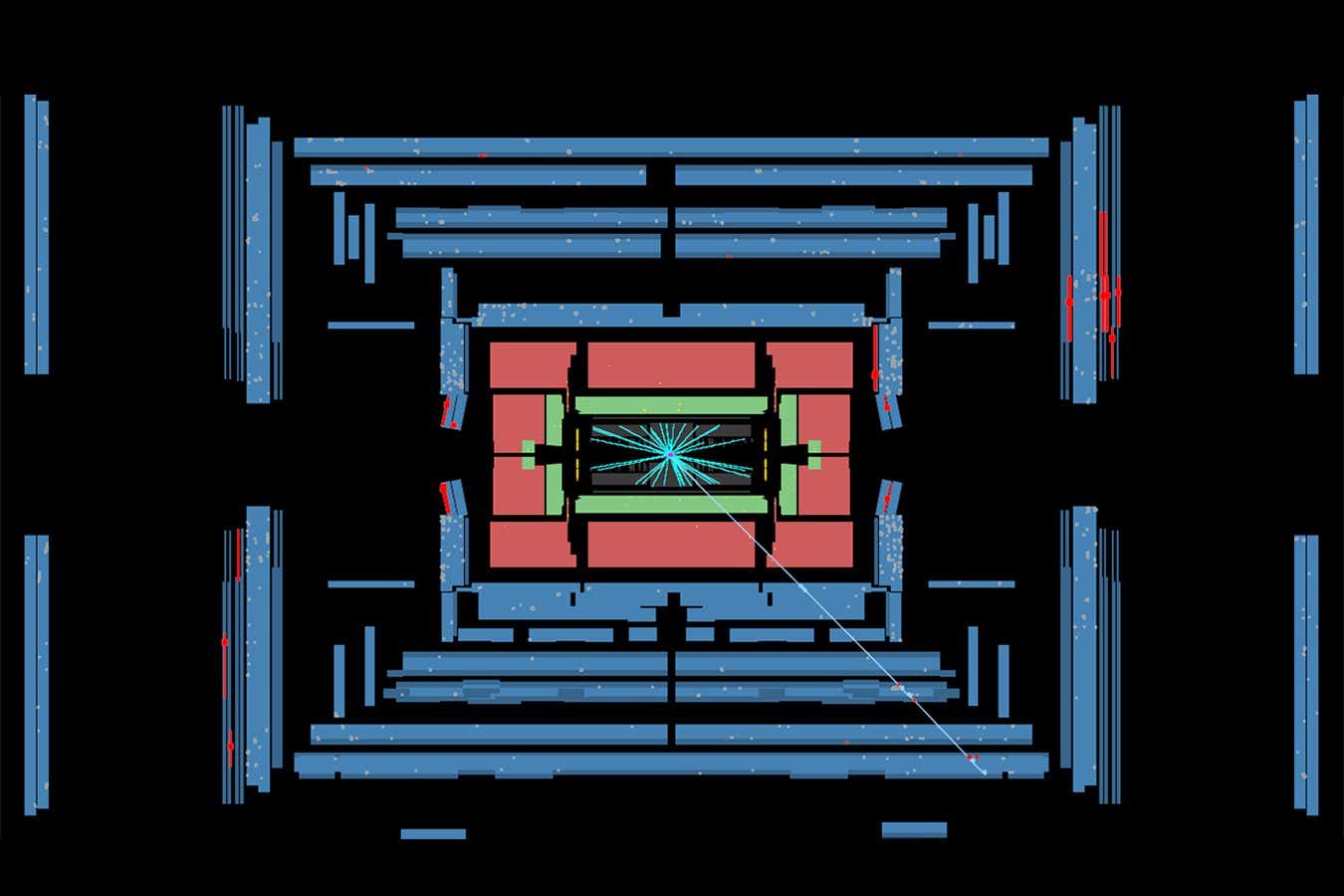
The ATLAS detector at the LHC

CERN measurement casts doubt on shocking W boson result

25 March 2023

A 2022 measurement of the mass of the W boson threatened to upend particle physics as we know it, but new results from CERN indicate the standard model was right all along


Antineutrinos collide with protons inside the detector which creates positrons that move through water followed by a blue glow.

Antimatter neutrinos detected from a nuclear reactor 240 km away

6 March 2023

A water-based detector has been used to spot antineutrinos from nuclear reactions hundreds of kilometres away. It could be used to monitor distant nuclear activities


An illustration of photonic crystals, materials that can trap and direct light

Crystal device could be used to build tiny particle accelerators

4 January 2023

A chip-sized device can produce very intense light that could help in building tiny X-ray machines and particle accelerators


Dark energy and antimatter in space

Antimatter particles could cross the galaxy without being destroyed

12 December 2022

Experiments at CERN's particle collider suggest that antihelium particles created by dark matter in distant space could make it to Earth


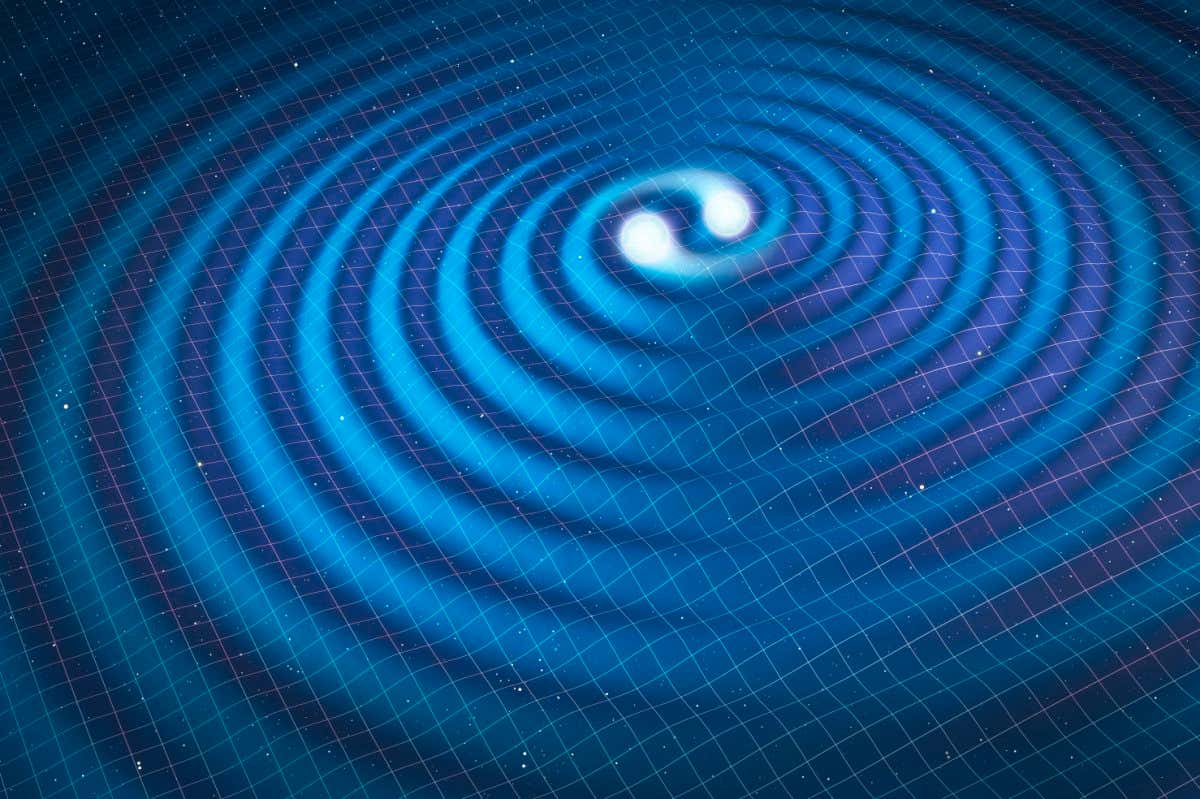
Conceptual image of gravtitational waves

Gravitational waves could reveal the existence of quark matter

31 October 2022

Two neutron stars smashing together may produce a form of matter not seen before. If that happens, simulations suggest there would be a signal in gravitational waves resulting from the collision


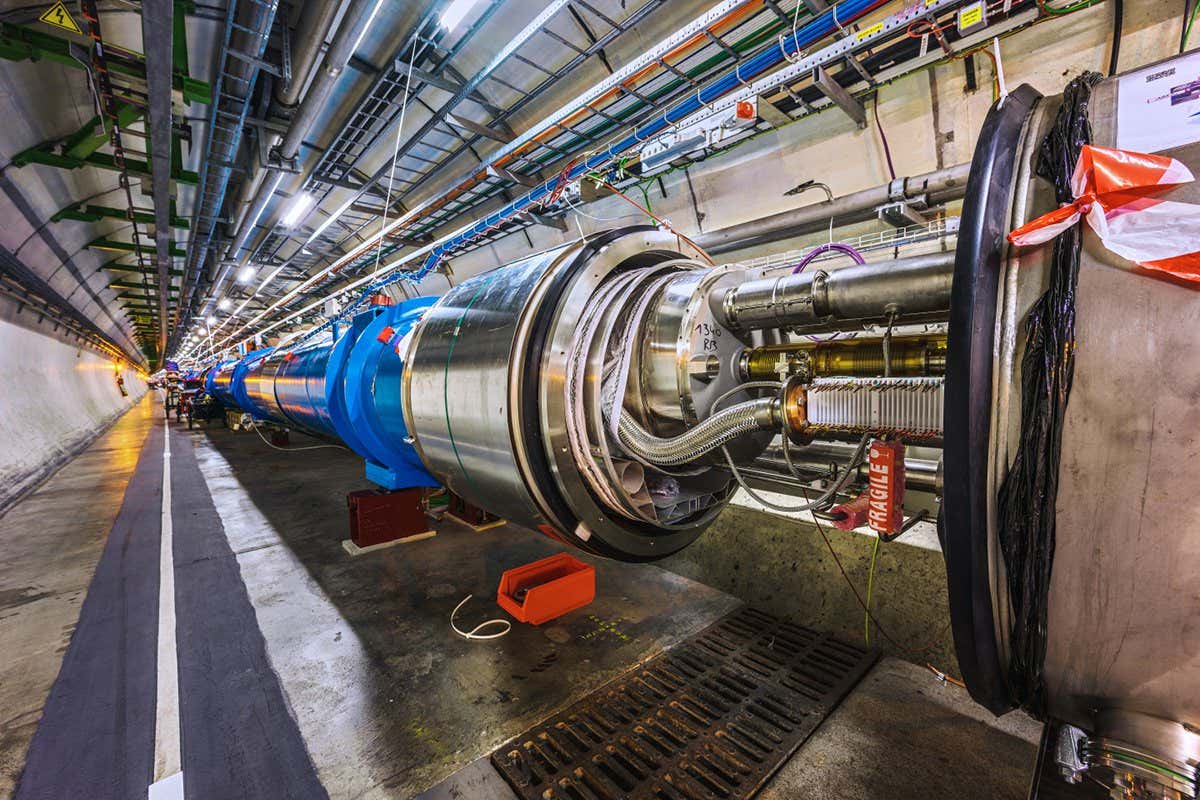
LHC tunnel Pictures during LS2

Higgs boson's width measured with most accuracy yet

20 October 2022

Large Hadron Collider has helped determine the distribution of masses that the Higgs boson can have, a measure known as its width


Proton

Proton's stretchiness is a puzzle for particle physicists

19 October 2022

The particles inside a proton move around when exposed to electric and magnetic fields, causing it to deform, but this behaviour isn't well understood


Physicists made the most precise measurement ever of a single particle

13 October 2022

By trapping a single electron in an isolated chamber cooled to near absolute zero, physicists were able to measure the particle's magnetic moment - a key quantum property - at a precision of 1.3 parts in 10 trillion


Sign up to our weekly newsletter

Receive a weekly dose of discovery in your inbox. We'll also keep you up to date with New Scientist events and special offers.

Sign up
Piano Exit Overlay Banner Mobile Piano Exit Overlay Banner Desktop