Subscribe now
Newton’s first law says that objects move at constant speeds until a force affects them

Newton’s first law appears to break down in the quantum realm

21 July 2023

Newton’s first law of motion says that particles move in straight lines unless influenced by a force but a new experiment shows that the quantum version of that assumption fails for quantum particles of light

Demonstrators march to the U.S. Capitol during the March for Science in Washington, U.S., April 22, 2017. REUTERS/Aaron P. Bernstein - RC125E31BBB0

Who is researching and shaping science is more crucial than ever

19 July 2023

It is hard to focus on getting academic work done when there is increasing hostility in the US to people of colour. This is why being awarded tenure matters, says Chanda Prescod-Weinstein


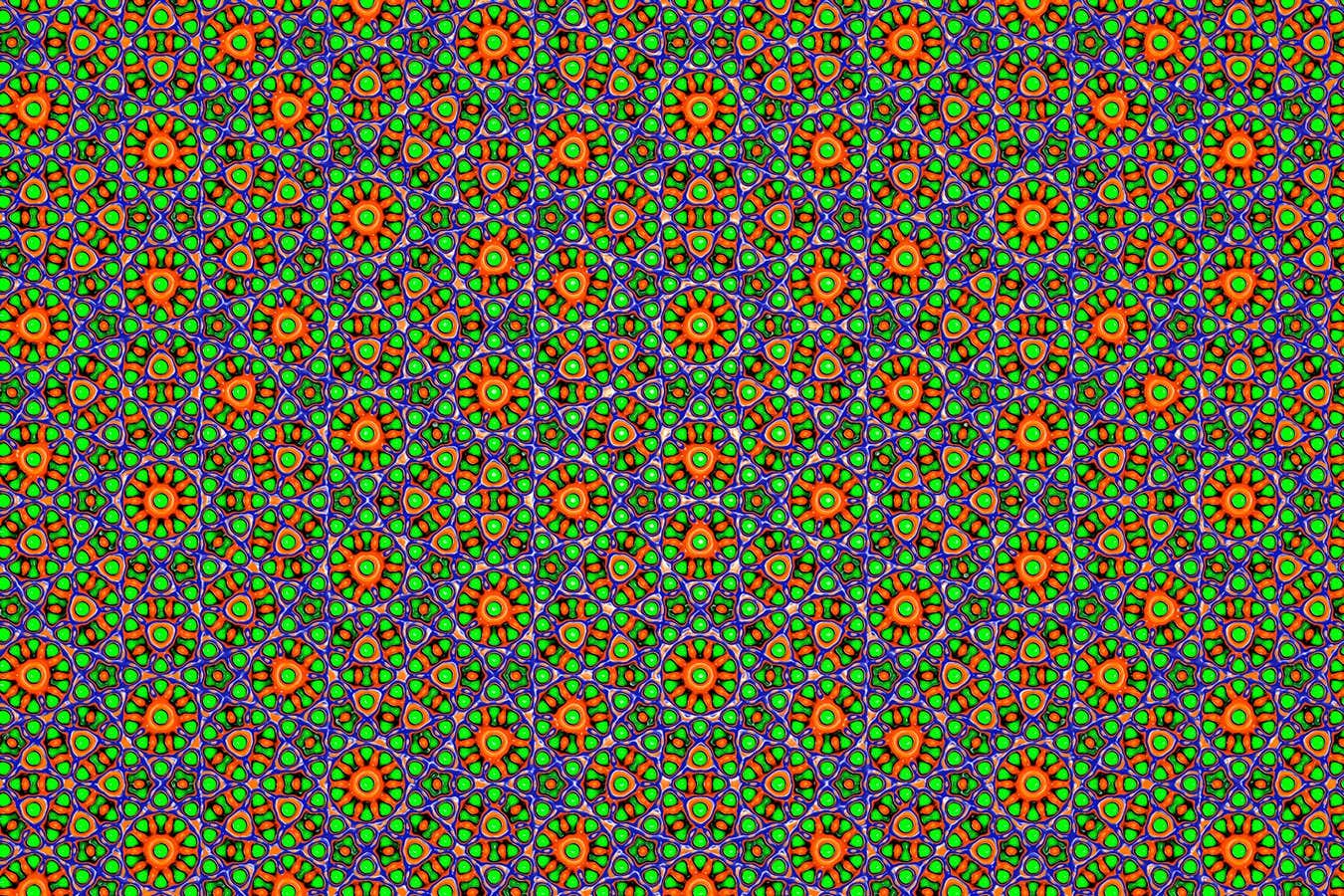
A computer-generated model of a quasicrystal pattern

Biggest-yet quasicrystal made by shaking metal beads for a week

15 July 2023

A researcher won a bet by performing an experiment a colleague said wouldn't work. The result was the largest quasicrystal ever made


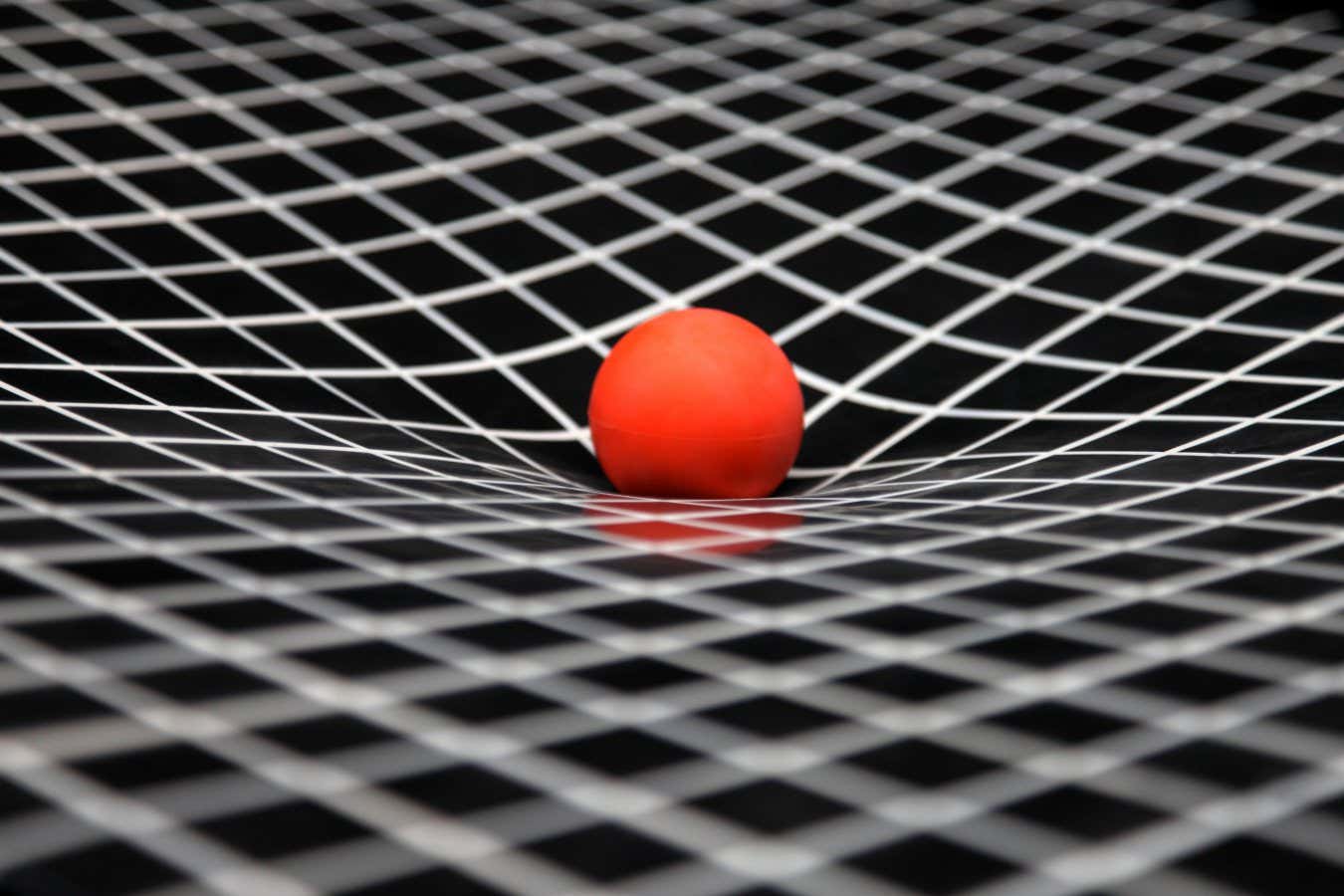
A simulation of gravity showing curved space-time. The ball represents the sun and is resting on a sheet of plastic that stretches under its weight. The curved sheet of plastic demonstrates the way a gravity curves space.

The massive problem of trying to fully explain what mass actually is

21 June 2023

I can take it as a given that people have an intuition for the meaning of mass, but traditional explanations can feel unsatisfactory. Even the standard model doesn't give us all the answers, says Chanda Prescod-Weinstein


Couples are less likely to physically collide with others than friends

Couples collide with fewer people on walks than pairs of friends do

10 June 2023

An analysis of over 800 hours of footage from busy pedestrian areas in Japan found that pairs of people that share stronger social bonds are less likely to physically bump into other people walking


Snakes are quite quantum, mathematically speaking

Wiggly worms and quantum objects follow surprisingly similar equations

10 June 2023

An equation developed to describe the motion of undulating animals and robots looks like the famous Schrödinger equation from quantum mechanics


Extremely cold drop of helium can be levitated forever

Extremely cold drop of helium can be levitated forever

9 June 2023

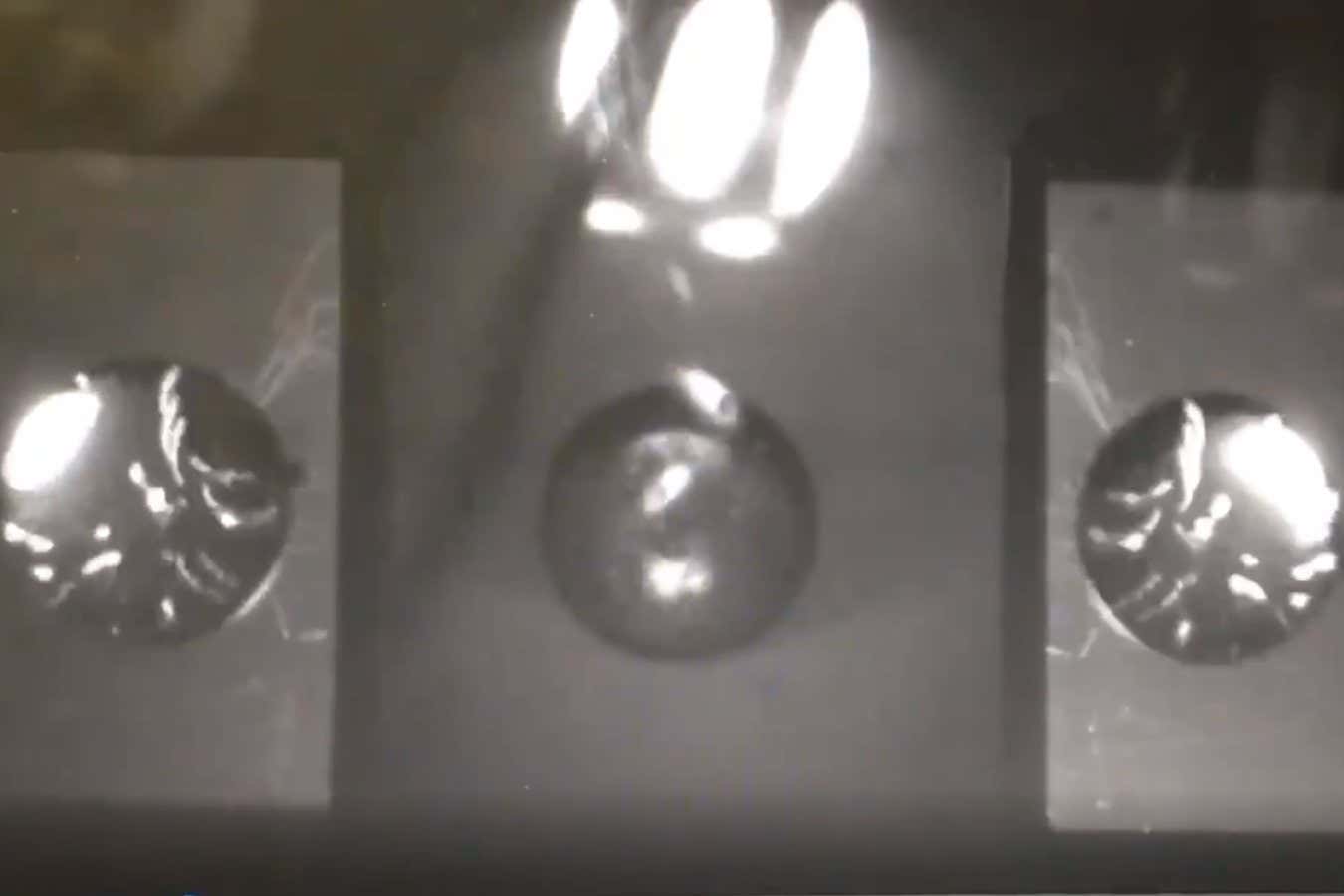
A drop of very cold liquid helium can be made to float for an indefinitely long time using strong magnets and quantum effects


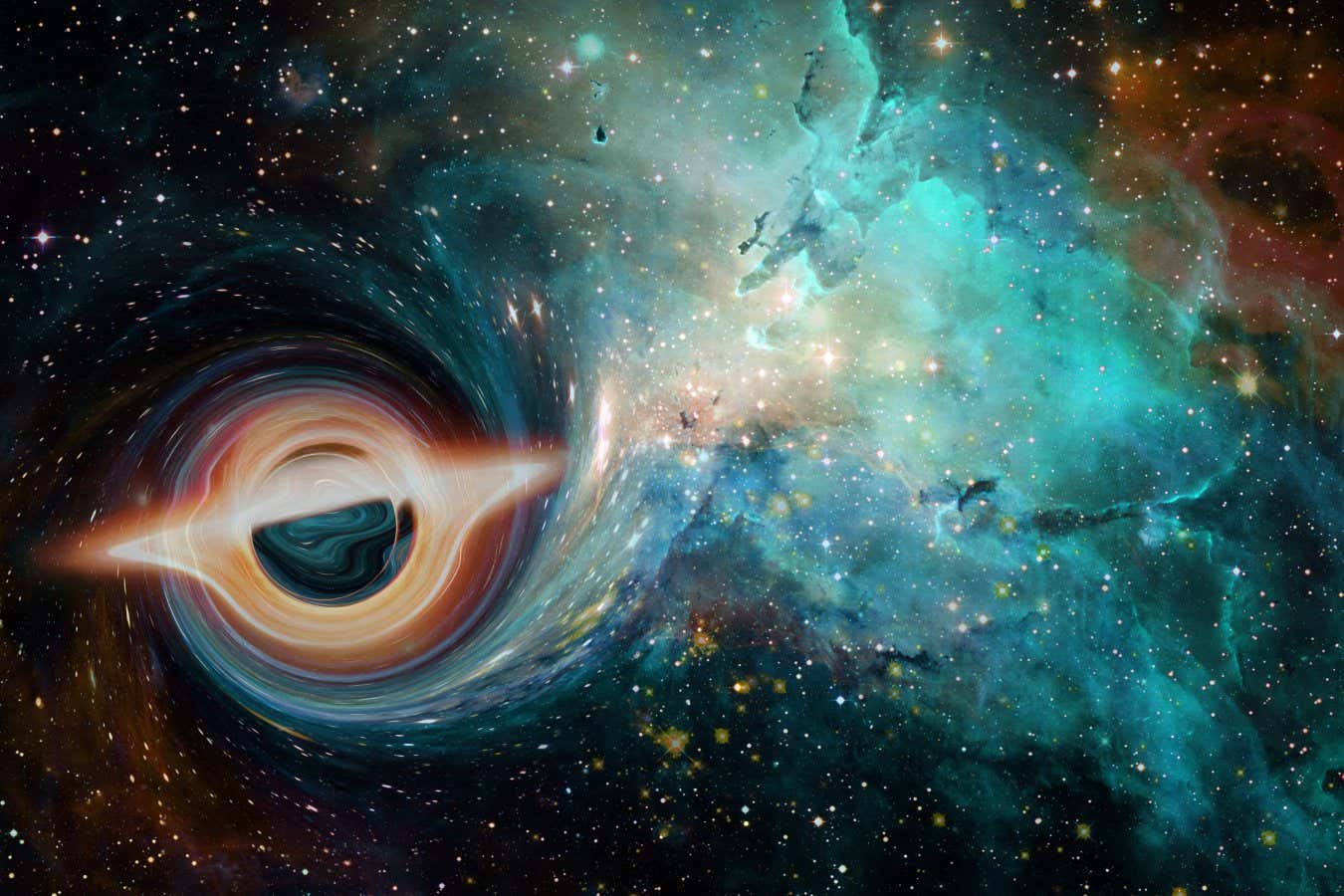
Supermassive black hole. Elements of this image furnished by NASA.; Shutterstock ID 1756053335; purchase_order: -; job: -; client: -; other: -

Lab imitations of the unobservable cosmos can be genuinely insightful

24 May 2023

Despite the obvious caveats, physicists are right to use fluids and other physical analogues to search for fresh insights about extreme cosmic phenomena, from black holes to the big bang


Milky Way. Night sky and silhouette of a standing man

Questions I dread: How did the universe begin, and what is space-time?

24 May 2023

As a theoretical cosmologist, you would think I'd welcome the chance to answer these questions - but it isn't clear this is an inquiry that physics can answer, says Chanda Prescod-Weinstein


Blobs of worms untangle in milliseconds with a corkscrew wiggle

Blobs of worms untangle in milliseconds with a corkscrew wiggle

27 April 2023

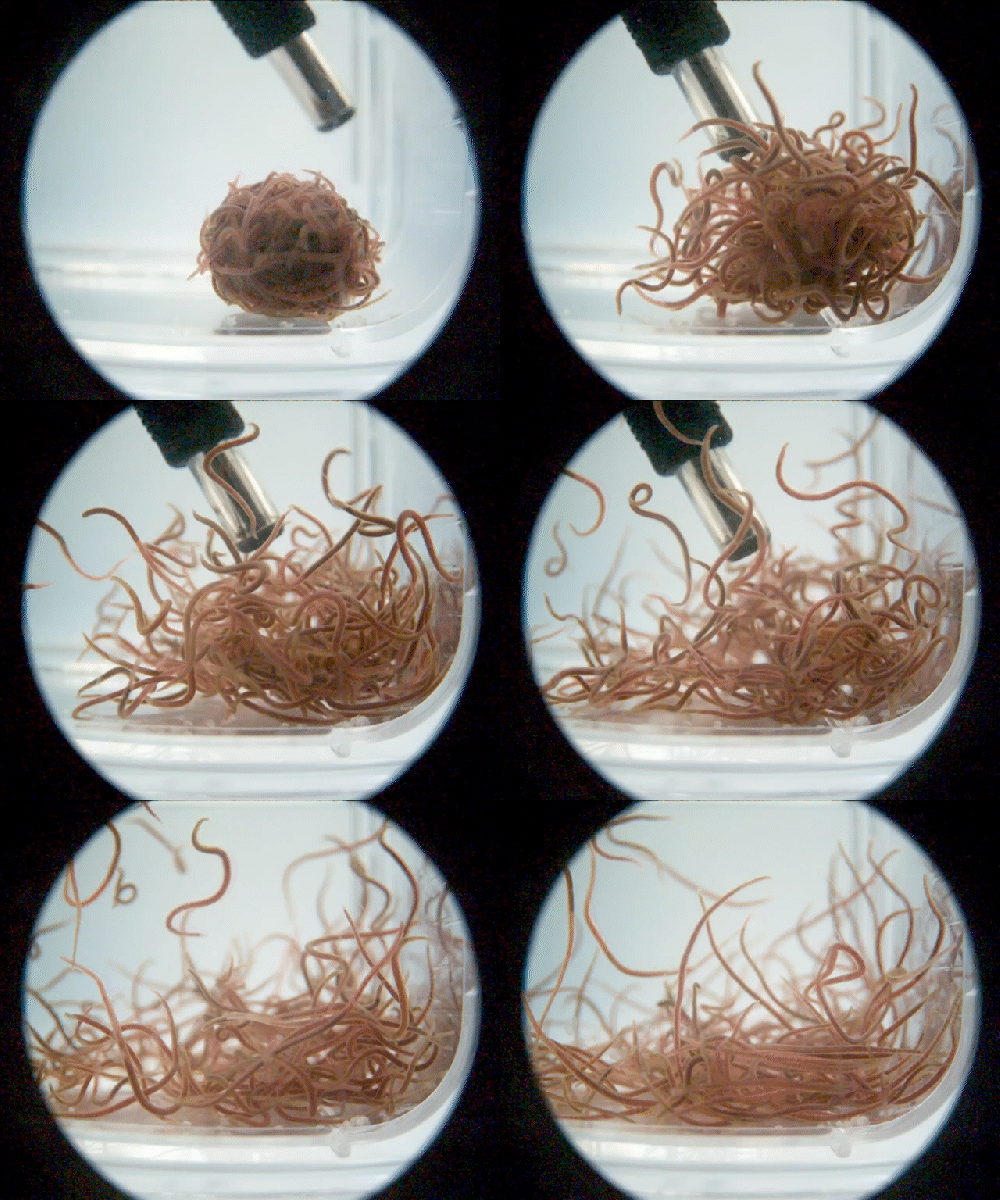
California blackworms gather together in tangled-up balls to preserve moisture during droughts, but they can rapidly separate when they perceive danger thanks to a special helical wriggle


Sign up to our weekly newsletter

Receive a weekly dose of discovery in your inbox. We'll also keep you up to date with New Scientist events and special offers.

Sign up
Piano Exit Overlay Banner Mobile Piano Exit Overlay Banner Desktop