Subscribe now

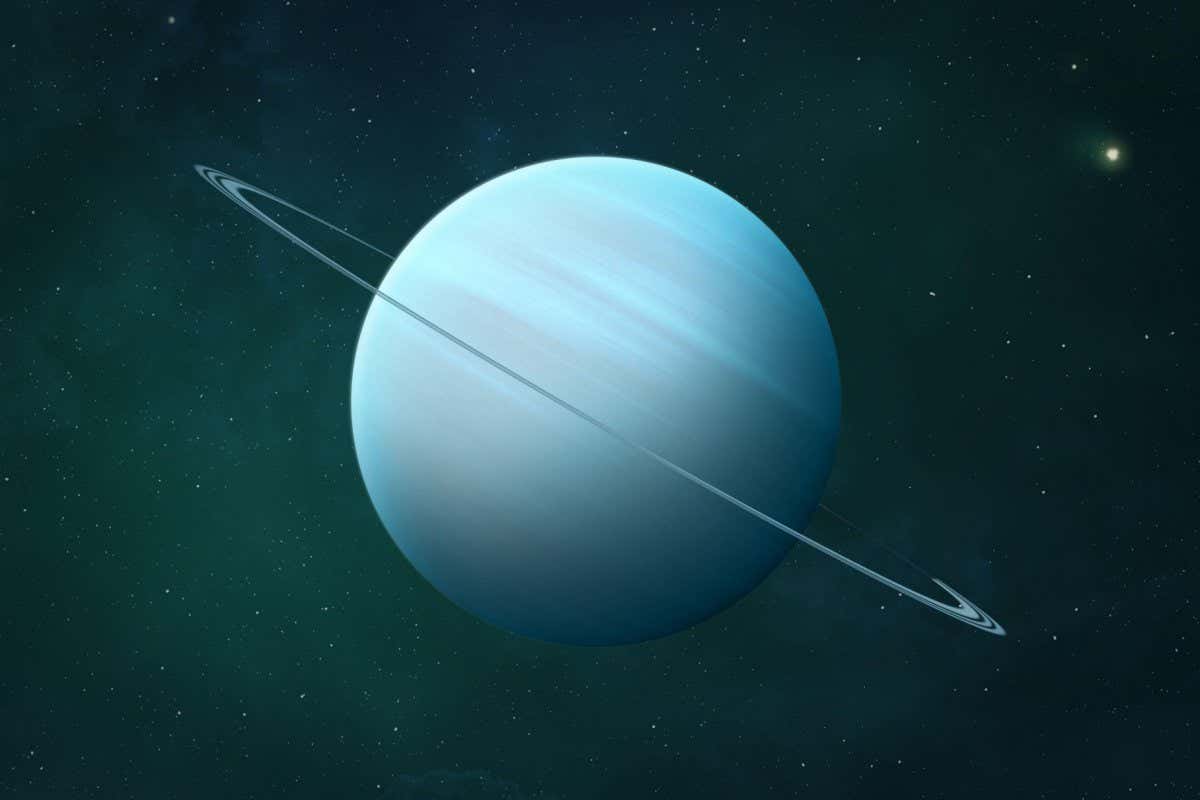
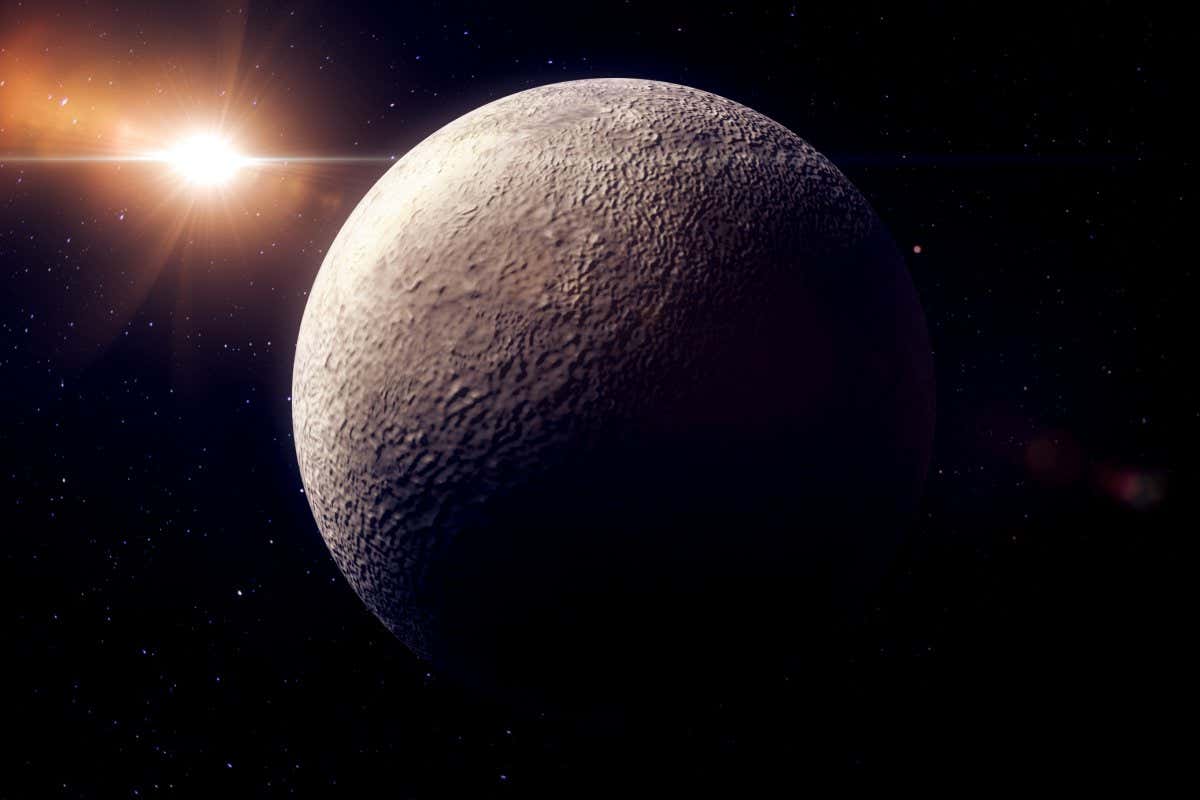
Our solar system could be hiding an extra planet the size of Uranus

27 June 2023

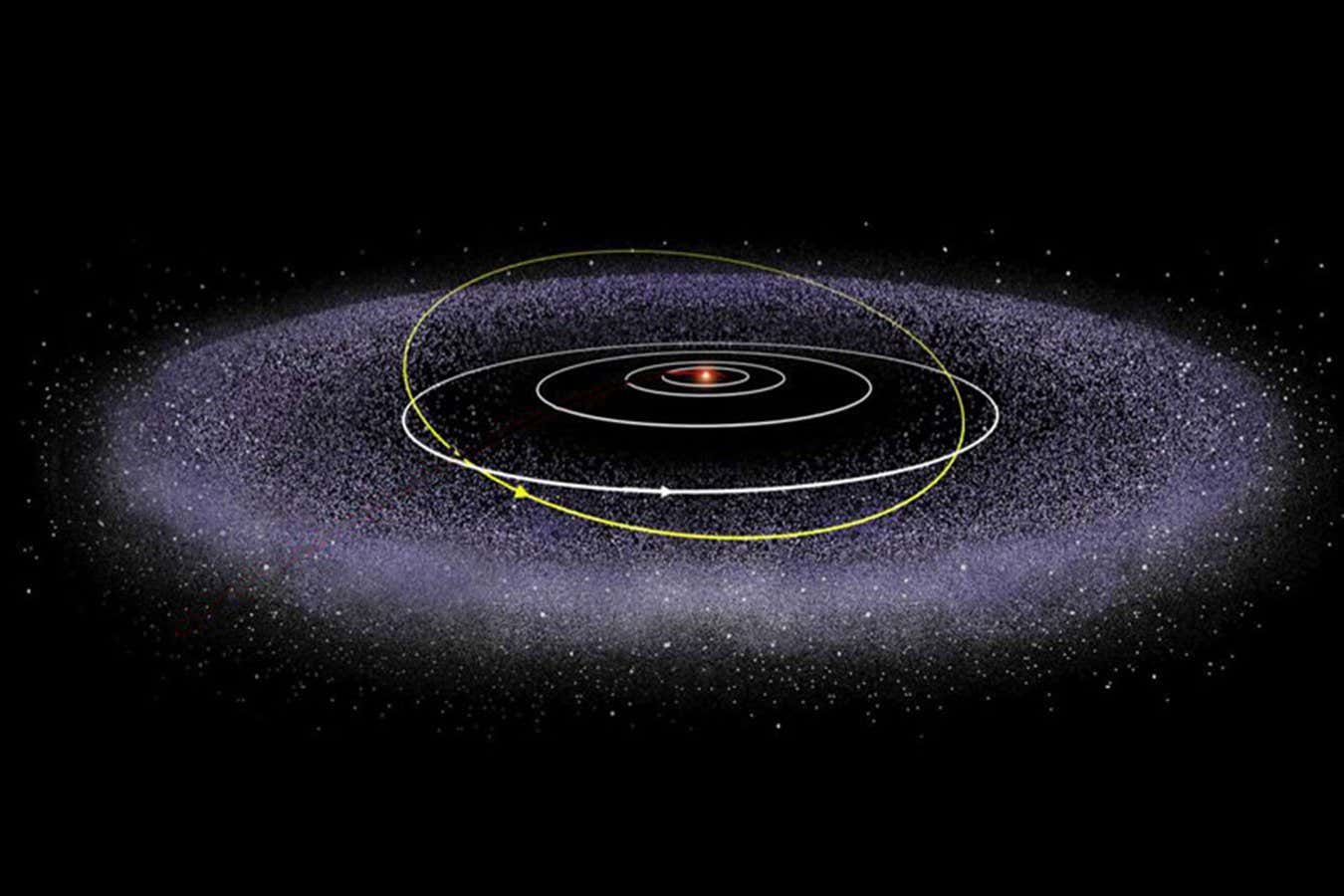
Many planets are thought to be flung away from their stars, but it’s possible that some get trapped on the way out – and one could be lurking at the edge of our own solar system
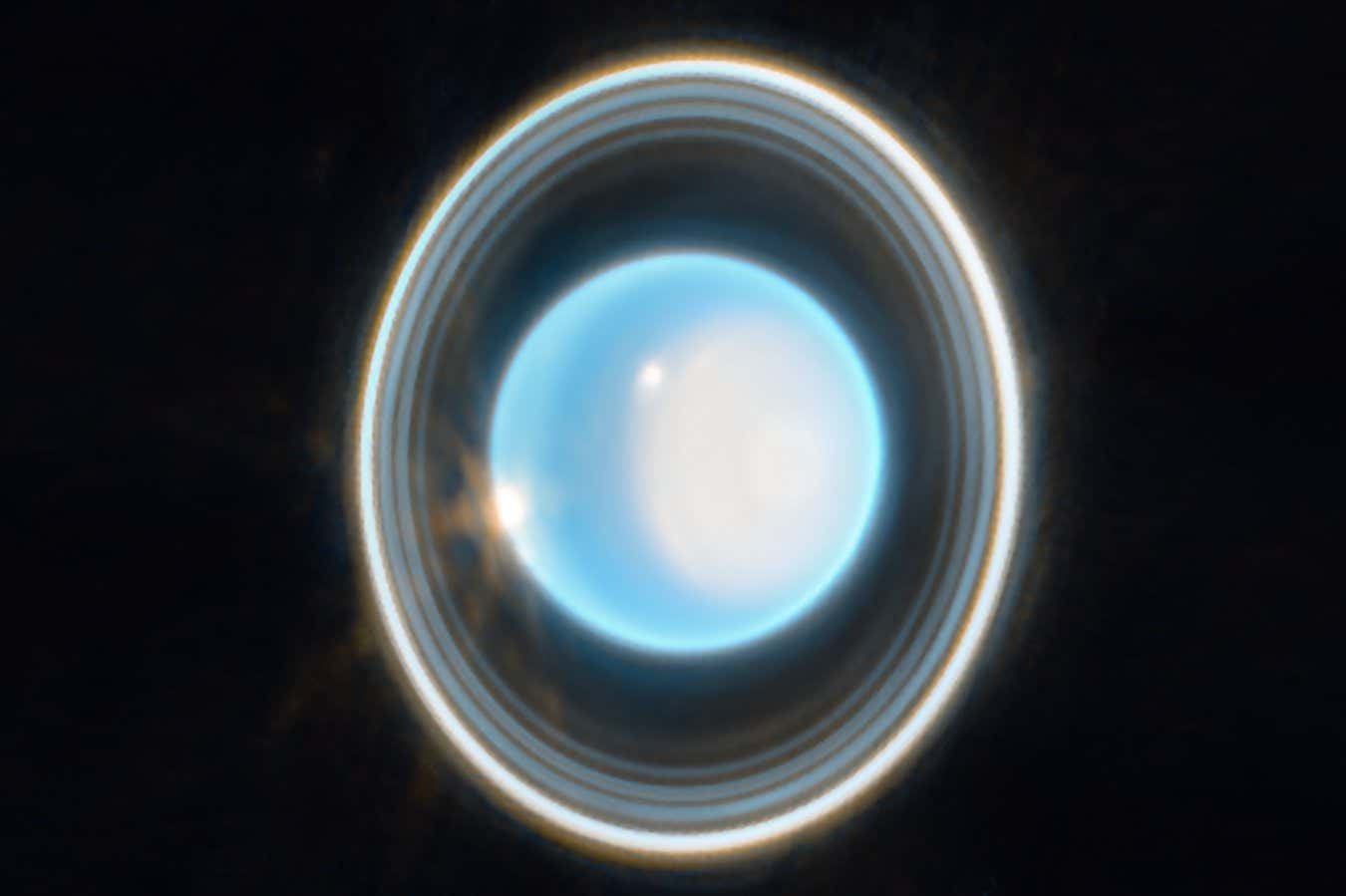

Breathtaking JWST image of Uranus shows rings, clouds and a polar cap

6 April 2023

We only have a few images of the rings around Uranus, but now the James Webb Space Telescope has captured a startling view


Visualisation of the dwarf planet Quaoar

Dwarf planet Quaoar has a weirdly big ring of debris encircling it

8 February 2023

Quaoar, a dwarf planet in our solar system, has a ring of debris orbiting it that is far further out than we thought the laws of physics allow


Our neighbouring planets can help us understand Earth's climate change

Our neighbouring planets can help us understand Earth's climate change

31 August 2022

Studying the atmospheres of Venus and Mars can help us learn how Earth's climate will look in the future, says David Grinspoon


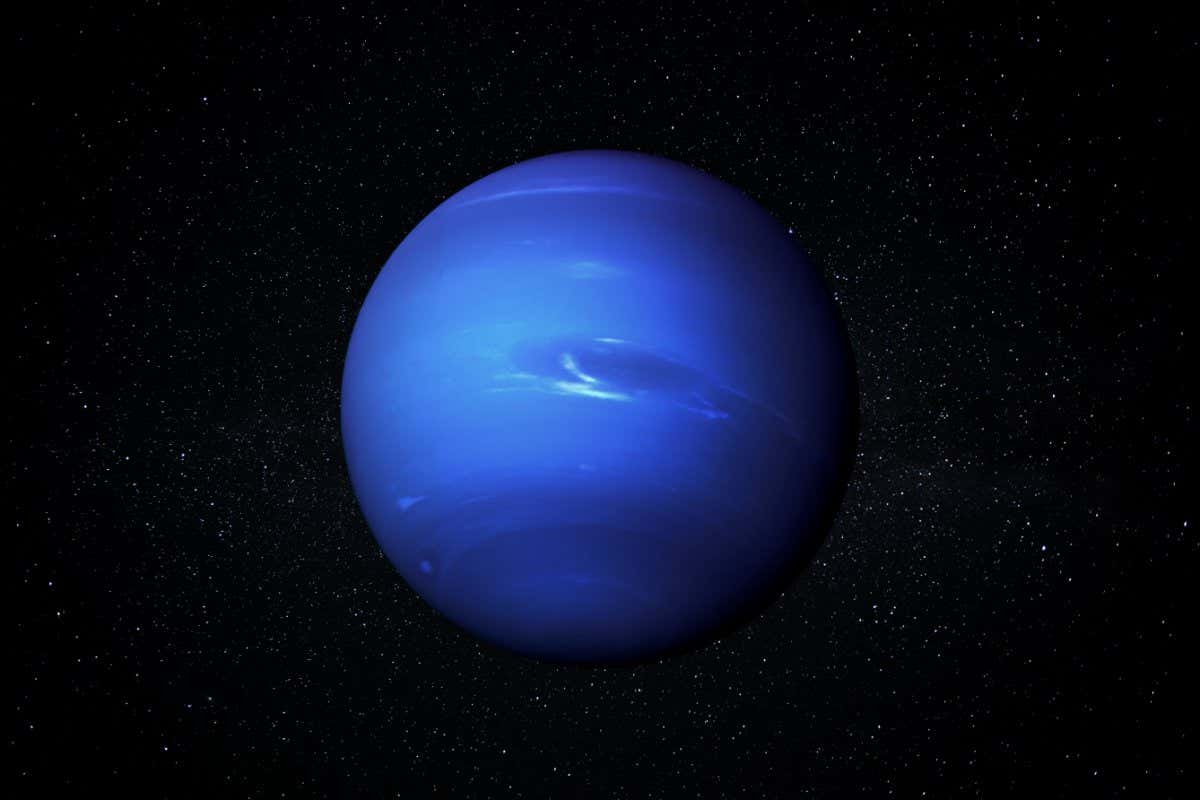
Planet Neptune in the Starry Sky of Solar System in Space with image elements furnished by NASA.

A passing star shifting Neptune’s orbit could wreck the solar system

6 July 2022

If a star flying past our solar system moved Neptune's orbit by just 0.1 per cent, it could eventually cause the other planets to smash into one another or get thrown out of the solar system entirely


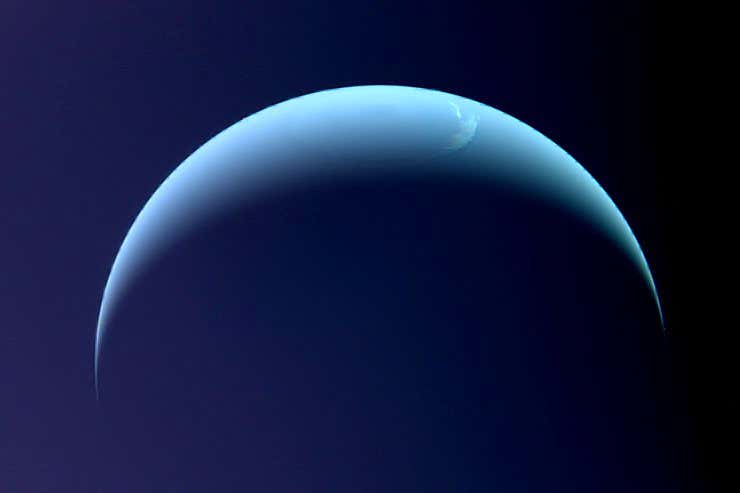
Main ? Voyager 2 view of Neptune, captured in August 1989. Credit: NASA/JPL-Caltech/Kevin M. Gill

Neptune has been slowly cooling for 15 years when it should be warming

11 April 2022

Nearly two decades of observations have shown that Neptune's southern hemisphere has been slowly cooling down when it should be heating up, and we don’t know why


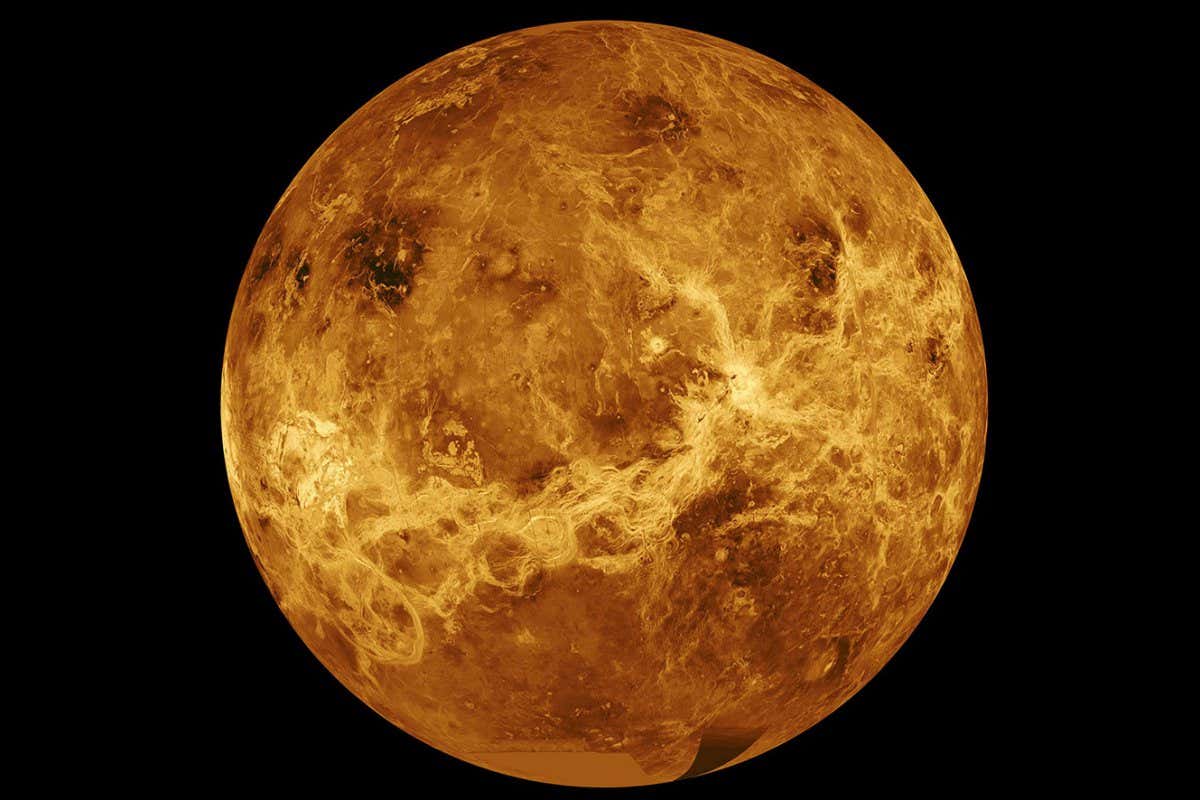
A composite view of Venus from data from NASA's Magellan spacecraft and Pioneer Venus Orbiter

Life on Venus may have only been possible for its first billion years

28 September 2021

Previous research suggested Venus may have been habitable for 2 to 3 billion years, but that didn’t take into account the lack of plate tectonics, which affects CO2 levels and narrows the window for life on Venus


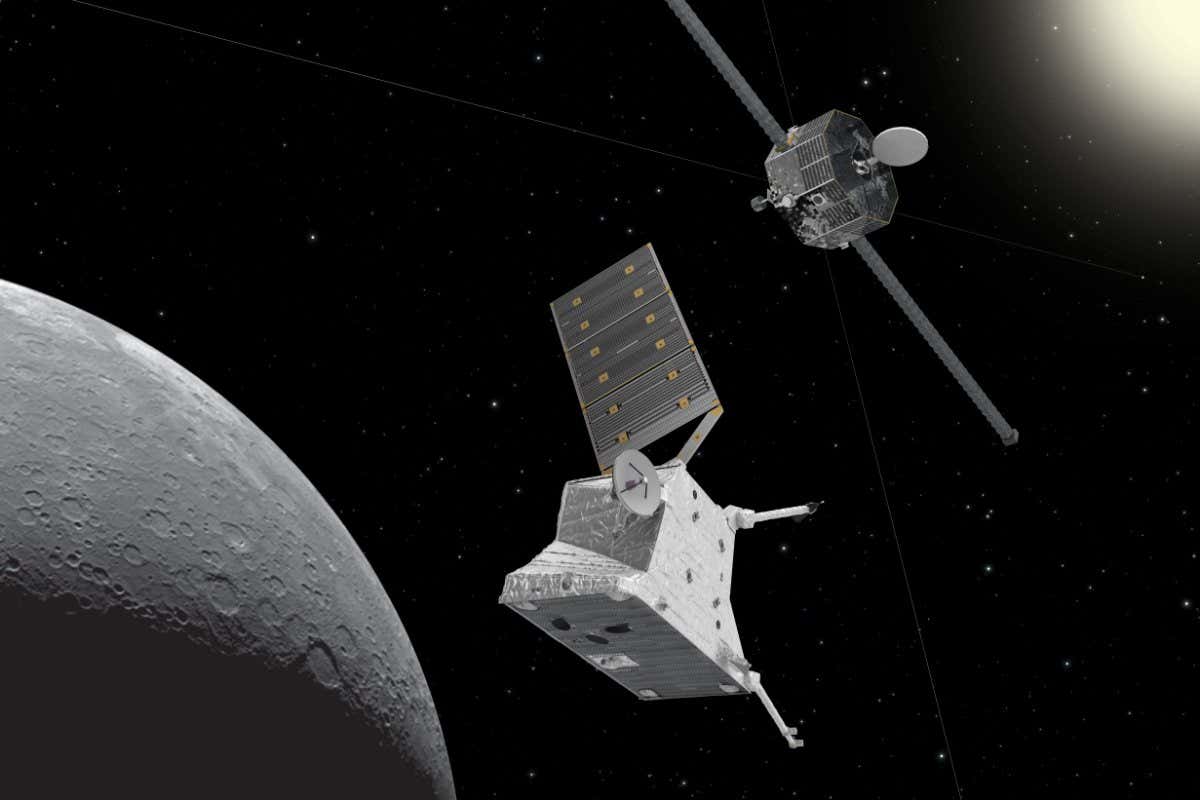
Artist?s impression of the BepiColombo spacecraft at Mercury. The mission comprises ESA?s Mercury Planetary Orbiter (foreground) and JAXA?s Mercury Magnetospheric Orbiter (background). The image of Mercury was taken by NASA?s Messenger spacecraft.

The BepiColombo spacecraft is about to make its first Mercury fly-by

17 September 2021

The BepiColombo mission will pass within about 200 kilometres of the surface of Mercury in October, where it will measure the planet’s magnetic field and exosphere


View of planet Uranus from spac

Mushballs inside Uranus and Neptune may solve an atmospheric mystery

17 September 2021

Uranus and Neptune appear to have less ammonia than expected, but it might have been hidden by slushy balls of ammonia and water that hail down deep into the planets’ atmospheres


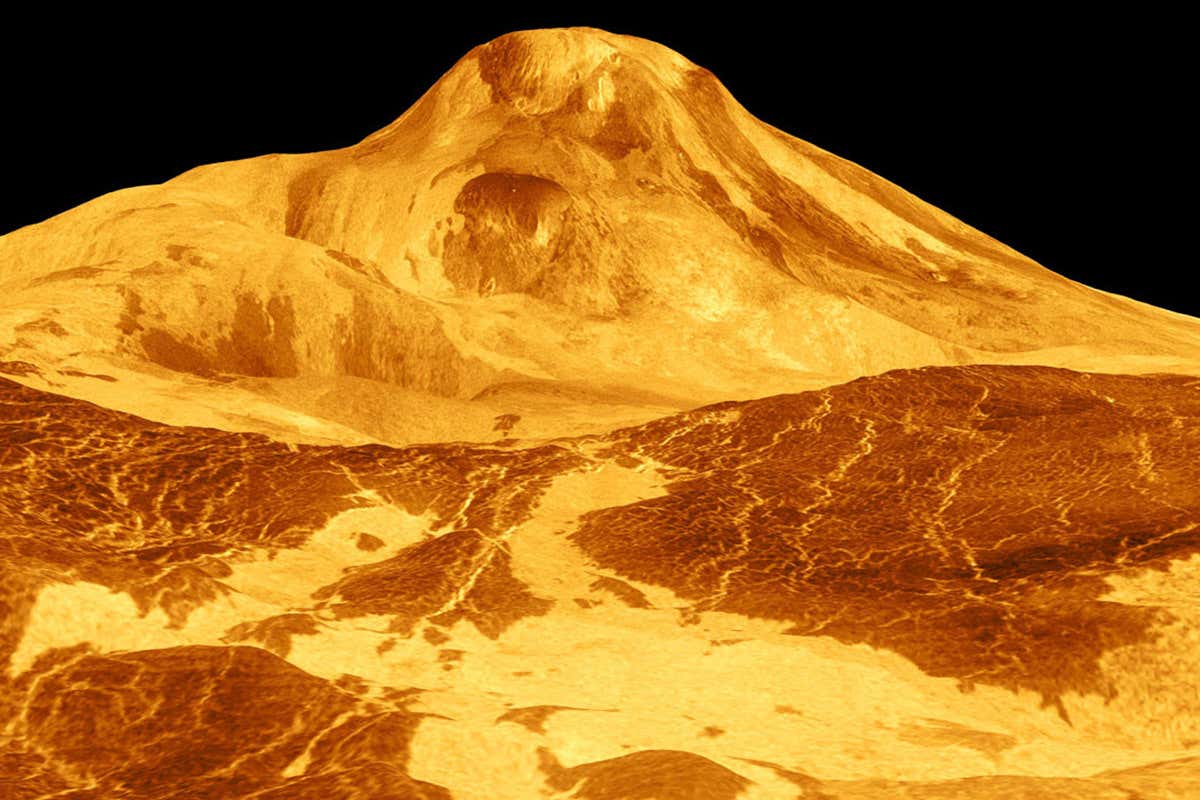
Strange gas in Venus’s clouds may be a sign of volcanoes, not life

Strange gas in Venus’s clouds may be a sign of volcanoes, not life

12 July 2021

Phosphine gas in the atmosphere of Venus was considered a possible sign of life, but it could come from volcanic eruptions sending enormous plumes of lava into the air


Sign up to our weekly newsletter

Receive a weekly dose of discovery in your inbox. We'll also keep you up to date with New Scientist events and special offers.

Sign up
Piano Exit Overlay Banner Mobile Piano Exit Overlay Banner Desktop